
Tag: Retirement Activities

  • Staying Active After 65: 30 Creative And Fun Ideas For A Fulfilling Retirement

    Staying Active After 65: 30 Creative And Fun Ideas For A Fulfilling Retirement

    Retirement shouldn’t be about slowing down—it should be about revving up for a whole new life!  Are you a soon-to-be retiree wondering how to fill your days with fun and fulfillment? Or maybe you’re looking for exciting activities for the active senior in your life. Look no further!

    I’m your guide to an amazing retirement, and I’ve curated a list of 30 awesome activities that 65-year-olds love. So, let’s dive in right away!

    1. Gardening

    Gardening is a perfect activity for seniors. It provides a tranquil escape in nature, promoting relaxation and peace. More importantly, it offers gentle exercise that improves physical health and mobility. Studies even show gardening can lower stress, improve mood, and boost cognitive function. However, they should be careful with their posture as they garden to prevent accidents.

    For added enjoyment, seniors can experiment with plant combinations, join community gardens, or grow their favorite fruits and vegetables to share the harvest with loved ones. It’s a fun and rewarding way to stay active, healthy, and connected.

    Read: 11 Science-Based Benefits Why Gardening Is Good For Seniors

    2. Cooking

    Cooking is a fun and creative outlet to explore new flavors and cuisines. But the real benefit lies in its impact on health. Home cooking is linked to a better diet, with more fruits, vegetables, and whole grains, leading to improved well-being for seniors.

    You can experiment with new recipes, host potlucks, or take online cooking classes to learn new skills and techniques. It’s a delicious way to stay healthy, engaged, and possibly even connect with others who share their passion for food.

    To get more out of cooking, consider online cooking classes like MasterClass for fun and skill development. With renowned chefs teaching a variety of cuisines, you can learn at your own pace from the comfort of home.

    3. Host Parties

    Hosting parties can be an enjoyable way to socialize, connect with loved ones, and create lasting memories. Beyond the social benefits, planning and organizing events keeps them mentally active, potentially helping to maintain cognitive function. It is also a good way to make new friends!

    To add excitement, seniors can theme their parties, incorporate games or activities, involve guests in preparations, and create a welcoming ambiance. It’s a rewarding way to stay socially engaged, mentally stimulated, and connected to their community.

    4. Follow Classes

    Lifelong learning through classes offers seniors a multitude of benefits. It allows them to explore passions, develop new skills, and connect with like-minded people. More importantly, it can stimulate the brain and delay cognitive decline. Old dogs can’t learn new tricks, but seniors definitely can still learn.

    Choose classes you’re passionate about, participate in interactive sessions, or even teach a class yourself. Online options like MasterClass offer flexibility and a vast range of subjects, from cooking to music to business, all taught by renowned experts.

    5. Hike National Parks

    Exploring national parks through hiking offers seniors a good way to reconnect with nature, embark on adventures, and enjoy the outdoors. It provides physical activity that strengthens the heart, improves flexibility, and promotes overall well-being.

    However, make sure to choose trails suited to your abilities. You can also hike with friends or family to help you if the path you took is too tough for you. It also helps to invest in comfortable, safe gear. It’s a rewarding way to stay active, explore, and immerse themselves in the beauty of nature.

    If you want to learn more about hiking, get a copy of the best-selling book 100 Parks, 5,000 Ideas as a retirement gift for yourself. And if you want to learn more about the benefits of hiking, check out my article: Why Hiking Is Good For Seniors.

    6. Make Roadtrips In RV

    RV road trips offer seniors the freedom to explore at their own pace with home on wheels, fostering connection and creating memories with travel companions.

    Plan scenic routes with interesting stops, incorporate outdoor activities, join RV clubs for camaraderie, and document your adventures. It’s a dream come true for many retirees, offering a unique way to travel and experience the world.

    7. Do Volunteer Work

    Volunteering offers seniors a chance to give back, connect with their community, and experience a sense of purpose. According to Harvard Health, volunteering for as little as two hours weekly can reduce the risk of early and unexpected death—this is compared with those who don’t volunteer.

    There are many causes to choose from and be sure to choose one that you care about. It would be also better to volunteer with loved ones, explore different opportunities, and participate in group activities to keep things engaging. With volunteering, you can have a fulfilling way to stay active, socially connected, and make a positive impact.

    8. Write Books

    Chronicling their lives and sharing knowledge through writing a book offers seniors a creative outlet and mental stimulation. Interestingly, it has been found that reading and writing can help boost brainpower, together with physical activity.

    If it would be your first time writing, consider joining writing groups, exploring genres, and setting achievable goals that can make the process enjoyable. It’s a rewarding way to leave a lasting legacy and express themselves creatively.

    Meanwhile, if you’re interested in taking up writing and upgrading your skills. There are amazing online classes from the best writers in the world.

    9. Sing

    Singing is a good outlet for retirees and seniors to self-express and connect socially. You can sing in choirs, karaoke, or just sing with loved ones. Beyond the fun, it benefits mental health by reducing stress, boosting mood, and promoting well-being through the release of endorphins and oxytocin.

    10. Swim

    Swimming is a refreshing way for seniors to stay active and to stay physically fit. The low-impact nature of swimming strengthens muscles, improves flexibility, and promotes cardiovascular health without straining joints.

    Start with getting swimming classes. If you become better at it, try different strokes, join water fitness classes, or explore different aquatic environments.

    11. Play Games

    Play games if you want to stay mentally stimulated, socialize, and be entertained. Video games have been researched to show potential in improving memory in older adults.

    So, enjoy game nights with loved ones, find new games, or even try playing online for virtual interaction. It’s a brain-boosting activity that keeps seniors engaged and connected.

    Read: 15 Best Outdoor Games For Senior Citizens

    12. Solve Puzzles

    Stimulate your mind by solving puzzles. It offers a sense of accomplishment and challenges memory, focus, and problem-solving skills. Just like with video games, it can help maintain cognitive function and reduce the risk of decline.

    Start with crosswords, Sudoku, jigsaws, or logic puzzles. To make it more fun, set goals, or collaborate with others. After playing a few games, you’ll certainly feel you’re getting sharper.

    13. Listen To Podcasts

    Podcasts offer seniors a fun and informative way to stay entertained and engaged. Podcast is basically our modern version of radio. With a vast array of topics to choose from, seniors can learn new things, stay current on their interests, and feel connected to the outside world.

    Thankfully, there are a lot of podcasts to choose from and you can choose whenever and wherever you can. Listening to podcasts is also a great way to make mundane chores less boring.

    14. Have A Fun Part-time Job

    A fun part-time job offers seniors social interaction, purpose, and the opportunity to learn new skills. Plus, the extra income can be a welcome boost. And luckily, there are a lot of in-demand jobs for seniors waiting for you to take!

    Look for jobs that align with your interests and skills, with flexible hours and a positive work environment. With a part-time job, you can stay active and engaged, and keep that sense of purpose many crave in retirement.

    15. Read Books

    Reading offers seniors a fun escape, intellectual stimulation, and a chance to explore new worlds. Join book clubs, explore different genres, create cozy reading nooks, and share favorite books with loved ones. Through reading, you can relax, learn, and stay mentally sharp at the same time.

    Read: 25 Best Books Old People Like To Read (All Novel Genres)

    16. Bird Watching

    Bird watching is a peaceful way to connect with nature, observe wildlife, and reduce stress. It has been one of the fastest-growing hobbies in America for the past few years. 

    To enjoy it fully, buy binoculars, travel to different habitats, and take lots of pictures. It’s definitely a great hobby to have to let you have a leisurely and relaxed retirement.

    17. Restore A Classic Car

    Restoring a classic car gives seniors a really satisfying and nostalgic thing to do. Even though it might cost money—potentially a lot—it’s a cool way to use your imagination and solve problems, and it feels great when you finish.

    To start, you can get ideas from car shows and watch videos about fixing cars on places like YouTube. For lots of older people, especially men, fixing up an old car is something they’ve always wanted to do that they can get done once they retire.

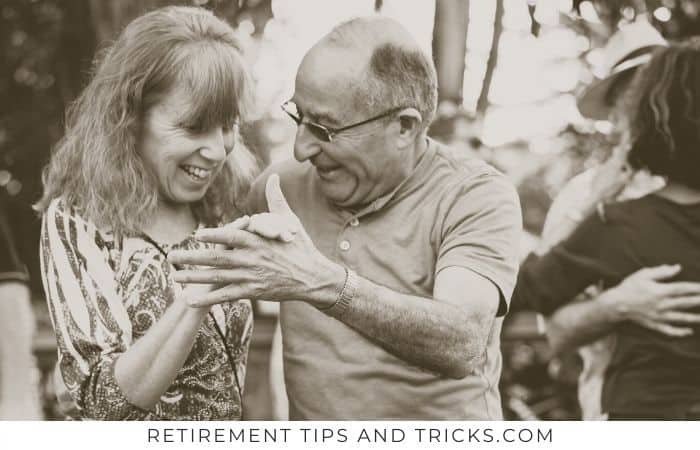
    18. Dance

    Dancing offers seniors a fun way to express themselves, enjoy music, and stay active. It also provides cardiovascular benefits, improving heart health, balance, and coordination. Studies even show it can reduce chronic disease risk, improve cognitive function, reduce signs of aging, and boost mood and social well-being.

    You can explore various dance styles, attend classes or social events, dance with partners, or incorporate dance into your exercise routines to truly reap the benefits of dancing.

    19. Do Arts And Crafts

    Arts and crafts offer a treasure trove of benefits for retirees. It’s a fun outlet for creativity and self-expression, allowing you to craft beautiful pieces you can cherish or even sell. Beyond enjoyment, it boasts therapeutic benefits, promoting relaxation, stress relief, and potentially reducing anxiety and depression symptoms.

    Start with beginner-friendly options like painting, pottery, or knitting. To expand your skills, consider taking classes or workshops. Sharing your creations with friends, family, or online communities adds another layer of enjoyment and connection. It’s a fulfilling and mentally stimulating activity that keeps your mind sharp and your spirit vibrant.

    Read: 140 Amazing Hobbies For Your Retired Mom (That She’ll Love)

    20. Genealogy

    Genealogy isn’t just about names and dates; it’s a captivating adventure into your family’s history. Seniors can discover fascinating stories about their ancestors, connect with relatives they never knew existed, and delve into their unique heritage. Aside from being a good pastime, genealogy offers intellectual stimulation and can keep your mind sharp.

    Fortunately, it’s easy to get started with genealogy. You utilize online genealogy resources and databases, interview relatives to collect cherished memories, attend workshops to learn new techniques and create visual family trees or scrapbooks to document their findings. It’s a way to preserve your family legacy and share it with future generations.

    21. Go On A Cruise

    Cruises offer a perfect blend of relaxation and exploration for retirees.  Imagine unwinding in luxurious comfort, visiting diverse destinations, and enjoying onboard amenities and entertainment. Beyond the pampering, cruises provide opportunities for social interaction and meeting new people, promoting well-being and creating lasting memories.

    Choose cruise itineraries that align with your interests, whether it’s exotic destinations, cultural exploration, or onboard activities like dance classes or wine tastings. While cruises can vary in cost, the all-inclusive nature and convenience often make them a good value.

    22. Go To The Gym

    Gyms offer more than just weight machines for retirees. It’s a structured environment with a variety of equipment to keep workouts fun and engaging. Plus, it provides opportunities for social interaction, making exercise a more enjoyable experience.  Regular gym use is a proven way to improve physical health, strength, flexibility, and cardiovascular health for seniors.

    Explore different workout options like aerobics, weight training, or group fitness classes. Consider working with a trainer to set goals and track progress. You can even incorporate activities like swimming into your routine for a well-rounded approach to fitness. It’s a fantastic way for seniors to stay active, healthy, and social.

    23. Photography

    Photography is more than just snapping pictures. It’s a therapeutic and creative outlet for retirees to capture precious memories, express themselves artistically, and explore the world through a new lens. To enjoy it more, experiment with different techniques and delve into diverse subjects like nature or street photography.

    Also, share your photos with loved ones. It helps create lasting memories and foster connections. It’s an easy-to-start hobby that keeps your mind sharp, reduces stress, and lets you see the beauty in everyday moments.

    24. Learn A New Language

    Learning a new language is more than just memorizing vocabulary; it’s a brain-boosting adventure for retirees. It opens doors to new cultures, broadens horizons, and keeps your cognitive skills sharp. Studies even suggest bilingualism can delay dementia and improve memory.

    The good news? It’s never too late to learn a new language! Interactive apps, conversation groups, and cultural immersion experiences can make learning fun and engaging. For many seniors, mastering another language is a cherished dream, and with the right approach, it’s entirely achievable.

    25. Play A Musical Instrument

    Music lovers of all ages can enjoy the benefits of playing an instrument, but learning a new instrument holds particular appeal for retirees. It offers a creative outlet, a sense of accomplishment, and a way to express themselves musically. 

    Research shows it can enhance cognitive function by improving memory, coordination, and concentration. Playing may even have neuroplastic effects on the brain, strengthening neural connections and potentially reducing cognitive decline.

    To make it more fun, seniors can choose an instrument they’ve always wanted to learn, take lessons, play with friends, or explore different genres. It’s a perfect way to scratch that creative itch, boost brainpower, and connect with others through music.

    Read: 15 Of The Easiest Instruments To Learn For Seniors

    26. Join Community Groups

    Joining community groups combats loneliness and fosters connection for retirees. It offers a supportive environment for social interaction, friendship, and shared interests. Remember, you need healthy social connections at your ripe age. After all, seniors are the most vulnerable to loneliness and its negative effects.

    Start by exploring groups aligned with your hobbies. Be sure to actively participate and even volunteer to contribute and make a meaningful difference. Community groups are a great way for retirees to find like-minded friends and combat the social void sometimes left after leaving the workforce.

    27. Metal Detecting

    Metal detecting isn’t just about finding treasure; it’s an exciting blend of outdoor exploration and historical discovery. Imagine the thrill of uncovering hidden artifacts or relics that whisper stories of the past.

    Metal detecting also promotes physical activity and well-being. Spending time outdoors is a natural mood booster and stress reliever, while searching keeps seniors physically engaged.

    To maximize the experience, research historically significant areas or ones known for lost treasures. Advanced equipment can help you find more, while clubs and online communities offer camaraderie, tips, and a platform to share your discoveries.

    Whether it’s a collection of coins or a potential Civil War relic, documenting your finds creates a personalized treasure chest of memories to share with others. It’s the perfect way for retirees who love adventure to get some exercise, connect with history, and unearth the unexpected.

    28. Babysit Grandchildren

    Babysitting grandchildren offers a wealth of joy for seniors. It also gives a lot of opportunities to cherish time with loved ones, creating lasting memories and strengthening family bonds. 

    So volunteer yourself to babysit. Plan engaging activities, share stories and traditions, or involve grandchildren in chores—all while creating a special connection through quality time together.

    29. Pet Sitting

    Pet sitting allows seniors to enjoy the companionship and affection of animals without the full commitment of pet ownership. It provides a sense of purpose and responsibility, while the daily tasks of walking, playing, and grooming offer opportunities for physical activity and mental stimulation. Some researches even show that interacting with pets can reduce stress, lower blood pressure, and improve overall well-being in seniors.

    To make pet sitting even more enjoyable, seniors can choose pets that suit their lifestyle, establish routines and bonding activities, explore local parks with their retirement cats and support dogs, and communicate regularly with pet owners for a smooth and fulfilling experience for everyone involved.

    30. Home Brewing

    Homebrewing entices retirees with its creativity and satisfaction of crafting unique beers or wines. It fosters a social atmosphere through sharing with loved ones and gatherings. 

    Seniors can join communities, attend workshops, and experiment with recipes to maximize enjoyment. It’s a rewarding way to unwind and share the fruits (or hops) of their labor.

    Conclusion

    So there you have it! 30 fantastic activities to jumpstart an exciting and fulfilling retirement. Whether you crave creative pursuits, social connections, or intellectual challenges, there’s something for everyone. 

    And if you want to start with reading, then I have a ton of articles for you! Here are some of them:

    Happy reading!

  • What Retirees Do All Day: Top Activities for a Meaningful and Active Retirement

    What Retirees Do All Day: Top Activities for a Meaningful and Active Retirement

    Planning for a fulfilling retirement is a crucial step in securing financial security and overall well-being. However, navigating this new chapter can raise questions about how best to utilize newfound free time. So, what do you need to do to answer this question? Well, look at the data and see how other seniors and retirees are doing with their time.

    So, this article explores how retirees typically spend their days, drawing on data from the American Time Use Survey by the Bureau of Labor Statistics (BLS). We will delve into the most popular activities among retirees, highlighting the importance of staying active and engaged for a happy and healthy retirement.

    Popular And Common Retirement Activities According To BLS

    Your upcoming retirement is likely something you’re both looking forward to and apprehensive about. Many people initially struggle with how to fill their days. However, knowing what other retirees do can be reassuring.

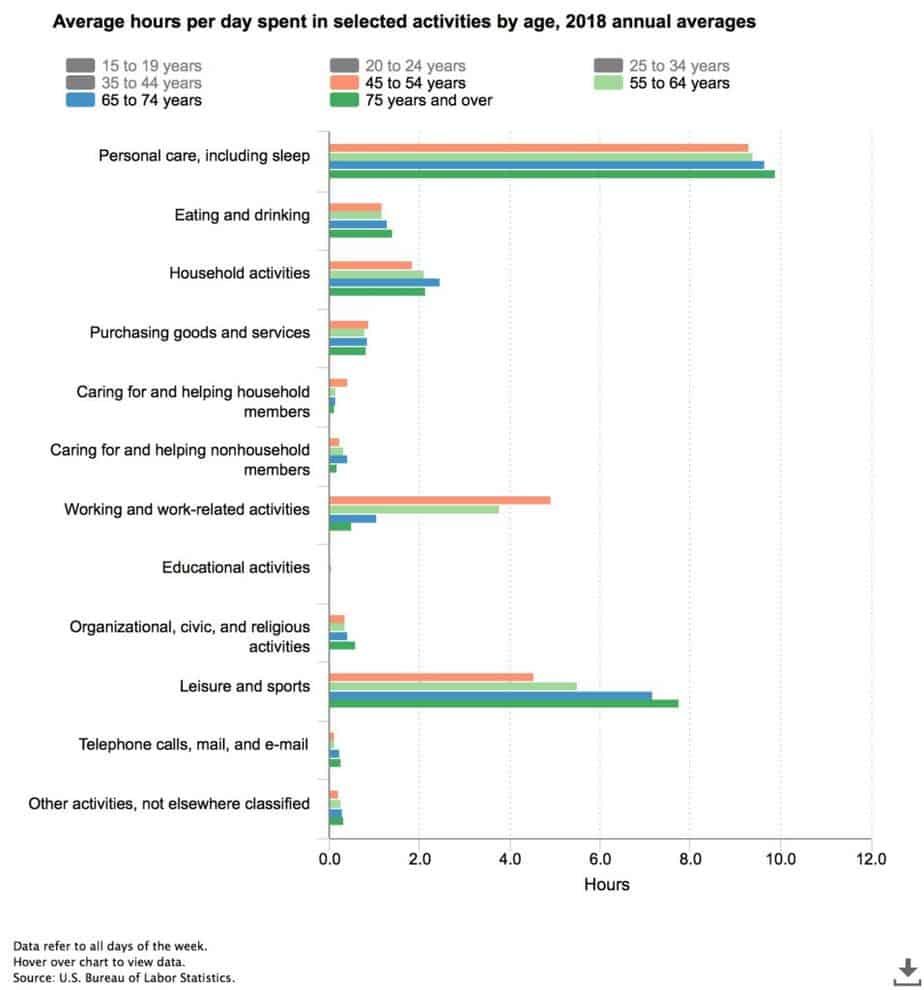
    The American Time Use Survey by the BLS offers valuable insights. Most retirees spend their days engaged in normal activities like sports, socializing, traveling, and personal care (including sleep). According to the survey, people between 65 and 75 years old and over dedicate an average of over nine hours a day to personal care activities. Leisure and sports activities occupy another seven or more hours.

    Household chores (around two hours daily) and eating/drinking (approximately one and a half hours daily) are also common time commitments. Interestingly, the survey reveals that work-related activities decrease as people age. When comparing the 45–64 and 65+ age groups, the most significant change is in work-related activities, which is logical due to retirement.

    Below is a snapshot of the American Time Use Survey chart from BLS:

    You can see the full article on the website of BLS

    The chart initially surprised me with its low numbers for educational activities among retirees. However, it’s important to clarify that this category likely refers to formal schooling or college courses.

    In reality, activities like reading (which can be highly educational) or taking online courses fall under ‘leisure activities’ in the survey. Regardless of the label, staying active mentally is crucial for healthy aging.  When you keep learning, you keep your brain sharp and contribute to mental fitness. We’ll explore this further later.

    The listed activities in the survey are too broad, so I’m going to break them down in the next section.

    A Breakdown Of Popular And Common Activities In Retirement

    Popular activities in retirement can be categorized in several ways. One approach focuses on physical, mental, and social aspects. Another breaks them down into basic needs, leisure, and health maintenance.

    This article will explore these categories and provide tips for incorporating them into your lifestyle, even if you haven’t already.

    Physical Activities

    Staying active is key for retirees to thrive. Regular exercise isn’t just about maintaining a healthy weight or warding off chronic diseases like heart trouble and diabetes. It’s a powerful tool to boost energy levels, improve mood, and enhance overall well-being.

    Think about daily walks in nature or group exercise classes designed specifically for retirees. The Centers for Disease Control and Prevention (CDC) recommends at least 150 minutes of moderate-intensity aerobic activity each week for adults over 65, along with muscle-strengthening exercises two or more days a week.

    Incorporating physical activity doesn’t have to be complicated. Schedule those walks, join a local fitness class, or explore low-impact options like swimming or yoga. To push yourself further, set specific fitness goals, track your progress, and gradually increase the intensity or duration of your workouts.

    Read my article, How Can You Stay Active in Retirement, for more ideas. Meanwhile, let me talk about two of the most common physical activities my retiree friends often do.

    Walking

    Walking is a very popular and common activity for retirees. It’s a great way to boost your health and happiness in several ways.

    First, walking with others is a fun way to make new friends. You’ll meet people who enjoy being active and exploring new places, just like you. Plus, having company can make your walks more enjoyable.

    Second, walking regularly helps you stay active, which is important for your overall health. It keeps your body moving and your muscles strong.

    Finally, walking can improve your mood and make you feel more positive. It’s a great way to get some fresh air and sunshine, which can boost your spirits.

    By the way, a study by Korean researchers suggests that walking faster might give you even more benefits. But remember, the most important thing is to get out there and start walking, no matter your pace. Walking is a simple activity with big rewards for your health and happiness in retirement!

    Swimming

    Swimming is a popular choice for retirees seeking a refreshing, social, and low-impact exercise option. Local pools and aquatic centers offer opportunities for physical activity, relaxation, and socializing with peers.

    Social swimming activities can take various forms, including water aerobics classes, joining a master’s swim club, or simply organizing group swims with friends.

    A study published in the International Journal of Aquatic Research and Education explored the health benefits of swimming. Their findings suggest that swimming is an effective way to improve cardiovascular fitness (CRF) for both healthy individuals and those with chronic diseases.

    The study highlights the various health advantages of swimming, positioning it as a valuable alternative to other forms of exercise. Interestingly, the results indicate that swimming might be just as beneficial as running, and potentially more advantageous than walking or inactivity altogether.

    Mental Activities

    Just like physical exercise keeps your body strong, mental stimulation helps your brain stay sharp. Reading, puzzles, and games aren’t just fun—they can actually enhance your memory, problem-solving skills, and overall cognitive function. Studies even suggest mental activities might help ward off cognitive impairment and decline.

    Think beyond crossword puzzles (though those are great too!). Imagine lively book clubs, fascinating lectures, or even learning a new language. Spark your curiosity and social connections by joining discussion groups or taking up a mentally stimulating hobby like painting or photography.

    There are many ways of staying mentally active. To get some ideas, check out my article: How Do I Keep My Brain Active In Retirement. Meanwhile, continue reading to know some mental activities I wholly recommend. 

    Take A Class

    A mental activity I love personally is taking classes. Taking a class isn’t just about acquiring new skills—it’s also a social adventure with a sprinkle of personal growth. Imagine whipping up culinary masterpieces in a cooking workshop, capturing stunning photos in a photography class, or letting your creativity flow in an art session.

    The benefits are more than just bragging rights, although those are fun too! According to Knute Nelson, a non-profit organization serving seniors, continued learning may help older adults increase neuron generation, reduce dementia risks, and improve their ability to handle challenges.

    Community colleges, adult education programs, and online platforms offer a treasure trove of options. Look for courses that ignite your curiosity, whether it’s mastering a new language, delving into history, or finally learning that instrument you always dreamed of playing.

    When you get yourself enrolled, don’t just be a passive participant! Dive headfirst into discussions, collaborate with classmates, and find ways to apply your newfound knowledge. Maybe you’ll bake a gourmet cake from your cooking class for a family gathering or showcase your photography skills with a local exhibit.

    For an extra dose of inspiration, consider MasterClass. This unique platform lets you learn from the best in the field. Follow a tennis clinic from Serena Williams, a cooking class by Gordon Ramsey, or a comedy class by Steve Martin! Learning a new skill has never been easier or more engaging.

    Meditation 

    Meditation, a form of mindfulness practice, offers a valuable tool for retirees seeking to manage stress and cultivate inner peace. It provides a structured approach to emotional regulation, promoting a sense of calm and well-being.

    While research on the full range of physical and mental health benefits for seniors is ongoing, studies consistently show that mindfulness activities like meditation are enjoyable and well-tolerated by older adults. This enjoyment itself can be a significant factor in promoting continued engagement with the practice.

    Integrating meditation into a daily routine is easier than you might think! Many applications and online resources offer guided meditations, perfect for beginners. These short sessions can help you develop comfort and familiarity with the practice.

    As you become more comfortable with meditation, consider exploring various techniques. Popular options include mindfulness meditation, loving-kindness meditation, and body scan meditation. Each technique offers a unique approach, so finding the one that resonates most with you is key to sustained practice.

    Social Activities

    Social connection is the cornerstone of a happy and healthy retirement. Retirees understand this well, actively seeking out opportunities to connect with others. After all, social activities can push someone to become more active and offer a powerful antidote to loneliness, fostering a sense of belonging and purpose.

    Imagine nurturing your passion for gardening with a local club, tackling challenging hikes with a group of fellow enthusiasts, or delving into new worlds with a vibrant book club. These activities provide much more than shared experiences. They offer companionship, support, and meaningful interactions that enrich your life.

    The benefits extend beyond the immediate joy of social connection. A study on social engagement patterns in underprivileged communities across six countries suggests that social activity promotes healthy living. Researchers found a link between social engagement and healthier habits like exercise and sleep, as well as lower levels of sadness and ill health.

    Make social connection a priority in your retirement. To get started, look for like-minded people you can connect with.  Being part of a group is a two-way street, so focus on building genuine connections and offering your own time and talents as well as benefiting from theirs. Take the initiative by hosting gatherings at your place, and be sure to attend theirs as well. This reciprocity will help you build strong friendships within the group.

    And, just like before, let me tell you two (technically three) important social activities you can get started with. If you’re done with this article, be sure to remind yourself to visit my article, 20 Ways How To Stay Social After Retirement, to gain more insights regarding social activities.

    Joining Clubs And Befriending Neighbors

    Joining a club can be a game-changer for retirees seeking social connections and shared interests. It’s a fantastic way to build meaningful relationships with like-minded individuals who share your passion for gardening, sports, volunteering, or any other hobby.

    However, the benefits of social connection extend beyond formal clubs. Professor Alex Haslam from the University of Queensland’s School of Psychology suggests that simply feeling a sense of belonging to your neighborhood can be very good for your mental health.

    Think about it: striking up conversations with neighbors, participating in community events, or even just feeling a sense of camaraderie with those around you can contribute to overall well-being.

    So, while clubs offer a structured way to connect, don’t underestimate the power of fostering a strong neighborhood identity. It’s all about finding ways to connect with the people around you and build a sense of belonging.

    Traveling

    For retirees, travel transforms from checking destinations off a list to creating lasting memories and forging deeper social connections. Imagine embarking on a group tour, where you’ll explore new cultures and share adventures with fellow travelers. Or perhaps you envision a multi-generational family trip, fostering closer bonds with loved ones while experiencing the world together.

    According to Chinese researchers, the very essence of tourism fuels various social benefits. Whether it’s fellow travelers on a tour, knowledgeable guides, or friendly locals encountered along the way, these interactions contribute significantly to your well-being.

    Think about it: these encounters provide opportunities for connection, companionship, and emotional support. You might learn new perspectives from fellow adventurers, gain insights from experienced guides, or simply share a laugh with local shopkeepers.

    When it comes to traveling and tourism, there are countless ways to get started! Join a travel club and connect with like-minded adventurers. Participate in group travel experiences tailored specifically for retirees. Or, plan a trip with friends or family, creating lasting memories together.

    However, be reminded that having a great travel adventure doesn’t mean that you need to go to a different country. There’s also a lot to explore in the United States. You can check out my article 20 Best Retirement Trips In The USA for more inspiration. 

    Get the #1 Retirement EBook
    and find happiness in retirement in just 5 steps!

    Conclusion

    After reading this article, you likely now have a good idea of what retirees typically do each day. The article also highlighted the benefits of these activities and how you can integrate them into your daily life as a retiree.

    To learn more about the life of a retiree and the things you need to know, be sure to check out my other articles, such as these:

    Happy reading!

  • Why Chiang Mai Stole My Heart (And Won’t Break Your Budget)

    Northwest Corner of the Chiang Mai moat and ancient wall

    For years, I dreamed of traveling the world once I retired—sipping coffee in exotic places, soaking up warm weather, meeting people who make you feel alive. But when retirement hit, so did reality: limited finances. How do you see the world without breaking the bank? I’m no expert, but after 3 months in Chiang Mai, Thailand, I’ve got some thoughts—and experiences—that might help you chase your own golden-years adventure. I came here craving friendly faces, incredible food, and a break from the chaos of life back home in the U.S. What I found was all that and more, at about a third of the cost of living in the States or Europe. Welcome to Thailand, the Land of Smiles—and trust me, that name checks out.

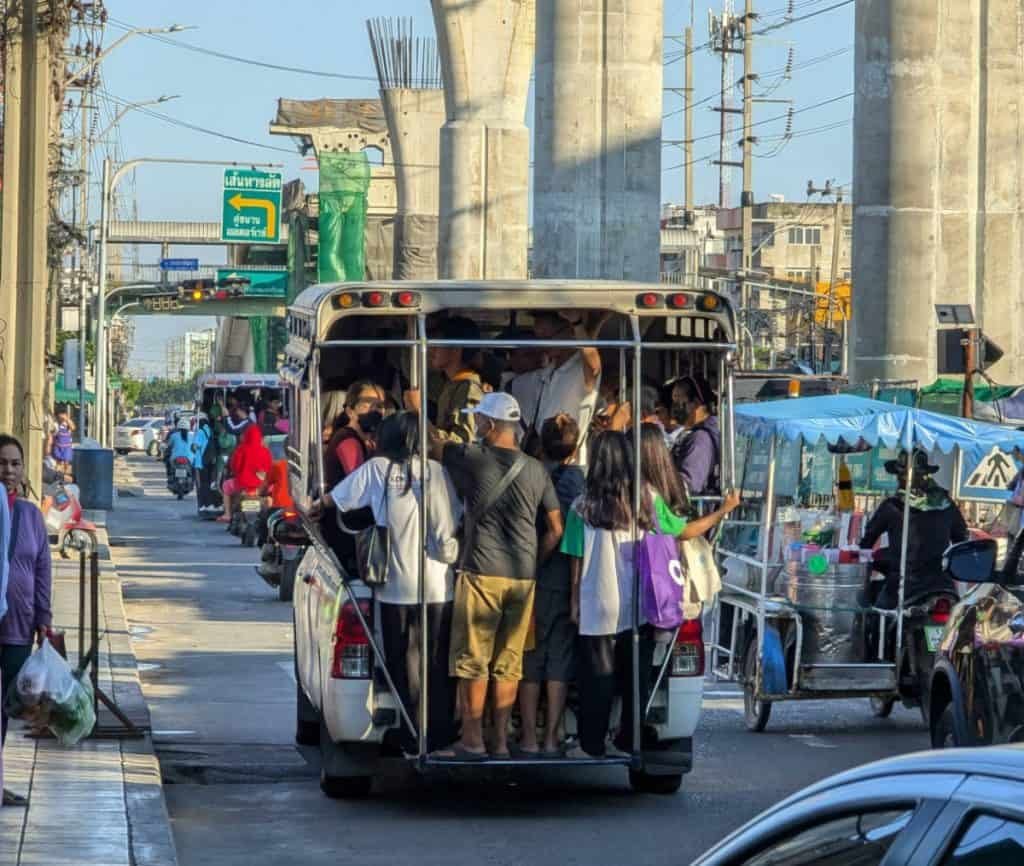
    Bangkok Commuters

    I landed in Bangkok just before Christmas 2024, bleary-eyed from a long flight. I’m not a big-city guy, but the 12 hours I spent there before hopping a plane north blew me away. Sure, it’s hustle and bustle—people moving fast, chasing business—but even there, strangers flashed warm smiles and offered help to this obvious foreigner. Then I arrived in Chiang Mai, Thailand’s second-largest city, tucked up in the north. This place has it all: a rich history, a laid-back vibe, and a thriving digital nomad scene. I rented a small apartment between the trendy Nimman neighborhood and the ancient Old City, and I’ve been walking everywhere—20 minutes gets you most places worth going. Three months in, I’ve wandered a dozen night markets, stuffed myself with street food, and met some of the kindest people on the planet. Here’s what I’ve learned so far.

    Christmas and New Year’s in Chiang Mai

    2024 Christmas Decorations at Maya Mall Chiang Mai Thailand

    When I arrived in Chiang Mai late December 2024, I wasn’t sure what to expect from a Buddhist country. Would it feel festive? To my delight, Thailand has embraced the holiday with open arms. Twinkling lights, Santa hats, and glittering trees popped up everywhere—decorations that start early, I’m told, and linger into January or even February. The Thais don’t mess around when it comes to celebrating! That joyful vibe carried right into New Year’s Eve, when I joined the massive crowds at Tha Phae Gate in the Old City. It’s a tradition here to release giant white lanterns into the night sky, and let me tell you, it’s breathtaking. As dozens of glowing orbs floated above the ancient walls, the air buzzed with cheers, crackling fireworks, and a shared thrill that pulsed through the throng. I stood there, a wide-eyed foreigner, grinning like a kid as the lanterns lit up the dark. Warm weather aside, it didn’t feel like any Christmas or New Year’s I’d known back in the U.S.—it was better, a memory etched in my mind forever.

    Finding a Place to Stay: Short-Term and Long-Term

    I booked this hotel 10 days in advance for $30 for the 1 night in Bangkok

    For anyone dreaming of affordable travel, Chiang Mai offers lodging in three main tiers. First, the budget options—clean, simple rooms, maybe a bit worn but perfectly fine. These run $10-20 a night for short stays, or 5,000-8,000 baht ($150-230) monthly. Next, mid-range spots feel like a solid 2- or 3-star hotel back home—modern, comfortable, updated. Expect $20-40 nightly, or 10,000-15,000 baht ($290-440) for a month. Then there’s upscale—newer condos with pools, gyms, and all the perks, starting at $60 a night. (Five-star exists, but I’ll skip it.) Finding a place is straightforward. For short visits—under a month—Agoda.com lets you pick a room that fits your budget and location. Planning a longer stay? Book a week somewhere central, like near Nimman or Old City, then explore rentals in person. Deals move fast here, and seeing options firsthand pays off—that’s how I found my apartment. If that feels overwhelming, Airbnb’s an option—pricier but stress-free, ideal for a first trip or a quick two-week escape. Whatever you choose, Chiang Mai makes it affordable and easy.

    Best Time to Visit Chiang Mai

    Katam Corner of the Ancient wall with Moat in Chiang Mai Thailand on the Southeast Corner

    November to January is Chiang Mai’s sweet spot. The cool season brings pleasant days—around 75°F (24°C)—and crisp evenings at 60°F (15°C), perfect for enjoying the outdoors. It’s peak season, so expect more visitors, higher rates, and booked-up spots, but the festivals and energy make it worthwhile. Smoky season—March and April—is best avoided; nearby countries burn fields, and the air gets tough to breathe. Spring heats up too, hitting 100°F (38°C) until June rains cool things off. Rainy season, June to October, offers a quieter pace—fewer crowds, lower costs, more relaxed. Daily tropical showers are short and sharp; then the sun’s back. Watch for river flooding, though. Thailand’s tackling the smoke issue, and it’s improving. Cool season’s tops for comfort, but rainy’s a budget-friendly pick.

    Markets: Day and Night

    Sunday walking street in the old city of Chiang Mai Thailand during Christmas

    There’s something special about markets—fresh food, local flavor, and a real sense of place. Chiang Mai’s got plenty. Day markets, like Warorot (Kad Luang) east of the Old City near the Ping River, are a treat. Open from 8 a.m., it’s brimming with produce, meats, and ready-made bites—go early for the best selection. The colors and aromas pull you in. Night markets are pure fun—over a dozen around town, some nightly, others weekly with a lively fair feel. You’ll find street food, souvenirs like elephant pants, and music floating through the air. I’ve wandered a different one each evening, sampling everything with no tummy troubles—pretty reassuring! It’s affordable and full of life, perfect for soaking up Chiang Mai without overdoing it.

    Packing Light: Bringing Stuff vs. Finding It Here

    One of the many pharmacies located in Chiang Mai Thailand

    Traveling lighter is the way to go, but I overpacked for this trip—my first long Southeast Asia stint. Lesson learned: Chiang Mai has what you need. Clothes are cheap, abundant, and suited to the warm weather—sizes go up to XXXXL, so if you’re XXL or XXXL back home, you’re set. Pharmacies are everywhere, stocked with most medications. Naproxen’s tricky—hard to find and costly—so I’d bring that. For prescriptions, pack a 90-day supply in labeled bottles. I worried about being unprepared, but I’ve replaced what I needed here. Less luggage means more freedom—trust me, it’s worth it.

    Getting Around Chiang Mai

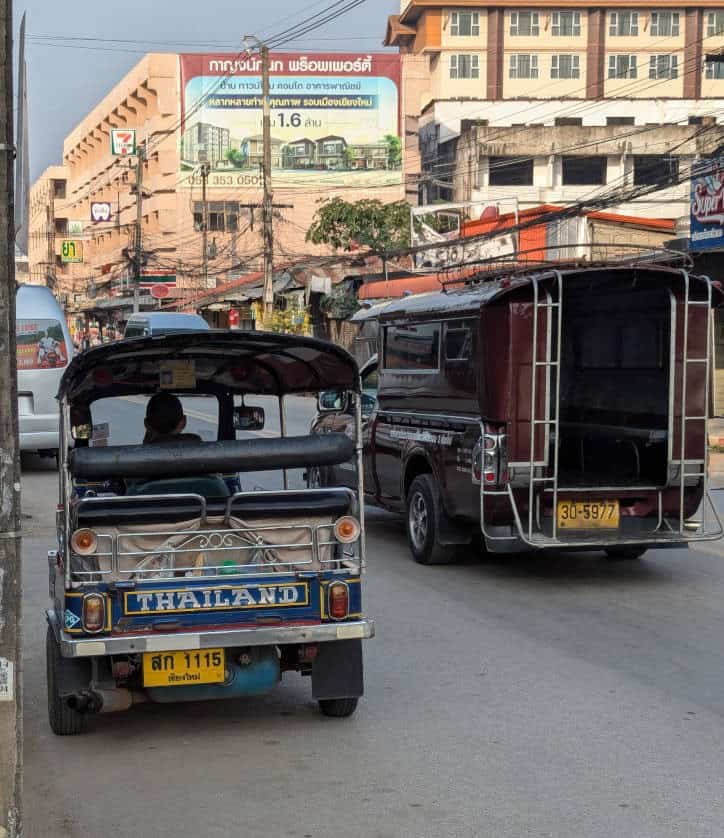
    A tuk-tuk and songthaew on the street in Chiang Mai Thailand

    Chiang Mai’s small size makes getting around a breeze—great for those who enjoy a stroll. The Old City’s moat, a mile square, has a shady path I walk often. For longer trips or hot days, I use Bolt—it’s reliable and beats Grab on price, in my experience. Songthaews, red trucks with seats, are the local transit—affordable and simple; yellow ones go beyond the city. Tuk-tuks, little three-wheelers, are a fun ride—just agree on a price first. I steer clear of motorbikes—safety’s a priority—but they’re an option for some. Walking’s free, and rides are cheap; it’s all simple and budget-friendly.

    Things to Do: Tours, Events, and Day Trips

    One of the buildings at Wat Lok Moli near old town Chiang Mai Thailand

    Chiang Mai’s temples are a sight to behold, each one unique and steeped in history. My favorites? Wat Chiang Man, tucked in the Old City’s northeast corner, Wat Lok Moli just north of it, and the ancient temple ruins south of the walls—quiet, crumbling echoes of the past. Whether you’re new to travel or a seasoned explorer, Chiang Mai fits any stay—a week or three months. For shorter visits, base yourself in or near the Old City; you’ll fill a week just soaking in its highlights. Wander the ancient streets, where golden spires and intricate carvings catch the light, and you’ll spot monks in two distinct styles: bright orange robes signaling city dwellers, and darker, earthy tones hinting at forest monks following stricter traditions. (I’m no expert—locals shared this, though it’s not a hard rule.)

    The Blue Temple near Chiang Rai Thailand

    Got more time? Day trips beckon. Ethical elephant encounters at Elephant Nature Park offer a gentle way to meet these giants. Nature lovers can escape to nearby wonderlands—think misty hills and waterfalls. Cooking classes let you master Thai flavors to wow friends back home—I’ve picked up tricks I’ll use forever. For a longer jaunt, head to Chiang Rai and the Golden Triangle, a scenic ride revealing stunning temples and river views. Everywhere you turn, there’s something to see or do, blending culture, nature, and hands-on fun. It’s easy to navigate, affordable, and rich with moments that stick with you—perfect for a quick taste or a deep dive into this incredible corner of Thailand.

    Money Matters

    Thai Currency

    In Chiang Mai, cash still rules—comforting for those who like a few bills handy. I save cards for online bookings like hotels or flights. ATMs are plentiful; I prefer KBank’s green ones, but any work. The 220-baht ($6) fee per withdrawal stings, so I take out 20,000 baht ($590) at a time. My Charles Schwab card refunds those fees—check if your bank does too. ATMs offer fair rates—just choose “without conversion.” Cash exchangers are everywhere if you bring dollars; compare rates, as fees are baked in. Cards work at bigger places, but cash keeps small purchases easy and affordable—a budget traveler’s dream.

    Medical Care

    The author of this blog post getting stitched up at the Chiang Mai Ram Hospital

    Healthcare’s a big deal, and Chiang Mai delivers. I found out firsthand after banging my head hard enough to split my eyebrow and tear muscle. Chiang Mai Ram Hospital—five minutes from my place, highly rated—was my choice. The staff greeted me warmly, spoke excellent English, and had me registered in 10 minutes. A nurse and assistant checked vitals, asked about allergies, and cleaned me up fast. The doctor, kind and fluent, numbed me, stitched inside and out—no discomfort at all. With meds and a follow-up for stitch removal, the total, self-paid, was 6,800 baht—about $200 USD. Stunningly affordable, and the care beat anything I’ve had stateside. Pharmacies cover minor needs too—they’re on every block. It’s a huge relief knowing quality care’s this accessible.

    Entertainment and Dining

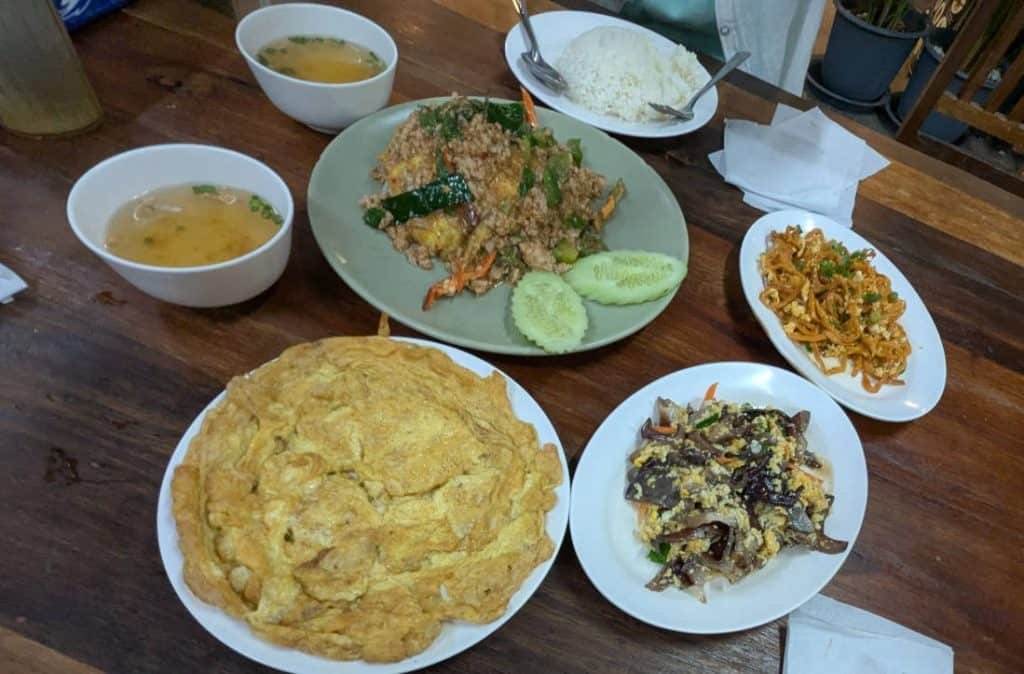
    Amazing and inexpensive Thai food

    Chiang Mai’s got plenty to keep you entertained without wearing you out. Music fills the air—jazz is growing, and I’ve enjoyed mellow evenings at North Gate Jazz Co-Op or Nimman Road cafes, where live players lift your spirits. For rock fans, Crossroads Rock Bar belts out classics every night. Food’s a joy—every few steps, there’s a restaurant or vendor. I spent my first month trying dishes at random, all fresh and delicious. Thai food can be spicy, but many options aren’t—say “no spicy please” or “nit noy spicy” for a touch. A meal at a local spot costs 50-70 baht ($1.50-2)—I haven’t cooked once in three months, and neither do many locals. Grab delivers affordably too. My favorite? Grilled meat on a stick—chicken, pork, or northern sausage, kissed by charcoal. It’s all easy, tasty, and kind to the budget.

    Cafes and Coffee Culture

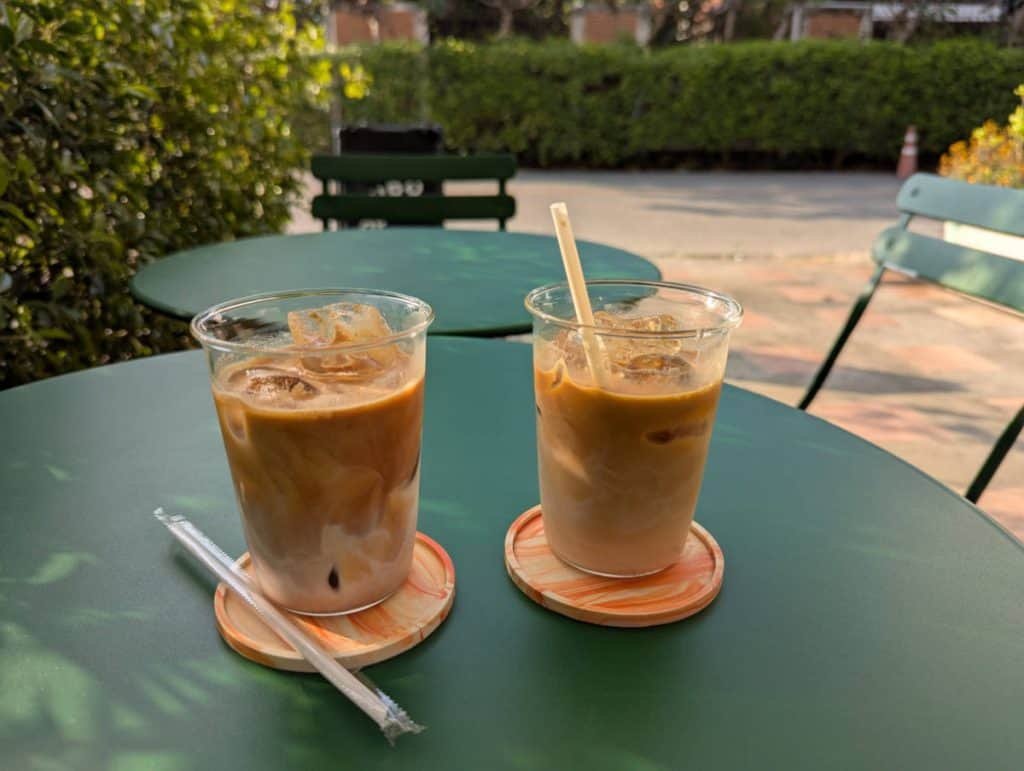
    Iced Lattes at Third Place Coffee Chiang Mai Thailand

    Northern Thailand’s coffee is hands-down the best I’ve tasted anywhere in the world. It’s a smooth, medium roast—never bitter—dark chocolate forward with fruity acidity, buttery mouthfeel, and sweet aftertaste. This amazing coffee growing region has won my heart after three months here. Chiang Mai’s coffee shops are everywhere you turn, each one a treasure run by locals who pour passion into every cup. You’ll find everything from sleek, lab-like setups chasing perfection to wildly creative cafes with decor that stops you in your tracks. Prices are unbeatable: an iced latte or pour-over costs 55-80 baht ($1.60-2.30 USD in early 2025), pairing top-notch quality with incredible value. It’s a steal compared to back home.

    A nice coffee shop in the old city

    These cafes are more than just a caffeine fix—they’re hubs for connection. Remote workers and digital nomads flock here, drawn by lightning-fast internet and staff who welcome you to linger with a drink or snack. I’ve spent afternoons tucked into a corner, sipping and soaking in the vibe, and doing some of my best work. Want to dive deeper? Take a day trip to nearby coffee farms—small, family-run plots in the hills where you can see beans grown, roasted, and brewed fresh. It’s a quiet, eye-opening outing. 

    Mars Cafe in the old city of Chiang Mai Thailand

    Then there’s the destination cafes, dozens in and around Chiang Mai, with unique themes—think sipping espresso in a Mars outpost or a tropical fern jungle. They’re perfect for snapping a photo to share, whether you’re posting online or just texting friends. For coffee lovers or anyone who enjoys a cozy break, these spots elevate every day here. They’ve become my go-to, blending flavor, comfort, and local charm—trust me, you’ll want to make them yours too.

    Connecting with People

    Thailand’s nickname, the Land of Smiles, isn’t just hype—it’s the real deal. The people here are kind, quick with a grin, and wonderfully open, a breath of fresh air for someone from the West. I’ve had strangers invite me to their homes for a meal, drop off unsolicited drinks at my workspace, or chat like old friends—Bolt drivers sharing tales of Northern Thailand and their families. Even as an introvert, I’ve felt touched and connected daily, both with locals and fellow travelers. It’s changed me for the better, softening my edges and lifting my spirits. Meeting folks in Chiang Mai is a cinch. Meetup.com and Facebook groups like CHIANG MAI EXPATS, Thai and Expat Connect in Chiangmai and What’s On Chiang Mai! are goldmines for events and local tips. Beyond that, co-working spaces, gyms, or a casual coffee shop stop spark conversations—everyone seems eager to help or share a story. Whether you’re outgoing or a bit reserved like me, the warmth here makes it easy to build bonds. It’s one of the best parts of this place, and it’ll leave you richer for it.

    Final Reflections

    Muay Thai boxing Mon, Wed, Friday and Saturday nights starting at 9pm at the Loikroh Boxing Stadium

    Chiang Mai’s been a revelation—a place that turns retirement travel dreams into reality without draining the bank. Three months here taught me you don’t need a fortune to live richly; a third of U.S. or European costs gets you warm weather, kind people, and flavors that linger long after the last bite. I came seeking peace and connection, and I found it in spades—smiling locals, vibrant markets, and coffee that’s worth the trip alone. It’s not just the savings; it’s the ease—walkable streets, cheap rides, and healthcare that stunned me with its quality and price. I’ve learned to pack light, trust the locals, and lean into the unexpected, like lantern-lit nights or a stranger’s kindness. For anyone hesitating, wondering if travel’s still doable on a fixed budget, Chiang Mai’s proof it is. Start small—a week in the Old City—or dive in like I did. Thailand’s waiting with open arms, and I’m already plotting my next stretch here. Take the leap; you’ll find more than a destination—you’ll find a new way to live well.