Imagine spending your retirement exploring the world, immersing yourself in different cultures, and making a positive impact on local communities along the way. Retirement travel has taken on a new meaning with the rising trend of volunteering and giving back while abroad. This article explores the joy and fulfillment of combining travel with meaningful volunteer work, showcasing how retirees are using their skills, experience, and compassion to make a difference in the lives of others across the globe. Get ready to embark on a journey that not only enriches your own life but also leaves a lasting legacy of generosity and kindness wherever you go.
Choosing a Volunteering Program
When it comes to choosing a volunteering program, it’s important to do your research and consider various factors. Start by researching different volunteering options that align with your interests and skills. Whether you’re passionate about teaching, conservation, healthcare, or animal welfare, there are numerous opportunities available.
Next, evaluate the reputation of volunteer organizations. Look for well-established and reputable organizations that have a track record of making a positive impact. Reading reviews and testimonials from previous volunteers can provide valuable insights into the organization’s credibility and the experiences of past participants.
Popular Volunteering Opportunities
Volunteering opportunities are vast and diverse, catering to a wide range of interests and passions. Some popular options include teaching and education, where you can make a difference by imparting knowledge and skills to underprivileged communities. Conservation and environmental projects allow you to contribute to preserving our planet and its biodiversity. Healthcare and medical support programs enable you to provide much-needed assistance to communities in need. Lastly, animal welfare and rehabilitation programs offer a chance to care for animals and contribute to their well-being.
Finding Volunteering Opportunities
Finding volunteering opportunities has become easier in the digital age. Utilize online volunteering platforms that connect volunteers with organizations worldwide. These platforms provide a comprehensive list of opportunities and allow you to filter based on your preferences. Additionally, consider contacting local NGOs and charities in your area. They might have volunteering programs or be able to connect you with opportunities. Volunteer placement agencies can also help match you with the right program. Attending volunteering fairs or conferences is another great way to learn about different options and network with organizations.
Planning for Volunteering Abroad
If you’re considering volunteering abroad, careful planning is essential. Start by determining the duration of your volunteering trip. Consider your personal commitments and how much time you can dedicate. Next, evaluate the costs involved. While some volunteer programs provide accommodation and meals, others may require you to cover your own expenses. Make sure to budget accordingly and factor in travel costs as well.
Once you’ve made these decisions, it’s time to make the necessary travel arrangements. Look for affordable flights, suitable accommodation, and consider any additional transportation needs you may have at your destination. Additionally, be aware of the visa and permit requirements for the country you plan to volunteer in. Obtain the necessary documents well in advance to avoid any last-minute issues.
Preparing for the Volunteering Experience
Before embarking on your volunteering experience, it’s important to make necessary preparations. Start by learning about the local culture and customs of the community you’ll be working with. Understanding their way of life will help you adapt and build meaningful connections. Additionally, consult with a healthcare professional to get the necessary vaccinations and health precautions for your destination. It’s crucial to prioritize your health and well-being during your volunteering experience.
Packing essential items is also important. Consider the climate and conditions at your destination and pack accordingly. Don’t forget to include sturdy shoes, comfortable clothing, and any specific items recommended by the organization you’ll be volunteering with. Lastly, familiarize yourself with the rules and guidelines of the volunteer program. Being aware of the expectations and responsibilities will ensure a smooth and fulfilling experience.
Making a Difference Abroad
Volunteering abroad is a unique opportunity to make a positive impact on local communities and contribute to sustainable development projects. By supporting local communities through your work, you can help empower individuals and build relationships that go beyond borders. Your efforts can also contribute to long-term development goals, such as improving education, healthcare, and environmental conservation. Moreover, volunteering abroad promotes cultural exchange and understanding, fostering a global community of compassion and empathy.
Benefits of Volunteering While Traveling
Volunteering while traveling offers numerous benefits that go beyond the act of giving back. Firstly, it provides a sense of purpose and fulfillment. Knowing that your efforts are making a difference in the lives of others can be incredibly rewarding. Additionally, volunteering allows you to develop new skills and enhance existing ones. Whether it’s teaching, project management, or medical assistance, volunteering provides a valuable learning experience.
Furthermore, volunteering abroad expands your global perspective. Immersing yourself in a different culture and environment widens your understanding and appreciation of diversity. Lastly, volunteering while traveling creates lifelong memories and friendships. The connections you make with fellow volunteers, local community members, and the places you visit will stay with you long after you return home.
Challenges and Considerations
While volunteering abroad is a rewarding experience, it’s important to be aware of potential challenges. Language barriers and communication difficulties can pose a hurdle, but they can also be an opportunity to learn and grow. It’s essential to have patience, openness, and a willingness to adapt.
Adjusting to unfamiliar living conditions can be another challenge. Volunteers often find themselves in environments with limited resources and different standards of comfort. However, embracing these conditions and focusing on the purpose of your volunteering work will help overcome any initial discomfort.
Dealing with potential cultural differences is also important. It’s crucial to approach different customs and traditions with respect and an open mind. Cultural sensitivity and a willingness to listen and learn will ensure a positive and enriching experience.
Lastly, ensuring safety and security while volunteering abroad should be a top priority. Familiarize yourself with the safety measures put in place by the organization and always follow their guidelines. It’s essential to stay vigilant and take necessary precautions to protect yourself and others.
Combining Volunteering with Travel
Combining volunteering with travel allows you to make the most of your experience and explore the local culture and attractions. During your free time, take the opportunity to explore the surrounding area. Visit historical landmarks, immerse yourself in local traditions, and try the local cuisine. Engaging in cultural exchange activities, such as language lessons or participating in traditional ceremonies, will enhance your understanding of the community you’re working with.
Additionally, consider embarking on weekend trips or short excursions. Many volunteer programs have structured breaks that allow you to explore nearby destinations. These trips can provide a well-deserved break and an opportunity to further immerse yourself in the region’s culture and natural beauty.
Alternatives to Volunteering Abroad
If volunteering abroad isn’t feasible, there are still plenty of ways to give back and make a difference. Supporting local charitable organizations in your own community is a great way to contribute. Whether it’s through donations, volunteering your time, or spreading awareness, every effort counts.
Participating in volunteering programs during short vacations is another option. Many organizations offer short-term volunteering opportunities that can be combined with your travel plans. This way, you can make a positive impact even with limited time.
Lastly, donating to causes and organizations while traveling can also have a significant impact. Whether it’s supporting local schools, healthcare facilities, or environmental initiatives, your contributions can help create a better world for all.
In conclusion, retirement travel offers a unique opportunity to give back and make a difference while exploring the world. By choosing the right volunteering program, planning carefully, and embracing the challenges and benefits, you can embark on a meaningful journey that leaves a lasting impact on both yourself and the communities you serve.
Are you dreaming of globetrotting during your golden years, but worried about the impact it will have on your retirement savings? Look no further! In this article, we will explore the best strategies to save on travel costs in retirement. From taking advantage of senior discounts and off-peak travel times to utilizing rewards programs and budget-friendly accommodations, we’ve got you covered. So pack your bags and get ready to embark on the adventure of a lifetime without breaking the bank.
1. Choose Off-Peak Travel
When it comes to saving on travel costs during your retirement, one of the best strategies is to choose off-peak travel times. This means avoiding the busy seasons and popular vacation periods when prices tend to be higher. Here are some ways to make the most of off-peak travel:
1.1 Travel during weekdays
Instead of planning your trips for the weekends, consider traveling during the weekdays. Many people prefer to travel on weekends, which often results in higher prices for accommodations and transportation. By opting for weekdays, you’ll not only save money but also avoid crowds, making for a more enjoyable experience.
1.2 Travel during non-holiday periods
Holidays can be a peak time for travel, leading to increased prices for flights, accommodations, and attractions. To save on costs, try to plan your trips during non-holiday periods. This way, you’ll not only avoid inflated prices but also have a more peaceful and less crowded vacation.
1.3 Utilize shoulder seasons
The shoulder seasons, which fall between the peak and off-peak periods, can offer great opportunities for savings. Consider traveling during these periods, as prices tend to be more affordable, and the weather is often still pleasant. You’ll have the added benefit of enjoying popular destinations with fewer tourists.
1.4 Consider alternative destinations
Instead of always opting for the most popular tourist destinations, consider exploring alternative locations. These lesser-known destinations can offer unique experiences and often come with lower prices. Plus, you’ll have the chance to discover hidden gems that may not be as crowded as the more well-known places.
2. Opt for Budget Accommodations
Accommodations can often be one of the biggest expenses when traveling. To save on costs, it’s essential to consider budget-friendly options. Here are some ways to find affordable accommodations:
2.1 Stay in hostels or budget hotels
Hostels and budget hotels are excellent options for travelers looking to save money. These types of accommodations often offer shared rooms or dormitories at a fraction of the cost of traditional hotels. While the amenities may be basic, they can still provide a comfortable and safe place to rest after a day of exploration.
2.2 Use vacation rental websites
Vacation rental websites like Airbnb and Vrbo are valuable resources for finding affordable accommodations. These platforms allow you to rent a private room or an entire home, giving you more space and the option to cook your meals. By booking through these websites, you can often find accommodations at lower prices compared to traditional hotels.
2.3 Consider house/pet sitting
If you’re open to a unique travel experience, house or pet sitting can be an excellent way to save on accommodations. Many homeowners look for trustworthy individuals to take care of their homes or pets while they’re away. In exchange for your services, you may have the opportunity to stay in their home for free or at a heavily discounted rate.
2.4 Utilize loyalty programs and rewards
If you frequently travel, consider signing up for loyalty programs offered by hotels, airlines, and other travel-related companies. These programs often provide discounted rates, exclusive offers, and the opportunity to earn rewards that can be redeemed for future travel. By taking advantage of these programs, you can save significantly on your overall travel expenses.
3. Be Flexible with Transportation
Transportation costs can also add up quickly, especially when flying to different destinations. Here are some tips for saving on transportation costs:
3.1 Compare flight prices before booking
Before booking your flights, take the time to compare prices from different airlines. Websites and applications like Skyscanner, Kayak, and Google Flights can help you find the best deals. Keep in mind that flight prices can vary significantly depending on the day of the week and the time of year, so be flexible with your travel dates.
3.2 Utilize budget airlines
Budget airlines often offer lower fares compared to traditional airlines. While the amenities may be more basic, opting for a budget airline can result in significant savings. Just be sure to check their policies regarding baggage fees and any other additional charges to avoid any surprises.
3.3 Use public transportation
When exploring your destination, consider utilizing public transportation instead of taxis or rental cars. Public transportation, such as buses and trains, can be a more affordable option and also allow you to experience the local culture firsthand. Many cities offer discounted transportation passes, so be sure to inquire about any available deals.
3.4 Consider road trips
If you prefer the flexibility of having your vehicle, road trips can be a fantastic way to save on transportation costs. By driving to your destination, you can avoid the expenses of airfare, and also enjoy the freedom to explore different places along the way. Plus, road trips can be a fun and memorable adventure in themselves.
4. Plan and Book in Advance
Planning and booking your travel in advance is crucial when aiming to save money. Here are some steps to help you make the most of early planning:
4.1 Research and plan your itinerary
Before embarking on your trip, take the time to research and plan your itinerary. By doing so, you can determine the best routes, attractions, and experiences that align with your interests. Additionally, planning ahead allows you to take advantage of any discounted tickets, offers, or special events that may require advance booking.
4.2 Book flights and accommodations early
When it comes to booking flights and accommodations, early booking can often result in substantial savings. Airlines and hotels often offer discounted rates when you book well in advance. By keeping an eye out for flash sales or early bird promotions, you can score great deals and secure your preferred options.
4.3 Take advantage of early bird discounts
In addition to flights and accommodations, many attractions and tours offer early bird discounts. These discounts are typically available for activities or tickets booked in advance. By taking advantage of these offers, you can enjoy popular attractions at a reduced price, saving money while still having a great travel experience.
4.4 Be aware of cancellation policies
While booking in advance can offer significant savings, it’s important to be aware of the cancellation policies. Life can be unpredictable, and plans may change. By understanding the cancellation policies of your flights, accommodations, and activities, you can avoid any unnecessary fees or charges if you need to make changes to your travel plans.
5. Travel with a Group or Join Guided Tours
Traveling with a group or joining guided tours can be a fantastic way to save on travel costs, especially when it comes to accommodations and transportation. Here are some options to consider:
5.1 Split costs with friends or family
Traveling with friends or family members allows you to split the costs of accommodations, transportation, and even meals. By sharing expenses, you can significantly reduce the overall costs of your trip, making it more affordable for everyone. Plus, traveling with loved ones can create cherished memories and enhance the overall experience.
5.2 Join group travel programs
Group travel programs, such as those offered by travel agencies or tour operators, can be an excellent option for solo travelers or those who enjoy meeting new people. These programs often provide discounted rates for accommodations, transportation, and guided tours. Additionally, being part of a group can offer a sense of security and companionship throughout your journey.
5.3 Consider senior group tours
If you’re a senior traveler, there are numerous group tour options specifically designed for your age group. These tours cater to the needs and interests of older adults and often offer discounted rates. Traveling with a senior group allows you to connect with like-minded individuals while taking advantage of the expertise and convenience provided by the tour organizers.
5.4 Take advantage of bundled tour packages
Bundled tour packages can be a convenient and cost-effective way to explore multiple destinations. These packages often include accommodations, transportation, and guided tours, all at a discounted price compared to booking each component individually. By opting for a bundled tour package, you’ll save time and money while ensuring a well-planned and enjoyable travel experience.
6. Exchange Homes or Use Home Swapping Websites
If you’re open to a unique and economical way of traveling, consider participating in home exchanges or utilizing home swapping websites. Here’s how you can benefit from this approach:
6.1 Participate in home exchange programs
Home exchange programs allow you to swap homes with someone in your desired travel destination. By exchanging homes, you eliminate the cost of accommodations, making it a highly economical option. Additionally, you’ll have the opportunity to experience life as a local and enjoy the comforts of a real home during your vacation.
6.2 Utilize home swapping websites
In addition to traditional home exchange programs, there are various websites dedicated to facilitating home swaps. These platforms connect homeowners looking to travel with others who are interested in visiting their area. By creating a profile and browsing available homes, you can find suitable matches that align with your travel plans and preferences.
6.3 Benefit from the shared economy
The concept of the shared economy has revolutionized the way we travel. Platforms like Airbnb and HomeAway allow homeowners to rent out their spaces to travelers, providing affordable alternatives to traditional accommodations. By staying in a rented home, you not only save money but also gain access to unique properties and local insights from your hosts.
7. Eat Locally and Cook in
Food expenses can quickly add up, especially when dining out for every meal. To save on costs while still enjoying delicious cuisine, consider the following tips:
7.1 Explore local markets and street food
One of the best ways to experience a destination’s cuisine is by exploring local markets and trying street food. Not only are these options typically more affordable, but they also provide an authentic taste of the local culture. Take the opportunity to sample various dishes, and you’ll find that your taste buds will thank you while your wallet remains happy.
7.2 Dine in restaurants away from tourist areas
Restaurants located in popular tourist areas often have inflated prices to cater to the tourist crowd. To save money and enjoy more authentic meals, venture away from these areas and find restaurants frequented by locals. Not only will you likely encounter more affordable prices, but you’ll also have the chance to experience the local dining scene and try hidden culinary gems.
7.3 Cook meals in your accommodation
If you have access to a kitchen in your accommodation, consider cooking some of your meals during your trip. Visiting local grocery stores or markets and preparing your meals can significantly cut down on food expenses. Not only is it a cost-effective option, but it also allows you to experiment with local ingredients and flavors.
7.4 Pack snacks and drinks for day trips
When heading out for day trips or excursions, be sure to pack some snacks and drinks with you. Having your own provisions can prevent you from overspending on expensive tourist-trap snacks or beverages. Plus, it ensures that you’ll have something to eat if you find yourself in a remote area or during transit.
8. Take Advantage of Senior Discounts
As a retiree, you may be eligible for various senior discounts and benefits. Here’s how you can make the most of these offerings:
8.1 Research senior discounts and benefits
Before booking any travel-related services or purchasing tickets, take the time to research senior discounts and benefits that you may be entitled to. Many airlines, hotels, attractions, and even transportation companies offer special rates for seniors. By utilizing these discounts, you can enjoy significant savings throughout your travels.
8.2 Use senior discount cards or memberships
Consider obtaining a senior discount card or membership that offers exclusive savings and benefits. Organizations such as AARP (American Association of Retired Persons) provide their members with access to discounts on various travel-related services. Take advantage of these memberships to maximize your savings and enjoy additional perks.
8.3 Book senior-specific travel packages
Some travel agencies specialize in creating packages tailored for senior travelers. These packages often include accommodations, transportation, and guided tours, designed to cater to the unique needs and interests of older adults. By booking a senior-specific travel package, you can enjoy discounts and an itinerary that is well-suited for your age group.
8.4 Take advantage of free or reduced admissions
Many museums, art galleries, and attractions offer free or reduced admissions for senior citizens. Be sure to carry your identification or any necessary documents that prove your age to take advantage of these special offers. It’s a great way to explore and engage with the cultural and historical aspects of your destination while saving on admission fees.
9. Consider Travel Insurance and Health Coverage
When traveling, it’s crucial to consider travel insurance and ensure you have adequate health coverage. Here’s what you should keep in mind:
9.1 Evaluate and compare travel insurance plans
Before embarking on any trip, evaluate and compare travel insurance plans to find the best coverage for your needs. Look for policies that provide medical coverage, trip cancellation/interruption protection, and coverage for lost luggage or belongings. Read the terms and conditions carefully to understand what is included and excluded from the coverage.
9.2 Look for policies that cover pre-existing conditions
If you have any pre-existing medical conditions, it’s important to find a travel insurance policy that provides coverage for them. While some policies may exclude pre-existing conditions, others offer coverage with certain limitations or require additional documentation. Be thorough in your research and choose a policy that suits your specific requirements.
9.3 Determine if your health insurance covers overseas care
Check with your health insurance provider to determine if your policy covers overseas medical care. In some cases, your regular health insurance may provide limited coverage while traveling abroad. If not, consider purchasing a supplemental health insurance policy specifically designed for international travel to ensure your medical expenses are adequately covered.
9.4 Understand emergency medical evacuation coverage
Emergency medical evacuation coverage is an essential component of travel insurance. It provides assistance and coverage for transportation to a medical facility or back home in case of a medical emergency while traveling. Make sure you understand the terms and limits of this coverage, particularly if you plan to visit remote or less accessible destinations.
10. Embrace Slow Travel
Slow travel is a mindset that encourages you to take your time and fully immerse yourself in the destination you’re visiting. Here’s how you can embrace slow travel and save on costs:
10.1 Stay in one location for an extended period
Instead of hopping from one destination to another quickly, consider staying in one location for an extended period. This allows you to truly get to know the place, explore at a leisurely pace, and potentially negotiate reduced rates for longer stays. Additionally, spending more time in one location can reduce transportation costs associated with frequent travel.
10.2 Explore nearby areas rather than always flying to new destinations
When planning your trips, consider exploring nearby areas instead of always flying to new destinations. By doing so, you can save on transportation costs, as well as the time and stress associated with air travel. Embrace the opportunity to take day trips or short excursions to nearby towns, villages, or natural attractions, and you’ll discover hidden gems while keeping your travel budget in check.
10.3 Minimize transportation costs by walking or biking
One of the advantages of slow travel is the opportunity to minimize transportation costs. Instead of relying solely on taxis, buses, or trains, consider walking or biking to explore your destination. Not only will you save money, but you’ll also have the chance to immerse yourself in the local atmosphere, discover hidden corners, and engage with the community on a deeper level.
10.4 Immerse yourself in the local culture
Lastly, embracing slow travel allows you to immerse yourself in the local culture fully. Take the time to converse with locals, try regional specialties, and participate in cultural activities or events. By engaging with the local community and learning about their customs and traditions, you’ll gain a more authentic and enriching travel experience without breaking the bank.
In conclusion, there are numerous ways to save on travel costs during retirement. By choosing off-peak travel, opting for budget accommodations, being flexible with transportation, planning and booking in advance, traveling with a group or joining guided tours, exchanging homes or using home swapping websites, eating locally and cooking in, taking advantage of senior discounts, considering travel insurance and health coverage, and embracing slow travel, you can make your travel dreams a reality without straining your budget. With careful planning, a sense of adventure, and a willingness to embrace new experiences, you can create unforgettable memories while keeping your travel expenses in check.
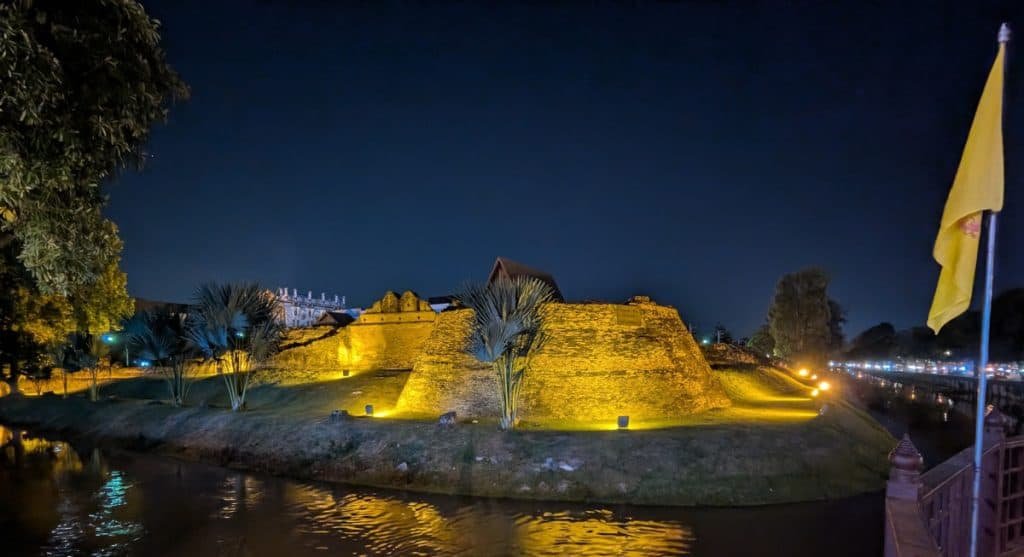
Northwest Corner of the Chiang Mai moat and ancient wall
For years, I dreamed of traveling the world once I retired—sipping coffee in exotic places, soaking up warm weather, meeting people who make you feel alive. But when retirement hit, so did reality: limited finances. How do you see the world without breaking the bank? I’m no expert, but after 3 months in Chiang Mai, Thailand, I’ve got some thoughts—and experiences—that might help you chase your own golden-years adventure. I came here craving friendly faces, incredible food, and a break from the chaos of life back home in the U.S. What I found was all that and more, at about a third of the cost of living in the States or Europe. Welcome to Thailand, the Land of Smiles—and trust me, that name checks out.
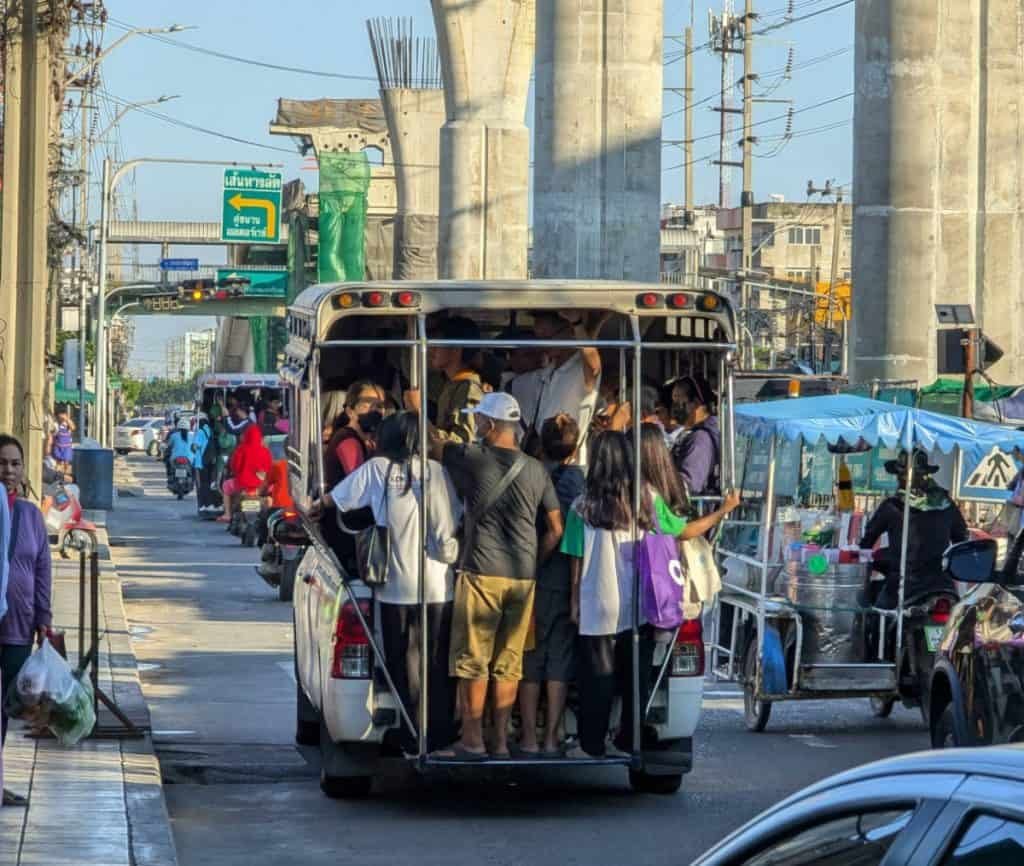
Bangkok Commuters
I landed in Bangkok just before Christmas 2024, bleary-eyed from a long flight. I’m not a big-city guy, but the 12 hours I spent there before hopping a plane north blew me away. Sure, it’s hustle and bustle—people moving fast, chasing business—but even there, strangers flashed warm smiles and offered help to this obvious foreigner. Then I arrived in Chiang Mai, Thailand’s second-largest city, tucked up in the north. This place has it all: a rich history, a laid-back vibe, and a thriving digital nomad scene. I rented a small apartment between the trendy Nimman neighborhood and the ancient Old City, and I’ve been walking everywhere—20 minutes gets you most places worth going. Three months in, I’ve wandered a dozen night markets, stuffed myself with street food, and met some of the kindest people on the planet. Here’s what I’ve learned so far.
Christmas and New Year’s in Chiang Mai
2024 Christmas Decorations at Maya Mall Chiang Mai Thailand
When I arrived in Chiang Mai late December 2024, I wasn’t sure what to expect from a Buddhist country. Would it feel festive? To my delight, Thailand has embraced the holiday with open arms. Twinkling lights, Santa hats, and glittering trees popped up everywhere—decorations that start early, I’m told, and linger into January or even February. The Thais don’t mess around when it comes to celebrating! That joyful vibe carried right into New Year’s Eve, when I joined the massive crowds at Tha Phae Gate in the Old City. It’s a tradition here to release giant white lanterns into the night sky, and let me tell you, it’s breathtaking. As dozens of glowing orbs floated above the ancient walls, the air buzzed with cheers, crackling fireworks, and a shared thrill that pulsed through the throng. I stood there, a wide-eyed foreigner, grinning like a kid as the lanterns lit up the dark. Warm weather aside, it didn’t feel like any Christmas or New Year’s I’d known back in the U.S.—it was better, a memory etched in my mind forever.
Finding a Place to Stay: Short-Term and Long-Term
I booked this hotel 10 days in advance for $30 for the 1 night in Bangkok
For anyone dreaming of affordable travel, Chiang Mai offers lodging in three main tiers. First, the budget options—clean, simple rooms, maybe a bit worn but perfectly fine. These run $10-20 a night for short stays, or 5,000-8,000 baht ($150-230) monthly. Next, mid-range spots feel like a solid 2- or 3-star hotel back home—modern, comfortable, updated. Expect $20-40 nightly, or 10,000-15,000 baht ($290-440) for a month. Then there’s upscale—newer condos with pools, gyms, and all the perks, starting at $60 a night. (Five-star exists, but I’ll skip it.) Finding a place is straightforward. For short visits—under a month—Agoda.com lets you pick a room that fits your budget and location. Planning a longer stay? Book a week somewhere central, like near Nimman or Old City, then explore rentals in person. Deals move fast here, and seeing options firsthand pays off—that’s how I found my apartment. If that feels overwhelming, Airbnb’s an option—pricier but stress-free, ideal for a first trip or a quick two-week escape. Whatever you choose, Chiang Mai makes it affordable and easy.
Best Time to Visit Chiang Mai
Katam Corner of the Ancient wall with Moat in Chiang Mai Thailand on the Southeast Corner
November to January is Chiang Mai’s sweet spot. The cool season brings pleasant days—around 75°F (24°C)—and crisp evenings at 60°F (15°C), perfect for enjoying the outdoors. It’s peak season, so expect more visitors, higher rates, and booked-up spots, but the festivals and energy make it worthwhile. Smoky season—March and April—is best avoided; nearby countries burn fields, and the air gets tough to breathe. Spring heats up too, hitting 100°F (38°C) until June rains cool things off. Rainy season, June to October, offers a quieter pace—fewer crowds, lower costs, more relaxed. Daily tropical showers are short and sharp; then the sun’s back. Watch for river flooding, though. Thailand’s tackling the smoke issue, and it’s improving. Cool season’s tops for comfort, but rainy’s a budget-friendly pick.
Markets: Day and Night
Sunday walking street in the old city of Chiang Mai Thailand during Christmas
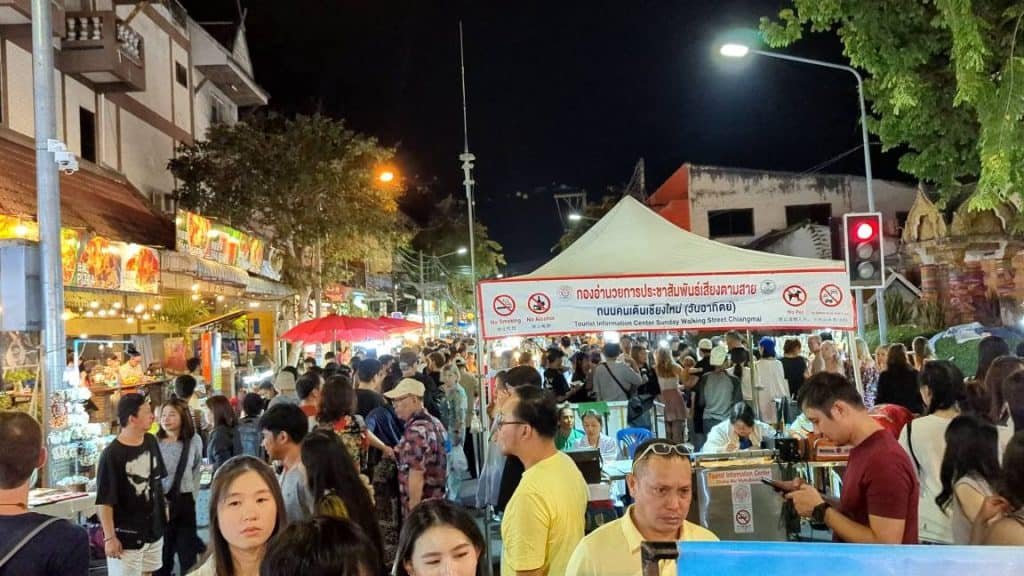
There’s something special about markets—fresh food, local flavor, and a real sense of place. Chiang Mai’s got plenty. Day markets, like Warorot (Kad Luang) east of the Old City near the Ping River, are a treat. Open from 8 a.m., it’s brimming with produce, meats, and ready-made bites—go early for the best selection. The colors and aromas pull you in. Night markets are pure fun—over a dozen around town, some nightly, others weekly with a lively fair feel. You’ll find street food, souvenirs like elephant pants, and music floating through the air. I’ve wandered a different one each evening, sampling everything with no tummy troubles—pretty reassuring! It’s affordable and full of life, perfect for soaking up Chiang Mai without overdoing it.
Packing Light: Bringing Stuff vs. Finding It Here
One of the many pharmacies located in Chiang Mai Thailand
Traveling lighter is the way to go, but I overpacked for this trip—my first long Southeast Asia stint. Lesson learned: Chiang Mai has what you need. Clothes are cheap, abundant, and suited to the warm weather—sizes go up to XXXXL, so if you’re XXL or XXXL back home, you’re set. Pharmacies are everywhere, stocked with most medications. Naproxen’s tricky—hard to find and costly—so I’d bring that. For prescriptions, pack a 90-day supply in labeled bottles. I worried about being unprepared, but I’ve replaced what I needed here. Less luggage means more freedom—trust me, it’s worth it.
Getting Around Chiang Mai
A tuk-tuk and songthaew on the street in Chiang Mai Thailand
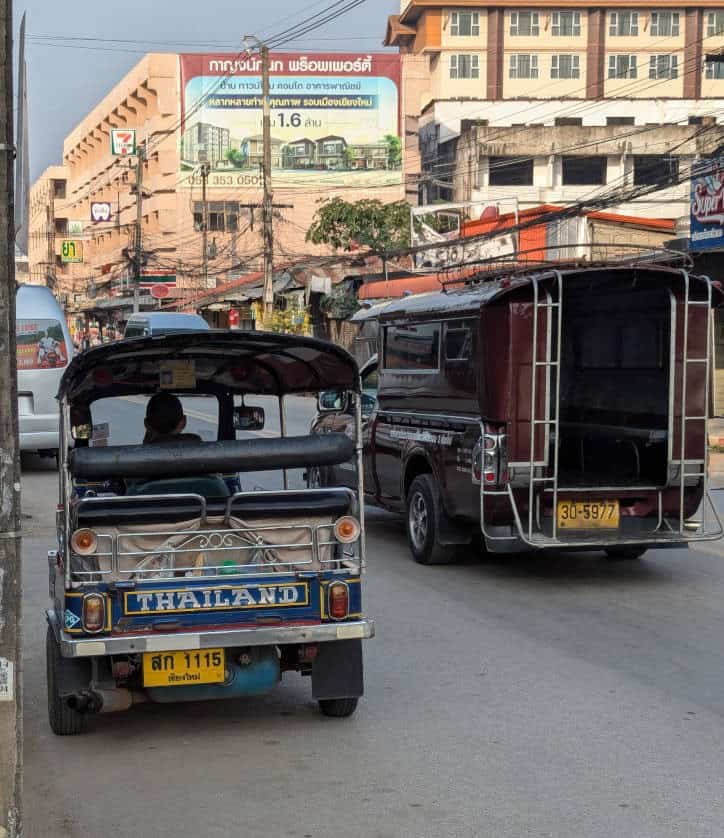
Chiang Mai’s small size makes getting around a breeze—great for those who enjoy a stroll. The Old City’s moat, a mile square, has a shady path I walk often. For longer trips or hot days, I use Bolt—it’s reliable and beats Grab on price, in my experience. Songthaews, red trucks with seats, are the local transit—affordable and simple; yellow ones go beyond the city. Tuk-tuks, little three-wheelers, are a fun ride—just agree on a price first. I steer clear of motorbikes—safety’s a priority—but they’re an option for some. Walking’s free, and rides are cheap; it’s all simple and budget-friendly.
Things to Do: Tours, Events, and Day Trips
One of the buildings at Wat Lok Moli near old town Chiang Mai Thailand
Chiang Mai’s temples are a sight to behold, each one unique and steeped in history. My favorites? Wat Chiang Man, tucked in the Old City’s northeast corner, Wat Lok Moli just north of it, and the ancient temple ruins south of the walls—quiet, crumbling echoes of the past. Whether you’re new to travel or a seasoned explorer, Chiang Mai fits any stay—a week or three months. For shorter visits, base yourself in or near the Old City; you’ll fill a week just soaking in its highlights. Wander the ancient streets, where golden spires and intricate carvings catch the light, and you’ll spot monks in two distinct styles: bright orange robes signaling city dwellers, and darker, earthy tones hinting at forest monks following stricter traditions. (I’m no expert—locals shared this, though it’s not a hard rule.)
The Blue Temple near Chiang Rai Thailand
Got more time? Day trips beckon. Ethical elephant encounters at Elephant Nature Park offer a gentle way to meet these giants. Nature lovers can escape to nearby wonderlands—think misty hills and waterfalls. Cooking classes let you master Thai flavors to wow friends back home—I’ve picked up tricks I’ll use forever. For a longer jaunt, head to Chiang Rai and the Golden Triangle, a scenic ride revealing stunning temples and river views. Everywhere you turn, there’s something to see or do, blending culture, nature, and hands-on fun. It’s easy to navigate, affordable, and rich with moments that stick with you—perfect for a quick taste or a deep dive into this incredible corner of Thailand.
Money Matters
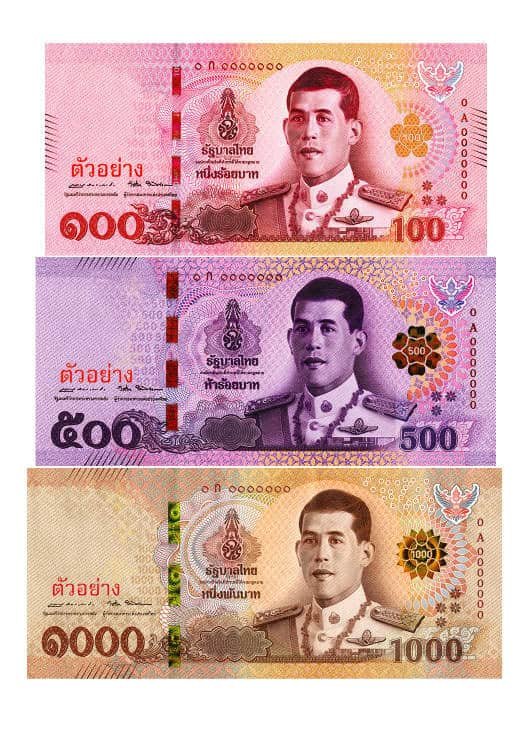
Thai Currency
In Chiang Mai, cash still rules—comforting for those who like a few bills handy. I save cards for online bookings like hotels or flights. ATMs are plentiful; I prefer KBank’s green ones, but any work. The 220-baht ($6) fee per withdrawal stings, so I take out 20,000 baht ($590) at a time. My Charles Schwab card refunds those fees—check if your bank does too. ATMs offer fair rates—just choose “without conversion.” Cash exchangers are everywhere if you bring dollars; compare rates, as fees are baked in. Cards work at bigger places, but cash keeps small purchases easy and affordable—a budget traveler’s dream.
Medical Care
The author of this blog post getting stitched up at the Chiang Mai Ram Hospital
Healthcare’s a big deal, and Chiang Mai delivers. I found out firsthand after banging my head hard enough to split my eyebrow and tear muscle. Chiang Mai Ram Hospital—five minutes from my place, highly rated—was my choice. The staff greeted me warmly, spoke excellent English, and had me registered in 10 minutes. A nurse and assistant checked vitals, asked about allergies, and cleaned me up fast. The doctor, kind and fluent, numbed me, stitched inside and out—no discomfort at all. With meds and a follow-up for stitch removal, the total, self-paid, was 6,800 baht—about $200 USD. Stunningly affordable, and the care beat anything I’ve had stateside. Pharmacies cover minor needs too—they’re on every block. It’s a huge relief knowing quality care’s this accessible.
Entertainment and Dining
Amazing and inexpensive Thai food
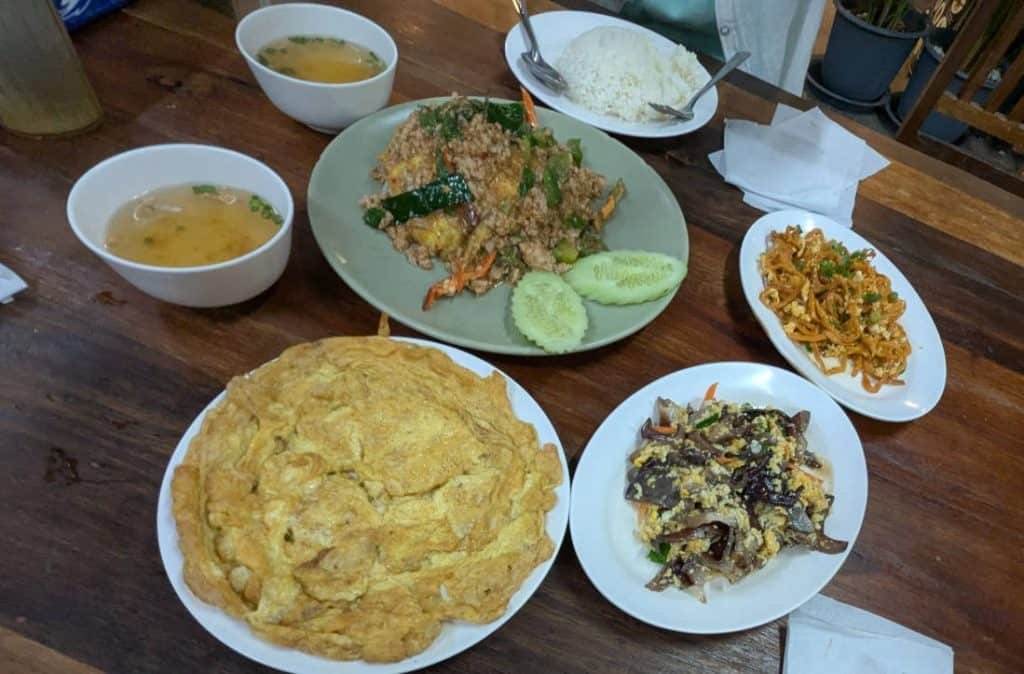
Chiang Mai’s got plenty to keep you entertained without wearing you out. Music fills the air—jazz is growing, and I’ve enjoyed mellow evenings at North Gate Jazz Co-Op or Nimman Road cafes, where live players lift your spirits. For rock fans, Crossroads Rock Bar belts out classics every night. Food’s a joy—every few steps, there’s a restaurant or vendor. I spent my first month trying dishes at random, all fresh and delicious. Thai food can be spicy, but many options aren’t—say “no spicy please” or “nit noy spicy” for a touch. A meal at a local spot costs 50-70 baht ($1.50-2)—I haven’t cooked once in three months, and neither do many locals. Grab delivers affordably too. My favorite? Grilled meat on a stick—chicken, pork, or northern sausage, kissed by charcoal. It’s all easy, tasty, and kind to the budget.
Cafes and Coffee Culture
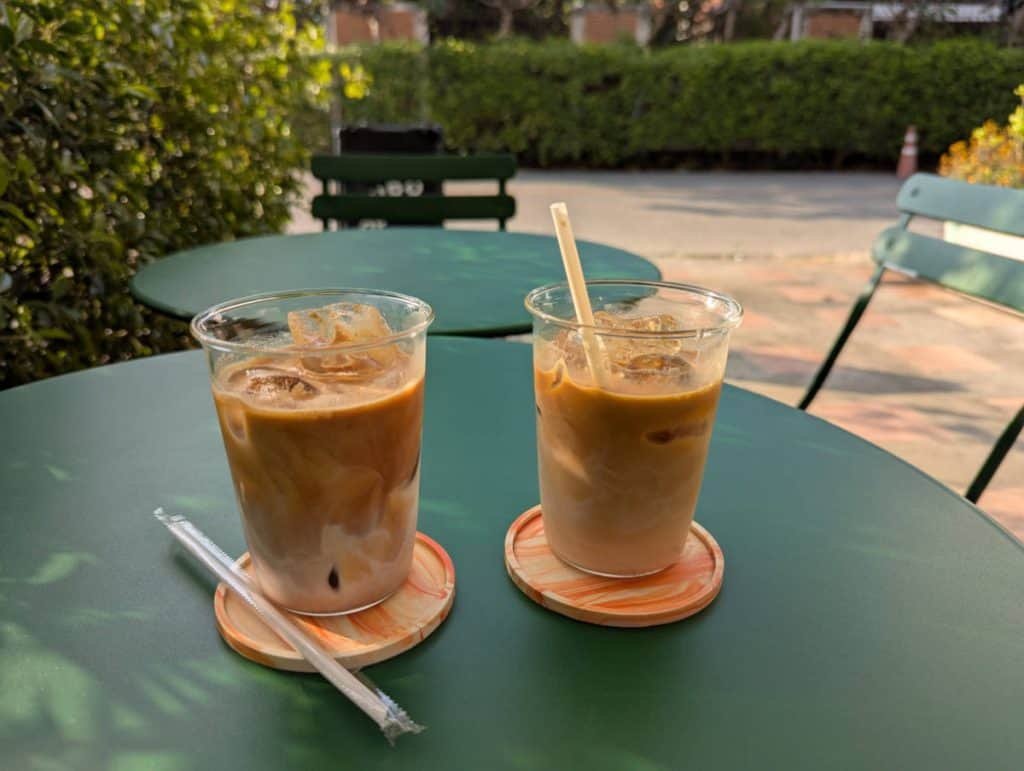
Iced Lattes at Third Place Coffee Chiang Mai Thailand
Northern Thailand’s coffee is hands-down the best I’ve tasted anywhere in the world. It’s a smooth, medium roast—never bitter—dark chocolate forward with fruity acidity, buttery mouthfeel, and sweet aftertaste. This amazing coffee growing region has won my heart after three months here. Chiang Mai’s coffee shops are everywhere you turn, each one a treasure run by locals who pour passion into every cup. You’ll find everything from sleek, lab-like setups chasing perfection to wildly creative cafes with decor that stops you in your tracks. Prices are unbeatable: an iced latte or pour-over costs 55-80 baht ($1.60-2.30 USD in early 2025), pairing top-notch quality with incredible value. It’s a steal compared to back home.
A nice coffee shop in the old city
These cafes are more than just a caffeine fix—they’re hubs for connection. Remote workers and digital nomads flock here, drawn by lightning-fast internet and staff who welcome you to linger with a drink or snack. I’ve spent afternoons tucked into a corner, sipping and soaking in the vibe, and doing some of my best work. Want to dive deeper? Take a day trip to nearby coffee farms—small, family-run plots in the hills where you can see beans grown, roasted, and brewed fresh. It’s a quiet, eye-opening outing.
Mars Cafe in the old city of Chiang Mai Thailand
Then there’s the destination cafes, dozens in and around Chiang Mai, with unique themes—think sipping espresso in a Mars outpost or a tropical fern jungle. They’re perfect for snapping a photo to share, whether you’re posting online or just texting friends. For coffee lovers or anyone who enjoys a cozy break, these spots elevate every day here. They’ve become my go-to, blending flavor, comfort, and local charm—trust me, you’ll want to make them yours too.
Connecting with People
Thailand’s nickname, the Land of Smiles, isn’t just hype—it’s the real deal. The people here are kind, quick with a grin, and wonderfully open, a breath of fresh air for someone from the West. I’ve had strangers invite me to their homes for a meal, drop off unsolicited drinks at my workspace, or chat like old friends—Bolt drivers sharing tales of Northern Thailand and their families. Even as an introvert, I’ve felt touched and connected daily, both with locals and fellow travelers. It’s changed me for the better, softening my edges and lifting my spirits. Meeting folks in Chiang Mai is a cinch. Meetup.com and Facebook groups like CHIANG MAI EXPATS, Thai and Expat Connect in Chiangmai and What’s On Chiang Mai! are goldmines for events and local tips. Beyond that, co-working spaces, gyms, or a casual coffee shop stop spark conversations—everyone seems eager to help or share a story. Whether you’re outgoing or a bit reserved like me, the warmth here makes it easy to build bonds. It’s one of the best parts of this place, and it’ll leave you richer for it.
Final Reflections
Muay Thai boxing Mon, Wed, Friday and Saturday nights starting at 9pm at the Loikroh Boxing Stadium
Chiang Mai’s been a revelation—a place that turns retirement travel dreams into reality without draining the bank. Three months here taught me you don’t need a fortune to live richly; a third of U.S. or European costs gets you warm weather, kind people, and flavors that linger long after the last bite. I came seeking peace and connection, and I found it in spades—smiling locals, vibrant markets, and coffee that’s worth the trip alone. It’s not just the savings; it’s the ease—walkable streets, cheap rides, and healthcare that stunned me with its quality and price. I’ve learned to pack light, trust the locals, and lean into the unexpected, like lantern-lit nights or a stranger’s kindness. For anyone hesitating, wondering if travel’s still doable on a fixed budget, Chiang Mai’s proof it is. Start small—a week in the Old City—or dive in like I did. Thailand’s waiting with open arms, and I’m already plotting my next stretch here. Take the leap; you’ll find more than a destination—you’ll find a new way to live well.