Category: Tips and Tricks

Master your retirement! Get expert tips, hacks, and strategies for a healthy and fulfilling retirement life. I have a lot of useful guides waiting for you!

  • 25 Creative Ways To Thank Your Boss When You Retire

    25 Creative Ways To Thank Your Boss When You Retire

    You’re retiring soon and you want to do something extra to thank your boss, because of your special relationship. Or he/ she helped you out a lot during your career. And that is why you might wonder, how do you thank your boss when you retire?

    You thank your boss when you retire with a thank you letter, card, or say thanks during a speech. Other ways to show gratitude are delivering a cake to your boss, gifting a gift, or handing out a thank-you award.

    These are just a couple of ideas. I’ve listed 25 amazing ways on how to thank your boss when you retire in this article. So continue reading below.

    1) Send A Thank You (hand-written) Letter

    The most common way to thank your boss is to send him/ her a letter. You can type a letter and print it out to send it or leave it at his/ her desk, but if you want to make it more personal you can write a hand-written letter. Don’t mistake a thank you letter with an official retirement letter. This thank you letter comes later and is mostly sent in the last week of work or the first weeks of retirement.

    And to help you out I’ve created some examples you can use and tweak for your own Thank You Letter:

    Thank You Letter Examples

    Dear (name boss),

    I can’t thank you enough for being a fantastic mentor, leader, and boss to me over the last XX years. You’ve helped me grow professionally and personally and I appreciate everything you’ve done for me. Although my time at the company is ending, I will always be grateful for the many years we’ve worked together.


    I’m going to miss your joy and positive energy.

    I wish you all the best in your personal and professional life!

    Sincerely thanks,
    Kirsten


    Ps: if you need to contact me in retirement, here is my contact information: (email address) + (phone number)

    Location & Date (optional)

    Dear (name boss)

    Thank you for showing me what it means to be a true boss. Perhaps I didn’t say it a lot, so that is why I want to express my gratitude for your leadership and say thank you with this personal letter.

    Working for you has been a pleasure. Your graciousness, friendliness, and leadership skills are what always inspired me to do and be better. You have played a key role in my development as a (job position). And I could always lean on you for both professional and personal advice.

    Thank you so much for having me on your team and thank you for the amazing retirement party you organized for me. My retirement couldn’t have started in a better way.

    Beyond grateful,
    Bob

    Thank You Letter Format

    You can use this format below as a guide to write your thank you letter more easily.

    1. Start With A Greeting (e.g. Dear Name,)
    2. The second paragraph is to share your gratitude with specific examples
    3. The third paragraph is to express a personal anecdote that you cherish, lessons you’ve learned, etc
    4. The fourth paragraph is to extend your wishes for the future
    5. End with a polite closing (Gratefully, With gratitude, Sincerely, Beyond Grateful, etc)
    6. Optional: include personal contact information & perhaps that you are available as a freelance advisor/ consultant.

    2) Send A Thank You Email

    You can also send a thank you email to your boss. An email is less personal but works perfectly if that is a normal way of communicating for you with your boss. It is a fine way to say thanks if it’s a strictly working relationship you have with your boss.

    And the best part is you can compose this email beforehand and plan to send it on your last day of work or first day in retirement (make sure your business email account is still working on the day you want to send the email to your boss or use your personal email account).

    Thank You Email Example

    Dear Boss,

    With this email, I want to express my gratitude for your efforts in organizing the amazing retirement party last week. It made me feel loved by everyone who was present. I was overwhelmed by all the amazing gifts, loving words, and best wishes cards.

    I also want to say thank you for the opportunity you gave me to work out your company. Being on your team was a pleasure, and I couldn’t wish for a better boss. I loved working for you and alongside you on wonderful and interesting projects. I’m going to cherish these moments forever. And use the lessons I have learned to make my retirement a success!

    I wish you all the best in your future endeavors!

    Sincerely,
    Kirsten

    3) Send A Thank You Card (for a party/ gift)

    Another way to say thanks to your boss when you retire is to send him or her a thank you card.

    An even more creative way to say thank you is with Greetabl. It’s more than just a card because you send your boss a thank you card wrapped in a small unique gift box with a personal message. Curious?

    Thank You Note Examples For A Party/ Gift

    • Thank you for the amazing retirement party you hosted last week. I’ll always remember your kindness!
    • Wow, that was a fun party! Still recovering from it. Thank you so much for such a memorable and special night. I felt so loved and honored.
    • I sincerely thank you for your generosity. I love my gift and I think of you every time I use it.
    • No one makes me feel important and appreciated as you do. Thank you for throwing such an amazing retirement party.
    • You put a lot of time and effort into making me feel special and ensuring my party was a success — and it was! I had so much fun. Thank you from the bottom of my heart. I will remember it forever.
    • Thank you for adding joy to my retirement party with your well wishes and fantastic gift.

    Thank You Note Examples For Your Boss

    • Thank you for making work a happy place to be. You truly know what it means to be a great boss.
    • It was a pleasure working for you. I’ll always remember (insert special memory/ projects)
    • Thank you for being the best boss!
    • I almost didn’t want to retire, because of you. Almost.
    • I loved working for you and alongside you these past XX years. Thank you for believing in me and helping me grow.
    • When I remember the highlights of my career, there is one thing that strikes out the most. And that is you. Thank you for being my boss and my friend.
    • You’re not just a boss. You’re a friend. And I can’t wait to hit the golf course together more often when you retire.

    4) Give A (Best Boss) Gift

    Show your gratitude with a fun gift for your boss. This mug with the text: A Truly Great Boss Is Hard to Find Difficult to Part with and Impossible to Forget can be a fun and small gift idea.

    5) Create A Tribute Video

    Consider creating a Thank You video when you really want to make things special to thank your boss. It can be a very simple video you record with your phone and send out to his phone. Or you can make a compilation of fun photos, career highlights, and other special moments in the video. The easy online video maker Vidday can help you out creating a video by doing all the work.

    6) Give An Invitation To Your Retirement Party (At Home)

    If you’re planning to organize a retirement party at home you can consider inviting your boss to celebrate your retirement together with friends and family. Your boss will feel honored to be invited to your home and you can say thank you in a more private setting which makes it more special.

    7) Make A Gift Basket (with your boss’s favorites)

    Another creative way to show thanks is to create a gift basket for your boss with all his/ her favorite snacks, cheese, candy, chocolates, wine, beer, liquor, etc. And if you have no clue in what your boss’s favorite things are. No need to worry, I’m here to help you out. Below are two amazing gift baskets, one for a lady boss and one for a male boss.

    Beer Bouquet Gift Basket

    Thanks For Being Awesome Spa Gift Basket

    8) Thank Your Boss In Your Speech

    Many people like to give a speech when they retire. A great moment for that is the last meeting, last day at work, or during their retirement party. So a good opportunity to thank your boss is to dedicate a couple of special words to him/ her in your speech.

    Read more: 20 Expert Tips For The Best Retirement Speech

    9) Deliver A Thank You Cake

    “Thank you” becomes a lot sweeter when you write it on a cake and have it delivered to your boss’s desk/workplace. You can bake it yourself and put a Thank You cake topper on top or order a delicious cake that says:

    Thank You Cake Sayings

    • Thank You For Being The Best Boss Ever, (your name).
    • Going To Miss You!
    • You’re Are Finally Rid Of Me
    • You’ve Been An Inspiration, Thank You
    • Work Will Suck Without Me
    • Goodbye And All The Best
    • Thanks For The Fun, Laughter, And Good Times
    • You’re Gonna Miss Me
    • A Truly Great Boss Is Hard To Fun, Difficult To Part With And Impossible To Forget
    • Hooray, You Cannot Boss Me Around Anymore
    • Peace At Last
    • Thank God It’s Friday Everyday Now!
    • I Won’t Be Back

    10) Make A Toast To Your Boss

    When there is a moment that includes champagne you can take the time to propose a toast to your boss and say a couple of words. Below are some examples:

    Toast Examples To Thank Your Boss

    • Cheers to you (name boss), Thank you for supporting me during my career. I couldn’t have done it without you.
    • It was a great experience to work with a boss like you.
    • I forever cherish the moments of having a hard-working and fantastic Boss like you. I hope you also don’t forget me.
    • It has been a privilege to have had a brilliant mentor boss like you.
    • It will be a strange feeling not seeing your face anymore.
    • You showed me that the secret to success is hard work and perseverance. Thank you for your guidance and wisdom
    • Other Bosses give out an order, but you give direction. Thanks for being such an inspiration and a great leader!
    • Thank you for being a great boss, but also thanks for being a great friend as well.

    11) Prank Your Boss

    If your boss has a great sense of humor and pranking each other is normal, then perhaps the most honoring thing you can do to thank your boss is doing the ultimate prank, which tops off all other pranks of the past. What do you have the lose? You’re retiring anyway, so you can’t get fired.

    12) Hand Out A “Thank You” Award

    Another creative way to thank your boss when you retire is to hand out a “Thank You” trophy or have a customized engraved Crystal Award made with a personal message that he can put on his/ her desk.

    13) Thanks For Taking The Thyme To Help Me Grow!” Plant

    You can also give him/ her a Thanks For Taking The Thyme To Help Me Grow!” plant that your boss can put on his/ her desk. It’s a very creative, cute, and green way of saying thanks. Especially a great idea when you look for something small.

    14) Invite Your Boss On A Trip

    When you have a special relationship with your boss that blossomed into a friendship, it can perhaps be a good idea to go on a trip together.

    Trip Ideas For Your Boss

    • a wine tour,
    • visiting a game of your favorites sports team
    • weekend boating at the lake or camping with both your families
    • a weekend away with both your spouses

    15) Give Your Boss Tickets To An Event

    As a sign of gratitude, you can gift your boss tickets to an event you’ll know he/ she will love. For example tickets to a sports game, movie theater, music festival, theater show, etc.

    16) Make A Gift Bag

    Get creative and make a gift bag for your boss with funny gifts, memorable keepsakes, or things your boss needs at work when you’re not around anymore. You can make it funny or very meaningful. That is up to you.

    17) Roast Your Boss

    Many people who retire get roasted at their retirement party by their family, friends, boss, or co-worker. When you know this is going to happen, or you want to switch things around you can consider roasting your boss. Roasting someone is actually a sign of showing your respect in a very dark humorous kind of way. And if that is the way you and your boss like to roll, then go for it.

    18) Write A Thank You Poem

    You can also thank your boss with a nice poem if that is more up your alley. Perhaps you’re a poet and you can write a nice custom poem. Or use the example below.

    Thank You Poem For Your Boss

    Thanks for being a buddy
    More than a taskmaster
    Thanks for being a comrade
    More than an employer
    Thanks for being a friend
    More than an angry manager
    Thanks for being a mentor
    More than an arrogant leader

    (from Wishesmessages.com)

    19) Post Thank You Message On Social Media

    Show thanks by posting a nice message on social media. Be cautious with posting names and pictures, especially when your boss is not very active on Social Media. If he or she is, not a problem. Just make sure that your boss will be okay with such an online gesture.

    20) Deliver “Thank You” Cookies

    Bake or order gourmet cookies with a special message and have them delivered to your boss’s desk or at home. This can be fun to do in the first week/ month of your retirement. It is a sweet and cute kind of way to show your gratitude. And how can do not forget you, when you deliver delicious gourmet cookies?

    21) Give A Framed Picture

    Do you have a fun picture together with your boss? Have it framed and write a thank you message on the back to make it even more memorable.

    22) Give A Bouquet Of Flowers

    One of the most common and most classic thank you gifts are a bouquet of flowers. And it still works. Especially with women (most women love getting flowers). You can gift your boss’s favorite flowers or have a nice bouquet made by a florist.

    23) Give Your Boss “Thank You Berry Much” Jam

    Nothing beats a good jam. So if your boss loves jams, then a “Thank You Berry Much” Jam could be a cute way to say thanks to your boss when you retire. You can make your own jam or buy one and put a Thank You Berry Much sticker on it.

    24) Invite Him/ Her For Special Lunch or Dinner

    Another way to thank your boss when you retire is to invite him/ her to lunch or dinner. Perhaps you can make it a double date with both your spouses. What better way to express your gratitude than with good food and quality time together.

    25) Hand-Made Portrait

    Looking for something really special for your boss? Then gift him or her a handmade portrait painting from a special moment in their life.

    Paint Your Life has professional artists who make beautiful paintings from a photo sent in by you. A photo of your boss’s favorite pet, a statue photo on the job, a family photo with grandchildren, or an old wedding photo are great ideas for a beautiful oil painting. It’s handpainted by an experienced artist of your choice. And you have unlimited revisions. Also, when you’re not happy with the result you get 100% of your money back. So satisfaction is guaranteed!

    Awesome way to say thanks!
  • 15 Pre-Retirement Strategies To Survive Your Last Months Before Retirement

    15 Pre-Retirement Strategies To Survive Your Last Months Before Retirement

    Transitioning into retirement is a significant life stage. While some individuals may experience a spectrum of emotions, particularly those departing from well-established roles, there are proactive strategies to maximize the value of these final pre-retirement work months.

    Rather than simply fulfilling the minimum requirements, let’s leverage this time for optimal utilization. The following activities can be implemented to cultivate a fulfilling and enriching pre-retirement experience.

    1. Have A “One Day At A Time” Mentality

    Dwelling on your upcoming retirement date can fuel impatience and hinder your ability to enjoy the present. Instead, cultivate a “one day at a time” mentality.

    Savor your current work experiences and colleagues. Focusing on the present moment can significantly reduce stress and anxiety, promoting a more positive outlook.

    2. Work Smarter

    As you approach retirement, ease off the gas a bit. Focus on getting things done efficiently instead of putting in maximum effort every day. This could mean delegating tasks, taking longer breaks, or streamlining your workflow.

    By working smarter, you’ll have less stress and more time to enjoy your remaining workdays and prepare for retirement.

    Secret To A Successful & Happy Retirement

    I discovered the secret to a successful and happy retirement.

    And I want to share this with you, so I created the ebook: 5 Steps To More Happiness In Retirement.

    To help you make your retirement fulfilling, meaningful, satisfying, and lots of fun.

    3. Have Fun

    Why not inject some enjoyment into your remaining workdays? Don’t feel pressured to take everything super seriously. Instead, loosen up, relax, and let go of any unnecessary stress.

    Embrace a more lighthearted approach with your colleagues. This shift can significantly enhance your overall enjoyment and leave you with positive memories as you move toward retirement.

    If you haven’t announced your retirement yet, then check out my article: 21 Seriously Funny Ways To Announce Your Retirement.

    4. Take A Step Back Emotionally

    Your job is just one part of who you are. Detach your self-worth from daily tasks and deadlines. This shift allows you to explore new passions and activities outside of work. You can experiment with hobbies or even volunteer, building a fulfilling life beyond the office.

    Allowing yourself to take this step back emotionally can lead to a smoother transition into retirement and the pursuit of new experiences.

    5. Create A Bucket List For Your Retirement

    Use your remaining time at work to create a personalized bucket list for your golden years. This isn’t just about exotic trips, it’s about capturing all your dreams. Whether it’s mastering a new skill, volunteering for a cause you care about, or finally writing that novel, jot down your aspirations.

    Having a clear vision of your post-retirement goals will fuel excitement and give you a roadmap for a fulfilling and purpose-driven next chapter.

    6. Make A To-Do List

    Take control of your remaining workdays by creating a to-do list. Break down larger tasks into manageable weekly or daily goals. This clear plan will keep you motivated and focused, ensuring a smooth transition into retirement.

    As you check off completed tasks, you’ll gain a sense of accomplishment and stay on track to achieve your retirement goals.

    7. Work On Your Financial Retirement Plan

    Before your last day, take charge of your financial future. Schedule meetings with your financial advisor and HR to discuss retirement plans, healthcare options, and social security.

    Also, use this time to assess your savings and accounts and make sure they align with your retirement goals. This might involve creating a budget, establishing an emergency fund, or looking into Medicare

    Tackling these financial tasks now can allow you to enter retirement feeling confident and prepared.

    8. Use Your Vacation Time

    As you approach retirement, consider using your accumulated vacation days for extended weekends or mini-breaks. This not only provides a well-deserved opportunity for relaxation before your official departure but also allows you to experiment with a more flexible schedule.

    Meanwhile, know that a gradual transition into retirement can be particularly appealing. Part-time work during your final months offers the benefit of maintaining a sense of structure and income generation while simultaneously allowing you to explore new hobbies and interests.

    It’s important to consult with a financial advisor before pursuing part-time work to ensure it aligns with your overall retirement plan and avoids any unforeseen financial implications.

    9. Clean Out Your Work Space

    Use downtime to organize your desk and digital files. Get rid of unnecessary papers and emails, and return borrowed items. This not only reduces stress but also helps you leave a clean space for your replacement, promoting a sense of closure as you move on to retirement.

    10. Work On A Smooth Transition

    Take steps to ensure a smooth transition for yourself and your colleagues. Help train your replacement by sharing your knowledge and expertise. 

    Create a clear and concise document outlining important details like upcoming deadlines, file locations, and client information. Doing so will minimize disruptions and make the process easier for everyone. 

    Leaving things well-organized not only benefits your team but also allows you to depart with a sense of accomplishment and pride in your work.

    11. Plan Your Retirement Celebration

    Retirement is a major accomplishment, so take time to celebrate! Plan events that resonate with you, whether it’s a quiet dinner with your significant other, a weekend getaway with family, or a celebratory gathering with close friends.

    Tailor these celebrations to your interests and the people who matter most, creating lasting memories and marking the exciting start of your next chapter.

    Read: 30 Amazing Ideas To Celebrate Your Retirement

    12. Organize Your Goodbyes

    Take advantage of the time leading up to your retirement to plan meaningful farewells to colleagues in addition to your retirement celebration. Saying goodbye thoughtfully and appreciatively can contribute to a sense of closure and a positive start to retirement.

    Consider options such as giving a retirement speech or expressing gratitude to coworkers with special gifts or gestures during a meeting. For additional inspiration and ideas on thanking coworkers when retiring, consider reading the article: How To Thank Your Coworkers When You Retire.

    13. Get Mentally Prepared For Retirement

    Recognize that retirement is a process requiring adjustment to a new lifestyle with different priorities and freedoms. Understanding the stages of retirement can help alleviate anxiety and prevent depression during the transition.

    Be aware that most retirees go through five stages of retirement, which often involves anticipation, liberation, reorientation, routine, and stability. Being informed about the retirement process can empower you to navigate the transition more smoothly and adapt more effectively to the changes.

    Being mentally prepared for retirement can let you approach this new phase of life with confidence and resilience, ensuring a fulfilling retirement experience.

    Read: Complete Guide Through The Five Stages Of Retirement

    14. Live Like You’re Already Retired

    Get a taste of your future by incorporating some retired living elements into your current routine. This helps you adjust and identify areas you might want to focus on later.

    Try living on a practice retirement budget. Explore hobbies, volunteer work, or clubs that spark your interest. These activities not only fill your free time but also help build a foundation for a fulfilling retirement. 

    So, rehearse your retirement now, to ensure a smooth transition and a future filled with purpose.

    15. Get Started On New Hobbies

    Begin exploring potential retirement hobbies now to discover activities that bring joy and fulfillment. Starting hobbies before retirement allows time to find enjoyable pursuits and develop skills.

    Engaging in hobbies promotes relaxation, creativity, and personal growth, enhancing overall well-being in retirement. Consider reading my article How To Find A Hobby That You’ll Love for guidance on discovering hobbies suited to your interests and preferences.

    Conclusion

    Retirement doesn’t have to be an abrupt ending. By engaging in the activities and tasks mentioned in this short list, you can transform your remaining work months into a fulfilling springboard to a happy and purpose-driven retirement.

    As an aside, you may want to stick around and read my recently published articles! Some of them are the following:

    Happy reading!

  • Last Two Weeks Before Retirement: The Ultimate Guide

    Last Two Weeks Before Retirement: The Ultimate Guide

    Your last two weeks before retirement are here. Congratulations. You’ve made it! But now you probably wonder what to do in the last two weeks before retirement? Well, I’ve written the ultimate guide with everything you to know and do before you officially retire in two weeks. So let’s start unpacking right away!

    Make A Checklist With Things To Do

    When your retirement date is coming closer you enter a new chapter in your life that is so exciting. And although you’re entering a phase with lots of freedom and few obligations. The last few weeks before retirement can be a bit hectic. That is why making a checklist can be a good idea to keep your head clear and make it as fun as possible.

    Have Fun The Last Days At Work

    Why not have a little bit more fun? Nobody is going to fire you because you are gone in two weeks’ time.

    And here are some fun ideas: do the ultimate prank on your coworkers, spend more time chatting at the coffee machine, add humor and positivity to all your conversations and meetings, and treat yourself (and others) to nice gourmet lunches. Or make a round call to all your old contacts, clients, and coworkers to share your most cherished memories and express your gratitude and feelings. I share more fun ideas in this article: 21 Seriously Funny Ways To Announce Your Retirement.

    Whatever rocks your boat, but do it gracefully. Burning bridges is not a good way to spend your last two weeks at work.

    Plan Your Retirement Celebration

    If you haven’t already: plan your retirement celebration. After working hard for so long, you deserve a moment to celebrate this lifetime achievement. And besides a retirement party, there are many other ways in which you can celebrate your retirement. For example, a romantic date with your spouse, a family weekend trip, going to a festival, or just a small family brunch at home.

    Read more: 30 Awesome Ideas To Celebrate Your Retirement

    Write A Handbook For A Smooth Work Transfer

    Your boss and your future replacement will be very happy with a handbook of all the information you know about your job tasks. For example future deadlines, and where to find files, passwords, and information on clients and projects. This handbook can be a helpful guide for the first couple of months. They’re going to love it that you wrote everything down to help them even when you’re not there anymore. It will make the transfer a lot smoother for everyone involved.

    And if a handbook is not possible, you can perhaps offer your assistance in a different way. For example: say that they can call you when they have questions, you come over one morning a week for the first few weeks to answer questions or you can offer to be a freelance consultant and earn an extra paycheck in retirement. Your years of experience and expertise can be very valuable.

    Organize Your Goodbye

    There comes a point when you need to say goodbye to your boss, coworkers, clients, etc. Besides the “bye, I’m out!” on your last day, there are other ways to handle this in a fun and appreciative way. Leaving on a high and positive note sets the tone for a positive start to your retirement.

    Perhaps there is a retirement party planned that you want to give a speech or show a (fun) video. Or you want to thank a couple of coworkers in a meeting with a special gift. For more information on this topic, I recommend reading my article: How To Thank Your Coworkers When You Retire: 11 Fun Ideas.

    Set The First Goal For Your Retirement

    Retirement is a time of uncertainty. For some, this gives them an exciting feeling. Others feel more anxiety. And there is a big group that feels all the emotions, which is very normal. New adventures come with a mix of emotions. And it depends on your mental state in how you’ll handle it. But there is a way that will help everyone out.

    Having something to retire to is important for a happy start to your retirement. That is why setting the first goal for your retirement is essential. A goal instantly gives you a direction, a purpose, and a reason to get up on the first Monday in retirement.

    For example, a first goal can be ticking off one item on your bucket list, applying for that part-time job you love, running (half) a marathon, learn how to cook gourmet meals.

    Plan Activities For The First Weeks

    Having something to look forward to makes your goodbye at work easier. Knowing you have planned fun lunches or dinner with friends and perhaps hobby-related activities makes the transition into retirement more smooth. And you can use these last two weeks to schedule fun activities that make you excited about your retirement.

    The success of retirement is replacing your working hours with meaningful and fun activities that keep you mentally, socially, and physically active. This combination is key to a happy, healthy, and long retirement. And that is why planning a couple of fun things for the first weeks, while also keeping your agenda free for spontaneous events and relaxing time is a good idea.

    Read more: 30 Things To Do On Your First Day Of Retirement

    Start A New (healthy) Routine

    One of the best tips I can give for these last two weeks at work is to start with a new healthy (morning) routine. Because having a positive daily routine sets the tone for the rest of the day. And starting this routine now gives you a head start and makes your transition easier into retirement. You can keep continuing this routine in your days of retirement, and it doesn’t feel like a new thing. Only you can do it a lot more slowly to get adjusted to a more relaxing rhythm of the day. You can read more about this in my article: How To Structure Your Retirement Day: 15 Tips.

    Be Aware Of The Retirement Process

    For some people, retirement is a major transition. Going from fully packed days to an empty agenda having no obligation can be overwhelming. For others, it is easier, but everyone is going through the same stages of retirement. Some more quickly than others.

    Being aware of the stages of retirement and knowing that retiring is a process that takes time to adjust, makes you a lot more prepared than most people. And also helps you to avoid depression, which unfortunately a lot of retirees suffer from.

    In retirement, you need to let go of the identity that came with the job. And discover your new identity, likes, dislikes, your new life purpose, and be satisfied with new activities, etc.

    Read more: Complete Guide Through The Five Stages Of Retirement

    Stay On Top Of Your Finances

    A couple of months/ years ago you’ve come to the decision (or it was made for you) to retire. And in that phase, you’ve already checked your financial situation. At least that is what I hope.

    Since then a couple of months have passed, so that is why it can be wise to inform yourself about your finances again to refresh your mind and get informed about recent changes. This will lead to less stress and more clarity. A perfect start to your retirement.

    Financial To-Do List:

    • Plan a meeting with your financial planner to decide on your payments/ moving to IRA?
    • Plan a meeting with HR for the latest news on your healthcare, COBRA costs, ACA costs (healthcare.gov), and transition to medicare
    • Check your retirement savings and retirement accounts
    • Check if you need extra insurance (things that are not covered anymore once you retire)
    • Make a list of all your expenses and set a monthly budget for your first year in retirement. This keeps you more in control of your finances.
    • If you haven’t already. Apply for social security benefits. Or get informed when you want to apply at a later time.

    Find A New Hobby

    Nothing to do at work anymore? You can use this time to find yourself a new hobby you can explore in the first weeks of retirement. Having something fun to do gives you more satisfaction in retirement.

    You can search the internet for fun hobbies and make appointments for workshops, classes, etc, for your days in retirement.

    If you don’t know where to look for that new retirement hobby, don’t worry. Read my article: How To Find A Hobby That You’ll Love: 9 Tips

  • 15 Reasons Why Cats Are Good Pets For Seniors

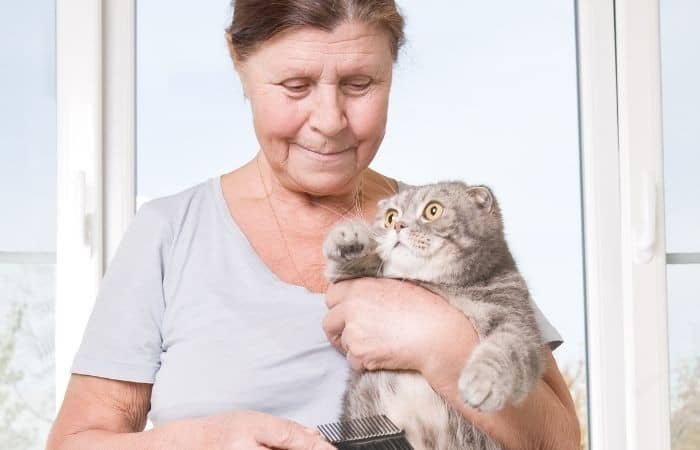
    15 Reasons Why Cats Are Good Pets For Seniors

    Perhaps you want to adopt a pet yourself or you are looking for the perfect per for your senior loved one, you might wonder, are cats good pets for seniors?

    Cats are good pets for seniors because they’re low maintenance, reliable, predictable, good companions, self-sufficient, and do well staying indoors. Also, a cat offers health benefits on a daily basis: reducing feelings of anxiety, depression, and loneliness, lowering blood pressure and cholesterol levels and can ease the pain of losing a loved one.

    This is just the tip of the iceberg. In this article, I’ll share 15 reasons with in-depth information on why cats are good pets for seniors. And I share more information on the best cat breeds for seniors, things to consider before getting a cat as a senior, and more. So, continue reading.

    Reasons Why Cats Are Good Pets For Seniors

    1) Cats Are Great Companions For Seniors

    Cats are excellent companions for (lonely) senior citizens because most cats like to cuddle in laps or sleep close to you at the foot of the bed or couch. There is always someone there that likes to keep you company.

    Coming home to an empty home can feel a bit boring and lonely. And that is why seniors can feel better with a loyal companion who is happy to see them and cuddle with them once they get home. Also, having someone to take care of is also a positive daily responsibility that will boost a senior’s self-esteem and uplift their mood.

    A lot of people even like to talk to their cat, so it can feel like their best friend. And having always someone to talk to feels good, even when they don’t can’t talk with human words. Cats have their own personality and can communicate with their body language.

    2) Cats Are Low Maintenance Compared To Other Pets

    Compared to dogs or other pets, cats are low maintenance and easy to take care of, which makes them the perfect pet for seniors. They don’t have to go outside on long walks for a bathroom break, they can take themselves to the litter box. Also, cats need little to be entertained. And are happy to crawl in someone’s lap for a couple of hours in the day.

    3) Cats Are The Best Pets For Seniors With Limited Mobility

    As I mentioned above, cats are low-maintenance pets. They do not require the owner to be mobile for playtime, cuddle time, hygiene, and a bathroom break. They clean themselves, entertain themselves, go to the litterbox, and walk to you when they want some cuddling time. That is why seniors with limited or no mobility are able to take care of a cat.

    4) Cats Are Reliable & Predictable

    Just like seniors cats like routine, consistency, and predictability in their day to establish a stable and dependable environment for themselves. That is what seniors do too. Most humans of course, but seniors are more obsessive about how they like to do their things. You will see when there is a change in a routine, cats will get stressed and seniors don’t like that either. That is why seniors and cats are a great match.

    5) Cats Are Self-Sufficient

    Cats are self-sufficient. You can easily leave them alone for a couple of hours a day and not feel worried if your furniture is still okay. They’ll just sleep and snooze.

    And even though you need to take care of them and rely on humans for food, they keep their hunter instinct (if you leave them outside during night/ day), because cats are naturally very independent hunters. My mom’s cat gets spoiled with gourmet cat food and milk but still hunts on birds, mice, etc during the night. And sleeps the day away during the day.

    6) Cats Do Well Staying Indoors

    Most cats are very content to stay indoors if they get enough (playful) stimulation and companionship.

    From my own experience I can tell that if a cat is used to going outside, he/ she will be very unhappy spending indoors all the time. But a cat that is raised as an “indoor cat,” is very happy staying indoors. Also, cats are naturally territorial so they like to protect their own space instead of exploring new places.

    There are some cat breeds that are better at staying indoors than others. According to veterinary specialists, these breeds below are the most ideal indoor house cats:

    Ideal Indoor House Cats

    • Sphynx
    • Ragdoll
    • Scottish Fold
    • Himalayan (Himmies)
    • Devon Rex
    • Siamese
    • The Moggy

    7) Cats Lowers The Risk Of Heart Attacks and Stroke

    The calming presence of a cat lowers cholesterol levels, which decreases the risk of heart diseases. A study on Cat ownership and the Risk of Fatal Cardiovascular Diseases found the following:

    “A decreased risk for death due to MI and all cardiovascular diseases (including stroke) was observed among persons with cats. The acquisition of cats as domestic pets may represent a novel strategy for reducing the risk of cardiovascular diseases in high-risk individuals.”

    8) Cats Can Boost Senior’s Immune System

    Snuggling close with a feline friend can even improve someone’s immune system. Being exposed regularly to small amounts of pet allergens will prevent seniors from seasonal allergies or asthma.

    Also, cuddling, playing, and taking care of a cat will make you feel happier which is the best natural booster for the immune system. And this will help fight off the common cold and other chest infections, according to research.

    9) Cats Create Calmness And Reduce Feelings Of Anxiety

    According to the same research mentioned above, is that the presence of pets has been associated with a reduction of stress and blood pressure, which in turn reduces feelings of anxiety and makes you feel calm. But besides the scientific research, everyone knows that you feel calmer by simply petting a cat in your lap.

    10) Cats Decrease Feelings Of Loneliness

    Many seniors suffer isolation from society. Having a companion who loves your company is a great remedy for loneliness.

    11) Cats Give Unconditional Love

    Cats are very loyal and social animals and can sense human emotions by recognizing facial gestures, like smiling and frowning. They can be very emphatic and show their care through their attention and body language.

    Even a study found out that cats prefer human social interaction over food. The ultimate proof that cats love people. And no matter what you say to them, they’re nonjudgemental and keep showing their unconditional love.

    12) Cats Give Seniors A Sense Of Purpose

    Taking care of a pet is a big responsibility. And a good reason to get up in the morning. Especially for seniors who feel bored, a cat can give them a sense of purpose in life. Or a greater sense of purpose because now they are responsible for another creature.

    13) Cats Make Seniors Feel Happy

    Petting or cuddling a pet releases the happy hormone, oxytocin, in the body. It has a direct effect. Anyone feels instant better after snuggling with a cute animal such as a cat.

    14) They Can Keep Seniors Warm

    Seniors often feel cold, because of their age their metabolic rate decreases. And this means that seniors’ are unable to generate enough heat to maintain a “normal” temperature of 98.6 degrees.

    A cat’s temperature is around 102f, which is much warmer than our optimum temperature. So when they curl up in a senior’s lap, they will instantly feel much warmer. Also, during cold winter days, cats are more likely to seek your warm lap to warm up too. A win-win situation. And a much cutter option than a blanket.

    15) Cats Can Avoid Depression

    Many seniors struggle with depressive feelings. And if you learned anything from all the information above, cats can help seniors feel much better about themselves and help avoid depression. But also research concluded that “Cat owners reported significantly lower levels of depressive symptoms than dog owners”.

    Things Seniors Need To Consider Before Getting A Cat

    Although cats can be perfect pets for seniors. There are some reasons why they’re not, depending on a senior’s situation. And even though in great health, seniors need to be aware of certain things before getting a cat.

    Lifespan Of A Cat

    The average life expectancy for an indoor cat is 12-18 years. So, before seniors get a kitten, they need to ask themselves if they expect to be able to take care of a cat for another 12 to 18 years. According to the CDC, the average life expectancy (of a human) in the United States is 78.7 years old. This means that a cat is likely to outlive many seniors.

    So these are some valid questions to ask:

    • Is the senior able to take care of the kitten/ cat for this long?
    • What happens when they can’t take care of the cat anymore (e.g. when health decreases or when they pass away)?
    • Is there a family member or friend who can step in to take care of the cat if needed?

    But there is a chance that a senior can live out the cat. And mourning the loss of a cat can be extremely hard on seniors.

    Also, an ill cat is hard to take care of. I know this from my own experience and I am not even old. And this can be stressful too. An aging senior can have a hard time taking care of an ill cat. But also an ill cat needs the proper care too.

    Costs Of Owning A Cat

    It is fun owning a cat, but cats do cost money. So is a senior able to pay for a cat and all the monthly expenses for basic needs and (emergency) medical care?

    According to The Spruce Pets, this is the cost of responsible cat ownership:

    • Quality food: $15 – $30 a month.
    • Litter: $10 a month.
    • Spay or neutering: $50-$400
    • Core vaccinations: $80-160 for the complete first-year series.
    • Annual veterinary examination: $100 – $200.
    • Emergency vet care: Unknown

    Difficult To Medicate

    I know from experience trying to squirt medicine or vitamins into a cat’s mouth is very difficult. And not a one-man job. Therefore it can be difficult for a single senior to medicate a cat. Perhaps a neighbor, family member, or friend can help out during these times.

    Chances Of Tripping And Injury

    There is a chance that a senior can trip over a cat. Cats like to go under our feet. Even a friend of mine stepped on a kitten while going down the stairs with a laundry bag. This can happen. It can hurt the cat, but seniors can also lose their balance, fall, and get heavily injured (broken bones, or even worse). And recovering from a heavy injury is hard for older people.

    Cognitive Functions As A Senior

    You should ask yourself if seniors with a decline in cognitive functions, vision problems, or brain diseases such as dementia or Alzheimer’s should have the responsibility for taking care of a pet. Because then you can encounter problems such as forgetting to feed the cat, empty the litterbox, they can’t see the cat or seeing when the cat has medical issues, etc. Even though a cat is very self-sufficient they need an owner who can take care of them in a good and responsible way. Perhaps a friendly neighbor can keep an eye out.

    Kitten Or Adult Cat?

    A kitty needs more house training and much more attention than adult cats, but they adapt more quickly to their new environment. But a senior cat might come with health problems, which will require more visits to the vet. There is no good or bad option, it all depends on the senior’s situation.

    Buying, Adopting, Fostering, Babysit A Cat

    As I mentioned above, a kitten or adult cat both have pros and cons. And besides buying a cat, there are also other options.

    • Seniors can adopt a cat from a local shelter. Or when they don’t want the full-time responsibility of taking care of a cat they can decide to volunteer at cat shelters.
    • Seniors can foster a cat. This means seniors take care (through a rescue organization or shelter) for a limited amount of time at home until it is ready for adoption.
    • Seniors can babysit someone else’s cat. All the benefits but not much of the responsibilities and costs. There are many busy families who love to find a senior who wants to take care of a cat. A great platform that matches cat owners with cat caregivers is Care.com.

    The Best Cat Breeds For Seniors

    Each cat has a different personality and temperament, but also each breed has its own qualities that may or may not be a good match for seniors. Some breeds are more curious and energetic than others. Some breeds like to cuddle all day, others less. And some breeds have ticker fur that needs more attention.

    The best cat breeds for seniors are low energy level, low fur maintenance, and love cuddle time but not 24/7. So according to Petkeen, these cat breeds are great for seniors:

    • Russian Blue
    • Snowshoe
    • Scottish Fold
    • British Shorthair
    • American Shorthair
    • Exotic Shorthair
    • American Wirehair
    • Australian Mist
    • Balinese
    • Bombay
    • Siberian
    • Chartreux
    • Havana
    • Persian
    • Birman
    • Ragdoll

    8 Must-Have Products For A New Cat

    Ready to get a cat? Then these products are a must-have!

    1) Food

    Canned food is the best for cats but you can always combine it with dry foods. You can often buy them in bulk or in big bags. Purina Friskies Cat Food >> gets thousands of 5-star reviews.

    2) Food & Water Bowl

    Avoid any plastic blows, stainless steel bowls or ceramic bowls for food are the best for cats. And this drinking water fountain >> attracts cats to drink more.

    4) Cat Toys

    A teaser wand >> with feathers is one of the most popular cat toys and is always a hit.

    3) Litterbox & Litter

    5) Grooming Tools

    6) Cat Carrier

    #1 Bestseller: Vceoa Carriers Soft-Sided Pet Carrier for Cats >>

    7) Scratching Post

    Thousands of 5-star ratings: Cardboard Cat Scratch Pad >>

    8) A Bed

    Check out this highly reviewed Round Donut Cat Bed >> from Love’s cabin store

  • Staying Active After 65: 30 Creative And Fun Ideas For A Fulfilling Retirement

    Staying Active After 65: 30 Creative And Fun Ideas For A Fulfilling Retirement

    Retirement shouldn’t be about slowing down—it should be about revving up for a whole new life!  Are you a soon-to-be retiree wondering how to fill your days with fun and fulfillment? Or maybe you’re looking for exciting activities for the active senior in your life. Look no further!

    I’m your guide to an amazing retirement, and I’ve curated a list of 30 awesome activities that 65-year-olds love. So, let’s dive in right away!

    1. Gardening

    Gardening is a perfect activity for seniors. It provides a tranquil escape in nature, promoting relaxation and peace. More importantly, it offers gentle exercise that improves physical health and mobility. Studies even show gardening can lower stress, improve mood, and boost cognitive function. However, they should be careful with their posture as they garden to prevent accidents.

    For added enjoyment, seniors can experiment with plant combinations, join community gardens, or grow their favorite fruits and vegetables to share the harvest with loved ones. It’s a fun and rewarding way to stay active, healthy, and connected.

    Read: 11 Science-Based Benefits Why Gardening Is Good For Seniors

    2. Cooking

    Cooking is a fun and creative outlet to explore new flavors and cuisines. But the real benefit lies in its impact on health. Home cooking is linked to a better diet, with more fruits, vegetables, and whole grains, leading to improved well-being for seniors.

    You can experiment with new recipes, host potlucks, or take online cooking classes to learn new skills and techniques. It’s a delicious way to stay healthy, engaged, and possibly even connect with others who share their passion for food.

    To get more out of cooking, consider online cooking classes like MasterClass for fun and skill development. With renowned chefs teaching a variety of cuisines, you can learn at your own pace from the comfort of home.

    3. Host Parties

    Hosting parties can be an enjoyable way to socialize, connect with loved ones, and create lasting memories. Beyond the social benefits, planning and organizing events keeps them mentally active, potentially helping to maintain cognitive function. It is also a good way to make new friends!

    To add excitement, seniors can theme their parties, incorporate games or activities, involve guests in preparations, and create a welcoming ambiance. It’s a rewarding way to stay socially engaged, mentally stimulated, and connected to their community.

    4. Follow Classes

    Lifelong learning through classes offers seniors a multitude of benefits. It allows them to explore passions, develop new skills, and connect with like-minded people. More importantly, it can stimulate the brain and delay cognitive decline. Old dogs can’t learn new tricks, but seniors definitely can still learn.

    Choose classes you’re passionate about, participate in interactive sessions, or even teach a class yourself. Online options like MasterClass offer flexibility and a vast range of subjects, from cooking to music to business, all taught by renowned experts.

    5. Hike National Parks

    Exploring national parks through hiking offers seniors a good way to reconnect with nature, embark on adventures, and enjoy the outdoors. It provides physical activity that strengthens the heart, improves flexibility, and promotes overall well-being.

    However, make sure to choose trails suited to your abilities. You can also hike with friends or family to help you if the path you took is too tough for you. It also helps to invest in comfortable, safe gear. It’s a rewarding way to stay active, explore, and immerse themselves in the beauty of nature.

    If you want to learn more about hiking, get a copy of the best-selling book 100 Parks, 5,000 Ideas as a retirement gift for yourself. And if you want to learn more about the benefits of hiking, check out my article: Why Hiking Is Good For Seniors.

    6. Make Roadtrips In RV

    RV road trips offer seniors the freedom to explore at their own pace with home on wheels, fostering connection and creating memories with travel companions.

    Plan scenic routes with interesting stops, incorporate outdoor activities, join RV clubs for camaraderie, and document your adventures. It’s a dream come true for many retirees, offering a unique way to travel and experience the world.

    7. Do Volunteer Work

    Volunteering offers seniors a chance to give back, connect with their community, and experience a sense of purpose. According to Harvard Health, volunteering for as little as two hours weekly can reduce the risk of early and unexpected death—this is compared with those who don’t volunteer.

    There are many causes to choose from and be sure to choose one that you care about. It would be also better to volunteer with loved ones, explore different opportunities, and participate in group activities to keep things engaging. With volunteering, you can have a fulfilling way to stay active, socially connected, and make a positive impact.

    8. Write Books

    Chronicling their lives and sharing knowledge through writing a book offers seniors a creative outlet and mental stimulation. Interestingly, it has been found that reading and writing can help boost brainpower, together with physical activity.

    If it would be your first time writing, consider joining writing groups, exploring genres, and setting achievable goals that can make the process enjoyable. It’s a rewarding way to leave a lasting legacy and express themselves creatively.

    Meanwhile, if you’re interested in taking up writing and upgrading your skills. There are amazing online classes from the best writers in the world.

    9. Sing

    Singing is a good outlet for retirees and seniors to self-express and connect socially. You can sing in choirs, karaoke, or just sing with loved ones. Beyond the fun, it benefits mental health by reducing stress, boosting mood, and promoting well-being through the release of endorphins and oxytocin.

    10. Swim

    Swimming is a refreshing way for seniors to stay active and to stay physically fit. The low-impact nature of swimming strengthens muscles, improves flexibility, and promotes cardiovascular health without straining joints.

    Start with getting swimming classes. If you become better at it, try different strokes, join water fitness classes, or explore different aquatic environments.

    11. Play Games

    Play games if you want to stay mentally stimulated, socialize, and be entertained. Video games have been researched to show potential in improving memory in older adults.

    So, enjoy game nights with loved ones, find new games, or even try playing online for virtual interaction. It’s a brain-boosting activity that keeps seniors engaged and connected.

    Read: 15 Best Outdoor Games For Senior Citizens

    12. Solve Puzzles

    Stimulate your mind by solving puzzles. It offers a sense of accomplishment and challenges memory, focus, and problem-solving skills. Just like with video games, it can help maintain cognitive function and reduce the risk of decline.

    Start with crosswords, Sudoku, jigsaws, or logic puzzles. To make it more fun, set goals, or collaborate with others. After playing a few games, you’ll certainly feel you’re getting sharper.

    13. Listen To Podcasts

    Podcasts offer seniors a fun and informative way to stay entertained and engaged. Podcast is basically our modern version of radio. With a vast array of topics to choose from, seniors can learn new things, stay current on their interests, and feel connected to the outside world.

    Thankfully, there are a lot of podcasts to choose from and you can choose whenever and wherever you can. Listening to podcasts is also a great way to make mundane chores less boring.

    14. Have A Fun Part-time Job

    A fun part-time job offers seniors social interaction, purpose, and the opportunity to learn new skills. Plus, the extra income can be a welcome boost. And luckily, there are a lot of in-demand jobs for seniors waiting for you to take!

    Look for jobs that align with your interests and skills, with flexible hours and a positive work environment. With a part-time job, you can stay active and engaged, and keep that sense of purpose many crave in retirement.

    15. Read Books

    Reading offers seniors a fun escape, intellectual stimulation, and a chance to explore new worlds. Join book clubs, explore different genres, create cozy reading nooks, and share favorite books with loved ones. Through reading, you can relax, learn, and stay mentally sharp at the same time.

    Read: 25 Best Books Old People Like To Read (All Novel Genres)

    16. Bird Watching

    Bird watching is a peaceful way to connect with nature, observe wildlife, and reduce stress. It has been one of the fastest-growing hobbies in America for the past few years. 

    To enjoy it fully, buy binoculars, travel to different habitats, and take lots of pictures. It’s definitely a great hobby to have to let you have a leisurely and relaxed retirement.

    17. Restore A Classic Car

    Restoring a classic car gives seniors a really satisfying and nostalgic thing to do. Even though it might cost money—potentially a lot—it’s a cool way to use your imagination and solve problems, and it feels great when you finish.

    To start, you can get ideas from car shows and watch videos about fixing cars on places like YouTube. For lots of older people, especially men, fixing up an old car is something they’ve always wanted to do that they can get done once they retire.

    18. Dance

    Dancing offers seniors a fun way to express themselves, enjoy music, and stay active. It also provides cardiovascular benefits, improving heart health, balance, and coordination. Studies even show it can reduce chronic disease risk, improve cognitive function, reduce signs of aging, and boost mood and social well-being.

    You can explore various dance styles, attend classes or social events, dance with partners, or incorporate dance into your exercise routines to truly reap the benefits of dancing.

    19. Do Arts And Crafts

    Arts and crafts offer a treasure trove of benefits for retirees. It’s a fun outlet for creativity and self-expression, allowing you to craft beautiful pieces you can cherish or even sell. Beyond enjoyment, it boasts therapeutic benefits, promoting relaxation, stress relief, and potentially reducing anxiety and depression symptoms.

    Start with beginner-friendly options like painting, pottery, or knitting. To expand your skills, consider taking classes or workshops. Sharing your creations with friends, family, or online communities adds another layer of enjoyment and connection. It’s a fulfilling and mentally stimulating activity that keeps your mind sharp and your spirit vibrant.

    Read: 140 Amazing Hobbies For Your Retired Mom (That She’ll Love)

    20. Genealogy

    Genealogy isn’t just about names and dates; it’s a captivating adventure into your family’s history. Seniors can discover fascinating stories about their ancestors, connect with relatives they never knew existed, and delve into their unique heritage. Aside from being a good pastime, genealogy offers intellectual stimulation and can keep your mind sharp.

    Fortunately, it’s easy to get started with genealogy. You utilize online genealogy resources and databases, interview relatives to collect cherished memories, attend workshops to learn new techniques and create visual family trees or scrapbooks to document their findings. It’s a way to preserve your family legacy and share it with future generations.

    21. Go On A Cruise

    Cruises offer a perfect blend of relaxation and exploration for retirees.  Imagine unwinding in luxurious comfort, visiting diverse destinations, and enjoying onboard amenities and entertainment. Beyond the pampering, cruises provide opportunities for social interaction and meeting new people, promoting well-being and creating lasting memories.

    Choose cruise itineraries that align with your interests, whether it’s exotic destinations, cultural exploration, or onboard activities like dance classes or wine tastings. While cruises can vary in cost, the all-inclusive nature and convenience often make them a good value.

    22. Go To The Gym

    Gyms offer more than just weight machines for retirees. It’s a structured environment with a variety of equipment to keep workouts fun and engaging. Plus, it provides opportunities for social interaction, making exercise a more enjoyable experience.  Regular gym use is a proven way to improve physical health, strength, flexibility, and cardiovascular health for seniors.

    Explore different workout options like aerobics, weight training, or group fitness classes. Consider working with a trainer to set goals and track progress. You can even incorporate activities like swimming into your routine for a well-rounded approach to fitness. It’s a fantastic way for seniors to stay active, healthy, and social.

    23. Photography

    Photography is more than just snapping pictures. It’s a therapeutic and creative outlet for retirees to capture precious memories, express themselves artistically, and explore the world through a new lens. To enjoy it more, experiment with different techniques and delve into diverse subjects like nature or street photography.

    Also, share your photos with loved ones. It helps create lasting memories and foster connections. It’s an easy-to-start hobby that keeps your mind sharp, reduces stress, and lets you see the beauty in everyday moments.

    24. Learn A New Language

    Learning a new language is more than just memorizing vocabulary; it’s a brain-boosting adventure for retirees. It opens doors to new cultures, broadens horizons, and keeps your cognitive skills sharp. Studies even suggest bilingualism can delay dementia and improve memory.

    The good news? It’s never too late to learn a new language! Interactive apps, conversation groups, and cultural immersion experiences can make learning fun and engaging. For many seniors, mastering another language is a cherished dream, and with the right approach, it’s entirely achievable.

    25. Play A Musical Instrument

    Music lovers of all ages can enjoy the benefits of playing an instrument, but learning a new instrument holds particular appeal for retirees. It offers a creative outlet, a sense of accomplishment, and a way to express themselves musically. 

    Research shows it can enhance cognitive function by improving memory, coordination, and concentration. Playing may even have neuroplastic effects on the brain, strengthening neural connections and potentially reducing cognitive decline.

    To make it more fun, seniors can choose an instrument they’ve always wanted to learn, take lessons, play with friends, or explore different genres. It’s a perfect way to scratch that creative itch, boost brainpower, and connect with others through music.

    Read: 15 Of The Easiest Instruments To Learn For Seniors

    26. Join Community Groups

    Joining community groups combats loneliness and fosters connection for retirees. It offers a supportive environment for social interaction, friendship, and shared interests. Remember, you need healthy social connections at your ripe age. After all, seniors are the most vulnerable to loneliness and its negative effects.

    Start by exploring groups aligned with your hobbies. Be sure to actively participate and even volunteer to contribute and make a meaningful difference. Community groups are a great way for retirees to find like-minded friends and combat the social void sometimes left after leaving the workforce.

    27. Metal Detecting

    Metal detecting isn’t just about finding treasure; it’s an exciting blend of outdoor exploration and historical discovery. Imagine the thrill of uncovering hidden artifacts or relics that whisper stories of the past.

    Metal detecting also promotes physical activity and well-being. Spending time outdoors is a natural mood booster and stress reliever, while searching keeps seniors physically engaged.

    To maximize the experience, research historically significant areas or ones known for lost treasures. Advanced equipment can help you find more, while clubs and online communities offer camaraderie, tips, and a platform to share your discoveries.

    Whether it’s a collection of coins or a potential Civil War relic, documenting your finds creates a personalized treasure chest of memories to share with others. It’s the perfect way for retirees who love adventure to get some exercise, connect with history, and unearth the unexpected.

    28. Babysit Grandchildren

    Babysitting grandchildren offers a wealth of joy for seniors. It also gives a lot of opportunities to cherish time with loved ones, creating lasting memories and strengthening family bonds. 

    So volunteer yourself to babysit. Plan engaging activities, share stories and traditions, or involve grandchildren in chores—all while creating a special connection through quality time together.

    29. Pet Sitting

    Pet sitting allows seniors to enjoy the companionship and affection of animals without the full commitment of pet ownership. It provides a sense of purpose and responsibility, while the daily tasks of walking, playing, and grooming offer opportunities for physical activity and mental stimulation. Some researches even show that interacting with pets can reduce stress, lower blood pressure, and improve overall well-being in seniors.

    To make pet sitting even more enjoyable, seniors can choose pets that suit their lifestyle, establish routines and bonding activities, explore local parks with their retirement cats and support dogs, and communicate regularly with pet owners for a smooth and fulfilling experience for everyone involved.

    30. Home Brewing

    Homebrewing entices retirees with its creativity and satisfaction of crafting unique beers or wines. It fosters a social atmosphere through sharing with loved ones and gatherings. 

    Seniors can join communities, attend workshops, and experiment with recipes to maximize enjoyment. It’s a rewarding way to unwind and share the fruits (or hops) of their labor.

    Conclusion

    So there you have it! 30 fantastic activities to jumpstart an exciting and fulfilling retirement. Whether you crave creative pursuits, social connections, or intellectual challenges, there’s something for everyone. 

    And if you want to start with reading, then I have a ton of articles for you! Here are some of them:

    Happy reading!

  • 25 Fun Activities Your Father Can Do After Retirement

    25 Fun Activities Your Father Can Do After Retirement

    As your dad’s retirement is coming closer you might worry and wonder, what can my father do after retirement? Well, no need to worry anymore because I’ve got you covered! This article is filled with 25 fun activities your father can do after retirement. From the popular ones to the more unusual activities retirees like to do, so you can help your father enjoy a happy retirement.

    1) Create A Bucket List

    Creating a bucket list can be a great tool for your retired father to figure out what he wants most in retirement. Listing all the things he wants to do makes his dreams more visual and tangible. Then the next thing is to narrow it down to one or two things he likes to pursue first which gives him a goal to work towards. And it gives your dad a sense of direction and a clear vision of his priorities after retirement. You can help him by creating his bucket list together and ticking off a few items together too.

    2) Follow Online Classes

    Another amazing activity your dad can do after retirement is to follow classes. If your father ever said the words: “I’ve always wanted to learn…”. Then you know exactly which class he can apply for. He can go back to college and get a degree (seniors can follow free or discounted classes at a lot of local colleges and universities), follow a painting class nearby his home or you can give him access to amazing online classes from the world greatest with Masterclass.

    Masterclass is an online video streaming platform with 100+ different classes from the world’s best. Just to name a few names: Gordon Ramsay, Samuel L. Jackson, Alicia Keys and so many more. He can have access to all classes and never have to be bored after retirement. Many retirees love Masterclass because they can learn at their own pace, time, and device from the comforts of their own home or anywhere else.

    3) Do Volunteer Work

    Many retirees love to do volunteer work. It gives them a sense of purpose. A new purpose after they’ve retired from their full-time job.

    Perhaps your father can also do volunteer work if he likes to help other people in retirement and be of service. Helping others, makes you feel happier instantly, so that is an advantage too. If you want your father to have a happy retirement, finding him a volunteer job he loves is a great idea. It not only makes him happy, but it also gives him daily structure, routine and social interactions. Which are all things you lose once you retire. And replacing these things in a fulfilling way is the key to a happy and healthy retirement.

    For more information about volunteer work, check out my article: Why Do Retirees Love Volunteering.

    4) Explore A New Hobby

    The best way to spend time in retirement is on a hobby you love. After retirement, it can be worthwhile for your father to find a new hobby if he doesn’t have one. A perfect way to explore hobbies is to try out new hobbies. And a great platform for that is Masterclass, as I mentioned earlier. Your father can explore all sorts of new hobbies on this platform while learning from the best in their field.

    And if you need a little bit more help you can read my article: 8 Powerful Tips To Help A Retired Dad That Has No Hobbies

    5) Find A Part-Time Job

    Your retired father can also go back to work in retirement. Perhaps he always wished to work as a…., well maybe now in retirement is the time to pursue that job and earn a bit of salary too. Which is a plus. Some jobs even come with extra benefits too which is an extra bonus. Your father can decide to become a dog walker, a freelance consultant, or a coach.

    The daily structure, routine and social interactions that come with having a part-time job are all beneficial to enjoying retirement in a happy and healthy way. And having a part-time job or a freelance job enables your father to control his own agenda, which is the reason why most people want to retire in the first place.

    6) Take Up A (new) Sport

    If your father likes to get more active in retirement he can consider taking up a (team)sport after retirement. This can be a sport that he loved while younger or take up a new sport. Because why not? For example, swimming, running, stand-up paddleboarding, golf, tennis, yoga, surfing, Tai Chi, etc.

    7) Become A Better Chef

    Many retirees love to take up cooking after retirement. During their career, there wasn’t enough time to spend hours in the kitchen preparing a gourmet meal. And now in retirement, they have the time and want to enjoy good food every day so retirees start learning how to cook or upgrade their skills as a chef. This can also be a great activity for your father after retirement.

    Masterclass has over 20 different cooking classes from the world’s renowned chefs like Gordon Ramsay, Thomas Keller, Aaron Franklin, Gabriela Camara, and so many more Italian, French, Mexican, and Japanese chefs.

    8) Babysit Grandchildren

    Do you or your siblings have children? Perhaps your father can babysit them while you have to go to work. It can be a very fulfilling and fun activity for your retired dad, but it saves you money as well.

    9) Travel

    If you ask what most retirees want to do in retirement, they will say travel. And maybe your father has the same answer to this question too.

    Depending on his retirement budget he can travel to Europe, Asia, or Australia, but he can also travel closer to home like visiting a nearby National Park, going on a road trip with friends, doing hikes on nearby (famous) trails, etc. The possibilities are endless. A great gift for your father is this book: 50 States 5000 Ideas from National Geographic.

    10) Create A New Routine

    Not many people are aware that retirement is a transition process. It takes time to adjust to this new way of life with endless free time, no structure, no obligations, and no direct purpose. Therefore it can be wise to motivate your father to create new routines after retirement. A healthy and positive morning routine sets the tone for the rest of the day and helps your father to stay positive, and productive and end the day with a satisfying and fulfilling feeling.

    11) Be A Tutor, Coach, Or Mentor

    Your retired dad can share his wisdom, life experience, and years of experience to help the next generation. This can be in any form for example a tutor for high school students, a life coach, a sports coach for grandchildren’s sports team, a career coach for his former coworkers, or a mentor for anyone who needs mentoring.

    Many retirees don’t feel appreciated or are part of society once they retire. Being a coach, tutor or mentor is a win-win situation. Others get valuable help, advice, and expertise from an expert and your father feels valuable and worthy by sharing his skills and secrets with others.

    12) Start His Passion Project

    After retirement is the best time to spend time on a passion project. Because when else?

    So if your father expressed to you in the past that if he had more spare time he would do X, Y, and Z. You know you have found his passion. And now after retirement, you can motivate him to take up that passion project he always dreamed of.

    Knowing what your dad’s passion is, is magic. He doesn’t need to look around, he can just start right away. And you can encourage him to start his passion project, no matter his doubts and fears.

    If you want to help your father find his passion? Then this article can be helpful for you and your dad: How To Find Your Passion In Retirement.

    13) Join A Club

    I already mentioned in this article that having daily social interactions is important for a happy and healthy retirement. Not many people know that social interaction benefits both mental and physical health and that is why it’s important to maintain socially active after retirement.

    A way to replace the social interactions your father loses once he retires is by joining a club. This can be a sports club, book club, cooking club, senior club, arts & crafts club, garden club, etc. The first step in finding the right club for your dad is to know your father’s interests and look for a nearby club with similar interests. It is the easiest way for your dad to find new friends.

    14) Start Meditation

    When you worry about your father’s mental health, you can encourage him to start meditation in retirement to help him feel more peaceful and calm. You can gift your father the Meditation and Mindfulness Masterclass from Jon Kabat-Zinn. The pioneer of the Western mindfulness movement.

    15) Become A Teacher

    Another fun activity that your father can do after retirement is teaching. And this can be in all sorts of forms, but the most obvious one is in a classroom. And now it is easier and more affordable than ever to become a teacher because of alternative teacher certification programs available for all ages.

    15) Start A (online) Business

    Retirement gives your dad the opportunity to become an entrepreneur because nowadays you don’t need much to start a business. There are endless business opportunities online, but your dad can also use his skills and expertise as a freelancer. Here are 15 unique business ideas your father can start after retirement.

    16) Learn A New Language

    Nobody is too old to learn. And that also applies when learning a new language. It may take a bit longer compared to younger people, but older people have the advantage of a bigger vocabulary which makes learning new words easier.

    17) Gardening

    Gardening is one of the best and also one of the most popular activities in retirement. It has a tremendous effect on a person’s mental and physical health, which is why gardening is one of the best hobbies for retirees out there.

    18) Babysit A Pet

    Taking care of a pet gives your father’s life new meaning, and a purpose but also has many beneficial health effects. For example, a companion like a dog reduces the feeling of loneliness but also keeps you active as you have to walk the dog a couple of times a day. And you’re likely to be more social as you meet other dogs and dog owners during the day. Your dad can get a dog or cat, but if he doesn’t want the care full-time there are plenty of organizations that match dog owners with a busy life with retirees who want to take care of day a couple of times a week/ month,

    19) Join A Senior Community

    Joining a senior community can help your dad find new friends and gives him more access to all sorts of senior activities that are planned within that community. It gives your retired dad a sense of belonging. This can be a very good step for a retired dad that is alone and lives far away from family.

    20) Play A (New) Instrument

    Why not learn a new instrument? If your father loves music, plays an instrument, or always dreamed about learning a new instrument, then encourage him to start playing an instrument.

    Masterclass has over 20+ different music classes from the world’s best musicians. He can upgrade his existing skills or learn a new instrument. These classes are accessible for any skill level. And can be a great gift to motivate your dad after retirement.

    21) Write Books/ Columns/ Stories/ Blogs

    Another fun activity your dad can do after retirement is to start writing. He can write a family history book and research everything there is to know about his ancestors. Or he can start writing columns for a local newspaper, start his own blog website about retirement, or start journaling. Writing can be a powerful and creative outlet for your father to express his inner world.

    If your father likes to take up writing after retirement you can help him with writing classes to dust off his writing skills. Masterclass has 20+ different writing classes taught by the world’s best writers such as Margaret Atwood, Dan Brown, David Patterson and so many more.

    22) Home Brewing

    If your dad loves beer, beer brewing can be a cool activity after retirement. but it doesn’t end with beer, your father can start brewing apple cider, wine, kombucha, etc. You can gift your dad a beer-making kit as a sign of encouragement.

    23) Wedding Officiant

    If your dad loves to speak, has a sense of humor, and loves love, then a great activity your father can do is to become a wedding officiant.

    24) Read Books

    Many people complain about not having enough time to read. Perhaps your father did this too. Well, retirement is the perfect time to catch up on reading and you can help your father by gifting a couple of good books to read. Need inspiration? Check out 25 Best Books Old People Like To Read (All Novel Genres).

    25) Geneology

    One of the most popular hobbies in retirement is genealogy, “the study and tracing of lines of descent”. Many retirees love to dig up things about their past, trace their ancestors, find answers and search for new relatives. Building a family tree or writing a family history book is a popular and meaningful activity in retirement. If you think this can be a fun activity for your dad, then check out Myheritage.com.

    He can do a DNA test to reveal his unique ethnic background and match him with his newfound and explore billions of historical records. You can start with a 14-day FREE trial to check it out.