Category: Tips and Tricks

Master your retirement! Get expert tips, hacks, and strategies for a healthy and fulfilling retirement life. I have a lot of useful guides waiting for you!

  • Is It Difficult To Survive In Corporate? An Honest Guide

    Is It Difficult To Survive In Corporate? An Honest Guide

    As you are about to start a new job, or you’re struggling in a job, you might wonder, is it difficult to survive in corporate?

    It is difficult to survive in corporate when you’re an authentic, intuitive, honest, sensitive, and straightforward person that cares more about people than money. Staying true to yourself and living an unnatural corporate life that is money driven is stressful. An ego-driven person finds it less difficult to survive in corporate.

    This article is filled with information and confirmation on why the corporate world is hard to survive. Plus, I’ll share more tips on how to survive corporate life and how to leave the corporate world, so continue reading.

    8 Reasons Why Corporate Life Is Difficult To Survive

    The reason you’re reading this article and knowing that corporate life is a survival means that you’re not true to yourself. And I mean that in the most sincere and loving way possible because I want you to live your best life. So let me continue to explain more.

    Survival mode means that you’re just trying to get through the day. You don’t feel joy, ease, or lightness when you’re in survival mode. And this physiological and psychological response to your life causes stress. You release stress hormones and activate your stress-response systems to prepare your mind and body to combat danger and handle threats. It’s a beautiful system to keep as alive. But you’re not in a direct life-threatening situation in corporate life, but your body thinks it is. So why is that? What causes stress?

    Let me share a couple of reasons you experience stress in corporate life and it feels like a survival.

    1) Internal Battle Ego vs. Soul

    The deepest reason you experience stress and feel like you’re in survival mode within the corporate world is that you have a battle inside you between your ego and your soul.

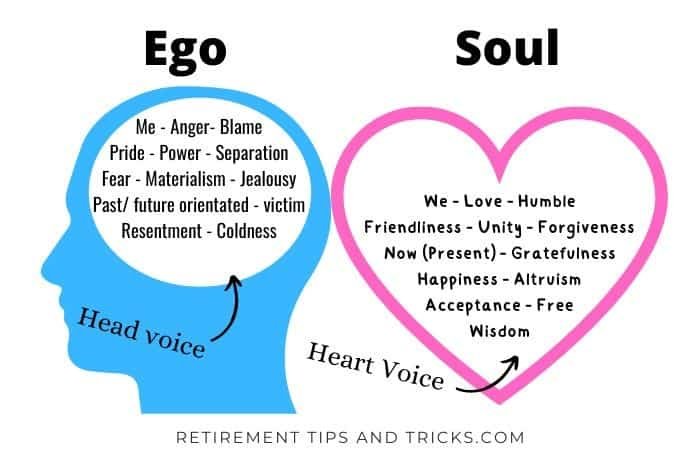
    Your ego is your false self and created by society, upbringing, and your experiences with the outer world. Your soul is your true self. And you’re conflicted now. You have the mind (ego) with screaming thoughts and a soft voice from the heart saying other things. And this causes stress.

    The outside doesn’t match what is going on on the inside. If you want to get rid of stress, you need to align the outside world with your inside world. That’s how simple it is. Aligning the outside world with the inner world creates flow, easiness, and abundance in your life.

    But I know it is not as easy as it sounds because we live in an ego-driven world. Fortunately, this is rapidly changing. Especially the corporate world is ego driven because everything runs on fear, power, money, lack, self-serving, competition, and control and is very future-orientated.

    The corporate world is not a good match for a human being with a soul. Yes, it is true that you can earn money (a lot), but that also comes at a price. And over the years, you may discover that this price is simply too high.

    The key to happiness and abundance is to starve the ego and feed the soul. So it is important not to confuse the voice of the ego with the voice of your heart and intuition. See the image below.
    2) Increasing Responsibilities And Higher Demands

    For the last couple of years, the pressure has been building up. The corporate world asks much more from its employees than ever before. This accelerated with the arrival of smartphones, where all humans were reachable 24/7, and companies to this to their advantage. The lines between working and off hours have become blurry, with often no compensation, benefits in return, and a lack of appreciation.

    For employees, it has become more difficult to set boundaries and maintain their mental and physical health. The same job now causes more stress than 10 or 20 years ago due to the increasing responsibilities and higher demand, plus all the constant stimuli from phones, tablets, etc.

    This situation causes more stress for all people in general, but also on a personal level when you can’t meet the high requirements. You go in survival mode.

    It is no wonder that more and more people experience burnout or burnout symptoms, which include physical and emotional exhaustion, because they are dealing with immense stress trying to meet expectations and rising demands. According to a recent online study: 76% of U.S. employees are currently experiencing worker burnout.

    3) Honesty Is Not Appreciated

    Many people experience the fact that they can’t be honest in the corporate world. Advice and opinions are not often asked, and bosses expect you to cooperate instead of criticizing decisions.

    This means that you often have to watch bad ideas crash and burn. And this can be difficult when the direction of your company is going right, but you know with every fiber in your body, it should go left. Going along with bad decisions when you know better can makes corporate life difficult to survive. It is like splitting yourself up in two directions all the time.

    4) You Feel Competitiveness

    Even though you have coworkers and you need to work together, there is a competitive dynamic in the office that everyone is aware of but is also the elephant in the room no one talks about. If you’re not a competitive person by nature, then this atmosphere can be very stressful for you.

    5) You See Through The Politics

    At many companies, there is a lot of politics going on. Perhaps you experience favoritism and sucking up to the boss that feels unnatural and dishonest. And when you see through these things, it is hard to shut your eyes to them. Also, when you want to have a promotion or want to be assigned a fun project, you almost feel forced to go along with these political games as well, even to make a chance.

    And this can feel like you’re selling your soul to survive in this type of atmosphere, or you feel you need to do this in order to keep your job and survive the life of paying bills, mortgage, and whatnot.

    6) You Can’t Be Your Authentic Self

    Many companies ask for you to be a professional. This often means you need to dress a certain way, act a certain way, say certain things, and, more importantly, avoid certain topics. In order to be able to survive corporate life, you need to take on a character role and stay away from your authentic self to fit in. This causes dissociation from your true and authentic self and causes stress in the long run.

    If you need to play this character 40+ hours a week, you’re living a double life for the majority of your life. At a certain point, the lines become blurry, and you don’t know who you are anymore. Your identity is too attached to your job position. The longer you play this character, the longer the stress builds up in your body until there comes the point where you’re body says NO. And you have a burn-out, which your body gives you the most obvious signal to change your life around and work towards the life path that aligns with your soul’s purpose.

    7) Corporate Life Is Future Orientated

    All businesses have goals to work towards. This means your daily tasks are all focused on achieving a certain goal in the future (targets, as companies like to call them). Although a goal can be beneficial to have a direction in life and a focus point, it is also unhealthy. It is very stressful always to be busy trying to reach targets that are in the future.

    Living in the future or past is stressful. Only in the present moment is where you can experience calm and happiness. Thinking you have control over what happens in the future causes worry because you can’t control the future. And you don’t know how things go. Also, living in the past often causes sadness. Being in a future-oriented environment most hours in your week keeps you in survival mode.

    8) Corporate Life Is Unnatural

    Let’s be honest. We think we can survive in the concrete jungle, but that is not who we innately are. We are human beings that thrive in nature and not in concrete buildings. It is just who we are. We need nature to survive. And we’ve lost that connection. And that is why you experience the feeling of survival. It is just your body giving you signs of what it truly needs to survive.

    How To Survive Corporate Life

    Suppose corporate life feels like survival, then I wouldn’t recommend maintaining this life for too long as it makes you sick and unhappy for all the reasons I just mentioned above. But sometimes life is what it is, and therefore it is best to have some tools in your toolbox to help you survive the corporate world in a better way.

    Tip 1: Remind Yourself Who You Are

    Knowing who you are and reminding yourself every day about your qualities and values outside work, helps you to stay centered and in balance. If you can’t be authentically yourself during working hours, you need to catch up during your off hours. Therefore make sure you express yourself that aligns with your heart and soul during off hours in the way you dress, eat, drink, and do things. Make room for the things you love to do.

    Tip 2: Keep Your Radar On

    It can be beneficial to be reserved in expressing your true thoughts and feelings towards coworkers and bosses until you can fully trust the person in front of you. People can wear a high disguise because often the stakes are high. Everyone is surviving because everyone has high bills to pay, mouths to feed, and mortgages to pay. Unfortunately, we think this lifestyle is normal, but it is not. It is extremely unhealthy.

    And in survival mode, not the best of people comes to the surface. People do many harmful things to other people to keep their heads above the water. Just be aware of this.

    Tip 3: Don’t Take Things Personal

    You’re replaceable. You’re a number in corporate life. Money is more important than people. Keep this in mind, and don’t take things personally when it comes to corporate decisions. It has nothing to do with you. It is just business.

    People will suck up to their boss, project assignments are unfairly distributed. It all has to do with corporate politics. Accept that everyone has their own agenda and reasons.

    Tip 4: Don’t Attach Your Self-Worth To Your Job

    A lot of people make the mistake of marrying their job. They become their job. Their identity is their job position. Their self-worth is attached to their job performance.

    As you understand, this can go wrong very quickly because when everything turns south (even though it is not your fault), your self-confidence and worthiness go south too.

    Your worthiness is not attached to your job. Doing your best is enough, and when the moment that it isn’t, it is time for you to go.

    Tip 5: Do Your Job

    If you do your job to the best of your ability, be on time, and give what they ask (within reason), they have nothing to hold against you. And if they have nothing to hold against you, then the focus is not on you and makes your corporate life easier.

    Tip 6: Take Enough (Mental) Breaks

    When things get too much, it can help to take a break and a breather to maintain your balance. I know certain jobs come with limited breaks, but you can work around them. And be creative such as listening to calming music while you work or going to the toilets a bit more often.

    For example, go on nature breaks as much as possible to compensate for the time spent in an office. Being in nature and breathing in fresh air cleanses your aura and clears your mind. This helps you to tackle the rest of the day a bit better.

    Or you can bring nature into your office as much as possible such as plants, and minerals (Himalayan Salt Lamp), wear Crystals, or take your pet to work to help you stay sane.

    When things get heated, or you feel things are boiling inside, pause and count to ten or even a hundred. An even better way is to meditate during work as much as possible because being aware of your breath keeps you calm and centered.

    How To Leave The Corporate World

    When you know the corporate world is not for you, it is time for you to leave it. And go towards a much more happy and healthy life that aligns with your soul. And here are a couple of tips.

    Tip 1) Believe In Yourself

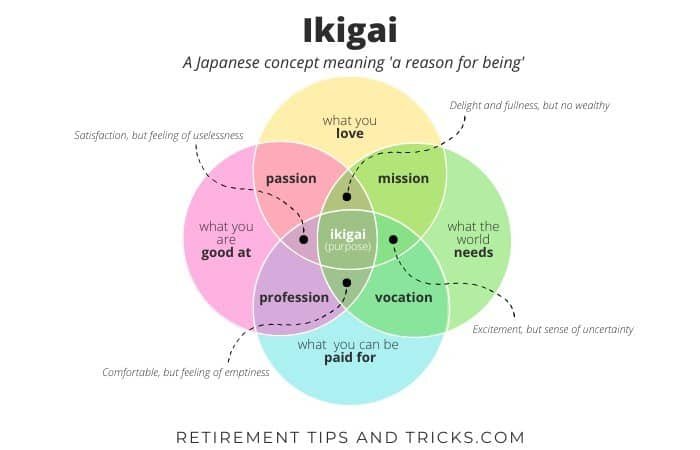
    You can do this and keep reminding yourself of it. Doing things that align with your soul opens up a new world for you that might be scary and unknown territory but is filled with joy, excitement, and abundance. Do as much meditation and positive thinking exercises to keep you on the right track. There are so many opportunities (with the energies on earth right now) for you where you can do things you love and make money as well. Check out this Ikigai module to help you on your way.
    Tip 2) Leave Part-Time (First)

    Offer yourself as a freelancer and establish a healthy distance between yourself and the work environment. You can even do this with your employer. This way, you have all the benefits of being in charge of your own hours while also being of value to the company and getting a paycheck.

    You can even do this part-time to dip your toe in the water first before you take the leap. Once you’ve established a stable business, you can leave the corporate world for good.

    Tip 3) Don’t Rush It

    Rush comes from the ego. And the ego is fueled by fear. Therefore making rush decisions is never a good idea. Let the decision to leave the corporate world soak in for a while and make the conscious decision to leave when it is the right time. When you feel it is the right time, instead of thinking about it. Feeling and intuitive decisions are peaceful and never rushed.

    Tip 4) Save, Save, Save

    If you want to leave the corporate world, that often means you also leave the paycheck that comes with it. Therefore it can be helpful to save up enough money to buy you time to explore new ways of making money.

    Another thing you can do is to cut down on your expenses. You can reconsider your living situation. A smaller house means smaller expenses.

    For example, we sold our house and live in a caravan for the majority of the months in a year. This way, our living expenses are much lower, which enables us to live the way we want. And don’t feel the pressure as much to earn a lot of money to be able to pay a mortgage and gas bills. We are free and can travel the world, work, and live independently.

    But you can also save a lot of money in other ways.

    Read more: How To Save Money? | 30 Expert Tips

  • What Comes First Passion Or Purpose? An In-Depth Guide

    What Comes First Passion Or Purpose? An In-Depth Guide

    As you want to figure out your passion or your purpose in life, you might wonder, what comes first, passion or purpose?

    Purpose comes first because you come into this life with one purpose: the reason for your existence. Your passion is second because as you explore things in life, you’ll discover your passion(s), which guides you to your purpose. Passion is the ‘what,’ and purpose is the ‘why’ behind it all.

    This is just the tip of the iceberg. This article gives you an in-depth look at purpose vs. passion, the difference and why it is magically connected, and ultimately how to discover your passions and purpose in life. So continue reading.

    Why Purpose Comes First

    You come into this life on earth with a mission. You have a reason for your existence. You have a purpose from the moment you’re born.

    Not many people remember their purpose in life and seek it their entire life. And that is because of the veil of forgetfulness. We forget why we came here. On average, this happens after age 3. And most of the human population needs a lifetime to discover, remember and grow to discover our purpose. No wonder many people ask themselves, why am I here? What is the reason to be alive? Why do I need to suffer this/ or that? Or can’t find any satisfaction in their jobs, marriages, etc.

    Your purpose. The reason for your existence is made into a life contract with your soul on where you need to grow and expand and which lessons you need to learn in this lifetime before you take your first breath as a baby. These lessons are brought to you by your soul for you to learn to expand and grow your consciousness.

    “Evolution of consciousness is the central motive of terrestrial existence.” – Sri Aurobindo

    Your purpose is personal, but it serves the greater good of all humanity. You growing and evolving and being authentically yourself is serving others. Your passion is a personal activity, but it serves your purpose. Which indirectly and directly serves others as well. Each person is unique, but is one piece to the big puzzle. And if we all follow our passions and uniquely live our life purpose we are working harmoniously and beautifully together.

    I know this sounds very spiritual and esoteric, but I’m building a picture that you can use as your practical guide towards your purpose and passion. Therefore keep an open mind.

    Life Takes Off

    As life takes off, and you start to grow physically and mentally from a child into a grown-up, and you participate in life as we know it, such as going to school, graduating, getting a job, getting married, and having children, doing fun hobbies, discovering your passions, etc. But this often takes us away from the reason why we’re here and we forget our purpose. You follow the rhythm and ‘rules’ that are normal to society, and you often think your way to what your purpose is.

    I understand that having a job and earning enough money to pay the bills and save for retirement gives you a sense of purpose in life. A reason to get up in the morning. A direction in life on where you need to go or which goal to work towards. And achieving these goals gives you a sense of achievement and acknowledgment. But is this sense of purpose coming from deep within (your soul), or what society is pushing us towards and feeding our ego? Are you really feeling fulfilled? Or still hungry for the next best thing?

    We are conditioned and trained to use our minds with everything we do instead of our hearts. But our mind and ego are railroading us and keeping us away from our true purpose. Our heart knows the way to our purpose, and that is why it’s important to reconnect with our hearts to find our way back to our purpose.

    “The mind has to have a purpose for existing. Your soul knows it is existence” – Linda Good McGillis.

    Later in this article, I will show you how to feel the difference between your ego and your intuition/ heart in the chapter: How To Find Your Purpose.

    Summary

    You come into this life with a purpose, therefore purpose comes first, and your passions come second because you need to discover them as you grow up. Both passion and purpose need each other because they work magically together to show you the road to your best life.

    Most people discover their purpose, by discovering their passions first. Or people have many passions without knowing their true purpose in life.

    Why Passion Comes Second

    You come into this life with a reason for your existence but also with a set of skills, talents, and topics/interests you naturally gravitate towards. This is with reason. You’re a setup in this lifetime with a well-equipped toolset that will help you align with your soul purpose in this life.

    And that is why your passions can help you find your true purpose in life. And is the reason why it becomes second because you need to grow up to be able to do things you’re passionate about. But on the other hand many people can only discover their purpose by doing things they’re passionate about. Then it looks like it’s the other way around, while it’s not.

    In the discovery to your purpose it helps to focus on your passions first so you can discover the motivations behind these passions of yours. But more and that later.

    Difference Between Passion And Purpose

    As I mentioned earlier, passion and purpose go hand in hand to show you the roadmap to your best life so you can grow, expand and evolve. While they magically work together, they also have some differences which can be helpful for you to feel into:

    • You can have multiple passions vs. one purpose
    • Purpose is serving others vs. passion is serving self first (and indirectly others)
    • Passion is about your emotions vs. purpose is the reason behind your emotions
    • Passions feels exciting, joyful and energizing vs. purpose feels fulfilling and peaceful
    • Passion is fleeting vs. purpose is staying
    • Passion is the ‘what’ vs. purpose is the ‘why’

    Quotes About Passion vs. Purpose

    Let’s dive into what other people say about passion and purpose to give you an even broader perspective.

    “Your purpose is very different from your passion. Your purpose is what you give to the world. It’s what you’re doing for other people. And I believe everybody’s purpose is the exactly the same; to live with more passion and share your true self with the world. That could mean sharing your story, your struggle, your art, or your time and energy for something great then you.” Mel Robbins

    “Purpose is the reason you journey. Passion is the fire that lights the way” – Unknown

    “Working hard for something we don’t care about is called stress. Working hard for something we love is called passion”. – Unknown

    “Your passion is for you and your purpose is for others. When you use your passion in the service of others, it becomes your purpose.”Jay Shetty

    “If you can’t figure out your purpose, figure out your passion. For your passion will lead you right into your purpose”. – Bishop T.D. Jakes

    “If you have a strong purpose in life, you don’t have to be pushed. Your passion will drive you there.” Roy T. Bennet

    How To Discover Your Passions

    Now let’s get into the reason why you are probably here: you want to live your life with passion and purpose. So, I’m going to share some ways on how you can discover your passions, as this will lead you to your purpose.

    Tip 1) Notice Your Feelings

    There is a very simple trick to find out what your passion is. See what brings you excitement and joy. These feelings are the keys to your passions. Anything that lights up your heart and excites you is your passion and aligns with your soul journey.

    Your heart/ soul gives you clues by the way you feel. And excitement is your guide and compass. Therefore ask yourself, what excites me the most? And let that be your compass.

    Or notice when excitement kicks in when you’re thinking about something or doing something new. And know that this is your clue. And try not to overanalyze it or use your brain when this feeling comes up. just feel through it and give it space, and let your imagination from the heart take over.

    Tip 2) Notice Difference Between Head Voice And Heart Voice

    As I explained, we can only find our passion and soul purpose through our heart. Our ego is a distorted image we have ourselves that is influenced and conditioned by our upbringing and society and puts limitations on our life. Often we are controlled by our ego that has a screaming voice fueuled by beliefs that do not serve our soul. And because of the screaming we are unable to hear the voice from our heart. The image below will show you the difference.

    Top 3) Experiment With Activities

    The only way to figure out if you like something or not is to do it. Experimenting with all sorts of activities and exploring new avenues is a great way to figure out what you like and don’t like. And ultimately what your passion is.

    It can be helpful to try out new things. These experiences will give you tangible answers.

    Following all sorts of classes is an excellent way to experiment and explore. And a great platform for that is Masterclass, where you can follow 100+ different classes from the World’s Best Teachers in their field.

    Watch thousands of lessons from the best as they share their stories, skills, shortcuts, failures, and successes. Just to drop a few names that offer a class on Masterclass: Gordon Ramsey, Aaron Franklin, Martin Scorsese, Dr. Jane Goodall, Christina Aguilera, Usher, Hans Zimmer, Neil deGrasse Tyson, Stephen Curry, Carlos Santana, Ron Finley, Jimmy Chin, Serena Williams, Dan Brown, and many more. New classes are added every month!

    Tip 4) Ask Yourself Questions

    You can ask yourself these questions below and see how you feel and what reoccurring themes you can find.

    • What makes me lose track of time or become fully engaged in trying to figure out?
    • What would I do if money wasn’t an issue?
    • What is a topic I can read 500 books about?
    • What do I love to do without getting tired?
    • What is a stress reliever for me?
    • What gives me satisfaction and joy?

    Read more: How To Find My Passion: 14 Tips

    How To Discover Your Purpose

    Your purpose is one focus point and, therefore, long-term and the motivation behind your passions.

    Once you know your passions you can dive in deeper into what your motivation behind them is.

    When you follow your soul purpose it feels fulfilling and peaceful and life is much easier. Your soul is constantly guiding you in the right direction by not using force (that is the mind) but with soft guidance and signs. If you ignore these signs in life and take a detour your life will get more difficult and your soul needs to give you bigger clues to guide you through your life path again.

    When you stay close to your authentic self this means you are true to your soul’s purpose.

    Here is a simple reminder:
    If you are peaceful and happy, know that you are very close to your self (your soul). If you are sad and stressed, know that you are close to your ego.

    There is also an Ikigai module that you can apply to help you find your purpose.

    If this module benefits your pursuit then a beautiful read is this book, Ikigai: The Japanese Secret to a Long and Happy Life.

    Purpose For All Humans

    Each soul purpose is slightly different from the other, but the common factir that applies to all humans is to grow your consciousness lifetime after lifetime and so you can return home, back to source/ god/ all that is. You can consider earth as a school on which you need to graduate from to be able to go to the next level.

    This is explained in the video below by Hans Wilhelm a mystic, author and illustrator of 200 books. He inspires audiences around the world with his life-affirming concepts to connect with their own inner wisdoms.

  • How To Figure Out What To Do After Retirement: 16 Tips + 101 Ideas

    How To Figure Out What To Do After Retirement: 16 Tips + 101 Ideas

    As your retirement is coming closer, you might wonder, how do I figure out what I want to do after retirement?

    Don’t look any further because this article will help you figure it all out with 16 practical tips and 101 amazing ideas on what to do in retirement. Let’s unpack right away.

    How To Figure Out What To Do In Retirement: Step-by-Step Guide

    Knowing what to do after retirement makes you instantly more excited about your days in retirement. Because you’ll have something to retire, giving you a sense of direction, which are keys to a successful and happy retirement.

    Tip 1: Take Time To Adjust

    Retiring is a process. It takes time to adjust to the change and new lifestyle. Once you retire, you lose daily routines, a purpose, social interactions, part of your identity, etc. And you gain an open agenda with endless possibilities.

    Some people feel anxious thinking about it, while others are excited and can’t wait for retirement to get started. The majority will have a mix of feelings, which is very normal.

    Knowing that retiring is a process, also known as The five stages of retirement, gives you a clearer view of where you’re at and what is to come.

    Tip 2: Relax

    When you jump from a busy job into a retirement filled with projects, appointments, and obligations just to keep busy, it will not help you figure out what you want to do in retirement. That is the ego of always wanting to be productive and moving because you don’t feel worthy enough if you’re not.

    Give yourself the opportunity to slow down and relax so you’ll be able to listen to your intuition and your heart in a better way. When you relax, you give yourself permission to unwind from the busy job you just retired from and create room for new possibilities. Creating space by relaxation is not what the ego wants, but you want to transcend the ego to go to your heart, where the real answer lies in what you want in retirement.

    Enjoy a nice relaxing holiday, book spa days, spend as much time at the beach or pool, or enjoy reading a good book many hours in the day until you have the feeling you’re totally relaxed and unwinded from the job you just retired from.

    Read more: Does Retirement Make Your Lazy? A Truth Guide

    Tip 3: Quiet The Mind

    You need to quiet the mind to know what is in your heart. The moment of stillness is the moment where new ideas and inspiration come to you.

    And a good way to quiet the mind is to meditate but also just sitting in a chair and doing nothing for 15-20 minutes a day can help you quiet the mind. For example, watching the clouds, trees, birds, and flowers. And try not to engage in your thoughts that pop up, but see them as clouds passing by.

    Tip 4: Listen To Your Intuition

    Many people are not able to notice the difference between the mind/ ego and the voice of their intuition.

    But we should listen to it because our intuition knows better what we like and dislike. It’s a magical well of wisdom you want to tap into when finding what you want to do after retirement. Your intuition knows what your soul wants, and that’s why you always need to listen to it.

    So let me help you with that.

    Finding things you love to do after retirement isn’t an intellectual pursuit; it’s something you need to feel.

    But how do you know what following your intuition feels like?

    You’ve definitely felt it before, but because of perhaps your busy life and career, you forget how to listen to it properly. And that is not surprising because we’re trained and programmed to think with our minds and make decisions based on logic. But intuition isn’t logic at all. Intuition is a soft voice and feeling in our body that is difficult to listen to when our minds are screaming the whole time. That is why quieting the mind is such an important part of this journey.

    Listening to your intuition can be trained just like training muscles in your body. When you notice it more often and follow through with what it is telling you, this muscle/ voice of intuition becomes louder and clearer over time.

    You can train it with small decisions throughout your retirement day. For example, ask yourself: Do I want a sandwich or pancake for breakfast? And see what it feels like. It sounds so silly, but it really helps. Continue doing this with any decision during your day, so it becomes easier over time and helps you along the way when you need to make bigger decisions in your life.

    Example of How Intuition Feels

    I should say Yes
    My head says Yes
    Logic says Yes
    Reason says Yes
    Friend says Yes
    But…
    My gut says no. I don’t know why it says No, but it says No. 
    So…
    My intuition says NO

    Tip 5: Excitement Is Your Compass

    Your heart/ soul gives you clues by the way you feel. And excitement is your guide and compass to figuring out what you want to do after retirement. Therefore ask yourself, what excites me the most? And let that be your compass.

    Or notice when excitement kicks in when you’re thinking about something or doing something new. And know that this is your clue. And try not to overanalyze it or use your brain when this feeling comes up. just feel through it and give it space, and let your imagination from the heart take over.

    Tip 6: Ask Yourself Questions

    Another way to figure out what you want to do after retirement is to start asking yourself questions. Grab a pen and a piece of paper and try to answer the following questions quickly without overthinking them.

    Questions to Ask Yourself

    • What is a topic I can read 500 books about?
    • What’s the thing I never get bored of? 
    • What is something I love to talk about?
    • What do I love to do without getting tired?
    • What is a stress reliever for me?
    • What gives me satisfaction and joy?
    • What could I do for five years straight without getting paid?
    • What would I do if I had all the money in the world?
    • What would I regret NOT doing in my life?

    After answering these questions, you may better understand where to go next. Sometimes the answers are pretty straightforward, and you know what to do next. And sometimes you have to experiment and look a bit further in a particular direction.

    Tip 7: Be Honest With Yourself

    Figuring out what you want means you must be completely honest with yourself. Often fear or feelings of unworthiness and self-doubt get in the way of things we really want in life.

    Therefore, you must see what blocks you from doing the things you love. Sometimes this can be uncomfortable or shocking. And instead of pushing it away or burying these revelations deep in yourself, you need to look yourself in the mirror and find the courage to work through these issues. Only then can you get closer to doing things that are aligned with your heart.

    Tip 8: Find Recurring Themes

    Often there are recurring themes that can help you figure out what you want after retirement.

    Keep a notebook at hand and write down ideas, inspiration, and things you love when you go about your normal daily life. After a while, you’ll see recurring themes, giving you a clearer direction in where you want to go after retirement.

    Tip 9: Go Back To Your Childhood

    Big chances are that the things you love as a kid are still the same at retirement age. Perhaps not the same format, but a similar kind of hobby you had as a child can be a great success and a good clue in figuring out what to do after retirement. Write down your childhood hobbies and see which one excites you the most.

    Tip 10: Radiate Positive Energy

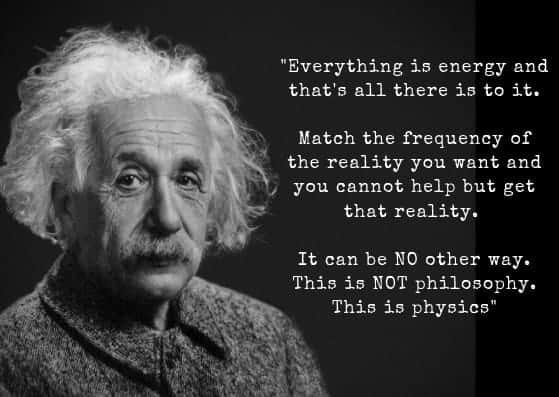
    Everything is energy. Everything material and physical is energy, and everything we don’t see with our naked eye is energy. It all has its own unique vibrational frequency. And the laws of the universe work in a way that similar vibrational frequencies attract each other. When you’re positive the majority of the day, you have a higher vibration and you’ll attract similar vibrational frequencies.

    And here is where Albert Einstein comes in.

    When you want to have a happy retirement, you need to radiate positive energy. You can positively influence this by doing gratitude and positive affirmation exercises every day and doing things that bring you joy.

    Tip 11: Experiment And Explore New Things

    The only way to figure out if you like something or not is to do it. Experimenting with all sorts of activities and exploring new avenues is a great way to figure out what you like and don’t like.

    It can be helpful to plan a period of a couple of months or weeks after retirement to try out new things. These experiences will give you tangible answers.

    Following all sorts of classes is an excellent way to experiment and explore. And a great platform for that is Masterclass, where you can follow 100+ different classes from the World’s Best Teachers in their field.

    Watch thousands of lessons from the best as they share their stories, skills, shortcuts, failures, and successes. Just to drop a few names that offer a class on Masterclass: Gordon Ramsey, Aaron Franklin, Martin Scorsese, Dr. Jane Goodall, Christina Aguilera, Usher, Hans Zimmer, Neil deGrasse Tyson, Stephen Curry, Carlos Santana, Ron Finley, Jimmy Chin, Serena Williams, Dan Brown, and many more. New classes are added every month!

    Tip 12: Know Your Goal

    Knowing the goal of what you want to do can help you figure out in which direction you should be looking for things you want to do in retirement. Perhaps you have the desire to relax, learn something new, be creative or be active in retirement. Below are some examples.

    Relaxing Hobby Ideas are reading, meditation, yoga, gardening, listening to music, etc.

    Active Hobby Ideas are fitness, hiking, a team sport, dancing, cycling, etc.

    New Skills Hobby Ideas: play a musical instrument, acting, learn a new language

    Expressing Yourself Hobby Ideas can be painting, journaling, creating music, writing, etc.

    Escape Reality Hobby Ideas are puzzling, board games, watching a film, and gaming.

    Money Earning Hobby Ideas are selling arts and crafts on Etsy, blogging, freelance gardener/ accountant/ handyman.

    Tip 13: Get Inspiration Everywhere

    You can find inspiration everywhere. For example, you’re watching a movie, listening to the radio, browsing Pinterest, or reading a magazine. Everything can be your source of inspiration. You might get an idea that sparks your excitement.

    For example, you can walk into a bookstore and start exploring and notice which area you gravitate toward the most, and you’ll know what interests you.

    But you can also take a step back and not actively seek things but trust that the right idea will come at the right time.

    Tip 14: Ask The Universe/ Your Guides For Help

    A whole team of angels and guides are happy to help you with struggles in your life.

    But they will not interfere with your life. You need to ask for their help, and only then will they give you subtle clues through certain videos that pop up on Youtube, a sign on the side of the road, or a friend that says something to you that you know deep within is a sign.

    What you can do is, before you go to sleep, you can say.

    • Dear guides and angels, I don’t know what to do in retirement. Please show me the way and give me a sign. Thank you so much.
    • Dear universe, lead me the way to my hobby in retirement. Thank you

    And then let it go and trust that the universe/ your guides will help you.

    Tip 15: Create A Bucket List

    A practical way to figure out what you want is to create a bucket list.

    People create a bucket list with things they want to do in life before they “kick the bucket.” Your bucket list contains items of places you want to see, experiences, and things you want to do before you die. 

    You can start by making a list of all the things you always wanted to do or that pop up in your mind spontaneously. You can use my article: 430 Ideas For Your retirement Bucket List, as inspiration.

    Once you have your big list, let it rest for a while. And see which items you are gravitating the most to, and make a top 5 or top 10 or a top 15 of these items and rest on it again.

    Until you know with your whole heart which thing on the list is the thing you want to do most, and there you have your retirement dream, plan, and goal.

    Tip 16: Visualize

    Another way to figure out what you want to do in retirement is to do a visualization technique.

    Visualizing technique 1: Your Perfect Retirement Day
    Visualize being retired, waking up in the morning, and going through the day step by step in what your most perfect retirement day will look like. Do this a couple of times and see which activities are part of your visualization.

    Visualizing technique 2: Taking Your Last Breath
    Visualize lying on your deathbed and taking your last breaths. Take a moment to really get into this feeling without getting scared because this technique can be very powerful. Now visualize what things you wish you’d done differently in your life or what things you hope you have achieved once you get to that stage.

    This gives you great insight into what you really want in life after retirement.

    Note: don’t let your mind get in the way. It tends to find obstacles and makes you think your dreams are impossible. This will not help this exercise. Let it flow as openly as possible.

    101 Ideas On What To Do In Retirement

    Here is a list of 101 ideas on what to do in retirement, which you can use as a source of inspiration.

    1) Rock Painting

    2) Scrapbooking

    3) Antiquing

    4) Knitting

    5) Calligraphy

    6) Candle Making

    7) Coloring

    8) Cross-stitching

    9) Drawing

    10) Flower Arranging

    11) Flower Pressing

    12) Macramé

    13) Jewelry Making

    14) Diamond Painting

    15) Leather Crafting

    16) Painting

    17) Upcycling

    18) Photography – There is an amazing Online Photography Masterclass by Annie Leibovitz at Masterclass

    19) Pottery

    20) Sewing

    21) Soap Making

    22) Wood Working

    23) Ceramics

    24) Mosaic Making

    25) Nail Art

    26) Comic Strip Book Making

    27) Bird House Making

    28) Family Photo Album Making

    29) Cooking

    30) Baking

    31) Mixology (Cocktail Making)

    32) Wine Making

    33) Beer Brewing

    34) Sommelier (certified wine taster)

    35) Cake Decorating

    36) Dining Out

    37) Latte Art

    38) Molecular Gastronomy

    39) Grilling

    40) Bread Making

    41) Pasta Making

    42) Chocolate- and pâtisserie-making

    43) Vegetable Growing

    44) Hot Sauce Making

    45) Cheese Making

    46) Archery

    47) Swimming

    48) Biking

    49) Bowling

    50) Dancing

    51) Stand Up Paddleboarding

    52) Golfing

    53) Hiking

    54) Ice Skating

    55) Martial Arts

    56) Running

    57) Surfing

    58) Tennis

    59) Gardening – There is an amazing online gardening class on Masterclass by Ron Finley.

    60) Astronomy

    61) Bird Watching

    62) Camping

    63) Hiking

    64) Geocaching

    65) Fishing

    66) Kayaking

    67) Sailing

    68) Scuba Diving

    69) Snorkeling

    70) Skiing

    71) Snowboarding

    72) Traveling

    73) River Rafting

    74) Ballet

    75) Flag Football

    76) Basketball – There is a fun Basketball Online MasterClass taught by Stephen Curry

    77) (Aqua) Aerobics

    78) Volleyball

    79) Dating – For more information, read my article: How To Meet Senior Singles

    80) Dinner Club

    81) Host Game/ Quiz Nights

    82) Wedding Officiant

    83) Singing

    84) Airbnb Hosting

    85) Acting

    86) Bingo

    87) Wine Tasting Club

    88) Volunteering – Read more about it in my article: Why Do Retirees Volunteer?

    89) Team Sports

    90) Mentoring/ Coaching

    91) Dog Training

    92) Pet Sitting

    93) Line Dancing

    94) Cheerleading – Get inspired by this senior cheerleading squad:

    95) Reading

    96) Board Gaming

    97) Cross Word Puzzles

    98) Home Decorating

    99) Jigsaw Puzzling

    100) Learning A New Language

    101) Writing (poetry, book, play, movie script, columns) Gift your mom access to Online Writing Masterclasses by the World’s famous writers.

  • Scared To Contact Old Friends? Here Is What To Do!

    Scared To Contact Old Friends? Here Is What To Do!

    Many people love to contact old friends from high school, college, or work, but they feel scared. And that is why I wrote this article to help you out.

    After reading this in-depth guide, you feel much more at ease and comfortable and have more clarity on what to do next. So let’s start unpacking right away!

    Reasons Why You’re Afraid To Contact Old Friends

    First, let’s dive into the reasons why you’re afraid to contact old friends because this will give you some clarity in this situation. There are some obvious reasons that you might be aware of on a conscious level, but there is a deeper reason on a more unconscious level that makes you scared to contact old friends, which I will reveal later in this article. Below, I’ve listed the more obvious reasons that might sound familiar to you:

    1. You’re afraid of awkward moments where you don’t have anything to talk about.
    2. You were bullied in your childhood, and reconnecting with those old friends brings back those memories. And you’re afraid they will also bully you at this moment in time, or you fear to feel the same as back then once you see old friends in real life.
    3. Rekindling old friendships is emotionally too much for you now.
    4. You are just an introverted person, and meeting others is difficult, let alone old friends.
    5. You have a social anxiety disorder that causes extreme fear in social settings.
    6. You fear being judged or scrutinized by the person you are and your life decisions.
    7. You fear being rejected.
    8. You have an unsolved misunderstanding that isn’t talked out yet.
    9. The last time you spoke wasn’t on good terms.
    10. You don’t know how to get the conversation started or going.

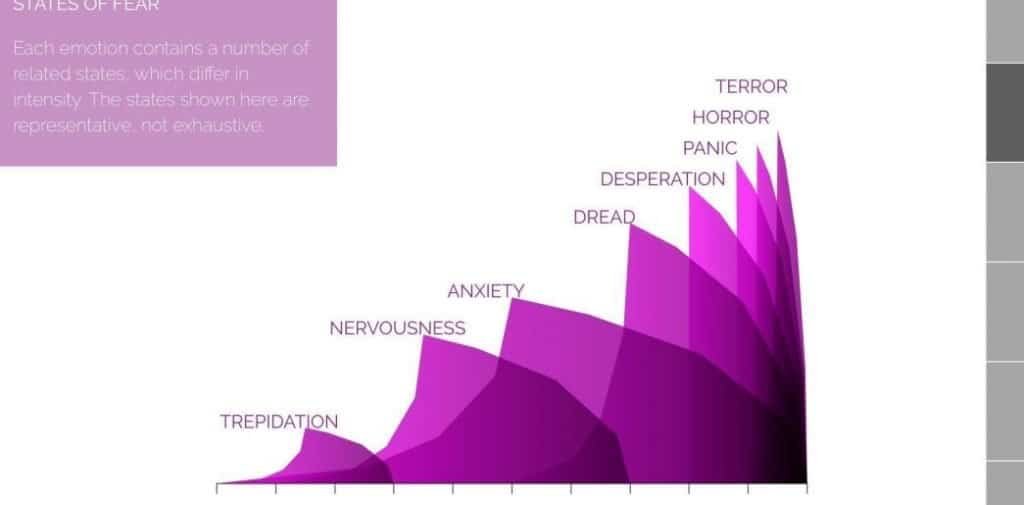
    These are ten reasons that make you feel hesitant to contact old friends, which is unfortunate. But you have a desire that you want to contact old friends because that is the reason why you are reading this article. And something is holding you back. And that is fear. But what is fear, and how does it make you feel?

    The Function Of Fear

    Let’s dive deeper into fear to give you a broader perspective.

    “Emotions are action-requiring neurological programs” ~ Antonio Damasio

    This means that emotions are helpful and give you a signal to come into action. The universal function of fear is to avoid or reduce harm. Depending on what we have experienced in the past, fear helps us to protect ourselves from dangerous situations. It gives us the signal to come into action in order to stop the threat. Our nervous system is build this way and automatically chooses between variations of fight, flight and freeze in a last-ditch effort to save our lives. A very functionial emotion to keep us alive.

    But emotions are only ever felt in the present moment (much as the body is only ever in the present moment). And besides life-threatening situations. Our thoughts causes emotions. We don’t have to experience something in the present moment or be in danger in the present moment to feel fear or any other emotion. And if we get stuck in the negative thought loop, our emotions get intenser as well.

    Stages Of Fear

    Source: Atlas Of Emotions

    Deeper Reason Why You’re Scared To Contact Old Friends

    Now that we know little bit more about fear, let’s dive deeper into the real reason why you’re afraid to contact old friends. And what you can do about that fear feeling.

    You Lack Self-Confidence

    Most people who are scared to contact old friends lack self-confidence. When you feel confident about yourself you wouldn’t feel threatened or afraid of rejection, awkward silent moments during conversations, or being judges by others.

    Indirectly you have the (unconscious) belief that someone’s else’s opinion is more important than your own. Your self value is attached to what other people think of you. So a rejection, a judgment or weird moment between old friends has an immediate effect on your self-worth. This means that you’re not afraid to contact old friends, you are afraid to lose respect for yourself for whatever happens.

    Solution: Boost up your self-esteem. And below are some tips

    1. Use positive affirmations correctly -> Say “I love you” to yourself in the mirror everyday until you belief it.
    2. Identify your competencies and develop them -> Try out new things and do things you love.
    3. Learn to accept compliments -> Fully embrace compliments and say “Thank You”
    4. Eliminate self-criticism and introduce self-compassion -> Learn how to think positively throughout your day.

    Read more: 24 Tips To Stay Positive

    You Have A Trauma That Triggers You

    Another common reason to be afraid to contact old friends is that you have unsolved issues. It can mean that you feel emotionally triggered by an old friend because of a situation in the past. Perhaps they bullied you in the past, you had a fight the last time you spoke or you’ve done wrong to your friend in the past. Which results into feelings of fear or guilt.

    Solution: forgive yourself and forgive your old friends. You can contact them to talk it out and say sorry, but you don’t have to do that. The energy of actively forgiving yourself and others (might take a couple of times/ meditations) is enough to resolve issues within yourself but also between the bond between you and you’re old friends. You don’t need to talk it out to be able to feel better about the past and to release trauma.

    What To Do With This Fear

    Is Your Fear Justified?

    This is a tricky question. By asking is this is not me saying you’re overreacting. Not at all. I mean: Are you in a life threatening situation where this fear is functional for you to survive? Big chance that it is not. Big chance that the fear emotion you feel comes from the thoughts in your head.

    Our body doesn’t know the difference between real fear or artificial fear produces by our thoughts so it can react as if you’re in a life threatening situation. But you can do something about it to reduce your feelings of fear. You have to listen to what it says instead pushing them away as quickly as possible. That is not how it works. Pushing emotions away is only temporary. It will built up until the point you’re numb and you’re far removed from your real self. And at a certain point it will explode like a volcano and you have no clue what just happened.

    Emotion are inevitable because we are human beings. We have emotions. We do not are our emotions. That is big difference and gives you a different perspective. That is why it’s best to led the emotions flow through you instead of blocking it. And learn what this valuable signal is. Breath through it and welcome it, embrace it, feel it and be aware of what lessons are here to be learned.

    Whenever we feel an emotion it gives us on opportunity to dive deeper into what triggers us about the situation or thought if we interpret the messages our emotion carry the right way.

    “It is not that the experience of emotion alone leads people to wise action… How people make sense of their emotional experience and how they use it is what makes the difference. Awareness of emotion and the ability to enable emotion to inform reasoned action is what is necessary for emotional intelligence” according to Greenburg.

    Why You Should Contact Old Friends

    In most cases “everything you want is on the other side of fear.” And for that reason I’ve listed a couple of reasons why you should contact old friends. It can be the best decision you’ll ever done, but you just needed some extra support. So here it goes:

    1. You are not the same person from your childhood, and your friends have changed too. But the memories of that childhood you shared are ingrained in both your memories. Both good and bad. After the initial awkwardness, mostly old friends become very good friends just because they have shared an earlier life together. They bond on a deeper level that no one else i more recent friendships can.
    2. A bad memory or argument should not hinder you from reliving the also good times with your old friends from time to time. Perhaps your old friend is hesitant to contact you for the same reason. What if nobody makes the first move? Do not regret to reconnect and keep in mind that there could be a rejection and that you’ll be fine.
    3. Introverts also need friends. Staying socially active is vital for your health. Although initial association can be really hard, if you are really searching for a friend, bonding with an old friend who you knew is much easier and fulfilling than someone you randomly meet.
    4. Through the ups and downs of life, you can see each other in a new light. You each have grown, learned from past experiences, and look at the past differently. This can work to your advantage when it comes to contacting an old friend. Differences in the past or misunderstandings can be forgiven more easily when both persons have grown on a personal level.

    Tips To Not Make It Weird To Contact Old Friend

    Many people fear that things get ackward or that it’s weird to contact an old friend. So let’s dive in deeper.

    At first, you can ask yourself the question, would it be weird if friend X will get in contact with me right now? If the answer to this question is a NO, then why worry?

    If it’s not weird for them to contact you, then it is not weird if you contact them. You’ve been friends in the past, you’ll share the same memories, had the time of your life at some stage in your life, so most old friends will feel honored to hear from you. 

    Below are some extra helpful tips

    • Tip 1: There is no harm in trying. Life is too short to live with regret. So why not go out of your comfort zone and reach out. Perhaps after reconnecting you ask yourself, why didn’t I do this earlier? Why was I filled with anxiety to get in contact? Why did I think it was weird reaching out? In many cases, the other person is also afraid to reach out and will be happy with you making the first move. So just go for it. You’ll have nothing to lose.
    • Tip 2: Don’t have any expectations. Having expectations when reconnecting with an old friend can lead to disappointment on your end. And also your old friend can feel this expectation of yours too and feel uncomfortable and maybe shut things down early. Therefore try to keep your expectations low.
    • Tip 3: Be honest. Being honest goes a long way. If you show your motivation behind why you want to contact your old friend and be honest in the initial contact you’ll not make things weird. Your honesty will be appreciated and in most cases reciprocated. You’ll create a safe space for the other person to be honest too.
    • Tip 4: Be open for rejection. You might want to contact your old friend, but that doesn’t mean that person wants to get in contact with you. Many people like to keep things from the past in the past. Therefore if you stay open to the idea of being rejected, you wouldn’t feel weird about reaching out and the possibility of being rejected. And if you do get rejected, don’t take it personally. Just accept it and move on. Respect each other’s boundaries. Perhaps the other person is going through a tough time and needs their intention on their own life right now. And might come back to your friend request years later. Yes, this can happen. Or the distance in miles (different cities) make it impossible to meet up and is also a reason for people to be less invested in rekindling a friendship.
    • Tip 5: Be Ready To Be Vulnerable. When you don’t want to make it weird and want to have the highest chances of success, you need to be ready to show your vulnerability. Being vulnerable helps you to foster better connections and relationships with others. It opens the line of communication, instead of shutting it down. Also, when you show your vulnerable side, the other person is likely to show theirs as well. You’ll have a heart to heart that can heal things from the past and can form a strong foundation for a possible friendship in the future.

    How To Avoid Akward Moments 

    1) The First Move: Keep It Light & Simple

    When you’re ready to get in contact with an old friend you can have different approaches. For some, a direct approach (like you both are used to) can be a perfect way, but in most cases, a light and simple approach is the right way to go. This way you can test the waters as well. But in all cases show that you’re happy to hear from them. Show some love and it will go fine.

    You can consider sending an email, text, or direct messages on social media. And a great opening line can be

    “I saw or read something the other day that made me think of you and I was wondering how you are doing…”

    And then ask a couple of questions but also tell something about yourself. You sharing things about your life makes it easier for other people to share something about their life too.

    The keys to success are honesty, vulnerability, and positivity.

    And once you’ve established a little conversation you can show your interest and ask if they want to meet up for coffee, lunch, dinner to catch up. 

    2) Have Great Conversation Starters Ready

    You might talk for hours on end and laugh at the same jokes in the past. In the time between then and now a lot of things might have changed. People’s perspectives on life have changed (or not at all) and you don’t know where their heads are at. 

    And when you’ve come to the point that you’re going to meet each other for coffee, lunch, or dinner you may need some extra help to get the conversation going again. So that is why I’ve listed some good questions and great conversation starters. But the more natural, the better so don’t make it into an interview. Ask open questions, thoughtfully listen, ask more related open questions or share something yourself so they can hop on that topic as well.

    • How are you?
    • What have you been doing all these years?
    • What are the highlights of life since the last time we met/ spoke?
    • What is the most fun memory you have about school/ college/ work?
    • Do you remember… (fun anecdote)
    • What did you like most about school, marriage, having (grand)kids?
    • What is your plan for the next few years?
    • Do you have read some great book/ films/ series/ documentaries lately?
    • What are you doing tomorrow? (leads to a more private place, like their plans and hopes)
    • What are your plans this week? (gives you an insight on their current life and see if you have things in common)
    • Have you seen or spoken to (names of mutual old friend)? (try not to get into gossip, but just stay interested in a nonjudgmental way)

    3) Start With An Apology (if needed)

    If you’ve hurt an old friend, then it is wise to start with an apology. Even if it is through text or social media at first. Showing you’re wrong helps you to get the communication line going. Later down the road, you can always apologize in person if it gets to that point.  

    4) Respect Each Other

    As I mentioned before you have to respect each other. And that means if they don’t want to meet up, accept this fact and wish each other well. But if you do catch up, know that your old friends might have changed their views on politics, past memories, people, opinions, etc. 

    Therefore also respect each other’s new ways of thinking, opinions, and perspectives. You want to avoid getting into controversial topics the first time you meet each other. Although some friendships are used to that and can handle it better. Or sometimes it requires to get into a hard conversation first before you can move on. Sometimes you need to hash things out of the past before you can build on the future. But in all cases try to stay respectful.

    Good Luck!

    Now it is up to you to figure out what you want to do with it all this information.

    Perhaps this article gives you so much clarity and strength to immediately contact old friends right away. Or you need some time to solve some issues within yourself before you are able to contact old friends with more confidence in the future. Or even decide it is not worth it and you moved on and are prioritizing other relationships. All is good.

  • Does (Early) Retirement Make You Lazy? A Truth Guide

    Does (Early) Retirement Make You Lazy? A Truth Guide

    As your retirement is getting closer (but even if it’s not), you might wonder, does retirement make you lazy?

    As a general rule, if you’re a lazy person by default, you’re likely to be lazier in retirement. And if you’re busy, you’re likely to remain busy in retirement. But laziness is all relative. The quote: “I’m not lazy, I’m just retired” says it all. Retired people may look lazy in the eyes of a busy society. Slowing down and doing things you love is part of retirement.

    This is just the tip of the iceberg; let’s dive deeper into the truth about laziness in retirement.

    The Truth About Laziness In Retirement

    In the western world, we are programmed to be productive 24/ 7, 365 days a year. Since industrialization, we’re taught to work hard and achieve goals fast, professionally and privately. Also, we needed to work hard to afford a roof over our heads, pay the bills and buy food and medicine. The moments we are not busy or productive are when we feel guilty or made to feel guilty by others.

    Taking a moment to rest isn’t something we are used to. Or is encouraged, especially in countries that prioritize efficiency and push employees to the limit. This is increasing by the decade, and with social media’s help, where we all are trying to paint a perfect picture online. Because we are very concerned about what other people think of us, it goes so far that other people’s opinions are more valuable than our own.

    Perhaps we should rephrase the question and ask: Does Retirement Make You Look Lazy?

    Fear To Be Lazy

    Most of us have been conditioned all our lives into ignoring every warning bell our body gives us.

    It is no wonder that more and more people experience burnout or burnout symptoms, which include physical and emotional exhaustion, because they are dealing with immense stress trying to meet expectations and rising demands. According to a recent online study: 76% of U.S. employees are currently experiencing worker burnout.

    From a young age, we believe sacrifice, working hard, and constantly pushing boundaries is important and normal. Working through sickness and being proud of it has become our motto. We are trained to make decisions based on our ego-brain instead of what our hearts say or our soul is whispering.

    Also, many people have an unconscious belief that they only earned a break, a treat, or a rest when they worked hard or achieved a goal. They need the feeling that they’ve earned it.

    That means we only value ourselves when we gain a result. This directly means that our self-value is dependent on a result and what we do instead of who we are. So what if happens when you don’t get the result? You feel unworthy.

    We don’t feel as if we are enough and are constantly reminded of it through advertising, social media, and society. But besides our self-value attachment to productivity, we also care deeply about what other people think of us.

    We fear that we will somehow lose something if we stop working or retire. And that is partly true of what we’ve learned so far in this article. Our self-value is attached to the amount of work we produce and what other people think of us, so we are afraid to lose respect for ourselves when we aren’t as productive anymore or do something others might find strange.

    So if this is always in the back of our minds… Then I can understand questions such as Does Retirement Make You Lazy? arise.

    Would these concerns exist in other parts of the world, where resting (frequently) is very normal and even celebrated?

    Wouldn’t it be nice to view laziness differently, more positively?

    Can you become a happy and lazy retiree in retirement and don’t care what the people think?

    Yes, you can!

    Why You Are Not Lazy In Retirement

    Being busy has become a status, and that is what many people strive for in retirement; staying busy.

    And yes, I highly agree that staying busy and active is one of the keys to a successful retirement. But it shouldn’t be about staying busy, just to stay busy out of fear. Instead, you should stay busy doing things you love and take it easy when your body gives you signals to slow down. Now, that is the total opposite of what society is used to and what we are used to doing.

    So when a retiree is doing exactly what retirement is all about, it can look lazy in someone’s else eyes whose belief is to always be productive and efficient 100% of the time. But folks, that is not normal.

    You should slow down, say ‘no’ more often to things you don’t like doing, and feel happy about it. Before and after retirement. We need to listen to our bodies and heart and act on that. If you feel sick, your body is giving you a signal you should listen to and take a pause. And not ignore it out of fear of being seen as lazy.

    We often argue with ourselves that we shouldn’t feel that way and push ourselves to the limit and our feelings away. Instead of taking a nap, we decide to drink coffee. And that is why it’s important that you need to let go of the resistance to your own needs and other people’s opinions in retirement.

    You are not lazy when you choose yourself first. When your bucket is filled with your needs and self-love is when you can be of service to others.

    Who Will Be Lazy In Retirement?

    In the first paragraph, I mentioned that people who are lazy by default will also be lazy after retirement. The same goes for people who are easily bored and have a bigger chance of being bored in retirement. And it goes the other way around. You will structure your retirement days to stay busy if you’re a busy bee. Only the to-do list will become a little different. Instead of going to work for 8 hours in the day, you spend it on other activities. From household activities and running errands to spending time on a hobby.

    The combination of physical, mental, and social activities that align with your soul is the key to a retirement filled with happiness.

    Many retirees asked themselves, ‘how did I ever have time to work?’ before retirement. Their agenda is packed with volunteer work, classes, new hobbies, and staying connected with friends and family. At the same time, others love their freedom of having no obligations.

    They are thrilled to have no schedule. And protect their freedom. They don’t want to work— or do volunteer work. And do not feel the need to get anything done, because they love the fact that they don’t have to strive anymore or achieve something. It can feel like a great rush of relief.

    The great thing about retirement is that you can take a slower pace, and put off some stuff until tomorrow or the next day and still be active. You definitely will procrastinate more, but as long as you’re not sitting on the couch all day watching the TV, you’re going to be okay.

    Cause of Laziness In Retirement

    What many retirees regret, especially in the USA, is that they didn’t have something to retire to.

    They had their retirement planned financially but forgot to have a fun plan for retirement. Once they retire, they’re overwhelmed with the endless free time they have when they retire. They don’t know what to do with all that time, forget about who they are outside of their job, and don’t know what they love doing.

    Their process through the five stages of retirement is a struggle. They’re more likely to spend their days sitting on the couch, watching TV, and scrolling through the internet and not getting anything done. Now that is what I call lazy. And this can go into a negative spiral where they feel less worthy of themselves, which leads to depression and loneliness. Many people attach their identity to their job position. And go through an identity crisis when they retire because they need to rediscover who they are on a different level.

    But that doesn’t have to be you!

    When you retire, you need to be aware of the things you lose, such as routine, structure, goals, social interactions, and a purpose and replace them with new goals, routines, structure, fulfilling activities, and social interactions. And figure out what you love doing and who you are outside of any job position labels.

    It can take a bit of time to get comfortable with the new retirement lifestyle, but you slowly start to realize that being lazy is not bad. It can also be your best friend. It is not a lack of motivation but a different perspective on life. You know what you want and are more likely to choose this every single day. Because that is the whole reason why people want to retire: to do what they want and when they want, so don’t be afraid to apply this to your life too!

    How To Avoid Laziness In Retirement

    When you’ve come to the point that you are lazy, there are many things you can do. And I’ve written a couple of articles that can help you out:

  • Truth Guide: Is It Boring To Retire Early?

    Truth Guide: Is It Boring To Retire Early?

    Everyone looks forward to their retirement. And many people want to retire as early as possible but hesitate and wonder, is it boring to retire early?

    It is NOT boring to retire early for people with an active lifestyle outside their job (e.g. personal interests, hobbies, long-term pursuits, social life). They have something to retire to and are often busier in retirement. People who have nothing to retire to will find early retirement boring (at first).

    Let’s dive deeper into the truth of early retirement and boredom. This truth guide will answer why early retirement is NOT boring for many people, why retiring early can be boring, how to avoid boredom, and why boredom can be a good thing. So continue reading below.

    10 Reasons Why Early Retirement Is Boring

    Let’s start with the definition of retirement. What does it mean to retire?

    This is what the dictionary says about retirement:

    “the action or fact of leaving one’s job and ceasing to work”

    But this means many things for different people.

    For some people, retirement means quit working and start living the life they want. Spend time with their loved ones, have fun with (new) hobbies/ interests, pursue dreams, and travel.

    For some people retirement means, quitting a job they hate and starting their own business or second career.

    For other people, it means relaxing and doing nothing, because they enjoy not having anything to do and a totally free agenda.

    And for people from the FIRE movement, retiring early means you’re financially independent at an early age.

    Most people retire when they reach the retirement age. But what does it mean to retire early and can it be boring? Well, let’s find out!

    As grandmothers used to say: “If you’re easily bored before retirement, you’ll likely get bored during retirement.”

    This will tell you a lot but let’s look at some real obstacles that can cause boredom when you retire early.

    1) Your Friends Are Not Retired

    When you retire early you have to take into consideration that you might be the only one of your friends that retires. Practically this means that everyone is at work, while you are at home. For some people, this can feel lonely and is a reason why they get bored easily, because they need others to be entertained and can’t stand the thought of spending too much time alone. It’s a very common flight method to run away from yourself.

    So when you retire early you need to expect to be on your own a lot more often. And be happy with yourself. This can take some time to get used to. Other people need to work and earn money to be able to get to the point where you are: retired. When you can be your own best friend, you’re going to be fine.

    2) You Don’t Have A Fun Plan

    Most retirees regret not having a fun plan ready for their retirement.

    As everyone plans for retirement, the first thing that comes to mind is a financial plan. And yes it is important to be financially ready for retirement, but most people forget that a fun plan is equally important. Because why did you want to retire in the first place? What did you want to retire to? What are you going to do?

    So if you don’t have anything planned or you have no hobbies or personal interests to spend time on, the chances of you getting bored when you retire early are significantly bigger compared to people who have something to retire to. And that is why when you do plan to retire early, make sure you have ideas on what things you like to do in retirement. And incorporated into your financial plan as well. Because if you want to travel you need a lot more money than if you stay at home by the pool.

    3) You Do Extra Boring House Chores

    As you retire from a well-paid and eventful job with many stimulations on all kinds of levels, you go to a life that is mostly staying at home and doing house chores (because your spouse asked you to). And for many people, this can feel boring. You go from being the hot shot at work to a simple housewife kind of lifestyle, which is a big gap to overcome (at first).

    Also, when people retire early and their spouse is still working it is very normal for the one being retired, to do more tasks in the house. And some people (especially men) didn’t expect to retire and be in charge of cleaning the house etc.

    It can be wise to discuss the timing of your retirement with your spouse. You can read my article: Should Couples Retire At The Same Time? | 10 Essential Tips for more tips on that.

    4) You Have To Cut Back On Spending To Save Money

    As less or no money is coming in, you need to cut back on spending money. This means that you need to do a lifestyle change as you have to think more consciously about how you spend your money. This can mean you can’t go out for dinner every week or go to the movies, theater, or sports games like other people can because they’re still working and have a steady income.

    And yes, that can be boring. But with some adjusting time and minimal lifestyle changes, you’ll be surprised at how much money you can save. And how much you’ll enjoy the cheaper things in life.

    Read more: 30 Smart Ways To Save Money In Retirement

    5) You Lose Your Daily Routine

    When you retire you lose many things, and one of the main things is your daily routine.

    A routine gives you something to hold onto—a sense of normality to root yourself in those retirement days with endless free time.

    And also morning routines help you limit wasting your retirement days and feeling bored.

    Many retirees sit around until noon basically doing nothing: send some emails and scroll the internet aimlessly. And before they know it. Half the day is gone, and for the rest of the day, they’ll be angry at themselves for wasting the first half of their day and can’t get anything done.

    6) You Lose A Sense Of Purpose

    The biggest purpose of going to work is to earn money to pay the bills and save for retirement. So when you retire early you don’t have that purpose anymore. The feeling of not having a purpose can sneak up on you and makes you feel bored.

    7) You Lose Your Identity

    Besides losing a sense of purpose you also lose your identity. And that can be a problem for people whose total identity is tied to their job position. Because who are they, when they retire?

    Many retirees go into an identity crisis when they retire. This is not something bad, because you are forced into the process to get to know yourself on a much deeper level. And that is priceless. But it is a struggle, that some can’t get out of.

    8) You Feel Overwhelmed With Your Free Time

    When you retire you don’t get decades of free time as a gift on your first day of retirement. Instead, you get 8-10 hours each day where you don’t have to go to work. So how are you going to fill in this time?

    For many, this free agenda can feel daunting and overwhelming. And what do many people do when they feel overwhelmed? They stay inactive. As a result, you feel bored because you’re not doing anything (you love).

    People have the need to be productive all the time. Because that is what most jobs asked from you: to be as productive and efficient as possible. This is also tied to our self-worth. We are happy with ourselves when we accomplished something. And if aren’t productive we feel worthless. And when you have more free time you’ll have more chances of not being productive all the time. Which can feel boring.

    9) You Feel Disappointed About Not Feeling Happier

    People think that once they retire they instantly feel happy and stay that way 24/7. But this is a common misconception. You are still human with emotions and highs and lows. And when reality hits in that is where people feel disappointed about retirement and expected more from it. They expected an ecstatic feeling constantly and the lack of it gives them the perspective that retirement is boring.

    10) You Don’t Know What You Love Doing

    Most people spend decades building up their careers, raising children, etc, and go on a holiday for a maximum of 10 days per year until they retire. And then when retirement comes they have no idea what to do or what they love doing. And that isn’t strange at all, because we’re so conditioned on focusing on the outer world that we forget what goes on internally. What makes us excited about life. And that is why people have forgotten what they loved doing (as a kid). Hobbies and other interests weren’t as important as getting promoted or developing professionally. And that is where boredom hits in.

    Why Early Retirement Is NOT Boring

    It’s all about perspective. You can make your retirement boring if you want it to be boring. But you can also create it into the best chapter of your life. It is always a choice.

    As I mentioned in the introduction of this article is that people who have an active lifestyle outside their job are less likely to feel bored when they retire early. Their life didn’t only revolve around their job, there is more to life. They have hobbies and thriving social life. Plus they know who they are and what they love. So the transition into early retirement is smoother.

    People who identified themselves with their job position will need time to get to know themselves once they lose their job position title at early retirement. For some people, this comes easy; ,and for others it takes a bit of time to process and do some self-discovery. People with a the-glass-is-always-half full-kind of mindset will see the opportunities that come with early retirement no matter what.

    Let’s dive deeper into why retiring early is NOT boring at all:

    1) You Are In Control

    You’re in charge of what your daily life looks like. That also means you need to take responsibility for your life too and be active. But that is the most fun about retirement: you’re in charge, you’re in control, and get to decide how you spend your money, time, and energy. And with whom. You are free! You can do whatever you want, when, where, how, etc.

    2) You Can Finally Relax

    When you retire you’ll experience less stress that came with the job. You can finally relax, read a good book, treat yourself to a spa day, and not get worried about the little stuff. Being away from the job gives you also a new perspective and you’ll question yourself, why did I worry so much? Enjoy the little things and take it easy. And you don’t have to be of retirement age to enjoy a bit of relaxation. You’re allowed to take life easy no matter your age.

    3) You Have More Quality Time

    With the extra 8-10 hours in the day, you have enough quality time to spend on all the things you love. From hobbies, sports, following classes you’ve always wanted, spending time with friends, and family, and watching your (grand)children grow up in front of your eyes. Many retirees say: “I am busier than before retirement” and “how did I have the time to work?”. When you retire early you have even more time than the average person to spend it on all the things you love. Because you’re not here on earth to be miserable. You are here to learn and enjoy life.

    4) You Can Try Out New Things

    You’ve probably had the thought: “I’ve always wanted to do… or I’ve always wanted to learn…”.

    Retirement is the ultimate opportunity to do the things you’ve always wanted to do or dreamed about doing. And no matter your spending budget there is always something affordable to do that matches your dreams. Or if it seems impossible just manifest it by focusing on it every single day and it will come to you somewhere in the future.

    And even if you don’t have any dreams to pursue at the moment, you can always challenge yourself to do something new and different every day, week or month. It keeps things fun and interesting, because the place outside your comfortzone is where the magic happens. How can that be boring?!

    5) You Can Be Spontaneous

    You can’t use the excuse anymore that you have to leave early or can’t come because you have to work the next day. You can be spontaneous and go for a swim in the lake during the day or at night, you can hop in the car and go in a road trip just because you feel like it. Or stay extra late at a dinner party because its just that much fun, without having to worry about how little sleep you’ll have.

    6) You Can Follow Your Dreams

    Retirement is the only time to pursue your dreams before you kick the bucket. And when you retire early you have more time and energy to pursue these dreams. Also, you are in better health because you are younger. Some older retiree regret that they didn’t retire earlier because they feel that they need to rush through life, because they feel they’re getting older and can’t do certain things anymore.

    Even if dreams seem impossible, working on it everyday gives you a satisfying feeling. It’s the power of cutting your dream into manageable pieces that you can accomplish every day/ week. Before you know it you are on your way to pursue your dreams.

    7) You Avoid Annoying And Boring Commutes

    The benefits of being retired is you don’t have to be stuck in boring traffic jams. You make up your own schedule so you can avoid these annoying commutes every day.

    8) You Sleep Whenever You Want

    Throw away the alarmclock and go to sleep whenever you want and sleep in whenever you feel like it.

    Altough having structure and good sleep hygiene helps you to not waist your days and be bored. But having the freedom to choose not to wake up early when your body doesn’t feel like it is a peaceful feeling.

    I know many retirees who introduced a nap/ siesta during the day. Even when they not live in warming areas such as Mexico.

    There are so many more reasons I can come up with why early retirement is not boring. I’ve been retired from the ratrace a couple of years ago and I can say: I haven’t been bored since.

    But let’s look at boredom from another perspective.

    Why Boredom In Retirement Is Good For You

    Many retirees experience boredom. Some more than others.

    And they see it as a big problem.

    But boredom doesn’t have to be a problem at all.

    According to this article on Harvard Health Publishing, letting boredom work for you is one of the best remedies to find new creativity and things to do.

    Basically, you’ll need to question yourself and explore why you’re bored. This is a good way to get a better understanding of yourself and fuel yourself with creativity to explore new things to do.

    Boredom is:

    • a great opportunity to get to know yourself more and dive within.
    • the pain of unused potential; it’s a disconnection to everything we can offer the world and vice versa.
    • a powerful tool that invites you to rethink your relationship with the world.

    Also, according to Psychology Today, boredom has many benefits:

    Boredom Benefits

    • Boredom can improve our mental health
    • Boredom can increase creativity
    • Boredom motivates a search for novelty
    • Boredom motivates the pursuit of new goals
    • Boredom affects the ability to focus and pay attention

    So whenever you get bored, consider it a good thing. Enjoy while it last and be curious and excited about where it will bring you.

    How To Avoid Boredom When You Retire Early

    Now that we’ve covered almost everything, let’s share some tips on how you can avoid boredom.

    – > Know That Retiring Is A Process of Five Stages

    Retiring is a mental process that not a lot of people are aware of. You’ll go through five stages to finally reach a point where you’re happy and satisfied with where you’re at in life. For some people this takes a couple of weeks and for others it can take years. If you want to know more about these five stages you can read my article: Complete Guide Through The 5 Stages Of Retirement.

    – > Create A Morning Routine

    How you start your day is crucial for your mood for the rest of the day.

    If you win the morning, you in win the day!

    And here is the science behind it:

    Scientific Proof

    If you wake up by doing positive activities, you will help your mindset in staying positive for the rest of the day. This is called the endowment effect, discovered by Daniel Kahneman and Amos Tversky during their research on prospect theory.

    According to the endowment effect, if you start the day by moving your life forward, you have established positive momentum. And you’re more likely to keep doing positive things.

    Also, another research by Steve Key, a professor at the University of Southern California, shows that most adults perform best in the late morning when it comes to doing cognitive work.

    Also, morning routines create momentum. And momentum is a crucial part of psychology. In goal pursuit and achievement, psychological momentum plays a critical role. Momentum is a vehicle of performance that will lead to future success and goal achievement. If you facilitate a morning routine that creates a psychological momentum on a conscious level frequently, it will become nonconscious automatic behavior. On average, it takes about two months before a new habit or routine becomes automatic.

    – > Find Your Passion

    When you have something to look forward to everyday when you wake up, like a passion. You can’t get bored, because a passion is something you love doing and makes you forget to eat or sleep.

    Read more: 14 Tips On How To Find Your Passion In Retirement

    -> Keep Setting Goals

    Okay maybe you didn’t like the targets or deadlines from your job, setting goals is actually very important in life. Nothing having a goal makes you feel aimless, useless, etc. Having a goal gives your life direction and helps you to prioritize your time better.