Master your retirement! Get expert tips, hacks, and strategies for a healthy and fulfilling retirement life. I have a lot of useful guides waiting for you!
Transitioning to retirement presents a unique opportunity to design a fulfilling and enriching post-career life. However, winging it isn’t really a good way to retire—you need a plan.
So, this article explores 10 key considerations that can empower individuals to create a holistic retirement plan.
1. Retirement Celebration
Retirement is a milestone that deserves celebration. It’s the culmination of a successful career and the exciting beginning of a new chapter. By incorporating a celebration into your retirement plan, you acknowledge your accomplishments, express gratitude for your experiences, and embrace the transition.
This celebration allows you to reflect on your achievements, cherish memories with loved ones, and look forward to future adventures. According to a survey in Australia, the improvement in well-being caused by retirement, pregnancy, and job promotion can only last for a few months. So, make the most out of it through a retirement celebration.
Thankfully, planning your retirement celebration is easy! Here are three steps:
Choose Your Ideal Celebration: Do you envision an intimate gathering, a themed party, or a dream vacation? Pick the format that best suits you.
Plan The Logistics: Set a date, choose a venue (or destination!), send invitations, and arrange any catering or accommodations needed. Consider incorporating special touches like speeches, photo slideshows, or symbolic rituals to personalize the event and create lasting memories.
Embrace The Moment: Relax, enjoy your loved ones, and savor this special occasion. It’s a time to say goodbye to your working life and hello to the exciting possibilities of retirement.
Staying active is key to a happy and healthy retirement, so be sure to incorporate it into your retirement plan. Remember, regular exercise helps retirees live longer, maintain independence, and enjoy a higher quality of life. It strengthens muscles and bones, reducing the risk of falls and injuries.
Here are some of the benefits of regular exercising:
Boosts Mood And Reduces Stress: Exercise combats stress hormones like cortisol while releasing endorphins, natural mood elevators, according to Harvard Medical School.
Manages Weight: Exercise increases your metabolic rate, helping you burn more calories and manage weight.
Improves Mobility And Reduces Injury Risk: By strengthening muscles and bones, exercise enhances your mobility and helps prevent injuries.
According to the Department of Health and Human Services, every adult should do at least 150 minutes of moderate aerobic activity or 75 minutes of powerful aerobic activity a week. In general, it’s best to aim for at least 30 minutes of moderate physical activity every day.
Here’s how to make exercise a part of your retirement plan:
Start Smart: Talk to your doctor about an exercise plan that’s safe and effective for you. They’ll consider your health and recommend a mix of cardio, strength training, and flexibility exercises tailored to your needs.
Make It A Routine: Schedule regular exercise sessions and set realistic goals for frequency, duration, and intensity. Walking, swimming, cycling, yoga, or group fitness classes are all great options.
Find Activities You Enjoy: The key to consistency is making exercise fun! Choose activities you genuinely like so you can stick with them for the long haul and reap lifelong health benefits.
Hobbies aren’t just a way to fill free time; they’re a key ingredient in the recipe for a happy retirement! Engaging in hobbies keeps your mind sharp, sparks creativity, and boosts your overall well-being. So, be sure to have an enjoyable hobby in consideration in your retirement plan.
Why are hobbies so important? They give you a sense of purpose, fight boredom and loneliness, and help you unwind and de-stress. Studies even show that hobbies can lower depression and increase life satisfaction.
Here’s how to find and plan the perfect hobby for you:
Explore Your Passions: Think about what excites you. Do you love gardening, painting, cooking, music, or the outdoors? Pick something that brings you joy and fulfillment.
Make Time For Fun: Block out time in your schedule to dedicate to your hobby. Invest in any needed equipment or lessons to fully immerse yourself in it.
Enjoy The Journey: Relax and have fun! Whether your goal is learning a new skill, unwinding, or simply enjoying the process, embrace the experience.
Socializing isn’t just about fun (although it can be plenty of that!), it’s critical for a healthy retirement. Connecting with others combats loneliness, boosts your mood, and keeps your mind sharp. And you should definitely include it in your plan.
Retirement is your chance to chase those dreams! A bucket list helps you fill your retirement plan with exciting adventures, explore new passions, and make the most of this new chapter. It’s a roadmap to experiences you’ve always wanted, whether it’s mastering a new skill, visiting exotic destinations, or rekindling old passions.
To get started with your retirement bucket list, follow these tips:
Dream Big: Reflect on your values and interests. What truly excites you? Do some brainstorming, journaling, or self-reflection to uncover those hidden desires.
Plan For Action: Prioritize your bucket list items. Set realistic timelines and categorize them (travel, learning, relationships, adventure) for a well-rounded list.
Make It Happen: Break down big goals into smaller steps. Start planning trips, enrolling in classes, or seeking new experiences. Take action and watch your dreams come true!
The switch from a work schedule to retirement can be a jolt. But don’t worry! Creating new routines helps you adjust smoothly and build a happy, fulfilling retired life. Routines provide structure, purpose, and a sense of accomplishment, all of which contribute to better mental health, reduced stress, and overall well-being.
Here are some tips that can help you integrate new routines into your retirement plan:
Structure Your Days: Create a daily schedule with regular activities like exercise, socializing, and pursuing your newfound passions. Set achievable goals for each day, week, or month to stay focused.
Embrace Flexibility: Life happens! Leave room for spontaneity and adjust your routines as needed. Retirement is a time for exploration and growth, so be open to new experiences.
Try New Things: Add some new activities you’re not familiar with, and see if it will click with you. No one is stopping you from doing the same old things you’ve been doing before.
Of course, don’t forget to include your reignited passions in your plans! Following your passions isn’t just about fun, it’s a recipe for a happy and fulfilling retirement. If you feel you haven’t reignited your passions yet, follow these tips:
Rediscover Yourself: Reflect on what lights you up. Were there hobbies you put aside during your career? Maybe it’s time to revisit them! Or perhaps you have new interests waiting to be explored.
Turn Passion Into Action: Find ways to bring your passions to life! Look for classes, workshops, or volunteer opportunities that align with your interests. Can you dedicate some daily time to your hobbies or volunteer for a cause you care about?
Fuel Your Fire, Maintain Balance: Prioritize self-care! Make sure you maintain a healthy lifestyle while pursuing your passions. Remember, balance is key to avoid burnout and keep the joy alive.
Retirement unlocks the freedom to chase big dreams! Let lofty goals guide you, provide purpose, and keep you motivated. Studies by Locke & Latham (2006) show setting goals is linked to increased motivation, self-esteem, confidence, and a sense of control.
Here are some tricks on how to set your lofty goals in your retirement plan:
Dream Big, Plan Smart: Reflect on your values and interests. What do you truly want to achieve? Brainstorm ideas, journal, and get clear on your aspirations.
Make It Achievable: Break down big goals into smaller, actionable steps. Set realistic timelines and deadlines for each step to stay on track.
Stay Flexible: Life happens! Regularly review and adjust your goals as needed. Your priorities and interests may evolve, so keep your goals aligned with your current desires.
Retirement is a new chapter for the whole family, not just you. Including your loved ones in the planning process is key to a smooth transition and a fulfilling retirement together.
Open communication paves the way for shared understanding, reduced stress, and stronger relationships. To reap these benefits, you should start doing the following:
Open The Conversation: Initiate discussions with your partner and family. Schedule regular meetings or casual chats to share your thoughts and plans for retirement.
Listen Up: Actively listen to their perspectives, concerns, and dreams for retirement. Create a safe space for open and honest communication.
Work Together: Collaborate to develop a shared vision for retirement. Consider everyone’s input and create a plan that reflects your combined values and aspirations.
Financial planning isn’t exciting, but it’s the key to a stress-free, happy retirement! By aligning your finances with your plans, you’ll have the peace of mind to enjoy your golden years.
A good financial plan helps you cover expenses, build a nest egg, and plan for the unexpected. In order to get your finances in check, do these:
Know Your Numbers: Get a clear picture of your current situation. Create a budget, track spending, and evaluate your investments and retirement income sources (pensions, Social Security, etc.).
Set SMART Goals: Decide what you want your retirement to look like. Do you want to travel? Pursue hobbies? Set clear, achievable financial goals for these dreams.
Plan For The Future: Develop a strategy to reach your goals. This might involve budgeting, saving, investing, and managing risks. Regularly review and adjust your plan as your life and circumstances change.
Conclusion
Retirement isn’t just about the end of your career; it’s the exciting beginning of a new chapter. By incorporating the 10 key considerations above, you can craft a holistic retirement plan that aligns with your values, aspirations, and well-being.
And as we end this post, I encourage you to look around and read my other articles as well. Here are a few of the recent ones that I published:
Have you ever asked yourself, “What hobbies can I do when I retire?” No need to look further! I’ve created this extensive list of 45 best retirement hobbies to help you discover more inspiring and fun options out there. Remember, having a hobby in retirement contributes to getting the most out of your golden years. So, let’s get started!
Gardening ranks among the most popular pastimes for retirees. It’s a delight for those who love the outdoors and enjoy getting their hands dirty. Not only is it fun, but it’s also healthy! Gardening involves activities like spading, lifting, tilling, and raking to keep you active and flexible, strengthening your muscles.
Beyond the physical benefits, gardening fosters mindfulness. The act of digging, planting, pulling, and watering requires your full presence and focus. Engaging in mindful activities like these is crucial for achieving balance in your retired life.
The beauty of gardening lies in its versatility. You can branch out into various disciplines, from cultivating vegetables and flowers to the intricate art of bonsai gardening, which I’ll discuss later.
Indeed, gardening offers the perfect blend for retirees: staying active, immersing yourself in nature, and enjoying a calming activity. Did you know that Masterclass offers a fantastic gardening course taught by renowned LA-based expert Ron Finley? It’s a great way to learn more and get started!
Retirement often means more time spent at home, so why not spice things up by making cooking your next hobby? Learning to cook like a chef can add even more flavor to your golden years!
Not only is cooking an enjoyable and creative pursuit, but it’s also incredibly practical. You’ll likely see improvements in your diet by preparing your own meals at home, while also saving money compared to regular takeout or dining out.
As your culinary confidence grows, don’t be afraid to experiment! Reimagine family favorites, explore unfamiliar dishes or try new cooking techniques like grilling, campfire cooking, or baking. You can even combine hobbies like gardening to grow your own fresh ingredients!
If you want to take it to the next level, why not enroll in a MasterClass? Masterclass offers a diverse range of highly popular cooking courses taught by renowned chefs.
Running a business seems like more of a responsibility rather than a hobby. However, if you miss the old life you have, consider starting a business.
Starting a business can be a fulfilling way to put your skills and talents to use while earning extra income. Enjoy the freedom of being your own boss and doing what you love! However, I recommend starting part-time to ensure it remains enjoyable and doesn’t feel like a burden.
Remember, the core of a retirement hobby-turned-business should be fun. Prioritize what you truly enjoy and then explore how it can generate income. Don’t start with the sole focus on money at the risk of choosing something you dislike.
The good news? You don’t need a hefty investment to begin. Bootstrap your way to success with creativity and resourcefulness!
4. Hiking
For outdoor enthusiasts like me, hiking offers a fantastic retirement hobby. You can easily incorporate it into your daily or weekly routine, and it’s an excellent activity to share with others.
Imagine living near stunning lakes, beaches, or forests with endless hiking trails waiting to be explored. Alternatively, turn hiking into a travel adventure by traveling to national parks within your state or even across the country.
But beyond pure enjoyment, hiking boasts numerous health benefits. According to WebMD, it strengthens your core, lowers your risk of heart disease, builds leg strength, and even boosts your mood. If you’re seeking a fun and health-conscious hobby, look no further than hiking!
By the way, don’t forget to invest in proper gear. Start with a good pair of hiking shoes. This will ensure comfort and support on your adventures.
5. Crafting
If walking around isn’t something you look forward to, then try staying at home and crafting. One of the biggest appeals of crafting hobbies is the satisfaction of starting a project, seeing it through to completion, and then trying on something entirely new.
The sheer diversity of the world of crafting is staggering, leaving you free to explore and find what resonates with you. The key is to engage your hands and unleash your creativity!
By making crafting your hobby, you unlock a treasure trove of opportunities. Design unique accessories for your home, create heartfelt gifts and decorations for holidays or birthdays, or invent life hacks that simplify your everyday life.
If your crafting skills blossom, even consider selling your creations on Etsy for some extra income in retirement.
However, if you want to keep crafting purely as a leisure activity, I recommend exploring Cratejoy’s Arts & Crafts. It’s a monthly subscription box service, which delivers and introduces a new craft and technique, encouraging continuous learning and expansion of your crafting repertoire every month.
6. Golfing
Golf often comes to mind when contemplating retirement hobbies. One of the oldest sports, its global popularity continues to expand. While traditionally enjoyed by retirees, is golf the perfect fit for you?
Beyond simple enjoyment, golf offers several advantages:
Exercise: Walking the 18 holes provides physical activity.
Outdoors: Immerse yourself in nature and fresh air.
Socialization: Play with friends or meet new ones at the club.
While I wholeheartedly recommend it, I should warn you that it’s not the most budget-friendly hobby.
According to a Golf Channel survey, the average public course round costs $36 with a cart. Private clubs involve annual memberships and additional fees, ranging from moderate to astronomical initiation costs. Before you tee off, research nearby courses and their pricing to find the right fit. Check out 100golfcourses.com for reviews and comparisons.
Meanwhile, while golf equipment can be pricey, don’t despair! Affordable options are available online. For example, Callaway’s best-selling complete set on Amazon offers a cost-effective way to get started.
7. Writing
If golfing and crafting don’t fancy you, why not try your hand at writing? Writing can be a gratifying hobby for retirees, offering creative expression and a chance to share your stories and experiences.
Writing can be daunting for most but fear not. Once you discover your writing niche, the journey becomes much smoother. Memoir writing is a popular choice among retirees, but I’ll explore diverse writing avenues later. Just look at me! After years of writing, it became second nature to me!
Also, if you think you need guidance or help, consider Masterclass. It’s a fantastic platform to hone your writing skills and learn from renowned authors worldwide.
Currently, Masterclass offers over 100 courses across various subjects, with new additions every month. In the writing category alone, you have 17 inspiring courses to choose from. Consider “Margaret Atwood teaches Creative Writing,” one of the platform’s popular writing courses.
if you do get into writing, why not expand this hobby into blogging? Starting a blog could be a fantastic way to express yourself and connect with fellow enthusiasts. Whether you’re simply looking for a creative outlet or aiming for future monetization, there’s a blogging approach that’s right for you.
For pure hobby bloggers, the possibilities are limitless! Choose any subject that sparks your interest and start creating. Share your unique perspective, delve into insightful analysis, or simply chronicle your adventures—it’s entirely up to you.
If you envision your blog evolving into a source of income down the line, it’s wise to consider additional factors like strategic content planning and audience engagement. For more in-depth guidance on navigating this path, check out my article: “Blogging in Retirement: 11 Expert Tips.”
9. Reading
Since I’m already talking about writing, let’s now talk about reading. Reading offers the ultimate “budget-friendly travel experience.” With a book in hand, you can go on journeys to distant lands and delve into captivating narratives, all without leaving your seat. This makes it a particularly appealing hobby for retirees, given its affordability and accessibility.
Besides being a low-cost hobby, it has several other benefits most retirees like you would love to benefit from:
Relaxation: Lose yourself in captivating stories and unwind from daily stresses.
Flexibility: Enjoy this activity anywhere, anytime, at your own pace.
Stress Reduction: Books offer a proven escape from everyday worries.
Improved Sleep: Reading before bed can promote deeper, more restful sleep.
Vast Selection: Discover endless genres and authors to suit your diverse interests.
Enhanced Vocabulary: Expand your wordpower and sharpen your communication skills.
Knowledge Expansion: Learn about new cultures, historical events, and diverse perspectives.
Open-Mindedness: Encounter different viewpoints and broaden your understanding of the world.
Memory And Concentration: Reading actively engages your brain, boosting memory and focus.
Imagination Boost: Immerse yourself in fictional worlds and unleash your creativity.
Retirement presents the perfect opportunity to revisit your love for reading. After years of busy schedules, you now have the luxury of time to indulge in this enriching activity. Perhaps, like many of us, you have a cherished list of books waiting to be explored. Embrace this time to finally delve into those stories and embark on countless literary adventures.
Consider investing in an e-reader to save space, money, and time. Platforms like Amazon Kindle offer “free” access to millions of titles with various subscription options (six, 12, 24 months). Kindle boasts one of the most extensive online e-book libraries available, ensuring you’ll always find something new to discover.
10. Painting
As you enrich your imagination through reading, why not translate it on a canvas? Retirement is the perfect time to explore your creative side, and painting is a top pick for you to do that.
Even if you’ve never painted before, don’t let that hold you back. Painting starter kits with various paints and online tutorials galore make getting started easier than ever. Explore different paints and techniques through YouTube videos, discovering what aspect of painting, drawing, or sketching resonates with you the most.
Also, remember this: Painting isn’t just about creating beautiful art; it boasts numerous benefits too! Research from Harvard Health Publishing suggests it enhances memory recollection and sharpens cognitive skills through visualization and problem-solving.
Painting can also serve as a powerful tool for emotional expression and a form of meditation, promoting inner peace and well-being. Studies even suggest that regular painting may reduce the risk of developing memory-related illnesses later in life.
11. Entertaining
“Grow old, never grow up!” This famous saying, often repeated by a dear friend of mine, serves as a beautiful reminder to nurture our inner child, even in retirement. After all, a youthful spirit can often translate into a healthier, happier body, allowing us to experience more of life’s joys.
Entertaining isn’t exactly a hobby, but more of a collection of fun and artistic activities that can unleash your creativity and satisfy your inner craving to make people smile, laugh, and even cry.
Aside from spreading joy, an arts and entertainment hobby can be a wonderful way to keep your mind young and engaged. Whether you choose to master magic tricks, explore art creation, step into the role of a comedian, or even transform everyday objects into unique artworks, the possibilities are truly endless.
Engaging in artistic pursuits offers a multitude of benefits beyond staying mentally young. It can spark your creativity, enhance your communication skills, and provide a powerful outlet for self-expression.
12. Farming Vegetables
Remember the gardening hobby we introduced earlier in this blog? Gardening holds vast potential due to its numerous and diverse approaches. In this section, let’s explore different ways to jumpstart your green thumb adventure!
One popular entry point is cultivating a vegetable garden. It’s no surprise that many beginners choose this route.
Now, here’s the beauty of vegetable farming: not only do you reap the therapeutic benefits of the activity, but you also cultivate fresh, homegrown food! Talk about combining hobbies perfectly! Think of it as a seamless transition to your future culinary explorations.
But what if you lack a traditional garden space? Worry not! Alternative solutions await. Let’s delve into some exciting options…
13. Cultivating An Indoor And Balcony Garden
Living in an apartment with only a balcony doesn’t have to hinder your gardening dreams! You can still cultivate a thriving vegetable garden by using clever space-saving techniques.
Two popular options for maximizing limited space are container gardening and vertical gardening. Both excel in utilizing small areas effectively. Grow vegetables in pots, planters, or raised beds on your balcony, or explore vertical systems like hanging planters or wall gardens.
If natural light is scarce, consider indoor gardening. Just ensure your chosen space receives sufficient (preferably natural) light and maintains a consistent temperature. Herbs like basil, parsley, mint, dill, and thyme thrive indoors, providing fresh flavor for your culinary creations.
14. Growing Bonsai
The ancient art of bonsai gardening, cultivating miniature trees in ornamental containers, holds a special appeal for many retirees. Do note that this is far more challenging than simple gardening and cultivating vegetables. Through meticulous techniques, bonsai artists limit the height of these trees and sculpt them into captivating shapes, creating living works of art.
For beginners, entering the world of bonsai unlocks a universe of exploration. While many recognize the distinct appearance and long history of bonsai, the sheer diversity within this art form might be surprising.
With over 600 plant species suitable for bonsai cultivation, monotony is nonexistent. Each plant requires unique care, fostering a constant learning experience and satisfaction as you nurture your miniature marvels.
Some varieties even offer bonus possibilities—brewing tea from their leaves or harvesting miniature fruits—showcasing the remarkable scope of this practice. This vast potential for exploration makes bonsai gardening a truly rewarding hobby for retirees seeking both creative expression and a connection with nature.
If you’re captivated by the world of bonsai and eager to learn more, I highly recommend “The Bonsai Beginner’s Bible,” a comprehensive guide available on Amazon.
15. Consulting
Your wealth of experience and expertise holds valuable potential for businesses. It would be a waste not to use it now that you’re retired. So, consider offering your services as a freelance consultant. You can even try to return to your former company part-time in a consulting role to guide others.
Embarking on this path may require registering as a business. If so, consider services like Northwest Registered Agent to simplify the process. You can access further information on setting up a business entity through their website.
16. Mentoring And Coaching
If consulting isn’t for you and you want a more personal connection with the people you’ll teach, you may want to try mentoring and coaching instead. Whether within your past industry or a broader field, mentorship or coaching allows you to share your valuable insights and collaborate with younger individuals.
Having to coach or mentor someone not only benefits your students but also keeps you mentally active and engaged, fostering a fresh and youthful perspective.
If you’re interested in honing your coaching skills, consider exploring platforms like Coach Training Alliance. This platform can help you refine your abilities and potentially achieve coaching certification, further equipping you to guide and empower others.
17. Freelancing Online
Considering a new path after consulting, coaching, or running a business? Freelancing online offers an opportunity to leverage your existing skills and connect with clients directly.
Numerous platforms facilitate online freelancing, connecting individuals with diverse skill sets to clients seeking specific expertise. Among popular options are virtual assistance and freelance writing. If you possess these skills, exploring online freelancing might be a worthwhile endeavor.
As a virtual assistant, you can leverage your administrative, technical, or creative abilities to support clients remotely. Tasks may range from scheduling appointments and managing emails to creating presentations and social media content.
Meanwhile, if you have a passion for writing and enjoy crafting compelling text, freelance writing might be a fulfilling career path. As an online freelance writer, you’ll have the opportunity to create diverse content ranging from:
Engaging website copy that captures attention and drives conversions.
Informative blog posts that educate and entertain readers.
Well-researched articles that showcase your expertise and insights.
By catering to the needs of various clients, you’ll expand your writing skills and gain valuable experience in different industries.
One good platform to start your online freelancing journey is Fiverr. This company boasts a vast marketplace, allowing you to discover projects that align with your interests and expertise. Visit their website to explore the platform’s full potential and embark on your digital entrepreneurial journey. So, check out Fiverr today!
18. Dog Walking
While enjoying indoor hobbies is great, venturing outside can offer additional benefits! Consider becoming a dog walker, connecting with nature and furry friends alike.
Many busy professionals rely on dog walking services to ensure their canine companions receive essential exercise and social interaction throughout the day. By becoming a dog walker, you can provide this valuable service while enjoying the fresh air and the company of adorable animals.
Platforms like Wag connect dog walkers with pet owners in their area, allowing you to set your own schedule and earn money per walk. Whether you prefer leisurely strolls through the park or brisk walks around the neighborhood, there’s a dog walking opportunity in Wag that suits your style.
19. Caring For Animals
Of course, not all retirees or people are into dogs. So, instead of dog walking, you might want to care for animals instead as a hobby. For many retirees, caring for animals offers immense joy and companionship. If you think this is the hobby for you, then you can start by:
Adopting: Welcome a furry (or feathered, or scaled) friend into your life by adopting a pet from a shelter or rescue organization.
Fostering: Provide temporary care and affection to animals in need by becoming a foster parent. This allows them to thrive until they find their forever homes.
Volunteering: Share your love for animals by volunteering at a local rescue center. You can assist with daily care, socialization, or fundraising efforts.
Working In Pet Stores: Consider employment opportunities at a pet store, where you can interact with animals and provide helpful advice to pet owners.
Pet Sitting: Explore pet-sitting opportunities for various animals, offering peace of mind to pet owners and companionship to their beloved companions.
20. Camping
Retirement opens doors to endless possibilities—as if I never said this enough already—and camping can be a fulfilling and enriching hobby to embrace. Beyond the fresh air and stunning scenery, it acts as a gateway to a multitude of other activities that can keep you active and engaged:
Immerse Yourself In Nature: Hike through vibrant trails, swim in pristine lakes, or relax beside a crackling campfire.
Explore New Places: Travel to different campgrounds, discover hidden gems, and embark on sightseeing adventures.
Refine Your Culinary Skills: Master the art of outdoor cooking over an open fire or camp stove.
Challenge Yourself: Try kayaking, fishing, hunting, or biking—the options are endless!
And if you’re already an avid camper like me, you may want to take it to the next level instead. And you can do that by:
Upgrading Your Gear: Invest in comfortable and functional equipment to enhance your comfort and enjoyment.
Increasing Your Trips: Schedule more camping adventures throughout the year to explore new destinations and deepen your connection with nature.
Turning Camping Into Your Job: Consider opportunities like Workamping, which allows you to travel and camp while contributing to campgrounds in exchange for free campsites and sometimes additional compensation.
Embrace the spirit of exploration and adapt camping to your preferences. Whether you seek tranquil solitude or adventurous activities, there’s a camping experience waiting to be discovered.
Note: Workamping is only available to US citizens.
21. Fishing
Since I’m already talking about camping, why not try fishing as well? Fishing, one of the world’s most popular hobbies, enjoys particular favor among retirees. It’s not just a leisure activity; it’s also considered a sport that offers numerous benefits.
Fishing provides a serene escape from everyday stress. Whether you aim to catch your next meal or practice catch-and-release, the tranquil environment cultivates patience and fosters bonding opportunities. Being outdoors amidst nature further enhances both mental and physical well-being.
The diverse world of fishing offers something for everyone. Explore various styles to discover your perfect match:
Freshwater Fishing: Target bass, trout, and other freshwater species in lakes, rivers, and streams.
Saltwater Fishing: Venture out to sea and reel in larger fish like tuna, marlin, and halibut. Be sure to gear up for this one as saltwater fishing can be very challenging, especially if you want to go deep-sea fishing.
Shore Fishing: Cast your line from the beach, pier, or jetty, enjoying the convenience and accessibility.
Fly Fishing: Master the art of using lightweight lures and casting techniques for a unique experience. This is definitely more challenging than the rest, requiring years of mastery.
Ice Fishing: Drill a hole in the frozen lake and experience the thrill of winter fishing.
Canoe Fishing: Combine the serenity of paddling with the excitement of fishing from a unique vantage point. Definitely another challenging fishing method. I suggest trying canoeing or kayaking by itself first before mixing it with fishing.
Stand-Up Paddle Board Fishing: Enjoy the stability and maneuverability of a paddleboard while casting your line.
Magnet Fishing: For a quirky twist, try retrieving metal treasures from bodies of water with strong magnets. Be sure to check with the local authorities first before you magnet fish as some places can be strict with this activity.
The specific fishing equipment you need depends on your chosen fishing style. Thoroughly research before purchasing gear to ensure it aligns with your preferences and intended waters. While Amazon offers an array of products, consult local fishing experts or visit dedicated fishing stores for personalized guidance.
22. Collecting
Now, let’s go back to a less physically demanding hobby: collecting. For many, collecting proves to be an immensely rewarding hobby. If you enjoy seeking, locating, acquiring, organizing, cataloging, displaying, storing, and maintaining items that hold personal interest, this world holds endless possibilities for you.
Here are just a few exciting collecting hobbies that can enrich your retirement years:
Coins: Immerse yourself in the history and artistry of coins, learning about different cultures and eras through meticulously curated collections.
Books: Indulge your love for literature by collecting books, whether beloved classics, signed editions, or fascinating first prints.
Comics: Dive into the vibrant world of comic books, exploring superhero adventures, graphic novels, and limited-edition treasures.
Figures: Relive fond memories or discover new favorites with collections of dolls, action figures, or even vintage toys.
Rocks: Embrace the beauty of nature by collecting rocks, minerals, fossils, or seashells, learning about geology and paleontology while building your own mini-museum.
Music: Indulge your passion for music by collecting records across various genres and eras, creating a unique sonic experience.
Vintage And Antiques: Travel back in time by collecting vintage cars, clothing, or other memorabilia, preserving history and sparking conversation.
Collecting is a deeply personal journey. Choose objects that spark your curiosity and ignite your passion, creating a collection that reflects your unique tastes and interests.
23. Swimming
If you’re planning to fish, why not include swimming as a hobby as well? It’s not just a refreshing activity, but also one of the healthiest and most beneficial exercises you can choose.
Swimming offers a unique combination of benefits for your entire body:
Boosts Endurance: Sustained laps improve your stamina and keep you energized.
Strengthens Muscles: From your core to your limbs, swimming engages various muscle groups.
Enhances Cardiovascular Fitness: The rhythmic movements promote a strong heart and improved circulation.
Unlike many other exercises, swimming is incredibly gentle on your joints. This makes it ideal for people of all ages and fitness levels, minimizing the risk of injuries. And beyond the physical benefits, swimming offers valuable health advantages:
Improves Circulation: The water pressure enhances blood flow throughout your body.
Reduces Heart And Lung Disease Risk: Swimming strengthens your heart and lungs, contributing to overall health.
Ready to dive in? Start by finding a comfortable swimming environment and gradually increase your time and intensity. Your body and mind will thank you for it!
24. Boating
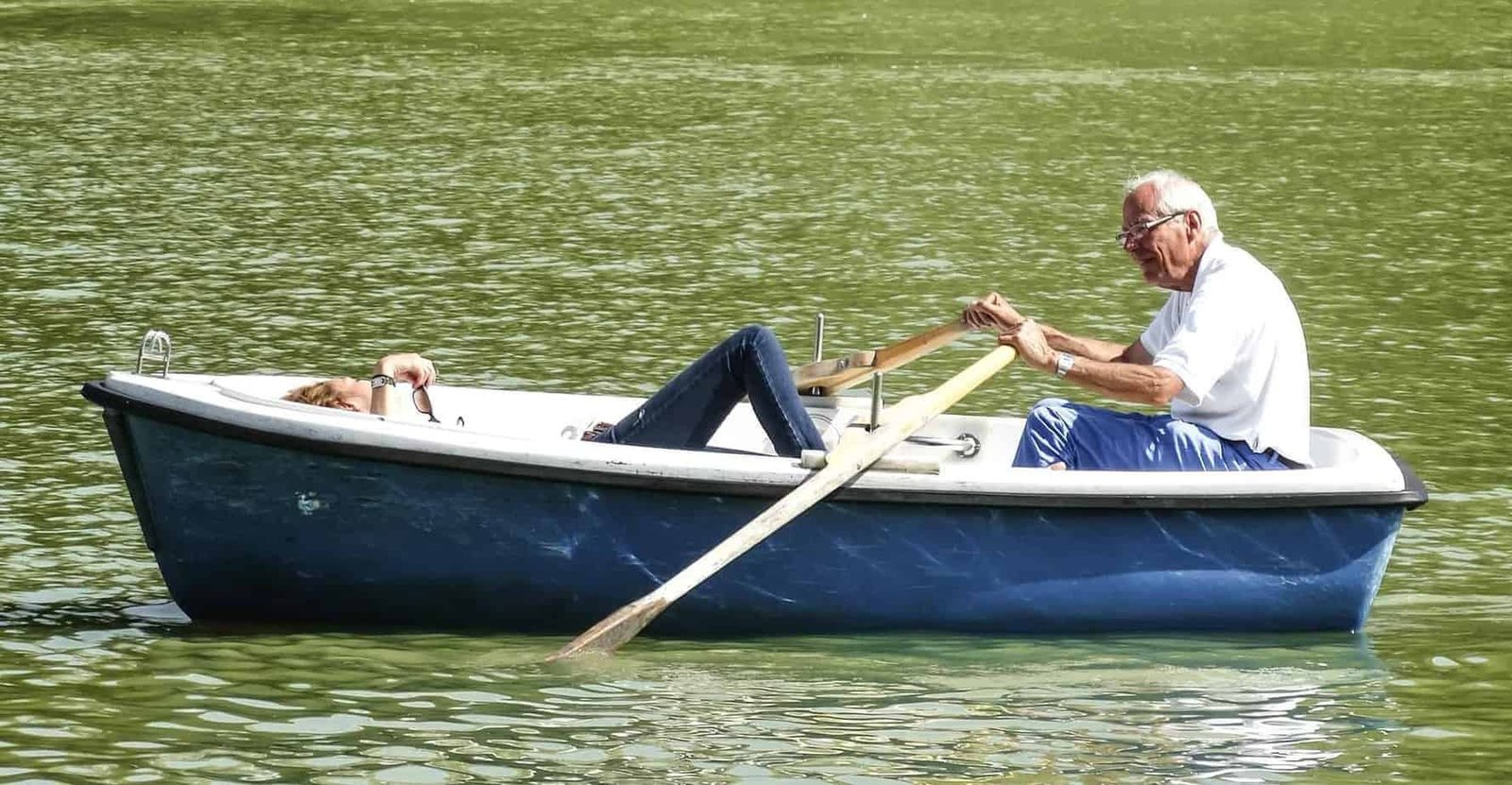
Imagine yourself enjoying endless afternoons on the water, swimming in shallow waters, exploring hidden coves, and soaking up the sunshine. Boating can be much more than just transportation; it can be a rewarding retirement hobby filled with adventure and relaxation.
Invite your loved ones to share the joy! Whether it’s a thrilling wakeboarding session with friends or a peaceful sunset cruise with family, creating lasting memories is guaranteed.
Aside from swimming, boating can let you enjoy the waters more through the following:
Snorkeling Or Scuba Diving: Immerse yourself in breathtaking underwater landscapes.
Sunbathing: Soak up the sun with a good book while your boat gently rocks on the waves.
Stargazing: Take an evening boat trip and marvel at the night sky with the help of a star chart app.
Boat Gating: Tailgate before a sporting event by anchoring near the stadium. (Check if your favorite team offers this option!)
Meanwhile, if you already own a boat, consider adding some fun accessories to enhance your outings:
Towable Tubes: Perfect for laughter and adrenaline rush.
Explore local marinas, boat clubs, or rental services to find the perfect way to hit the water. With endless possibilities and memories waiting to be made, boating is sure to become your favorite retirement pastime.
25. Exercising
In case you don’t feel like swimming, exercising is a good alternative. Whether you dream of running a marathon or simply aim for daily walks, prioritizing physical activity offers immense benefits.
For fitness enthusiasts, retirement presents the perfect opportunity to chase ambitious goals. Train for that marathon, conquer a triathlon—make your dreams a reality!
But even if you haven’t been consistently active, embracing exercise in retirement becomes more than just a hobby; it’s an investment in your well-being. Regular physical activity strengthens your muscles, helps manage weight, and reduces the risk of chronic diseases.
Beyond the physical advantages, exercise boasts significant mood-boosting power. As you move your body, your body releases endorphins, natural chemicals that promote feelings of happiness and well-being.
Ready to get started? My article, “How Can I Stay Active in Retirement?” offers practical tips to seamlessly integrate exercise into your daily routine.
26. Volunteering
To keep yourself from getting bored and isolated, I suggest volunteering. Many retirees like you discover the joy and fulfillment of volunteering, and contributing to their communities while staying active and engaged. Here’s how volunteering can enrich your retirement:
Making A Difference: Lend a hand to those in need, be it at a local community center, animal shelter, soup kitchen, or your favorite charity. Volunteering also provides physical and mental stimulation, keeping you engaged and motivated. Lastly, meet new people who share your passions and values, building rewarding social connections.
Unlocking Your Potential: Discover hidden talents and explore potential career paths you might not have considered before. Moreover, develop new skills and gain experience in different fields, enhancing your personal and professional development. And contribute your unique skills and knowledge, gaining a sense of accomplishment and purpose.
Benefits For Body And Mind: Giving back to others has a positive impact on your mental health, combating stress and negative emotions. And social interaction and helping others are proven to contribute to greater happiness and fulfillment.
Numerous online platforms and local organizations connect volunteers with opportunities:
Volunteer.gov: Find federal and state volunteer positions across the country.
VolunteerMatch.org: Search for diverse volunteer opportunities aligned with your interests.
JustServe.org: Explore volunteer needs within The Church of Jesus Christ of Latter-day Saints.
Read more about the benefits of volunteering in retirement in my article, “Why Do Retirees Volunteer?”
27. Traveling
Traveling is my bias, and I definitely love traveling and moving around from town to town. It’s a truly enriching hobby, as it allows you to:
Immerse Yourself In New Cultures: Discover diverse customs, traditions, and ways of life, broadening your perspectives.
Witness Breathtaking Destinations: From towering mountains to pristine beaches, marvel at the world’s stunning beauty.
Connect With Interesting People: Share stories and forge connections with locals and fellow travelers.
Travel adventures don’t always demand a hefty budget! Remember, exploring new places isn’t limited to crossing international borders. Consider “slow travel” like mine: exploring various cities and states in my trusted RV, staying for days, weeks, or even months to truly soak up the local offerings.
Start by uncovering hidden gems or rediscovering familiar sights in your own backyard. Seek out historical landmarks, museums, or nature parks you haven’t visited before. Fresh eyes lead to fresh experiences!
If you have a dedicated travel budget, consider fulfilling your dream adventures:
Embark On An Rv Road Trip: Explore diverse landscapes and enjoy the freedom of the open road.
Set Sail On A Scenic Cruise: Relax and discover vibrant port cities while enjoying onboard amenities.
Nomad Biking: A truly immersive travel experience for those seeking adventure. Imagine: hitting the open road on a customized cruiser, carrying only the essentials as you explore diverse landscapes across the country. It’s a demanding yet rewarding way to discover the world on your own terms.
Before embarking on your next adventure, explore various resources to ensure a fulfilling and cost-effective trip. You might start with knowing the best traveling resources. Also, be sure to get the best travel gear you can get.
Staying socially connected after retirement offers numerous benefits for both mental and physical well-being. This is especially important as daily interactions and stimulation from work decrease, potentially leading to feelings of loneliness and isolation.
Remember, as a retiree, you definitely need all the benefits of socialization with others. Here are just a few of them:
Combats Loneliness And Depression: Social interaction provides a sense of belonging and purpose, fostering happiness and emotional well-being.
Keeps You Mentally Sharp: Engaging in conversations and shared experiences can help maintain cognitive function and memory.
Promotes Physical Health: Social connections can encourage physical activity and healthy habits, contributing to overall physical health.
Fortunately, numerous avenues exist to maintain and build social connections in retirement:
Organize Events: Gather friends and family for potlucks, game nights, or outings.
Host Family Dinners: Strengthen family bonds and create lasting memories.
Become An Airbnb Host: Meet people from different backgrounds and cultures.
Volunteer: Give back to your community and connect with like-minded individuals.
Take Classes: Learn new skills and connect with classmates who share your interests.
Join Clubs: Explore hobbies and activities alongside others who share your passions.
While I mentioned nomad biking, exploring your passion on two wheels doesn’t require grand adventures. Embrace local bike paths, quiet roads, or even indoor options like spin classes or virtual cycling!
Do note that it’s just not a hobby you can waste your time on. It offers a lot of benefits similar to swimming and exercising. Some of them are:
Keeps You Active And Healthy: Cycling offers a low-impact exercise that strengthens muscles, improves cardiovascular health, and keeps you energized.
Lets You Enjoy The Outdoors: Explore scenic landscapes, feel the wind in your hair, and soak up the sunshine as you pedal.
Offers A Variety Of Activities: Choose leisurely rides around town, adventurous mountain biking trails, or even competitive cycling events, depending on your preferences.
Gives You A Gentle Form Of Exercise: Compared to running, cycling puts less stress on your joints, making it a great option for people of all ages and fitness levels.
Lets You Save Money And The Planet: Leave the car at home and ditch the gym membership! Cycling can save you money while reducing your environmental impact.
Allows You To Be Active Indoors: If outdoor activities aren’t your thing, consider an indoor exercise bike. It allows you to enjoy the benefits of cycling in the comfort of your own home.
Ready to roll? Invest in a bike, find a safe route, and start pedaling towards a healthier and happier retirement! Or you can start with an indoor exercise bike if you’re not ready to go outside yet.
30. Playing games
Speaking of indoors, let’s go back to hobbies you can do indoors. One of them is playing games. To get started, do the following:
Host Game Nights: Regularly invite friends and family for evenings filled with friendly competition and social connection. Explore classic board games like Bridge or Chess, or try new ones to keep things fresh.
Join A Club Or Competition: Check your local community center for game clubs or organized tournaments. This is a great way to meet new people who share your interests and challenge yourself in a structured setting.
Bond With Grandchildren: Introduce them to the timeless fun of board games. Share your favorites and explore new options together, creating lasting memories and fostering a love for games across generations.
If you have no idea of what to play first, here are my top picks:
Rummikub: A strategic tile-laying game for challenging your mind and memory.
Twister: A fun and active game that guarantees laughter and physical activity.
Skip-Bo: A fast-paced card game that’s easy to learn and addictive to play.
Don’t forget the vast world of digital games and online communities! Explore different platforms and genres to find experiences that suit your preferences and connect with fellow gamers worldwide.
31. Puzzling
Instead of games, you can go for puzzles. Beyond pure enjoyment, puzzling offers numerous benefits for your mind and well-being:
Improved Memory And Problem-Solving: Puzzles challenge your brain to remember patterns, rules, and strategies, strengthening cognitive functions like memory and critical thinking.
Increased Attention Span And Focus: Concentrating on finding solutions can enhance your ability to focus and filter out distractions, improving overall cognitive performance.
Enhanced Problem-Solving Skills: Puzzles often require thinking outside the box and devising creative solutions, sharpening your problem-solving abilities applicable to everyday situations.
Whether you favor the classic challenge of a 1000-piece jigsaw, the convenience of online puzzle apps, or the intricate craftsmanship of wooden brain teasers, there’s a puzzle experience waiting for you. Explore and discover what resonates with your preferences and skill level.
32. Knitting
For a more solitary hobby, try knitting. Turning yarn and needles into beautiful objects brings joy to many. While traditionally linked to female retirees, knitting has seen a surge in popularity across all ages and genders in recent years as it offers the following:
Boundless Creativity: From cozy scarves to personalized gifts, the possibilities are endless! Design unique home decorations, seasonal clothing, or heartfelt birthday presents.
Accessible Inspiration: Countless online resources like Pinterest and YouTube offer tutorials and project ideas for all skill levels.
Mindful Escape: Knitting’s rhythmic movements and focused attention have a proven calming effect, reducing anxiety and promoting stress relief.
Knitting transcends gender and age boundaries. Whether you’re a seasoned retiree or a curious beginner, there’s a community and a yarn waiting to welcome you.
Ready to cast on? I recommend starting with Knitcrate but feel free to explore local yarn stores, online resources, or community groups to find your perfect starting point. Remember, the most important element is the joy of creating something unique with your own hands.
33. Babysitting
Do you miss having kids again? Do you want someone to receive the clothes, caps, and various garments you knitted? Why not try babysitting? Consider the following joys of providing childcare:
Deepen Bonds With Grandkids: Offer to babysit your grandkids more often. This strengthens your connection, creates lasting memories, and eases the burden on your children.
Expand Your Social Circle And Earn Extra Income: Help friends and neighbors by offering childcare. This provides valuable assistance to them and can generate some income for you.
Build Meaningful Connections: Develop lasting bonds with families and children in your community.
Share Your Love And Skills: Nurture young lives and beloved pets with your knowledge and experience.
Find Joy In Giving Back: Experience the satisfaction of making a positive impact on the lives of others.
Licensing And Regulations: Research and comply with all necessary childcare regulations in your area, depending on frequency and location.
Comfort And Capability: Prioritizing the well-being of children is crucial. Only offer services if you feel comfortable and capable in the role.
However, if you’re going to care for a relative or for a friend’s kid, you may not need to go through licensing and regulations.
34. Relaxing
Of course! Relaxing is also a hobby! After years of dedicated hard work, prioritizing relaxation in retirement offers immense rewards. This is especially true if you’ve navigated stressful careers. While transitioning to a slower pace might initially feel challenging, remember—relaxation is a skill that improves with practice!
Finding what truly relaxes you is unique to your individual preferences. Dedicate time each day to explore and discover what brings you calm and rejuvenation. Here are some inspiring ideas:
Soak In The Sun: Unwind poolside, enjoying the warmth and gentle breeze.
Indulge In Self-Care: Treat yourself to a weekly or monthly massage to ease tension and promote well-being.
Find Your Inner Peace: Explore yoga or meditation practices to quiet your mind and cultivate inner calmness.
Unwind In Luxury: Pamper yourself with a spa retreat or book a breathtaking all-inclusive cruise.
Connect With Nature: Go for a walk in a park, or immerse yourself in the serenity of a nature hike.
Unwind At Home: Create a relaxing routine: take a warm bath, listen to soothing music, or curl up with a good book in a comfortable chair.
While certain products can elevate your comfort, true relaxation stems from finding activities and practices that resonate with you. Focus on building a personalized routine that brings you joy and peace, rather than relying solely on material possessions. But here are some I would recommend:
If you can’t stand idle relaxation and looking for a fun, low-impact exercise that combines physical activity with mental relaxation? Stand-up paddleboarding (SUP) might be your perfect retirement hobby!
Unlike traditional surfing, SUP offers amazing accessibility. People of all ages and fitness levels, from “small kids to seniors,” can enjoy the smooth glide across the water. It’s no surprise why it has gained so much popularity among retirees in recent years.
SUP provides a gentle yet effective workout, engaging your entire body without putting stress on your joints. It’s a fantastic way to stay active and maintain good physical health in retirement.
Beyond the physical benefits, SUP offers a unique opportunity to connect with nature and find inner peace. The calm water, gentle rocking, and focus required to maintain balance create a meditative state, reducing stress and promoting relaxation. After an hour on the board, you’ll feel rejuvenated and recharged.
The beauty of SUP is its simplicity. All you need is a calm body of water—a lake, ocean, or even a mild stream—and your inflatable paddleboard, portable for easy transport. So, what are you waiting for? Grab your board, get out on the water, and discover the joy of stand-up paddleboarding!
Feeling overwhelmed with commitments? Consider exploring your family history as a hobby!
Many retirees find immense satisfaction in uncovering their heritage through genealogy. In fact, USA Today reports it as the second most popular hobby in the United States. If you’re curious about your roots, here are some starting steps:
Free Online Resources: Explore websites like FindMyPast and Ancestry to build your family tree at no cost. These platforms offer user-friendly tools and historical records to aid your research.
Digging Deeper: For more in-depth exploration, consider subscription-based websites like FamilySearch.org and Genealogy.com. These sites offer access to extensive archives and advanced search functionalities.
Tap Into Family Knowledge: Talk to your family members, especially older relatives, and ask them what they know about your shared history. Ask them about their parents, cousins, aunts, uncles, and grandparents. Their memories can be invaluable pieces in your family puzzle.
Local Libraries: Visit your local library and inquire about their genealogy resources. Librarians can be especially helpful if your family has resided in the same area for generations. They can assist you in finding old birth certificates, census records, and other valuable documents.
Genealogy is not just about names and dates; it’s about understanding your lineage and connecting with the stories of those who came before you. Embrace the journey of discovery and enjoy the enriching experience of uncovering your unique family history.
37. Taking Up Photography
Photography offers a unique blend of creativity and technical skill, allowing you to capture the world around you with a unique perspective. From special events and cherished faces to captivating landscapes, photography allows you to preserve memories and tell stories through stunning visuals.
The great news is, you don’t need top-of-the-line equipment to get started! While high-quality cameras offer advanced features for more technical exploration, even smartphones can capture beautiful images. Focus on honing your eye for composition, light, and storytelling, and you’ll be surprised at what you can achieve.
If you’re looking to learn from the best, consider exploring photography courses or workshops offered by professionals. Remember, the most important element is your passion and curiosity. So, grab your camera (or phone!), step outside, and start capturing the beauty of the world around you!
39. Flying
For many, the feeling of flight embodies ultimate freedom. If you yearn to embrace that liberating sensation, consider elevating your retirement by exploring aviation as a hobby!
Aviation offers diverse options beyond traditional commercial flying. Here are some exciting possibilities:
Earn Your Recreational Pilot License: Pilot small airplanes and explore breathtaking landscapes from a unique perspective.
Embrace The Thrill Of Adventure Sports: Experience the adrenaline rush of skydiving, bungee jumping, or paragliding, each offering a unique airborne experience.
Glide In Peace: Immerse yourself in the serenity of glider flying or master the dynamic controls of a paramotor.
If you have an adventurous spirit and yearn for the exhilaration of flight, consider soaring into a world of aviation possibilities in your retirement. With various options suited to diverse preferences and comfort levels, there’s an aviation hobby waiting to unlock your sense of freedom and adventure.
39. Geocaching
Naturally, some would be scared of heights, and would rather keep their feet on the ground. If you’re one of them, try geocaching. With it, you can enjoy the thrill of a good treasure hunt. If that’s what you like, geocaching might be the perfect outdoor adventure for your retirement!
This modern twist on treasure hunting uses GPS coordinates to guide you to hidden containers called “caches.” Getting started is easy:
Visit Geocaching.com: Enter your address or planned hiking location to discover nearby caches.
Pick A Cache: Choose one that suits your interests and difficulty level.
Download Coordinates: Import the coordinates to your GPS device or use a geocaching app on your smartphone.
Let The Adventure Begin: Follow your guide and unlock the hidden treasure!
From beginner-friendly parks to challenging off-the-beaten-path locations, geocaching offers adventures for all skill levels. Each hidden container, or “cache,” holds a logbook for you to mark your find and often contains unique treasures or trinkets to leave behind and exchange. Explore diverse landscapes – parks, forests, even underwater locations! Connect with a global community of geocachers and share your experiences online.
Start your treasure hunt today and discover the captivating world of geocaching!
40. Baking
Let’s step inside again and talk about baking! For those passionate about culinary creations, retirement offers a chance to delve deeper into the world of food, particularly bread and pastry.
It’s fun to bake your own delicious bread from scratch. Contrary to popular belief, bread-making can be surprisingly simple, offering immense satisfaction without overwhelming complexity. And in retirement, with more time at your disposal, it’s an ideal hobby to cultivate.
If you’re eager to embark on your bread-making journey, consider seeking guidance from renowned baker Apollonia Poilâne. Her MasterClass offers valuable insights and techniques to help you create perfect loaves at home.
What do bread and beer have in common? Yeast. So, if you’re already baking bread, why not consider making your own beer as well? Having your own lets you enjoy a cold one with friends without going to the store to buy a couple of cans or bottles. Creating your personalized beers can be an incredibly rewarding hobby, offering:
Unmatched Flavor: Experiment with diverse styles and ingredients to craft brews that perfectly suit your taste buds.
A Sense Of Accomplishment: Take pride in the brewing process, from selecting ingredients to bottling your finished creation.
Sharing With Friends And Family: What better way to celebrate than with a beer you lovingly brewed and shared with loved ones?
Homebrewing is becoming increasingly accessible, with numerous resources and beginner-friendly kits available. Don’t let the initial steps intimidate you; with a little research and enthusiasm, you can be on your way to brewing delicious beer in no time.
42. Becoming A Barista
What better way to serve the beer you crafted and the coffee you made than as a professional barista? Becoming a barista is a unique hobby that combines your love for coffee with new skills and potential business opportunities. Consider exploring the world of professional coffee-making!
By enrolling in a barista course, you can delve deeper into the fascinating world of coffee, learning everything from bean origins and roasting techniques to espresso extraction and latte art.
Whether you simply want to perfect your home coffee creations or aspire to open your own part-time cafe, becoming a barista equips you with the knowledge and skillset to pursue your coffee dreams.
Before embarking on your barista journey, consider treating yourself to a Beanbox subscription. This unique service delivers freshly roasted coffee beans from around the world directly to your doorstep, allowing you to experience diverse coffee profiles and brewing methods at home.
43. Running
Running is a timeless activity enjoyed by people of all ages, including retirees. Whether you’re a seasoned runner or just starting out, numerous free running programs are available online to guide you. For additional support, consider seeking guidance from a qualified trainer.
By the way, supporting your body during exercise is important, and proper shoes are key. While researching various retailers is recommended, finding the perfect running shoes is a personal decision based on your individual needs and preferences.
44. Yoga
On the flip side of running, yoga offers a unique combination of physical and mental benefits, strengthening your body while promoting inner peace and balance. Unlike running, yoga is gentle, low-impact, and can help you recover from pain and stress.
Also, yoga can improve your flexibility, strength, balance, and coordination. So if you’re feeling wobbly as you try running, why not start with yoga instead?
45. Power Walking
Love the outdoors and looking for a new activity? Consider power walking!
Unlike hiking and running, which involve longer distances and potentially rough terrain, power walking focuses on briskness. Aiming for a pace of around 4.9 mph (8 kph), it delivers a good workout without the intensity of running.
Starting with proper technique is key to avoiding injuries. This helpful guide from Healthline outlines the essential points.
As you transition into retirement, living carefully is important to ensure your financial security in the face of inflation. Without a steady paycheck, responsible budgeting becomes even more crucial.
Don’t worry, this doesn’t mean sacrificing fun! This post will give you a variety of inexpensive and even free activities to keep you entertained and fulfilled in retirement. Let’s get started!
Personal Growth Endeavors
Our first stop is online learning and personal growth. Fuel your curiosity and keep your mind sharp with a variety of engaging activities.
This section explores how online learning and other stimulating exercises can enrich your retirement journey. Whether you’re looking to master a new skill, delve into a lifelong passion, or simply explore new interests, there’s something for everyone and they don’t need to cost an arm and a leg.
Take A Free Online Class: Educate yourself in retirement by taking free online courses. Perhaps you’ve always wanted to learn more about a specific topic or build on talents you already have. When interested in taking a class, explore these websites: Coursera.org, Udemy.com, and Alison.com.
Read A Book: Reading is the cheapest form of travel. You enter a different world without leaving your own home. Cool, right?! Visit your local library to borrow a book, ask a friend or neighbor if you can borrow one of their books, or explore the unread books you have at home.
Listen To Podcasts: A podcast is the modern version of a radio show, but it’s recorded so you can listen to it anytime you want. Numerous podcasts out there are inspiring and interesting to listen to. Look for podcasts related to retirement, your hobbies, or other life topics. Some require subscriptions, but most are for free!
Do A Puzzle: Is it raining outside? That’s the perfect time to do a puzzle. Dust off your 1000-piece puzzles from the attic or do puzzles online via websites like JigsawPlanet.com. With a little investment, you can collect a lot of puzzles and they can keep your mind stimulated and busy for a long time.
Learn A Foreign Language: You can learn a foreign language without attending expensive classes and courses. There are many ways to learn a foreign language online. Listen to podcasts or watch YouTube.com videos for language skills, or use apps like DuoLingo.com and LanguageZen.com. You can also explore self-taught foreign language courses like RosettaStone.com at your local library.
Research Your Family Tree: Dive into your past and create a family tree. Explore websites such as FamilySearch.org, Genealogy.com, or Ancestry.com to discover information about your ancestors. If your family has been in the area for a long time, visit your local library for assistance. They can track down centuries-old birth certificates and other records about your family. Also, ask your family members about their knowledge of the family history, especially the oldest living members. Build a family tree for free via websites like FindMyPast.com.
Audit A Free College Course: Many universities offer the public the opportunity to audit a course, meaning you can attend the lectures and participate in discussions for free, but you won’t receive credit. This is a fantastic way to learn from experts in a variety of fields without the financial commitment of enrolling as a student.
Creative Pursuits
Aside from learning, you should also have an outlet for your creativity. After all, retirement is the perfect time to tap into your creative side and explore new artistic avenues. Whether you’re reviving old hobbies or igniting hidden passions, these activities will keep your mind engaged and your spirit inspired.
The beauty of creative pursuits? They’re often inexpensive. The most expensive thing they require is time, which you now have in abundance.
Start An Art Project: Open your closets and attics—a treasure trove of art supplies might be waiting! Revive your passion for painting, rediscover the joy of knitting, or delve into a new medium altogether. Even everyday household items can become artistic tools! Don’t have supplies? Amazon.com offers affordable options to get you started.
Create A Scrapbook From Old Pictures: Transform old photographs into a beautiful scrapbook or photo book. It’s a sentimental journey and a fun way to stay entertained on a rainy day. Explore online resources for creative scrapbook inspiration.
Play Board Games: Gather friends and family for a night filled with laughter and friendly competition. Dust off those classic board games like Monopoly and Pictionary, or introduce them to your favorites like Rummikub and Trivial Pursuit.
Listen To Music: Soundtrack your retirement with your favorite tunes. Explore Spotify to discover new artists and expand your musical horizons. Create personalized playlists on YouTube or simply enjoy music ad-free with a Spotify.com premium subscription, which is relatively inexpensive. You can even jam with the songs if you know how to play musical instruments.
Phone Photography: You probably have a smartphone that you can also take great photos with. Phone photography can be a fun thing to do in retirement, and it’s inexpensive too. There are plenty of free photo editing apps, which can further help you refine your best shots. On YouTube, you can find amazing tutorials on how to take the best photos with your phone.
Write Fiction: Dive into the world of storytelling! Craft captivating narratives in any genre, from science fiction epics to heartwarming romances. Develop your characters, plot twists, and settings, letting your imagination soar on the page. All you need is a pen and paper—or a computer!
Make A Short Film: Transform your ideas into captivating visuals. Learn basic filmmaking techniques, like storyboarding, camerawork, and editing. Bring your stories to life on screen, whether it’s a hilarious comedy sketch or a thought-provoking documentary. This is your chance to become a writer, director, and producer all rolled into one! Borrow family members and friends to play parts and shoot the film using your phone’s camera!
Community Engagement Outings
It’s high time you give back to the community, so here’s a variety of ways to get involved and have fun. Whether you’re passionate about helping others, rediscovering your hometown, or making a positive environmental impact, there’s something for everyone. Helping is free and always welcome!
Volunteer Your Time And Skills: Volunteering offers a sense of purpose and keeps you socially engaged. Explore opportunities at local organizations, soup kitchens, or online platforms like VolunteerMatch.org, JustServe.org, or Volunteer.gov.
Do Random Acts Of Kindness: Spread the joy by helping a neighbor, mentoring a youngster, or simply offering a kind word. You’ll be surprised by the positive impact it has on both you and the recipient.
Be A Tourist In Your Town: Rediscover the magic of your hometown! Visit historical sites, museums, or landmarks you’ve driven past countless times. You might be surprised by the hidden treasures waiting to be explored. Consider volunteering your time to help people in need whom you meet along the way.
Attend Community Events: Check out your local community center calendar for activities and gatherings that pique your interest. It’s a fun and affordable way to meet new people and stay active.
Organize A Neighborhood Clean-Up: Bond with your neighbors and improve your environment by organizing a neighborhood clean-up. Even a casual solo clean-up with a trash bag and gloves can make a difference.
Donate Clothes To Thrift Shops: Declutter your closet and donate gently used clothes to a thrift shop. Not only will you gain space, but you’ll also be supporting a good cause. Browse thrift shops for unique finds at a fraction of the price—you might even discover a hidden treasure!
Teach A Class: Share your knowledge and experience by teaching a class at a local community center or senior center. This could be anything from cooking to gardening to computer basics.
Relaxation Ideas
Doing community service is a lot of work, so don’t forget to unwind and relax from time to time. Remember that retirement should also be a time to prioritize your well-being and de-stress after years of hard work.
Below are some relaxation techniques to help you de-stress, recharge, and reconnect with yourself. From indulging in a soothing bath to practicing meditation, discover ways to cultivate inner peace, embrace leisure time, and appreciate the beauty of nature.
Take A Nap: Napping is a simple pleasure often overlooked. Short naps—10–30 minutes—can boost alertness, mood, and memory without disrupting nighttime sleep. Take advantage of your flexible schedule and recharge with a midday nap.
Take A Bath: Indulge in a relaxing bath! Warm water increases blood circulation, eases muscle aches, lowers blood pressure, and promotes overall well-being. It’s a great way to unwind and de-stress after a long day.
Binge-Watch Great TV Series: On a rainy day, why not curl up on the couch and binge-watch a captivating TV series? With streaming services like Netflix.com or DVDs from your local library, there are endless entertainment options to choose from. Let yourself unwind and enjoy a lazy day.
Treat Yourself To An At-Home Spa Day: Treat yourself to a luxurious at-home spa day, especially on a day when you need some pampering. Experiment with new spa products or create your own DIY scrubs and masks with everyday ingredients.
Watch The Sunset Or Sunrise: Don’t miss the awe-inspiring beauty of sunrises and sunsets. These daily occurrences are a free and natural source of wonder. Witnessing their vibrant colors can evoke feelings of gratitude and appreciation for the world around you.
Practice Meditation: Meditation is a powerful tool for promoting a happy and stress-free life in retirement. Scientific research highlights its benefits in reducing stress, managing anxiety, and enhancing emotional and mental health. There are many free meditation apps available, such as Calm.com and Headspace.com. Explore them and discover the practice that works best for you.
Do Gentle Yoga Or Stretching: Gentle yoga or stretching routines are a fantastic way to de-stress and improve flexibility. They can also help to ease muscle tension and promote better sleep. Many online resources and local community centers offer yoga classes specifically designed for beginners or seniors.
Home Improvement Chores
With retirement, you’ll be stuck at home most of the time, especially if you’re saving money to travel once in a while. So, make your living space a haven of comfort and functionality. Whether you’re looking to declutter, rearrange, or unleash your inner DIYer, this section offers a variety of projects to enhance your home environment.
Host A Yard Sale: Transform unused items into cash and connect with your community by hosting a yard sale. It’s a fun and social activity that can clear out clutter and earn you some extra money.
Rearrange The Furniture In Your House: Breathe new life into your home without spending a dime! Simply rearranging your furniture can create a fresh and inspiring atmosphere. Experiment with different layouts and discover the perfect flow for your space.
Perform Proactive Maintenance: Become your own home improvement hero! Conduct regular maintenance walkthroughs to identify minor issues before they become expensive repairs. Learn basic DIY skills to tackle small maintenance jobs yourself, saving money and gaining a sense of accomplishment.
Clean Out Your Closets: Decluttering isn’t just about tidying up—it’s about creating a calmer and healthier living environment. Dedicate a day to clear out your closets, cabinets, or any space that needs some TLC. Letting go of excess and distractions can have a positive impact on your overall well-being.
Upcycle Items In Your Home: Give unwanted items a new lease on life with upcycling! This eco-friendly approach involves creatively transforming old items into something new and useful. Turn everyday items into beautiful home décor or fashion accessories. Upcycling is a fun way to express your creativity while minimizing waste and you might even get to sell them during your yard sale.
Complete A DIY Project: Explore the world of DIY projects! Pinterest.com offers a treasure trove of inspiration for creating useful and beautiful things using materials you might already have at home.
Paint A Room: A fresh coat of paint can dramatically transform a room’s look and feel. Choose a color that reflects your personality and style, or opt for calming neutrals for a relaxing atmosphere. Painting is a relatively inexpensive project that can yield a big impact.
Socializing Goals
Talking to people is fun and free, unless you want to talk to celebrities. So take advantage of this. Socialize and prioritize mending your relationships. After all, retirees are very vulnerable to the feeling of anxiety and loneliness. Socializing can do you a lot of good in the long run.
Visit Family: Retirement is a time to cherish loved ones. Make spending quality time with family a priority. Visit them often, reconnect with distant relatives, and plan reunions to reminisce about old times.
Reconnect With Friends: A simple phone call can rekindle a long-dormant friendship. Reach out to friends you haven’t spoken to in a while, catch up, and plan future visits.
Friends Reunions: Organize reunions with old high school or college friends! Relive old memories and have some laughs by hosting the gathering at your home for a budget-friendly option.
Meet Your Neighbors: Build a strong support system by getting to know your neighbors. Introduce yourself, offer a helping hand, or organize a neighborhood barbecue to foster connections. Remember, good neighbors are a valuable asset.
Start Or Join A Club: Consider starting a club focused on your interests, be it a book club, a hobby club, or a social group for retirees. Alternatively, explore existing clubs within your community through platforms like Meetup.com.
Game Night Extravaganza: Liven up your social calendar with game nights! Invite friends, dust off those board games, and enjoy an evening filled with laughter and friendly competition. Consider rotating hosting duties among your group for a change of scenery.
Campaigning For Change: If you’re passionate about politics, volunteer your time and energy to a campaign you believe in. Contact your preferred campaign office and inquire about volunteer opportunities.
Self-Discovery Aspirations
Now is a good time for introspection and self-discovery. After all, retirement is also a chance to reconnect with yourself, explore hidden passions, and set goals that ignite your spirit. And doing so can be a bit fun and almost cost nothing.
Here are some ideas to get you started on this exciting journey of personal growth:
Craft Your Bucket List: Create a personalized bucket list to guide your retirement journey. Identify your aspirations and prioritize experiences that will enrich your life. This list can be a springboard for creating lasting memories.
Set A New Goal In Life: Setting goals provides direction and a sense of purpose. Research suggests that writing down your goals increases the likelihood of achieving them. Grab a pen and paper, brainstorm your aspirations, and chart your course for a fulfilling retirement.
Start Journaling: Journaling is a powerful and inexpensive tool for managing stress, improving mental clarity, and boosting cognitive function. The act of writing allows you to process emotions, solve problems, and gain self-awareness. Embrace the therapeutic benefits of journaling and experience a significant improvement in your overall health and well-being.
Write Your Memoir: Instead of a personal journal, you can go for a memoir instead. Retirement is a perfect time to reflect on your life’s journey. Capture your experiences, thoughts, and emotions by writing your memoir. This process can be a cathartic and enriching experience, allowing you to leave a legacy for future generations.
Start a Blog Or Online Journal: Instead of memoir, you can opt to start a daily log on the web instead. Share your knowledge and experiences with the world and let everyone know you exist. There are many free platforms available to create a blog or online journal. This can be a great way to stay mentally stimulated, connect with others who share your interests, and even potentially earn a little income.
Take Personality Tests: Explore who you are and what makes you tick by taking a personality test like the Myers-Briggs Type Indicator (MBTI) or the Enneagram. Understanding your personality type can shed light on your strengths, weaknesses, and natural preferences, which can be helpful in making future decisions and exploring new pursuits.
Practice Mindfulness: Improve your mental well-being and reduce stress by incorporating mindfulness practices into your daily routine. There are many mindfulness apps and guided meditations available to help you get started. Mindfulness can help you appreciate the present moment, cultivate inner peace, and find joy in the simple things.
Kinetic Activities
Well, you definitely need to move around to keep yourself in shape. As we age, our bodies atrophy and require more effort to maintain their fitness. So, here are some kinetic activities that are fun and inexpensive.
Exercise: Regular exercise is essential for physical and mental health, but it doesn’t have to break the bank. Many communities offer free exercise options like outdoor gym equipment in parks or along beaches. Explore your surroundings and discover these hidden gems!
Embrace Online Workouts: The internet is a treasure trove of free workout routines. Explore websites, YouTube channels, or Pinterest boards to find yoga, weightlifting, or fitness routines tailored to your interests and fitness level.
Dive Into Nature’s Pool: Enjoy a refreshing and free workout with a swim in a nearby lake or ocean. Immerse yourself in nature while getting your heart rate up and invigorating your body.
Join A Dance Class: Unleash your inner dancer and join a group fitness class! Many community centers offer affordable dance classes for all ages and abilities. Explore options like Zumba, salsa, or ballroom dancing—a fun and social way to move your body.
Learn A Ball Sport: Consider learning a new ball sport that is easy on the joints. Options like pickleball (a fun mix of badminton, tennis, and ping pong) or low-impact volleyball can provide a social and active way to stay healthy.
Join A Bowling League: Bowling is a great low-impact activity that can be enjoyed by people of all ages and abilities. Look for senior leagues at your local bowling alley—a chance to socialize, have some fun, and get some gentle exercise.
Master The Art Of Tai Chi: Delve into the world of Tai Chi, a gentle form of exercise that combines physical movement, mindfulness, and deep breathing. Tai Chi is a low-impact activity that promotes balance, coordination, and overall well-being.
Culinary Exploration Strategies
Exercise is essential, but it can leave you hungry! While food is a consistent expense, you can still have fun and save some money on groceries. Here are some activities to help you do just that:
Explore Cooking: Experiment with new recipes or get creative with leftovers! Turn leftover ingredients into a masterpiece by combining flavors and textures. Who knows, you might discover a signature dish to be enjoyed for years to come.
Do Some Baking: Indulge your love of baking by whipping up a batch of comforting pies. Whether you recreate a cherished family recipe or embark on a new baking adventure, the end result is sure to be delicious. Share your creations with loved ones or host a potluck to spread the joy. Explore ThePieAcademy.com for inspiration!
Try Foraging: Forage for fresh ingredients by exploring your local environment. Search for seasonal fruits like strawberries, apples, or cherries, transforming a simple walk into a delightful treasure hunt. Check with nearby farms for opportunities to pick your own produce or visit public parks for hidden foraging opportunities.
Start Gardening: Cultivate your own vegetables by starting a backyard garden. Enjoy the satisfaction of nurturing your plants and reaping the rewards of fresh, homegrown produce. Gardening is a healthy outdoor activity that provides exercise and stress relief, making it a win-win for your well-being.
Have A Potluck Party: Gather your friends and family for a potluck party! This social gathering allows everyone to contribute a dish, creating a diverse and delicious spread. It’s a budget-friendly way to enjoy good company and delectable food, often resulting in delicious leftovers for the next day.
Have A Picnic: Pack a basket and head outdoors for a delightful picnic. Invite friends or simply enjoy a solo retreat with a good book. Stock your picnic basket with pantry staples or visit a local farmers market to discover fresh, seasonal produce at affordable prices.
Scavenge Coupons: Want to fuel your culinary adventures without breaking the bank? Look no further than strategic couponing! By leveraging coupons, you can significantly stretch your grocery budget. This frees up extra cash to explore exciting new ingredients and recipes, taking your food experiences to the next level.
Travel And Outdoor Suggestions
Don’t feel cooped up! Exploring the outdoors and even traveling can be incredibly rewarding for your physical and mental well-being. It’s a fantastic opportunity to meet new people, create lasting memories, and embark on exciting adventures. Here are some ideas that are both fun and budget-friendly:
Work And Travel: Combine your love of travel with earning potential by becoming a tour guide! There are various opportunities—lead tours in exciting destinations, work on a cruise ship, or volunteer abroad with organizations like PeaceCorps.gov.
Find Free Admission Days: Stretch your entertainment dollar by taking advantage of free admission days offered by museums, zoos, and science centers. Many institutions offer free entry on specific days or have pay what you can options. Call ahead or check their websites to discover their free admission schedule. Libraries can also be a treasure trove—borrow museum passes or attend free lectures and events.
Visit The Park: Head to your local park and enjoy the beauty of nature. Go for a walk, have a picnic, play frisbee, or simply relax and people-watch. Parks are a great way to connect with nature and your community, all at no cost.
Become A Citizen Scientist: Contribute to science and explore the outdoors by participating in citizen science projects. Many organizations need volunteers to collect data on everything from birds to trees. It’s a fun way to learn and give back.
Start A Neighborhood Walking Group: Organize walks with neighbors to explore your local area. It’s a great way to get exercise, socialize, and discover hidden gems in your own community.
Nature Observation: Nature observation is a free and enriching activity. With some practice, you can identify a variety of plants and birds in your area. There are many phone apps and field guides available to help you get started.
Go For A Road Trip: Hit the open road and go for a memorable road trip adventure. Whether it’s a weekend getaway or an extended journey, road trips offer the freedom to discover new destinations, roadside attractions, and charming small towns. Pack some snacks, create a killer playlist, and embrace the spontaneity of the open highway.
Adventurous Hobbies
Love travel and outdoor activities? Ready to take things up a notch? If you’re looking to satisfy your adventurous spirit without spending your hard-earned moolah a much, then these activities are perfect for you:
Look For Deals: Refine your treasure-hunting skills by visiting garage sales. You might unearth hidden gems—gently used items at a fraction of the original price. Expand your collection, decorate your home, or find the perfect gift—all while saving money!
Do A Scavenger Hunt: Plan a scavenger hunt for friends, family, or grandchildren. It’s a fun activity for all ages and requires minimal expense. The thrill of the chase and the camaraderie are the true treasures.
Try Geocaching: Embrace the modern-day treasure hunt with geocaching! Utilize GPS coordinates on your phone to locate hidden caches, transforming your local park or hiking trail into a thrilling adventure. Visit Geocaching.com to discover geocaches near you.
Go Magnet Fishing: Experience the thrill of magnet fishing! Get a magnet fishing kit and cast your line equipped with a powerful magnet. See what hidden treasures you can unearth from nearby lakes or rivers. Remember to check local regulations regarding magnet fishing before you cast your line..
Hike In Nature: Immerse yourself in the restorative power of nature. Hiking is a free and accessible activity that offers a plethora of benefits. The tranquility of nature reduces stress and uplifts your mood, while physical activity improves your overall health.
Stargaze: Embark on a stargazing adventure! Research locations in your area renowned for clear night skies. Pack some refreshments, a cozy blanket, and prepare to be awestruck by the celestial wonders above.
Cycle: Dust off your bike and rediscover the joy of cycling. Explore new routes in your neighborhood or navigate scenic paths within a national park. Cycling is a healthy and economical way to travel and explore the world around you.
Conclusion
Retirement offers exciting possibilities for exploration and self-discovery, but it’s also important to be mindful of your financial well-being. With careful planning and budgeting, you can stretch your resources further and ensure a fulfilling retirement filled with affordable adventures.
And since you’re already here, I hope you don’t mind reading some of my other articles. Here are some of them:
Many retirees often get stuck looking for their retirement passion, where meaning and happiness are often sought. While discovering your passion can be challenging, this article offers practical strategies to guide you. If you’re ready to learn more, let’s explore these steps together!
1. Enroll In An Online Class
Trying new activities is essential to finding your retirement passion. You can’t discover your interests by staying inactive at home.
The only way to know if you enjoy something is to try it out and see if it sparks something within you. One of the best ways to do this is by following an online course via Masterclass.
Masterclass is an online platform featuring video courses by renowned individuals.
These courses cover a wide range of topics and are taught by some of the most successful people in the world. Exploring Masterclass can provide you with exposure to various activities and interests.
Getting out of your comfort zone is crucial for discovering your retirement passion. By trying new things and experimenting with different activities, you open yourself up to new experiences. There are a lot of hobbies for retired men and women out there that you can try to help you find your passion.
Finding your passion in retirement rarely happens overnight. It’s often a series of explorations and experiments that gradually lead you closer to what truly resonates with you.
Engaging in diverse activities helps you tune into your body’s signals and gain a deeper understanding of your preferences. Don’t get discouraged if some experiences don’t bring immediate joy; they still clarify what sparks your interest and what falls flat.
View this process as a journey of self-discovery, not just a search for a singular passion. You’ll encounter engaging people along the way, learn new things, and enrich your retirement experience.
Stepping outside your comfort zone might feel intimidating, but it also rekindles the sense of aliveness that aligns perfectly with the spirit of retirement.
3. Get In Touch With Your Inner Self
Finding your retirement passion isn’t a process of rationalizing in your head; it’s about connecting with your heart and soul. Of course, this may be different for everyone. Regardless, instead of analyzing, you need to focus on feeling what excites you and ignites your energy.
It’s challenging because many of us are taught to suppress our feelings, but doing so distances us from our true desires. To connect with your passion, you must silence the mind and listen to what your heart and gut are telling you.
Silence the mind to hear the whispers of your heart and gut feelings. Pay attention to the sensations in your body—excitement, resentment, fear—instead of getting lost in thoughts.
By allowing yourself to feel, you move closer to discovering your passion. Embracing your emotions is key to unlocking what truly fulfills you in life.
4. Practice Introspection
Asking yourself the right questions can shine a light on your path to retirement passion. Grab a pen and paper, and answer them honestly without overthinking.
Some answers might offer immediate clarity, while others may require further exploration. Embrace an open and positive mindset, leaving fear, doubt, and judgment at the door.
Jotting down your reflections sheds light on your journey toward passion. Some answers may point you in a clear direction, while others might beckon further investigation.
Cultivating an open and positive outlook is key, as passions often defy logic and call for embracing the unexpected. By questioning yourself and remaining open to possibilities, you pave the way for discovering what truly sparks joy and fulfillment.
5. Become More Aware Of Your Surroundings
Your retirement passion might be hiding in plain sight, woven into the everyday choices you make.
Take a closer look at recurring themes in your media consumption, book collection, and even your purchases to unearth potential interests. What subjects consistently capture your attention? Where do you invest your time, money, and energy most willingly?
Beyond outward expressions, pay attention to your body’s subtle signals. Do certain possibilities spark excitement or trigger a flicker of fear? These physical sensations can be powerful indicators of potential passion areas.
By shifting your focus inward, from the mind to the heart and body, you tap into a deeper wisdom beyond mere logic.
6. Take Care Of Your Basic Needs
Maslow’s hierarchy of needs reminds us that pursuing retirement passions depends on a vital foundation: fulfilling our basic needs. From food and shelter (physiological) to safety and security, neglecting these fundamental levels makes focusing on passion much harder.
By prioritizing the satisfaction of basic needs, you build a platform for your passions to flourish. Think of it as ensuring your car is fueled and ready before embarking on a thrilling adventure. Once fundamental needs like health and financial stability are taken care of, you can confidently devote your energy to exploring and pursuing your passions in retirement.
7. Go Back To Your Childhood
Childhood holds hidden treasures—clues to potential retirement passion dormant beneath years of life’s pressures. Reflect on the activities and hobbies that sparked joy back then, before academic demands and career paths took center stage.
Remember your childhood dreams, those aspirational visions of who you wanted to be at eight. These memories can be stepping stones to rediscovering passions for your retirement years.
Delve into your childhood interests and ask yourself: “What truly captured my heart and brought me happiness?” Unburdened by external pressures, these activities might offer surprising insights into your inner desires.
If revisiting your childhood doesn’t spark any ideas (and it won’t for everyone!), consider seeking inspiration from those seasoned with age. If I Live to Be 100: The Wisdom of Centenarians by Paul Mobley offers a glimpse into the experiences of those who’ve already crossed this milestone, brimming with insights that might ignite your passion.
8. Live To The Fullest
Make the very act of living fully your ultimate retirement passion. Infuse enthusiasm and genuine presence into every aspect of your retirement life. No matter how ordinary a task may seem, approach it with mindfulness and seek to derive enjoyment from it.
Your positive energy and enthusiasm are contagious, attracting similar vibes and igniting creativity. Make a conscious choice: either eliminate activities that bring no joy or wholeheartedly embrace them. Anything in between is counterproductive and fuels dissatisfaction.
Remember, a fulfilling retirement isn’t about finding one specific passion; it’s about infusing everything you do with passion. Be present, be mindful, and find joy in the small moments. That’s the key to living life to the fullest.
9. Start Meditating
Still struggling to pinpoint your retirement passion? Consider giving meditation a try. This practice can be a powerful tool for self-discovery. By training your awareness and gaining perspective on your thoughts and feelings, meditation can help you unlock hidden passions and desires.
Popular techniques include breathwork and body scan meditations. Explore apps like Headspace, known for their user-friendly approach to making meditation accessible to everyone.
10. Get Inspired By Books, Ted Talks, And Podcasts
Looking for a spark to ignite your retirement passion search? Dive into the inspiring experiences and insights of others! Books, TED Talks, and podcasts can be treasure troves of guidance, practical tips, and different perspectives.
Reading about how others discovered their passions can illuminate your own path. Explore a diverse range of content—from captivating memoirs to thought-provoking talks—to broaden your understanding and ignite inspiration. Remember, the key is to be open-minded and let these journeys spark your own unique flame.
Here are some books I recommend to get you started:
Discovering your post-retirement passion isn’t something you should deal with alone, especially if you’re drawing blanks. Sometimes, all you need is a little guidance from a professional. Enter the life coach: your expert ally in identifying goals, developing actionable plans, and providing valuable support on your journey.
Forget any outdated stigmas about seeking guidance—there’s no shame in investing in your well-being and happiness. A professional life coach offers a fresh perspective, practical tools, and personalized insights tailored to navigate life transitions like retirement.
Finding the right fit is key. Start by researching their training and credentials, then delve into their coaching style, methodologies, and favorite tools. Ask about costs and ensure they align with your budget. Schedule a consultation to get a feel for their personality and see if you click.
Availability and effectiveness matter too. Inquire about their schedule and compatibility with yours, and don’t hesitate to ask about their track record and success stories with past clients.
12. Brainstorm With Yourself
Finding your retirement passion after half a lifetime can be tricky. But don’t worry! If the previous tips haven’t sparked a flame, maybe you’re a pen-and-paper kind of person; a simple brainstorming session can be your map to discovery.
Grab some paper or Post-it notes and let your imagination run wild. Write down any idea that even remotely piques your interest, from learning a new language to starting a community garden. The key is to be free and open-minded.
After a few days, revisit your list. Be honest: which ideas still make your heart skip a beat? Those are your keepers! Now, the real adventure begins: try them out, see what sticks, and discover the passions that will make your retirement truly extraordinary.
13. Use Visualization Techniques
Utilize visualization techniques to uncover your retirement passion. Visualization helps organize thoughts, mentally prepare, and reduce stress. Imagine yourself eagerly starting your day in retirement, full of enthusiasm and excitement.
Visualize the perfect retirement scenario in detail, noting the images and actions that energize you. Harness the power of visualization to discover your retirement passion. Visualization aids in mental preparation, stress reduction, and goal setting. Envision yourself starting your retirement day with enthusiasm and excitement.
Create a detailed mental picture of your ideal retirement scenario, noting the elements that evoke energy and passion.
14. Ask Friends And Family For Help
Life coaches aren’t the only ones with helpful insights! Don’t underestimate the power of your inner circle. Family and friends who know you well can offer fresh perspectives and help you organize your thoughts about finding your retirement passion.
Open up to a trusted friend or family member you can confide in. Share your desires and explore their thoughts. Consider tagging along when they pursue their passions – their enthusiasm might spark something in you!
Embrace the support network you already have. Their unique understanding of you can reveal hidden talents or interests you haven’t considered. Share open and honest conversations with those you trust, and you might be surprised by the insights they offer.
Exploring new activities with loved ones can also be a gateway to discovery. Join them in their hobbies or venture into something else together. Remember, asking for help doesn’t diminish your strength; it shows a willingness to grow and open yourself to valuable perspectives.
15. Don’t Wait For The Eureka Moment
Don’t expect a lightbulb moment with finding your retirement passion! It’s not a sudden “Eureka!” but a gradual unfolding, like a flower blooming.
There’s no deadline, no pressure. Take your time, explore different experiences, and gather insights along the way.
Remember, some people find instant inspiration, but for most, it takes perseverance and an open mind. Embrace the journey and trust that with patience, you’ll discover what truly sets your soul on fire in retirement.
Conclusion
Persistence is key to finding your retirement passion; don’t give up, but keep trying. With each attempt, you move closer to discovering what truly excites and fulfills you.
If feeling frustrated, take a break and focus on something else, but return with renewed energy and determination. Success often comes from trying one more time, so keep pushing forward in your pursuit of passion.
Keep trying to find your passion, as persistence is essential to success. Each attempt brings you closer to uncovering what brings you true happiness and fulfillment.
If you feel frustrated, take a break and return with fresh energy and positivity. Remember, following your passion in retirement leads to true happiness and fulfillment, making the effort worth it in the end.
While you ponder your next steps, you might find some inspiration in my other articles. There’s a chance one might spark your passion! Here are a few of my recent ones:
Your last day of work ends, and your first day of retirement begins. But with so much to choose from, your first day might feel overwhelming. Fear not! I’ve curated 30 diverse activities to make it unforgettable.
From thrilling adventures to moments of quiet reflection, find something that sparks your joy. Whether you crave connection, personal growth, or simply savoring the present moment, these options can launch your retired life with excitement and fulfillment.
Ready to explore your newfound freedom? Dive into these 30 ideas for a first day of retirement to remember!
1. Sleeping In
After so many years of waking up early for work, you finally don’t have to set an alarm clock. Especially on your first day of retirement, you treat yourself to sleeping in and waking up slowly.
Not having to rush to work in the morning is a liberating feeling. So enjoy your first morning by taking your time and sleeping as long as you want.
2. Have a Gourmet Breakfast
Indulge in a leisurely wake-up on your first day of retirement, followed by a breakfast tailored to your desires. Feeling ambitious? Whip up a gourmet feast. Prefer ease? Order in—the choice is yours!
With the morning stretching before you, relish this time at your own pace. Read the paper, dive into a captivating book, or simply savor the peaceful quiet as you eat. Start your first day in a way that brings you joy.
3. Meet With Friends For Coffee
Enjoy your newfound freedom during your first day of retirement by meeting up with friends for a leisurely coffee. That charming coffee spot you always passed on your way to work or a cozy café in your neighborhood are perfect options. Now is the time to invite a friend and enjoy quality time together.
Catching up with friends over coffee is not only enjoyable but also beneficial for your health, particularly with the coffee’s cognitive benefits highlighted by Harvard Health. Make plans to reconnect and cherish these moments that contribute to both your happiness and well-being.
Create or update your bucket list during your first day of retirement. Seize the opportunity to pursue your lifelong dreams and aspirations. Remember, a fulfilling retirement hinges on having meaningful activities and goals to look forward to. It’s time to truly make the most of your free time!
Crafting a bucket list can serve as a compass and spark for your retirement journey. It will nudge you toward new experiences and help you fulfill cherished desires.
If you’re stuck for inspiration, reflect on past regrets or browse articles like 101 Ideas for Your Retirement Bucket List to obtain fresh ideas and excitement for your list.
5. Apply For A Class
Ever wanted to learn pottery, coding, or even a new language? Your first day of retirement is the perfect time to make it happen! Many U.S. colleges offer senior discounts or even free classes, making it an affordable way to explore new interests.
Lifelong learning keeps you mentally sharp and even slows down cognitive aging, as Harvard Health Publishing notes. So why not dive in?
To jumpstart your learning, consider Masterclass, an online platform with diverse video courses by renowned experts in their fields. Whether you’re interested in music production, filmmaking, or business leadership, Masterclass has something for everyone.
Exercise your way to a happy and healthy retirement! As the CDC recommends, staying active is key to feeling great. It boosts energy and fitness while offering chances to socialize and meet new people.
Exercising sets a positive tone for your free time and builds healthy habits for the long run. From fitness classes and swimming to joining sports teams or simply walking, plenty of options fit your life.
Start early on your first day of retirement and explore or reconnect with hobbies. Filling your free time with activities you enjoy not only brings fulfillment but also boosts your well-being and self-esteem.
Whether you’re reviving a childhood passion or embarking on a brand new adventure, finding a retirement hobby is a great way to inject purpose and joy into your days. Don’t know where to start? Reflect on your interests, both past and present, for inspiration. Perhaps baking, painting, or learning a new language sparks your curiosity.
Gardening is a popular choice among retirees, offering a rewarding blend of physical activity and creative expression. If you’re a beginner, consider Ron Finley’s Masterclass. His insightful lessons and practical skills will set you on the path to a thriving garden.
Your first day of retirement is the perfect time to reconnect with friends and family who may have slipped through the cracks during your busy working years. Take advantage of your newfound free time to reach out, share updates, and make plans for quality time together.
Nurturing these relationships is a meaningful way to kick off your retirement. By strengthening connections and creating new memories, you pave the way for a fulfilling journey filled with love and support.
9. Check Your Finances
Though checking your finances may not sound fun during your first day of retirement, it’s crucial to ensure your retirement dreams align with your reality. Overlooking financial planning can lead to disappointment if aspirations exceed means. A solid financial plan not only helps you create an enjoyable retirement but also lets you fully embrace and savor your golden years.
Kick off your retirement and forge lasting memories with a trip! It’s a fantastic way to escape the familiar and embrace new experiences by planning a getaway with your spouse, friends, or family.
Retirement’s flexibility lets you explore diverse destinations and experiences—relax in the Caribbean, embark on a cruise, camp in a national park, indulge in a European tour, or even visit theme parks with grandchildren! Need more travel inspiration? My article 20 Amazing Vacations and Trips for 60-Year-Olds offers ideas tailored to retirees!
11. Make A Travel Plan
Even if you can’t travel yet on your first day of retirement, use your first day of retirement to start crafting travel plans and scouting deals for your dream destinations. Early travel planning gives you something thrilling to look forward to and adds an exciting layer of anticipation to your retirement experience.
As a travel enthusiast, I’ve written several helpful articles packed with tips and insights to assist you in planning unforgettable journeys. Here are a few to get you started:
Treat yourself to a special gift on your first day of retirement—you deserve it! After years of hard work and dedication, commemorate this milestone with something meaningful that brings you joy, without jeopardizing your financial security.
Whether it’s a physical item you’ve longed for or an enriching experience, indulge in something you can comfortably afford. This special gift will create lasting memories and celebrate your achievements.
13. Go For A Road Trip
What better way to celebrate your first day of retirement than by hitting the open road? I did exactly that! It allowed me to leave behind my roots and find new places I love!
Whether you’re drawn to a spontaneous adventure, following the open road wherever it leads, or embarking on a planned journey with your spouse in an RV, the freedom of retirement allows you to travel at your own pace and truly indulge in the joy of exploration.
For retirees seeking inspiration for their first road trip or longer adventures, my article The 20 Best Retirement Trips in the USA offers valuable insights and ideas to spark your wanderlust.
14. Start Volunteering
Volunteering rewards you by keeping you active and contributing to your community. And this gives a sense of purpose and fulfillment. While a formal commitment might not be your first priority, you might want to start exploring opportunities first.
To volunteer or know more about volunteering, visit your local community center or explore online platforms like volunteer.gov. To discover the rewards and reasons behind retiree volunteering, consider reading my article: Why Do Retirees Volunteer.
15. Host A Retirement Party
Commemorate your retirement milestone by hosting a celebratory dinner or party with friends and family on your first day of retirement. It’s the perfect way to kickstart your new chapter on a positive note and create cherished memories. Hosting a party is a fantastic opportunity for those wishing to mark their retirement in style.
Hosting an intimate gathering at home allows you to enjoy a personalized and intimate celebration surrounded by loved ones. Ensure your retirement party shines by checking out my guide How To Celebrate Retirement Party At Home. My article can offer you helpful insights and a handy retirement party checklist to ease your planning journey.
Also, it can be helpful to have a retirement party checklist, so it’s easier to plan your epic retirement party, get it here!
16. Meditate To Relax
Retirement is a time to break free from stress and embrace relaxation. Meditation offers a simple yet powerful tool to manage stress and cultivate peace, even with just 10 minutes of daily practice.
Whether you’re a seasoned meditator or curious to start, consider making it a part of your first day of retirement. Apps like Headspace provide beginner-friendly guidance and support to help you establish a practice that fosters a happy, healthy, and serene mindset throughout your retirement years.
By prioritizing relaxation and mindfulness from the outset, you’ll lay the foundation for a fulfilling and balanced life in the years ahead.
17. Get Inspired By TED Talks And Podcasts
Transitioning into retirement can feel daunting, but seeking inspiration from others who’ve paved the way can make it easier. Online platforms like TED and retirement podcasts, such as Your Retirement Starts Today Podcast, offer a treasure trove of uplifting stories and practical tips from seasoned retirees.
Immersing yourself in these resources can help you gain valuable perspectives, strategies, and a healthy dose of enthusiasm as you navigate the exciting complexities of retirement.
18. Babysit Your Grandchildren
For many retirees, grandchildren become a cherished source of joy and connection. Make your first day of retirement unforgettable by bonding with them! If they’re nearby, offer to babysit or simply engage in fun activities together. This fosters a strong bond and creates joyful memories right from the start.
Live farther apart? Use your newfound freedom to plan an extended visit. Immerse yourself in quality time, build deeper connections, and create lasting memories that’ll warm your heart for years to come.
Near or far, spending time with grandchildren sets a heartwarming tone for the exciting adventures and experiences that await in your new chapter.
19. Relax And Chill For The Day
After years of dedication, your first day of retirement ushers you you to unwind and embrace pure relaxation. If you don’t like sleeping in—like what I said a while ago—take your first day to sit back and relax by the pool, on your patio, or in your garden. Dive into a magazine, lose yourself in a good book, or let your favorite music wash over you, all while savoring a delicious cocktail.
Revel in the tranquility of this newfound freedom. Gone are the days of rigid schedules; now, endless possibilities lie before you. By prioritizing relaxation and enjoyment on this first day, you set the stage for a fulfilling and rejuvenating journey ahead.
20. Have Lunch In Your Favorite Restaurant With Your Spouse
Raise a glass at your favorite restaurant with your spouse on your first day of retirement if you’re not into big parties. It’s the perfect setting to mark your exciting new life together in retirement.
Celebrate with delicious food, toasts to your newfound freedom, and most importantly, a conversation brimming with your shared dreams and aspirations for the days, weeks, and months ahead.
Whether you’re both retiring simultaneously or one of you has already begun this incredible journey, this special occasion is more than just a meal. It’s a chance to reconnect, openly discuss your hopes and expectations, and navigate the exciting transition together.
Meanwhile, if you’re still in the phase of thinking if you need to retire at the same time as your spouse, you may want to read my article about it: Should Couples Retire At The Same Time.
21. Go For A Hike In Nature
I love hiking! I believe that nature possesses immense healing power and this makes a hike in the great outdoors an ideal way to process all the emotions you’ll go through, especially on your first day of retirement.
Remember that transitioning to retirement can be hectic and overwhelming. And this leaves little space for reflection on the significant changes, emotions, and stressors involved. So, hiking is a good solution to give you that space and time you need to process everything.
22. Have A Massage
If you truly want to relax during your first day of retirement, treat yourself to a luxurious massage. Unwind and detox from years of dedicated effort to pave the way for a calmer and more revitalized retirement experience.
While a single massage can’t erase years of tension, it serves as a stepping stone. As you enter a new chapter, prioritize self-care rituals like this one. By incorporating moments of relaxation into your retirement plan, you’ll invest in a healthier and more balanced lifestyle moving forward.
23. Tick Off Something Of Your Bucket List
Dive headfirst into your retirement dreams by checking off a bucket list item on your first day of retirement! Set the tone for an adventurous and fulfilling journey by embracing the mindset that retirement is your time to chase lifelong aspirations.
Whether it’s bungee jumping, embarking on that dream trip, or stepping outside your comfort zone, conquering a bucket list item ignites excitement and a sense of aliveness that propels you forward. Immersing yourself in new experiences cultivates a spirit of adventure and openness, enriching your retirement journey and enhancing your overall well-being.
24. Avoid Watching TV All Day
Excessive TV watching in retirement can lead to sadness, depression, and a sense of wasted time. And it’s such a waste to spend your first day of retirement watching TV. To avoid this pitfall, prioritize activities that bring fulfillment and allow you to chase your passions.
Proactively address the temptation to fill your days with TV. Instead, focus on meaningful pursuits from the outset. This ensures your retirement is filled with purpose, joy, and a sense of well-being. Channeling your time and energy into these activities early on sets a positive trajectory for your new chapter.
25. Avoid Aimless Scrolls Through Social Media
Aside from avoiding TV, avoid getting sucked into endless, unproductive scrolling on social media and the internet during retirement. While staying connected and informed has its merits, aimless browsing can fuel negativity and comparison, impacting your mental well-being.
Social media often portrays a skewed reality, leading to feelings of inadequacy and depression. Protect your mental health by setting boundaries. Use the internet for specific purposes like research or travel planning, but skip the mindless scrolling. This conscious choice paves the way for a more fulfilling and positive retirement experience and prevents retirement depression.
26. Set Your Commitments Straight Retired
During your first day of retirement, it’s best to set your commitments straight. Say no to requests and favors you’ve said yes to because you were pressured. After years of dedication, you’ve earned the right to prioritize your well-being and control your time.
Saying no can be tough, but remember, it’s about creating space for personal enjoyment and figuring out what you want from retirement. Empower yourself to make intentional choices by taking a breather and reflecting on your priorities.
27. Create A Retirement Schedule
Retiring brings a shift from structured days to open-ended freedom. This can be exciting but also poses challenges in adapting to a less rigid lifestyle. Instead of a strict schedule, consider creating a retirement routine on your first day. This can provide a sense of structure and help navigate the transition.
Organizing activities and commitments helps you make the most of your time, balancing relaxation and engagement. This routine allows you to embrace the freedom of retirement while maintaining a sense of purpose in your daily life.
28. Learn About The Retirement Transition Stages
Retiring presents a major life shift, demanding a thoughtful and proactive approach. Trading a structured work life for endless free time evokes diverse emotions, from excitement to fear, underscoring the need for a smooth transition.
Comprehending the five common retirement stages equips you with valuable insights about what to expect and acts as a roadmap to gauge your progress and anticipate future developments. This empowers you to take the reins of your retirement journey.
By actively managing each stage, you can embrace this new chapter with confidence and purpose, maximizing opportunities for fulfillment and growth.
You can find more information about these stages of retirement in my article, What Are The Stages Of Retirement. Here’s a sneak peek at what the five stages are:
Pre-Retirement: Prepare for the shift from work to free time. You start to think about your finances, hobbies, and desired lifestyle changes during retirement.
Honeymoon: Newfound freedom reigns! You’re a retiree at this point, and you want to explore, experiment, and savor the excitement of fresh possibilities.
Disillusionment: Reality sets in. Dreams may clash with expectations, creating uncertainty or disappointment. You may often find yourself doubting if what you have is what you’ve wanted.
Reorientation: You start to reorient yourself and reshape your life into your ideal retirement. You’ll explore new pursuits, build routines, and adjust your path based on discoveries.
Stability: Basically, this is your retirement’s nirvana. Enjoy the fruits of your planning and find fulfillment in your self-designed retirement.
29. Find Your Passion
Uncover passions you may have neglected during your busy career. Retirement offers a golden opportunity to reconnect with activities that bring you joy and purpose.
Take an active approach to rediscovering what sparks your enthusiasm. Dive into new hobbies, revisit old interests, and explore creative outlets. By actively seeking your passions, you unlock possibilities for personal growth, fulfillment, and enjoyment in this new chapter of life.
For valuable insights and strategies, check out the article How To Find Your Passion In Retirement. It can help you reignite your passions and cultivate a meaningful, fulfilling retirement journey.
30. Do Something Crazy
Kick off your retirement with a bang! Step outside your comfort zone and do something unconventional or daring on your first day. It could be attending a concert you’ve always dreamed of, learning a new skill like guitar, or finally indulging in a long-held adventure.
Remember, prioritize safety and be cautious, but don’t shy away from pushing your boundaries. Embracing novel experiences can spark personal growth, ignite your passions, and lead to immense satisfaction.
Whether it’s a concert, a new skill, or fulfilling a dream, choose something that excites you. This sets an adventurous and vibrant tone for your new chapter. By embracing spontaneity and seeking fresh experiences, you open yourself up to a world of possibilities and pave the way for a retirement brimming with excitement, fulfillment, and endless exploration.
Conclusion
Hopefully, you’ve found at least one activity you’d love to do during your first day of retirement. And while I say that this list is for your first day, it doesn’t hurt to use this list as a good bucket list that you can do during your retirement regardless if your first day is already over.
Meanwhile, I know that I already showered you with a lot of links to other reading materials, but if you want to read more, here are some of the other articles I recently published:
You want to spend your time in retirement doing the things you love. Therefore it’s important to find a hobby that you enjoy, and that makes you feel fulfilled at the end of the day. In this article, I will give in-depth information on how to get a retirement hobby that’s the right fit for you.
[cp_modal id=”cp_id_77275″]CLICK HERE:Get 10 Extra Tips To Overcome Boredom In Retirement Directly In Your Inbox![/cp_modal]
1) Reclaim Your Childhood Hobby
To find a retirement hobby, you don’t always need to dig deep or look far away. One of the best places to start your quest for a retirement hobby is to take it back to your childhood. Because as a child, you were wild and free, and you only did things you really loved doing. There’s a good chance you still love the same hobbies as when you were in your childhood.
So what are things you enjoyed doing as a kid? And what are the hobbies that you might enjoy now? Maybe you loved playing outdoors and making huts, collecting coins or records, riding your bike, playing basketball, football, soccer, or other sporting games. Or you loved getting creative with arts and crafts. These are things you can easily pick up again as an adult.
It doesn’t mean you have to go back and do precisely the same hobbies. But use the information about your childhood hobbies and ask yourself why you enjoyed them so much? There are common factors you can search for: being outdoors, being physically or mentally active, learning new skills, or getting creative.
If you find that common factor, you’re a lot closer to find a hobby you love. And then it is a lot easier to search for hobbies that have the same common factors. Try it out and see if it helps you!
For example, if you loved playing basketball, you can look for adult or senior basketball groups within your area. Or you can consider becoming a coach of a basketball team. Or if you loved to be outdoors, gardening or landscaping can be a great retirement hobby for you.
If you didn’t have a specific childhood hobby or don’t know what your retirement hobby can be, you can start by looking for things that you already enjoy, and transform that into a hobby. What do you do for fun? What did you love about your job? What makes you forget about time?
For example, if you love to walk your dog, you can consider becoming a dog trainer, dog walker (via Wag), or becoming a volunteer at a dog rescue organization.
If you love to socialize and be part of a group, you can look for hobbies that involve being social. You can become part of a club via Meetup.
Or you can consider doing volunteer work to help others or getting a parttime retirement job where you have to interact with a lot of other people. I’ll tell you later more about why volunteering and social interactions are great ways to find a new hobby in retirement.
If you love to watch sports, consider being part of a sports team as a coach. Or if you love to watch movies on Netflix, consider taking a film class or acting class. Did you know that you can easily follow online classes via Masterclass? For example, if you want to take an acting class, there’s a Masterclass where Samual L. Jackson teaches acting!
So what are things you enjoy? I just gave you some easy examples. It’s actually a simple question, but sometimes hard to answer. And therefore I’ve listed a couple of questions you can ask yourself that makes it easier to learn more about what you really enjoy:
What activity is a stress reliever for you?
How would you describe your perfect day?
What excites you?
What is a topic you can read 500 books about?
What’s the thing you never get bored of?
What is something you love to talk about?
What gives you satisfaction, joy, and happiness?
I recommend you to find a spot where you can relax, go there, and write down the answers to these questions on a paper or your phone. Don’t think about it too much. Most answers just pop up in your mind.
When you still find it difficult, don’t be too hard on yourself, just let it be and accept it. Many people struggle to learn what they really like. To make it easier, you can ask your loved ones, like your spouse or friends, and see what they answer about you. Maybe they come up with new insights you didn’t saw yourself.
3) Get Inspiration To See What Sparkles
Another way to find something you will enjoy is to get inspiration and see what makes you sparkle. And that often means taking a few extra steps to get inspired to find a potential retirement hobby.
You can visit a museum, and get inspired to start painting and creating arts yourself. Or go to a concert, and want to learn how to play an instrument. You can also go into a bookstore and see what books you would like to read or topics you want to know more about. Even a conversation with a stranger or a friend can sparkle an interest you can dive into.
You have to be willing to be open-minded for whatever inspires you and gets you excited. Just like you were as in your childhood. Like we already discussed, go back to your inner-child. It can lead to old hobbies you dust off or new hobbies you didn’t even know existed yet.
Another way to get inspiration is to learn more about people that inspire you. Maybe there’s an author, artist, or family member that inspires you. You can ask yourself the question: why do they inspire me?
Is it something they do, what they say, how they live. Dig in a little deeper and learn why it is you get inspired by those people. And see if you can transform that inspiration and interest into a retirement hobby.
Also, a great way to get inspiration is to go on Pinterest. If you already have an account, you can directly see what interests you have, and you can consider transforming one of those interests into a hobby. Or, if you don’t have an account, you can create one. And get inspired by Do It Yourself projects, travel, arts, and crafts to all sorts of different hobbies people around the world have.
4) Find Your Passion
The best way to find out what you love to do is to find out what you’ve always wanted to do. Is there are a time where you completed the sentence: I’ve always wanted to do…
If so, now is the time to do it. And don’t let fear stop you from pursuing a dream. Go for it!
Knowing what you want to do, and staying true to yourself is all about knowing your passion. If you know the things you are passionate about, you will find it much easier to answer a question like I stated above.
Passion brings more meaning, happiness, and energy in your life. To find your passion, you must get to learn more about yourself, and for many people, that can be a scary and challenging process.
We are so used to live in a specific pattern, live by the rules of society, which we often refer to as a rat race. That we actually don’t have enough time to spend on the things we’re passionate about. And once you’re retired and finally have more time, we often forgot about our interests.
Finding your passion is learning about that thing that makes you sparkle we talked about earlier. A passion is something different than finding your purpose. People often confuse these terms with each other.
Your purpose is a goal, something you want to accomplish. A passion is something you’re enthusiastic about. For example, your purpose can be to help the less fortunate in your community by volunteering. Your passion can be gardening—two totally different things.
You might think, how can volunteering help with finding a retirement hobby? Well, it’s actually quite simple.
When you volunteer, you often meet a lot of different people with whom you interact. You can learn from their interests, get inspired by what they’re doing, and might find new things you can get passionate about, which can later result in a hobby.
Also, as a volunteer, you’re busy with all kinds of tasks. Especially when you’re helping out in the local community. This helps you to learn more about the things you might be interested in. Tasks that you love doing, and seem to go without any effort, might be exciting as a hobby too.
I wouldn’t say that volunteering itself is a hobby. Volunteering is more about helping others and helping out in your community. It is, however, a great activity to do in retirement. Volunteering gives you fulfillment, which leads to happiness.
Volunteering is a great way to stay busy in retirement, read more in my article Why Do Retirees Volunteer?
6) Take An Assessment To Learn More About Yourself
Getting a hobby in retirement means that you need to look for something you love to do. And therefore you need to know yourself quite well to find the right fit. Because a hobby that I love to do is maybe something you don’t like to do and vice versa.
So, to get you closer to a fun retirement hobby, you can take an assessment to learn more about yourself. Maybe the results are a confirmation of what you’ll already know, or perhaps it gives you a new perspective.
A lot of people have a self-development hobby. This can be health-related like exercising and meditating or learning a new skill like a foreign language or musical instrument.
Question yourself about what you would like to learn or what you want to change about yourself. Perhaps you would like to be more physically active and become more healthy in that area. You can create a retirement hobby to achieve that goal. For example: become a member of a jogging club, set a challenging goal to run a marathon, or join a yoga or fitness class.
Many people start with meditating as a hobby. Meditating is a great activity to find more rest and get a clearer mind. It can also help transform negative thoughts into positive ones. You can start meditating alone through apps like Headspace or apply for meditation groups or lessons nearby you.
Perhaps, you like to learn a new skill or develop a talent of yours you didn’t have time for in the past. You can apply for classes or buy books or get info online through TEDtalks, YouTube, Pinterest, or Podcasts. There are so many tutorials about many different subjects and online information available for free to teach you anything you want in retirement.
And if you don’t know what you want to change about yourself, you can ask yourself: “What is true about me today that would make my 10-year-old self cry?” This means to ask yourself: what are the things you stopped doing as you were getting older? The chance is you’ll find a new sense of purpose in pursuing the things you stopped doing and create a new hobby for in retirement by pursuing it again.
A great way to explore a new hobby, passion, or class in retirement is by getting yourself an All-Acces Pass to Masterclass. It’s a great way to have something fun to do in retirement and learn new skills from the best teachers in the world. From a cooking Masterclass by Gordon Ramsey, Tennis Masterclass by Serena Williams, or a writing Masterclass taught by Dan Brown, etc. MasterClass offers a wide variety of online masterclasses taught by the best in the world. Check out all the masterclasses available here.
8) Become A Coach
We’re always talking about how we can learn more about ourselves and the things we’re passionate about to transform that into a hobby. However, many people also love to help others with the process.
Becoming a coach is perfect. If you love to interact with people and help them find out what they want, find their hobbies, or even help with career advice.
You can start coaching other people as a hobby, and if you grow into that role, you might even turn this hobby into a side-job and earn some extra money with it.
There are many ways to become a coach, you don’t even have to be officially certified. However, if you are serious about it, I recommend applying to Coaching Star Alliance, where you can learn from other coaches. Improve your coaching skills by developing your own skills, It can be a great hobby and activity in retirement.
9) Consider Everyday Activities As Potential Hobbies
As I mentioned before. A new hobby doesn't have to be far away. Your daily activities are all potential hobbies in retirement. It's just a matter of a small change in awareness and attitude. You can turn an everyday activity into an active hobby. And here are a couple of options to give you inspiration:
Cooking
If you like to cook. You can consider turning into something a little bit more serious. You can devote your time in retirement experimenting with new recipes, recreate famous family recipes, or start a baking or catering business. Or you can volunteer at a soup kitchen or other charity to feed people in need.
When you're looking to improve your cooking skills, you may want to follow a Masterclass. There are several cooking classes available on the Masterclass platform. One of the most popular classes is how Gordon Ramsey teaches you to cook restaurant-worthy recipes at home.
Home Decorating
If you love to decorate your own home, you can consider turning it into a hobby or job and help others decorate their homes. You can start room by room in your own house and making it a retirement project. And maybe this will leads to requests from neighbors, friends, or family members.
When you truly want to specialize in home decorating, make sure to follow the Masterclass from Kelly Wearstler. She teaches all you need to know about interior design.
Organizing
If you get excited from a well-organized garage, then organizing can be your new hobby in retirement. You can have a lot of fun with organizing your own home and maybe others too. Or organize your past by dive into your family history and create a family tree or a scrapbook from old pictures for family events.
Socializing
Socializing is excellent for your health and happiness. Everybody needs a daily dose of human interaction in some form. And if you love to socialize, you can consider becoming more active and turn it into a hobby. For example, you can start hosting family reunions, starting a club, doing volunteer work, starting new traditions like neighborhood BBQ, or making event planning a new business in retirement.
Gardening
If you have a garden and are frequently busy to keep it beautiful. You can consider doing gardening even more regularly as a hobby. You can experiment with landscaping, growing vegetables, and applying for a garden contest. If you have a green thumb, you can consider becoming the go-to Gardner of your neighborhood and earn a bit of extra money in retirement. As you know, there are a lot of people with gardens that don't have enough time to maintain it properly.
Ron Finley teaches gardening via Masterclass. It is a great course if you want to improve your gardening skills.
Home Maintenance
Also, if you have an interest in doing maintenance of your house by yourself, you can create it into a hobby. And develop more skills and teach yourself more about new areas. This way, you also save a lot of money on handyman, plumbers, etc. You can even start a business as a handyman to earn some cash.
The best way to find new hobbies is to try new things and see if it fits. And that means getting out of your comfort zone. Where you have to go after activities, you haven't done before. And that can be scary but also exciting at the same time—an ideal mix where you will definitely feel more alive.
Also, getting out of your comfort zone;
Improves your self-confidence,
You learn something new about yourself,
You meet new people, it boosts creativity,
It helps you to be more flexible when unexpected things happen in the future,
Ultimately it contributes to more happiness in your life.
So if this doesn't convince you, I don't know what does...?
When it comes to finding a new retirement hobby, you have to put yourself out there and accept the fact that not everything you try will be a home run. The quest to get a retirement hobby will teach you more about yourself. And it might take a few attempts, but the key is not to give up.
Because if you keep putting yourself out there, connecting with people, and exploring new things that feel exciting to you. You eventually will find a retirement hobby that feels like the right fit. And you'll meet interesting people and learn a bunch of new things along the way.
Ways to explore new hobbies:
Via Meetup: you can explore different interests that can lead to your new retirement hobby. And you can test the waters at a low cost.
Take part in the hobby of a friend or family member and see if it's something you enjoy.
Go to your nearby community center and see what kind of activities they have planned and apply for one of them.
Apply for a class at a nearby school you're interested in.
Attend a webinar or seminar about an exciting topic.
Follow the example of your children or grandchildren. They maybe have a hobby you would enjoy too, or you can become part of their hobby.
Create a retirement bucket list to see what things you want to do before you 'kick the bucket.'
Many people underestimate the power of having a hobby. But having a hobby is good for your health and happiness, and that's what everyone wants, right? So, if you don't have a retirement hobby yet, let these facts convince you to find one today.
Multiple studies (2010) by universities in Kansas, Pittsburgh, and Texas researched the effect of hobbies and leisure pursuits on overall health. And these are the results;
Better Physical Health
People who have hobbies or other enjoyable leisure activities often have better physical health. They had a lower body mass index, smaller waists, lower blood pressure, lower stress hormones, and better overall physical function. And the results show that having hobbies is associated with a variety of benefits, including less severe disease and greater longevity.
Sleep More
The studies show that people who spent more time on their hobbies actually sleep better and more. Did you know that there are many ways to improve your sleep and that enough quality sleep is important for your health?
One of the most important factors to have quality sleep is to sleep on a quality mattress. If you want to improve your sleep quality, make sure to check out Puffy Mattrass, known as the best mattress currently available.
Less Stress
The research shows that leisure activities can help reduce stress. People with a lot of enjoyable activities dealt better with stressful life events. And they scored lower levels of negative moods and depression, and higher positive attitudes than their low-scoring counterparts.
More Happiness
The people who have enjoyable hobbies also had greater life satisfaction and felt their lives had a greater sense of purpose and meaning.
More Friends
Spending more time on hobbies also created a larger and more diverse social network. And a strong social network is important to stay healthy in retirement. You can find out more in my article, How To Stay Social In Retirement?
I wrote many articles on this website to be as helpful as possible for you. Many of my articles involve useful tips about how you can get the most out of your retirement.
After reading this article, you might be interested in these articles as well;