Master your retirement! Get expert tips, hacks, and strategies for a healthy and fulfilling retirement life. I have a lot of useful guides waiting for you!
If you’re asking yourself how to meet other people in retirement, don’t worry, many retirees find this challenging. I did some research and created this list with helpful 10 tips so that you can get out there and meet other, like-minded, retirees. Ready to learn how? Continue reading!
1.) Take A Class
When you keep learning, you’ll keep your mind active and stay sharp. And with most classes, you’ll get to know other people as well. You can even enjoy high discounts on colleges and universities when you’re retired or reach a specific age in the United States. Here’s a list of colleges that offer programs for seniors.
Retirement is the perfect opportunity to go back to school and make some new college buddies! But you can also start online with some great online courses to learn from the comforts of your home.
Online classes are very popular platforms to keep learning. Many people think that it is less social, but it’s quite the opposite. With most online courses, you also get access to a community of other students.
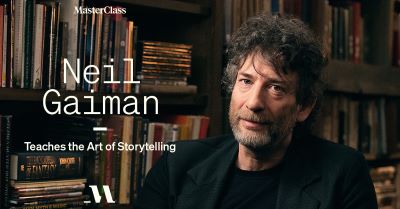
Have you ever heard of Masterclass? Masterclass is an online streaming platform where you can follow different classes in all kinds of categories. And the teachers? They happen to be the best and most famous people in the world.
Gordon Ramsey teaches you how to cook like a chef. Robin Roberts teaches about effective and authentic communication, and Ron Finley teaches an interesting and hands-on course about gardening.
Those are just a few of the available courses. Masterclass platform has over 80 different courses and more than 1000 lessons.
Get yourself an Annual Membership to Masterclass Today.
You probably didn’t have much time to meet with old friends during the time you were still working a busy job. So now that you’re retired, it is a perfect time to catch up with the people you didn’t see or spoke to in a while.
Go to your contact list and ask yourself with whom you want to reconnect. Sometimes you lost contact because that’s just something that happens over time. Or maybe you got different interests than your (old) friends. But it is always a good idea to look up some old friends.
Maybe it will grow to new friendships again, and you never know what happens. Just pick up the phone or send a text and go from there, don’t make it to hard for yourself. Meeting people you didn’t see in a while is supposed to be fun!
The good thing if you haven’t spoken to each other in a while, is that a lot has happened over time, so there’s a lot to talk about! 😉
3.) Look Up Family
Retirement is a time to spend more time with your (close) family. And just like with your friends, there’s a good chance you didn’t see some family members for a while. Now that you have more time, it is an excellent opportunity to visit them.
Maybe your family members live further away, which makes it difficult to visit each other often. But since you’re retired, you have more time, and you can easily plan a road trip to visit your family. And maybe you’ll make some new friends along the way as well!
If you have children and maybe grandchildren as well, retirement is a perfect time to spend more time with time. You probably see your children quite often, but maybe you can also help them out with taking care of your grandchildren once a week or so.
If so, it’s also a great way to meet other people. You can take them to the park, or when you are bringing them to school. Maybe you meet other grandparents who are also babysitting, and you can start a grandparents-babysit-club together!
4.) Get A Retirement Job
Working a retirement job is a great way to meet other people in retirement. The best thing about a retirement job is that you don’t have to work full-time. It’s less stressful, and you often can work flexible hours, one or two days a week. Whatever fits your schedule the best.
And you’ll earn some extra money, which is also a great benefit of having a retirement job.
When your main goal is to meet other people via your retirement job, make sure to start with a job where you’re part of a team. This way, it is easier to connect with your colleagues, and thus easier to meet other people.
Avoid getting a job where you work most hours alone, like working as a mailman or delivery guy.
If you want some help with finding ideas for a retirement job, I recommend reading my article, 50 Best Jobs For Retirees.
5.) Start Volunteering
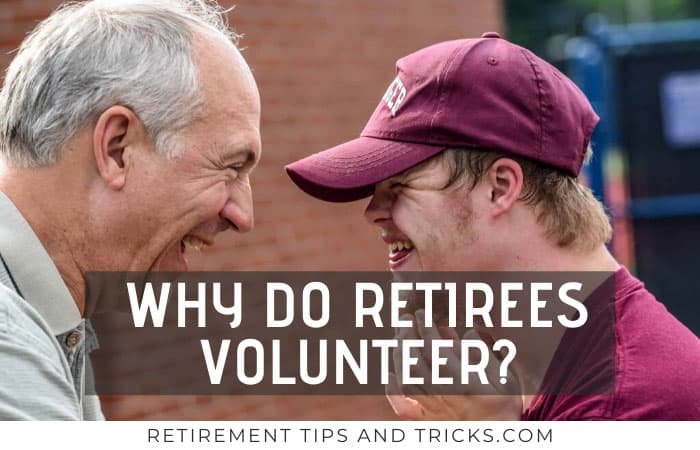
Volunteering is a great way to spend your time in retirement and to meet new people in retirement. Often when you’re volunteering, you commit yourself to a task or specific hours a week. So before you start with volunteering, you must ask yourself if you want to do that.
The best thing about volunteering is that you can help other people. Sometimes you help people that are in need of help, but often also just to have a fun time with people that are more lonely in life. So, you’re not only helping yourself reaching more fulfillment, but also help other people feeling happier. It goes both ways, which is the thing I love most about volunteering.
Many volunteering jobs are in a local community or via a church or foundation. For some volunteering, when it’s a more serious role, you’re obliged to get through some background checks. But for most volunteering jobs, you can just apply and start.
In my article, Why Do Retirees Volunteer?, you’ll find more information about the benefits of volunteering, and how to get the most out of volunteering in retirement.
6.) Travel
I definitely feel that traveling is one of the best ways to meet other people. If you already read some of my other articles, you know I’m a bit opinionated about traveling. I travel almost fulltime around the world myself, together with my family.
I’ve been traveling since I was still in college and worked in different countries around the world. Being on the road is truly one of the most easiest ways to meet new people.
The thing about traveling is that other travelers are also open-minded. Somehow it’s easier to connect with a fellow traveler than, let’s say, someone that lives further down the street. Funny how that works, actually.
When you travel for a longer time, and maybe in other states or countries, you’ll also meet people from different cultures and backgrounds.
It’s one of the best things you can do when you want to meet other people in retirement. If you have the chance, get out there and start traveling!
I can imagine that if you’re not experienced travel, it can be a bit scary sometimes to make longer trips to a different country or state, where you never have been before. Give it up for group travels! Or you can go on a cruise with a fully organized trip.
There are so many opportunities where you can see more of the world, and meet other people. If you want some more inspiration, I recommend reading our travel articles;
Joining a club is one of the best ways to meet other and like-minded people in retirement. There are many different clubs you can join, depending on your interest.
If you find it challenging to join a new club at first, maybe you can ask your spouse or a friend to come with you. It’s often easier to attend to something new when you’re in the company of someone you trust.
Some ideas of clubs you can join are;
Sportsclub
Bookclub
Swimmingclub
Golfclub
Chess club
Writing group
History club
A great way to find clubs that are nearby is using the app Meetup.
8.) Attend Events
If you’re serious about meeting other people, you can attend (larger) events like a sports event or a community event.
Most events attract a lot of people, and just like with traveling, people are more open-minded during those gatherings. Just find something close to your home that interests you, buy tickets, and have a good time. Maybe you can go with your spouse and make a date out of it, or perhaps you can gather with some friends and meet other people during the event.
9.) Start Dating
When you’re single in retirement and what to meet other people, you can start dating. Many single retirees find it a bit scary to start dating at an older age, but why not give it a shot?
There are many dating events for elderly where you can meet other people. And if you just want to start from your home, maybe you can start with a dating app or something. I don’t know much about online dating, but when I did some research online, I found silversingles.com, a dating site for people that are 50+. Maybe you’re lucky, and you’ll find the love of your life in retirement!
10.) Become A Coach
As a retiree, you have some knowledge that you can use to coach others and younger people. Maybe you worked in a job where you can become a mentor for younger professionals. Or maybe you love to help others getting their life on the right track. If so, you can become a life coach as a retiree.
Becoming a coach is a great way to meet other people int retirement. If you know that you have got a lot of knowledge to share, but aren’t an experienced coach yet, you might want to follow a coaching course. Coaching Training Alliance is a great way to start with your first steps as a life coach.
There are many ways to stay active and get the most out of your retirement. One of the most important things is that you prepare for the things you want to do as a retiree. Many of the articles that I wrote can be helpful for you. Some of the most popular articles on this website are;
As a new retiree, you might be wondering, how do I spend time after retirement? I did some research and created this extensive list with 15 ideas and activities for spending time after retirement. Let’s get started.
1.) Find A Hobby
You probably already have a hobby, like most people. With more time to spend in retirement, you might want to find a new hobby or spend more time on what it is you’re already doing. A hobby can be everything, all kinds of activities you like to do.
The most important thing is that you have fun while you’re doing it. The definition of a hobby, according to Dictionary.com, is: “an activity or interest pursued for pleasure or relaxation and not as a main occupation.”
When you take this definition literally, you can say that everything you do in retirement can be seen as a hobby! Still, many people are struggling to find activities they can do as a hobby.
Maybe you love listening to music or make music yourself like playing the piano or the guitar. Or perhaps you’re into photography and want to spend more time on improving your skills in retirement.
To give you some inspiration you can start a Garden Tower Project or start knitting with Knitcrate: a box with new knitting projects and material send to your door monthly. Another cool thing to do in retirement is to create a Legacybox and digitalize all your (old) media to reminisce on the good old times. And if you like a nice cold beer you can make your own beer with a Beer Making Kit from the Brooklyn Brew Shop. You just have to start somewhere and finding your retirement hobby becomes a lot easier.
Popular Retirement Hobbies
Hobbies and interest change during life and when you get older. So there’s a good chance that the hobbies you had during your thirties don’t interest you anymore. They can, however, be useful as an inspiration to find new hobbies in your retirement.
When you’re looking to find a new hobby, we can also look at the popular hobbies other retirees spend their time on in retirement. Some of the most popular hobbies for retirees are;
Cooking
Everyone needs to eat, so why not making some fun with it. Experiencing new recipes is a fun thing to do in retirement. You can experience more with healthy meals, get better at grilling with a Texas-grilling with a lesson from Aaron Franklin or learn more about a famous family recipe you always wanted to make. It is all up to you!
Did you know there are online courses where you can learn to cook like a Masterchef? On Masterclass you can get lessons from the greatest chefs in the world:
Gabriela Camara Teaches Mexican Cooking
Chef Thomas Keller teaches cooking techniques
Massimo Bottura Teaches Modern Italian Cooking
And many more.
These classes are for any skill level and the greatest part is that you can learn at your own pace, anywhere and anytime on any device. That’s what retirement should be all about. Check out all the classes on Masterclass;
Knitting is a great activity when you want to create something new. You can find inspiration everywhere, and create your own clothes, accessories, a rug, or something else. Get creative, and almost everything is possible!
Puzzling
Puzzling is widely known as a stress reliever, and also a great activity to boost your brain. It’s a mindful activity because you need to concentrate while solving a puzzle. Puzzling is also a recommended activity to keep your mind active in retirement.
Photography
Not long ago, becoming a photographer was a dream of many and hard to learn. Luckily today, it’s straightforward to become a photographer and create the best images. You only need a recent smartphone with a good camera, and you’re good to go.
Of course, you can go all out and buy more professional equipment. But when you first start with photography, just go with the things you already have, see if you like it, and if so, you can always buy yourself new and better equipment.
If you want to invest in photography, I would recommend taking a course first, where you learn more about the basics of compositions and other stuff. You can learn from the best photographers in the world: Annie Leibovitz and Jimmy Chin on Masterclass. Check it out here.
Golfing
Golfing is a great activity to do in retirement. You get to be outdoors. It is a social activity because you always golf with someone else, and you’re physically active when walking the golf course. It still can be an expensive activity, but since it is very popular, golfing becomes more and more affordable for everyone. So, get yourself a golfing set and start golfing in retirement.
A great way to spend time after retirement is by taking a class. Learning new things helps you grow as a person and keeps you mentally fit.
Did you know that many colleges in the United States offer specific programs for seniors? As a retiree, you can often provide from high discounts and sometimes even free classes! A unique opportunity if you always wanted to go back to school to get another (or your first) degree. I found a great list of universities and colleges per state here.
Get A Masterclass Account
I already mentioned it a few times in this article. Masterclass is a unique platform for following online courses from the most successful and World’s Greatest.
Masterclass offers over 80 different classes and more than 1000 lessons in all kinds of categories. The classes are very easily accessible for every skill level.
The courses on Masterclass are both interesting if you want to learn new skills and when you want to improve your skills for one of your hobbies.
You can learn from the best in the world via Masterclass. A few of the available courses are;
After a busy and long career, many people struggle to find their new identity in retirement. Retirement is a life-changing event, so it’s not strange if you find it challenging to. You’ve probably been preparing for your retirement a while, and you might have some ideas about how you want to spend your time in retirement. However, it is also essential to allow yourself to do nothing.
After working for many years, and probably many hours a week, it’s time to relax more. A lot of people are inclined to replace their work activities with new activities in retirement. But before you know it, you have a busy schedule with many different things to do and no time to relax and enjoy.
I’m not saying you just have to sit at home and do nothing; on the contrary, it is important to stay active in retirement. You need to find the right balance between activities and doing nothing. I’ll tell you later more about that.
Allow yourself to do nothing is all about that you allow yourself to slow down. Which is an important thing in everyday life, not only in retirement. But retirement is the ideal chance to stop with the rat race and start enjoying the little things.
It helps you to get a clear mind, and when slowing down or doing nothing, it easier to learn how you really want to spend your time in retirement.
As a retiree, you have much more time to spend than you did before when you were still busy with work. What better way than to spend this time with family and friends? It may sound obvious because everyone wants to spend time with their loved ones. However, during our busy careers, we can’t always spend as much time with them as we like.
I just told you about allowing yourself to do nothing. That’s all about slowing down, and when you get the hang of it, you’ll learn more about the things you find truly important in life. For many of us, this means spending more time with the elderly people we care about.
You can fill it however you like to, maybe you have some friends you didn’t see in a while and want to catch up. Or perhaps you want to spend more time with your children and grandchildren. Or when someone is living further away, it can be a great time to plan a road trip and visit them! It is all possible!
Do you know that feeling that when you have a holiday or some time off, and you finally have time to read a book? I just love doing it!
Sitting in the garden or in the living room, during a quiet afternoon, and nothing more than me and the book I’m reading. I love it! It’s the perfect way to slow down and get away from the rat race. And the ideal way to spend time after retirement.
You may also have a list of titles you still want to read, and now you finally have the time for it. If you love talking about the books you’re reading, you may want to join a book club—a perfect way to stay social in retirement and increase your social circle. Which is an important activity, and I’ll tell you more about it later.
Best E-Reader To Use
Honestly, I still love reading paperbacks the most. But I’m getting more and more used to using an e-reader. It is actually quite handy, you can bring it everywhere you go. Battery life is very long, it doesn’t weigh much, and you can save tons of different books on just one e-reader. And the best thing? It is often cheaper than buying paperbacks all the time!
I think I’ll use both an e-reader and paperbacks for a while. However, when you start to spend more time on reading after retirement, you might want to buy an e-reader. And use it as your main device for reading books. There are many e-readers on the market, but I feel Amazon Kindle is the best one out there.
Amazon Kindle devices are lightweight, waterproof, and have a lot of storage space. I would recommend buying the device with an Amazon Kindle Unlimited membership. It’s like the biggest library of ebooks and audiobooks you’ll ever find. The ideal way to spend more time reading or listening to audiobooks after retirement! Find the latest prices on Amazon.
6.) Go Travel
I can recommend everyone to go traveling. As a fulltime traveler myself, I am a bit opinionated, sure. But I feel traveling for a longer period is one of the best gifts you can give yourself.
You can go wherever you want, of course. You don’t even have to go to a different country. Maybe you always dreamed of a road trip through all the states of the United States. And learn more about the cultures, people, and their way of living in each state.
When you want to travel through the United States, you might want to read my article Best Roadtrips in The United States. Where I share over 20 awesome road trip ideas.
You can buy a campervan or RV, hit the road and start exploring. The beauty of traveling in retirement is that you can go as long as you want. It’s not that you have to be back for your job on a specific day!
I can only recommend doing so if you want to travel to other countries in the world, explore the beautiful nature and cultures, and learn more about history. Like I said, traveling is the best gift you can give yourself. When you go out there and meet people from other cultures, you’ll feel more enriched.
When you start planning to travel, I recommend reading my articles in the travel category. You’ll find many helpful tips in there. Articles that are a must-read when you prepare for traveling are;
Many retirees want to get more involved in their local community after they retire. Volunteering is an excellent opportunity for that. The plus side of volunteering is that you’re not only helping others. There are many significant side-effects when you sign up for a volunteer job.
When you volunteer, you’ll get more fulfillment. You get the feeling that you spend your time after retirement useful by helping others. Fulfillment is a feeling of happiness, so by volunteering, there’s a good chance that you’ll get a more happy and positive feeling about yourself and the things you do. Which often results in more energy and higher self-esteem.
Often people think that volunteering is only about helping others in need. Of course, many volunteering jobs are focused on helping the less fortunate, but many other things involve volunteering. For example, you can start as a sports coach at the local sports club, become a senior buddy at a local care center, or help organize a local community event.
Before you start with volunteering, it is essential to know what you want to get out of it. And if you’re ready to commit yourself to a volunteering job or task. If you’re going to start with volunteering after retirement, I recommend reading my helpful guide, Why Do Retirees Volunteer? (The Benefits Of Volunteering)
8.) Find A Retirement Job
If you want to earn some extra money during your retirement, you can start with a retirement job. Don’t worry, you don’t have to commit yourself for a full-time job!
The benefits of most retirement jobs are that they’re easy to do often involve a commitment of one or two days a week. And it earns you some extra money, which you can use for fun things to do in your retirement. Like saving for that amazing road trip!
Many retirees choose for an easy job in a museum, library, or local community center. But you can also choose for a retirement job where you can make use of your professional skills.
If you want to help people and also want to get paid for it, it’s time to become a coach. As a retiree, you have a lot of professional and life experience, which you can use to help others.
There are different roles you can have as a (professional) coach. You can become a mentor or a life coach for younger people. Help them with their professional development.
Or maybe you can become a coach at your former company, and help executives with their career choices. You have many opportunities when becoming a coach, and the beauty is that you can plan the coach sessions everywhere in the world. You work online if you want and plan coaching sessions via Skype or something else.
Coaching Training Alliance
When you decide to become a coach, you must improve your coaching skills. A great way to improve your skills and become a certified coach is via Coaching Training Alliance.
They offer several courses so that you can become a certified life coach and get the most out of your coaching career in retirement. Learn more about their programs here.
10.) Exercise Daily
Physical activity is, according to the CDC, one of the most important things you can do when it comes to healthy aging. They say that it can prevent health problems that come with age.
So, if you want to enjoy your retirement as long as you can, make sure to exercise daily. Plan your exercises every day, so that you make it a daily ritual. For example, you can start in the morning by going to the swimming pool, or take a walk in the park.
Move more and sit less. It’s the slogan of the CDC when it comes to physical activity for elderly people. Their advice is to do at least 150 minutes of Aerobic exercises a week (that’s around 30 minutes a day), and two times muscle strengthen training. When you’re in good physical condition, you can extend those exercises. According to the CDC, your health benefits increase when you do more physical activities.
11.) Expand Your Social Circle
Spending time on social interactions is also important for your health. And it is a fun thing to do. We all love meeting with our friends, family, and other persons we love. According to Harvard Health Publishing, elderly people with a broad social circle, have a higher chance of a more active and healthy lifestyle.
However, when we get older, our social circle often gets smaller. We lose contact with old friends. When we retire, we lose a lot of the social connections we had at work. And the older we get, the more people die. It’s just part of life.
It may sound a bit negative, but these are merely the facts. But you can prepare for it, and spend time in retirement to expand your social circle. Get to know new people, so that you’ll stay active and make sure you get enough social interactions.
Activities like volunteering, having a job in retirement, and traveling help to expand your social circle. I recommend reading my article on How To Stay Social In Retirement when you’re looking for helpful tips.
12.) Learn A New Language
I already mentioned it a few times, learning new things is a great way to spend time after retirement. It helps you to stay mentally fit, you improve yourself, and by learning new things, you stay curious.
Learning a language can take some time, but there are many great tools you can use that helps you in the process. Duolingo is a famous and worldwide used app, where you can easily learn different languages from all over the world.
Picture this; How awesome it is that when you travel to Spain or another country in Europe, and you’re able to speak the local language!
13.) Write A Book
Many people want to spend their time in retirement by writing memoirs, family stories, or just a book they had in mind. Writing can be a mindful activity, but it can also be challenging. Especially when you don’t have any experience in writing.
I write almost every day. Mainly articles that I publish on this website. My goal is always to be as helpful as possible. Although writing articles is different from a book, for me, it helps when I did some research about the topic I’m writing about before I start. And then I just start writing, when you come in a ‘flow,’ you can add important sources and facts along the way.
A great tool that I use with writing is Grammarly. This automatic grammar check also helps with rephrasing your sentences if they’re too ‘wordy’ or complicated. I think it’s a perfect tool for everyone who wants to write in English.
When you’re serious about starting with writing, you might want to start by following a Masterclass to improve your writing skills.
14.) Start Gardening
Gardening is a great activity to spend time on after retirement. You can start your own herb garden, or just with the flowers you like. If you get more serious about gardening, you can spend hours on it!
A great way to learn the basics of gardening is by following a Masterclass of Ron Finley. He teaches the basics of gardening.
15.) Try Something New Once A Week
The last one on this list; Try something new, at least once a week. I think it one of the most important things to do in life. Trying new things helps you to keep a fresh mind, just like with learning new skills.
Some people find it challenging to come up with ideas of new things to do. But it doesn’t have to be very complicated. You can just start with, let’s say, go to the supermarket on your bicycle instead of in the car. Or get up early in the morning every day of the week.
There are many things you can think of. One of my favorites is; plan to see the sunset or sunrise every day for at least a month. We love doing that while traveling.
If you want to start with this idea of trying new things, I recommend making a list and actually plan the things you want to do. You can just write down the activities you come up with.
Whoops! You made it to the end of this article. Looking for more inspiration about things to do in retirement? Other articles that I wrote, and you might find interesting to read:
Many retirees find volunteering to be a rewarding activity. You might be curious about the reasons behind its popularity and how to get started, especially if you’re considering volunteering yourself. To help you out, here are the key things to know.
What Are The Benefits Of Volunteering As A Retiree
Retirement is a time of exciting possibilities, but it can also be a period of adjustment, especially when it comes to maintaining a sense of purpose and staying healthy. Volunteering can be a powerful tool to help with this, bringing fulfillment, social connection, and even physical and mental health benefits.
Let’s explore these benefits in more detail:
Volunteering Creates Fulfillment
Fulfillment is like happiness, but it’s a deeper feeling. It’s the kind of satisfaction you get from doing something worthwhile, like keeping a promise or helping others. Some people mix it up with just having fun, but fulfillment is more lasting.
Volunteering is a great way to feel fulfilled, and it’s not just for retirees. Most people find a lot of satisfaction in their jobs, but after retirement, they need something new to give them that good feeling. That’s why retirees often volunteer more.
But volunteering isn’t the only path to fulfillment in retirement. There are many ways to find happiness after you stop working. If you’d like some ideas, check out my article: How To Get Fulfillment In Retirement.
Also, if you want to know more about the fulfillment that volunteering brings, there’s a book called Human Kind with inspiring stories about how small acts of kindness can make a big difference around the world. It can definitely encourage you to start volunteering.
Volunteering Improves Social Interactions
As mentioned, work and careers provide fulfillment, but they also provide much-needed social connections for everyone. When people retire, these connections can disappear or weaken, which can lead to feelings of isolation and loneliness.
Volunteering is a fantastic way for retirees to expand their social circle. It gets them out and about, meeting new people beyond their usual friends and family.
Volunteering isn’t just about socializing; it’s essentially a job without a paycheck. Because of this, volunteering can feel like work, involving a lot of physical and mental activity. It often keeps volunteers on the move, which heavily promotes physical health.
And this is a good thing. After all, staying active is crucial for overall health, including social interaction and activity levels. For example, biking to a volunteer opportunity can help a retiree meet the CDC’s recommendation of at least 30 minutes of daily aerobic activity for older adults.
Meanwhile, many retirees worry about lacking mental stimulation. Keeping the brain active is vital, and social interaction can help. Volunteering often provides mentally stimulating tasks, which can improve cognitive function.
How To Find The Right Volunteering Role As A Retiree
Not just any volunteer job will do. Just like with a career, finding the right volunteering role is key to reaping the benefits I discussed earlier. The perfect fit can lead to a far more meaningful experience.
To find the right volunteering role, start by understanding what you want from volunteering. Consider questions like why you want to volunteer, what activities interest you, and if you want to utilize professional skills or learn new ones.
Be sure to not tackle these questions alone. Discuss them with your spouse, friends, or former colleagues. Their insights can help you uncover your retirement passion, which could perfectly align with the right volunteering opportunity.
Also, many local organizations offer volunteer positions. Consider community centers, churches, or even sports clubs. They may have openings that fit your interests and skills perfectly.
If you have no idea where to start, here are some of the common volunteering roles retirees often take:
A Foster Grandparent: Volunteering as a foster grandparent involves providing guidance and attention to children in need. Activities include helping with homework or engaging in fun activities. To become a foster grandparent, you can apply through the National Community Service’s Americorps Seniors. Typically, a background check is required, and volunteers are expected to commit to a minimum period or specific hours per week.
A Senior Companion: The Americorps Seniors also offers volunteer opportunities as a senior companion. In this role, volunteers assist individuals aged 55 and older with daily tasks they find challenging. The program aims to support seniors in living independently at home for a longer duration.
A Mentor Or Coach: Volunteering as a mentor or coach in your professional field can be rewarding. However, coaching requires different skills than traditional professional work. Consider taking a course through Coaching Training Alliance to enhance your coaching abilities before diving into this role.
Volunteering as a retiree is a fantastic way to get involved in your local community, stay active, and fill your retirement with purpose. To ensure you get the most out of your volunteer journey, here are some helpful tips:
Be Committed: When you volunteer, you’re committing to a task or job, and people rely on you. It’s essential to make commitments you can fulfill and avoid over-committing. Remember, volunteering is a job, but you don’t have to work every day. Balance your commitments with enjoying your retirement.
Be Aware: Before applying for a volunteer role, be aware of any specific qualifications, background checks, or training requirements. Understand the processes and commitments involved beforehand to avoid unexpected obligations. It’s essential to know what you’re getting into before committing to a volunteer position.
Be Inclusive: Volunteering might feel daunting if it’s new to you, especially after retiring from a long-held job. To ease into it, consider bringing a friend or your spouse along. Starting together can make the experience more enjoyable and less intimidating, as you can support each other and feel more at ease interacting with others in a new environment.
Be Discerning: Learning to say no is crucial for maximizing your volunteering experience. Many organizations appreciate any help they can get, but it’s important to set boundaries to avoid overcommitting. Be clear from the beginning about your availability and the tasks you’re willing to undertake to prevent taking on too much as a volunteer.
Be Proactive: Continuously learning and improving can enhance your skill set, benefiting your role as a volunteer. MasterClass is a great platform for learning new skills and expanding your knowledge base.
By following these, you can approach volunteering with confidence and ensure it becomes a truly enriching experience for both you and the organization you choose.
Conclusion
Hopefully, this has provided valuable insights into the reasons why volunteering is popular among retirees. Additionally, it has explored how you, too, can get involved in volunteering as you transition into retirement.
And for further inspiration, you might be interested in exploring some of my other recent posts:
It can be challenging to socialize after retirement. For many people, their social life is often work-related. When you’re retiring from work, there’s a chance you lose many social interactions. And that is probably why you ask yourself: How Do I Socialize After Retirement?
I did some research, and I’ll share 11 helpful tips on how to socialize after retirement.
1) Take A Class
You’re never too old to learn, right? A great way to socialize after retirement is by taking a class, and there are many ways you can do that, you can find a complete list of fun classes in my article 50 Fun Classes For Retirees.
Did you know that many colleges and universities in the United States offer free or discounted classes to seniors? It is an excellent opportunity for you as a retire to back to school! This article on moneycrashers.com shows a complete list of statewide college programs for seniors.
Taking a class improves your social interactions because you’ll meet other people. It also helps to keep your brain active, which is related to healthy aging, you can find more information about this topic in my article How Can I Keep My Brain Active In Retirement?
Take A Masterclass
Online classes are very popular platforms to keep learning. Many people think that it is less social, but it’s quite the opposite. With most online courses, you also get access to a community of other students, which can help with your social interactions and, thus to socialize in retirement.
Have you ever heard of Masterclass? I feel it is the best online platform for taking a class. You can learn about all kinds of subjects. And the teachers? They just happen to be the most successful, inspiring, and famous people in the world.
Ever thought of a cooking class from Gorden Ramsey, or how to improve your tennis skills taught by Serena Williams? Or what about learning how to play guitar with lessons from Carlos Santana. Masterclass offers over 80 classes and more than 1000 different lessons in all kinds of categories. Check them out here.
A perfect way to socialize after retirement is by joining a club of like-minded people. Spending time with people that share the same interest is a fun thing to do. When you have never joined a club before, it might be a bit scary at first. But don’t worry! Just look for clubs or groups where people are gathering with the same interests.
For example, when you love reading books and talking about it, you can join a book club. Or when you like to paint, you can look for a club or group, so that you can paint together.
Maybe you already have a club in mind that you want to join, that’s awesome! If not, perhaps you know some people that are in a club or group that interests you. Maybe your neighbors, friends, or family. Just ask around, and they can probably introduce you if you ask them to.
Of course, there are also ways to find a club online, via meetup, for example. Meetup is a platform that provides gatherings all around the world with like-minded people.
3) Visit Family and Friends
When you’re retired, you’ll have a lot more leisure. It’s a perfect time to visit family and friends you haven’t seen in a while. Often during our busy careers, we don’t have time to catch up with our loved ones as often as we like.
Retirement can be a perfect time to catch up, even with family or friends that live further away. Remember that it is never too late to catch up with someone. You might be surprised how much you’ll enjoy these contacts again!
4) Volunteer
Now that you have more time, it is a great chance to get involved in your local community. Maybe you already did some volunteering during your career. If so, you can, of course, keep doing it. And if not, retirement is a great time to start.
Working a volunteer job doesn’t mean you have to work fulltime. Often you can choose how many hours you can put in the work, depending on how much spare time you have.
Volunteering is about helping others in the community, doing good for each other. And the beauty of volunteering in retirement is that it not only helps you to socialize after retirement. It also gives you a purpose, you’ll create new contacts, and there’s an enormous chance that it will make you happy.
When you search on why helping others is making us happy, you’ll find much interesting information. There’s a famous Chinese saying, you probably heard before;
“If you want happiness for an hour, take a nap.
If you want happiness for a day, go fishing.
If you want happiness for a year, inherit a fortune.
If you want happiness for a lifetime, help somebody.“
If you want to learn more about why helping others helps us feel more happy and meaningful, I recommend reading this article on Greater Good Magazine.
So, volunteering helps you to find more fulfillment in your retirement, it is a perfect way to socialize, and it is straightforward to start. Not sure where to start? These tips will help you;
Ask your neighbors if you can help them with something
Ask around at the local community center or an elderly home
Another great way to socialize in retirement is by becoming a mentor or coach. Most people retire at an age where they’ve learned a lot of life lessons, and during your career, you built up a lot of knowledge about your profession. You can easily combine this knowledge and help others, often younger, to find their way in society.
There are many ways on how you can become a mentor or coach. It can be as easy as starting as a sports coach at the local sports club. Maybe one of your grandchildren plays baseball or something, and you can help coach the team.
Or when you’re looking to do something more related to your previous job, you can become a career coach or mentor—helping others to learn more about your previous profession.
Become a Tutor
If you know that you’re good in a specific topic, and love to teach and help others with it, maybe becoming a tutor is a good idea. For example, you can help high school students on a specific topic.
There are many online tutoring platforms where you can apply as a tutor. It is a great way to start, and can probably earn you some extra money.
Become a Mentor
When you’re looking to help someone more work-related, you may want to become a mentor. As a mentor, you often help younger colleagues learning the job. It is a somewhat formal role, where you become a trusted advisor for the one you’re mentoring. Often you become a mentor for a longer period; you really help someone at a certain time in their career.
Keep Up With Your Coaching Skills
Improving your coaching skills is important if you want to keep coaching and helping others. It enables you to stay up to date with the best techniques and become a better coach when you keep learning yourself.
The ‘coach the coach’ principle is a proven method to improve coaching skills of a certified coached. A perfect way of doing this is viaCoaching Training Alliance, a global online platform where you can follow certified coaching programs and courses to improve your coaching skills. Learn more about this program here.
6) Stay In Touch With Your Colleagues
Retirement doesn’t mean that you’ll never speak to your colleagues again. Sure, you’ll see them less, and probably the relationship changes over time, but there are many ways to stay in contact with your former colleagues.
For many people, the social contact they had via their jobs were a large part of their social lives. So if you don’t want to lose that when you’re retiring, it is important to find out if your company has a retirement club or something similar.
Many companies invite retirees to their annual events, and some companies even have specific events for retirees who previously worked at the company. Ask your HR department or manager for the possibilities at your company. You might be surprised how easy it is to keep up with your social contacts at work!
Preparation is always important. Especially when you know that a major life-changing event is coming up, retirement is such an event. I wrote several helpful articles when you’re preparing for retirement; you can find a complete guide in my article, What Do I Need To Know Before I Retire?
One of the things I mention in that article is the importance of socializing after retirement. I’ll tell you more about it later in this article too. Still, when we’re aging, there’s a good chance our social circle decreases over time, and thus we have less social interactions.
To avoid that your social circle decreases too much, it is important that you start expending your social contacts before retirement. According to this article on Harvard Health Publishing, older adults with a larger social circle beyond family and a few friends are more likely to have a higher amount of physical activity and greater positive moods, which is linked to many health benefits.
All the things I mention in this article help improve your social circle, and you can easily start with it while still working.
8) Join A Sportsclub
I already mentioned joining a club when you’re retired a few times. Joining a sports club is more specific because it is an excellent opportunity to socialize after retirement and can benefit your health. In the last part of this article, I’ll focus more on the benefits of staying active in retirement.
There are many different sports activities you can do with other people. For example, you can go swimming, running, follow a Yoga class or a group lesson at your local fitness club.
The most important thing is that you find something you love doing, it is easy to reach, and you can interact with other like-minded people.
9) Go Travel
One of the best ways to socialize with new people is by traveling around. When you travel, it is easy to meet people, you can learn so much about how people are living elsewhere just by interacting with each other.
As a full-time traveler myself, I find that meeting other people is one of the most inspiring things of traveling. It doesn’t really matter if we’re traveling in our country or abroad. It’s just so inspiring to learn about what other people find important in life and learn about their cultures.
Traveling is definitely one of the best ways to socialize with people you meet along the road. Just be open-minded, and make sure you go to places where it is easy to meet other people.
I’m not saying that you need to start working fulltime in another company. Not at all! It is important to enjoy your time off in retirement. However, there are many jobs where you can work for like one or two days a week, meet new people, and earn some extra money (which can be helpful to save for your travel budget!)
If you’re applying for a job when you’re retired, keep in mind that it must be a fun job, low stress, and flexible working hours. I listed 50 different jobs for retirees in this article.
11) Stay Active
By staying active in retirement with activities such as sports, visiting friends and family, volunteering, and all the other things I mentioned in this article, you’ll automatically increase your opportunities to socialize.
I already mentioned the importance of a broad social circle, that is linked to many health benefits, according to Harvard Health Publishing.
However, there are more things you can do to stay active. There are basically three categories when we talk about staying active in retirement. Socially, Physically, and Mentally activities. All categories are linked to one other.
The CDC says that staying physically active is important for healthy aging. It can prevent problems that come with age, and it is relatively easy to stay physically active. You can find the CDC guidelines for physical activity here.
Mentally or cognitive activities are also important for healthy aging. You can find background information about the importance of those activities in this article on the National Institute on Aging.
They say that activities like hobbies, learning new skills, and playing games help improve memory and other cognitive skills. The exciting part is that most of these activities are also activities where you socialize with other people.
If you’re looking for more inspiration on how you can stay active in retirement, I recommend reading my article, How Can I Stay Active In Retirement?
To summarize, socializing after retirement is important to reach fulfillment in your retirement. It helps you to stay busy and enjoy your time as a retiree.
There are many more things you can do to get the most out of your retirement, which also benefits your social interactions. Similar articles on this website that might be inspiring, and I can recommend to you are;
Retirement is life-changing, and sometimes it can be challenging to adjust to retirement. I did some research and looked into the things other retirees do to adjust to their retirement. It resulted in this practical step-by-step guide.
1. Prepare For Retirement Financially
Saving for retirement is important because it creates some stability for your upcoming retirement years. When you know how much money you have in retirement savings, it is easier for you to adjust your lifestyle in retirement.
Knowing more about your financial situation helps you to determine how you’ll fill in your retirement years. Preparing financially for your retirement is like one of the first steps when you start preparing for retirement. And when you start at an early age, you probably can save up a nice retirement budget.
Now, I’m not a financial advisor. I merely try to be as helpful as possible, so you can adjust to retirement more easily. However, it is recommended to talk to a professional financial advisor. Which might be possible via your employer or via The National Association Of Financial Advisors.
This all may sound obvious. Still, the facts are that most people in the United States struggle to save for retirement. According to the national institute of retirement security (NIRS), almost 40% of people that are 60+ years old, have only a social security income.
There are actually many other ways how you can save for retirement. The most commonly known are;
Employer pension plan(s)
401(k), 403 (b) or IRA savings
Personal savings
This helpful video explains the most important things you need to know about 401k and IRA savings methods;
When you’re living together with your spouse, it is also important to consider your financial situation as a couple. It is beneficial to prepare for retirement together, so you also know what to expect when you both come closer to the retirement age. In my article Retirement Planning Guide For Married Couples, you can find a lot of helpful information.
So, to summarize, knowing your financial situation helps you better adjust to retirement. You don’t have to stress if you’re financially ready to retire, and you can focus on other important things. Because there’s a lot more, you can do to adjust more easily to retirement.
2. Prepare For Retirement Mentally
Retirement is a major life-changing event for everyone. You’ve worked almost your whole life to get to this moment. However, when you’re not prepared in the right way, you’ll be having trouble adjusting to retirement.
We already covered the importance of financial preparation for retirement. Still, many people forget the importance of mental or emotional preparation.
There are basically two reasons why retirement is life-changing;
You stop working
You can do whatever like
These are the reasons why adjusting to retirement can be a struggle for many. Maybe you’re emotionally ready and look forward to your retirement, but have no idea what to expect. Or perhaps you still love your job so much, that, deep in your heart, you don’t want to retire yet.
Either way, mentally preparing for retirement is important, and ideally starts between 1 – 5 years before your actual retirement. The best way to start with this preparation process is to visualize your life in retirement. How is your life going to be? What are the things you’re going to do once you’re retired? And so on.
Thinking about how your life is going to look like in retirement, helps to transition or adjusting into retirement more easily. Maybe you can go on a ‘pre-retirement,’ where you take some time off and learn more about how your life looks like once you’re retired.
Many people are finding it hard to identify themselves once they’re retired. For years they referred to their identity with their job position. Like when you were a realtor or police officer. But when you’re retired, you don’t hold that position anymore. So you need to rediscover your identity in retirement.
Mentally preparing for retirement is also the first step in rediscovering your new identity in retirement. I’ll tell you later more about that.
First, let’s focus on the process of retirement, and the phases or stages everyone gets through once they’re retiring.
When people first talk about transitioning into retirement, you often hear them talk about the stages or phases of retirement. It is helpful to learn more about these stages; almost everyone gets through five stages during retirement.
The five stages of retirement are behavioral and emotional stages that focus on periods from pre-retirement until you’re long retired. The stages are widely known as;
Pre-retirement Stage
It’s also known as the preparation stage. The years and months before you’re retiring and preparing what you want to do in retirement.
Honeymoon Stage
When you’re fresh in retirement, as a newlywed (hence the name ‘honeymoon.’) Sometimes this stage is also described as the ‘liberation phase.’ Either way, during this phase, everything is new and excited. Most people look forward to starting their time in retirement.
Disenchantment Stage
This stage is also known as the ‘worrying stage.’ Reality sinks in during this period. It is actually the stage where most people finding trouble adjusting to retirement. Luckily, for most retirees, this stage doesn’t take very long.
You’ll start questioning yourself about what you really want during retirement.
Reorientation Stage
When questioning yourself, you’ll naturally transfer into the reorientation phase. It is the period in retirement where you re-inventing yourself; you find your new purpose in retirement.
Stability Stage
The fifth stage of retirement is the stability stage. Most people don’t even notice when they’re in this stage. It’s because you have found your new identity as a retiree and living your comfortable retirement life.
You might be interested in learning more about the stages of retirement. If so, I recommend reading my article What Are The Stages Of Retirement?
4. Stay Active In Retirement
According to the CDC, physical activity is one of the most important things you can do as an older adult to prevent health issues that come with age. Move more, and sit less, is their slogan. With the physical activity guidelines, the CDC recommends everyone in the United States who is over 65 or older and generally fit, to do at least the following physical activity;
150 minutes of moderate-intensity aerobic exercises a week + 2 times a week muscle strengthening exercises.
It’s even better to exercise more if you’re up to it. You might think, how does this physical activity benefit me to adjust to retirement?
Well, it’s quite simple, it benefits healthy aging. You’re staying fitter in general, which is often linked to feeling better and more energetic. Thus, you’re able to enjoy your retirement more.
You’re never too old to learn. It might be even one of your new goals in retirement, learning new things. Like a new language, or learning how to play guitar.
A lot of people are afraid they stop using their brain after they retire, that they will miss the cognitive challenge. However, it is important to keep up with these cognitive brain activities. According to this article on Harvard Health Publishing, cognitive activities improve skills like problem-solving, concentration, and memory.
Staying mentally active keeps you ‘sharp’ and fit, so you’re able to enjoy your retirement activities more. When you’re looking for inspiration on staying mentally active, I recommend my article “How Do I Keep My Brain Active After I Retire?“ I share 10 helpful tips in this article.
If you’re keen on learning new things in retirement, I feel that the best gift you can give yourself is an annual membership to Masterclass.
Masterclass is an online platform with many different courses where your teachers are the most famous and successful people in the world. You can learn how to cook with lessons from Gordon Ramsey. Serena Williams teaches you how to improve your tennis skills, and Carlos Santana teaches you to play the guitar. Why wait? Let’s start learning a new thing today!
Next to staying physically and mentally active, it is also essential to keep up with your social circle. Let’s take a look at another article from Harvard Health Publishing. They say that broader social interactions are linked to many health benefits, like less chance of depression.
A risk in retirement is that you’ll have less social interactions. For many people, their social life is also linked with their work. However, there’s a lot you can to improve your social interactions in retirement. For example, sports. Many sports activities are taking place in (small) like-minded groups. A great way to improve both your physical activity and social interactions!
So, staying active helps you to adjust to retirement. It helps you to set new goals, and maybe it helps you even to find your purpose as a retiree.
5. Find Your Purpose In Retirement
One of the most important stages that help you adjust to retirement is the reorientation stage. The period where you learn what you really want to do in your retired life.
During this time, you’re basically rediscovering your identity. I mentioned it earlier, many people linked their identity with their job. For example, your job was a large part of your identity when you were a police officer for like 30 or 40 years. Now that you’re retired, this changed, and you have to discover again what you stand for in life.
It might sound a bit scary, ‘re-invent your identity,’ and maybe it is a bit challenging. Still, it is important to do when you want to adjust to retirement and enjoy your time as a retiree.
A few things that can speed up the process and make it easier for you. Maybe you already had an idea of how you want to spend your time in retirement. Perhaps you’ve things you’re really passionate about and want to spend more time on.
It’s also the time where you can make your dreams come true. Like travel the world, learn a new language, or maybe find a volunteer job to help local society.
The most important thing is that you find something that makes you feel good because only if you do something that’s closely related to yourself, it will be long-lasting and fun to do.
Purpose vs. Passion
Purpose and passion are closely related, but not completely the same. A purpose is something (or multiple things) you want to achieve, a goal or multiple goals that you’ve set for yourself.
According to dictionary.com, a purpose is an intended or desired result or goal.
Passion can be closely related to your purpose. Dictionary.com describes passion as followed; a strong or extravagant fondness, enthusiasm, or desire for anything.
So, you can be passionate about something, but it doesn’t have to be your purpose. For example, I’m very passionate about music, but I don’t intend to make my own music (I will save you the trouble).
I feel this saying describes the difference between purpose and passion best; “Your purpose is the reason you get up in the morning, and your passion is what you love to do most.”
Knowing your passion can help you to redefine your purpose. I wrote the article How To Find Your Passion In Retirement, which can be very helpful in this process.
It’s a very inspirational book. The authors describe what Ikigai means for the people living in Ogimi, a small village on the island of Okinawa. The village has the highest percentage of people that are 100+ years old and is one of the world’s blue zones. You can buy the book on Amazon;
What I found most interesting is that Ikigai not only refers to once purpose. For the people in that village, it’s more like their way of life. It turns out that there isn’t a word for ‘retire’ in Japanese. They always stay busy or active and involved in their community.
6. Structure Your Days In Retirement
When you stop working, you probably have an empty agenda. You don’t have to get up early in the morning. Maybe you’ve some appointments to catch up with old friends or family, but you are basically can do everything you want. You don’t have to plan anything.
It may sound ideal, “no appointments!” But there’s also a risk to it. If you lose your structure, it can lead to an unworthy feeling. And before you know it, you’re back into the disenchantment stage of retirement, I told you earlier about.
To prevent that, and to make sure you easily adjust to your retirement, it is better to structure your days. Don’t get me wrong, I’m not saying you need to replace your busy work life with other appointments that fill up your whole day. Not at all!
But it can help to create a new daily structure in retirement. Like getting up early each day, have a nice breakfast with your spouse, do some exercise (the important daily physical activity), plan time for coffee with friends. It is also important to plan time for yourself, where you don’t have to do anything, and enjoy your leisure time and find happiness.
One thing I learned from the people living in the Blue Zones is that they always have something to do. And all those happy retirees I met during my travels around the world have something in common. They all have a list of things they want to do in life.
A retirement bucket list can be a list of things you always dreamed of doing. It different than your purpose, because it mainly contains fun activities, things to do or learn. Your purpose can be ‘to complete my retirement bucket list’ 😉
If you find it challenging to come up with things you can do in retirement, it is recommended to start creating a bucket list. Just sit down with your spouse or some friends and write down everything you always think of doing. Let the creativity flow, and don’t hold yourself back with thoughts; ‘I can effort this and that,’ you can worry about later when you finalize the list.
It’s all about getting the best ideas of what you can do in retirement, so you get excited and want to get the most out of your retirement. If you need some help with ideas, I recommend reading my article, 101+ Ideas For Your Retirement Bucket List.
Recommended Articles
When you follow these seven steps, I’m confident you won’t have any problem with adjusting to retirement.
If you’re looking for more inspiration, I can recommend reading the following articles on this website;
Retirement can feel overwhelming, whether you’re approaching it or already retired. Many people struggle initially to make the most of their retirement and find it challenging to relax. However, relaxation is essential.
By allowing yourself to relax, you increase your ability to unwind during retirement. However, there may be tasks to handle first, such as completing chores or ensuring proper retirement preparation. Addressing these responsibilities can pave the way for more relaxation and enjoyment in retirement.
Of course, these aren’t enough. There are many ways that you can do to allow you to relax during retirement. Here are some of them:
1. Meditate And Destress
Meditation is a great way to manage stress and find clarity during retirement. It allows you to calm your thoughts and emotions, similar to giving your mind a break to unwind and reset. There are various meditation techniques, all aiming for inner peace. You can choose mindfulness, breathing exercises, or guided imagery, whichever resonates with you the most.
Think of meditation as defragmenting your computer. It organizes and clears your mind, decluttering your thoughts and feelings. This leaves you feeling more focused and refreshed. Many smartphone apps nowadays offer guided meditation sessions, making it easy to start, even for beginners—and most of them are free to download and install.
There are also meditation sets and books available. These resources provide a comfortable environment for relaxation and learning, with tools to support your practice and help you experience the benefits of meditation.
2. Do More Exercise
Most people retire around age 65. As we age, we may face health issues related to getting older. While some things are beyond our control, staying active can help, says the CDC.
The CDC also advises those around 65 and generally fit to aim for at least 150 minutes of aerobic activity weekly, along with muscle-strengthening exercises twice a week. To help seniors understand the importance of staying active, the CDC also provides a guide outlining the benefits of physical activity for older adults. This guidance encourages older individuals to engage in regular exercise to maintain their health and well-being.
Finding the right activity can be challenging, but there are many options available. A helpful resource is my article titled How To Stay Active In Retirement, offering many inspirational ideas to keep retirees engaged and moving.
3. Keep Your Brain Sharp
Staying mentally active is important for keeping your brain sharp, especially in retirement. Activities like solving puzzles and reading books are perfect for this purpose. Many retirees worry about losing mental stimulation after leaving work, but there are plenty of ways to keep your brain engaged.
An excellent way to stay mentally active in retirement is by getting an annual membership to Masterclass. This streaming platform offers hundreds of video lessons taught by renowned experts in various fields, such as Aaron Franklin, Martin Scorsese, and Dr. Jane Goodall.
Remember, being retired means you’re in charge of your schedule, and Masterclass aligns with that freedom. You can attend classes whenever and wherever you want, allowing you to enjoy learning without the constraints of a traditional schedule.
Social engagement remains crucial throughout life, especially during retirement. It’s even more vital to be mindful of social interactions in retirement because people tend to have fewer as they age.
Harvard Health Publishing highlights the importance of diverse social interactions for healthy aging. Fortunately, many physical activities, commonly done in groups, also promote social engagement.
Having a purpose is crucial for a fulfilling retirement. Without one, you might feel restless and uncertain about how to spend your time. It can be daunting to find your purpose, especially after years of working in the same job. Many people lose touch with their passions during their careers, making it challenging to transition into retirement.
However, discovering your purpose can make it easier to relax and enjoy your retirement. Whether it’s reconnecting with old friends, traveling, or pursuing hobbies like gardening, your purpose can be anything that brings you joy and fulfillment. The key is to stay true to yourself and explore activities that resonate with you.
One essential step is to question yourself and reflect on what activities you never get tired of or enjoyed as a child. This introspection can lead you closer to understanding your true passions and finding your purpose in retirement.
Being prepared for retirement is essential for finding time to relax during your later years. Both financial and mental preparation are crucial aspects of this readiness.
Understanding your financial situation is key to alleviating worries about essential expenses like bills and groceries. When you have insight into your finances, it’s easier to plan for retirement activities without constant concern about money matters.
Also, mental preparation for retirement involves planning for life after work, ensuring you have something fulfilling to transition to. Many people see retirement solely as the end of their working life, but forgetting to make plans for post-retirement activities can lead to restlessness and uncertainty about how to fill your days.
Having something to retire to, such as a hobby or travel plan, can prevent this feeling of aimlessness and provide structure and enjoyment during retirement. By preparing mentally and having clear goals for your post-retirement life, you can ensure a fulfilling and relaxing retirement experience.
Many of the activities mentioned earlier are indeed about staying active, but they ultimately contribute to relaxation. When you’re well-prepared, have clear goals, and are generally healthy, you’ll likely feel more at ease and find it easier to relax in retirement. However, with the multitude of options available during retirement, you may need to create a new structure for your days.
Creating a personalized schedule is essential, ensuring you allocate time for activities you enjoy and relaxation. Establishing daily routines can help maintain energy levels and engage in fulfilling pursuits. By planning time for relaxation within your schedule, you prioritize self-care and enhance overall well-being during retirement.
The beauty of retirement is that you have the freedom to do whatever you like. While it’s important to consider your retirement budget and communicate with your spouse, retirement is ultimately your time to shine.
If you wake up one day feeling like doing nothing, that’s okay—just relax and enjoy it. Alternatively, you might feel like treating yourself to a day at a wellness center for a beauty treatment. The possibilities are endless.
Retirement is your time to decide what to do, so as long as you remember that and allow yourself to relax, you’ll likely have the best time of your life in retirement.
So, take a deep breath and remember, you’ve earned this time! By incorporating following this simple guide, you can turn your retirement into a stress-free chapter filled with peace, enjoyment, and fulfillment.
Remember, for almost everyone, a retirement is a life-changing event. And preparing for this new phase in life can be challenging. As an early retiree myself, I love to write about retirement and share the tips and tricks I learned by observing other retirees and doing extensive research. So, feel free to read my posts; here are some of them: