Category: Tips and Tricks

Master your retirement! Get expert tips, hacks, and strategies for a healthy and fulfilling retirement life. I have a lot of useful guides waiting for you!

  • How To Stay Motivated In Retirement | 20 Helpful Tips

    How To Stay Motivated In Retirement | 20 Helpful Tips

    How do you stay motivated after retirement? Many retirees are struggling with the same question. It’s normal to ask yourself this because retirement is a life-changing event. 

    To make sure you keep your motivation after retirement, I created this list with 20 helpful tips. Ready to find your motivation again? Let’s check it out!

    Did you know that one of the best ways to find your motivation is by learning new things? I’ll tell you later all about it. But if you can’t wait, I recommend visiting the Masterclass platform. On this unique platform, you can follow different video courses from the most famous and successful people in the world.

    It’s one of the best ways to explore and learn new things when you’re looking for some new motivation in retirement. Make sure to visit the website of Masterclass, and get your annual membership for Masterclass today!

    #1 Start A Daily Routing

    Let’s start with something as simple as a daily routine. Having a daily routine where you get up early every morning, doing some exercises, or other activities helps you stay motivated. 

    However, it is one of the hardest things many retirees struggle with daily. When you just got retired, you don’t have to get up for work anymore. You’re free to do whatever you like doing, and thus it can be tempting to sleep in every day and just chill. Don’t get me wrong, it is a great idea to take it easy and relax! But you will stay much more motivated when you have a daily schedule. 

    Creating a daily schedule doesn’t have to be complicated. Your schedule can be something like; 

    08:00 – Getting Up 
    08:15 – Workout / Exercise 
    09:00 – Breakfast 
    10:00 – Coffee with Friends
    12:00 – Lunch

    You can plan activities like grocery shopping, social activities, sports, spending time on your hobby, or learning new things for the afternoon and evenings. 

    When you find it challenging to create a daily schedule, I recommend reading my article, How To Structure Your Retirement Day? You’ll find some helpful tips in this article that helps you create a daily schedule effortlessly!

    #2 Keep Learning New Things

    When you keep challenging yourself, you will stay motivated to reach your goals. One of the most easiest ways to challenge yourself is by learning new things every day. 

    The online course platform Masterclass is one of the best and most accessible tools to learn new things. The most famous and successful people in the world teach classes in their disciplines. For example, Gordon Ramsey teaches how to make restaurant-style recipes at home, and Ron Finley teaches everything about gardening. These are just two examples of different Masterclass courses. There are more than 80 classes available on the platform! 

    You can find the online Masterclass platform here. I’ll tell you later more about how it works, but first, let’s look at why it’s helpful to learn new things when you’re retired. 

    The Benefits Of Learning New Things

    Learning new things is important for everyone, but especially when we get older, it can be beneficial for our health. According to this article on Harvard Health Publishing, learning new things leads to sharper thinking and stimulates brain activity. 

    Many retirees are afraid they don’t get enough stimulation when they’re retired. Which can result in loss of motivation at first and even more serious health issues later. As stated in the article on Harvard Health Publishing, the solution is just that simple that if you keep challenging yourself with learning new things, the chances are that you’re staying much more motivated in life. And thus can enjoy your retirement even more. 

    You can find more information in my article, How Can I Keep My Brain Active After Retirement?

    Masterclass: The Best Online Platform To Learn New Things

    So, back to Masterclass. I genuinely feel it is the best online platform to learn new things. The Masterclass platform is easily accessible from home or anywhere you like. They offer over 80 different classes. It is the only online platform where you can follow a course and get inspired by the world’s most famous and successful people. 

    Each class contains different video lessons that you can follow at your own pace. And they keep adding more classes each month! You can get your annual pass for Masterclass now by clicking on this link.

    With over 80 different classes available in all kinds of categories, I’m sure you’ll find a course that motivates you to learn new things. Get your annual membership for Masterclass here;

    #3 Create A Retirement Bucket List

    Have you ever had the thought; ‘When I’m retired, I’m going to travel, and maybe learn how to write a book. Visit some old friends, and start with my own vegetable garden.’ 

    Of course, you can change the activities in the example above with the things that suit you the most. The point is, many people have a long list of things they want to do when they’re retired. Somehow they never get to it. I always recommend not to wait to make your dreams come true. However, retirement is a perfect moment to (re)create your bucket list. 

    When I talk to people about creating their bucket list, they often find it hard to come up with ideas. But it is actually straightforward. The trick is to not overthink the things you want to do. Just sit down for a moment with a pen and paper, or your smartphone, and write down all the activities you want to do in life. 

    When you feel you’ve written down all the activities, for now, you can decide what you want to do first. Talk it through with your spouse, and create a bucket list together. Maybe you need to save money for different activities, and some activities require a bit of planning. But that’s all there is. 

    Remember, you can always alter your bucket list. It’s your list, so you decide which activities you want to do or add some new activities in a later stadium. It is all possible! 

    If you need some help finding ideas for your retirement bucket list, make sure to read my article, 101+ Ideas For Your Retirement Bucket List

    #4 Set Goals For Your Retirement

    Having goals in life is important to stay motivated. So when you’re retired, you must have goals in life you want to reach. You don’t have to focus on career goals anymore. You can, if you want to, but retirement is all about having the best time in your life. You probably spent enough time on your career, that’s the reason why you can retire in the first place! 

    Having goals is different than having a bucket list for your retirement. However, the two can complement each other. If you created a retirement bucket list of things you want to do in your retirement, it’s probably easier to set goals.

    I recommend that you focus on one or two goals in your retired life at once. This way, you’ll have enough time to focus on other things that cross your path. Working towards a goal helps you also to create a daily schedule. 

    If you have trouble setting goals, you might want to take a look at your bucket list. Just pick one thing that you want to do, and make that your goal. 

    It can be as simple as ‘learn to play the guitar‘ or ‘improve my tennis skills.’ For both examples, you can also find helpful Masterclasses to reach those goals. Carlos Santana learns the basics about guitar playing, and Serena Williams teaches how to improve your tennis skills on the Masterclass platform.   

    #5 Find Your Passion In Retirement

    Many retirees have trouble to find their (renewed) passion in life. Some people even get stressed about not knowing what they want to do in retirement. But there’s nothing to worry about. Knowing your passion in retirement means having more joy, happiness, and motivation in retirement. 

    If you’re having trouble finding your passion, you’re not alone. There’s a good chance that you were so busy with your career over the last years, you forgot about the things you really like to do. However, if you want to stay motivated in retirement, it is recommended to find your passion. 

    I wrote an article about finding your passion in retirement, with 14 helpful tips. It’s a step-by-step guide to find your passion. You can find the article here

    #6 Be Thankful

    Staying motivated in life and as a retiree has a lot to do with your ability to stay in the present moment. I learned that performing regular meditation exercises help to stay in the present moment. And when you’re not distracted by all kinds of thoughts and other things, it’s easier to be thankful for those moments. 

    Being thankful for life as it is. Enjoying the things as they are. It’s such a powerful tool to stay motivated. It helps you with focusing and keep happy thoughts. When you’re thankful for the moments and life as it is, staying motivated is straightforward. You will be much more mindful, which is beneficial to stay motivated. 

    #7 Stay Mindful 

    So being thankful is important to keep your motivation, and meditation exercises can help with that. But being mindful is more important. Meditation or mindfulness, it’s the exercise of being in the present moment without distractions. And much easier said than done. 

    Many people practice meditation or similar exercises to be more mindful, but I feel you can try to be mindful, or have a mindful mindset with everything you do. My boyfriend and I practice meditation almost daily, but we also try to lower our distractions and focus on the things we’re doing at specific moments. This way, we can be more mindful, which helps to keep your motivation. 

    Practicing meditation is something that everyone can do. A great and helpful app you can use for meditation Headspace. You can follow different guided meditations via this app

    We’re talking about being in the present moment as much as possible. And what I mean by that is trying to lower your distractions and focus on what you’re doing. If you want to stay motivated after retirement, it’s important that you create a scene where you can enjoy every moment as a retiree. 

    #8 Enjoy Every Moment In Your Retirement

    We get a lot of distractions throughout the day. There’s so much going on that we often forget to mindfully enjoy the things we’re doing. Sometimes we aren’t even aware of what we’re doing, and we’re doing things on our ‘automatic pilot.’

    I often talk to people when they tell me that they aren’t really motivated to do things. When I ask them why, almost always, they have busy lives, but they’re distracted by the many things they do, that they forget to enjoy the moments. It’s in that situation that you often lose your motivation. 

    Let’s set the scene, so you’ll better understand what I mean. You’re probably reading this article on your smartphone, while there are also push messages popping up your screen, and you’re playing a song on Spotify. And maybe while reading this, you also have some other thoughts popping up, ‘I still need to buy groceries!’ or something similar. 

    When there are so many distractions while you’re just reading an article, are you truly able to enjoy the moment then? I don’t think so. We switch on ‘auto-pilot’ and just do these things because our brains are used doing multiple things at once. The geniuses we are! Or are we? 

    This interesting article on Harvard Health Publishing describes the downside of multitasking. It’s better to focus entirely on one task before doing something different. 

    If you have your complete attention set to one thing, it helps you do it better and enjoy it much more. You will get much more satisfaction out of it, and thus be more motivated. 

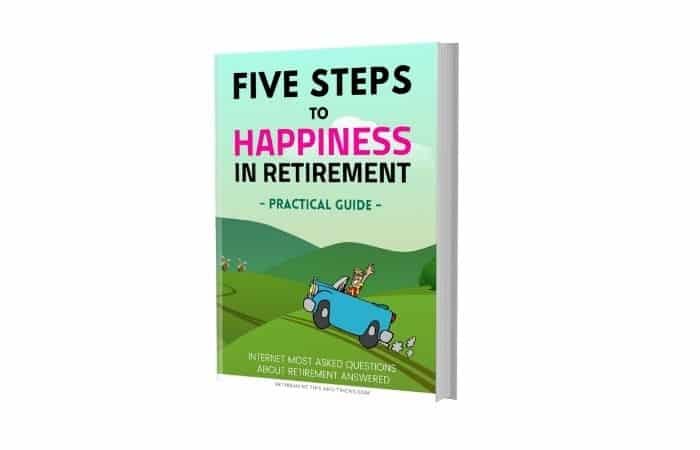
    Get the #1 Retirement EBook
    and find happiness in retirement in just 5 steps!
    #9 Keep An Active Lifestyle

    Being active often results in having more energy. And if you’re more energetic, it’s easier to stay motivated. So, an active lifestyle helps you to stay motivated after retirement. But what is an active lifestyle? That depends on the person. 

    The concept of being active is different for everyone, but there are basically three forms of activity we can describe. Having a Physically active, mentally active, and socially active lifestyle. You can find helpful tips in my article, How Can I Stay Active In Retirement?

    I will also describe the different activity forms in the next part of this article to just easily read on. Let’s start with staying mentally active in retirement. We actually already covered that one at the beginning of the article. 

    Staying mentally active, similar to keep your brain active, is best by challenging yourself and learning new things. As we described at the beginning of this article, one of the best platforms to learn new things is by following a Masterclass course. You can get your annual pass for Masterclass here

    #10 Be Socially Active

    Did you know that having many social activities are linked to a more active lifestyle? According to this article on Harvard Health Publishing, having a socially active lifestyle is related to many health benefits. 

    However, many retirees struggle to keep up with their social activities once they’re retired. If you’re like many other retirees and your social life was closely related to work relationships, don’t worry! There’s a lot you can do to improve your social life after you’re retired. 

    Finding new contacts or getting in touch with old friends and family is one of them. It’s a great way to find motivation after retirement. Improving your social life helps with motivation, but it also keeps you active, which is an important factor if you want to enjoy your retirement. 

    You can find more helpful tips about a social lifestyle in retirement in my article, How Can I Stay Social After Retirement?

    #11 Exercise Daily

    You don’t have to become a top athlete, but daily exercise is essential for healthy aging. It can be just as simple as walking through the park for one hour a day. 

    Of course, you can join a sports club in the area and start exercise in a group. This is a great idea actually because you’re both being physically and socially active! 

    According to the CDC, as an older adult, you need to get at least 150 minutes of exercise a week. Do you feel that sounds like a lot? It’s actually only 30 minutes a day! 

    Being active gives you just more energy throughout the day, and when you feel energetic, it’s easier to stay motivated in your retirement. So why wait? Time to get some action (after you finished reading this article, of course!)

    #12 Learn About New Cultures

    I already mentioned that keep learning new things is a great way to stay motivated after retirement. But what if when you combine it with some social activities? I think it’s even better! 

    A great way to do that is to learn more about new cultures. In the United States alone, you can find many different cultural groups in other states. It’s an excellent opportunity to learn about their lifestyle and how they stay motivated in life and when they’re retired. 

    Check out our documentary about the Maoris in New Zealand for some inspiration:

    #13 Start Traveling

    Traveling is also a great way to stay motivated and learn more about new cultures and places. In recent times with all the development around Covid-19, it’s much harder to travel worldwide. However, I’m sure that there will be a moment in the near future where it’s all possible again. 

    Travel is always a good idea, exploring the world, learning about cultures, getting to know new people and different ways of life. It’s what motivates us to keep traveling. We love to explore and find new adventures! 

    I’m sure you’ll find motivation when you’re traveling. If you’re looking for inspiration on how to travel around as a retiree, I recommend reading my article How To Travel The World After Retirement?

    #14 Find A New Hobby

    When you’re feeling lost and don’t know what to do as a retiree, it’s time to try out new things. Retirement is all about enjoying your life in the best way possible. So why limit yourself? 

    To stay motivated after retirement, it helps when you have an active lifestyle. People with an active lifestyle often have several hobbies. But some people are struggling to find a (new) hobby once they’re retired. If that’s you, don’t worry! There’s a lot you can do to find a hobby you like.

    To give you some inspiration you can start a Garden Tower Project or start knitting with Knitcrate: a box with new knitting projects and material send to your door monthly. Another cool thing to do in retirement is to create a Legacybox and digitalize all your (old) media to reminisce on the good old times. And if you like a nice cold beer you can make your own beer with a Beer Making Kit from the Brooklyn Brew Shop. You just have to start somewhere and finding your retirement hobby becomes a lot easier.

    Masterclass

    Start with trying things. It’s just that simple. A great way to explore new things is by following video courses via Masterclass. You’re not only learning new things via that platform, but you can also figure out quickly what you like and what you don’t like to do. Masterclass offers courses with the most famous and successful teachers in the world.

    When you’re looking for extra ideas to find a new hobby, make sure to read my article, 30 Best Hobbies In Retirement.

    #15 Stay Focused On A Healthy Lifestyle 

    I already mentioned it a few times, focusing on your lifestyle helps to stay motivated after retirement. When you make sure you’ll get enough daily exercise, have an active lifestyle, and try to be in the present moment as much as possible, you’re probably getting a long way. 

    But let’s not forget that it’s also important that you focus on what you eat and drink. When you’re eating unhealthy most of the time, you probably lose energy very quickly. Which results in a lack of motivation. And that’s just something we want to avoid, right?

    Have you ever heard of the Blue Zones in the world? Areas where people live much longer than average. They have the most centenarians (people who reach 100 years or older) in the Blue Zones. I find it very inspirational to look at their lifestyle and stay motivated to follow a healthy lifestyle myself. 

    You can read more about the Blue Zones in this book, that you can buy on Amazon; 

    #16 Get A Parttime Retirement Job

    Many retirees miss their daily routine to go to work once they’re retired. If that’s the case for you, it might be interesting to find a part-time retirement job. Having a retirement job is not only beneficial financially, but it also helps with an active lifestyle. Which is an important factor to stay motivated after retirement. 

    When you’re looking for inspiration about retirement jobs, make sure to read my article, 50 Best Jobs For Retirees

    #17 Know Your Finances

    It might sound like one of the most logical things on this list, to know your finances. However, many retirees have no idea about their current financial situation. 

    Knowing your finances is essential because it helps you create the lifestyle you want. It avoids stress and unnecessary surprises when you know your current financial situation. 

    When you have any doubts about your retirement finances, make sure to talk to a financial advisor. You can easily find on via this article on Nerdwallet.

    #18 Volunteer In Your Community

    When you have trouble finding your motivation after retirement, there’s also a good chance that you miss fulfillment in your life as a retiree. One of the best ways to find fulfillment is by helping others. And what better way to do that than by volunteering. 

    Volunteering has many benefits. It not only helps to stay active and stay motivated. It’s also a way to interact with younger generations, stay socially active, and for many people to (re)find their purpose in life. 

    If you want to start volunteering, I recommend reading my article, Why Do Retirees Volunteer? Where you can find some helpful information. 

    #19 Start A Retirement Diary

    Retirement is a special time in your life. You probably worked for over 25 years or longer, and now it’s time to enjoy your time not working. Explore life in a new way. 

    We already discussed the importance of being consciously in the moment as much as possible. It can help to start a diary so that you’re getting aware of the things you’re doing in your retired life. Writing a diary is also a great way to stay motivated. When you write down all the things you do, you probably learn that you have a busy and fulfilling life. 

    It doesn’t have to be challenging to start a diary. You can just start writing down the things you do on a day. But if you need some help with writing, you might want to check out the Masterclass writing courses. Get your annual membership for Masterclass here

    #20 Let Go Of Your Grudges

    Last but not least, on this list of helpful tips to stay motivated. Let go of your grudges. Having grudges create negative energy. And when you have a lot of negative energy, you’ll lose your motivation. 

    So my advice is to focus on the positive things that give you energy. Let go of the grudges you still have. It can help to think for yourself, ‘why am I angry about this?’ or ‘How is this beneficial to me?’ 

    Asking yourself these questions helps you quickly focus on the positive things in your life. So that you can stay motivated after retirement! 

    Recommended Articles

    These articles can also be interesting for you; 
  • How To Live Your Best Life After Retirement: Top 10 Tips

    How To Live Your Best Life After Retirement: Top 10 Tips

    Whether your retirement date is coming closer or you’re already retired, you might wonder: How do I live my best life after retirement? No need to look further! I have the top 10 tips to help you live your best life in retirement.

    1) Live In The Present

    You can’t enjoy life when you’re either thinking about the past or worrying about the future. So to live your best life, you need to live in the now and be present. 

    It doesn’t help you any further when you have thoughts about the past or future. You can’t change it by constantly thinking about it. The only experience you can change is now. 

    The following exercises and tools will help you get or stay in the present moment. 

    • You can practice Meditation (use the practical & simple app Headspace), where you focus on your breathing.
    • You can do Yoga or Tai Chi. These are peaceful sports that will help you to be more mindful. 
    • You can go on a mindful nature walk where you try to focus your attention on your feet, hitting the floor, or watch nature’s beauty. 
    • Exercising is great for the mind and helps you let go of anything that is bothering you. So go for a swim, hike, bike ride, play golf, etc.  
    • Enjoy a mindful meal. Cook your favorite meal and eat as if every bite is your last. And have no other distractions (TV, Phone, Book, Newspaper)

    Paying attention and focusing on your body’s physical sensation will help you get out of your mind and into your body. Of course, your mind will wander off frequently, but you have to be aware of it, notice it and try to refocus again on the present moment. The more you practice being mindful during the day, the easier it becomes.

    2) Prioritize Your Health

    Your health is your wealth. It’s the most important thing in the world. Because if you’re not healthy, there is no way you can enjoy your retirement. 

    So when you want to live your best life in retirement, prioritizing your health is key. Make sure you eat healthily, because you are what you eat, so anything you put in your mouth has consequences for your health. 

    Make an effort to cook your meals. And if you’re not sure how to cook or want to be better at cooking, apply for an online cooking class on Masterclass. You can learn new cooking skills at any time, anywhere at your own pace from the world’s greatest chefs.

    Also, exercising regularly, keeping your brain active, and stay socially connected are additional ways to set yourself up for long-term success in retirement. 

    Especially staying socially active is crucial to living a happy retired life. Many people underestimate the power of having daily social interactions. If you do not expand your social circle after you retire, you can experience loneliness and even depression in retirement

    You can read more about fun ways to stay socially active in my article: 20 Ways To Stay Social After Retirement

    3) Keep Learning New Things

    Living your best life in retirement means experiencing new things. Your life doesn’t get excited if you keep doing the same stuff every day. Getting out of your comfort zone frequently is the best strategy for living life to the max in retirement. It’s the place where the magic happens.

    That doesn’t mean you have to jump out of an airplane every day. You can get a new retirement hobby or apply for fun classes

    Learning new things is a great way to keep your brain active, stay socially connected, and to make sure you live your best life in retirement. And I think one of the coolest things you can gift yourself is an annual Membership to Masterclass.

    It’s a streaming platform that makes it possible for anyone to watch or listen to hundreds of video lessons taught by the most successful and famous teachers in the world.

    From Anna Wintour teaches Creativity and Leadership, Steve Martin teaches Comedy, Ron Finley teaches Gardening to Samuel L. Jackson teaches Acting. The platform has so such a variety of lessons on all sorts of topics. And you can learn at your own pace and in your own time. So you have all the freedom in the world and a fun everyday activity.

    Get the latest prices and learn about cool online classes on Masterclass here;

    4) Have A Routine

    Retirement is the time to relax. And having no obligations is the greatest feeling of freedom you can experience. So, I can imagine you don’t want to have a routine in your retirement honeymoon stage

    But after a while, it’s important to have some routine in retirement. Without a routine, you can feel lost, and with a routine, you have something to hold onto. It creates momentum that keeps you on track of living the best life.

    You can enjoy relaxation time better when you have been active in other areas that day. I always advise people to replace their work routines with new routines once they retire. It helps them make the most out of your retirement day and not waste time on aimless activities such as watching TV or being on social media many hours. 

    Try to structure your retirement day and find a nice balance between household activities, leisure, and relaxation time. 

    5) Set Goals

    Without goals, where would your life go? 

    To move forward in life, you need to set goals. 

    During your career, you’ve probably always had goals and targets to pursue. Even getting retired was a life goal itself. And after retirement, that doesn’t change. Instead of work-related goals, you now have to come up with new life (leisure) goals. These goals can be either big or small.

    Having a goal helps you prioritize your retirement time. Living your best life in retirement means you need to dedicate most of your time doing the things you love to do. And for that, you need to know what your next goal in life is. It’s the reason why you get up every morning. 

    When you have trouble coming up with a new life goal, you can start small. Start with easy daily goals you can accomplish, and once you get the hang of it, you will figure out what next and bigger goal you want to achieve in retirement. 

    Check out this article to learn about the importance, benefits, and value of goal setting.

    6) Get High-Quality Sleep Each Night

    Want to live your best life in retirement during the daytime? Make sure you sleep like a king or queen during the night!

    You can only live out your best life when you’re well-rested. And good quality sleep is essential for your body and mind to recover fully and start your day refreshed and energized to do all the things you want. 

    According to the Sleep Foundation, adults need to sleep 7-8 hours a night. And according to Healthline.com, a lack of sleep can lead to moodiness, depression, weight gain, high blood pressure, diseases, impaired brain activity, and a suppressed immune system.

    So a good night’s sleep has a huge impact on your daily life. That’s why one of the best investments you can do for retirement is getting yourself the most comfortable mattress out there: the Puffy Mattress. It’s ranked as the best and most comfortable mattress in America!

    You can read the 5-star reviews and ratings and check out the latest prices of Puffy Mattress here.

    Puffy Lux

    For you to sleep better you want to make sure it’s quiet at night. Your sleep can be greatly influenced by your partner snoring the whole night. If snoring is a big problem for you or your partner you can get an anti-snoring mouthpiece from VitalSleep that helps you to breathe easily and sleep quietly. It helped over 400,000 snorers get a restful night’s sleep. You can read hundreds of VitalSleep reviews here.

    Banners For Snore Free Nights

    7) Have A Fun Plan For Retirement

    Many retirees regret that they didn’t have something to retire to. A lot of people retire without a fun plan for their retirement days. 

    But retirement planning is so much more than just planning for the financial part. Many people forget to prepare for this new lifestyle, and when reality kicks in, they are often overwhelmed. So to live your best life, you need to know what you want to do in retirement. 

    And creating a bucket list is a very hands-on and practical tool to write down what you want to do in retirement. In my article 101+ ideas for your retirement bucket list, you can get inspired. And read about how to create your retirement bucket list and not get overwhelmed by all the options and possibilities.

    A bucket list should not be just a checklist that you tick off. Your list must contain items with deeper meaning when you want to experience your best life after retirement. You want to feel fulfilled. 

    Doing something fun brings you pleasure, which is short-lived. Getting fulfillment is something deeper than that, and the feeling will last much longer. It’s an ongoing life journey of self-discovery, growth, and contentment with your position in life. And in my article: How To Get Fulfillment In Retirement, I share 16 helpful tips. 

    Another great way to figure out what you want to do in retirement is to tiptoe into retirement. When you still need to work for a couple of years, you can take a couple of months off work to practice living your retirement before you officially retire. It allows you to try retirement out for a bit. You can try out new hobbies, interests, classes, travel, and see how you react to this new lifestyle. Perhaps it gives you a new insight into what you like and dislike. Because you can only know if you like something if you did it, 

    Another way is to work parttime in the last couple of years. So you can slowly transition into retirement. The switch to retired life isn’t that all of a sudden, and you’re more aware of how you want to spend your retirement days once your official retirement day is there.

    Read more: 14 Tips: How To Find Your Passion In Retirement

    8) Maintain Financial Comfort

    You don’t want to worry about money in retirement. It’s time to live stressfree, and that’s why you want to maintain financial comfort in retirement. And that means that you live your retired life in a fulfilling way with the financial recourses you have. 

    In short, your financial plan needs to align with your fun plan because you don’t want to retire with a head filled with dreams without being able to afford it. 

    Unfortunately, that isn’t always the case for everyone. A lot of retirees need to earn extra money to make ends meet. Although a retirement job can be a lot of fun, you want to do it for the right reasons. Preferably more for the joy it brings you than instead of the money it pays.

    Being financially comfortable gives you a sense of security and a worry-free mind to live the life you want in retirement. So make sure you have enough money for:

    • Your monthly basic needs
    • Your fun plan
    • Emergencies

    Check out my Retirement Planning Guide: 12 Steps for more tips about financial retirement planning.

    9) Have A Positive Mindset

    For sure, you envisioned your retired life. And hopefully, it’s going to be everything that you’ve dreamed it would be.

    But life can throw unexpected curve balls. And to live the best life after retirement, you need to be flexible to changes. Adapt to it and create a new way to live your best life in retirement. And that is much easier with a positive attitude because your life is as good as your mindset.

    “When life gives you lemons, make lemonade.”

    Chase your dreams but also have an open mind that things can work out differently. Have a positive attitude, and you can live your best life in retirement, even when things don’t work out as planned. 

    Be grateful for what you do have and never let the things you want to make you forget the things you have. 

    Tips for a positive mindset:

    • Start the day with positive affirmation in the mirror. Say something kind to yourself in the mirror every day. 
    • Focus on the good things even though there are small. And if you caught yourself focusing on something negative. Replace that one thought with at least two positive thoughts.
    • Find humor in everything. Even when something bad happens. Find the fun in it to turn the energy around.
    • See your failures as lessons. Each time you think you failed, then come up with at least two lessons you can learn from it. The most successful people failed over and over again. The ones that learned from their mistakes are the ones that succeeded. 
    • Surround yourself with positive people. Your vibe attracts your tribe. With a positive attitude, you attract positive people. Also, with negative people around you, you can’t create a positive mindset. 

    Get the #1 Retirement EBook
    and find happiness in retirement in just 5 steps!

    10) Enjoy The Simple Things In Life

    You can improve your life in a big way when you can enjoy the little things and simple moments in life. 

    Most of the time, we are focused on the big events in our lives, from birthdays, child-birth, weddings to retirement. We get excited about these events with good reason, of course. But they only take up such a small amount of time in our lives. The vast majority of our lives, small events happen from moment to moment. 

    When you miss out on enjoying the little things, you miss out on enjoying so much of your life. And when you always want more instead of enjoying the simple things you can lead a very unsatisfying life. It’s often we reminisce about the little moments in our lives instead of the big ones. 

    “Enjoy the little things in life, for one day you look back and realize they were the big things.”

    Recommended Articles

    If you liked this article, you might be interested in the following articles:

  • How To Adjust To Husband’s Retirement? | 12 Helpful Tips

    How To Adjust To Husband’s Retirement? | 12 Helpful Tips

    When your husband is retiring, you’re probably wondering how you can adjust to his retirement. Because you want to have the best time together in retirement. I created this list with helpful tips so that you can adjust to your husband’s retirement more easily. 

    1) Take Time To Adjust To Husband’s Retirement

    A Retirement is a life-changing event, and it can change the dynamic of our relationships. Often married couples are spending much more time together in retirement than before. And while at first, this might feel like the quality time you didn’t have when your husband still was working. It can also result in learning more about each other personal habits that might be annoying or irritating.

    Communication is key in this sort of situation. Talking about your feelings and emotions helps a lot with understanding each other. We talk more about the importance of communicating later in this list.  

    Adjusting to retirement takes some time — both for you and your husband. Of course, it depends if you’re still working or also retiring at the same time. However, for everyone, there’s a similar process in adjusting to retirement. 

    This process is known as the stages of retirement. There are five stages almost every retiree gets to deal with; 

    • Pre-retirement: The phase before retirement.
    • Honeymoon: You’re fresh in retirement, as a newlywed!
    • Disenchantment: Reality sinks in. Is this it?
    • Reorientation: You’re re-inventing yourself; you find your purpose.
    • Stability: You have found your new identity as a retiree and living your comfortable retirement life.

    Knowing more about these stages helps you to adjust to your husband’s retirement more easily. I wrote the article What Are The Fives Stages Of Retirementwhich is a helpful guide if you want to learn more about these adjusting periods for a retiree. 

    As you can see, each stage describes an emotional adjustment period for the retiree. Thus it’s important to keep communicating with each other all the time. If you know which stage of retirement your husband is in, it is easier to adjust to those feelings. 

    Your goal is to have the best time in retirement together with your husband. And if you take time to adjust, communicate, and learn more about each other’s expectations in this new phase of your lives, there’s a good chance you end up having a great time in retirement together! 

    Best Retirement Gift For Your Husband

    Now that your husband is (almost) retired you want to give him an awesome retirement gift. And the best gift for retirement is the gift of Masterclass.

    MasterClass is a streaming platform that makes it possible for anyone to watch or listen to hundreds of video lessons taught by the most successful and famous teachers in the world.

    Your husband can learn how to BBQ Texas-Style from Aaron Franklin, Gardening from Ron Finley to Basketball lessons from Stephen Curry and so many more. Check all the available classes and the latest prices of Masterclass here.

    2) Discuss Your Expectations In Retirement

    I already mentioned it a few times, it’s important that you communicate with your husband. Only then you learn more about each other’s expectations in retirement. And knowing your husband’s expectations will help you to adjust to his retirement. 

    You probably both have ideas on how to spend time in retirement. You might still be working or busy with other things, like volunteering or a fun hobby you like. There’s a good chance you want to keep doing these things, even when your husband is retired. This is, of course, totally up to you. However, your husband needs to know that you stay busy with your current schedule. 

    Perhaps you change some things in your schedule to spend more time with your husband. Still, you probably also want to know how he plans to spend his time. 

    So, take the time to discuss both of your expectations. Make a list of the things you want to do or keep doing individually. And make a list of the things you want to do together. Knowing about each other’s expectations is one of the most important things to adjust to retirement.

    3) Explore New Things To Do

    If you both want to experience a great time in retirement, it is important to have an active lifestyle. Staying active is related to healthy aging. I’ll tell you later more about it. 

    One of the easiest ways to stay active is by exploring new things to do. It is also a great way to adjust to (your husband’s) retirement and spending more quality time together. Some couples find it challenging to come up with new things to do after a while. To avoid getting into a boring routine, you and your husband can decide to do something new each month. 

    It helps to keep things fresh and have fun in retirement. Doing new things and keep learning are closely related to each other. I feel that one of the best online platforms to do so is Masterclass. 

    Via the online platform Masterclass, you can follow video courses by the most successful and famous people in the world. It is a great activity to do in retirement, together with your husband. You can, for example, follow the course of Gordon Ramsey, and so many more.

    Masterclass offers over 80 different video courses, and more than 1000 lessons. It is a great activity to do together, individually or both. Get your annual membership to Masterclass here;

    4) Make Plans Together For Retirement

    It is important that you have something to retire to. Like we discussed in the stages of retirement, having a purpose helps to know what you want to do as a retiree. 

    The same goes for couples. If you discussed your expectations like I mentioned in the previous part, you probably have a list of things to do in retirement. Don’t just leave it there, turn those ideas into actual plans! 

    Maybe you both want to travel the world for a longer time, or perhaps you want to spend more time on sports together. The most important thing is that you actually plan those activities and do them together. 

    If you both find it hard to come up with ideas, you might find my article 101+ Ideas For Your Retirement Bucket Listhelpful to read. 

    5) (Re)-Divide Household Activities

    You probably both have your chores in and around the house. Retirement can be a good time to re-divide those activities. 

    For example, when you’re still working, and your husband is retired, maybe he can do the grocery shopping. It can be more efficient that way and results in having more time left that you can spend together. 

    Depending on your household, your list of activities and chores can vary. Discuss these when you talk with your husband about expectations in retirement, and maybe re-divided those activities. Ensure that it is evenly divided so that you can both spend enough time together and on your individual hobbies. 

    6) Know and Discuss Your Retirement Budget

    For many people, retirement also means living with a different budget. You and your husband probably saved up for retirement via specific saving plans, and know how much you can spend in retirement

    However, this retirement budget often differs from the amount you could spend when both of you were still working. When you don’t have insights into how much you can spend during retirement, I recommend talking to a professional financial advisor. You can use the website of Napfa to find an advisor in the United States. 

    Knowing the available budget is important so that you can discuss it with your husband. It makes it easier to plan activities in retirement, and you learn if you need to save up some more money or not.

    Many couples ask themselves if they should retire at the same time. It is a question that’s often answered financially, which is important, of course. When there’s an age difference, it is often advisable that the youngest person keeps working and saves up some extra money for retirement. Still, many other important factors can help to decide if couples should retire at the same time. You can find out more in my article Should Couples Retire At The Same Time?

    7) Plan Date-nights With Your Husband

    If you truly want to adjust to your husband’s retirement and get the most out of this period as a couple, make sure to plan date-nights, or even better, just plan dates.

    It can be a night, but also weekend getaways, fun things to do together. It’s all about spending quality time together as a couple. 

    Many couples didn’t have enough space in their schedules to spend quality time together, because they were too busy with their careers and other stuff. Retirement can be a perfect period to catch up on that.

    If you talked together about both your expectations and made a list of things to do in retirement, you might even plan a surprise date!  

    A unique way to plan a date-night is using Date Night In A Box from Cratejoy. The box offers unique things to do, and you can even apply for a monthly subscription so that you get a date-night-in-a-box delivered at your home each month! Spending quality time together was never so easy 😉 

    8) Discuss Your Feelings With Your Husband

    You and your husband both need to adjust to retirement. I already mentioned it a few times. Retirement is a life-changing event. If you want to enjoy it in the best way possible, it is important to communicate with each other. 

    The best way to do that is to communicate how you’re feeling during the process of adjusting to retirement. You both must share the way you feel in the process of adjusting to retirement. It’s essential to understand each other.

    When you’re still working, and your husband is retiring, it might be possible that there isn’t changing that much for you, but more for your husband. Still, if this is the case, your husband is going to a life-changing process. This is just an example of one situation where different feelings and emotions can apply. 

    There are so many different situations of how retirement can develop. But for every situation applies, keep communicating with your loved ones. Share your feelings, and don’t be too hard for each other. Your goal must be to having the best time together with your husband in retirement. 

    9) Focus On Having The Best Time Together

    When I was doing my online research for this article, I found many pieces focusing on the differences between spouses in their relationships when they retire. Of course, when you live together for a long time, you probably developed your own interests along the way. Some of us even might lose that pure connection when they’re focusing too much on their careers instead of their loved ones. 

    The beauty of marriage or living together with your loved one is that you have so much in common, it feels like you both are one. If you lost that connection, try to use this adjustment period in retirement to find that sparkle again. Focusing on having the best time together helps you to get the most out of retirement. 

    It can also be a fun period. Like your dating again, getting to know each other for a second time. When I think of it, this adjusting period in retirement is about learning more about each other’s interests and needs. 

    10) Plan Time For Yourself

    It is always important to have some alone time. Some personal time where you can reflect, process your experiences, or just do something for yourself. It doesn’t mean that there’s something wrong. It is only natural and healthy to be alone sometimes. 

    Planning alone time can mean that you plan activities like sports or meditation. Reading books, or doing a puzzle. Or even when you go for a walk outside. It’s all up to you and depends on your interests.

    If you find it hard to plan time for yourself, talk about this with your husband. Share your feelings, maybe he experiences something similar. To make it easier for yourself, you can block a day or half-day in your agenda where you plan time for yourself. 

    11) Stay Socially Connected 

    Did you know that people with broad social interactions often have a more healthy and active lifestyle? According to this article on Harvard Health Publishing, strong social life is linked to many health benefits that come with aging. 

    So, it is important that you have different social contacts in life. Your social circle can help you to adjust more comfortably to your husband’s retirement. Try to have a common social circle, where you share the contacts with your husband. And also a group of friends that are more individually based, maybe from sports activities or even friends that go back to the time before you met your husband. 

    Sharing the experiences you have during this adjusting period with your friends also helps to easier adjust to retirement. 

    Also, encourage your husband or spouse to do the same. Of course, you’re both focusing on having a great time in retirement together. But sometimes it’s just fun to go out with your friends.

    If you having trouble keeping up with social activities in retirement, you might want to read my article How Do I Socialize After Retirement?

    12) Stay Active In Retirement

    We just talked about staying socially active in retirement. And that’s actually just one of the three categories of staying active in retirement. 

    The other two are staying mentally active and staying physically active in retirement. All three categories are known to be beneficial with healthy aging and are often mixed together. 

    Many people are scared they stop using their brains when they’re retired, like that they don’t get challenged enough with difficult problems to solve. There are actually easy ways to keep up with that and stay mentally fit. You can read a complete guide in my article How Can I Keep My Brain Active After I Retire?

    Staying physically active in life, and thus in retirement, is probably one of the most important things you can do for healthy aging. According to the CDC, physical activity helps to keep up with your strength. Even when you get older, it helps you to do your day-to-day activities independently. 

    The best thing about physical activities like sports, fitness or aerobics is that you can easily do this with your husband or spouse. And often, these activities are done within a group, so you also work on your social interactions. 

    If you like to do your sports activities alone, that’s okay, of course. But it might also be a great idea to plan some activities together with your husband or spouse. So that you both adjust to retirement more easily, and have an extra, fun activity that you can do together. 

    Recommended Articles

    You might be interested in reading some of my articles. I always try the be as helpful as possible, so that you can have the best time in your retirement. 

    Some of my articles that might interest you are; 

  • Can I Do Nothing In Retirement? | A Helpful Guide

    Can I Do Nothing In Retirement? | A Helpful Guide

    A natural question to ask before you retire is, can I do nothing in retirement? It is often an overlooked question because most of the time, we focus on having the best time in retirement. However, doing nothing in retirement is equally as important, here’s why.

    You CAN do nothing in retirement. Doing nothing helps you to adjust to retirement smoother and to process new experiences better. It creates a clear mind, so you can learn more about yourself and the things that are important to you. Which will help you to plan your days in retirement better.

    Doing nothing is okay, but it can be challenging to slow down in your activities after working for like 30 or 40 years. It’s all about finding the right balance of doing nothing in retirement, slowing down, and spending time on the activities you like to do most. 

    In this article, you’ll learn that you can do nothing in retirement, and how to find the balance between doing nothing and staying active in your retirement. Let’s find out more! 

    1) Allow Yourself To Do Nothing In Retirement

    It all starts with allowing yourself to do nothing. You are probably used to a busy daily schedule, after working for many years, and possibly a fulfilling family and/ or social life. Either way, when you retire, this all changes. You have a lot more leisure. 

    Adjust To Retirement

    A natural response to having much more time on your hands is to fill in those gaps with new activities. Which is a good thing, of course. I’m not saying that from now on, you just don’t need to do anything. It’s actually the opposite! 

    Keeping an active lifestyle in retirement is essential. It is linked to healthy aging, as you can read in my article How Can I Stay Active In Retirement?

    Being active in retirement also helps to get the most out of your retirement. Still, having enough moments where you’re doing nothing in retirement is equally important. 

    It is all about adjusting to your new lifestyle as a retiree. Adjusting to retirement can take some time. But when you slow down and say to yourself that it is okay to do nothing sometimes, the process of adjusting to your new lifestyle is getting easier. You can find a helpful step-by-step guide in my article How Can I Adjust To Retirement?

    Know The Stages Of Retirement

    Allowing yourself to do nothing in retirement is getting easier if you know more about the stages of retirement. The stages of retirement are emotional periods almost every retiree has to deal with. However, everyone gets through these stages in a different way, but it’s helpful knowing more about this theory.

    The stages of retirement consist out of five different periods; 

    • Pre-retirement:
      The phase before retirement.
      This can be a period from a few years until a few months before your retirement. Your retirement is getting closer, and you start preparing for the period where you’re actually retired. 
    • Honeymoon:
      You’re fresh in retirement, and everything is new and fun. Just as you first got married. Sometimes this period is also described as the liberation phase. 
    • Disenchantment: 
      During this period, reality kicks in, and you often think, ‘is this really it?’ You start questioning yourself about how you want to spend your retired life. 
    • Reorientation: 
      The process where you re-invent yourself as a retiree. You find new things to do and learn more about how you really want to spend your time in your retirement. 
    • Stability: 
      When you fully accepted your retirement lifestyle. Many people don’t even notice they’re in this phase, because they just live their lives comfortably.

    Each stage comes with a moment of reflection. These are the moments where you’re adjusting to your retired lifestyle. Often these reflections happen when you relax when you allow yourself to do nothing. 

    If you want to know more about the stages in retirement, I recommend reading my article What Are The Stages Of Retirement?

    2) Benefits Of Doing Nothing In Retirement

    When I was researching for this article, I found this interesting piece on SCL Health, where they describe the health benefits of doing nothing. 

    They make an interesting statement I want to share with you. In the article, SCL Health says; we happily want to charge our phones every time our battery is low, but we rarely take time to chare our own battery. 

    We’re not used to doing nothing anymore. And that can be a dangerous thing. Doing nothing helps you to recharge your battery, to process different experiences, which, in the end, creates a clearer mind. 

    Doing Nothing Boosts Creativity

    Do you recognize this; when you’re showering, you sometimes have the brightest and most creative ideas? It’s because you basically give yourself time to do nothing. So if you plan moments where you do nothing, you probably have those creative thoughts more often. 

    Creative moments often lead to doing and exploring new things in life, which creates more fulfillment. It is an essential part of getting the most out of your retirement. 

    Mindfulness Helps With Doing Nothing

    You might wonder, how can I easily find more creativity and plan moments where I do nothing? Moments where you can charge your battery and allow yourself to actively process your experiences. The key is in mindfulness and meditation. 

    Many people see meditation still as a weird activity, but I can tell you from my personal experience that it genuinely helps. It helps to process experiences, to focus. It boosts creativity and helps to see the things that truly important. 

    The beauty of it is that you basically are doing nothing. You make sure that you avoid all distractions and just be in the moment. I think that there maybe are over 1000 ways you can meditate. It’s not like that one way of meditation is better than the other. If you never have done it, you might want to try out different ways of meditation first, to see which fits you the most. 

    A great way of exploring more about meditation is by using the useful app Headspace. You can find all kinds of (guided) meditations in this app. 

    One of my favorite books is Things You Only Can See When You Slow Down (check the latest price on Amazon). Written by a Korean Buddhist monk. The book contains lessons that help you to reflect, to slow down, and to do nothing. So that you can learn more about yourself and find out what’s truly important to you. 

    3) Create A Daily Retirement Schedule

    So, doing nothing in retirement is actually an important moment where you can reflect on your life. It helps you to find out more about how you want to spend your retired life, and what you want to do. 

    We also learned that your retirement is a life-changing event. From working probably 40 hours a week, you suddenly have a lot more free time. It can be challenging to fill in those hours. So to help you adjust more into retirement, I recommend creating a daily retirement schedule. 

    It can be as simple as writing down your daily activities on your agenda. This will automatically create a schedule. And you can easily plan moments where you do nothing. 

    Read more: How To Structure Your Retirement Day

    4) Find The Balance Between Activities And Doing Nothing In Retirement

    So moments where you do nothing, take time to reflect, and process emotions are important. However, when you retire and stop working, and don’t have activities to fill your days, you probably won’t enjoy your retirement as you want. 

    To enjoy your retirement the best way possible, you must find the right balance between activities and moments where you’re doing nothing. According to this article on Harvard Health Publishing, taking it too easy can have the same results as when you’re overworked or have too much stress. Chances are that you create symptoms like anxiety, depression, and much more. 

    So, doing nothing in retirement might sound like a great idea, but just like with everything in life, you must find the right balance. 

    Give yourself the time to adjust to retirement, and learn about the different stages in retirement, as discussed earlier in this article. 

    The perfect balance between doing nothing in retirement, and spending time on different activities is different for everyone. It depends on your personal needs and interests. However, there are a few similar things, like having enough physical activity and social interactions. I’ll tell you more about it in the last part of this article. 

    5) Do What Feels Good In Retirement

    Ultimately you decide how you want to fill in your time in retirement. The most important thing is that you plan activities that you feel good about. 

    So if that is relaxing at home, or doing sports, or traveling, or doing nothing at all. It’s all good, as long as you’re happy with it. 

    However, like we just discussed, there’s a lot of research available that claims that it is important to keep up with an active lifestyle. It is important to find the right balance between activities and doing nothing in retirement. 

    Let’s focus a bit more on the different things you can do. As a retiree, you are fully in charge, you can decide how to fill in your days. You don’t have to go to work anymore. Maybe you need to make some decisions about activities together with your spouse, but that’s about it. 

    Staying Active In Retirement

    It is essential to stay active in life, and thus as a retiree as well. You can remain active in many ways, but there are basically three categories. Staying physically active, mentally active, and socially active. 

    Often these three categories merge, which is a good thing. All these activity categories are somehow linked to healthy aging. 

    According to the CDC, daily physical activity helps to prevent issues that come with age. It helps you to stay fit. They offer complete schedules on how you can stay physically active. 

    According to the advice of the CDC, when your physical condition is healthy, the most important thing is that you plan at least 120 minutes of physical activity a week. 

    Social interactions are often related to healthy aging as well, as we can read in this article on Harvard Health Publishing. People with many social interactions are often much more active than people with less social interactions. Probably because many interactions mean getting outside more often. 

    Many retiring people are afraid that they stop using their brains like they did during their careers. Often because they don’t find the same difficult problems to solve as they had while they were still working. 

    Luckily there are many ways to stay mentally active, like solving puzzles, reading books, and learning new things. If you want to read more about how you can stay mentally active in retirement, you might want to read my article How Can I Keep My Brain Active In Retirement?

    It might sound all very serious, staying active for healthy aging and doing nothing in retirement so you can enjoy your retirement much more. It is a serious subject to talk about, of course. Knowing all this helps you to adjust to retirement more easily. 

    Let’s end this article with some fun things, and focus on the more fun activities you can do in retirement. 

    Fun Activities in Retirement

    If you do the things that feel good, there’s a good chance it will make you happy. And if you’re happy, you often enjoy your retirement more. 

    So, you can choose all the activities you like doing. However, many retirees find it challenging to pick new activities to spend their time on. Often, they’ve worked for so long and were busy with only their careers, that they actually forgot what they liked to do as a hobby. 

    In my article How To Find Your Passion In RetirementI explain how you can rediscover your passion and the things you love to do. 

    The thing that helps most people is that they asked themselves what they loved doing during their childhood. There’s a good chance that you still like to do similar activities. And it’s a good starting point to rediscover the things you’re interested in. 

    Doing nothing for a while can also help with this process. Because when you take the time to process, you often come up with new ideas. I always like to write down the thoughts that I come up with while doing nothing. It often results in adding activities to my bucket list! If you want some inspiration for fun activities, you probably want to read my article, 101+ Ideas For Your Retirement Bucket List

    Popular activities among retirees are hobbies like traveling, gardening, and also to keep learning new things. 

    A unique online platform to learn new things is Masterclass. Masterclass offers over 80 different video courses, with more than 1000 lessons. The courses are all given by the most successful and famous people in the world. You can follow the courses everywhere on your device. So it is ideal to combine a Masterclass with moments where you reflect and do nothing. 

    The most popular Masterclasses are about cooking. For example, how Aaron Franklin teaches Texas-style BBQ or how Gordon Ramsey teaches you to make restaurant-worthy dishes at home. 

    If you like gardening, a must-follow is the gardening Masterclass of Ron Finley.

    These are just a few of the available classes on the platform. Other courses are given by famous people like Christina Aguilera, Usher, Hans Zimmer, Stephen Curry, Carlos Santana, Jimmy Chin, Serena Williams, Dan Brown.

    Start today, and get yourself an Annual Membership to Masterclass;

    Recommended Articles

    After reading this article, you might feel it’s time to do nothing for a while and reflect on the information you just read. Later on, or maybe right away, you might have some other questions about how to get the most out of your retirement. Some other articles you might be interested in; 

  • Stay Connected After Retirement: 8 Top Tips For Social Engagement

    Stay Connected After Retirement: 8 Top Tips For Social Engagement

    Whether you’re eagerly anticipating it or are already retired, you might be wondering, how you can stay connected with people. This is a common question, especially when people have reached their senior years. After all, when you retire, you lose many opportunities for daily social interaction with colleagues, friends, and even family members despite having more time.

    Luckily, there are many ways to stay connected in retirement. Here are some of them.

    1. Take A Class

    Learning is a fantastic way to connect with others. When you take a class, you meet people with similar interests who you can share experiences with.

    If you don’t know where to start, check out your local colleges and universities. Know that some may offer free or discounted courses for seniors, which will make it easier for you to get some classes. It can be a perfect opportunity to go back to school and meet new people to connect with during your retirement.

    For those who prefer to learn remotely, there are always e-learning or online courses. Many online courses have online communities where you can connect with fellow students. These communities often organize meetups throughout the year, allowing you to connect in person over coffee or discussions. 

    2. Reconnect With Family And Friends

    Retirement often brings more free time than you had while working. During your career, like many others, you might not have had as much time for loved ones as you’d have liked.

    With more free time, you can take this opportunity to reconnect with these important people. Even if it’s been years since you’ve seen someone, it’s never too late to rebuild the connection.

    And with less work-related stress, you can now devote more attention to these relationships. Make those calls and plan gatherings—reconnect with the people who matter most!

    3. Start Volunteering

    Volunteering is a fantastic way to connect to more people while also helping others. It can allow you to meet new people, stay active, and contribute to your community.

    Many people find that volunteering brings a sense of fulfillment. While this is a great benefit, it shouldn’t be your primary motivation. Remember that volunteering is about helping others and often requires a commitment.

    4. Get Into Sports

    Participating in physical activities during retirement has many benefits beyond just staying fit. Playing sports is a great way to make friends and avoid feeling lonely. Lots of sports have groups that meet regularly, where you can chat and hang out with people who like the same things as you.

    You could try joining a local pickleball league, a hiking group, or a bowling team for a fun time. These activities help you meet new people who enjoy the same things as you and can lead to lasting friendships.

    Adding some social sports to your weekly routine keeps you active and helps you meet new people. Whether you prefer swimming, group fitness classes, or a relaxed game of golf with friends, there’s something out there for everyone. Stay active in retirement and use sports to connect with others in your community.

    5. Join A Club

    Surrounding yourself with like-minded people is a great way to stay connected in retirement. Clubs provide this opportunity perfectly.

    The beauty of clubs is that you meet people who share your interests. Whether it’s sports, chess, book clubs, or anything else you enjoy, there’s likely a club dedicated to it. Start by making a list of your hobbies and see if there are corresponding clubs in your area.

    6. Move Near Your Network Of Friends And Family

    Many retirees consider relocating during retirement, even abroad. While moving can be exciting, it can also disrupt your social network if staying connected is a concern.

    Relocating to a new city, state, or country often requires building new social connections, which can be challenging. Staying put or moving closer to friends and family might be easier for maintaining social ties. Of course, if you previously relocated for work and now want to return to reconnect with loved ones, that’s a different story.

    7. Travel To Meet New People

    Traveling offers more than just exploration, relaxation, and cultural immersion. It’s also a fantastic way to connect with others. Retirement often provides more time for extended stays in different places, increasing your chances of making meaningful connections.

    Travel encompasses various experiences, not just long journeys to faraway lands. You can explore your own country in unique ways, like visiting all the US states. The possibilities are endless, and I highly recommend it!

    8. Discover A New Hobby

    Exploring new activities can be a great way to connect with others in retirement. Choose something you enjoy—that way, you’re more likely to stick with it.

    As mentioned earlier, consider joining a club or volunteering. But don’t limit yourself! Retirement is the perfect time to rediscover old hobbies or try something entirely new. Popular choices among retirees include gardening, cooking, knitting, writing, and painting.

    Conclusion

    Retirement offers a fresh chapter filled with possibilities for connection and fulfillment. As you’ve seen, there are numerous ways to stay engaged and build new social circles. Whether you choose to take a class, join a club, or explore your community, remember that retirement is a time to embrace new experiences and connect with those who share your passions.

    Aside from that, check out my other articles for more retiree-related information. Here are the recently published ones:

    Happy reading!

  • How Do You Spend Your Retired Life?| 11 Helpful Tips

    How Do You Spend Your Retired Life?| 11 Helpful Tips

    Many of us prepare for retirement, but have you ever asked yourself how do you spend your retired life? It is an important question to answer so that you can get the most out of your retirement. This article will help you with several ideas on how you can spend your retired life. Let’s start! 

    1) Give Yourself Time To Adjust To Retirement

    Retirement is a lifechanging event. And when you just got retired, you probably have a lot of spare time you aren’t used to. After working for like 30 or 40 years, and having a similar daily schedule for all those years, things change when you retire. 

    So it is important to give yourself the time to adjust to retirement. Allowing yourself to get used to this new phase in life helps you to spend your retired life in the best way possible. 

    Of course, we all prepare for retirement financially. But it is also important to mentally prepare for retirement. Knowing that your daily schedule changes, and preparing for this change, will make the transition process into retirement a lot easier. 

    This transition period is often described as a process that almost everyone gets through once they’re retired. There are five widely known phases that complete this period; 

    • Honeymoon Stage: 
      The stage where you just got retired and everything is new and fun, just like with newlyweds. 
    • Disenchantment Stage: 
      People also refer to this stage as the worrying stage. It is the period where reality kicks in, and you start asking yourself questions like ‘is this really it?’
    • Reorientation: 
      You will get into this stage when you ask yourself questions about retirement means and how you want to spend your retired life. You basically start to re-invent yourself, and the things you want to do as a retiree. 
    • Stability: 
      During this period, you just live your life as a retiree. You love what you’re doing and how you spend your retired life. Often you don’t even notice you entered this stage, because you’re enjoying your retired life. 

    When you’re still adjusting into retirement, I recommend reading my helpful step-by-step guide, How Do I Adjust To Retirement

    2) Find A New Hobby

    A great way to spend your retired life is with hobbies. And you know what the fun is? You can choose literally every hobby you like. As long as you have fun doing it! 

    Still, many retirees struggle to find a hobby in retirement. Often because during their careers, they didn’t have enough time for a hobby. When you recognize this, maybe it is time to start exploring and learning more about yourself. So you can find a hobby you like to spend your time on in your retired life. 

    To give you some inspiration you can start a Garden Tower Project or start knitting with Knitcrate: a box with new knitting projects and material send to your door monthly. Another cool thing to do in retirement is to create a Legacybox and digitalize all your (old) media to reminisce on the good old times. And if you like a nice cold beer you can make your own beer with a Beer Making Kit from the Brooklyn Brew Shop. You just have to start somewhere and finding your retirement hobby becomes a lot easier.

    Know Your Passion

    Finding the right hobby is all about knowing the things you’re passionate about. To learn this (again) about yourself, you can start with answering questions like; 

    • What’s something I never get bored of doing?
    • What are the things I liked doing in my childhood?
    • What is a stress reliever for me?
    • What topic can I read 500 books about, and not get bored? 

    The answers to these questions help you to learn more about yourself and the things you love to spend time on. When you want to know more about how to find your passion, I recommend reading my helpful article 14 Tips How To Find Your Passion In Retirement.

    Trying Different Hobbies

    Like I said, the most important thing about a hobby is that you have fun doing it. And now that you have a lot more time to spend as a retiree, you can try out different hobbies to figure out what you like most. 

    Popular hobbies among retirees are; 

    Gardening

    If you don’t have experience with gardening, don’t worry! It is great to be outside, and the basics of gardening are straightforward. Just allow yourself to learn, and don’t stress yourself. A great way to learn more about gardening is by following the online Masterclass of Ron Finley. Check it out here

    Writing 

    Many retirees love to spend time in their retired life by writing down their life lessons and family stories—better known as writing their memoirs. It can become a unique family document for your children and grandchildren. 

    When you get in the flow, you might easily spend many hours writing and forget about time. Many people describe flow as a perfect feeling where they become one with the things they’re doing. 

    It is possible, of course, that you’re not an experienced writer, and can use some help to start. The easiest way to do this is by following an online Masterclass. 

    I can also recommend using the online tool GrammarlyIt is a complete grammar checker, which is very helpful when you start writing your memoirs, and all other things. I always use it when writing my articles! Check out the latest prices on their website

    Knitting 

    Many retirees love knitting. It is a great hobby where you can create all kinds of clothes, rugs or other things you like. When you’re looking for fun patterns and useful equipment, make sure to check out Knitcrate

    If you want more information about fun hobbies you can do in retirement, make sure to read my article, 30 Best Hobbies In Retirement

    3) Keep Learning

    I love learning new things myself, and I always recommend people to keep learning as well. You probably know that saying You’re never too old to learn. And it’s true! Learning new things helps you to stay curious, you’ll keep a sharper mind. It helps with staying mentally young, and you’re often connected with friends, family, and within your community. 

    According to this article on Harvard Health Publishing, learning new things is related to healthy aging, and having a better memory. 

    To prepare yourself for life long learning, and thus spending a portion of your retired life on learning new things, it is important to stay curious. When you’re interested in new things, development, technologies, etcetera, it is probably much easier to find topics you want to learn about. 

    Go Back To College

    Did you know that many colleges offer discounted and often free programs for seniors in the United States? A great opportunity for you as a retiree to keep learning and going back to school! If that is something you want to do, of course. 

    You can follow shorter-term programs or choose a complete study you want to accomplish. It’s all up to you. Here’s a list of colleges that offer programs for seniors. 

    Get Annual Membership To Masterclass

    I already mentioned Masterclass a few times in this article. It is a unique online platform with over 80 different classes and more than 1000 lessons in all kinds of categories. 

    The teachers of these classes are the most famous and successful people in the world, in their field. 

    With Masterclass, you can learn more about cooking by following a cooking class of Gordon Ramsey. Another great cooking class is learning more about Texas Style BBQ, a course that’s given by Aaron Franklin. It is actually one of the most popular courses on the Masterclass platform.

    Serena Williams teaches about Tennis, and if you’re more into gardening, you can follow a course by Ron Finley. These are just a few examples. Ready to learn from the best in the world? Get yourself an annual membership to Masterclass Today.

    4) Get Social

    Having enough social interactions is one of the most essential things in life. Social interactions avoid loneliness, something many retirees feel during their retirement. 

    Various social interactions are also related to many health benefits. You might think it is easy to stay social in retirement. However, if you’re struggling, don’t worry. You’re not the only one. 

    For many retirees, a large part of their social life and, thus, their interactions revolve around their work. Since you stopped working, you probably lost many social interactions as well. Luckily there are many things you can do about it. 

    One of the most important things is that you make time to spend on social interactions when you’re retired. It is often easy to only spend time with your family, spouse, and friends. However, it can be a good idea to expand your social circle with new contacts. 

    There are many things you can do to stay social in retirement. For example, you can join a book club or a chess club. You can start volunteering (later more on that). You can become a life or career coach, and share your (professional) knowledge with younger people. 

    Social interactions will last longer and have more impact, if you do the things you like, with like-minded people. I share much more helpful tips about social interactions in retirement, in my article How To Stay Social In Retirement?

    5) Finish Things On Your Retirement Bucket list

    When you ever made a list of things you want to do in life, you probably also have a bucket list, right? All the things you want to do when you kick the bucket

    Finish the things on your bucket list is a great way to spend your retired life. You have enough time to do everything you like, so why not making some fun spending this time! 

    You don’t have to do everything that’s on your bucket list right away. Take some time, so you can enjoy all the things you’re doing. You probably have enough time to complete the things you want to do. 

    If you don’t have a bucket list, retirement is a great time to start making one. Creating a bucket list is not only a fun process to do, but it also helps you to figure out what you want to do in your retired life. 

    A bucket list is a simple list that contains all the things you still want to do. It can be as simple as ‘visit all the states in the United States,’ ‘Travel to Europe’ or ‘learn to drive a motorcycle.’ You name it, as long as it is something you want to do, it’s fine! 

    When you’re looking for ideas to create your bucket list, make sure to read my article, 101+ Ideas For Your Retirement Bucket List. 

    6) Volunteer

    Volunteering is a great activity to spend time on during your retired life. Many retirees decide to start with volunteering because it gives them a feeling of fulfillment and has other side benefits. 

    When you start to volunteer, you’re basically doing an activity or task where you help others. This can be as easy as doing the grocery shopping for your elderly neighbor or helping out in the local community center. 

    There are all kinds of volunteer jobs you can do, depending on your interests and the needs in your community. To find a volunteer job that you like, I recommend visiting Volunteer.gov to find different volunteering opportunities in every state in the United States. 

    Retirees volunteer because helping others gives them a good feeling about themselves. It is a proven method if we help others, we often feel better about ourselves. It creates happiness, which, in the end, gives a feeling of fulfillment—something we all looking for to get in our lives. 

    Volunteering is also a great activity to stay active in your retirement. You often need to go to a place to do the job. You’ll meet new people when you volunteer, so it is also great for socializing and expanding your social circle.  

    Like I said, volunteering comes with many benefits! 

    When you think about volunteering, it is important to ask yourself what you want to get out of it. Are you ready to commit yourself to a weekly or monthly task? When you commit to a certain volunteering job, other people are counting on you. It is something you need to take into consideration before you decide to apply for a volunteering job. 

    I feel it’s good for everyone to help out others. If you want to know more about volunteering during your retirement, I recommend reading my article, Why Do Retirees Volunteer?

    7) Stay Active

    It is important to stay active in life. An active lifestyle often can help to have a healthy lifestyle, which can you can benefit from when aging. 

    Being aware of this is even more important when you’re retiring. Many retirees are losing specific, often work-related activities once they’re retired. So it is essential to keep this in mind and make sure that you stay active once you’re retired. 

    However, it can be challenging to find new activities to spend your time on in your retired life. You’ll get several ideas while reading this article. Still, I can also recommend reading my article How Can I Stay Active In Retirement? 

    There are basically three categories when you talk about staying active in retirement. Staying mentally, socially, and physically active. Often these three mingle with each other, which is totally fine. But it is helpful to understand the difference between these categories. 

    Staying Mentally Active

    For many retirees, it is something they are most aware of, sometimes even a bit scared. A question retirees often themselves is How Do I Keep My Brain Active In Retirement? It is also the title of a helpful article I wrote where I answer that question even more thoroughly. 

    To stay mentally active in retirement, you need to replace the challenging activities you had at work. Replace these activities with new activities you can spend time on during your retired life. 

    I already mentioned ideas for hobbies in retirement, like solving puzzles or playing chess with friends. Keep learning new things, like following a Masterclass, is also a great activity to stay mentally active. 

    Social interactions are also known as an important activity to stay mentally active.

    Staying Socially Active

    When we interact with other people, our brain is always at work. It has to react to what the other person is saying and doing. That’s why social interactions are beneficial for staying mentally active. According to this article on Harvard Health Publishing, social interactions are related to many health benefits for healthy aging. 

    Activities like volunteering are a perfect example to stay socially active in retirement. Staying socially active is key to spending your retired life happily. You can read more about it in my article How Can I Stay Social In Retirement?

    Staying Physically Active

    Exercising gives you energy, and it’s important for your health. Especially when you get older. According to the CDC, physical activity is related to healthy aging. It can help to avoid health problems that come with age. They even have complete schedules and recommendations about physical activity and exercise for seniors on their website. 

    Most sports you can do are fun, it is a great activity to spend your time on during retirement. One of the best things about exercising is that it is often a social activity as well. Most people meet up with friends to go exercising, or they join a group for sports. 

    It’s the perfect way to stay active in retirement! 

    8) Go Travel

    Traveling is a unique activity to do during your retirement. It is actually a dream of many people. Traveling is something that ranks in the top 10 on almost everyone’s bucket list

    I would recommend everyone to go out there and see more of the world or your own country. Traveling enriches you as a person when you learn more about different cultures and backgrounds and see how beautiful the world actually is. 

    When you’ve read other articles from me before, you might already know that I’m a fulltime traveler myself, so I’m a bit opinionated about this. Still, when you’re traveling for just a few weeks, a short trip, or, just like me, travel around the world with your family for the largest part of the year, it is all good. 

    What I love most about traveling is the feeling of freedom you get when you’re on the road. Knowing that you can go everywhere you like, and do whatever you feel like is just amazing. The people you meet along the way, the social interactions, learning about the different cultures and traditions. 

    Traveling is just so much more than relaxing and doing nothing. Doing nothing and relaxing sounds more like a short holiday to me, something you do when you’re still working like 40 hours a week, when you’re retired you have time to get much more out of it. 

    Traveling is something that truly fits into an active retirement lifestyle. It doesn’t matter if you go abroad or visit all the states within the United States. Or go on a cruise or travel around with an RV. As long as you do the things that you like the most. 

    When you’re looking for some inspiration about traveling in retirement, I recommend reading one of these articles; 

    9) Plan Time To Do Nothing

    So, we already talked about how to adjust to retirement. It is important to allow yourself the time to get used to this new life as a retiree. It is very helpful to adjust to this new lifestyle by allowing yourself to do nothing.

    Perhaps it sounds a bit weird. We just talked about the importance of having an active lifestyle in retirement. And now I tell you that you need to spend some time in your retired life by allowing yourself to do nothing. Let me explain this shortly. 

    As you know, retirement is a lifechanging event. Many things in your life will be different once you’re retired. A lot of these changes happen almost directly, from one day to another. And you need to adjust to this. 

    When you plan moments every week where you don’t have to do anything. Where you just can relax, process all the new experiences, you basically give yourself space to adjust to this new lifestyle. And more importantly, when you have time to relax, you can often come up with new ideas of how you spend your retired life. 

    Get the #1 Retirement EBook
    and find happiness in retirement in just 5 steps!

    10) Remodel Your Home

    You’re likely to spend more time at home when you’re retired, so why not remodel that place where you spend the most time? Maybe there still some chores or projects you wanted to do for years but never had the time doing. Or perhaps you have a lot of old stuff you want to get rid of. Now is the time to do so! 

    You can organize a garage sale if you have tons of stuff you don’t use anymore—a great way to earn some extra money and get in touch with people in your neighborhood. 

    When you’re serious about remodeling your home and looking into new interior design, I recommend following the Masterclass Kelly Wearstler teaches interior design;

    11) Spend More Time With Family 

    It may sound obvious, but it’s a great chance to spend more time with your family in your retired life. 

    Maybe you’ve some family members that live further away, and you didn’t see for a while. Retirement is an excellent opportunity to get on the road, and plan a visit! 

    Sometimes people are a bit reluctant when visiting family they didn’t see for a long time. But it’s actually never too late. Just pick up the phone, ask if you can come by, and you’ll probably have a great time together! 

    When you have grandchildren, you probably want to spend a lot more time with them as well. Many retirees think about moving closer to their children and grandchildren to spend more time with them. However, this is something you need to think through. 

    When they grow older, they probably spend less time at home and less time with their grandparents. You have to find other things to do to fill in your days. So if you want to live closer to your grandchildren, maybe you should go for a temporary move. This way, you always have your own freedom, and you can spend your retired life the way you want to. 

    Recommended Articles

    I hope you have more inspiration about how to spend your retired life after reading this article. I recommend reading some of the other articles I’ve written if you’re looking for more inspiration and helpful tips. 

    Popular and helpful articles on this website are;