Master your retirement! Get expert tips, hacks, and strategies for a healthy and fulfilling retirement life. I have a lot of useful guides waiting for you!
Retirement brings an abundance of free time, allowing you to indulge in hobbies, explore new interests, and connect with loved ones. But an equally important aspect of retirement is connecting with other retirees. They can be very relatable companions, likely sharing similar insights and experiences.
So, if you’re seeking companionship with fellow retirees, you might be wondering where to start. Look no further! Here are some ways to meet other retirees.
1. Volunteer
Giving back to the community offers a double benefit: it fills your time with purpose and introduces you to like-minded individuals. There’s a high chance you’ll find fellow retirees who share your passion for volunteering.
By choosing a cause close to your heart, you’ll connect with others who share that passion, increasing the odds of forging friendships with retirees who have similar goals.
2. Join Clubs
Book clubs, gardening societies, or knitting circles—there’s a club for every interest. Online platforms like Meetup.com can help you find local gatherings, allowing you to connect with like-minded individuals who share your passions.
Similar to volunteering, these clubs offer a high chance of meeting fellow retirees. Strike up a conversation and see where it leads – you might discover new friendships!
3. Find A Penpal
Sure, messaging a stranger on social media might seem quicker, but penpalling offers a unique charm. Unlike instant chats, penpalling lets you savor the anticipation of a reply, creating a slower, more thoughtful way to connect. Plus, it’s a chance to dust off your penmanship skills!
Finding a penpal who’s retired can add another layer of interest to your search. While platforms like Reddit’s penpal subreddit offer a wide range of potential penpals, narrowing down the search might take some additional effort. But trust me, the excitement of finding that perfect match makes the journey worthwhile!
4. Try Senior Dating Sites
While senior dating sites like EHarmony.com might seem niche, they cater specifically to those seeking companionship or even romance later in life. These platforms offer matching algorithms and features designed to help you find genuine connections with like-minded individuals.
Remember, honesty is key in any relationship. If you’re already in a committed partnership and are seeking companionship outside it, be sure to have an open and honest conversation with your partner.
There are, of course, other options for finding companionship online. Social media platforms like Facebook.com and dating apps like Tinder.com can be used to connect with people as well. However, these may not be as targeted towards retirees seeking companionship specifically.
5. Visit Senior Community Centers
Moving beyond online options, consider venturing into the real world, or IRL as the young folks say. Senior community centers offer a vibrant environment specifically designed for retirees to socialize and connect.
In senior community centers, you have a lot of opportunities to connect with fellow retirees. These hubs of activity provide a plethora of opportunities to socialize, from engaging in card games to striking up casual conversations with fellow retirees. With a little friendly charm, you might just discover a new senior buddy!
6. Start Your Own Club
If there aren’t any senior community centers or volunteering opportunities in your immediate area, don’t be discouraged! You can take the initiative and create your own social group for retirees in your locale.
While it’s certainly true that joining an existing club is easier than starting one from scratch, the rewards of building a community around your own interests can be incredibly fulfilling.
The good news is that you don’t have to go it alone. Online platforms like Meetup, Reddit, and Facebook can be powerful tools for gathering like-minded individuals who share your passions. Through these platforms, you can gauge interest, plan activities, and connect with potential members for your new club.
7. Reconnect With Old Friends
Instead of solely focusing on meeting new people, consider rekindling bonds with former classmates and colleagues who might also be retired. These familiar faces can provide a comfortable starting point for building new friendships.
One way to reconnect is by organizing a reunion. This can be a fantastic opportunity to reignite old friendships and share stories from your shared past.
To expand your social circle further, you could even encourage your old friends to bring along their own retired friends and family members. This approach allows you to connect with a wider network of retirees who share similar life stages and experiences.
8. Create A Fun Ad
While starting your own club or reconnecting with old friends can be exciting endeavors, it might also seem daunting if you’re unsure where to begin. The good news is that you can leverage the power of marketing to jumpstart your search!
Craft a quirky and eye-catching ad that you can place in local newspapers or on social media platforms. This engaging approach can help you attract potential friends and members for your club, or even reconnect with classmates and colleagues you haven’t seen in a while.
9. Visit Local Farmers Markets
Retirees often enjoy spending time at local farmer’s markets, making them a great place to meet like-minded individuals. The vibrant atmosphere and shared love of fresh produce create a natural opportunity to strike up conversations with fellow shoppers.
As you browse the stalls and stock up on healthy groceries, keep an eye out for friendly faces, and don’t hesitate to introduce yourself. You might be surprised at the connections you can make!
10. Join Senior Travel Groups
Unlike some other clubs you might encounter, senior travel groups are incredibly common. After all, retirement often opens doors to explore the world, both near and far.
Why travel solo when you can embark on adventures with like-minded companions? Senior travel groups offer a fantastic way to connect with fellow retirees who share your passion for exploration. Explore new destinations with a group that understands your pace and preferences.
Finding a senior travel group is easier than you might think! Social media platforms and even placing an ad locally can be great ways to connect with existing groups or even spark the creation of a new one tailored to your specific interests. So, dust off your passport and get ready to discover the world with a new circle of travel buddies!
11. Attend Senior Church Groups
Senior church groups can offer a strong sense of community and shared purpose. However, they may not be a perfect fit for everyone. If you already attend a church and feel comfortable within your existing group, that’s fantastic!
This section is primarily for those open to exploring faith-based activities. Many churches have senior groups that offer social events, volunteer opportunities, and spiritual enrichment.
If you find a particular faith tradition resonates with your values and beliefs, consider attending church services or social events to connect with like-minded peers.
12. Find Retiree-Friendly Hangouts
Beyond farmer’s markets, there are many other places where retirees often gather. Look for cafes, bars, or restaurants that have a relaxed atmosphere and cater to an older clientele. These can be great spots to strike up conversations with fellow retirees and build new friendships.
Keep an eye out for these retiree havens when you travel as well! Visiting these establishments in new locations can be a fantastic way to connect with locals and enrich your travel experience.
13. Attend Local Events
As you venture out and connect with other retirees, you’ll naturally discover local events that pique your interest. Many communities host events specifically tailored to seniors, while others may simply attract a large retiree population.
Don’t be afraid to step outside your comfort zone and explore events that sound interesting. This is a fantastic way to meet new people who share similar interests.
Being active in the community is a great way to stay informed about upcoming events. Check local community calendars and senior center bulletins, or even ask friendly faces at your new retiree hangouts for recommendations.
14. Join Retirement Communities
While not as widely available as senior community centers, some areas offer retirement communities. These communities often provide housing options and a variety of social activities and events for retirees. Exploring these communities can be a great way to find like-minded individuals and build a strong social network.
If there aren’t any retirement communities in your area, don’t fret! The earlier sections of this guide offered plenty of suggestions for building social connections outside of a formal community setting. Remember, retirement is a time to explore your options and create a fulfilling social life that works best for you.
Conclusion
With these diverse options, meeting other retirees and forging meaningful connections is well within reach. So, dive in and embrace the vibrant social landscape of retirement!
Also, be sure to check out my other articles. Here are some of the recent ones I posted:
So, you’re wondering why retirement planning is important? In the last couple of years, I wrote over 100+ articles about retirement on this website. For this article, I combined my research and knowledge and created a top 10 list of the most important reasons for retirement planning. Let’s find out more!
1) To Complete Your Bucket List
Retirement is a time where you can do all the things you want. And there’s the catch. Most people don’t know what they want to do once they’re retired. That’s why it is important to start planning for your retirement. If you know what you want to get out of it, you can start preparing for it.
People often say that it is the most important thing to know your financial situation when planning for retirement. Of course, knowing your financial situation is essential to get the most out of your retirement, but I’ll discuss this later. Because from what I’ve learned since researching retirement if you don’t know what you want to do, where is the fun?
So, I always recommend pre-retirees or people who just got retired to create a retirement bucket list. The idea is simple. You create a list of all the things you want to do when you retired. There’s only one rule, don’t limit yourself. People often limit themselves, like ‘I really can’t afford that trip I always wanted to make.’ However, when creating your retirement bucket list, you want to create a list of all your dreams you want to fulfill. You can always decide later if there are things on that list that maybe have to wait a while before completing it.
When you’re married or living together as a couple, you both want to make a retirement bucket list. This exercise is great fun. First, create an individual list, and then later combine the two lists. Creating a bucket list this way results in a list of things to do in retirement that reach fulfillment for both of you.
Sometimes it can be challenging to create a bucket list. I’ll answer why that is in the next part of this article. However, when you’re looking for inspirational ideas for your bucket list, make sure to read my article 430 Ideas For Your Retirement Bucket List
2) To Prepare For A Lifestyle Change
Retirement changes your life, and you need to prepare for it. That’s why planning for retirement is critical. Whether you can decide on your own retirement date or are forced into retirement, you need to have an idea of the things you want to do when retired.
Let me explain why this is important by describing two situations that occurred in my family.
One of my aunts got forced into retirement at 55 after the company she worked for started reorganizing. She did get great financial compensation; she kept a large part of her salary until her retirement age. So, she was lucky when it comes to her financial situation. But the first years she didn’t find happiness.
She loved her job and didn’t plan for activities in retirement. The lifestyle change came unexpected, and because she worked for so many years, she didn’t know what she could do with her time. She picked up some fun activities like traveling and volunteering, but until today she’s still struggling with finding fun things today. And all of that because she didn’t prepare for the lifestyle change that retirement is.
How different is that when we look at my dad’s situation? He was an accountant for many years and worked until his late fifties. He decided on his own retirement date and was lucky enough he had the financial resources to do so. But he also planned for activities in his retirement.
My dad loves to travel, so he traveled to many parts of the world, and we joined him as a family more than once. But he also loves to be active in our garden, an activity with many benefits for retirees, as you can read in this article.
One of the things my dad loves to do most is to work as a mechanic. It was always one of his favorite hobbies, and since he was a child, he was interested in cars. So, the day he retired, he walked into a car repair shop close to his former office and asked the mechanics if he could start as a learning mechanic on a volunteering basis. And since that day, he’s working at that repair shop for one day a week.
Do you see how two situations can be completely different when planning for retirement and preparing for the lifestyle change retirement is? I wrote this article on How To Mentally Prepare For Retirement: 21 Tips, where you’ll find some helpful tips.
3) To Know Your Financial Situation
Knowing your financial situation is key when planning for retirement, but it’s not the most important thing when planning for retirement.
I always like to think of possibilities first. That’s why I recommend you first think about what you want to get out of your retirement before starting to look at your financial situation. This way, you can work towards your goals instead of limiting yourself because you don’t have the financial resources.
Make sure to talk to a financial professional. Maybe your accountant or tax advisor. It’s important to know what you can financially expect when retired, how to invest and save enough money for retirement. Financial professionals can help you to make the best financial choices. One of the easiest ways to get in contact with a financial expert is by using the platform Just Answer. You’ll ask your answer, and the platform connects you with the best available expert. Find out more here!
4) To Find Happiness In Retirement
Many retirees struggle to find happiness after retirement. The main reason is that they don’t have a retirement plan. Having a retirement plan prepares you for the big upcoming lifestyle change, as we discussed earlier in this article.
However, many people aren’t aware that they often need to re-identify themselves with their new lifestyle when they retire. Every retiree needs to get to a process known as the stages of retirement. These stages describe the emotional state of a retiree during the first period of retirement.
The final stage of these stages is where you are truly in sync with yourself and your lifestyle as a retiree. You’ve found happiness in retirement.
When you don’t have a plan of how you’re retirement should look like, you’ll probably have a hard time going through these stages of retirement. That’s why retirement planning is important. It helps you to transition from a career-focused lifestyle to a retirement-focused lifestyle.
When you’re getting retired, a lot will change. Many people have to create a new social circle because their social activities were work-related. Retirees also struggle to create a daily schedule because they don’t need to go to work anymore. I won’t say planning for retirement will solve all this for you, but it helps you make things easier.
In my book 5 Steps To Happiness In Retirement, I combined my research and created a fast track to happiness for retirement. Learn more about my book here.
5) Because of Higher Life Expectancies
Life expectancy continues to grow all over the world. According to the CDC, people in the United States have an average life expectancy of 78.7.
Men live on average shorter than women. The data shows that, on average, men have a life expectancy of 76.2 and women of 81.2
The interesting part of this data is that when we zoom in on US citizens at the current age of 65, their life expectancy increases. They are expected to live for another 19.5 years on average. Meaning the average age will be 84 years old.
There are many more factors to consider when predicting your life expectancy, but it is important to know that we all get older than we’ve ever been. When you’re planning for retirement financially, you want to know how many years you need to cover financially.
An easy and straightforward way to secure yourself of future income is to save some extra money during retirement. When you’re using the platform AgeUp, you can set aside the equivalent of one dinner a month and secure yourself a guaranteed income when you get older. Learn more about AgeUp here.
6) Prepare For Unexpected Life Events
Anything can happen during life. You can plan all you want, but your life will take a turn when something unexpected is happening. You don’t want to prepare for the worst thing that could happen because that’s probably not making you happy.
However, it’s good to know your situation when the worst is happening—both financially and how you want to spend your life actively.
Earlier I told you about my aunt, who got forced into retirement at an early age. This was an unexpected life event for her, and because she never planned anything for retirement, she struggles until today with finding true happiness in retirement.
You don’t have to plan everything in detail, but having a plan helps you prepare for the unexpected things in life.
7) To See The Big Picture
Planning for retirement helps you to oversee the big picture of what you want to achieve. When you create your retirement bucket list and make a list of all the things you want to do as a retiree, you also learn what you’ll need financially to complete these wishes.
It gives you a goal to work towards so that you can create the retirement lifestyle you’ve always dreamed of.
Knowing what you want to achieve helps you make difficult life decisions. You can create a strategy that helps you and maybe your family getting closer to your goals.
8) To Avoid Unnecessary Stress
Avoiding stress is important for our health. We all know that, but still, we aren’t very good at avoiding stress. So when you’re planning for retirement, you can get at least cross off one stress factor from your list.
Creating a retirement plan where you first look at the lifestyle you want in retirement and then at the financial part of this lifestyle helps you avoid stress. Many people stress about their financial situation. According to the American Psychological Association, 72% of Americans reported that they’re are stressed about money or their financial situation at least once a month.
So, why do you want to avoid stressing about your (financial) retirement? Because it helps you to be happier. And not to sound negative here, but let’s look at the CDC’s life expectancy data again and zoom in at death causes. We see that heart disease is the #1 cause of death among US citizens. Many factors are related to heart disease, but as you can read on WebMD, hypertension is a major factor in heart-related illnesses. And there we have it; stress is a well-known cause of hypertension.
So, planning for your retirement is a way to avoid unnecessary stress about your retirement.
9) To Enjoy Retirement With Your Spouse
When your happily married, you want to enjoy retirement happily with your spouse. And to achieve that, it is essential to plan for retirement together.
Many factors determine how you spend your retirement together. Planning for your retirement helps you to create a plan where you can both express your wishes for the lifestyle change retirement is.
When you’re planning for retirement as a couple, you should consider several things. I wrote an extensive article where I share all the important steps for retirement planning for couples. The retirement planning guide for couples consists out of 12 steps, which are;
It’s just as simple as that. We can’t work forever. Of course, we all know the stories of people who work until their late eighties or even never retire. But the majority of people retire at some point in life.
There’s a difference between retirement when you stop working and have a plan for your retirement lifestyle and people who retire and don’t have a plan. Let’s discuss the people living in the Blue Zones to clarify this example.
The world’s Blue Zones are areas in the world where the most centenarians live. People who live to a healthy age much longer than average. Across the world, there are several areas known as Blue Zones, and the exciting thing is that the lifestyle of these people is similar. Besides healthy eating, they also stay active until a late age. Meaning, when they stop working, they’ll find other things in life that get them fulfillment.
Retirement doesn’t mean your life stops. It means a new chapter in your life is starting, and that’s why retirement planning is important. When you prepare for this time in your life, it’s easier to get fulfillment and find happiness in retirement.
Sometimes, retirement isn’t what you expected. You might feel bored, sad, lonely, or even depressed at the moment. You may wonder, how do you stay positive in retirement?
Well, no need to look further—I’m here to help you out. I’ll share some helpful tips on how to stay positive and happy in retirement. Let’s unpack right away!
Just a heads up, this post contains affiliate links. As an Amazon Associate, I earn from qualifying purchases. Purchases you make through these links may earn us a small commission, at no extra cost to you.
After some time, the life of a retiree can feel dull and monotonous. Boredom and depression can creep in, ruining the newly found freedom. To combat these issues, staying positive is crucial. One effective method is to ensure you live in a positive environment.
Your environment plays a critical role in shaping your mindset. By actively maintaining a space that fosters positivity, you can shield yourself against negativity. Here are some simple ways to make your home more positive:
Let the sunshine in your home: Open your windows and let the sunshine flood your home. Natural light is scientifically proven to improve mood and productivity. It also benefits indoor air quality and enhances the visual appeal of your home.
Embrace brighter colors: Painting your walls with brighter colors can make your home feel lighter and allow sunshine (and artificial lighting) to spread further. Brighter colors, like yellows, oranges, and light blues, are often associated with positivity, energy, and happiness.
Declutter and clean: Clutter can be visually stressful, so removing it is key. The act of decluttering itself can be therapeutic, reducing stress, while finishing the process provides a sense of accomplishment and adds to your happiness.
Manage your information diet: Limit your exposure to negativity from TV, radio, and the internet. While staying informed is important, there’s an overload of negativity in the news. You can prioritize other sources of information that uplift and inspire you.
Bring nature indoors: Having potted plants keeps you connected to nature, improves air quality, and can enhance mood, productivity, and concentration, as studies have shown.
This is just the first step. By making your home a positive environment that radiates positivity and supports your well-being in retirement, you can stay more positive. The next step is to focus on fun things to do.
2. Focus On Fun Things To Do
Spending as much time on things you enjoy can help you stay positive during retirement. Specifically, it can boost dopamine levels, reduce stress, and give you a sense of purpose and fulfillment. The more you enjoy an activity, the more you can benefit from it.
Here are some common activities retirees find fun:
Traveling: I might be biased on this one, but I assure you that traveling keeps me occupied and positive. I often find myself exploring and learning about the places I visit. Hiking and walking are great ways to discover the natural beauty of new places.
Pursuing a hobby: There are countless things to try, and it’s up to you to discover which ones pique your interest. From painting and photography to weightlifting, the possibilities are endless. Now’s the time to pick up something new and exciting.
Socializing: Connecting with people can be a fun and positive experience. While some social pitfalls can bring negativity, the benefits of social interaction far outweigh the risks.
Getting fit: Staying physically active is a well-known way to boost positivity in retirement. As a bonus, you’ll also improve your health and potentially live longer.
Enjoying your “me time”: Retirement can lead to more alone time, which might seem negative at first. However, you can turn this into a positive opportunity for self-discovery. Practices like meditation, yoga, and mindfulness can be wonderful tools for personal growth and inner peace.
And if you’re looking for more fun things to do in retirement, here’s a great tip: Check out MasterClass. MasterClass offers online courses taught by the world’s best and most famous teachers, providing an incredible opportunity to learn from the best in the comfort of your own home.
As mentioned, practicing meditation is a great way to become more aware of your thoughts and feelings. It’s like taking a step back: you see them, but you don’t have to follow them.
Are you familiar with the “monkey mind?” It’s our brain’s tendency to chatter incessantly, especially when we’re alone or trying to rest. Negative thoughts can amplify this noise, and we often get caught up in them without realizing it. They pull us away from the present moment and hinder positive thinking. Meditation is a convenient tool to stop this mental chatter.
To meditate, simply sit comfortably and focus on your breath. If thoughts pop up, don’t worry. Gently bring your attention back to breathing. Start with a few minutes a day and gradually increase the duration as you get better at it. This will strengthen your mental focus and make you more resistant to distractions like noise, pets, and other things.
If you’d like more guidance, I recommend taking a course called “Mindfulness and Meditation” taught by Jon Kabat-Zinn on MasterClass. Here’s the link:
Staying positive is all about what you feed your brain. When you fill it with negative thoughts, it can become overwhelmed and adopt that negativity. This is why meditation is so valuable in preventing this mental imbalance. But it’s not the only tool—actively nourishing your mind with positive thoughts is equally important.
This is where positive affirmations come in. These are powerful statements you repeat to yourself, whether in the mirror, during meditation, on a walk in the park, or even while exercising. They’re essentially neutral yet uplifting phrases that can subtly influence your subconscious mind towards positivity.
Even if you initially doubt the truth of an affirmation, the act of continuously repeating it can actually rewire your brain’s pathways. It’s a neat psychological trick.
To get you started, here are some good affirmations:
I am worthy of a fulfilling and joyful retirement.
Every day is a new adventure waiting to unfold.
My inner wisdom and creativity guide me towards my passions.
I connect with love and laughter wherever I go.
With gratitude, I cherish the present moment and embrace the future.
Remember, the most effective affirmations are those that resonate with you personally. Feel free to adapt these suggestions or craft your own unique statements that speak to your specific hopes and aspirations for your retirement journey.
5. Practice Gratitude
Practicing gratitude is another excellent way to stay positive during retirement. Compared to meditation and affirmations, it can help you feel better about yourself and others and make you stay positive more.
Research in positive psychology links gratitude with increased happiness. The neuroscience of gratitude agrees that it’s not just about fleeting moments of positivity; gratitude can improve your overall health and enhance your enjoyment of life experiences.
Expressing gratitude means actively acknowledging the good things in your life. This includes not only major milestones and achievements but also the little joys—past, present, and even future possibilities.
Keeping a gratitude journal is a wonderful way to cultivate this practice. While ideally you’d jot down a happy event and express thanks for it at the moment, an hour before sleep works well too. This way, you end the day on a positive note and can potentially wake up with a similar feeling.
The more you do this, the more naturally grateful you’ll become. Even simple things like a spouse passing you the salt can elicit a gracious, thankful response.
Starting your day with this intentional shift of focus sets the tone for what matters most. As you consistently practice gratitude, it becomes ingrained, leading to a lasting sense of well-being and increased positivity.
6. Find Humor In Everything
Another powerful way to stay positive in retirement is to cultivate a sense of humor and find laughter in even the everyday. With negativity swirling around the world, a good laugh can be a potent antidote. Research even suggests that humor programs can improve emotional well-being by boosting self-efficacy, positive thinking, and optimism while reducing negative thoughts and stress.
As I often say, “If you can’t find the light, be the light.” There’s no shortage of opportunities to find humor in life; it’s part of our human nature! However, remember to be mindful and sensitive, as what you find funny might not translate to others.
So, next time you’re feeling down, try turning the situation into a joke or seek out someone with a bright sense of humor who can lift your spirits. A stand-up comedy routine, a funny movie, or even a shared lighthearted moment with a friend can do wonders for your mood. Even in the darkest times, laughter has the power to heal and bring light.
7. Surround Yourself With Positive People
As mentioned before, your environment plays a significant role in your well-being, and a crucial element of that environment is the people you surround yourself with. Choose to spend time with people who uplift and inspire positive feelings. Prioritize those who energize you rather than draining your reserves.
Remember, some individuals can leave you feeling exhausted, unhappy, and burdened by negativity. Limiting your time with them is an act of self-care, not because you dislike them but because you deserve to protect your emotional well-being. This applies not only to people you actively dislike but also to those who consistently exude negativity and drain your energy.
While you don’t need to completely cut them off, setting boundaries and limiting your interactions can be crucial. It’s simply about protecting your mind from negativity and prioritizing your own emotional health.
8. Exercise Regularly
Maintaining positive mental health is crucial for a happy retirement, but caring for your physical well-being is equally important. Regular exercise is a powerful tool for achieving this.
Start by recognizing that exercise is a potent mood booster and mind elevator. Numerous studies have shown its effectiveness in preventing and even combating feelings of depression.
So, how does exercise work its magic? During physical activity, your brain releases a powerful trio of neurochemicals: endorphins, dopamine, and adrenaline. These natural chemicals act as painkillers and mood enhancers, leaving you feeling confident, less anxious, and less stressed.
Aside from producing neurochemicals, regular exercise fosters better sleep, crucial for overall well-being. Quality sleep improves cognitive function, memory, and emotional resilience.
9. Do Good
Now that you’re surrounded by positivity, it’s time to become the source yourself, spreading that infectious joy to others. A simple act of kindness, a donation of time or money, a random gesture—these are all powerful ways to uplift your own mood while bringing a smile to someone else’s face.
Volunteering is a particularly popular way for retirees to become positivity magnets, offering a wealth of benefits:
Finding fulfillment: Dedicating your time to a meaningful cause fosters a sense of purpose and satisfaction that enriches your retirement.
Spreading joy: Witnessing the happiness you bring naturally elevates your own mood—a shared smile is a double dose of positivity!
Combating boredom: Staying active and engaged keeps your retirement vibrant and avoids the pitfalls of idleness. You’ll be too busy making a difference to feel bored!
Building connections: Volunteering provides opportunities to interact with others and combat social isolation. The more positive people you surround yourself with, the more the positivity reverberates.
Rediscovering purpose: Retirement can be a time to embrace new challenges and find a renewed sense of meaning. Volunteering helps you fight the negativity that can come with navigating this new phase of life.
By enriching your own life while making a positive impact on others, volunteering offers a recipe for a truly fulfilling and meaningful retirement. If you’d like to delve deeper into why retirees find such joy in volunteering, check out my article: “Why Do Retirees Volunteer?“
10. Get In Touch With Nature
Nature is a magical thing. When you look at the stars, your own problems become very small. You feel refreshed and energized when you go for a walk in the park. A dip in the ocean feels like a detox for the mind and body, which helps the positivity within you.
Spending time in nature also offers numerous documented benefits for both physical and mental health. Research shows that being outdoors can:
Reduce stress and anxiety: Studies have found that immersing oneself in nature reduces levels of cortisol (the stress hormone) and boosts feelings of calmness and relaxation.
Improve mood and well-being: Spending time in green spaces has been linked to increased levels of dopamine and serotonin, neurotransmitters associated with happiness and contentment.
Boost cognitive function: Nature walks and exposure to greenery have been shown to improve memory, attention, and creativity.
Enhance physical health: Outdoor activities like walking, hiking, and swimming naturally increase physical activity and contribute to overall health and well-being.
Promote social connection: Nature provides opportunities for outdoor gatherings, shared activities, and connecting with others, which can combat loneliness and social isolation.
Ditch the screens, and embrace nature. Hike a trail, chase sunsets, or dip in a lake. Make fresh air your daily retreat, not the television. Your happy place awaits outdoors. However, if you can’t go outside, bring nature in! A Himalayan salt lamp or a small indoor fountain can offer a touch of serenity and a reminder of the natural world.
11. Smile
Want to stay positive? Even a forced smile can unlock surprisingly powerful benefits. The simple act of making that facial expression—even when you don’t feel like it—tricks your brain into thinking you’re genuinely happy. This triggers the release of these happy chemicals:
Dopamine (pleasure and motivation)
Serotonin (mood boost and anxiety reduction)
Endorphins (natural painkillers and mood elevation)
The facial feedback hypothesis explains this phenomenon: when we smile, even fake or forced, our facial muscles send signals to our brain that we’re experiencing positive emotions.
This impact extends beyond just brain chemistry, boosting confidence and self-esteem, enhancing approachability and trust, and fostering stronger social interactions and relationships. As you know, these all contribute to a more positive overall environment for you as a retiree.
12. Stop Comparing
I’m guilty of comparing myself to others, too. It’s a trap that’s easy to fall into, especially in retirement. Suddenly, possessions and achievements seem magnified—a constant “pissing contest” against other retirees. You compare positions, bank accounts, houses, even 401(k) contributions. But stop!
Theodore Roosevelt was right: comparison truly is the thief of joy. It breeds envy and jealousy, negativity that poisons your own happiness. Comparing leads you nowhere, stealing your peace and drowning you in a sea of negativity.
Instead, embrace self-confidence and smile. Use affirmations to bolster your morale and self-esteem. You have better things to do than to look at others as if they competing against you.
And if you truly want to “win” that “metaphorical contest,” you still have time. Reconnect with passions, explore new hobbies, and cherish time with loved ones. These are the pursuits that make you truly rich and better. Be the happiest and most positive!
13. Accept Life As It Is
Constant comparisons stem from an inability to accept life as it is. Retirement, ironically, can become a breeding ground for regrets. We ruminate on missed opportunities, bad decisions, and the gnawing “what-ifs.” Remember that dwelling on the past sabotages you and will steep you with negativity.
Accepting life, though easier said than done, is crucial. You can’t rewind time, no matter how we yearn for “undo.” As the saying goes, crying over spilled milk won’t magically fill the glass. So too with life; focus on what remains, not what’s done and gone.
To make it easy for you to accept your current life and achievements, remember what I said: practice gratitude. Be thankful for your present blessings, both big and small. Celebrate your milestones. Reflect on how fortunate you are compared to many—not everyone retires. Globally, an estimated 60% of those above 60 remain in the workforce. In the US, almost 15% of 65-year-olds continue working!
Accepting life isn’t about ignoring the past, but understanding and appreciating the present. It’s about letting go of “what could have been” and embracing the “what is” with open arms.
14. Set Positive Goals
Can’t embrace your life as it is? Build an ideal retirement you can strive for! Setting positive goals empowers you to rewrite your future, using what you have to create something better.
These goals aren’t just motivational trophies; they shift your mindset to a positive one that’s focused on the future. They’ll pull you out of bed each morning with excitement instead of regret.
And even if you already accepted life as it is, goals remain vital. We humans crave them; they’re roadmaps directing our time and energy toward what truly matters. So, grab a pen and ignite your retirement journey with a bucket list!
Remember, goals are action magnets. Inaction breeds negativity, and negativity is the last thing you want in your golden years. Take charge, set your sights, and watch your ideal retirement unfold right before your eyes.
15. Take Responsibility
Many people unknowingly fall into the victim role during tough times, especially in retirement. Feeling overwhelmed with self-pity and negativity, they constantly compare themselves to others—thinking that hope is gone—especially if they’re truly experiencing hardships. Not everyone has a successful career that leads to a comfortable retirement, after all.
As a result, they tend to see the glass as half-empty, getting stuck in a cycle of complaining and feeling sorry for themselves. This shows up in always comparing themselves to others, feeling envious of others’ achievements, and being unable to plan their own path.
If this sounds familiar, take proactive steps to break free. Acknowledge your failures, but don’t embrace the victim mentality. Instead, take charge of your present self and work on overcoming past failures. This newfound responsibility becomes your defense against negativity, turning your downward spiral into an upward climb.
Taking responsibility starts with recognizing your mistakes. Understand the harm caused by self-pity, then practice forgiveness. Make things right by setting positive goals, learning from your experiences, and committing to not repeat them.
With a clear plan, focus on the present and commit to your goals. If doubts cloud your confidence, seek support from friends, family, or even a professional. Remember, you’re not alone in dealing with past failures or working toward a brighter future.
16. Be Social
Loneliness can negatively impact you in different ways. It can heighten your vulnerability to negativity, derail you from meaning and purpose, and foster resentment and frustration. Being lonely during your retirement can be fatal.
Because of that, the internet is abuzz with the claim that “loneliness is just as deadly as smoking 15 cigarettes daily.” While this saying needs some nuance, it does point out the growing concern about loneliness as a public health issue. Its harmful effects have been linked to various health problems, including:
Heart disease and stroke
Depression and anxiety
Dementia and cognitive decline
Weakened immune system
Early death
As humans, we naturally desire social interaction. It’s like our daily bread, crucial for thriving and maintaining good health. While spending time alone also has a necessary role in recharging and nurturing our inner selves, engaging yourself in social situations can significantly boost your happiness and result in a more positive outlook, especially in retirement.
So, don’t forget to spend more time with family, reconnect with friends, and even befriend strangers. We can’t survive alone, whether we like it or not. Even shut-ins can’t be alone for a long time as they use the internet to socially interact with other human beings.
17. Make Positive Choices
Beyond being thankful and kind to others, actively making positive choices is another key to staying positive during retirement. When faced with life’s problems, choosing the “right” path—the one that aligns with your values and promotes well-being for yourself and others—can significantly impact your journey.
Remember, even amid life’s chaos, the power to choose remains. When you need to make a decision, take a mindful breath and step back. Look at both the small and big picture. Choosing the most positive option might not always be easy, but it sets the stage for greater fulfillment and growth.
Sharpening your decision-making skills and becoming more aware of these moments of choice are crucial steps toward a more positive life during retirement.
18. Consume Positive Media
Earlier, I mentioned that news is a source of negativity; unfortunately, it’s not the only culprit. TV shows, films, and even music are also rife with it. And it’s especially easy to get sucked into them when you’re vulnerable, as you may feel these media resonate with your life in troubling ways.
So, instead of avoiding them altogether, make a conscious effort to seek out alternatives. Immerse yourself in media that are more lighthearted and positive. Turn to quirky sitcoms, heartwarming rom-coms, and even uplifting stand-up comedy to improve your mood and cultivate a more positive mindset. Save the darker, heavier films and content for times when you already feel emotionally strong and grounded.
Remember, the content you consume is part of your environment. So, again, maintain a good diet when it comes to information, entertainment, and media.
19. Try New Things
If you’re steeped in negativity, breaking free from it involves trying new things and doing the opposite of your current routine. This is a quick and effective way to introduce positivity.
It’s crucial to recognize that every thought and action shapes your experience, and sticking to the same patterns over and over again often leads to the same result: negativity. If negative habits are a part of your routine, let go of them and replace them with more positive alternatives.
Stepping outside your comfort zone is key. While you might already have an idea of actions that could change your negative mindset, fear might be holding you back. It’s time to be brave, especially considering you’re already retired—what could go wrong? Well, a lot. So be careful and don’t do this drastically all at once!
The key is to avoid reverting to negative habits and thoughts. Remember, trying new things introduces new experiences, so keep exploring and cultivating a more positive outlook.
20. Look At The Positive For Every Negative
For every positive, there is a negative; this is a universal law. Just as with finding humor in everything, it’s also possible to find positivity in negativity. You just need to try hard enough.
In essence, you must turn yourself into an optimist. However, avoid being toxicly positive. To do these, take these into heart:
Embrace the spectrum: Life isn’t black and white. While positive and negative often exist in tandem, there’s a vast gray area in between. Acknowledging this nuance allows you to navigate life’s full spectrum, with its varying shades and complexities.
Seek genuine hope: Instead of blind optimism, cultivate a hopeful mindset. Trust that positive possibilities exist within challenges, without ignoring the full spectrum of experiences. This balanced approach fosters resilience and a more authentic connection to life.
Celebrate meaningful victories: Let your celebrations be genuine and reflective of your values. A single correct answer in a lengthy questionnaire might not warrant a grand celebration, but a personal breakthrough or a small step towards a larger goal deserves recognition.
Balance perspective with empathy: Remember, not everyone shares your path. While optimism can be a powerful tool, it’s crucial to exercise empathy and understanding. Avoid minimizing others’ struggles or offering unsolicited “silver linings” in the face of trauma. Choose appropriate moments to share your hopeful perspective, respecting the individual needs and experiences of others.
Recognize the pitfalls of toxic positivity: Be mindful of unhealthy optimism, which can manifest as minimizing problems, dismissing concerns, or pressuring others to conform to your cheerfulness. Authenticity and vulnerability are cornerstones of healthy connections, so embrace the full range of your emotions and experiences.
Again, be careful. There’s a fine line between being optimistically positive and toxicly positive. Don’t get trapped in that pitfall.
21. Silence The Ego
Retirement can feel like receiving an imaginary badge of “greater experience” compared to others. While this holds some truth, clinging to that belief can be problematic. Inflated self-importance, or ego, can wreak havoc on your life and relationships, making you negative and difficult to be around.
To prevent this, silencing your ego before it gains too much control is crucial. Practices like meditation and cultivating gratitude can be powerful tools. Additionally, avoiding comparisons with others is essential. Remember, your journey is unique, and comparing it to someone else’s creates unnecessary negativity.
Finally, break free from dependence on external validation. Instead, find fulfillment and value within yourself. Pay close attention to social situations and how your attitude affects others. Be mindful and adjust your behavior if needed.
Conclusion
There’s certainly a lot on the plate when it comes to staying positive in retirement. But remember, everyone’s a work in progress! Take it slow, and embrace these tips one step at a time. It’ll take time, sure, but with consistent effort, these practices can become second nature. So, breathe easy, enjoy the journey, and good luck!
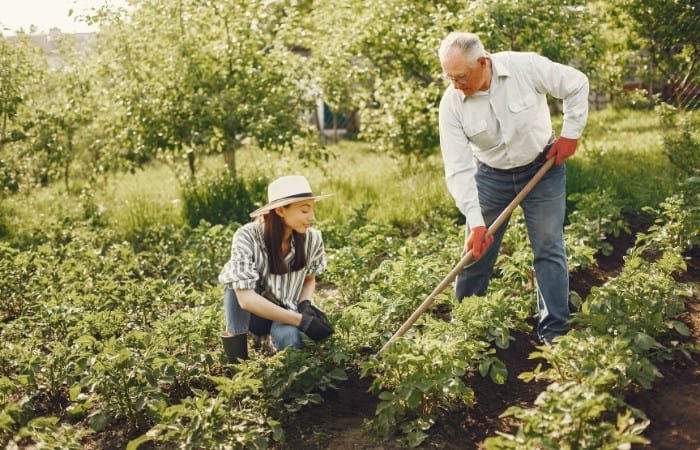
Consider picking up gardening in retirement! It offers a wealth of benefits for healthy aging, from boosting social connections to calming the mind. Studies have shown these benefits to be true.
In this article, I’ll explore these science-backed benefits and provide tips to get you started. Ready to dig in? Let’s go!
1. Gardening Keeps You Active
Gardening is a fantastic way to stay active and embrace the outdoors, all while providing a gentle nudge to keep your body moving. This is especially important for healthy aging, as physical activity is a cornerstone of well-being.
Weeding, planting, and lifting—all staples of gardening—contribute significantly to meeting the recommended weekly physical activity levels set by the CDC. For older adults, aiming for at least 150 minutes of moderate aerobic exercise is key, and gardening can help you reach that goal effortlessly.
But it’s not just about cardio. Muscle strength training, often involving weights, is also crucial. The good news? Lifting and digging in the garden naturally work your major muscle groups, providing that essential strength component.
The beauty of gardening is that it seamlessly blends aerobic and muscle-strengthening activities, offering a one-stop shop for overall health and well-being.
2. Gardening Increases Your Social Interactions
Community gardens have become a popular haven for retirees, offering a wealth of benefits beyond just fresh produce. These vibrant spaces serve as a springboard for learning new skills from seasoned gardeners, fostering a sense of belonging, and expanding your social circle.
A community garden can let you be surrounded by like-minded individuals, all with a passion for nurturing life. This fosters a sense of community and opens doors to new friendships.
As Harvard Health Publishing emphasizes, maintaining strong social ties is essential for healthy aging. Studies have shown that diverse social interactions can significantly boost emotional well-being and even encourage increased physical activity among older adults.
Even if you’re lucky enough to have your own garden, a community garden offers an extra layer of social connection. It ensures continued engagement and maximizes the overall health and well-being benefits associated with gardening.
3. Gardening Sharpens Your Mind
Gardening allows you to nurture plants and also sharpen your mind as well. Beginners will find themselves constantly learning and planning, from understanding harvest times and ideal planting seasons to choosing the right fertilizer and combating pesky pests. Mastering these tasks keeps your mental agility sharp.
The benefits extend beyond mental stimulation. Rush University Medical Center suggests that activities like gardening can promote the growth of gray matter in the brain—a key component of brain health.
4. Gardening Reduces Stress
Gardening offers a delightful escape into a world of mindfulness. Each task, from planting seeds to nurturing delicate blooms, requires focused attention, gently pulling your mind away from daily stressors.
This shift in focus can significantly reduce stress by lowering cortisol, the body’s stress hormone. But the benefits go beyond mental calm.
Research from the University of Colorado Boulder reveals a surprising connection between soil and stress reduction. Soil harbors an anti-inflammatory fat, and a friendly bacterium called Mycobacterium vaccae. When inhaled or even ingested through fresh, soil-kissed vegetables, this bacteria triggers the release of serotonin, the happy hormone, further enhancing the stress-relieving effects of gardening.
5. Gardening Is Related To Healthy Aging
Gardening can also be considered a holistic practice that embodies the core principles of healthy aging championed in longevity hotspots like Okinawa, Japan, a Blue Zone famous for its residents’ extended lifespans. Here, the secret lies in an active lifestyle, a focus on fresh food, and minimal stress.
Just like the Okinawans who maintain their active lives through tending to their gardens well into their senior years, gardening provides a gentle blend of physical and mental stimulation. Digging, planting, and nurturing your plants keeps your body moving while planning, problem-solving for pest control, and learning about different plant varieties keep your mind sharp.
6. Gardening Helps To Eat More Fresh Vegetables
Gardening empowers you to choose how you nourish your plants, opting for natural fertilizers that align with health-conscious practices. As you pluck your homegrown vegetables, you can savor the satisfaction of knowing exactly what went into their growth.
With gardening, you’re confident your vegetables haven’t been showered with toxic pesticides, you’ve cared for them with your own hands, and their freshness is undeniable—straight from garden to table!
Beyond the satisfaction of a homegrown meal, gardening integrates fresh, homegrown vegetables into your diet, ensuring a natural source of vitamins and nutrients for a healthier you.
7. Gardening Helps You To Go Outside
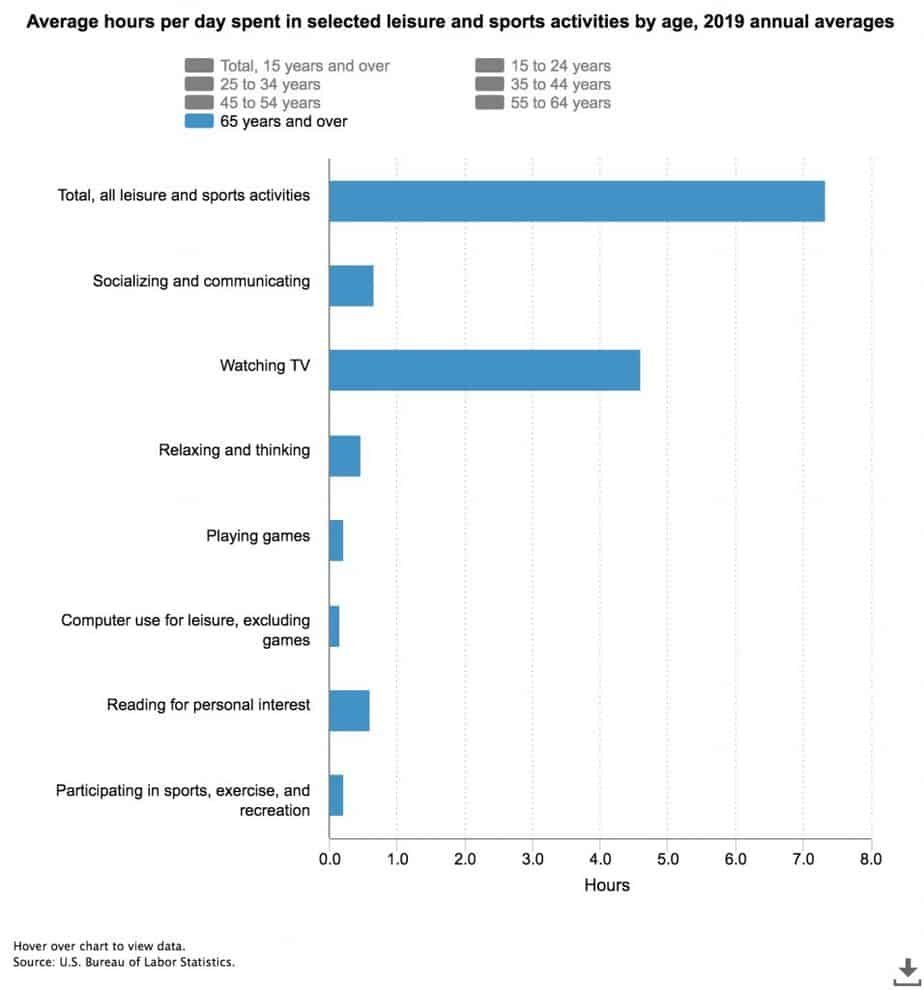
Retirement often brings a shift in daily routines, with many spending a significant amount of time indoors, as the American Time Use Survey highlights. Television can waste an average of 4.5 hours daily as it can easily become a time-filler. But what if there were a more active alternative that promotes well-being?
Enter gardening. Unlike passive pursuits like television, gardening encourages physical activity and mindfulness. Stepping outdoors unlocks a treasure trove of benefits: improved vitamin D levels from sun exposure, increased exercise from tending your plants, a boost in happiness, and even sharper focus, according to Harvard Health Publishing.
8. Gardening Is A Cheap Hobby
Gardening doesn’t have to be an expensive hobby. You can tailor it to your budget, whether it’s a small herb or vegetable garden tucked into a sunny corner of your home or a creative vertical garden that maximizes limited space.
For those without their own outdoor space, community gardens offer a budget-friendly alternative. Many are free to join, and the American Community Garden Association can help you locate one near you. Membership allows you to connect with fellow gardeners and share resources.
While investing in quality tools might seem like an upfront cost, it’s actually a long-term investment. Durable tools make gardening more enjoyable and can last a lifetime.
Consider starting with a few essential items or if you want to save money in the long run, get a comprehensive gardening set you might find on Amazon. This lets you build your collection as your gardening skills and needs evolve.
Skip costly missteps! MasterClass, along with other online learning platforms, offers fantastic gardening courses. Taught by masters, these classes can equip you with the knowledge needed to avoid expensive mistakes in your garden. It’s a convenient and accessible way to learn from the best and ensure your gardening journey thrives.
Gardening is a natural path to staying active as was mentioned in the previous sections. It effortlessly helps you meet the CDC’s minimum requirements for physical activity. But the benefits go beyond ticking a box.
It makes sense when you consider the other well-documented benefits of gardening. Spending time outdoors naturally increases serotonin production, the “feel-good” hormone.
Plus, the physical activity involved gives you a natural energy boost. Feeling good physically often translates to feeling good about yourself, creating a positive cycle that reinforces the mental well-being benefits of gardening.
Conclusion
I hope this article has inspired you to consider gardening and cultivate not just a beautiful garden, but a healthier and happier you! With a little planning and effort, the rewards of gardening are within reach.
Now, while you get ready to garden, why not spend a few more minutes reading some of my other articles? Here are some of the most recent ones that I published:
You might ask yourself, what type of lifestyle do I want in retirement? I created this helpful list of 10 unique lifestyle ideas for retirement. Also, I’ll guide you to the process of how you decide on a particular lifestyle in retirement. So let’s get started!
1) A Learning Lifestyle In Retirement
A great lifestyle to focus on in retirement is constantly learning new things because you’re never too old to learn! According to many research reports, learning new things is related to healthy aging. So it’s fun and benefits your health, which helps you enjoy your retirement even more!
According to this article on Harvard Health Publishing, learning new skills can slow down cognitive aging. You need to train regularly when you’re doing physical exercise to gain more strength or stamina. The same goes for when you want to get the best benefits for your brain while learning new things. It’s important to get out of your comfort zone and regularly learn new things to get the best results.
The best thing about being retired is that you can do things at your own pace. You decide when, where and what kind of new things you want to learn. However, it’s helpful when you have easy access to different learning programs. One of the best platforms you can join is the online platform MasterClass.
On MasterClass, you can follow video classes from the best and most renowned teachers in the world in different categories. There are 100+ different classes available in different categories like lifestyle, sports, cooking, writing, music, and many more.
A few of the popular classes on MasterClass are;
Gordon Ramsay Teaches Restaurant-Style Cooking
Aaron Franklin Teaches Texas-Style BBQ
Bobbi Brown Teaches Makeup & Beauty
Kelly Wearstler Teaches Interior Design
Each class on MasterClass has several video lessons that you can download to your device, allowing you to follow the lessons offline. You can get an Annual Membership for 180 USD, which gives you full access to the platform.
Did you know that according to the CDC, staying active is one of the most important things you can do for healthy aging? The CDC mentions this in their advice about physical activity for older adults.
The average amount of time spent of people 65 years and older in leisure and sports is 7.33 hours a day. However, this time is divided into different categories from which watching television (when people are sitting) is 4.5 hours a day. When people are moving, the category sports accounts for only 0.22 hours a day!
I would recommend having a more sportive lifestyle in retirement. Being active benefits your health. You’ll be more energetic, which results in doing other things as well. This way, you can create an active and sportive lifestyle in retirement!
One of the easiest ways to start with sports is by using the application Aaptiv. With the application, you can follow different sports programs dedicated to your goals. And you can use the application everywhere you go, so you don’t have the hassle of memberships you don’t use when, for example, you’re traveling around.
Gardening is a popular activity among retirees. Becoming a gardener, you combine the best of both worlds. You have an active hobby, you’ll come outside a lot, and you’ll learn new things when learning how to garden.
Gardening is a great activity where you train all the muscles in your body without even noticing it. So, if you’re not that sporty person but like to be outside en being busy, gardening might be the lifestyle you’re looking for in retirement!
Next to physical activity, gardening is also a mindfulness activity, which benefits your well-being.
When you don’t have any gardening experience, I recommend following the MasterClass of Ron Finley on the MasterClass platform. You can get an annual Membership for MasterClass here.
Ron Finley is a renowned, LA-based fashion designer and urban gardener. In his MasterClass about gardening, he teaches the ins- and outs of (urban) gardening and explains how you can make gardening a fun activity to do without much effort! Learn more here.
Maybe you’ve always dreamed of becoming an entrepreneur and having your own business. Being retired is the perfect opportunity to pursue this dream!
There are so many possibilities to start your own business today, and it doesn’t mean you have to back to working full time. You can easily start your own business as a part-time business or even set up something that creates a passive income, like blogging (recommended read; Blogging In Retirement: 11 Expert Tips For Beginners.)
Many retirees want to keep working 1 or 2 days a week to stay busy, and because they like doing it. Sometimes people need to keep working because they didn’t save enough money for their retirement. One of the most popular businesses that retirees start is becoming a consultant. As a consultant, you can help other companies and easily decide how much time you want to spend on your ‘job’.
However, I would recommend chasing your dreams. When you’ve always dreamed of setting up your bakery or coffeeshop after retirement, why not doing it? It’s all about doing what your love and choosing the lifestyle in retirement that makes you happy.
Before you start a new company, it’s important to research the competition, your product or service, how profitable it can be, etcetera. A great service that can help you set up your company is Northwest register agent, find out more here.
5) Become A (Semi)-Professional Chef
If you love cooking, retirement is a great time to improve your cooking skills. You can become a semi-professional chef and even dedicate your lifestyle in retirement to cooking. There are several ways you can fill in your time when it comes to cooking. You can look for a part-time job in a local restaurant. Compete in several cooking contests. Start your cooking club, or cook for fun with friends and family.
The best way to improve your cooking skills is by following the different Cooking Classes on MasterClass. You’ll improve not only your kitchen skills but also get great knowledge about international cuisine.
Currently, there are 17 different cooking classes available on the MasterClass platform. Get your annual Membership for MasterClass here so that you can start with your cooking lifestyle today!
6) Start With New Hobbies In Retirement
You can spend your time in retirement however you like. It doesn’t always have to be business-related or being about improving yourself. The most important thing is that you love what you’re doing. And that’s exactly what a hobby is.
“an activity or interest pursued for pleasure or relaxation and not as a main occupation.”
So, focusing your retirement lifestyle on hobbies is time well spent! You might ask yourself, what kind of hobbies are fun to do as a retiree. If you’re struggling with finding a hobby, I recommend reading one of my articles;
When you’re a fan of arts & craft hobbies, I recommend signing up for CrateJoy. With the Arts&Crafts Box from Cratejoy, you’ll get a unique hobby-related box delivered at home once a month. This way, you can start with a new hobby each month! Get your Cratejoy subscription here!
7) Become Bilingual In Retirement
Earlier I told you about the benefit of learning new things in retirement. Maybe you’ve always dreamed of speaking multiple languages or becoming fluent in Spanish. Focusing on becoming bilingual in retirement is a unique retirement lifestyle to choose from.
Learning a new language is not difficult but can take up a lot of time. One of the best ways to learn a new language is by way of total immersion, meaning you spent a long time with native speakers in their home country, learning about their culture and language. Of course, you can start easily using a language learning application, allowing you to become fluent in each language.
Together with my family, we travel the world all year long, and it’s the best life choice we’ve ever made! Of course, with Covid-19 restrictions, it’s becoming a bit more challenging to go wherever you like, but I’m certain this will be possible in the near future again. You still can travel in your own country, and there’s a lot to explore there as well!
Focusing on a traveling lifestyle in retirement is one of the best things you can do. Traveling allows you to learn more about other cultures, it keeps you socially and physically active, and you’ll also explore all the beautiful places in the world!
9) Become A Retired College Graduate
Never finished a college degree? Or maybe you’re eager to back to school and get a different degree. Did you know that in the US, there are specific college programs for retirees and seniors? Some of these programs are even free of charge! Learn more about the possibilities here.
Going back to college is a great lifestyle to focus on in retirement. It has many benefits because you’ll learn new things, get out of your comfort zone, and interact with other people, keeping you socially active.
10) Volunteering Lifestyle In Retirement
Volunteering is an activity that is very popular among retirees. If you want to focus your lifestyle in retirement on volunteering, you need to decide for yourself what it is you want to get out of it.
Ask yourself if you can commit to, let’s say, 1 or 2 times volunteering work a week. Do you have the financial position to do volunteer work, or is it better if you’re spending this time on a paid job?
Volunteering can be very rewarding because, often, you’re able to help other people in need. There are all kinds of volunteering jobs available, like helping out in the community center at your local church. You can even join the international volunteer corps and start volunteering abroad!
If you want to learn more about volunteering in retirement, I recommend reading my articleWhy Do Retirees Volunteer?
How To Decide On Your Lifestyle In Retirement?
Now that you have several ideas about the lifestyle possibilities in retirement, you might ask yourself, how do I decide on my retirement lifestyle?
It’s time to answer the difficult questions. Well difficult? It’s actually very simple. You can focus on every lifestyle you want. The most important thing is that you’re doing what makes you happy!
The other day I read an interesting article about financially preparing for retirement. Many people ask themselves if they saved enough for their retirement. But to answer that question, you need to decide what kind of lifestyle you want in retirement in the first place.
I’m not here to tell you about your financial position, but I can help you to decide what lifestyle to choose in retirement. As I said, you must choose a lifestyle that makes you happy. Often that means doing the things your passionate about.
The lifestyles that I described in the list above are all fun and rewarding if you’re passionate about them—so choosing the right lifestyle for retirement is finding your passion.
Finding your passion in retirement can be challenging because, in the last years, you spent a lot of time focusing on your career instead of the things you love to do when not working. In a few steps, you can easily figure out your passion again. The first step is going back to your childhood. Remember what you loved doing as a kid? Probably you’re still getting excited about these activities! Which can be a perfect start to find your passion again. I explain this process step by step in my article How Do I Find My Passion In Retirement? | 14 Helpful Tips.
Are you wondering if you can learn a new language at 60 or older? I researched and found the scientific proof:
According to research, people 60 years or older can learn a new language easily. The large vocabulary helps seniors to learn new words more easily. The slowed-down neurons in the older brain make the learning process longer. Mental and physical exercise nurtures the growth of new brain cells and increases the ability to learn at an older age.
Now you know that learning a new language at 60 or older is possible, let’s dive in deeper. In this article, I share more scientific proof, 5 tips to learn a new language effortlessly, and the benefits and importance of learning at an older age. Let’s get started!
Scientific Proof You Can Learn A New Language At 60 Or Older
There is a common misconception: learning is hard at an older age.
Perhaps you’re convinced too that learning a new language is impossible for you. And although it is on your bucket list to speak a couple of words of Spanish, French, or another language. You’re discouraged due to previous experiences that made you believe that learning is more difficult compared to when you’re were younger. Perhaps that’s why you’re reading my article right now. Well, I’m here to prove you the opposite.
We all know that learning for kids is easy. They are like sponges, which is very true. Only that doesn’t mean that learning at an older age is impossible. The reason why kids are easy at learning is that they learn every day. And that way of life is different for older people. Especially when we leave college.
As we get older we often stop learning because we dedicate our time elsewhere. We work 8 hours a day, get married, start a family, and have household activities to do every day. Kids spend their whole childhood at school and outside school learning new things and skills. For them, the whole world is filled with new things to discover. And they’re eager to stay interested and motivated to keep learning. This is the key to their success. Learning is easy for them because they keep learning.
According to this research, 60-year-olds and older participants were challenged to learn at least three new skills simultaneously for 3 months. “Learning multiple skills simultaneously increased cognitive abilities in older adults by the midpoint of the intervention, to levels similar to performance in a separate sample of middle-aged adults, 30 years younger.” To sum it up: your brain will function younger when challenged thoroughly enough. Therefore learning becomes easier as you challenge yourself mentally regularly.
Also, according to a study, 60-year-olds often underestimate the power of their brain memory and ability to learn. The lack of confidence keeps them from pursuing learning new things. Then it becomes a downward spiral. Seniors don’t challenge their brains frequently, which will result in learning becoming harder. And then the confidence goes down… etc. Up to the point that you’re convinced that you can’t learn anything after 60.
To make learning easy at 60 or older is to keep learning as you age. Learning rewires the brain and optimizes the brain through a process called myelination, no matter the age. It’s the process where you experience becoming better at a skill with time and practice. A new language is a great way to challenge your brain and as you continue your learning journey you’ll notice it will get easier over time.
How To Easily Learn A New Language At 60 Or Older
1) Use A Language Learning Application
There are many language applications available to help you learn a new language. However, if you truly want to become fluent in a new language, I recommend using the application Busuu.
Busuu was named the #1 language learning application of 2020. It has over 100 million students worldwide. When you follow a language course with Busuu, you also can complete an official test based on the McGraw-Hill Education standards. These tests allow you to measure your knowledge of a language, and if you like, you can share your certificate for professional use.
Using an application like Busuu is convenient because you can start learning a language on your own time. You decide your schedule, when, and where you want to start learning. According to this article on Harvard Health Publishing, learning at your own pace benefits the learning process. Besides improving your knowledge, learning new skills, like learning a new language, also gives you a sense of purpose.
According to the article on Harvard Health Publishing, it is important for older adults that they can interact by doing exercises, taking notes, and completing tasks when they learn something new. That’s exactly how the Busuu learning program is set up.
The Busuu language courses are developed according to the Common European Framework of Reference, an internationally recognized standard for creating language lessons. You can read more about how their courses are developed here.
The Busuu courses are divided into four stages, from beginner to upper-intermediate. The beginner stage only focuses on learning simple things like saying hello, and ordering something in a shop. When you reached the upper-intermediate stage, you can truly join a discussion in the language. You became a fluent speaker. Sign up for Busuu For Free.
2) Make Use Of Your Learning Skills
Over the years, you probably followed different courses and learned new things. Maybe you went to college before you started your career. Either way, you developed a way of learning new things that work best for you.
If you want to start learning a new language in your retirement, it is important to focus on these learning skills. For example, if you learn best by watching a video course, follow a language video course first. Or when you’re learning better when reading aloud or doing specific tasks, make sure to focus on that.
Let’s say you want to learn Spanish, one of the most difficult things at the start is understanding sayings and specific words. To make this easier, you can use your knowledge of your native language. It would surprise you how much some words in each language are alike.
Also, learning a new language benefits your knowledge of your native language. You’ll translate these into your native language by learning new foreign words or sayings. This way your knowledge of both languages will improve!
4) Read Books In The Foreign Language
When you’ve read more articles on this website, you probably know that I’m from The Netherlands, so my native tongue is Dutch. However, I’m fluent in English and can also speak Spanish. To improve my English, I started reading books in English, which I’m still doing today. It helps me to keep my knowledge of the language up to date.
If you start reading books in a foreign language, of course, you need to have some knowledge of that language first. But if you understand the basics of a language and start with simple books, it can work great. I even started reading children’s books at first, it may sound silly, but it helped me understand the language much faster!
I found that the biggest advantage of reading books in a foreign language is that you learn about specific cultural sayings, humor, and communication in that language.
The Busuu application focuses on reading in each language lesson, and next to reading, they also focus on writing tasks, which helps you improve your knowledge even faster.
5) Focus On Total Immersion For Learning A Language
When you’re at an older age and retired, there’s a good chance you have enough time to spend a while in a different country. For example, if you want to learn Spanish, you can travel to Spain or a different Spanish-speaking country and stay there for a few months. Not only to travel and explore the country but to truly become fluent in the language. This process is known as total immersion, and it’s one of the best ways to become bilingual.
Learning to speak and understand a language is one thing you can easily do by using Busuu. It creates perfect knowledge as a start. And with the upper-intermediate level courses, you can still use the application while you immerse yourself by visiting a country to learn the language.
Total immersion helps you understand the cultural backgrounds in a language much better. When you spent some time with locals, you’ll understand their way of speaking, different dialects and learn more about the country.
Benefits Of Learning A Language At An Older Age
Many people say that learning a language at an older age is much difficult. However, the opposite is true! Of course, younger people can often adapt easier and learn new things faster, but you’re never too old to learn! It’s even important to keep learning new things for staying fit. Learning new things is related to healthy aging, but later more on that.
Did you know that learning a new language has many benefits? Even when you’re older.
For example, learning a new language makes you a better listener because you need to focus harder when speaking in a foreign language. When learning a new language, it’s more difficult to understand the meaning of what someone is saying. It also improves your decision-making skills. Because you’re able to think through your problem in different languages, so you can focus on multiple points of view.
When you’re bilingual, you’ll get a better cultural understanding, and learning new languages increases your social circle because you can connect easier with people from a different cultural background.
The Importance Of Learning New Things At An Older Age
Learning a new language is related to healthy aging. It has a lot of benefits like we mentioned above. Learning a new language as a senior keeps you busy, improves your social circle, and benefits your brain.
According to this article on Harvard Health Publishing, you need to train your brain similarly to train your muscles. Exercise is the most important thing for staying fit. We do all kinds of physical exercise for healthy aging, but we also need to focus on brain activity. According to this article, learning new things like learning a new language helps slow down cognitive aging.
However, it’s not enough to simply learn something new. To truly benefit from your brain exercises, you need to get out of your comfort zone. Compare it with physical exercise. You won’t benefit from it if you only do sports once a month.
So, when you’re learning new things, it’s important to challenge yourself. Learning a new language at an older age is a great challenge at the level that is needed, according to this article on Harvard Health Publishing.
If you truly want to benefit and maximize your learning efforts at an older age, you need to keep a few things in mind. Experts from Harvard Health Publishing say that older adults learn best when they can interact with the content. Interaction can be things like taking notes, completing tasks, follow video lessons, etcetera. It’s also helpful to find a buddy for your learning process. Giving each other feedback about the process, and helping each other with difficult tasks, speed up the learning.
When focusing on learning a new language and all the important facts above, as mentioned by the experts of Harvard Health Publishing, the language learning application Busuu is the best learning tool you can use.
With a Busuu membership, you automatically interact with the content by completing different tasks, following video lessons, and much more. But you also get access to the community where you can connect with other language students. This way, you can easily find a buddy that can help you become more fluent in a language faster. You can sign up for Busuu for free!