Category: Tips and Tricks

Master your retirement! Get expert tips, hacks, and strategies for a healthy and fulfilling retirement life. I have a lot of useful guides waiting for you!

  • What To Do Instead Of Retiring: 15 Creative and Fun Alternatives

    What To Do Instead Of Retiring: 15 Creative and Fun Alternatives

    Not everyone is looking forward to a full-time retirement. If that’s the case for you too, you might wonder: what can I do instead of retiring?

    Well, I’m going to share some fun and creative alternatives. This time, we’ll do a fast round. Buckle up your seatbelts and let’s get started!

    1. Retire Part-Time

    Ease into retirement by phasing out gradually. Instead of a cold turkey stop, consider a part-time transition. This allows you to:

    • Smoothly adjust to more leisure time.
    • Explore retirement passions.
    • Maintain a sense of purpose during the transition.

    If you’re worried about finding happiness in retirement, I can help you out with that with my book: Five Steps To Happiness In Retirement.

    2. Go Back To School

    Retiring from work doesn’t mean retiring your brain. Returning to school is a popular choice among seniors and retirees seeking to continue learning, relive college experiences, and expand their horizons. Consider the following:

    • Going to school will keep you busy and socially active.
    • Taking courses can be done from the comfort of your home now.
    • Learning new things can help maintain your cognitive health.

    Embrace retirement as an opportunity to enrich your mind and explore new interests through continued education, whether in traditional classroom settings or through online platforms like Masterclass.

    3. Take A Sabbatical

    Considering an alternative to retirement, you might explore the option of taking a sabbatical first before you ultimately say goodbye to work. It can give you the time to reflect, travel, pursue academic interests, or engage in personal activities. Sabbaticals offer a structured break to reassess priorities and make informed decisions about your future.

    Here are some key points about sabbaticals:

    • Sabbaticals provide time for reflection and personal growth.
    • They offer a clear endpoint, reducing feelings of uncertainty.
    • Preparation and understanding of company policies are crucial before discussing a sabbatical with your employer.

    Taking a sabbatical can offer valuable insights and rejuvenation, providing clarity and direction for your next career steps.

    4. Turn Hobby Into A Career

    If the previous suggestions aren’t for you, you can instead turn your hobby into a new career. Here are some considerations and possibilities:

    • Monetizing your hobby is an excellent backup plan when you completely retire.
    • If you don’t have a hobby yet, it’s the perfect time to find one that you can turn into a career.
    • You can turn your hobby into a fruitful career by mastering it completely through educational platforms like Masterclass.

    Transforming your hobby into a career can provide fulfillment and financial rewards, offering a new avenue for personal and professional growth.

    5. Start A Business

    Retirement offers the freedom to become your own boss, whether by pursuing a hobby-based business or exploring new ventures. Here are some other reasons you should go this route:

    • Starting a business in retirement can provide independence and fulfillment.
    • Opportunities abound for those with the right skills, willingness to learn, and perseverance.
    • Various low-cost business ideas include becoming a landlord, operating a bed and breakfast, gardening, house flipping, or starting a blog.

    Entrepreneurship in retirement can offer exciting possibilities and a renewed sense of purpose, leveraging your skills and passions for personal and financial gain.

    Read: Which Business Is Best In Retirement

    6. Become A Freelancer

    Freelancing is another alternative to retirement. It’s a much more lax option compared to starting a business or being a cog in the wheel in some company. It also presents opportunities for continued engagement and income generation. Consider the following aspects:

    • Leveraging life experience as a consultant or advisor can be highly valuable.
    • Negotiating freelance agreements with previous employers allows for flexibility and potential income.
    • Various freelance options include digital assistance, writing, web design, tutoring, coaching, and more.

    Freelancing in retirement offers the chance to remain active in the workforce while enjoying flexibility and autonomy. With a wealth of skills and experience, retirees can find fulfilling opportunities in the freelance market.

    7. Get A Job

    The trend of working beyond retirement age is on the rise, driven by financial needs, a desire for continued activity, and potential social benefits. Notably:

    • Working past retirement age may enhance Social Security benefits.
    • Many retirees seek work for financial stability to stay active or access additional benefits.
    • There’s a wealth of enjoyable retirement job options that promote mental, social, and physical well-being.

    Work during retirement has a lot of numerous benefits beyond financial security, fostering fulfillment, and overall well-being.

    Read: 50 Best Jobs For Retirees.

    8. Do Volunteer Work

    Volunteer work can infuse life with meaning and fulfillment, particularly in retirement. This reason alone makes retirees and seniors enjoy volunteering. Here are other reasons why:

    • Helping others brings instant happiness, a key motivator for retirees to volunteer.
    • Volunteer work complements the mental, social, and physical stimulation provided by employment.
    • You’ll never run out of things to do and think about, keeping you away from isolation and boredom.

    Volunteering enriches life in retirement, fostering a sense of purpose and contributing positively to the community.

    9. Work While Traveling

    While retirement often conjures images of extensive travel, the reality may differ due to various constraints. However, a solution exists: combining work with travel. Not possible? It is. Just look at these:

    • Working while traveling can provide opportunities to explore without significant financial strain.
    • Positions such as those at ski resorts, cruise ships, or national parks offer a chance to see the world while earning an income.
    • Seasonal jobs allow flexibility, catering to those who desire part-time or temporary work while on the road.

    Work-travel arrangements are a match made in heaven. It can offer fulfilling experiences and the chance to explore the world on a budget—and it’s a lot of fun.

    10. Change Your Lifestyle

    Rather than retiring to settle into a traditional homebound routine, consider shaking up your lifestyle with bold alternatives. This could mean:

    • Immigrating to a new country.
    • Relocating nearer to grandchildren.
    • Embracing RV living or even adopting a live-aboard lifestyle on a boat.

    Before committing to major changes, it’s advisable to test the waters of your desired lifestyle. However, if you’re confident in your dream, why not seize the opportunity to pursue it? Exploring unconventional living arrangements can offer exciting new experiences and enrich your retirement journey.

    11. Switch Careers

    Transitioning from your current job doesn’t always entail full retirement; it could involve seeking change or escaping a toxic work environment. In these instances, a career switch is a viable option, and it needn’t be daunting. To do this, you must:

    • Explore retraining courses tailored to your desired industry.
    • Utilize available resources to facilitate a smoother transition.
    • Embrace the opportunity for growth and fulfillment in a new career path.

    Making a career switch can offer fresh perspectives and improved work-life balance, allowing you to embark on a fulfilling journey in a new professional direction.

    12. Work At Home

    The COVID-19 pandemic has underscored the viability of remote work, prompting many individuals to embrace a hybrid model that combines office and home-based work. Here’s why:

    • Remote work offers improved work-life balance and eliminates time wasted on commuting.
    • Many individuals prefer a hybrid setup, spending one or two days at the office to reconnect with colleagues.
    • Exploring remote work opportunities can provide flexibility and cater to personal preferences.

    Whether motivated by a distaste for commuting or a desire for increased home time, remote work presents a viable option for professionals seeking a better balance between work and personal life.

    13. Take On A Project

    Having meaningful pursuits in retirement can greatly enhance fulfillment. Consider undertaking a project to occupy your time and stimulate your mind. To do so, here’s how:

    • Find freelance projects for extra income.
    • Try home remodeling, writing memoirs, or starting a novel.
    • Pursue projects either post-retirement or during a professional break, enhancing your personal growth and enjoyment.

    Whether aiming for financial gain or personal enrichment, taking on projects in retirement can add purpose and excitement to your life journey.

    14. Become A Teacher

    For those with a passion for a particular subject, transitioning into teaching can offer a fulfilling second career. However, take note of the following:

    • Your extensive experience in your field can enrich your teaching abilities at high schools, colleges, or universities, but it doesn’t guarantee a teaching position.
    • Requirements for becoming a teacher vary by state, with most colleges and universities requiring a master’s degree and high schools typically requiring a bachelor’s degree.
    • Some institutions may hire retirees with a bachelor’s degree, especially if they possess significant industry experience.

    A teaching career can leverage your expertise to educate and inspire the next generation while providing personal fulfillment and professional growth.

    Read: Can You Retire And Become A Teacher

    15. Get Into Politics

    Engaging in politics can be a fulfilling avenue for those seeking to make a difference in their lives, communities, or for future generations. Consider the following:

    • You can join a political party, assist with campaigns, or pursue roles such as lobbyist, consultant, pollster, or campaign manager.
    • You can focus on contributing to societal change and leveraging their insights.
    • You can use it to have a more meaningful alternative to traditional retirement.

    Political engagement can provide avenues for personal growth, community impact, and the opportunity to effect positive change on a larger scale.

    Conclusion

    So, if the traditional picture of retirement doesn’t quite resonate with you, don’t worry! One of these alternative paths surely gave you an idea of what to do next in your life. 

    Anyway, since you’re already here, why not explore this site more? I have more articles you can read that you’ll surely find informative and enjoyable. Here are the recent ones I published:

    Happy reading!

  • What Do Seniors Want? | Questions Answered By Seniors

    What Do Seniors Want? | Questions Answered By Seniors

    What Do Seniors Want

    If you need to take care of a senior parent, relative, or someone else, you might ask yourself what do seniors want most?

    Seniors want to keep their independence when they age. Living at home independently, being part of a community, and creating financial independence is the most important to seniors. Avoiding loneliness and isolation is essential for seniors regarding healthy aging.

    When we’re traveling around, I meet many seniors enjoying their retirement, and when we’re at home, we live with my parents, who both are seniors. I asked my parents, parents-in-law, and other seniors what they want most. I combined this knowledge and some exciting research and created this list of things seniors want most. Let’s find out more! 

    Things Seniors Want Most

    After interviewing both my parents, parents-in-law and other seniors living in a retirement community, I came up with this list of 9 things seniors want most. Independent living and healthy aging are known as the most important factors for seniors when their aging. However, there are many more important factors when it comes to creating a happy retired and senior life.

    1) Financial Independence & Security

    One of the most important things for seniors is having financial independence and security. Not to worry about their finances helps with the ability to enjoy their lives more. For many seniors, it’s just that simple. When they know that they have their finances secured, it’s easier to focus on other things to create happiness in their lives. 

    That said, financial independence doesn’t create happiness. However, it is important to have a solid financial basis to focus on other things. Suppose that one of your parents is retiring soon, but they’re unsure about their financial situation. It’s probably that one thing where all their energy focuses on. So, having a solid financial plan, independence or security helps to focus on other things to find fulfillment in life.  

    Most soon-to-be retirees and seniors have some financial plan for their retirement. Often this plan is a combination of personal savings, pension, and investments. However, many seniors don’t know that they can often save on their monthly payments. Lowering utility bills can save a lot of money that you can use to create more financial security. 

    BillShark is a helpful tool that helps with the process of lowering your bills. They do all the hard work, and you’ll end up with more money you can spend on other things! Find out more here

    2) To Stay Active

    When it comes to aging, seniors all want the same thing. Healthy aging. One of the most important things someone can do when it comes to healthy aging is to stay active. According to the CDC, having regular physical activity is one of the most important things an older adult can do regarding their health. 

    The CDC mentions a minimum of physical activity per week for older adults, which is actually very easy to reach. Their minimum requirements are at least 150 minutes of aerobic exercise and two times muscle strengthen training a week for older adults. 

    In my article, How Can I Stay Active In Retirement?, I’ll share many ideas to stay active as a senior. 

    Staying active is also very important for my parents, who both are seniors. My dad loves being busy with different kinds of chores in and around the house, like gardening, maintaining his car, and things like that. He is in his early 70s and easily gets to the minimum physical activity requirements set by the CDC. He’s even getting much more exercise than required. Having enough things to do makes him feel happy. 

    Staying active for my mom, who is half the age of 60, is much different because of her mobility issues. She can’t reach the minimum requirements of the CDC when it comes to physical activity. However, she is physically active and does the things that her condition allows her to do. She also found many other things to stay active, like staying mentally active with doing art and handcraft projects at home. Also, she loves to stay socially engaged with people that are closely related to her. 

    It is essential to stay active for seniors, but staying active means much more than focusing on physical activity. Physical activity is just one part of the puzzle. Focusing on staying mentally and socially active is just as important. I’ll explain this in the next parts of this article because staying active it’s not only related to healthy aging. Staying active on all levels (physically, mentally, and socially) is also something seniors want most. 

    3) To Learn New Things

    In 2020 we couldn’t travel at all because of the worldwide Covid-19 pandemic. So we end up staying at home for the entire year, living with my parents. It was a great year, and funny enough, I learned a lot more about how my parents spent their time. They’re actually eager to learn new things all the time. Both my parents are interested in learning about using new technology to make their lives easier. Of course, we love to help them with that. 

    They also keep themselves up to date with important developments in society to adjust their lifestyles if they feel they need to. It’s funny to see they actually live according to the famous saying ‘You Never Too Old To Learn.’

    Healthy aging is one of the most important factors for seniors, and learning new things is a major part of this. According to Harvard Health Publishing, seniors need to focus on learning new things, challenge their brains, just like we challenge our muscles with physical activity. The article mentions when seniors learn new things, they can actually slow down cognitive aging! 

    4) Meaningful Relationships

    Socially engagement is also very important to stay active for seniors. Having meaningful relations helps with staying happy. In fact, seniors who have a wider social circle that is larger than the standard contacts of family and friends, are often more active. Researchers think this is because you actually need to get out of the house to meet up with other people. 

    Staying active and having many social interactions is also related to slowing down cognitive aging. Mainly because with different interactions throughout the day, you keep challenging your brain, just like training your muscles. 

    Seniors are most scared of loneliness and social isolation. According to the CDC, it is even linked to serious health conditions. The CDC mentions that loneliness and social isolation are associated with a 50% increase in dementia and other medical conditions. Knowing this, it is even more important for seniors to have enough meaningful relationships. 

    5) To Be Part Of A Community

    An excellent way for seniors to create meaningful relationships is to be part of a community. However, that’s not the only reason why seniors want to be part of a community. 

    My parents-in-law live in a retirement community in The Netherlands. When I asked them why they decided to move into the retirement community, they told me it was because of the many contacts with people of the same age. 

    They love that they live closely with people of the same generation and with the same interests. Doing activities together with their community members keeps them fit, active and gives them renewed energy. 

    6) Stay Independent

    Seniors want to stay independent. It’s something we all want, right? Next to becoming lonely, seniors are most afraid of losing their independence. But later, more on that. 

    It’s important for seniors to keep their independence when it comes to daily activities. For some, even simple daily activities like grocery shopping becoming difficult when they’re aging. 

    There are ways for seniors to stay independent as long as possible. It all starts with creating an active and healthy lifestyle. However, health is declining with age, and sometimes things just happen without reason. You just can’t influence everything, right? Still, for seniors, it’s important to stay independent as long as possible. It gives them a sense of worthiness. 

    7) To Have A Daily Routine

    Having a daily routine is important to create some structure in our lives. For seniors, it’s extra important to have a daily routine. With structure and repeating activities, it’s easier to keep their independence for a longer period. Also, when we’re retiring at some point, it’s for most seniors and retirees difficult to create structure during their day. 

    Life is changing when you’re retiring and also when you’re aging. When you stop working, you don’t have the daily activities from heading to work and all the other social events that are work-related. You basically need to re-invent yourself. In my ebook Five Steps To Happiness in RetirementI help you create a new daily structure and many other challenges retirement has. 

    8) To Be Treated With Respect

    Suppose that you’re aging and still are fit and healthy. However, people treat you like if you need help with everything, and even your opinion doesn’t matter anymore. You probably don’t like that, right? 

    It is what happens to many seniors, though. Often seniors are treated differently. However, if we treat seniors with respect, we probably help them much more. Seniors do matter. They want to be treated with respect. 

    Let’s look at people living in the blue zones globally—areas where people get much older than average. Most centenarians, people that reach the age of 100+ healthily, live in the blue zones. Apart from a healthy diet and active lifestyle, they are also treated with respect within their community. They are part of the daily activities and often have specific tasks within the community. 

    9) Healthy Aging

    Healthy aging, it might sound logical. Isn’t that something we all want? Still, it’s what most seniors want in their lives—aging without major problems, both in health and with daily activities. We do get older on average, so we have a longer period to live as a senior. However, most seniors have some decline in their health status when they’re aging. Healthy aging is different for everyone. Most important is that as a senior, you do things that are beneficial when it comes to healthy aging. Like staying active, have a healthy diet, and create enough social contacts. 

    Things That Seniors Fear The Most

    Seniors want to live a happy life while aging. However, aging comes with different struggles in life. Like health declining, loss of independence, leaving their homes, and loneliness. Unfortunately for many seniors, these things are more common than we like. 

    According to this study from AARP, 3 out of 4 seniors in the age of 50+ want to stay at home when they’re aging. They even want to invest in home modification if this helps them to stay at home independently longer. Most of them aren’t able to stay at their homes while aging. Often because of health declining. 

    Loneliness and loss of independence are the things seniors fear the most. The same study from AARP mentions that 3 out of 10 seniors report feeling left out or isolated from others. Loneliness occurs much more often when we’re aging because the social circle of friends and family is declining with age. However, according to the CDC, loneliness is mentioned as a serious health issue. It’s associated with things like dementia and other major medical issues. Therefore, seniors need to keep up with their social contacts and create more contacts and relationships next to the standard circle of friends & family. 

    Loss of independence is something seniors are often afraid of because you can’t do anything about it. When health is declining, it sometimes is inevitable to create some sort of assisted living for seniors. However, many seniors can still live independently with the right tools and products, even when their health is declining. 

    For example, they can use a product like MobileHelp. An alarm system seniors can use to call for help when they fall. It gives them much more freedom to get around, knowing there’s always a way to ask for help when they need it. You can get the MobileHelp device here.

    In my article What Products Do Seniors Needyou can find a list of helpful items that seniors can use to stay independent for as long as possible. 

  • What Are The Good Things About Being Retired: An Expert Tells All

    What Are The Good Things About Being Retired: An Expert Tells All

    As your retirement date is coming closer you perhaps feel mixed emotions. You can feel excited, scared, and terrified all at the same time. That is all normal because retirement is a major life change. Or maybe you’re already retired and find yourself in a negative spiral and you might wonder, what are the good things about being retired?

    Well, as I retirement blogger I’ve done a lot of research and talked to many retirees about what they love about their retirement. And listed 14 good things about being retired in this article to help you out. After reading this article you will feel more excited about your retirement. So, let’s get started.

    1) No Stress

    Most jobs these days are stressful, so when you’re retired you leave the stress that came with the job at work. Which for most people is a very good thing. Although it can take a bit of time to adjust to a slower pace of life that is called retirement, once you experience this more relaxed feeling you’re going to love it. And you start to question yourself, why did I get so worked up about little things at work?

    Also, for most people, a job is an obligation and a way to pay the bills and save up for retirement. If you’re one of them you know that even showing up at work is stressful. And that is because you work hard but you don’t love your job. It doesn’t fuel your soul. And that is a stressful thing. Soon, in retirement you have time to do something you love to do; even though you work hard on it, you don’t experience stress. And if you found that, you’ve found your retirement passion.

    You’ll get a new perspective about life. At first, most of your life evolved around work. And in retirement, you start to experience that life goes on, even without you going to work. And you’ll see that there is a whole world to be explored. And to get stressed about;) The good kind of stress of course. The one that makes you excited and in love with life.

    And if you’re stressed about your finances. Make sure to get professional help from a financial expert. You can find professionals via JustAnswer quickly.

    2) No Traffic

    Not having to commute to work and deal with traffic jams is probably one of the best things about being retired. It’s also the first positive change you’ll experience in the first days of your retirement. You can sleep in, enjoy your morning coffee at home and you can hit the road or travel with public transport at times it’s less busy. It’s the first sense of retirement feeling you’ll experience.

    You can make appointments midday or around the traffic jam hours so you can avoid it as much as possible. Because why would you get stuck in traffic in retirement? It’s a waste of time.

    A great way to make use of the extra time in your day (not commuting to work) you can follow a class. Many retirees like to apply for classes because keep learning at an older age is the best way to keep your brain healthy, prevent diseases, and stay happy in retirement. But what class should you follow? Well, let me give you a great tip!

    You can follow 100+ different Masterclasses from the world’s greatest teachers in their field all from the comforts of your own home with one Membership to Masterclass. It’s just as easy as Netflix. But instead of lying on the couch wasting your hard-earned time in retirement binge-watching TV series. You can learn new skills, discover a new retirement hobby and find out all the secrets from your icons with online classes on Masterclass. It makes your retirement instantly a lot more interesting.

    Here is a very small selection of classes that are available on Masterclass:
    – Ron Finley Teaches Gardening
    – Gordon Ramsay Teaches Cooking
    – Reba McEntire Teaches Country Music
    – Alicia Keys Teaches Songwriting and Producing
    – Samuel L. Jackson Teaches Acting

    But definitely check out the masterclass website to see what other classes are available that sparks your interest. There is something for everyone on the platform. From science, music, design, cooking to acting, business and so much more. They add new classes every month.

    3) No Boss

    In retirement you get to be your own boss. Or you’ll have a new one: your spouse ;).

    Even if you loved your boss, not having one is a lot better. It means that you get to decide what, when, where, how, and why you do things. And that freedom is priceless.

    4) Lots Of Time

    When you retire you get a lot of free time to spend however you want to. You don’t get 25 years of retirement time wrapped in a nice present on your last day of work, but you get 8 hours a day that you don’t have to work anymore. And how you’re going to spend these 8 hours a day is the key to your retirement happiness.

    Many retirees fill their time with their new retirement hobbies and wonder after a couple of years how they ever had time to work? This is because they’re so busy in their retirement with fun activities. It’s what both my father and father-in-law joked about when they were a few months into their retirement.

    Also, many people underestimate retirement. They don’t know that it’s a process that takes time to get used to. A lot of people get excited about the abundance of time in retirement, but once they retire they have trouble structuring their retirement day. That is why it’s important to retire to something. Having a plan about what you’re going to do in retirement gives you a better start. Of course, this doesn’t mean that you have to have a strict schedule about what you’re going to do every day, but having an activity that keeps you busy goes a long way.

    As I mentioned earlier, having a membership to Masterclass gives you something to hold on to and look forward to in retirement, as you fill out the rest of your time in retirement. It keeps things interesting and gives you an opportunity to explore new activities.

    Did you know that the key to a successful retirement is the combination of physical, mental, and social activities? You can read more about it and so much more about finding happiness in retirement in my ebook: Five Steps To Happiness In Retirement.

    5) New Possibilities

    With more time there comes new possibilities. And now that you don’t have to focus on work anymore you can focus on other things. New things. Like a new exercising routine, a new hobby, new dreams etc.

    As the old saying goes “When one door closes, another one opens”. And that is because a shift in your life creates a shift in perspective about life and room and a clear vision for new possibilities. It’s important to grab oppurtunities by the horns and chase your dreams in retirement. Because whenever is the time to do it?

    A great way to create new possibilities is to create a retirement bucket list. It helps you to find out what you want most in life and go after it. With a bucket list, you create focus, direction, and purpose towards the things in life that are important to you.

    6) Freedom

    With retirement, a new unwritten chapter is about to start. The possibilities are endless, everything is open for consideration and there is unknown territory waiting to be explored. You’re an explorer and adventurer in your own life when you retire. You get the chance to rediscover yourself. Find out what you enjoy most in life, get to know yourself outside your job position, rekindle (old) relationships, create new structures and routines in your everyday life, discover a passion, choose a new lifestyle, chase your dreams: write the best chapter of your life.

    That is something not to be scared of but to be excited about. And that’s a choice. Make sure to choose excitement for this part of your life, because only then you feel freedom.

    “You will know when you feel completely done with something and give it up and feel freedom instead of loss” – Emily Maroutian

    Especially the first couple of days of retirement that sense of freedom is intense. It can catch you off guard, but take it in. Knowing that anything and everything is possible is a price-less feeling that doesn’t happen very often in life. Don’t let anxiety get in the way.

    “Anxiety is the dizziness of freedom” – Seren Kierkegaard

    And when anxiety sneaks up on you. Make sure to follow the Mindfulness and Meditation class on Masterclass by Jon Kabat-Zinn. He can reduce your stress, and soothe your thoughts with his class.

    7) No Obligations

    The best part about being retired is having (almost) no obligations. And that is a great feeling. No one is breathing down your neck. There are no deadlines. No expectations from other people. Unless you say yes to a lot favors.

    Everyone knows that you’re retired. And knowing that you have “nothing to do” people will instantly will aks you for favors. And my advice is to say no to every request in the first weeks or months of your retirement. Even the request to watch your grandchildren a day in the week and here is why.

    You don’t want to go from a life full of obligations from work to a life filled with other obligations and tasks from other people. You haven’t retired to become a servant to someone else’s schedule again. Right? When you just got retired, give yourself the time to figure things out, because you need some time and space to adjust to retirement. And to discover how you want to spend your time. A full agenda doesn’t help you with that.

    Once you know what you want to do in retirement, you can fill in the gabs of your agenda with favors and tasks from other people that you enjoy doing too.

    8) Better Relationships

    With more time on your hands, you have the opportunity to spend more quality time with your loved ones. It’s perhaps one of the things you look forward most to in retirement. And it’s one of the good things about being retired. It makes your relationships better and you a happier person.

    Whether it’s your relationship with your spouse, friends, children, or grandchildren. It’s important to put time and effort into your social life because socializing is one of the key factors to a happy retired life. So make plans for romantic dinners, family game nights, and trips with your friends and grandchildren. Time is your greatest currency, so make sure you spend it with the ones you love.

    When you retire you lose daily social interactions with coworkers that you need to fill in with other social interactions, such as your family members or friends. It’s vital for your health and happiness because loneliness and depression can sneak up on you when you don’t spend enough time with loving and positive people. It’s the biggest retirement risk no one knows about. But not to worry, in my ebook I’ll show you how to avoid depression and show you new ways to stay social and make new friends.  

    9) A Lot Of Discounts

    The biggest advantage of getting older and retiring is getting a lot of discounts. Saving money or having access to free stuff will put a smile on anyone’s face. Getting older isn’t fun, but at least you’ll have plenty of discounts to soothe the pain.

    From restaurants, grocery stores, retails stores, prescriptions, travel bookings, to cell phone plans. They all have senior discount plans, so make sure you apply for a senior discount from your favorite store and restaurant. Or mention your age when you buy tickets. On average you’ll get a 10-20% discount.

    10) Chance To A Lifestyle Change

    Getting retired means you get to freshen up your life and style your life the way you want it. You’ll spend a lot more time at home in retirement, but some people even like to switch it up a notch and go for living the dream: RV life, boat life or moving to another state or country.

    When you want to change your lifestyle dramatically a big piece of advice for you is to try it out for a couple of weeks, first. You can tiptoe into retirement by slowly reducing your working hours while you try out the new lifestyle during your off time. Or take some time off (a few weeks) before your retire to try out your retirement plan and see if it works for you before you make any major decision. This will save you a lot of time, negative energy, and life decisions you often can’t turn back quickly.

    11) No Alarm clock

    Yes, no more alarm clock. No more of that awful noise when you wake up in the morning. Now you don’t have to set an alarm. Only for enjoyable things. Then the sound of the alarm clock will make you want to jump out of bed in the morning.

    Although the first couple of weeks in retirement it’s nice to sleep in. Especially when you work hard and had a stressful job you need time to rest, unwind and catch up on hours of sleep. But after being more well-rested it’s healthy to have more structure in your day. Having healthy sleep hygiene with more set hours when you wake up and go to bed will help you make the most of your retirement. Along with having a positive morning routine and other habits to structure your retirement day. You can learn more about this in my ebook: Five Steps To Happiness In Retirement.

    12) Inspiring Others

    With so many working years you’ve become an expert in your field. And because of your age, you have a lot of life experience. And you can put this to great use and share your wisdom and life lessons with other people. It’s what a lot of retirees love to do. Each person in their own unique way. Inspiring others is an honor and gives more life satisfaction.

    You can consider doing volunteer work or get paid for your expertise. You can become a coach, consultant, mentor, or advisor and share your knowledge and inspire future generations.

    Doing volunteer work gives more meaning to your life because helping others makes you happy and fulfilled. And when you need extra cash in retirement your knowledge (especially if it’s rare) is worth a lot of money. It can be of great value to companies.

    13) Make Your Own Rules

    Retirement is the time to make your own rules. You’re out of the working force system. It’s your game now.

    Think outside of the box, go out of your comfort zone, and let no one stop you in the pursuit of your dreams. Even if they seem impossible. Make sure this chapter of your life is the best one yet.

    14) No Pressure

    The pressure is OFF. There is no rush, you can sit back, relax and enjoy the ride.

  • Best Paddle Board For Seniors: An Expert Guide

    Best Paddle Board For Seniors: An Expert Guide

    Paddleboarding has become a popular activity amongst seniors. It’s easy to learn and gliding through the water is a peaceful and fun activity that is great for strengthening muscles and reducing stress. So when you would like to start paddleboarding or you want a paddleboard upgrade you might wonder, what is the best paddle board for seniors?

    The best paddleboard for seniors is the all-round inflatable Bluefin Cruise Paddleboard. It’s the most versatile and stable paddleboard on the market. It’s 6” thick and made of PVC laminate military-grade material that can hold up to 28 PSI, which makes it more rigid and stable than other paddleboards. The board is shaped for all-round use, a nice blend of speed with balance and is easy to paddle, prep, and pack.

    Now that know you which paddle board is best, let’s dive in deeper into why it’s the best for seniors and everything else you need to know about paddle boards. So continue reading.

    What Is The Best Paddle Board For Seniors?

    Paddleboarding is one of the best activities for seniors. It’s not only fun, but it also has many health benefits. And it’s so easy to learn. You don’t have to be super athletic to paddleboard. Everyone can learn how to paddleboard very quickly. As a paddleboard enthusiast myself, I see many seniors out on the water paddle boarding having fun and that is why I did some research into which paddleboard is best for seniors. Because there are different types of paddleboards that are used for different purposes that you need to know about, which I’m going to explain later in this article. But as a senior, there a few extra criteria to look for in a paddleboard.

    As a senior, you want a paddle board that is more stable than average, because as you age you lose your function to balance. Also because muscle mass and strength decline as you age you want a lightweight board and paddle to make things easy for yourself. Gliding through the water easily makes your experience more fun. And probably you want a board to is versatile and travel-friendly because your retirement is filled with all sorts of adventures and festivities. For example, to cruise down the river nearby your home, catch a few waves, relax in the sun, kayak, and enjoy paddle boarding together with grandchildren, friends, and family, etc.

    When you look at these criteria you want a stable all-round paddle board. And that is why the all-round inflatable Bluefin Cruise Paddleboard is your best pick. It’s easy to paddle, easy to prep, and easy to pack.

    Best All-Round Paddle Board For Seniors: #1 Best Pick

    The Bluefin Inlatable Cruise Paddle Board is the best paddle board for seniors, because of many reasons:

    Cruise_Bluefin_SUP
    • It’s 6″ thick which makes the board extra stable, which is great for seniors because you have more trouble keeping your balance as you age.
    • Its made of PVC laminate and pro weave drop stitch military-grade material which makes this paddle board more rigid than other paddle boards on the market. Therefore a great investment that you can enjoy your whole life.
    • It can hold up to 28 PSI, which makes it an extremely stable paddleboard. Most paddle boards go up to 15 PSI.
    • The ergonomic fiberglass paddle weighs 45% less than standard SUP paddles. That makes paddling a breeze.
    • It can be converted into a kayak within seconds due to mounting rings on the board and a padded kayak seat included in the package. Which makes it a versatile board and a great accessory to bring on your planned retirement adventures.
    • It’s inflatable so that you can bring it with you on every trip. And it’s inflated in just a couple of minutes with the double action pump that inflates the board while you pump both up and down. But when don’t like pumping you can get a portable electric sup air pump.
    • It’s available in size 10’8″, 12′ and 15′. And if you want to know which size is best for you, continue reading or visit the detailed guide of Bluefin here.

    Most Stable Paddle Board For Seniors

    There is an even more stable paddle board out there. It’s the Bluefin Voyage Paddleboard that is 20% wider than standard paddle boards. It’s the sturdiest paddle board out there and is perfect for all kinds of activities and has some extra features that you can’t find on other paddle boards:

    • It has stability side rails for better balance.
    • A cooler box to keep food and beverages cool. Or to store your catch of the day.
    • Two fishing mount rods when you love to fish.
    • It’s 38″ wide. Standard boards are 30″ which makes this board very stable compared to all other paddleboards.
    Bluefin SUP 10'10

    What Do I Need To Know Before Buying A Paddle board?

    When you’re looking for a paddleboard you want a board that matches your skills, weight, height, and use of purpose. These factors are important to consider first before buying a paddleboard, because paddle boards come in all shapes and sizes, and are used for different purposes. And here is why…

    Paddleboards come in different sizes because every human is different. There isn’t just one size fits all paddle board. A tall person needs a longer, wider, and sometimes thicker board to get the same comfort level of stability as a short person on a shorter board. Also, if you’re planning on paddling solo you need a different size board than when you want to paddle board in pairs or with your grandchildren.

    Do you want to know which board size is the best for you?

    The rule of thumb according to Bluefin is that if you’re planning on paddle solo most of the time a 10’8″ board is a perfect size. But if you’re taller than 6′ or if occasionally you want to take on an extra passenger on board you can best get a 12′ or 15′ paddle board. But you can get more in-depth information about it here.

    Different Types of Paddle Boards

    The shape of the board influences the performance of the paddleboard. When you’re looking for a paddle board to make long-distance trips you need a touring paddle board that is longer and narrower in shape. Speed is more important than stability with a touring paddle board. Then you have an activity paddle board that is has a more round shaped nose and is thicker and wider for better stability. This board is used especially for yoga or water-based fitness activities. Speeding or turning with an activity paddleboard is much harder compared to a touring paddle board.

    And then you have the all-round paddle board where you’ll get the perfect blend between speed and balance and is great for versatile use. These boards have an oval shape nose for a great speed performance but are wider than touring boards, to experience comfort and stability for an easy-breezy ride and fun experience on the water. Most all-round paddle boards also have the feature to convert the board into a kayak with mounting points, a padded kayak seat and extra paddle piece for kayak paddling.

    Is Paddle Boarding Healthy?

    Paddle boarding is a very healthy activity. Especially for seniors. And here is why…

    Physical Benefits Of Paddle Boarding

    • Improves Your Balance – This helps you maintain independence as you age.
    • Strengthens Your Entire Body – Gradually strengthens your arms, legs, back, and shoulders, and especially your core.
    • Low Impact Work Out – The risk of injuries is low. And as you age recovery takes longer and therefore paddleboarding is a great exercise for seniors.
    • Enhances Your Flexibility – Which is great when you have stiff joints.
    • You Lose Weight – Paddleboarding is a full-body workout that helps you lose weight and builds lean muscle tone.
    • Helps With Injury Recovery – Paddleboarding is often used as physiotherapy and therefore great exercise for recovery of injuries.
    • It Helps Prevent Diseases – Paddleboarding is a moderate way of exercising, which keeps improving your cardiovascular health and prevents the risk of relatable diseases according to the University Of Michigan.
    • Decreases Your Risk Of Falling – You improve your balance and coordination with paddle boarding, which makes the risk of falling lower. And help you to maintain your independence as you get older.
    • Increases Your Bone Strength – Paddleboarding is a great strength exercising that increases your bone strength according to the National Institute of Health.
    • Boosts Your Immune System – Exercising in the open air improves your overall immune system according to this study.

    Mental Benefits Of Paddle Boarding For Older People

    • It Makes You Happy – Being near water is proven to make you happier according to this best-selling book.
    • It Reduces Stress – Exercising as well as being near water decrease the stress hormones in the body.
    • Energy Booster – Surrounded by nature and exercising gives you a positive energy boost.
    • Improves Your Cognitive Functioning – “Practicing a new and challenging activity is a good bet for building and maintaining cognitive skills.“ According to Harvard Medical School
    • Nature Improves Your Mood – Due to negative ions in nature, you feel emotionally better. It stimulates the supply of oxygen to the brain.
    • It’s A Way Of Meditating – Paddleboarding is a way of meditation. The concentration you need to stay in balance keeps you at the moment and brings you peace of mind. Also, the soothing environment makes you feel calmer.
    • It Curbs And Prevents Depression – Paddleboarding can be used as a remedy to deal with depression.
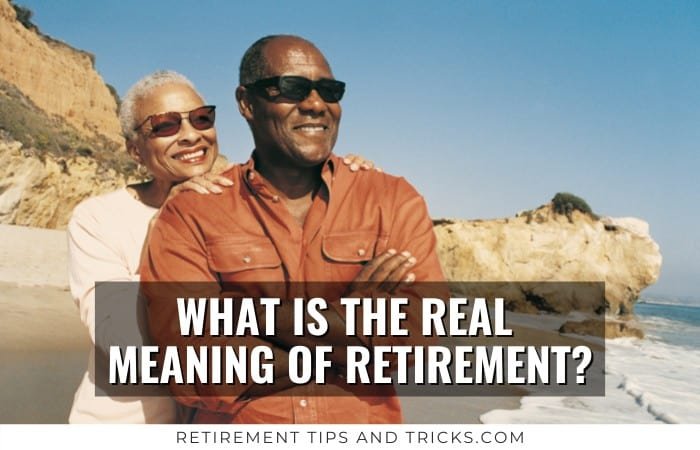
  • What Is The Real Meaning Of Retirement?

    What Is The Real Meaning Of Retirement?

    Real Meaning Of Retirement

    When your retirement date is getting closer, you probably ask yourself, what is the real meaning of retirement? There are different concepts of retirement. In this article, I’ll explain them to you and what it means for you when you’re retiring. 

    Traditionally, the real meaning of retirement is when someone has enough savings and can claim retirement benefits like their pension to stop working permanently. Today, the real meaning of retirement is more than having the financial freedom to stop working. Retirement refers to a lifestyle change where someone decides to chase their dreams and complete their bucket list. 

    I’ll focus on the different concepts of retirement. First, we’ll look at the traditional retirement concept and essential things to keep in mind. In the second part of this article, I’ll tell you more about how you can prepare for the lifestyle change that retirement is. Ready to learn more? Let’s start! 

    Traditional Meaning Of Retirement

    The traditional meaning of retirement is based on the fact that someone is too old to work at a certain age. Signs of aging in the workforce are when someone often takes too many sick days, slows down the process, and takes up the spots of younger people. However, it was necessary to offer these aging people an income, so they didn’t need to worry about their living costs and could stop working.  

    When someone is reaching the age of 65, it’s commonly known as the retirement age in western society. The concept of permanently leaving the workforce at this age is relatively new when we look at the history of modern society. National retirement programs with a pension paid for by the country is known since the end of the 19th century. 

    Public pension first started in government industries. The police force, firefighters, teachers, and other municipal employees began to get a public pension at the age of 65 around the mid-1800s. However, it took several decades before private industries began to offer pension plans as well. 

    During the great depression, the economic crisis in the 1930s, the concept of forced retirement snowballed. With the high unemployment numbers among younger people, it was necessary to create more jobs for them. One of the solutions was to get older people to quit working. But for them to do that is was essential to pay them enough so they could stop working and had some financial freedom. 

    Real Meaning Of Retirement Today

    The meaning of retirement changed over the past years. Today retirement is more than the period where someone stops working and can claim retirement benefits. 

    Retirement for most people is still something they reach after a period of lifelong working, between the age of 65 and 70 years old. However, with healthy aging increasing, retirement focuses now on a period where older people chase their dreams and live life to the fullest. 

    Financial Freedom In Retirement

    One of the most important factors that decide if someone can retire is their financial freedom at a certain point. Government pensions aren’t enough to establish financial freedom, mainly because we live longer. These savings are based on an older model where we didn’t get as old as today. 

    So, with many more years to live, often healthily, it is important to focus on getting enough savings for this period. There are several ways someone can save money for retirement. Simply by saving money for retirement during the years you’re working, as well as investing money for retirement. The amount of retirement income you’ll need depends on how many years you expect to live in retirement and the lifestyle you want to have as a retiree. 

    It is important to plan these savings in time and with the help of a professional financial advisor, so you can make sure you’ll make the right choices for later in life. You can find the best professional advisors quickly via JustAnswer.

    Financial Independent Retiring Early (FIRE Movement)

    In more recent years retiring before the age of 65 became more popular. It’s about people who didn’t want to work all their lives and wait for the retirement age of 65 to spend more time on the things they like doing. This movement is known as Financial Independent Retire Early, in short FIRE. 

    It isn’t, as many people suspect, about getting as rich as possible. This lifestyle is based on creating enough money via savings, investing, or income streams to stop working as soon as possible and focus on things that you find truly important. Originally the FIRE movement was all about creating the highest income possible so that you could stop working. 

    However, for a few years, the focus shifted to a more lifestyle orientated approach. The minimalistic lifestyle approach and FIRE movement combined became very popular, such as how we set up our lives. We focus on things we find most important, like spending as much time as possible with our son and as a family together. We still work but can decide our working schedules. We cut our spendings and living costs back to a minimum to afford to live without a lot of money. 

    Purpose Of Retirement

    The purpose of retirement is different, depending on which perspective you look at it. Because I specifically write for you as a (soon to be) retiree, I want to focus in this part on the purpose of retirement for retirees. But it is also important to take a short look at the perspective of the employer/ company. 

    The purpose of retirement for a company is to make sure an aging employee stops working before getting too old to do the job. It’s to avoid the employee is having too much sick days, taking up the spots of younger employees urging to jump in, and protecting the employee from working a lifetime. In every country, there are laws to protect employees from getting forced into retirement too early. However, specific rules can also vary per industry. 

    The purpose of retirement from a retiree’s point of view is different. It’s often a time where someone is living up to for years. Many retirees look at their actual retirement as the start of a new chapter in their lives. Purpose in retirement also means what someones want to reach in their retirement. Being retired doesn’t mean that someone doesn’t need any goals. In fact, most retirees create a lifestyle plan and have many goals of things they want to do in retirement. 

    Having retirement goals is the first step to create a lifestyle in retirement and to make sure that you’ll reach happiness in retirement. 

    Lifestyle In Retirement

    Most people retire around the age of 65 after working for 30 years or even longer. Being retired after having worked for so long means a lifestyle change. So it is important to prepare for a lifestyle in retirement. 

    So, it is not only important to prepare financially for retirement, like we discussed earlier, but also about how you want to spend your retirement days. It’s important to create goals for things you want to do in retirement. 

    Did you know that older adults, at the age of 65+, spend most of their time watching television? It’s probably not something you would think of when thinking about your retirement lifestyle. However, according to a recent study of the US Bureau Of Labor Statistics (BLS), watching television is good for 4.5 hours a day of leisure time! 

    There is actually so much more to do in retirement. It is essential to focus on staying active because that’s related to healthy aging and probably makes you much happier as well. 

    However, retirement is a significant lifestyle change, and you need to prepare for it to get the most out of it. You just read the different meanings of retirement and why it’s important to prepare for your retirement. If you want to prepare in the best way possible for this upcoming lifestyle change, I recommend reading my Ebook Five Steps To Happiness In Retirement. With this book, you get yourself on the fast-track to happiness, and you discover how to find happiness and fulfillment in retirement that others take years to find.

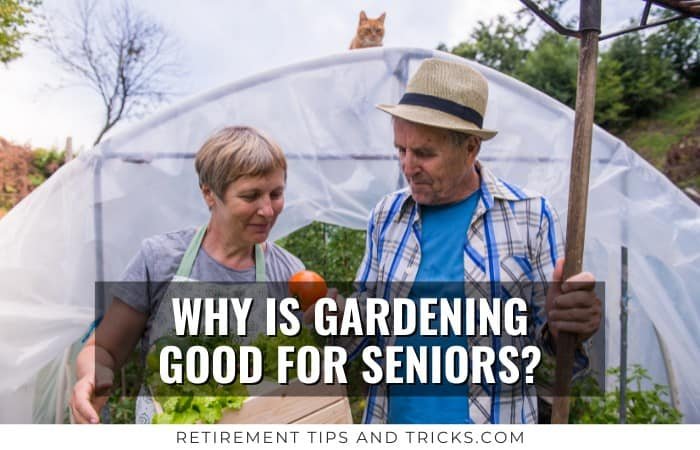
  • 11 Science Based Benefits Why Gardening Is Good For Seniors

    11 Science Based Benefits Why Gardening Is Good For Seniors

    Why Is Gardening Good For Seniors

    Gardening has many benefits, it’s an activity that is recommended for seniors, but you probably ask yourself, why is gardening good for seniors? Let me tell you more. 

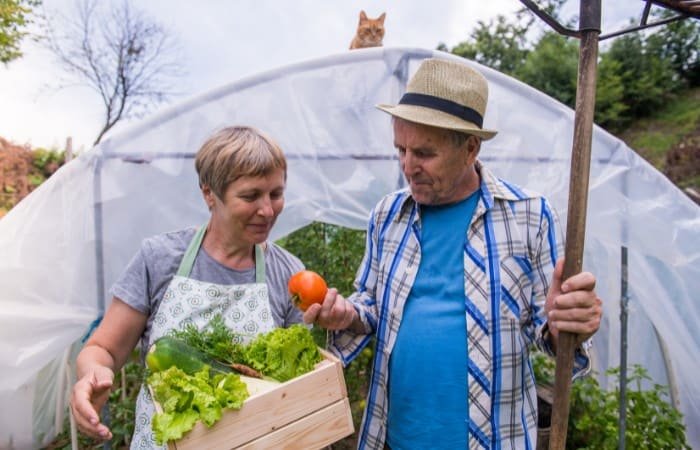
    As a whole, gardening has many benefits for seniors. Gardening is the perfect activity for getting regular exercise, strengthening mobility, coördination, reducing stress, and increasing social interactions. Research shows that gardening increases problem-solving, which helps maintain the brain’s cognitive functions—seniors who are actively gardening reported benefits like better physical and mental health. 

    In this article, I’ll tell you more about the different benefits of gardening for seniors. I’ll share exciting results from various studies worldwide, expert tips from seniors who are actively gardening, and more interesting facts about why gardening is good for seniors. Ready to learn more? Let’s start! 

    1) Gardening Keeps You Active

    When it comes to healthy aging, it’s important to stay active. The CDC in the United States mentions physical activity as one of the most important things someone can do when it comes to healthy aging. According to the CDC, the minimum requirements for physical activity for seniors are at least 150 minutes of low-intensity aerobic workouts and two times muscle-strengthening workouts a week. 

    This means 30 minutes of low-intensity aerobic workouts five days a week. Gardening is an activity where you easily reach these minimum requirements. 

    My father, who is 71, is very active in gardening in our garden. He uses a Fitbit activity tracker to track his daily exercise. When he is gardening for a few hours a day, he quickly gets over the 10000 steps and burns many calories. Activities like spading, lifting, raking, and trimming are all physical activities. It’s the perfect combination of low-intensity aerobic workouts and muscle strengthening training. 

    2) Gardening Decreases Risks Of Dementia and Alzheimers

    My father also mentions gardening as an activity where he needs to stay sharp and clear his mind. It’s something confirmed by many official studies. 

    According to Dr. Cyrus Raji, From the University of California, Los Angeles, “Physical activities that burn calories, like gardening, are associated with more grey matter in the brain. More grey matter means a healthier brain is associated with the reduced risk of Alzheimer’s disease.”

    Sure, after a day of work in the garden, my father is physically tired. Still, he says he has an incredible feeling of fulfillment at the end of the day.

    Gardening often means unexpected problem-solving. Like when a plant is not growing as it should be or how to deal with pests. Problem-solving means learning new things all the time. According to this article on Harvard Health Publishing, learning new things slows cognitive aging. It’s important to stimulate our brains, just like when we focus on getting enough physical activity. 

    3) Gardening Increases Serotonin – The Happiness Hormone

    Happiness is something we strive for in the modern-day world. But when busy striving for happiness, we often forget to be in the present moment. We look for things outside ourselves to be happy, but actually, the solution is right in front of us. 

    Gardening is not only helping you stay in the present moment, but it also triggers the release of serotonin, known as the happiness hormone. Double luck, I would say! 

    According to this article on Science Daily, soil contains a specific fat or bacteria that is responsible for stress reduction and triggers the body to release serotonin.  It’s called mycobacterium vaccae. If you get in contact with this bacteria your serotonin levels rise and cortisol levels decrease. When you’re busy gardening, you’ll touch soil and dirt a lot, so good chance that you’ll benefit from this fact! 

    4) Gardening Helps With Mobility

    When you’re aging, your mobility decreases, but gardening helps to stay mobile and flexible. Gardening has a lot of different movements like doing squats, lifting, and walking. These movements are known as exercises that keep you flexible. Also, when you’re busily spading, raking, moving soil, you’re doing muscle-strengthening activities. Weeding or trimming helps with hand-eye coordination and balance. You’re whole body benefits from gardening activities. 

    5) Gardening Improves Social Interactions

    Having a strong social life is associated with many health benefits, like a lower risk of depression and longevity. According to this study, having a large group of social contacts is even linked to more significant health benefits. People with many connections outside the regular social circle of family and friends mentioned being happier, having fewer negative feelings, and getting more physical activity. 

    Many seniors are gardening in groups, often in community gardens. When you’re gardening in a community garden, you’ll get in contact with a lot of their people outside your regular social circle, which increases your social interactions. It’s an excellent opportunity to engage with others, discuss different subjects, and even make new friends. 

    6) Gardening Gets You Outside

    Something strange is happening with how we spend our time. It’s happening in all age groups, but I’ll focus on people in the age of 64 and older for this article, which means seniors and retirees, so that you can easily relate to this. According to the BLS Time Use Survey, we spent 4,5 hours watching television a day! 

    We’re getting lazy. We just don’t move enough and are spending way much time inside our homes. Of course, it’s relaxing and comforting to chill on the couch watching television shows. However, like we started this article, getting enough physical activity is one of the most important things we can do when it comes to healthy aging. 

    Gardening is one of the solutions. It simply gets you outside. And being outside is essential for your well-being. Spending enough time outdoors means you’ll get enough vitamin D exposure from the sun. It means you are more active (less time watching TV). It makes you happier and improves concentration. 

    7) Gardening Helps To Improve Your Diet

    Okay, let’s be honest here. We all can change some things in our diet that will make us healthier. But really changing our diet isn’t a simple task. We are used to the convenience of fast food and pre-cooked meals. 

    However, when you’re growing fresh vegetables in your garden, you automatically create a new opportunity to eat healthier. It’s not only that you’re busy growing your own vegetables, but also because you know what type of soil and fertilizer you used to grow your vegetables and greens that make it a more nutritious option. Good chance that you go for the biological and most natural way possible to grow your vegetables. This means your homegrown vegetables are probably much healthier than you find in the grocery store. 

    According to Dr. Helen Delichatsios, an internist at Harvard-affiliated Massachusetts General Hospital, gardening inspires you to make better choices on what you put on your plate. In this article on Harvard Health Publishing, she says, “When you grew your own food, you enjoy it a lot more because of the effort it took to grow the food.” 

    8) Gardening Boosts Self-Esteem

    Seniors who are regularly gardening have higher self-esteem. According to this research, gardeners have a higher body appreciation than non-gardeners. This sounds logical to me when you look at all the benefits gardening has. 

    Gardening simply makes you feel better. Your body gets stronger, balance and coordination increase, and you work on your mental health while gardening. These are all factors that improve your feeling of happiness. And we all know, when you’re feeling happy, you often feel very self-confident as well. 

    9) Gardening Helps You Relax More

    Gardening is a mindful activity, and isn’t that something we are all looking for nowadays? Even when we’re aging and retired, we still have many daily choices to make and a lot on our plates. Sometimes life can even be stressful when you’re a senior. 

    Meditation and Yoga are very popular activities among seniors when it comes to being more relaxed and mindful. However, gardening is also a beneficial activity to find more relaxation and work on your mental health. 

    As we discussed earlier, gardening helps you to stay in the present moment. The activities you’re doing while gardening doesn’t allow you to be busy with something else; it needs your full attention. Also, gardening is known that it has a positive effect on the hormone serotonin. The release of this hormone is triggered when you touch the soil or when you eat fresh vegetables from your garden. Serotonin is the happiness hormone and the opposite of dopamine, the stress hormone. So, gardening not only increases your happiness but also reduces your stress hormones. 

    10) Gardening Keeps You Busy

    Having an active lifestyle and broad social interactions are related to healthy aging. As we can read in this article, seniors with many contacts outside their regular social circle are often happier and have a better mood. 

    When you’re gardening, you often meet other people, especially when you’re active in a community garden. So, as I mentioned before, it improves your social interactions. But that’s not all. 

    Gardening is also an activity that keeps you literally busy. You can’t start with gardening, ignore it, and expect it to grow itself. Unless you want to grow weed, but this isn’t really gardening, is it? So, gardening keeps you busy, because there’s always something to do in your garden to get the best results. 

    11) Gardening Boosts Your Immune System

    Ever heard of earthing or grounding? It’s a way of connecting with the ground that is related to reducing inflammation, a perfect and easy activity you can do for prevention. The health benefits of grounding are enormous. Grounding or earthing is nothing more than simply being directly in contact with the earth, barefoot, or with your hands. It’s something you do when gardening.

    How To Start Gardening? 

    When you’re inexperienced with gardening, you probably wonder how to start. It isn’t that difficult, but it depends on the opportunities you have at home. When they start with gardening, the first step for many people is simply growing some herb plants at home. It’s easy to grow herbs like basil, parsley, and mint. Or vegetables like tomatoes, cucumber, and peppers.

    It’s important that you learn what you can plant when. Each time of the year is good for planting different plants, herbs, vegetables. I found two recourses that are very helpful as a planting calendar. This free online calendar on Almanac is very useful. If you prefer to use a book, I recommend buying the Old Farmer’s Almanac Calendar on Amazon

    Another great way to take your first steps as a gardener is by following a gardening class. The class that I recommend for you to follow is the MasterClass from Ron Finley, the LA-based fashion designer, and renowned urban gardener. Ron Finley is famous for his simple approach to gardening. He teaches people living in large cities how to make their city greener and start their gardens. Learn more about Ron Finley’s MasterClass here

    How To Safely Stay Outside While Gardening?

    While writing this, I feel like this might be too simple for a recommendation. It sounds so logical to me that you need to pay attention when going outside. However, sometimes we just forget to take the basic precautions necessary when we get a lot of sun hours. 

    Gardening is good for your health, but it would be unlucky when you get sunburned all the time when gardening. So, please remember to put on sunscreen, wear a hat, and drink enough water when you are actively gardening.

    Useful Gardening Tools For Seniors

    When we’re aging, our mobility decreases. So some gardening activities are getting harder to accomplish. Sure, when you’re actively gardening, activities like doing a squat are getting easier when you do them enough. But luckily, there are also many helpful gardening tools available to make your life as a senior gardener much easier. For example, this kneeler bench which is available on Amazon, helps you get lower to the ground and protect your knees when gardening. 

    Gardening Is #1 Activity For Seniors

    Gardening is a popular activity among seniors. There’s a certain magic to it, being outdoors, growing flowers, vegetables, and plants. Seniors highly benefit from gardening because it’s an activity with moderate physical intensity and helps you be in the present moment. This means that it reduces stress, improves the brain’s cognitive function, and strengthens the body. 

    These benefits are the main reason gardening is one of the most popular activities among people living in the world’s blue zones. Blue zones residents are known to reach a much higher age than average, often referred to as centenarians, because many are healthily reaching the respectable age of 100+. 

    Like we discussed earlier, gardening is also a great way to improve your social interactions. If you want to increase your social circle, I recommend looking for a community garden. You’ll get in touch with new people and can learn how to garden so that you can benefit from it both ways. Just look online for community gardens close to the place you live, contact them and ask them to join. 

    Gardening Benefits For Caregivers

    As a caregiver taking care of seniors it can be difficult to find a way to start gardening with clients. If you are a professional or just taking care of family or a friend, in both situations it can be challenging to find the best gardening activities that suit your client or clients. You can easily adjust the gardening activities to everyone’s needs. 

    For example, avoid repetitive bending and squatting when there are mobility issues. You can use the gardening bench that we mentioned above. Or start with vertical gardening to make it easier. Using raised gardens or elevated garden beds can also be very helpful, so it’s easier to reach. 

    Make sure you offer protection from sun exposure and dehydration by following the tips we mentioned above.