
Blog

  • Ultimate Retirement Planning Guide For Married Couples: 10 Essential Steps

    Ultimate Retirement Planning Guide For Married Couples: 10 Essential Steps

    Planning for the future together as a married couple is crucial, regardless of whether you’re newlyweds or nearing retirement. Retirement planning can indeed be overwhelming, which is why I’ve created this article to help you.

    Whether you’re just starting out or nearing retirement age, this short and quick guide will provide you with the tools and knowledge you need to plan your retirement effectively as a married couple. Letโ€™s get started.

    1. Discuss Housing In Retirement

    It’s important to discuss your housing plans with your spouse. Do you want to stay in your current house, downsize, move closer to your grandchildren, or live in a warmer climate?

    These are all important questions to ask yourself and your partner. Sometimes downsizing or moving to a state with better tax benefits can be a smart choice in retirement. Your current house may be perfect for early retirement but may be unsuitable for later years due to stairs or maintenance needs.

    Your health also affects your housing needs in retirement. Consider different scenarios to understand what your partner wants regarding housing and long-term care. Share your views on this too, and discuss feelings about living in a retirement or nursing home if necessary.

    Housing expenses can be a significant part of your retirement costs. Knowing your housing plans helps you calculate your retirement needs more accurately.

    Read: How To Plan Your Life After Retirement

    2. Organize Health Care And Longterm Care

    Healthcare is a major expense in retirement and a common source of stress for retirees. Studies show that over half of US adults are more worried about covering healthcare costs than paying off debt. Additionally, only half of US adults have at least $1,000 in savings for emergencies, which is very alarming.

    Being prepared for healthcare and long-term care in retirement is crucial for enjoying retirement without worries. However, it’s easier said than done. The average retired couple today can expect to spend at least $280,000 on healthcare costs until the end of life, excluding long-term care. Since the average retirement age in the US is 62, three years before Medicare eligibility, there’s a retirement cost gap for many pre-retirees.

    There are options for maintaining coverage as a couple. You can enroll in your employer’s retiree health insurance plan and retire at 65, or retire when your younger partner turns 65. Alternatively, you can opt for an individual health insurance plan or extend your corporate insurance for up to 18 months with COBRA (Consolidated Omnibus Budget Reconciliation Act) to bridge the gap.

    For newer generations of pre-retirees, access to employer or union-sponsored retiree health benefits may not be available. Consequently, healthcare costs are likely to make up a larger portion of your retirement budget. Having a plan as a couple is essential. The Financial Solutions Group at Fidelity estimates that about 15% of the average retiree’s annual expenses will be used for healthcare-related expenses, including Medicare premiums and out-of-pocket costs.

    Many people assume Medicare will cover all healthcare costs in retirement, but that’s not the case. While the most basic Medicare plan is free for most people over 65, there are still overlooked out-of-pocket costs.

    By the way, here is a video that explains the basics of Medicare:

    To save for medical costs now and in retirement, you can save with a health savings account (HSA). That is only available through high-deductible health plans (HDHP). HSAs are a triple tax-free investment account. Contributions are made pretax. Earnings and interest on investments are tax-free, and withdrawals made for qualified medical expenses are tax-free.

    For additional information, hereโ€™s a video that explains HSA:

    When it comes to long-term care, it’s important to understand that there’s a 70% chance you’ll need some form of long-term care after the age of 65, and these services can be costly.

    The median cost for a home health aide is $20 per hour, which amounts to $42,000 per year if hired full-time. Private nursing home costs can range from $80,000 to $100,000 per year.

    It’s worth noting that health insurance or Medicare doesn’t cover these expenses. Medicare only covers short-term skilled nursing home care, and Medicaid only covers long-term care if your assets are very limited. Therefore, you typically have to pay for long-term care from your personal savings or retirement fund, or it becomes a financial burden on your family.

    One option to consider is long-term care insurance (LTC), although there are pros and cons to this type of coverage. To gain a better understanding of long-term care insurance, you can download this PDF from LifeHappens.org. It has comprehensive information you need to be aware of.

    3. Estimate Your Life Expectancy

    Predicting exactly how long you’ll live is impossible, but gauging or estimating your remaining lifespan is doable. Remember that having an idea of how long you are in this world can definitely help you plan, particularly when it comes to your and your spouseโ€™s expenses and savings.

    Currently, the average life expectancy for men in the US is 76, and for women, it’s 81. Women should plan for a longer life expectancy as they typically live five years longer on average. However, it’s important not to solely rely on these numbers.

    Meanwhile, according to the Social Security Administration:

    • A man reaching age 65 today can expect to live, on average, until age 84.0.
    • A woman turning age 65 today can expect to live, on average, until age 86.5.
    • One in four people who are 65 years old today can expect to live past 90 years old.
    • About one out of seven will live past age 95.

    These statistics can help estimate life expectancy better, but individual circumstances vary. Other factors to consider include your and your familyโ€™s health history and longevity in your family.

    You can use the Life Expectancy Calculator from the Social Security Administration to estimate how long both of you will live and begin strategizing your retirement finances accordingly.

    4. Calculate Your Retirement Budget

    Once you’ve estimated your life expectancy, you can determine the length of your retirement in years using the formula: ELEA – AAR = LRY. ELEA represents your estimated life expectancy age, AAR is the age at which you plan to retire, and LRY is the length of retirement in years.

    For example, if you estimate to live until 90 and want to retire at 65: 90 – 65 = 25 years of retirement.

    The next step is to calculate how much money you need in retirement. Together with your partner, list all the expenses you expect to have in retirement: basic needs, housing, insurance (including car insurance), healthcare, long-term care, activities, and retirement plans (such as buying an RV or traveling).

    Remember that the expenses you have now may not apply in retirement. For instance, childcare or mortgage payments if you plan to pay off your mortgage before retiring. However, predict potential new expenses you may have in retirement.

    Once you’ve calculated your monthly retirement expenses, multiply this by 12 to get your annual estimated expenses in retirement. Before multiplying by the expected retirement years calculated above, remember to apply a 3% annual inflation rate.

    To ensure accuracy, you can utilize various tools and resources like a retirement calculator from Nerd Wallet or Smart Asset and go to a financial advisor from NAPFA.org or FPA. Or ask for a financial advisor via your employer.ย 

    Many people use the 80% rule as a rough estimate. For instance, if your current annual income is $50,000, you might estimate spending about 80% of that in retirement, which would be $40,000 annually.

    However, the 80% rule doesn’t account for the 3% annual inflation factor, which can lead to inaccuracies over time. It’s essential to delve into your expenses more precisely as a couple.

    Once you’ve determined your retirement needs, explore different scenarios with your partner. You can adjust retirement ages and savings rates to see how they impact your overall retirement expenses. This process helps you plan for your retirement goals effectively, whether it involves retiring earlier, working longer, or saving more diligently.

    5. Save For Retirement

    After determining your retirement needs, the next step is to ensure you’re saving enough to meet those needs. If you’re already saving for retirement through a 401(k), employer pension plan, or personal savings, it’s time to evaluate these plans against your estimated retirement expenses. Are you on track, or do you need to save more?

    If you haven’t started saving for retirement yet, it’s crucial to begin as soon as possible. Starting early provides more time to save enough money for retirement.

    Most retirees’ income sources include:

    • Social Security retirement benefits
    • Employer pension plan(s)
    • 401(k), 403(b), or IRA savings
    • Personal savings
    • Income from a retirement job (if necessary or desired) and other investments

    However, relying solely on a pension plan or 401(k) may not be enough. Additional savings through personal savings or investments may be necessary. In some cases, couples may need to consider obtaining a retirement job if they’re unable to meet their financial needs.

    Hereโ€™s a quick informative video on why relying solely on pension is discouraged by a few experts:

    Anyway, to calculate how much extra you need to save for retirement, use this formula: Total Estimated Retirement Expenses – Total Income = Extra Savings Needed. Once you’ve determined the extra amount needed, create a monthly savings plan with your partner to reach your retirement goals.

    For additional information, you can watch this informative video:

    Meanwhile, if youโ€™re interested in investing and you donโ€™t know where to start, then this video can help you get a better understanding of where and how to begin investing:

    6. Strategize Your Social Security

    As a married couple, strategizing your Social Security payments can be very beneficial. You have the option to claim benefits based on either your own work record or your spouse’s (or ex-spouse’s) work record.

    Maximizing your Social Security income involves timing your individual and spousal claims correctly. You can start collecting Social Security as early as age 62, but keep in mind that the earlier you start, the smaller your monthly benefit will be. You’re entitled to your full Social Security benefit at your full retirement age, which ranges from 66 to 67 depending on your year of birth.

    Check the table below for reference:

    Each year you delay claiming, your benefit grows. If you wait beyond your full retirement age, you’ll receive an even higher benefit. For example, if your full retirement age is 66 and you start claiming at age 70, you’ll receive 132% of your scheduled benefit per check. However, if you claim at 62, you’ll only receive 70%โ€“75% of your scheduled benefit per check.

    The ideal strategy depends on factors such as your age, your spouse’s age, and the timing of your claims. Social Security payments vary per person, but the average benefit was $1,461 per month in January 2019.

    Many married couples maximize their benefits by having one spouse claim early and waiting as long as possible to claim the other spouse’s benefits to allow them to grow.

    To get more information on your Social Security retirement benefit, use the retirement plan form from the Social Security Administration. Make sure to create a My Social Security account first for you to fully utilize the form and have an accurate estimate based on your work record. It’s also important to check your Social Security statement annually to ensure your earnings history and taxes are recorded correctly.

    If you were married for more than ten years, you may also be able to claim Social Security benefits based on an ex-spouse’s work record.

    7. Up-Date Your Finances And Beneficiaries Regularly

    Financial security is a cornerstone of a successful marriage. As a married couple, jointly managing your finances requires a proactive approach. This includes regularly updating your financial information and keeping beneficiaries informed of any significant life changes.

    Remember that having an up-to-date financial record keeps your financial picture clear, allowing informed goal-setting and collaborative money management. It also allows you to notify beneficiaries of life changes (marriage, birth, etc.) to ensure your assets go where you want them.

    So, regularly update all financial records (accounts, investments, insurance) for preparedness and confident navigation of life’s surprises. And be sure to have open communication about finances, including regular updates, as it builds trust and strengthens your financial foundation as a couple.

    8. Stay Informed About Financial News

    What you plan for today may not remain relevant in the future. Regulations, taxes, funds, and other financial and government rules can evolve over time. Therefore, it’s crucial to stay informed about major changes within the financial industry and evaluate how they may affect your financial situation.

    It’s highly probable that you’ll need to adjust your financial retirement plans over the course of a decade or longer due to changes in regulations and laws. We live in a fast-paced world, and as a result, systems change accordingly.

    So, regularly reassess and adapt your financial plans to ensure they remain effective and aligned with your goals amidst evolving circumstances.

    9. Decide To Retire Together Or Separately

    After completing the financial calculations, you may have determined whether it’s best to retire together or at different times. However, financial considerations are just one part of the equation.

    There are other factors to consider before deciding on simultaneous or staggered retirements. Perhaps both partners aren’t mentally ready for retirement at the same time. One partner might prefer to ease into retirement by freelancing for a few years and gradually reducing working hours, while the other desires immediate retirement.

    Retirement is a significant life transition that requires time to adjust. It involves finding a new identity, purpose, routine, hobbies, and social life outside of work. These adjustments can be challenging for both individuals to navigate simultaneously and may serve as a reason for couples to retire at different times.

    Remember that allowing space for each other to adjust at their own pace can promote a smoother transition into retirement for both partners.

    Read: Should You Retire As A Couple At The Same Timeย 

    10. Plan Retirement Dates

    To make retirement planning more enjoyable, consider organizing dates with your spouse to discuss retirement together and spend quality time. You can also go on double dates with other married couples to exchange ideas and solutions about retirement.

    Taking it a step further, you could start a retirement club. Similar to a book club, a retirement club provides a platform to discuss retirement possibilities, gain a broader understanding of retirement planning, and gather new ideas from others in a supportive and collaborative setting.

    This approach adds a social element to retirement planning and can make the process more engaging and enriching.

    Conclusion

    Retirement planning for couples can feel daunting, but it doesn’t have to be. This guide hopefully has walked you through the key steps to take control of your future and create a fulfilling retirement together, regardless of your current life stage.

    And to further help you out, I suggest that you read the other guides and articles on my site to solidify your retirement plan. Here are some of the recent ones that I published:

    Happy reading!

  • Retire Together Or Separately: A Guide For Couples Planning Retirement

    Retire Together Or Separately: A Guide For Couples Planning Retirement

    As retirement approaches for you and your partner, you may consider retiring simultaneously. You’re probably wondering if this is a good or bad idea. There’s no one-size-fits-all answer to whether you should retire together. So, let me give you a quick glance at what youโ€™re dealing with.

    Here are the benefits of retiring together:

    • Financial Security as a Couple: A solid financial foundation allows you to pursue shared adventures and activities without worry.
    • Shared Goals and Lifestyle: Similar age, health, and lifestyle aspirations make joint retirement a natural and fulfilling choice. You can enjoy the experiences together that you both dreamed of.
    • Mutual Readiness and Interests: Being on the same page about retirement and having shared interests creates an exciting future together. You can explore new hobbies and passions as a team.

    On the other hand, here are the considerations for retiring separately:

    • Financial Concerns: If there are financial strains or discrepancies, a separate retirement might allow each partner to adjust their lifestyles accordingly. This can help avoid unnecessary stress.
    • Age and Health Differences: Significant age or health disparities can make separate retirements more manageable. One partner can continue working while the other enjoys retirement, or they can phase their retirements to ease the transition.
    • Individual Preferences: Retirement can be a time for personal exploration. Separate retirements allow each partner the freedom to adjust to their own pace and pursue individual interests.

    While knowing these reasons, benefits, and considerations may not be enough for you to decide. If thatโ€™s the case, you may want to go through the following steps for you to make an informed decision.

    1. Assessing Retirement Readiness

    Before deciding whether you’ll retire at the same time, you need to assess your retirement readiness. Here are the steps you need to take:

    • Determine your retirement budget: Before delving into numbers, discuss this crucial question with your partner: Have we saved enough for retirement? This is where creating a realistic budget comes in. Include essentials like housing, food, and healthcare, but don’t forget to factor in leisure activities and long-term care needs.
    • Consider future challenges: While creating your budget, remember that unforeseen circumstances can arise. Inflation will steadily increase your cost of living, and healthcare costs are likely to rise as well. Additionally, consider the possibility of differing life expectancies between you and your partner.
    • Know your income sources: Retirement income typically comes from a combination of sources: Social Security, pensions (if available), savings, investments, and even part-time work. While these may be enough, it’s wise to aim for a buffer. A common rule of thumb is to target replacing 80% of your pre-retirement income during retirement.

    However, note that these steps don’t stop after you retire. Assessing your needs will be an ongoing process. So, regularly review and adjust your plans as your circumstances and goals evolve, especially if you retire at the same time.

    2. Seeking Professional Financial Advice

    While itโ€™s okay for you and your spouse to handle finances on your own, itโ€™s still advisable to seek professional guidance early on. A qualified financial advisor can be your partner in navigating the intricacies of retirement planning. Here’s how they can help:

    • Personalized Advice: Financial advisors take a holistic view of your situation, considering factors like income, savings, debts, and risk tolerance. This allows them to create a tailored retirement plan that aligns with your specific goals.
    • Retirement Timing Strategies for Couples: Retiring together can be an exciting prospect, but there are financial considerations. An advisor can guide you through factors like Social Security benefits, potential income gaps, and healthcare needs, helping you determine the optimal retirement timing for both partners.
    • Retirement Projections: Based on your current financial situation and goals, your advisor can use specialized tools to provide realistic projections of your future retirement income and expenses.

    The National Association of Personal Financial Advisors (NAPFA) and the Financial Planning Association (FPA) are great resources for locating qualified professionals. Additionally, some employers may offer financial advisor services as part of their benefits package.

    3. Determining The Timing Of Your Retirement

    Retirement is a significant life transition, even more so for couples with different savings and career trajectories. While retiring together might be ideal, delaying retirement for one partner can significantly enhance overall financial security.

    To determine the timing of your retirement, start with considering employment benefits. Maintaining employer-provided healthcare coverage can be a major advantage, especially as healthcare costs rise in retirement. Also, look into financial implications. Research shows even a few months’ difference in retirement timing can have a substantial impact on your final nest egg.

    Knowing the timing of your retirement can lead to two results. One, if age or career aspirations prompt one spouse to retire first, the other partner’s continued employment can provide crucial additional income and healthcare benefits. Two, one should consider a phased approach where one partner gradually reduces work hours before full retirement. This allows for a smoother financial transition.

    Also, your retirement timing may change because of different factors. So, stay updated on your financial status. Regularly review your retirement accounts, Social Security benefits, and potential healthcare costs. Schedule consultations with financial advisors to create a personalized roadmap that considers your unique circumstances.

    4. Navigating Social Security Benefits

    Social Security is a cornerstone of retirement income for many couples. However, the timing of your claims can significantly impact the total benefit you receive. To strategically navigate this decision, you need to understand its mechanics:

    • Full Retirement Age (FRA): This is the age at which you qualify for your full Social Security benefit. It can range from 66 to 67 depending on your birth year.
    • Benefit Growth: Delaying your claim beyond your FRA increases your monthly benefit by approximately 8% per year. This can significantly boost your lifetime income.
    • Earnings History: Social Security benefits are based on your highest 35 years of earnings. Years with no earnings or low earnings will be factored in as zeros, potentially lowering your average.

    Remember that these mechanics can directly impact you as a couple. Mainly, it has to do with your age difference. If you and your spouse have a significant age difference, it’s crucial to consider each other’s FRA and benefit options.

    Moreover, you can take advantage of these mechanics through staggering claims. The lower earner can file for benefits at their FRA, while the higher earner delays to maximize their benefit.

    And to maximize the benefits you can receive, do the following:

    • Monitor Earnings History: Regularly review your Social Security earnings history to ensure accuracy. Missing or incorrect information can affect your benefit calculations.
    • Delay Retirement if Possible: Working longer allows you to accumulate more high-earning years, potentially boosting your benefit amount.
    • Utilize Social Security Resources: The Social Security Administration (SSA) offers a retirement benefits calculator [Social Security Administration Retirement Calculator ON Social Security Administration (.gov) ssa.gov] to estimate your benefits. Use this tool to explore different claiming scenarios.

    By understanding these factors and planning strategically, you and your partner can optimize your Social Security benefits and secure a more comfortable retirement.

    5. Considering Healthcare in Retirement Planning

    Healthcare is one of the critical aspects of retirement. After all, its costs are often a major concern for retirees, and rightfully so. There are a few ways to offset these costs, and two of them are through Medicare and the Health Insurance Marketplace.

    While Medicare provides a safety net, it doesn’t cover all expenses as it typically involves out-of-pocket costs like deductibles, copayments, and premiums for additional coverage like Part D (prescription drugs).

    Meanwhile, if you’re retiring before 65 or have a younger spouse who isn’t yet eligible for Medicare, the Health Insurance Marketplace can help you find and enroll in subsidized health insurance plans.

    So, plan for your needs. Retiring before 65 presents a unique challenge in terms of healthcare coverage. Research both Medicare options (if applicable) and Marketplace plans to bridge the gap.

    Moreover, couples with a significant age difference may need to consider creative solutions. The spouse eligible for Medicare can help bridge coverage gaps for the younger partner until they qualify.

    So, as early as now, discuss your healthcare expectations and potential future needs with your partner to know if retiring at the same time is feasible for both of you. This will help you create a realistic budget and explore long-term care options, if necessary.

    After the discussion, start researching and comparing plans. Don’t wait until retirement to explore your healthcare options. Start researching Medicare, Marketplace plans, and potential supplemental insurance early on.

    6. Preparing For Retirement Lifestyle Changes

    Your work life likely consumes at least 50% of your time. Retirement offers the chance to reclaim those hours, leading to significant lifestyle changes. As you adjust from independent routines to a more shared lifestyle, compromise becomes increasingly important, especially if you both retire simultaneously.

    So, openly discuss your retirement dreams, plans, and goals with your partner. This fosters understanding and helps you create a roadmap that aligns with both of your desires. Supportive communication prevents misunderstandings and ensures you’re on the same page financially and emotionally.

    Here are three key points you need to talk about:

    • Find purpose beyond work: Retirement is a time to replace work with activities that bring meaning and purpose to your life. Discuss individual interests and explore hobbies, volunteering opportunities, or travel plans that you can pursue together or independently.
    • Adjust to spending more time together: Going from independent careers to spending significantly more time together can be challenging. Be patient with each other’s adjustment periods. Consider a phased retirement approach if one partner is eager to retire before the other.
    • Develop your retirement plans together: Even before retirement, you likely have ideas about what you want to do. Talking to your partner allows you to share these plans and decide how you’ll tackle them together.

    Prioritize open communication and planning collaboratively for you and your partner to create a fulfilling retirement that fosters shared experiences, individual pursuits, and a lifetime of happiness together.

    7. Managing Your Relationship

    Financial and retirement planning are crucial, but so is managing your relationship when retiring together. Increased time together can be a dream come true or a potential challenge.

    Here are some tips that can help you in this aspect:

    • Establish Open Communication: Retirement is a new chapter. Discussing your hopes, dreams, and emotional needs fosters understanding and a sense of shared purpose.
    • Build a Strong Foundation: Talk about your desired lifestyle, financial plans, and individual interests. Creating a retirement roadmap that prioritizes both individual happiness and mutual respect sets the stage for a fulfilling retirement.
    • Navigate Differences: Disagreements are inevitable. Learn effective negotiation techniques like respectful communication, understanding each other’s perspectives, and brainstorming solutions together. This can lead to mutually agreeable decisions.
    • Learn To Be Flexible: Recognize that individual preferences may exist. Successful joint retirement hinges on mutual respect, flexibility, and a willingness to compromise. While pursuing shared interests is enriching, cherishing individual hobbies and pursuits is equally important.
    • Have Mutual Respect: Respecting your partner’s desires and dreams, even if they differ from your own, is essential. Acceptance fosters a more fulfilling retirement experience for both partners.

    The key element here is communication. Remember, communication is a two-way street. Practice active listening, express your needs respectfully, and be willing to compromise. If tensions rise, take a break and revisit the conversation when emotions have calmed down.

    Conclusion

    While retiring together can be an idyllic dream for many couples, it’s not the only path to a fulfilling retirement. The decision ultimately depends on your unique circumstances. Hopefully, the considerations and steps outlined in this guide helped you decide.

    Meanwhile, to learn more about the retiree’s life, consider checking out my other posts. Here are some of them:

    Happy reading!

  • 10 Tips To Transition From Work To Retirement

    10 Tips To Transition From Work To Retirement

    While retirement may hold the promise of freedom and fulfillment, navigating the transition from work to retirement isn’t always smooth sailing. Unexpected bumps and detours are more likely than tranquil waters.

    To avoid feeling disillusioned during this phase, listen up! I’ve got some helpful tips to guide you on a smoother journey from work to retirement.

    1. Securing Your Finances With A Budget Plan

    Get started with these essential steps:

    1. Factor In Essential And Fun Costs: Don’t underestimate the bills! Start by considering essential costs like housing and healthcare, but don’t forget to factor in your dream activities, whether it’s globetrotting or mastering the art of sourdough.
    2. Align Finances With Retirement Goals: Wishful thinking won’t pay the bills. Align your finances with your retirement goals, whether they involve travel or other pursuits. A plan is your ticket to making those dreams a reality, not just a distant wish.
    3. Knowledge Is Power: Develop a budget to understand exactly how much you can spend. Include your family’s needs if you’re financially responsible for them. Knowing your numbers empowers you to make smart choices.
    4. Know Your Income Sources: Get a clear understanding of where your money will come from, whether it’s Social Security, pensions, savings, or perhaps a part-time job in retirement.
    5. Cover Anticipated Expenses: Ensure your income covers your anticipated expenses, including inflation and the rising cost of healthcare. Don’t let rising costs rain on your parade!
    6. Prevent Stress And Enjoy Retirement: Remember, a solid budget plan can prevent stress and allow you to enjoy your retired life more. A clear budget gives you control over your finances, reducing stress and freeing you to truly savor your retirement.
    7. Live Your Best Life: Allocate funds for your passions, hobbies, and bucket list adventures. A budget isn’t about restrictions; it’s about making your dreams a reality. So, live your best life in retirement!

    Follow these steps to create a solid budget plan and secure your golden years!

    By the way, I wrote several articles that are about preparing for your retirement. Depending on your personal situation, you might find it interesting to read:

    2. Creating A Cohesive Fun Plan

    Have you started drafting your budget plan yet? If you have, make sure not to overlook the “fun” factor! Budgeting is crucial, but so is filling your golden years with fulfilling experiences. Alongside your budget, be sure to craft a personalized activity plan.

    Whether it’s a year-long roadmap, a flexible monthly approach, or weekly goals, choose what suits you best. Let your passions, hobbies, and dreams guide your activities. Explore new interests, learn new skills, and embrace activities that bring you joy.

    Thankfully, numerous resources exist to draw inspiration from for crafting your fun activity plan. Develop a plan that ignites your future excitement and unlocks a fulfilling, joyful retirement.

    Remember, itโ€™s important for you to have something to look forward to in retirement. It may be challenging to jot down all the things you need and want to do, but it’s achievable. If you need assistance, you may want to read my other related articles:

    3. Recognizing Retirement Transition Involves Stages

    Many retirees neglect adequate preparation for post-work life, solely focusing on achieving financial security. However, abruptly transitioning without planning can lead to difficulties for most individuals.

    Navigating retirement successfully involves finding fulfilling replacements for work, deriving happiness from interests, relationships, and daily activities, and adjusting to a new identity and role. This process, however, isn’t straightforward.

    Remember, retirement is a gradual shift from working life to leisure and freedom. The transition varies for everyone, but common stages exist. Understanding these stages can help assess progress and anticipate what lies ahead.

    To make things simpler, here are the common five stages of retirement you will go through during your transition from working to retirement:

    1. Pre-Retirement: This phase involves preparing for retirement financially and emotionally, as retirement becomes a tangible reality. Thorough preparation during this stage increases the likelihood of a smooth transition.
    2. Honeymoon: The initial period after retirement, characterized by a sense of freedom and celebration. While enjoyable, it can also bring mixed emotions and should prompt consideration of long-term plans for retirement.
    3. Disenchantment: Following the honeymoon phase, some retirees may experience disillusionment as the reality of retirement differs from their expectations. This stage presents an opportunity for introspection, redefining goals, and reinventing yourself.
    4. Reorientation: In this phase, retirees actively explore new avenues and pursue a more balanced life. Engaging in mental, physical, and social activities contributes to overall happiness in retirement.
    5. Stability: The final stage marks a settled state of retirement, where individuals find contentment in their identity, life circumstances, and activities. Free time is dedicated to self-fulfillment and enjoyment.

    Understanding and navigating these stages can facilitate a smoother transition into retirement and enhance the overall retirement experience.

    4. Taking Time To Adjust To Retirement

    As mentioned earlier, transitioning to retirement involves several stages, and it can be a long and individual journey. It’s crucial to accept that retirement is a process, not an endpoint.

    Be patient with yourself as you adapt to your new rhythm. Sometimes, simply allowing yourself time to adjust is key.

    Also, finding a new purpose is important. Leaving your career means leaving behind your former position and responsibilities, essentially removing one of your core purposes. As work shifts away from defining you, pursue hobbies or passions that bring joy and engagement.

    If the transition feels challenging, consider a gradual approach. Part-time work or freelancing can provide structure, social connection, and time to discover fulfilling leisure activities.

    Open communication is vital if you share a household with a partner. Discuss expectations and navigate changes together to avoid potential tension.

    Even in freedom, having some structure can be helpful. Create a daily or weekly plan for activities to foster purpose and reduce uncertainty.

    By following these tips, you can confidently navigate this exciting new chapter and experience a fulfilling and joyful retirement. If you want further insights, I recommend reading my article: How Do I Adjust to Retirement?

    5. Rediscovering Yourself In Retirement

    While your job shapes your routine and provides an identity, retirement brings an opportunity to reclaim yourself. Stepping away from work might initially stir feelings of loss, but fear not! 

    Often, youโ€™ll have to have to deal with these during the fourth stage of retirement, which is reorientation. However, you can start early. This is a chance to rediscover your passions and redefine who you are outside the professional sphere. 

    Remember, you are more than your job title. You possess unique talents, hobbies, and dreams that may have been sidelined during your career. This is the perfect time to explore them!

    Embrace the unknowns and try new activities, whether it’s painting, volunteering, or taking a long-awaited trip. You may rediscover forgotten passions or unearth entirely new ones.

    Venturing beyond your comfort zone can be intimidating, but the rewards are plentiful. New experiences spark personal growth, boost creativity, and build resilience.

    Remember, lifelong learning isn’t limited to your careerโ€”it’s key to overall happiness and fulfillment in retirement. Embrace curiosity, ask questions, and continue exploringโ€”every new insight enriches your understanding of yourself and the world around you.

    Rediscovering yourself often leads you to learn new skills, discover new passions, and start new hobbies. One effective way to do this is by enrolling in an online learning platform like MasterClass, which offers over 1,000 lessons from iconic experts like Scorsese and Williams across 80 diverse courses. Start your reinvention today!

    6. Finding Your New Purpose In Life

    As you transition into retirement, it’s essential to embark on a journey of rediscovery to understand your reason for living. Leaving behind your work life means embracing a significant shift in purpose, making it crucial to redefine your sense of meaning in retirement.

    Finding your new purpose isn’t a quick or straightforward process; it requires patience and exploration. Engaging in mindful and active pursuits is key to this journey, as stagnation can hinder your ability to uncover your purpose and lead to feelings of boredom and depression.

    Exploring avenues such as learning, deepening relationships, and contributing to your community can help you identify what brings meaning and fulfillment to your life. Through these experiences, you’ll gradually uncover your life’s new purpose, serving as a guiding compass for your journey forward.

    It’s essential to recognize that purpose goes beyond mere passion. While your passion during retirement reflects what you enjoy, purpose delves deeper into the “why” behind your actions, considering the impact and significance they hold.

    7. Setting Goals For Your Retirement

    Charting a course for your retirement with goals extends far beyond mere budgets and activities. It unlocks powerful tools for personal growth and self-discovery.

    Remember the pride of achieving milestones like your degree, starting a family, or advancing in your career? Retirement signifies a shift where new goals provide purpose and navigate this exciting change.

    But before we delve into specific goal types, let’s solidify why setting goals in retirement is crucial:

    • Progress And Momentum: Stay on track, avoiding stagnation.
    • Dreams Turned Reality: Transform aspirations into tangible achievements.
    • Accomplishment And Motivation: Fuel your drive and boost your self-esteem.
    • Time Management: Prioritize activities that matter most.
    • Unleashing Potential: Pursue long-held dreams you couldn’t before.

    Now, onto finding goals that align with your newly discovered purpose in life. Haven’t found it yet? Start with goals that excite you! Help others, nurture passions, embark on adventures – let them reflect your individual desires.

    But remember, impulsiveness won’t cut it. Do this methodically. Utilize the SMART action planning method to ensure these goals are realistic, relevant, and achievable. SMART stands for:

    • Specific: Clearly defined and unambiguous.
    • Measurable: Track progress and celebrate milestones.
    • Attainable: Challenging yet achievable within your time and resources.
    • Relevant: Aligns with your overall purpose and values.
    • Time-Bound: Establish deadlines to maintain focus and momentum.

    By setting SMART goals and aligning them with your newfound purpose, your goal becomes more tangible and measurable, making it easier to create a plan and hold yourself accountable. If you fail at your first attempt, you can reevaluate your goal, formulate it better, and adjust as needed.

    And research backs this up! According to a Harvard Health Publishing article, people who write down their goals are significantly more likely to achieve them. So, grab a pen and paper, get SMART, and turn your purpose into action!

    8. Maintaining Being Social

    Stepping into retirement can bring freedom and joy, but it also brings potential social shifts. As daily work interactions fade, prioritizing new connections with loved ones and the community becomes crucial. Don’t underestimate the power of these bonds!

    Studies reveal a treasure trove of benefits tied to social connection: sharper minds, boosted moods, and even a stronger immune system. Unfortunately, some retirees unintentionally decrease their social interactions, missing out on these positive impacts.

    Look to the “Blue Zones,” regions boasting exceptional longevity. Here, strong social engagement thrives. From lively gatherings in Ikaria, Greece, to close-knit communities in Okinawa, Japan, and Loma Linda, California, these regions highlight the profound link between social connection and well-being.

    By the way, if you’re into reading books, I recommend a book by National Geographic Explorer Dan Buettner. He wrote a book about the nine lessons we can learn from the people who live the longest in the Blue Zones and the relevance of maintaining being social in their longevity.

    Returning to the topic, if you want to live a happy, long, and healthy retirement, then maintaining social connections is crucial. Here are some tips for doing so:

    • Strengthen Family Bonds: Organize weekly dinners or create regular traditions with loved ones. For grandparents, offer babysitting or consider becoming a foster grandparent. There are volunteer programs out there that are actively seeking retirees.
    • Give Back To Your Community: Volunteer your time and skills through platforms like Volunteer.gov. You can contribute to causes you care about while meeting new people.
    • Lifelong Learning: Expand your knowledge and interests by taking a class or joining a club on MeetUp. Connect with others who share your passions and stay mentally stimulated.
    • Stay Active And Social: Consider a part-time job to meet new people and maintain an active lifestyle. Alternatively, establish a daily coffee routine with your neighbor to connect and build local friendships.
    • Embrace New Experiences: Expand your horizons by traveling and meeting people from different backgrounds. Find a travel buddy via Senior Travel Buddy to share the adventure and create lasting memories.

    To learn more on how you can maintain your social life, read this: 20 Ways How To Stay Social After Retirement.

    9. Exercising Regularly

    Regular exercise offers numerous benefits for both physical and mental well-being, contributing to a longer and happier life. According to Harvard Medical School, exercise reduces stress hormones and stimulates the production of endorphins, promoting physical strength and mental happiness. And you need all these benefits as you transition as a retiree.

    Here are some tips for incorporating exercise into your retirement routine:

    • Swimming: Considered one of the best workouts for retirees, swimming engages all muscle groups while minimizing the risk of injury. Look for indoor pools, take swimming lessons, or explore nearby lakes or oceans for aquatic exercise.
    • Learning Water/Aqua Aerobics: An alternative to swimming, water aerobics offers a fun and effective way to stay fit. Join a water aerobics class to enjoy fitness in the water while potentially making new friends.
    • Hiking In Nature: Spend time hiking in parks, forests, or nearby national parks. Nature has a rejuvenating effect, reducing stress and improving overall mood and physical health.
    • Doing Yoga: Incorporate yoga into your routine for a holistic approach to fitness, combining breathing techniques, exercise, and meditation. With various yoga styles available, you can find one that suits your preferences and needs.
    • Golfing: Enjoy the outdoors while improving muscle tone and endurance by playing golf regularly. Walking between four to eight miles during an 18-hole game provides excellent cardiovascular exercise.
    • Dancing: Experience the joy of dancing, which not only enhances physical fitness but also promotes emotional release and mental well-being.
    • Doing Pilates: Similar to yoga, Pilates focuses on flexibility and relaxation, making it ideal for those with limited mobility or injuries.
    • Gardening: Engage in gardening activities to keep your body active and your mind creative while enjoying the benefits of spending time outdoors.
    • Dog Walking: Consider becoming a dog walker in your neighborhood through apps like Wag. Not only does dog walking provide exercise, but it also offers an opportunity to earn money while staying fit.

    By incorporating these activities into your retirement routine, you can maintain your physical health, boost your mood, and enjoy a fulfilling and active lifestyle.

    10. Staying Active

    Transitioning into retirement can initially feel disorienting without the structured daily schedule you’re accustomed to. However, staying active and embracing new interests and activities can help you establish fulfilling routines.

    Individuals who lead fulfilling retirements prioritize daily activity, incorporating a mix of physical, mental, and social engagements throughout their week. Drawing inspiration from the “Blue Zones,” regions renowned for exceptional longevity, maintaining an active lifestyle well into your later years proves crucial.

    Beyond regular exercise and social connections, mentally challenging yourself daily is vital during retirement. Engaging in such activities not only keeps your brain healthy but also reduces the risk of cognitive decline and enhances cognitive abilities like memory, concentration, and problem-solving.

    Here are some tips for staying mentally active in retirement:

    • Fuel Your Mind: Engage in brain-teasing puzzles, tackle a new language, or learn a skill like playing an instrument. Lifelong learning keeps your mind sharp and opens doors to new passions.
    • Find Inner Clarity: Dedicate time to reading inspirational or informative books, listening to thought-provoking podcasts, or watching enriching TED Talks. Expand your knowledge, gain diverse perspectives, and cultivate mental well-being.
    • Embrace Creativity: Unleash your artistic side by writing, documenting your life story, or starting a blog. Share your experiences and explore new forms of self-expression.
    • Meditate For Mindfulness: Utilize guided meditation apps like Headspace to find inner peace and boost mental clarity. Cultivate emotional well-being and reduce stress for a happier retirement.
    • Empower Yourself With Diy: Learn valuable skills through online tutorials or guides. Tackle home maintenance projects, save money, and gain a sense of accomplishment. Enhance your self-reliance and enjoy the satisfaction of doing it yourself.

    By staying engaged in a variety of stimulating activities and mentally active during retirement, you can enhance your overall well-being and make the most of your retirement years.

    Conclusion

    Even though retirement promises freedom and a fulfilling new chapter, the journey from work to leisure isn’t always a tranquil cruise. Expect unexpected turns and challenges along the way. Hopefully, the tips I shared can help you navigate this transitional voyage and set sail toward a truly fulfilling retirement.

    If you still have time, why not check out my other retirement-related articles? Here are some of them:

    Happy reading!

  • 24 Great Retirement Jobs for Teachers

    24 Great Retirement Jobs for Teachers

    As a retired teacher, you’re considering going back to work. And you’re probably wondering what retirement jobs are great for teachers? Don’t look any further I’m here to help you out.

    Great retirement jobs for teachers are:

    • tour guide,
    • museum guide,
    • YouTube teacher,
    • tutor,
    • (career) coach,
    • mentor,
    • substitute teacher,
    • (content) writer,
    • consultant,
    • social worker,
    • research assistant,
    • nanny,
    • counselor,
    • (school) administrator,
    • librarian

    In this article, I listed 24 retirement jobs that are great for teachers. With including information on what the job is about, why it can be great for you, where to apply, salary and required skills details. So, let’s dive in to find the best retirement job for you.

    Retirement Jobs for Teachers

    As a teacher, you have various skills and qualities that make you a good candidate for a lot of jobs in retirement. Your experience and the wide-ranging abilities you’ve gained of the years are valuable to a lot of different jobs out there. And also come to your advantage compared to other retirees who are looking for employment in retirement.

    You need to know what you want, what you like, and how to market your talents to find the best retirement job for you. Let me help you out by listing a couple of qualities, skills, and talents you undoubtedly have as a retired teacher:

    • communication skills
    • listening skills
    • in-depth knowledge and passion for a specific subject
    • the ability to build relationships
    • friendly, hopefully ๐Ÿ˜‰
    • approachable
    • preparation skills
    • organization skills
    • improvisation
    • practical thinking
    • a strong work ethic
    • community-building skills
    • class-room management
    • leadership skills
    • patience
    • compassion
    • responsibility
    • tolerance
    • ability to solve conflicts
    • creativity

    So now you know what kind of qualities and skills you have. You’ll probably have a ton more, but let’s find out what kind of great careers you as a teacher can pursue in retirement.

    [cp_modal display=”inline” id=”cp_id_fefb0″][/cp_modal]

    #1 Tour guide

    Being a tour guide can be a fun retirement job for you. It’s obvious you like to educate people, and if you love to travel as a tour guide, you can do both. You can work at a tourist attraction, theme park, national park or popular sightseeing destination nearby. Or become a tour guide abroad or on overland tours within the USA or overseas.

    There are many different types of tour guide jobs out there, and as a teacher, you qualify for probably any kind of tour guide job. And the perks of being a tour guide are that above your salary, you also get tips and get to travel around for free or work in a beautiful location.

    If you’re looking for travel gear, check out our recommendations for the best travel gear. We travel the world full-time, and we have tested a lot of travel gear over the years. We use all these products and recommend them without any hesitation.

    Where to apply: Look for jobs on Alaska Summer JobsCoolworks or Transitions abroad.

    Salary: Average $14 per hour, excluding tips

    Skills: Hospitality, communication, problem-solving, good memory, good with telling stories, and humor goes a long way.

    #2 Museum guide

    As a teacher, you have in-depth knowledge and passion for a specific subject or multiple subjects. And you can put this wisdom into use as a museum guide. You know how to work with groups of people. You have experience in public speaking, and you have in-depth knowledge within a specific field. So you have all the skills and qualities te be an excellent museum guide.

    Where to apply: Look for museums (that focus on your subject) near you who are looking for museum guides or employees in other positions.

    Salary: around $13 per hour

    Skills: in-depth knowledge and enthusiasm about the subject, friendly, presentation skills, communications skills, ability to handle groups of all ages, patience.

    #3 YouTube teacher

    Why not record your lessons on video and publish on YouTube? If you know how to keep (younger) students interested in a subject with your teaching skills, humor, and enthusiasm. And you’re still passionate about your subject matter and want to continue being a teacher. There is a huge market for you out there on YouTube.

    YouTube is the second-largest search engine in the world, and this market isn’t saturated yet as Google. Video content is becoming more and more important every day. It’s a fast-growing industry with a lot of opportunities out there for everyone to grab. And in a lot of fields and niches, there is little to no competition, yet. So you can use this opportunity to teach your area and work from home: no annoying students, just you and the camera.

    Check out YouTube Channel Geographic Now for inspiration. It can be you in the future.

    Where to apply: Start your channel on YouTube. Type in: “how to make a youtube channel” on YouTube and watch a tutorial on how to start.

    Salary: You can earn money on YouTube through Ads, Affiliate links, and info products. You can only get paid through Ads on YouTube once you have 1000 subscribers and 4000 hours of watch time or more. On average, you will earn about $9.90 per 1,000 views, but that ranges per YouTuber. But you can increase your salary by affiliate marketing and selling info-products like e-books, courses, etc.

    Skills: Be a teacher, learn how to be a good YouTuber by watching Tutorials, editing skills (learn on the job), computer skills.

    YouTube Channel about Geography

    #4 Tutor

    Becoming a tutor in retirement as a teacher is one of the more obvious choices. There are no regulations in place within the private tutoring industry. It means that legally speaking anyone can be a private tutor with no qualifications. But because you’re a qualified teacher, the chances of people wanting you as a tutor are high, and you can earn a lot more per hour than unqualified tutors.

    You can become a freelance high school tutor within your region to old students of yours. Or if you have an academic degree, you can think about tutoring academic students.

    But the online tutoring industry is growing fast so you can also tutor kids online. This way, you can control your own working hours from the comfort of your own home.

    Where to apply:  Check out online tutor jobs at TutorsCare, or Tutor.

    Salary: A highschool tutor earns between $30 โ€“ $40 per hour, a certified teacher with top-notch experience can make up to $85 per hour. And a trained and qualified teacher for children with special needs can earn more than $85 per hour.

    Skills: patience, encouragement, adaptability, openness, problem-solving, and organizing skills. Everything you’ll already have as a retired teacher.

    #5 Substitute teacher

    If teaching is your passion and you can’t say goodbye of this profession yet, then becoming a substitute teacher can be a great retirement job for you. As a substitute teacher, you need to be more flexible than a typical teacher, because you can be called in for any teaching position within a school. You need to be practical and the ability to adapt to different situations and environments. If you’re up to that task in retirement than being a substitute is a simple and small career change to slide into it.

    Where to apply: Apply to a school nearby you. Maybe you can stay with your old employer as a substitute.

    Salary: On average around $12 per hour for a K-12 substitute teacher

    Skills: confidence, flexibility, adaptability, accountability, passion, sense of humor.

    #6 Coach

    As a teacher, you have a natural ability to coach and motivate other people. So you’re a great candidate to become a coach in retirement. There are different types of coaching from life coaches, health coaches, sports coaches to career coaches. You can consider becoming a life or career coach for other teachers. With your expertise, life lessons, and years of experience within the same profession that certainly will attract other teachers who need guidance in their life or career.

    As a career coach, you assist your clients in identifying personal goals, developing leadership skills and plan and strategize (new) career moves. And as a life coach, you help clients to achieve life goals, overcome obstacles and make changes or shifts in their lives.

    Currently, you don’t need a degree or be certified to become a life coach in the US. Life coaches are not regulated by any government organization in the United States, but you should check your local regulations. But becoming a certified coach will help you do your job better.

    Where to apply: Check out National Coach Academy or Universal Coach Institute for more information on education and jobs.

    Salary: Of a life coach has a wide range. Between $100 – $300 per hour. It depends if you’re certified or not and the years of experience.

    Skills: Effective communication, awareness, humble, compassionate, supportive, motivating, curious, innovative, active listening skills.

    #7 Mentor

    Coaching has a more formal approach, and mentoring is more focused on creating an informal approach between mentor and student. So becoming a mentor can be an entry point for eventually becoming a coach, if that’s what you want to do in retirement. It’s a great way to test the waters and see if you like this job.

    If you get real satisfaction in helping another person to learn and grow in confidence and self-esteem, then this could be a great retirement job for you. You can inspire and uplift a whole new generation by being their mentor. And being surrounded by younger people keeps you young at heart and energized as well. It can benefit both parties healthily and positively.

    Where to apply: Check out The Mentor Network or ask around your network of people, previous employer, nearby schools and universities or community who can use a great mentor like you.

    Salary: On average $13 per hour

    Skills: good listener, building trust, encouragement, provide guidance, and constructive feedback, set goals.

    #8 (content) writer

    When you love to write, you can consider becoming a (content) writer in retirement. In this fastmoving society, it’s very normal for companies and organization to produce content daily. As a content writer, you create content for the web, for example, blog articles, e-books, text for graphics, etc.

    This job is highly in demand and is becoming a popular career alternative for people more and more over the years.

    Where to apply: Check out freelance writing projects on Upwork and Fiverr

    Salary: It varies from 3 cents to $1 per word depending on your experience and technical writing abilities.

    Skills: Good technical writing and communication skills, adaptability, strong research skills, a solid understanding of SEO (Search Analyzes Optimisation), able to work with deadlines.

    #9 Blogger

    You can write for others or write for your own business by starting a blog. Making money with blogging isn’t easy and quick money as many people would think. Many bloggers fail because they stop too soon or don’t know how to write great articles to attract many people. But the ones that keep on going and learn as they go can make great money through affiliate marketing, ads and selling info products.

    Having one or multiple blog websites within different niches is a great way to earn a passive income in retirement. But it takes time, hard work, and consequent effort before you can make money with your blog. So if you like to have a writing hobby, want to learn how to become a successful blogger. And you have enough time (1-2 years) before your website is up to the level where you earn money, then blogging can be a great job for you in retirement.

    Maybe you can start a blog website to teach teaching techniques or blog about your teaching subject. Or if you have an interest or hobby that you can’t find useful information on the internet: this can be a niche blog opportunity for you.

    To become a blogger, you don’t need an education. Every successful blogger started as a rookie. So if you’re keen to learn on to go, then the success can be endless for you. The best way to start is to find a great niche that you’re interested in (with little competition) and love to write about. And you need to write blogs in a technical way that attract a lot of traffic to your website and gets your articles high ranked on Google.

    Where to apply: If you’re interested in blogging, you should check out Income School. Only for $400, they teach you within 60 steps on how to start a niche website and earn a passive income within 24 months.

    Salary: Anything between $0 โ€“ $7,000 a month, but that is entirely up to your niche, effort, an20d dedication. There are successful bloggers out there even making between $15,000-$60,000 per month. Put those are the top-notch bloggers.

    Skills: Knowledge of writing in SEO blogs (search engine optimization), writing skills, computer skills.

    Retirement job for a teacher: Start a blog

    #10 Consultant

    Your knowledge and level of expertise can be very valuable to others who are even willing to pay for it. And if you’re level of expertise is very rare then you can even earn more money in retirement, then you would expect.

    Where to apply: Look for consultant jobs near you on job search engine website like Indeed or Simply Hired. Or offer your consulting services to your previous employer or any other company that finds your knowledge valuable.

    Salary: It depends on the field and your level of expertise. On average, between $50 โ€“ $150 per hour.

    Skills: a level of expertise within one field or in many areas. Work experience within the field, leadership skills, self-awareness, academic, or corporate success within the field.

    #11 Social worker (assistant)

    A lot of social workers are the guardian angels of vulnerable kids, seniors, or families who need (basic) assistance. As most teachers are very compassionate people, a job as a social worker (assistant) can also be a great retirement job for you.

    Maybe you’ve felt being a social worker all the time while you were a teacher ๐Ÿ˜‰

    To become a social worker, you need a bachelor’s degree in Social Work. But some companies with entry-level positions like assistants jobs, also accept candidates with a bachelor’s degree in psychology, sociology, or other related fields.

    There are different types of social work fields from school, child well-fare, hospice care, medical, public health, mental health to research.

    Where to apply: Check out Social Workers or Social Work Guide for more information on education, license, and jobs.

    Salary: around $15 per hour

    Skills: Communication skills, empathy, emotional intelligence, active listening, tolerance, organization skills, and setting boundaries.

    #12 research assistant

    As a teacher, you’ve done a lot of research to gain in-depth knowledge. And if that’s something you love to and want to continue in retirement, you can consider becoming a research assistant.

    As a research assistant, you help students or organizations to collect data and find relevant information for their research.

    Where to apply: Check out nearby colleges, universities, or laboratories for job opportunities. Or spread the word around your teacher’s network.

    Salary: between $18 โ€“ $22 per hour

    Skills: analytical thinking, data processing, computer skills, communication, attention to detail, ability to maintain quality, safety, and infection control standards.

    #13 Nanny

    If you as a teacher and also maybe grandmother/ grandfather still can’t get enough of kids, then you should become a (private) nanny.

    Every busy parent is always looking for a trustworthy person who can take care of their children. And what is better than a qualified teacher who is in retirement and wants to earn extra bucks?

    Where to apply: Spread the word amongst your family, friends, and neighborhood. Or apply online to find nanny jobs via Sitter City or Care

    Salary: $15 โ€“ $25 per hour

    Skills: patience, cooking and nutrition, problem-solving, communication, and creativity.

    [cp_modal display=”inline” id=”cp_id_fefb0″][/cp_modal]

    #14 School counselor

    If you love the working environment of a school, and you want to continue to work with students, but from a different angle, you can think about becoming a counselor.

    As a school counselor, you help students with academic, emotional, or social problems. Together you set and plan goals, you stimulate action and motivate. And you solve and mediate conflicts between students and teachers.

    To become a school counselor, you need to possess a Master’s Degree in School Counseling or a related field. In some states, a minimum of two years teaching a classroom or hold a teaching credential is sufficient to be certified in school counseling.

    According to BLS, the employment of school counselors is projected to grow 13 percent from 2016 to 2026. That is faster than the average for all occupations.

    Where to apply: Find out if you can work as a counselor at your former school or look for job opportunities at other schools, colleges or universities nearby.

    Salary: Varies per state, but on average around $28 per hour.

    Skills: friendliness, build trust, mediating skills, ability to solve conflicts, leadership skills, patience, compassion, responsibility, tolerance

    #15 (school) administrator

    Loving the school environment, but want something else? Maybe being a school administrator is perfect for you in retirement. It’s close to “home,” but still different.

    The duties of a school administrator vary from school to school. Some school administrators jobs are being the principal, assistant principal, dean, education administrator, provost, or superintendent.

    It also differs from state to state what the requirements are to become a school administrator. Check your state regulations but in the more general requirements are: you need a bachelor’s degree, completed a teacher preparation program and two to three years of teaching experience, but that’s already in your pocket. Pass your state test to (public) school administrator’s license, and maybe you need to complete a master’s degree in education administration as well.

    Where to apply: Previous employer, or another nearby school. Check out Teacher Certification Degrees for information on requirements and licensing.

    Salary: Between $40 – $60 per hour

    Skills: communication, leadership, self-awareness, interpersonal skills, IT, numeracy, and organization skills. Time management, negotiation, ability to solve conflicts, and discretion when dealing with confidential information.

    #16 Work in a Library

    Love books? You can work in your school library or public library in town. There are all sorts of jobs in a library from a librarian, library assistant, technician, administrative services to janitor.

    For some libraries, you need to have a bachelor or masters degree (academic libraries) and other libraries (public or school libraries), have positions with only a high school diploma as a requirement. So check out which library environment you find exciting and is close to home and find out what kind of positions within a library you like to do.

    Where to apply: Nearby academic, public, or school library. Maybe you can have a (parttime) job at your old school library which saves the hassle of any application procedure

    Salary: Depends on the type of position within the library. So it varies between $10 – $30 per hour.

    Skills: research, computer, interpersonal, written communication, attention to detail.

    #17 (online) test grader

    Haven’t graded enough tests during your years of teaching? Being an online test grader or test scorer means you grade tests, essays, or other papers from the comfort of your own home.

    Mostly being a test grader means you work seasonally. The most online test grading takes place in the fall and spring. So if you like to have a retirement job a couple of months a year and have the summer off for travel or work on a hobby, then this retirement job can fit you perfectly. And once you’re accepted as an online test scorer and you do a good job, companies will invite you back year after year. So you don’t have to worry about getting a job or a new contract every year in retirement.

    Where to apply: There are different kinds of companies who need tests graders seasonally or year-round. So here are a couple of companies you can check out.

    • Measurement Inc: they have test projects in English language, arts, mathematics, science, and other areas.
    • Pearson: different project and edTPA Scorer jobs.ย 
    • ETS: a variety of tests from student leader proficiency tests to high school equivalency exams.
    • ACT: score ACT Writing Test papers.

    Salary: Depends per test but approximately between $10 – $14 per hour.

    Skills: Bachelor degree and teaching experience will land you the job easily.

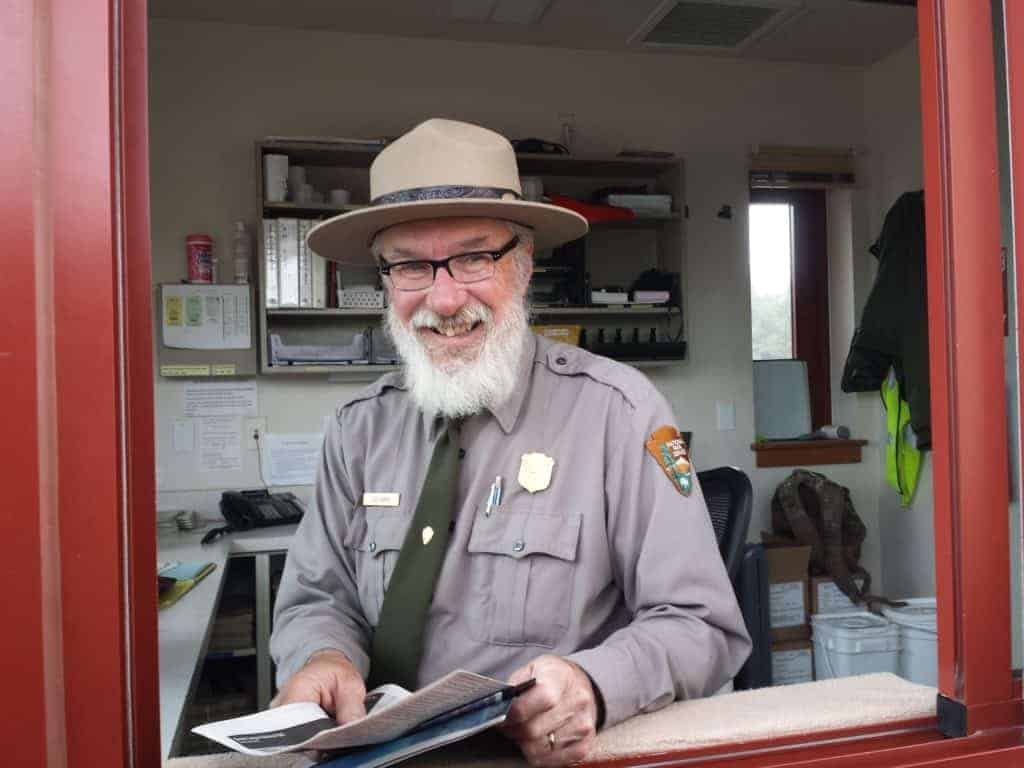
    #18 Park Ranger or Park Aide

    If you’re looking for totally different working experience in retirement and love being outdoors? You can work as a park ranger or park aide at National Parks or State Parks. Each year the National Park Service and state park agencies take on rangers and park aide for the summer, and you can be one of them.

    You can enjoy the beautiful scenery while welcoming and informing guests into campsites, parks, beaches, or historical sites. Your job can be collecting camp fees, cleaning facilities, area beautification, or explaining park rules to visitors.

    There are also other job opportunities within National Parks at hotels, restaurants or gift shops as well.

    Where to apply: Check out your nearby state’s park department or look for jobs on USAjobs.gov and search “National Park Service.” Or check out Government Jobs for jobs as a Park Aide.

    Salary: on average $14 per hour

    Skills: Park rangers and park aide must be US citizens and have a valid US driver’s license.

    Best job for retirees: Park Ranger
    Retirement job for a teacher: Park Ranger

    #19 Online English Teacher

    If the English language is still a passion of yours and you don’t want to say goodbye to teaching, you can become an online English teacher in retirement. The most comfortable part is that you can do it from the comforts of your own home.

    A lot of different companies are looking for (certified) teachers who can teach English online to kids or adults overseas. Mostly the students are kids from Asian countries. So the hours are often fixed hours per week because of the time difference. But you can decide how many hours you would like to teach, so you’re still in control of your retirement schedule.

    Where to apply: Check out these companies for online teaching jobs English Hunt51 TalkTeach Away and VIPKID

    Salary: Between $20 โ€“ $25 per hour

    Skills: Fluent in English and depending on the company, you need a bachelor’s or college degree (in education). But that’s already in your pocket.

    #20 Sell your teaching materials online

    You have years of teaching experience and developed a ton of teaching materials, methods, lessons over the years and that’s probably dusting away right now. Is it? Well, dust it off because you can earn money by selling your teaching recourses, classroom materials, lesson plans, activities, and even classroom decor online.

    Where to apply: Check out Edutopia and Teachers pay Teachers to register and get for more information.

    Salary: You can make a couple of hundred dollars a month or more, depending on what you have to offer.

    Skills: Knowledge of how you can sell your teaching materials in the best way.

    #21 Public Speaking Coach

    Speaking in front of a crowd is natural for you as a teacher. But that isn’t for everyone. For a lot of people, public speaking is one of their greatest fears. And giving speeches or presentations comes with a lot of jobs. And you can be the solution there are looking for. Because of your qualities and skills as a teacher can be very valuable to others. If you market your talents the right way you can make great money in retirement.

    You can become a public speaking coach for different people from teachers, salespersons, managers to CEOs from successful companies. You teach them:

    • to overcome their fear of public speaking,
    • learn tricks on how to keep a crowd interested,
    • and how to sell their story the best way possible to help grow their business.

    You don’t need a degree to become a public speaker. And your years of experience in the classroom is sufficient to help most people overcome their fear of public speaking. But knowledge on how to coach people, and knowing business communication will help you coach people in the corporate industry as well.

    Where to apply: Start your own business as a freelancer to help individuals or provide lessons and your services at different companies. Or check for jobs nearby on Indeed or Simply Hired.

    Salary: Presentations coaches can charge half- or full-day sessions from anything between $2,500-$5,000 (plus travel). Or hourly prices for individual coaching can vary between $50 – $150 per hour.

    Skills: coaching skills, problem-solving, sales, business communication skills, leadership, team communication, argumentation, and persuasion.

    #22 Trainer

    You know how to educate others and how to keep an audience interested and entertained, so why not use these skills to become a trainer in retirement. And the possibilities for being a trainer are endless.

    Do you like dogs? You can become a dog trainer in retirement. Do you like first-aid? You can become a first-aid trainer for companies. Or maybe you have a hobby you’re great at, and people are willing to pay for your expertise. For example, painting, crafts, cooking, car mechanics, or whatever you can think of. Or maybe you’re the fittest retiree in town, and you can consider becoming a personal trainer for other retirees.

    Pass the required tests or exams to become a licensed trainer within your desired field and start enjoying life in retirement as a freelance trainer.

    Where to apply: Get information on licensing and state regulations within your desired field, get your license, and start promoting your services.

    Salary: Entirely depends on the field and your years of experience. But probably anything between $10 – $150 per hour.

    Skills: in-depth knowledge of the field, communication, interpersonal, organization, enthusiasm, passion, patience, humor.

    #23 School Bus Driver

    If you love to be around (your) students you can also consider becoming the school bus driver in retirement. You can still keep on eye on the students and influence them in a positive way, but be away from school and doing something new.

    It can be a refreshing job for you in retirement, but you need to earn you a school bus driver certificate to be able to do this job in retirement. And these are the requirements:

    • Have a commercial driver’s license (CDL)
    • Must have at least 20/40 vision and a 70-degree field of vision in each eye.
    • Have a clean driving record.
    • And have good hearing.

    Where to apply: You previous school or other schools nearby.

    Salary: Around $14 per hour

    Skills: school bus driver certificate, good eyes, and ears.

    #24 Government Jobs for retired Teachers

    Government jobs can be one for the best jobs for retirees because they come with many benefits. Some positions provide health and dental coverage with only working a minimum of 10 hours a week. And this coverage can make a lot of difference to live a stressfree life in retirement.

    It’s also sometimes easier to get a job as a retiree at the government, due to special hiring programs. And the government provides free training on the job at many different positions.

    There are many different government jobs out there for retired teachers and I’ve made a list of websites you can check out to find a position that fits you:

    If you haven’t found your perfect job within these 24 retirement jobs for teachers, you should check out my other article with the 50 best jobs for retirees here.

    Recommended Articles

    The following articles are interesting for you to read as well:

  • 50 Best Jobs For Retirees

    50 Best Jobs For Retirees

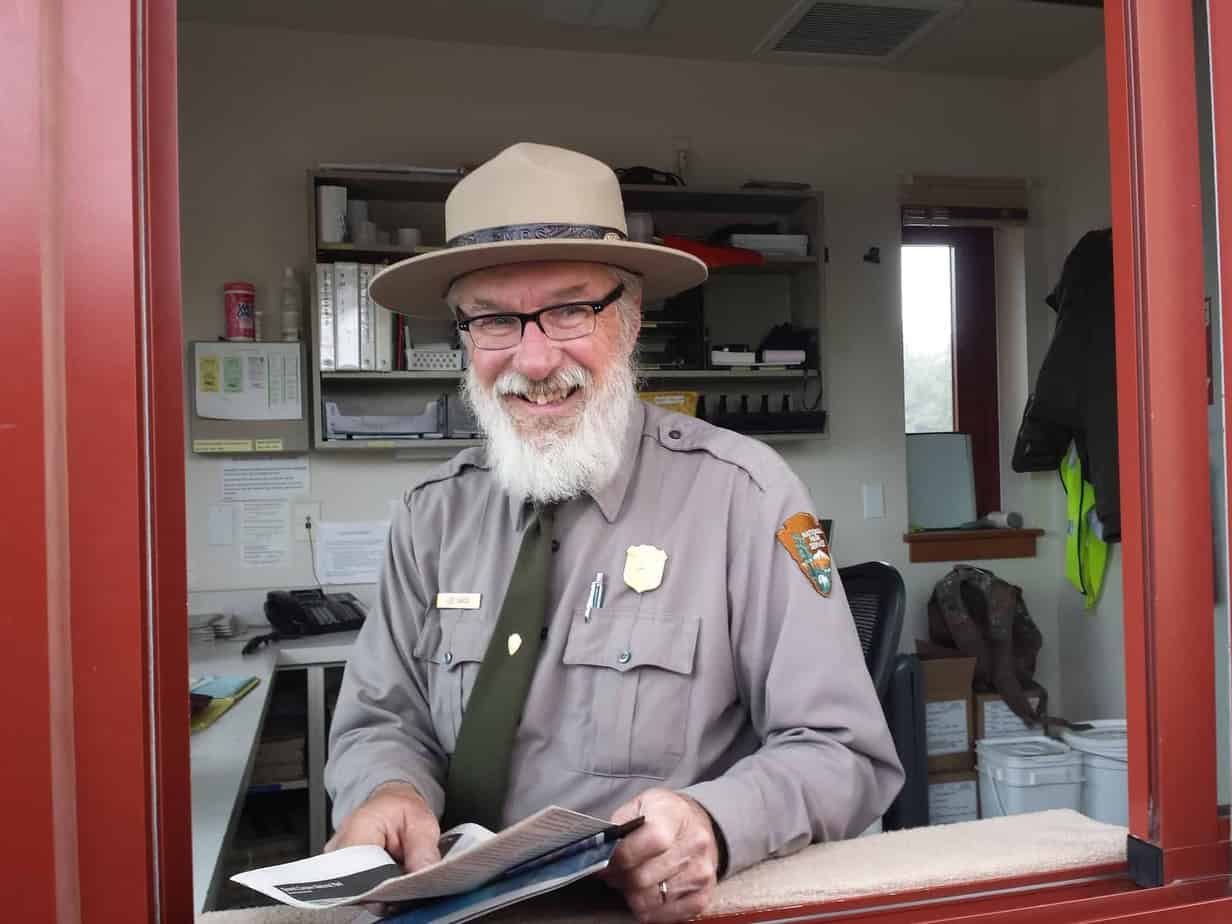
    senior retiree working as a park ranger

    Considering a return to work in retirement? This article helps you find the perfect fit! It explores ideal retirement jobs that consider your interests, schedule needs, and desired lifestyle, along with offering 50 specific job options with details on what they entail, why they’re great for retirees, and how to land them.

    1. Private Island Caretaker

    A private island caretaker is responsible for managing, maintaining, and keeping private properties, such as islands, ski resorts, or large estates, clean and operational. This role can also involve promoting the property through social media and marketing efforts, especially if the property is part of a tourism strategy.

    • Where To Apply: You can find private island caretaker jobs on job search engines like Indeed.com. Additionally, stay updated with the tourism boards of various countries, as they sometimes advertise these roles. Agencies like Pavillion Agency also list caretaker positions.
    • Salary Expectation: The salary for a private island caretaker typically ranges between $15 to $30 per hour.
    • Current Demand: The demand for private island caretakers can vary by location and season. Tourism-heavy regions and high-end property owners frequently seek caretakers, making it important to monitor job listings regularly for new opportunities.
    • Skills Required: The skills required for a private island caretaker can differ based on the specific responsibilities of the job. Common skills include property maintenance, cleaning, management, social media, and marketing. Other roles may require specialized skills, such as landscaping, basic repairs, or hospitality management.

    2. Disney Staffer

    Working at Disney involves a variety of roles aimed at enhancing the guest experience and maintaining the magical atmosphere Disney is known for.

    Job opportunities range from being a guide, waiter, bartender, resort greeter, attraction attendant, ticket seller, character or character attendant, photographer, crowd control, and first-aid assistant, to a gift shop employee. Each role contributes to creating a joyful and memorable experience for visitors.

    • Where To Apply: To apply for jobs at Disney, visit the Disney Careers website (disneycareers.com), where you can find listings for various positions at Disney parks and resorts.
    • Salary Expectation: The salary for working at Disney typically ranges between $7 to $14 per hour, depending on the specific role and location.
    • Current Demand: The demand for Disney employees is generally high, particularly during peak tourist seasons and holiday periods. Positions in guest services, entertainment, and hospitality see higher demand due to the continuous influx of visitors.
    • Skills Required: Hospitality and enthusiasm are essential for working at Disney. Strong communication and interpersonal skills, flexibility, and a positive attitude are also crucial. Specific roles may require additional skills such as performance abilities for character roles or first-aid knowledge for medical assistants.

    3. Hollywood Movie Extra

    Becoming a Hollywood movie extra involves appearing in the background of scenes in television shows, commercials, or feature films. It’s an opportunity to be part of the entertainment industry, even if it’s in a supporting role. Extras may portray pedestrians, restaurant diners, or other background characters to add realism to scenes.

    • Where To Apply: To apply for movie extra roles, you can visit websites like Backstage.com and CentralCasting.com, where you can find casting calls and opportunities for extras in various locations across the United States.
    • Salary Expectation: The salary for a Hollywood movie extra varies, but on average, extras can earn approximately $170 for an 8-hour working day. Rates may vary depending on factors such as the production budget and union regulations.
    • Current Demand: The demand for movie extras fluctuates depending on the number of productions filming at any given time and the specific needs of those productions. However, with the ongoing growth of the entertainment industry, there are often opportunities for aspiring extras to find work on television and movie sets.
    • Skills Required: No specific skills are required to be a movie extra. The main requirement is to be yourself and follow the directions of the production team. However, being punctual, adaptable, and able to take direction well can enhance your experience as an extra.

    4. Petsitter

    Pet sitting involves caring for pets in the absence of their owners. This can include visiting a pet’s home multiple times a day to feed, clean, and administer medication, or providing 24-hour care for a pet while their owners are away on holiday. It’s an ideal job for retirees who love animals and want to earn extra income without the full-time commitment of pet ownership.

    • Where To Apply: To find pet-sitting opportunities, retirees can register on websites like PetSit.com or Petsitter.com, where they can browse and apply for pet-sitting assignments in their local area.
    • Salary Expectation: The salary for pet sitting can vary depending on factors such as the duration of care and the specific responsibilities involved. Rates typically range from around $20 for a 25-minute visit to up to $200 for 24-hour care, depending on the level of care required and the location.
    • Current Demand: The demand for pet sitters remains consistent, as pet owners often require reliable care for their animals when they are away. With more people traveling and working longer hours, there is a growing need for trustworthy individuals to care for pets in their absence.
    • Skills Required: For most pet sitting roles, no formal experience or training is necessary. However, having a genuine love and understanding of animals is essential. Basic knowledge of pet care and behavior can be helpful but is not always required, as most pet owners provide detailed instructions for their pet’s care. Patience, reliability, and a responsible attitude are key attributes for successful pet sitters.

    5. Event Planner

    Event planning involves organizing and coordinating various aspects of events such as weddings, birthdays, corporate functions, and other special occasions. Event planners can either start their own business or work as part of a team for event management companies. They handle logistics, vendor coordination, budgeting, and ensuring that all details come together seamlessly to create memorable experiences for clients and guests.

    • Where To Apply: Retirees interested in event planning can look for event staff jobs on job search platforms like SnagAJob.com or GlassDoor.com. Additionally, those who want to start their own event planning business can begin by networking within their community and marketing their services through social media or local advertising.
    • Salary Expectation: Entry-level event staff positions typically offer a salary ranging from $10 to $15 per hour. However, salaries can increase with experience and expertise in event planning, especially for those who establish their own event-planning businesses.
    • Current Demand: The demand for event staff remains consistent, as events are held year-round for various occasions. While the demand may fluctuate based on the season and location, there is always a need for skilled event planners to ensure the smooth execution of events.
    • Skills Required: Event planners require strong organizational skills to manage multiple tasks and deadlines effectively. Excellent communication skills are essential for liaising with clients, vendors, and event staff. Additionally, a hospitable and customer-oriented approach helps create positive experiences for clients and guests.

    6. Cruise Ship Staffer

    Working on a cruise ship offers the opportunity to travel the world while earning money. Cruise ship employees work in various roles, including entertainment, customer service, cleaning, childcare, spa, fitness, food and beverage, retail, casino, housekeeping, photography, and more. While it’s a chance to explore different destinations, it also involves hard work, long hours, and shared accommodation with colleagues.

    • Where To Apply: To apply for jobs on cruise ships, retirees can directly search for openings on cruise line websites such as Princess.com, RoyalCareerAtSea.com (Royal Caribbean), and Carnival.com. Alternatively, they can use cruise ship search websites like CruiseShipJob.com or AllCruiseJobs.com to find available positions.
    • Salary Expectation: Salaries for cruise ship jobs vary depending on the role, with an average range of $20,000 to $150,000 per year. For example, a bartender may earn between $1,600 to $2,200 per month, while an entertainer may earn between $1,800 to $4,000 per month.
    • Current Demand: Cruise ship jobs are in demand year-round, with various positions available to suit different skill sets and interests. However, competition for certain roles may be higher, especially for entertainment and guest service positions.
    • Skills Required: While specific skills vary depending on the job, hospitality is essential for every cruise ship role. Additionally, excellent communication, adaptability, and teamwork are valuable attributes for working effectively in the dynamic and multicultural environment of a cruise ship.

    7. Camp Host

    Becoming a camp host involves working at campgrounds, national parks, state parks, or other outdoor recreational areas. Camp hosts typically assist campers, maintain facilities, provide information, and ensure a pleasant experience for visitors. It’s an ideal job for retirees who love camping and the outdoors and want to combine work with travel.

    • Where To Apply: To find camp host jobs, retirees can search for openings on websites like Workamper.com, which specialize in connecting RVers with employment opportunities at campgrounds and outdoor recreation sites across the USA.
    • Salary Expectation: Salaries for camp host positions vary, with some offering minimum wage and others paying up to $12 or more per hour, depending on factors such as location, responsibilities, and experience.
    • Current Demand: The demand for camp hosts remains consistent, as campgrounds and outdoor recreational areas require reliable staff to assist visitors and maintain facilities. While competition for positions may vary depending on the season and location, there are often opportunities available throughout the year.
    • Skills Required: The skills required for camp host positions depend on the specific job duties but may include maintenance skills for facility upkeep, retail skills for working in campground stores, customer service skills for assisting campers, hospitality skills for providing a welcoming atmosphere, and outdoor skills for navigating and enjoying the natural environment.

    8. House Sitter

    House sitting involves caring for someone’s home while they are away, which often includes taking care of pets and maintaining the property. House sitters ensure the security of the house, collect mail, water plants, and perform other tasks as requested by the homeowner. It’s an ideal opportunity for retirees who want to travel and save on accommodation costs.

    • Where To Apply: To find house-sitting opportunities, retirees can sign up on house-sitting websites like MindMyHouse.com, HouseCarers.com, or TrustedHouseSitters.com, which match homeowners with reliable house-sitters. These websites typically require an annual membership fee ranging from $20 to $130.
    • Salary Expectation: House sitting often doesn’t come with a salary, but it provides free accommodation, which can save retirees a significant amount of money on housing expenses while traveling or living a mortgage-free retired life. Nonetheless, if you find a job that pays, expect around $30 to $80.
    • Current Demand: The demand for house sitters is consistent, as homeowners often seek reliable individuals to care for their homes and pets while they are away. Retirees with a good reputation for being responsible and trustworthy are highly sought after in the house-sitting community.
    • Skills Required: To be a successful house sitter, retirees need to be trustworthy individuals who take good care of other people’s belongings and are comfortable with animals. Strong communication and organizational skills are also beneficial for coordinating with homeowners and managing house-sitting responsibilities effectively.

    9. Professional Cuddler

    A professional cuddler provides platonic cuddling sessions to clients as a form of touch therapy. This unconventional job involves offering comforting physical contact to individuals who seek emotional support, stress relief, or companionship. Professional cuddlers help reduce anxiety, alleviate pain, and promote a sense of well-being through the power of human touch.

    • Where To Apply: Aspiring professional cuddlers can join a service like Cuddlist.com, which connects clients with certified cuddle practitioners. These platforms provide a safe and professional environment for both cuddlers and clients to engage in cuddling sessions.
    • Salary Expectation: Professional cuddlers typically earn approximately $40 per hour for their services. While the income may vary depending on factors such as location and demand, it provides an opportunity for retirees to earn extra income while providing valuable emotional support to others.
    • Current Demand: The demand for professional cuddlers has been increasing as more people recognize the benefits of touch therapy for mental and emotional well-being. Retirees with a nurturing disposition and a desire to help others may find ample opportunities in this growing field.
    • Skills Required: To succeed as a professional cuddler, retirees should be compassionate, empathetic individuals who are comfortable providing physical comfort to strangers. Strong listening skills are essential for understanding clients’ needs and creating a supportive environment during cuddling sessions. Additionally, the ability to give comforting hugs and maintain professional boundaries is crucial for building trust with clients.

    10. Tour Guide

    A tour guide is responsible for leading groups of people on guided tours of tourist attractions, national parks, or popular sightseeing destinations. They entertain and inform tourists about the history, culture, and significance of the place they are visiting, ensuring an engaging and memorable experience for their guests.

    • Where To Apply: To find tour guide jobs, retirees can search for openings on websites like CoolWorks.com or TransitionsAbroad.com, which specialize in seasonal and international employment opportunities.
    • Salary Expectation: The average salary for tour guides is around $14 per hour, excluding tips. However, earnings can vary depending on factors such as location, experience, and the type of tours offered. Tips from satisfied guests can significantly increase a tour guide’s income.
    • Current Demand: The demand for tour guides remains steady, especially in popular tourist destinations and during peak travel seasons. Retirees with a passion for sharing their knowledge and enthusiasm for travel can find opportunities to work as tour guides locally or abroad.
    • Skills Required: To excel as a tour guide, retirees should possess strong hospitality and communication skills, allowing them to engage and connect with diverse groups of people. Problem-solving abilities are essential for handling unexpected situations that may arise during tours. A good memory and storytelling skills help convey information effectively, while a sense of humor can enhance the overall experience for guests.

    11. Bookkeeping

    Bookkeeping involves the systematic recording, tracking, and organizing of financial transactions for individuals or businesses. Bookkeepers ensure accuracy in financial records, including income, expenses, and taxes, to facilitate decision-making and comply with regulatory requirements.

    • Where To Apply: Retirees interested in bookkeeping jobs can search for opportunities on job search platforms like Indeed or specialized websites such as AccountingDepartment.com, ClickNWork.com, or BelaySolutions.com. These platforms list various bookkeeping positions, including part-time and remote opportunities.
    • Salary Expectation: The salary for bookkeeping jobs typically ranges from $20 to $60 per hour, depending on factors such as experience, location, and the complexity of the tasks involved. Freelance bookkeepers may set their own rates based on market demand and their level of expertise.
    • Current Demand: The demand for bookkeepers remains steady, as businesses of all sizes require accurate financial records to make informed decisions and comply with tax regulations. Retirees with bookkeeping skills can find opportunities in various industries, including small businesses, startups, and larger corporations.
    • Skills Required: To excel in bookkeeping, retirees should possess strong computer skills, including proficiency in accounting software such as QuickBooks from Intuit.com or Xero.com. Attention to detail is crucial for accurately recording financial transactions and identifying discrepancies. A basic understanding of tax rules and regulations helps ensure compliance and minimize tax liabilities for clients or employers. Additionally, organizational skills are essential for maintaining orderly records and facilitating smooth financial operations.

    12. Painter

    Painters apply paint, varnish, and other finishes to surfaces, transforming them to enhance their appearance and protect them from damage. As a retiree, working as a painter allows you to engage in a hands-on, creative activity that can be both satisfying and stress-relieving.

    • Where To Apply: Retirees can find painting jobs by searching on websites like Wow1Day.com or SimplyHired.com, which list various job openings in the painting industry. Alternatively, retirees can promote their services locally by distributing flyers and business cards to neighbors, friends, and family.
    • Salary Expectation: The salary for painters typically ranges from $18 to $30 per hour, depending on factors such as experience, location, and the complexity of the project. Rates may vary for different types of painting jobs, such as residential or commercial painting.
    • Current Demand: There is a steady demand for painters, as individuals and businesses frequently require painting services for maintenance, renovation, or new construction projects. Retirees with painting skills can find opportunities in residential, commercial, and industrial settings.
    • Skills Required: To succeed as a painter, retirees should be detail-oriented and familiar with the required painting tools and materials. A good eye for colors and a creative mindset are essential for achieving desired aesthetic results. Additionally, painters should have good balance and physical fitness, as the job often involves working at heights or in awkward positions. Strength and stamina are also important for completing tasks efficiently and safely.

    13. Massage Therapist

    Massage therapists provide massage treatments to clients to promote relaxation, relieve muscle tension, and alleviate stress. As a retiree, working as a massage therapist offers a calming and low-stress job option, allowing you to help others unwind and improve their overall well-being.

    • Where To Apply: Retirees interested in becoming massage therapists can find job openings on job search platforms like Indeed or SimplyHired. Alternatively, retirees may choose to start their own massage therapy business, offering services independently or by partnering with local spas or wellness centers.
    • Salary Expectation: The salary for massage therapists typically ranges from $20 to $30 per hour, depending on factors such as location, experience, and the type of establishment. Additionally, massage therapists may earn tips from satisfied clients, further increasing their income potential.
    • Current Demand: There is a growing demand for massage therapists as people increasingly seek natural methods to reduce stress and improve their well-being. Retirees with massage therapy certification can find opportunities in various industries, including spas, healthcare facilities, sports teams, and cruise lines.
    • Skills Required: To become a licensed massage therapist, retirees need to earn a high school diploma or equivalent and complete a massage therapy certification program from an accredited institution, such as the USCareerInstitute.edu. Additionally, massage therapists should possess strong interpersonal skills, empathy, and a genuine desire to help others. They should also have physical stamina and dexterity to perform massage techniques effectively.

    14. Hairdresser Or Stylist

    Hairdressers or stylists provide hair care services such as cutting, coloring, and styling to clients, helping them achieve their desired look. Working as a hairdresser or stylist in retirement offers the opportunity to express creativity, interact with clients, and potentially work from home or in a salon setting.

    • Where To Apply: Retirees interested in becoming hairdressers or stylists can find job openings on job search platforms like Indeed, SimplyHired, or BehindTheChair.com. Alternatively, retirees may choose to start their own home-based salon or seek internship opportunities at local salons to gain experience.
    • Salary Expectation: The salary for hairdressers or stylists typically ranges from $8 to $15 per hour, depending on factors such as experience, location, and the type of salon. Additionally, hairdressers may earn tips from satisfied clients, increasing their overall earnings.
    • Current Demand: There is a steady demand for hairdressers and stylists as people seek professional hair care services to maintain their appearance. Retirees with hairstyling skills can find opportunities in salons, spas, beauty schools, and even as independent contractors.
    • Skills Required: To excel as a hairdresser or stylist, retirees should be creative individuals with excellent communication skills and a friendly demeanor. They should be open to learning new ideas and techniques to keep up with evolving trends in the beauty industry. Attention to detail, cleanliness, and proper personal grooming are also essential for providing quality service and maintaining client satisfaction.

    15. Mentor Or Coach

    Mentors or coaches provide guidance, support, and encouragement to individuals seeking to develop their skills, achieve personal or professional goals, or navigate specific challenges. As a retiree, working as a mentor or coach allows you to share your wisdom, experience, and life lessons with the next generation, inspiring and empowering them to succeed.

    • Where To Apply: Retirees interested in becoming mentors or coaches can explore opportunities with organizations like TheMentorNetwork.com or inquire within their network of contacts, including previous employers, schools, universities, sports teams, churches, or community organizations.
    • Salary Expectation: The average salary for mentors or coaches is approximately $13 per hour. However, compensation may vary depending on factors such as experience, specialization, and the nature of the mentoring/coaching relationship. Some mentors or coaches may charge hourly rates, while others may offer services pro bono or as part of a volunteer program.
    • Current Demand: There is a growing demand for mentors and coaches as individuals seek guidance and support in various aspects of their personal and professional lives. Retirees with valuable life experiences and a desire to make a positive impact can find opportunities to mentor or coach individuals, teams, or organizations.
    • Skills Required: To excel as a mentor or coach, retirees should be active listeners, and capable of building trust and rapport with their mentees or clients. They should provide encouragement, guidance, and constructive feedback to support personal and professional growth. Setting achievable goals, maintaining a regular schedule, and sharing ideas and inspiration are also important aspects of effective mentoring or coaching relationships. They can also refine their skills by joining in coaching programs like Coaching Star Alliance.

    16. Translator

    Translators convert written or spoken content from one language into another, ensuring that the meaning and context remain accurate. As a retiree, working as a translator offers the opportunity to utilize language skills to facilitate communication across cultures and industries.

    • Where To Apply: Retirees interested in becoming translators can find freelance job opportunities on platforms like Upwork.com, where clients post translation projects for bidding. Additionally, retirees may explore translation agencies or companies that offer remote translation positions.
    • Salary Expectation: The average salary for translators is approximately $24 per hour. However, rates may vary based on factors such as language pair, specialization, experience, and the complexity of the content being translated. Some translators may charge per word or per project instead of hourly rates.
    • Current Demand: There is a consistent demand for translators in various industries as globalization increases and businesses expand into international markets. Retirees with language proficiency in high-demand languages can find opportunities to work as translators for corporations, government agencies, publishing houses, and online platforms.
    • Skills Required: To excel as a translator, retirees must be native speakers of the target language or the language they are translating into, ensuring accuracy and fluency in both languages. Depending on the job field, translators may also need computer skills to use translation software and business skills to manage freelance projects or negotiate contracts. Trustworthiness and the ability to handle confidential information with discretion are also essential qualities for translators.

    17. Landscaper Or Gardener

    Landscapers or gardeners are responsible for maintaining and beautifying outdoor spaces, including gardens, lawns, and landscapes. This job involves tasks such as planting, pruning, mowing, weeding, and general maintenance to keep outdoor areas looking neat and attractive.

    • Where To Apply: Retirees interested in landscaping or gardening jobs can search for opportunities on job search websites or inquire within their local community. They may find work as gardeners for residential properties, community gardens, parks, or landscaping companies.
    • Salary Expectation: The average salary for landscapers or gardeners is around $13 per hour. However, rates may vary based on factors such as experience, location, and the scope of work. Some landscapers may charge flat rates for specific projects or offer seasonal contracts for ongoing maintenance services.
    • Current Demand: There is a consistent demand for landscapers and gardeners as homeowners, businesses, and municipalities seek to maintain attractive outdoor spaces. Retirees with a passion for gardening and landscaping can find opportunities to work independently or for landscaping companies, particularly in communities where outdoor maintenance is valued.
    • Skills Required: To succeed as a landscaper or gardener, retirees should be familiar with gardening tools and techniques, including planting, pruning, and lawn care. A love for gardening and an appreciation for outdoor spaces are beneficial qualities.

    18. Animal Shelter Worker

    An animal shelter worker is responsible for caring for animals in need of shelter, medical attention, and affection. This role involves tasks such as feeding, grooming, exercising, and providing companionship to animals awaiting adoption or rehoming. Additionally, shelter workers may assist with administrative tasks, facility maintenance, and outreach efforts to promote animal welfare.

    • Where To Apply: Retirees interested in working at an animal shelter can explore job opportunities by checking the websites of local animal shelters or visiting shelters in person to inquire about available positions. Additionally, retirees may consider volunteering at shelters to gain experience and make connections in the field.
    • Salary Expectation: The salary for animal shelter workers varies but typically ranges around $13 per hour. However, many individuals choose to volunteer their time and services at animal shelters out of love and compassion for animals, rather than for monetary compensation.
    • Current Demand: There is a continuous demand for dedicated individuals to work in animal shelters due to the ongoing need for animal care and welfare services. Retirees with a passion for animals and a willingness to contribute their time and energy can find meaningful opportunities to work or volunteer at shelters in their communities.
    • Skills Required: The primary skill required for working in an animal shelter is a genuine affection for animals. Additionally, shelter workers should be patient, compassionate, and capable of handling animals with care and sensitivity. Basic animal care knowledge, such as feeding, grooming, and handling, is beneficial, but many shelters provide training for new staff and volunteers.

    19. Hotel Concierge

    A hotel concierge is responsible for providing exceptional customer service to hotel guests by assisting with various tasks such as making reservations, booking tours or events, arranging transportation, and providing recommendations for local attractions and services. This role requires strong organizational skills and a passion for ensuring guests have a memorable experience during their stay.

    • Where To Apply: Retirees interested in working as hotel concierges can apply directly to nearby hotels, especially those located in highly visited areas frequented by travelers. Many hotels accept applications online or through their human resources departments.
    • Salary Expectation: The salary for hotel concierges typically ranges from $8 to $13 per hour, although rates may vary depending on factors such as location, experience, and the hotel’s prestige. In cities like New York, where demand is high, some hotel concierges may earn up to $20 per hour.
    • Current Demand: There is a consistent demand for hotel concierges as hotels strive to enhance the guest experience and provide personalized service. Retirees with strong customer service skills and knowledge of the local area can find opportunities to work in hotels, resorts, or boutique accommodations.
    • Skills Required: To excel as a hotel concierge, retirees should possess clerical knowledge for managing reservations and bookings, familiarity with local attractions and hot spots, excellent customer service and hospitality skills, and effective communication abilities. Additionally, strong time management and organizational skills are essential for handling multiple guest requests and coordinating services efficiently.

    20. Dogwalker

    A dog walker is responsible for providing exercise and companionship to dogs by taking them for walks during the day. This role involves ensuring the safety and well-being of the dogs while they are outdoors and adhering to any specific instructions provided by the dog owners.

    • Where To Apply: Retirees interested in working as dog walkers can apply through the WagWalking.com app, which connects dog owners with dog walkers in their area. Additionally, retirees may choose to offer their dog walking services privately by distributing flyers and business cards in their neighborhood or through word-of-mouth referrals.
    • Salary Expectation: The salary for dog walkers varies depending on the method of employment. Through the Wag app, dog walkers can earn around $17.50 per walk (typically 20 minutes). Privately, dog walkers may earn between $20 to $40 per walk, depending on factors such as location, duration of the walk, and additional services provided.
    • Current Demand: There is a consistent demand for dog walkers as pet owners seek reliable individuals to ensure their dogs receive regular exercise and attention during the day. Retirees with availability during daytime hours can find opportunities to work as dog walkers, especially in urban areas with a high density of dog owners.
    • Skills Required: To work as a dog walker, individuals must be at least 18 years old, legally allowed to work in the United States, and physically capable of walking for at least 20 minutes at a time. Additionally, dog walkers should have a genuine love for animals, be reliable and responsible, and have good communication skills to interact with dog owners and follow any specific instructions for each dog.
    senior retiree working as a dog walker

    21. Driver

    As a driver, you have the opportunity to work independently and manage your own schedule. Depending on your preferences and interests, you can choose to drive passengers with ride-sharing services like Uber.com or Lyft.com, deliver packages for companies like UPS.com or Amazon.comโ€™s Flex, or deliver food with services such as Shipt.com, PostMates.com, GrubHub.com, or InstaCart.com.

    • Where To Apply: To apply for driving jobs, retirees can visit the websites or download the apps of companies like Uber, Lyft, UPS, Amazon Flex, Shipt, Postmates, Grubhub, or Instacart. These platforms typically have straightforward application processes and provide opportunities to work as independent contractors.
    • Salary Expectation: The salary for driving jobs can vary based on factors such as location, hours worked, and type of driving service. On average, drivers can expect to earn between $10 to $20 per hour, although earnings may fluctuate depending on demand and other factors.
    • Current Demand: There is a continuous demand for drivers across various sectors, particularly in urban and suburban areas where transportation and delivery services are in high demand. Retirees with access to a vehicle and a valid driver’s license can find opportunities to work as drivers with reputable companies.
    • Skills Required: To work as a driver, individuals must be eligible to work in the United States, possess a valid driver’s license, and have auto insurance coverage. Additionally, drivers should have consistent access to a vehicle (not necessary for UPS drivers) and a recent smartphone to access driving apps and navigation tools. Physical capabilities such as the ability to lift between 30โ€“40 lbs may be required for certain delivery roles.

    22. Handyman

    A handyman is a skilled worker who specializes in performing a variety of tasks related to home or building maintenance and repair. This can include tasks such as plumbing repairs, electrical work, carpentry, painting, and general handiwork around the house or workplace.

    • Where To Apply: Retirees interested in working as handymen can explore job opportunities by networking within their community, distributing flyers, or registering with online platforms such as MeetAHandyman.com. Additionally, retirees may consider starting their own handyman business to offer services independently.
    • Salary Expectation: The salary for handymen can vary based on factors such as location, experience, and the complexity of the tasks performed. On average, handymen can expect to earn between $17.50 and $70 per hour, with higher rates often commanded for specialized skills or emergency services.
    • Current Demand: There is a consistent demand for skilled handymen, both in residential and commercial settings, as homeowners and businesses require ongoing maintenance and repair services. Retirees with a reputation for reliability and quality workmanship can find steady demand for their services within their local communities.
    • Skills Required: To work as a handyman, individuals should have a strong familiarity with hardware tools and electrical equipment, as well as proven experience in performing various maintenance and repair tasks. Basic math skills, organization, problem-solving abilities, and attention to detail are also essential for success in this role.

    23. Waiter

    A waiter or waitress is responsible for taking orders, serving food and beverages to customers, and ensuring an enjoyable dining experience. This role requires strong customer service skills, attention to detail, and the ability to work efficiently in a fast-paced environment.

    • Where To Apply: Retirees can apply for waiter or waitress positions at restaurants, coffee shops, bars, diners, or other food service establishments in their local area. Job openings can be found by checking online job boards, visiting establishments in person, or networking within the industry.
    • Salary Expectation: The salary for waiters or waitresses typically includes an hourly wage plus tips. Hourly wages can range from $5 to $12 per hour, depending on the establishment and location. Tips can significantly increase earnings, especially in upscale restaurants or during busy shifts.
    • Current Demand: There is a continuous demand for waitstaff in the food and beverage industry, particularly in urban areas and tourist destinations. Restaurants and dining establishments often seek reliable and personable individuals to join their teams, making waiter or waitress positions readily available.
    • Skills Required: To excel as a waiter or waitress, individuals should possess basic math skills for handling transactions, strong communication and customer service skills for interacting with guests, and the ability to work effectively as part of a team. Additionally, high energy levels, physical fitness, and the ability to adapt to a fast-paced environment are essential for success in this role.

    24. Consultant

    A consultant is a professional who provides expert advice and guidance to individuals or organizations seeking to solve specific problems, improve performance, or achieve business objectives. Consultants may specialize in various fields and offer their services on a contractual or freelance basis.

    • Where To Apply: Retirees can explore consultant job opportunities by searching on job search engine websites like Indeed or Simply Hired. Alternatively, they can offer their consultant services as freelancers to previous employers or companies within their industry.
    • Salary Expectation: The salary for consultants varies widely depending on factors such as field of expertise, level of experience, and the complexity of the projects undertaken. On average, consultants can expect to earn between $50 to $150 per hour, with the potential for higher earnings based on demand and specialized skills.
    • Current Demand: There is a consistent demand for consultants across industries, as businesses and individuals seek expert advice to overcome challenges and achieve their goals. Retirees with niche expertise or a track record of success in their field may find ample opportunities to provide consulting services.
    • Skills Required: To succeed as a consultant, individuals should possess a high level of expertise within their field or across multiple areas. Strong work experience, leadership skills, self-awareness, and a track record of academic or corporate success are valuable assets. Additionally, effective communication, problem-solving abilities, and the capacity to build rapport with clients are essential for success in this role.

    25. Tutor

    Tutoring involves providing personalized educational support and guidance to students of various age groups and academic levels. Tutors assist students in understanding academic concepts, improving study skills, preparing for exams, and achieving academic success in specific subjects or areas of study.

    • Where To Apply: Retirees interested in tutoring can explore opportunities by searching for tutoring jobs nearby, spreading the word within their local community, or applying for online tutor positions on platforms such as Tutors.com, Care.com, or Tutor.com.
    • Salary Expectation: Tutoring rates can vary depending on factors such as the tutor’s level of experience, academic qualifications, subject expertise, and geographic location. On average, high school tutors may earn between $30 to $40 per hour, while certified teachers with extensive experience can command rates of up to $85 per hour or more.
    • Current Demand: There is a growing demand for tutors, both in-person and online, as students seek additional support to excel academically. Retirees with specialized knowledge or teaching credentials may find opportunities to tutor students in specific subjects or areas of expertise.
    • Skills Required: Successful tutors possess a range of skills, including patience, encouragement, adaptability, openness to different learning styles, problem-solving abilities, and strong organizational skills. Effective communication and the ability to build rapport with students are also essential for creating a positive and productive learning environment.

    26. Substitute Teacher

    A substitute teacher fills in for regular teachers when they are absent, ensuring that educational activities continue uninterrupted in the classroom. Substitute teachers may be called upon to teach various subjects and grade levels, following lesson plans provided by the absent teacher or creating their own instructional materials.

    • Where To Apply: Retirees interested in substitute teaching can apply directly to schools within their local area. School districts often have online portals or application processes for substitute teacher positions, and interested individuals can inquire about openings at nearby schools or educational institutions.
    • Salary Expectation: The salary for substitute teachers can vary depending on factors such as location, level of education, and experience. On average, substitute teachers may earn around $12 per hour, although rates may differ based on the school district and specific requirements.
    • Current Demand: There is a consistent demand for substitute teachers in school districts, as regular teachers may be absent due to illness, professional development, or other reasons. Retirees with a background in education or a passion for working with students may find opportunities to serve as substitute teachers, especially in areas experiencing teacher shortages.
    • Skills Required: Successful substitute teachers possess a range of skills, including confidence in managing classroom dynamics, flexibility to adapt to different teaching environments, accountability in following lesson plans and school policies, passion for education and student success, and a sense of humor to engage students effectively. Strong communication and interpersonal skills are also essential for building positive relationships with students and staff.

    27. Personal Shopper

    A personal shopper assists clients in selecting clothing, accessories, and other items based on their individual preferences, styles, and needs. This role involves providing fashion advice, making recommendations, and offering personalized shopping experiences to ensure clients find items that suit their tastes and lifestyles.

    • Where To Apply: Retirees interested in working as personal shoppers can explore opportunities at upscale retailers, department stores, boutiques, or fashion consulting firms that offer personal shopping services. Additionally, retirees can establish their own personal shopping business and build a client base through networking and word-of-mouth referrals.
    • Salary Expectation: The salary for personal shoppers can vary depending on factors such as location, level of experience, and clientele. On average, personal shoppers may earn around $12 per hour, although experienced and in-demand personal shoppers can command higher hourly rates based on their expertise and reputation.
    • Current Demand: With the growing emphasis on personalized shopping experiences and individualized style preferences, there is a demand for personal shoppers who can offer tailored guidance and assistance to clients. Retirees with a knack for fashion and excellent interpersonal skills may find opportunities in both retail and freelance settings.
    • Skills Required: Successful personal shoppers possess a range of skills, including a deep understanding of fashion trends and styles, strong interpersonal and communication skills to interact effectively with clients, creativity in styling outfits and coordinating accessories, commercial acumen to drive sales and upsell products, and a keen eye for detail to ensure client satisfaction. Additionally, personal shoppers should be adaptable and able to tailor their approach to meet the unique needs and preferences of each client.

    28. Babysitter Or Nanny

    A babysitter or nanny provides childcare services to families by supervising and caring for children in the absence of parents or guardians. Responsibilities typically include engaging children in age-appropriate activities, ensuring their safety and well-being, preparing meals, and assisting with bedtime routines.

    • Where To Apply: Retirees interested in working as babysitters or nannies can find opportunities by networking with their family, friends, and neighborhood circles. Online platforms such as SitterCity.com also provide avenues for retirees to connect with families seeking childcare services.
    • Salary Expectation: The salary for babysitters or nannies can vary based on factors such as location, the number of children cared for, and additional responsibilities. On average, babysitters or nannies may earn between $15 to $25 per hour, with rates potentially higher for those with specialized skills or experience.
    • Current Demand: There is a consistent demand for reliable and trustworthy babysitters or nannies as parents seek reliable childcare solutions to balance work and family responsibilities. Retirees with a genuine love for children and a commitment to their well-being may find ample opportunities to provide valuable childcare services.
    • Skills Required: Successful babysitters or nannies possess a range of skills, including patience to handle children’s needs and behaviors, cooking and nutrition knowledge to prepare healthy meals, problem-solving abilities to address challenges that may arise, effective communication skills to interact with both children and parents and creativity to engage children in stimulating activities. First-aid training is also desirable and can provide added reassurance to parents regarding their children’s safety.

    29. Plumber

    Plumbers are skilled professionals responsible for installing, maintaining, and repairing plumbing systems in residential, commercial, and industrial settings. They work with water supply lines, drainage systems, and fixtures to ensure proper functionality and safety.

    • Where To Apply: Retirees interested in pursuing a career in plumbing can start by launching their own plumbing business and promoting their services within their community through word of mouth, flyers, or business cards. Alternatively, they can explore job opportunities with established plumbing companies, such as those listed on tradesmen’s websites like Tradesmen-Plumber.jobs.
    • Salary Expectation: The salary for plumbers can vary depending on factors such as location, experience, and the type of work performed. On average, retirees entering the plumbing profession can expect to earn between $24 to $31 per hour, with the potential for higher earnings as they gain expertise and build their clientele.
    • Current Demand: Plumbers are in constant demand to address issues ranging from routine maintenance to emergency repairs in residential, commercial, and industrial settings. Retirees with plumbing skills or a willingness to undergo training can tap into a steady stream of work opportunities, particularly in regions experiencing growth or development.
    • Skills Required: Successful plumbers possess a combination of technical skills, including knowledge and experience in plumbing installation, troubleshooting, and repair. Basic math skills are essential for measurements and calculations, while familiarity with hardware plumbing tools is necessary for performing tasks efficiently. Strong customer service and communication skills are also valuable for interacting with clients and addressing their plumbing needs effectively.

    30. Photographer

    Photographers capture images using cameras to create visual records of people, events, places, or products. They work across various settings, including weddings, events, corporate functions, and commercial projects, delivering high-quality photographs that meet clients’ needs and expectations.

    • Where To Apply: Retirees aspiring to become photographers can establish their presence by creating a business card and an online portfolio showcasing their work. Building a diverse portfolio by capturing various subjects and events, such as weddings, portraits, landscapes, and commercial projects, can attract a broader range of clients.
    • Salary Expectation: The salary of a freelance photographer can vary based on factors like experience, expertise, location, and the type of projects undertaken. On average, wedding photographers earn between $1,000 to $2,000 per day, including editing, with the potential to earn up to $10,000 for highly experienced professionals.
    • Current Demand: In today’s digital age, the demand for skilled photographers remains steady, with businesses, individuals, and organizations requiring visual content for websites, social media, marketing materials, and personal memorabilia. Retirees with photography skills can tap into a range of opportunities across different sectors.
    • Skills Required: Successful photographers possess technical photography skills, including proficiency in operating cameras, understanding lighting techniques, and composing shots effectively. Patience, creativity, and attention to detail are essential traits for capturing compelling images, while strong communication skills enable photographers to interact with clients and understand their requirements. Additionally, knowledge of photo editing software such as Photoshop or Lightroom is crucial for post-processing and enhancing photographs. To know more about how to be a professional photographer, consider taking a MasterClass.
    senior retiree working as a professional photographer

    31. Real Estate Agent

    Real estate agents facilitate the buying, selling, or renting of properties on behalf of clients. They act as intermediaries between buyers and sellers, providing guidance, negotiating deals, and ensuring smooth transactions. Real estate agents need to have a deep understanding of the local property market and legal requirements.

    • Where To Apply: Aspiring real estate agents can start by researching and enrolling in pre-license education courses offered by accredited institutions, such as Udemy.com. These courses provide the necessary knowledge and skills to pass the real estate license exam and obtain licensure to practice as a real estate agent in their state.
    • Salary Expectation: The income of real estate agents varies widely depending on factors such as location, market conditions, experience, and individual performance. On average, full-time real estate agents earn around $40,000 per year, but earnings can range from less than $23,000 to over $110,000 annually.
    • Current Demand: The demand for real estate agents remains steady, with ongoing activity in the housing market driven by factors such as population growth, changing demographics, and economic conditions. Retirees entering the real estate industry can tap into a range of opportunities to serve buyers, sellers, and renters in their local market.
    • Skills Required: To succeed as a real estate agent, individuals must possess honesty, integrity, and a strong work ethic. They should have a solid understanding of the purchase process, including legal requirements and documentation. Effective communication and negotiation skills are essential for building rapport with clients and securing favorable deals. Additionally, real estate agents need to be responsive to client needs and knowledgeable about the local real estate market trends. Obtaining a real estate license through education and passing the licensing exam is a mandatory requirement for practicing as a real estate agent.

    32. Mediator

    Mediators are neutral third parties who help individuals or groups resolve disputes through negotiation and communication. They facilitate dialogue, identify common interests, and assist in finding mutually acceptable solutions to conflicts. Mediators may work in various settings, including courts, community organizations, businesses, and family disputes.

    • Where To Apply: Aspiring mediators can explore training and certification programs offered by organizations like MediationWorks.com. These programs provide education in conflict resolution techniques, negotiation strategies, and mediation ethics. Upon completion, individuals can seek opportunities to work as mediators in various contexts, including legal, community, or organizational settings.
    • Salary Expectation: Certified mediators typically charge hourly fees for their services, which can range from $100 to $250 per hour, depending on factors such as experience, specialization, and geographic location. While income levels can vary, mediation offers the potential for supplemental income during retirement, particularly for those with legal or mediation backgrounds.
    • Current Demand: The demand for mediators continues to grow as individuals and organizations seek alternative dispute resolution methods to avoid lengthy and costly litigation. Retirees entering the field of mediation can find opportunities to work with courts, businesses, community organizations, and private clients seeking assistance with conflict resolution.
    • Skills Required: Successful mediators possess strong interpersonal communication skills, empathy, and the ability to remain neutral and impartial. They must have a deep understanding of conflict resolution principles, negotiation techniques, and legal considerations. While a legal background or bachelor’s degree in mediation, psychology, or related fields may be advantageous, individuals can also acquire mediation skills through specialized training and experience.

    33. Research Assistant

    Research assistants support organizations, academic institutions, or individual researchers in collecting, analyzing, and interpreting data for various projects. They contribute to the advancement of knowledge by assisting with experiments, surveys, literature reviews, and other research activities.

    • Where To Apply: Retirees interested in becoming research assistants can explore job opportunities at nearby colleges, universities, research laboratories, or academic institutions. Additionally, online job boards, professional networks, and research organizations may advertise openings for research assistant positions.
    • Salary Expectation: Research assistant positions typically offer hourly wages ranging from $18 to $22 per hour, depending on factors such as experience, qualifications, and the nature of the research project. While compensation may vary, retirees can earn supplemental income while engaging in intellectually stimulating work as research assistants.
    • Current Demand: The demand for research assistants remains steady across various industries, including academia, healthcare, government, and private research organizations. As research activities continue to expand in fields such as science, technology, social sciences, and humanities, there are ongoing opportunities for retirees to contribute as research assistants.
    • Skills Required: Successful research assistants possess strong analytical thinking skills, attention to detail, and proficiency in data processing and analysis. They should be proficient in using research methodologies, statistical software, and database management tools. Additionally, effective communication skills are essential for collaborating with researchers and presenting findings. Retirees with a passion for research and a willingness to learn new techniques can excel in this role as research assistants.

    34. Private Investigator

    Private investigators (PIs) conduct investigations and gather information for individuals, businesses, attorneys, or organizations. They may be hired to uncover facts, gather evidence, conduct surveillance, or provide security services.

    • Where To Apply: Retirees interested in becoming private investigators can explore job opportunities at PI firms in their area. Additionally, they should check state requirements for obtaining a PI license, as licensure may be necessary to work in this field. Job applications can be found on PI firm websites or through professional networks.
    • Salary Expectation: Private investigators with a license can expect to earn between $35 to $45 per hour when working for a PI firm. However, highly skilled and experienced PIs may command higher rates, earning up to $350 per hour. Compensation may vary based on factors such as location, expertise, and the complexity of the investigation.
    • Current Demand: The private investigation field is experiencing growth, driven by increasing demand for investigative services in various sectors, including legal, corporate, and personal matters. As businesses and individuals seek to protect their interests and mitigate risks, there is a continued need for skilled private investigators to conduct thorough and reliable investigations.
    • Skills Required: Private investigators must possess a range of skills, including proficiency in investigative techniques, research methods, and surveillance tactics. Strong communication and interpersonal skills are essential for gathering information, interviewing witnesses, and liaising with clients. Attention to detail, patience, persistence, and the ability to remain calm under pressure are also crucial traits for success in this role. While a degree in criminal justice or a related field may be beneficial, formal education requirements vary by state, with some jurisdictions mandating licensure for private investigators.

    35. Interior Designer

    Interior designers plan and decorate indoor spaces to create functional and aesthetically pleasing environments. They work with clients to understand their needs and preferences, select furnishings, color schemes, lighting, and accessories, and oversee the implementation of design concepts.

    • Where To Apply: Retirees interested in becoming interior designers can start their own businesses and promote their services to friends, family, and businesses. They can also explore job opportunities at design firms, architectural firms, real estate agencies, or home staging companies. Online job search engines may list interior designing jobs available in their area.
    • Salary Expectation: Interior designers can expect to earn an average of around $25 per hour. However, compensation may vary based on factors such as location, level of experience, client base, and the scope of projects undertaken. Successful interior designers with established businesses may earn significantly higher incomes.
    • Current Demand: There is a consistent demand for interior designers as individuals, businesses, and real estate professionals seek to enhance the visual appeal and functionality of indoor spaces. The growing interest in interior design and home improvement projects further contributes to the demand for skilled professionals in this field.
    • Skills Required: Interior designers must possess strong communication skills to understand client’s needs and preferences and effectively convey design concepts. Creativity, flexibility, and problem-solving abilities are essential for developing innovative and practical design solutions. Additionally, budgeting skills are crucial for managing project costs and resources effectively. While formal education and certification may enhance credibility and job prospects, individuals can also gain valuable experience through hands-on practice and continuous learning.

    36. Park Ranger

    Park rangers are responsible for managing and protecting natural and cultural resources within national and state parks. They ensure visitor safety, provide educational programs, enforce park regulations, conduct conservation efforts, and maintain park facilities.

    • Where To Apply: Retirees interested in becoming park rangers can explore job opportunities with the National Park Service or state park agencies. They can visit the websites of these organizations to search for available positions or apply through government job portals like USAjobs.gov. Additionally, retirees can inquire about seasonal employment opportunities at local parks, hotels, restaurants, or gift shops within national parks.
    • Salary Expectation: Park rangers can expect to earn an average of around $14 per hour. Compensation may vary based on factors such as location, level of experience, and specific job responsibilities. Seasonal or temporary positions may offer hourly wages, while full-time positions may provide salary and benefits packages.
    • Current Demand: There is a consistent demand for park rangers as national and state parks continue to attract millions of visitors each year. The importance of conservation and environmental stewardship also contributes to the need for skilled professionals in this field. Retirees with relevant experience and qualifications can leverage their skills to secure employment as park rangers.
    • Skills Required: Park rangers must possess strong interpersonal skills to interact with visitors and effectively communicate park rules and regulations. They should have knowledge of natural and cultural resources, as well as environmental conservation principles. Physical fitness and outdoor survival skills are essential for performing duties in rugged terrain and varying weather conditions. Additionally, park rangers may need to complete training programs and hold relevant certifications in areas such as first aid, CPR, and law enforcement.

    37. Park Aide

    Park aides assist in the operation and maintenance of parks, campgrounds, beaches, and historical sites. Their duties may include collecting fees, providing information to visitors, cleaning facilities, performing maintenance tasks, and ensuring compliance with park rules and regulations.

    • Where To Apply: Retirees interested in park aide positions can explore job openings on government job websites such as GovernmentJobs.com and USAJobs.com. Additionally, they can directly contact local or state park agencies to inquire about available opportunities or submit applications.
    • Salary Expectation: Park aides can expect to earn an average hourly wage ranging from $12 to $17, depending on factors such as location, level of experience, and specific job responsibilities. Seasonal or part-time positions may offer hourly compensation, while full-time roles may provide additional benefits.
    • Current Demand: There is a steady demand for park aides, especially during peak seasons when parks experience higher visitor traffic. The importance of maintaining clean and safe recreational areas enhances the need for individuals to fill these roles. Retirees with a passion for outdoor activities and a willingness to assist park visitors can find rewarding opportunities as park aides.
    • Skills Required: Park aides should possess basic communication skills to interact with visitors and provide assistance as needed. They should be capable of performing light maintenance tasks and ensuring the cleanliness of park facilities. While specific skills may vary depending on the job duties, having a valid driver’s license may be required for certain positions that involve driving park vehicles or transporting equipment.
    senior retirees working as park aides

    38. Social Media Manager

    A social media manager is responsible for overseeing and managing a company’s presence on various social media platforms, such as Facebook, Instagram, Twitter, and LinkedIn.

    • Where To Apply: Retirees interested in becoming social media managers can explore job opportunities with companies, agencies, or freelance platforms specializing in digital marketing and social media management. Websites like Upwork, Freelancer, and LinkedIn often feature job postings for social media manager roles.
    • Salary Expectation: Salaries for social media managers vary depending on factors such as experience, skills, and the size of the company. According to PayScale, the average salary for a social media manager in the United States is around $50,000 per year, but rates can range from $30,000 to over $70,000 annually.
    • Current Demand: The demand for social media managers continues to grow as businesses recognize the importance of maintaining an active and engaging presence on social media platforms. With the rise of digital marketing and the prevalence of social media in consumers’ lives, companies are increasingly seeking skilled professionals to manage their social media accounts and strategies.
    • Skills Required: Successful social media managers possess a combination of creativity, communication skills, and digital marketing expertise. They should be proficient in using social media platforms and analytics tools to track performance and make data-driven decisions. Additionally, social media managers should stay updated on industry trends and best practices to effectively engage audiences and achieve marketing goals.

    39. Appraiser

    An appraiser evaluates the value of various items, including collectibles, antiques, artwork, jewelry, and other valuable possessions, providing expert opinions on their worth.

    • Where To Apply: Retirees interested in becoming appraisers can explore opportunities with appraisal firms, auction houses, and antique shops, or establish their own independent appraisal businesses. Additionally, retirees can consider obtaining certification or accreditation from professional organizations such as the International Society of Appraisers or the American Society of Appraisers.
    • Salary Expectation: The salary for appraisers varies depending on factors such as experience, specialization, geographic location, and the volume of appraisal work. According to the U.S. Bureau of Labor Statistics, the median annual wage for appraisers and assessors of real estate was around $57,010 as of May 2020.
    • Current Demand: There is a consistent demand for qualified appraisers as individuals and organizations require expert assessments of valuable items for various purposes, including insurance, estate planning, taxation, and buying or selling decisions. Retirees with specialized knowledge in specific areas may find niche markets with high demand for their appraisal services.
    • Skills Required: Successful appraisers possess a deep understanding of the items they appraise, including their history, provenance, market trends, and valuation methodologies. They should have strong research skills to gather relevant information and documentation to support their appraisals accurately. Additionally, appraisers need excellent communication skills to effectively convey their findings to clients and provide reliable valuation reports.

    40. Fitness Instructor For Seniors

    A fitness instructor for seniors leads low-impact exercise classes specifically designed to meet the needs and abilities of older adults, helping them stay active, healthy, and engaged.

    • Where To Apply: Retirees interested in becoming fitness instructors for seniors can explore opportunities with local community centers, senior centers, retirement communities, gyms, or recreation facilities. They can also consider starting their own independent fitness classes for seniors in their local area.
    • Salary Expectation: While compensation for fitness instructors can vary depending on factors such as location, experience, and employment setting, part-time positions or freelance opportunities may offer hourly rates ranging from $15 to $40 per hour. Additionally, some instructors may charge per class or offer package deals for participants.
    • Current Demand: As the population of older adults continues to grow, there is an increasing demand for fitness programs tailored to seniors’ needs and preferences. Many seniors are seeking opportunities to stay active and socialize with others while maintaining their health and mobility, making fitness classes for seniors a valuable and in-demand service.
    • Skills Required: Successful fitness instructors for seniors possess a blend of fitness expertise, teaching skills, and empathy for older adults. They should be knowledgeable about exercise principles, safety guidelines, and modifications for various fitness levels and abilities. Additionally, instructors should have strong communication and motivational skills to engage participants and create a supportive and inclusive class environment.

    41. Crafting Business

    Crafting involves creating handmade items such as art, jewelry, clothing, home decor, and more. The flexibility of this job allows retirees to work from home and set their own schedules, making it an ideal fit for those seeking supplementary income in retirement.

    • Where To Apply: Retirees can open their own shop on Etsy.com. The process involves publishing listings for items, with a fee of $0.20 per listing valid for four months or until the item is sold. Upon a successful sale, Etsy charges a 5% transaction fee on the sale price, including shipping.
    • Salary Expectation: Income potential varies widely depending on the quality and uniqueness of the crafts, with some sellers earning a modest amount while others generate significant revenue.
    • Current Demand: The demand for handmade and unique items on platforms like Etsy remains strong, providing ample opportunities for retirees to sell their crafts.
    • Skills Required: Crafting skills are paramount, including creativity, attention to detail, and craftsmanship. Additionally, basic business skills such as pricing, marketing, and customer service can enhance success on Etsy.

    42. Airbnb Host

    Becoming an Airbnb host involves renting out spare rooms, guesthouses, or other unique spaces on your property to travelers looking for accommodation. Hosting on Airbnb.com can be an excellent retirement job, especially for those with spare space in high-visited areas. It offers the opportunity to earn money with minimal effort, while also providing the chance to meet new people and socialize.

    • Where To Apply: To become an Airbnb host, simply register on the Airbnb platform and create a listing for your space.
    • Salary Expectation: Earnings as an Airbnb host can vary widely. Super hosts with deluxe properties can earn up to $10,000 per month, while others may make less than $200 per month. However, nearly 50% of all Airbnb hosts earn more than $500 per month.
    • Current Demand: The demand for unique and comfortable accommodations on Airbnb remains high, especially in popular tourist destinations and cities with limited hotel options.
    • Skills Required: Hospitality and customer service skills are essential for success as an Airbnb host. Additionally, maintaining a clean and comfortable space is crucial for guest satisfaction and positive reviews.

    43. Virtual Assistant

    A virtual assistant (VA) is a remote worker who provides administrative support to clients from a home office setting. Virtual assistant jobs offer flexibility and the opportunity to work from home, making them an excellent option for retirees seeking to continue working in a familiar environment. With a good computer and internet connection, retirees can utilize their skills and experience to provide valuable administrative support.

    • Where To Apply: Retirees can find virtual assistant opportunities by browsing freelance job platforms such as Fiverr.com, where they can create profiles and apply for available positions.
    • Salary Expectation: The average hourly rate for virtual assistants is around $16, although rates can vary depending on the specific tasks and level of experience. Some VAs may charge higher rates for specialized skills or niche services.
    • Current Demand: The demand for virtual assistants continues to grow as businesses and entrepreneurs seek cost-effective solutions for administrative tasks. Retirees with strong administrative skills and computer proficiency are well-positioned to capitalize on this demand.
    • Skills Required: Successful virtual assistants possess good computer knowledge, communication skills, and the ability to work independently. Additionally, they should be comfortable using various internet tools and software applications, and capable of managing tasks efficiently within deadlines.

    44. Online English Teacher

    Online English teaching involves instructing students in the English language remotely, typically from the comfort of one’s home. Retirees who are passionate about the English language and enjoy teaching can find fulfillment and flexibility in online English teaching roles. Working from home allows retirees to continue their teaching careers or pursue a new passion while maintaining a comfortable work-life balance.

    • Where To Apply: Interested retirees can explore job opportunities with online English teaching companies such as EnglisHuntUSA.com and TeachAway.com. Each company may have different requirements and application processes, but many do not mandate a formal education degree.
    • Salary Expectation: The hourly wage for online English teachers typically ranges between $20 to $25, depending on factors such as experience, qualifications, and the specific company. Some platforms may offer additional incentives or bonuses based on performance.
    • Current Demand: With the increasing demand for English language proficiency worldwide, the demand for online English teachers remains strong. Companies are continuously seeking qualified instructors to meet the needs of students seeking to improve their English language skills.
    • Skills Required: Fluency in English is essential for online English teachers, along with effective communication skills and the ability to engage and motivate students. While some companies may require a bachelor’s degree, particularly for teaching roles, others may be more flexible with educational requirements, emphasizing language proficiency and teaching experience.

    45. Content Writer

    Content writers produce written material for various platforms such as websites, blogs, e-books, podcasts, and marketing materials. This job allows retirees to leverage their writing skills and experience while working remotely from home, making it an attractive option for those seeking post-retirement employment.

    • Where To Apply: Retirees can explore freelance opportunities on platforms like Upwork and Fiverr, where they can create profiles and offer their writing services to clients seeking content creation.
    • Salary Expectation: The salary for content writers varies widely based on factors such as experience, technical writing abilities, and the complexity of the content. Payment can range from 3 cents to $1 per word, with seasoned writers commanding higher rates.
    • Current Demand: The demand for content writers is high as companies and organizations seek to maintain an online presence and engage their target audience through quality content. With the proliferation of digital marketing, the need for skilled writers who can produce compelling and SEO-friendly content continues to grow.
    • Skills Required: Successful content writers possess strong technical writing and communication skills, allowing them to create engaging and informative content. Additionally, adaptability, strong research abilities, and a solid understanding of SEO principles are crucial for producing content that ranks well in search engine results. The ability to work efficiently under deadlines is also essential in meeting client expectations.

    46. Survey Taker

    Taking online surveys involves providing feedback and opinions on various products and services in exchange for rewards or compensation. If you enjoy giving your opinions and have some spare time, you can earn extra cash through online surveys. This job offers flexibility and can be done from the comfort of home, making it an attractive option for those looking to supplement their retirement income.

    • Where To Apply: Retirees can sign up for reputable survey websites such as SwagBucks.com and SurveyJunkie.com. It’s essential to be cautious of scammy companies and stick to trustworthy platforms with a proven track record in the paid survey field.
    • Salary Expectation: Participants earn points for each completed survey, with payouts varying between five to 250 points per survey. For example, 100 points on Swagbucks is equivalent to $1. Rewards typically come in the form of gift cards from retailers like Amazon or Walmart, or participants can use their points for direct purchases through the survey website’s shopping system. The amount earned depends on the number of surveys completed and their individual payout rates.
    • Current Demand: Companies, brands, and organizations continuously seek consumer feedback to inform their product development and marketing strategies. As such, there is a consistent demand for individuals willing to participate in online surveys.
    • Skills Required: The primary skill required for taking online surveys is basic computer proficiency. Participants should be comfortable navigating survey websites and providing feedback online. Additionally, attention to detail and the ability to follow survey instructions accurately can enhance the efficiency and success of survey-taking endeavors.

    47. Online Travel Agent

    An online travel agent assists clients in planning and booking travel arrangements, including flights, accommodations, tours, and more, all from the comfort of their own homes.

    • Where To Apply: Retirees interested in becoming online travel agents can explore franchise opportunities with organizations such as DreamVacationsFranchise.com, which offers paid training, premier supplier relationships, marketing programs, and booking technology to operate a travel franchise from home.
    • Salary Expectation: As online travel agents, retirees earn money through commissions from their sales of various travel products and services, including hotels, resorts, cruises, and travel insurance. Earnings depend on the volume and value of sales generated, as well as the agent’s ability to build and maintain a loyal client base.
    • Current Demand: The demand for online travel agents remains steady as individuals and families continue to seek assistance in planning and booking their travel experiences. With the convenience of online booking and the complexities of travel logistics, there is a consistent need for knowledgeable and reliable agents to guide clients through the process.
    • Skills Required: Successful online travel agents possess a range of skills, including strong customer service abilities, proficiency in computer and booking software, sales acumen, organizational skills, and patience. Additionally, a deep knowledge of travel destinations and a passion for exploring new places can enhance the agent’s ability to provide personalized recommendations and create memorable experiences for clients.

    48. Blogger

    Blogging involves creating and publishing content on a specific topic or niche on a website, with the potential to earn income through various monetization methods such as affiliate marketing, advertising, and selling digital products.

    • Where To Apply: Aspiring bloggers can explore resources like IncomeSchool.com, which offers comprehensive training on how to build a successful blog from scratch. These resources provide step-by-step guidance on niche selection, content creation, search engine optimization (SEO), and monetization strategies.
    • Salary Expectation: Earnings from blogging can vary widely depending on factors such as niche selection, traffic volume, and monetization methods employed. While some bloggers may earn little to no income initially, others have the potential to generate significant passive income over time, with top earners making tens of thousands of dollars per month.
    • Current Demand: The demand for high-quality content remains high as internet users seek valuable information and entertainment across a wide range of topics. With effective SEO strategies and consistent content creation, bloggers can attract and retain a loyal audience, driving traffic and potential revenue to their websites.
    • Skills Required: Successful bloggers possess a combination of writing skills, SEO knowledge, and proficiency in computer usage. They should be able to write engaging and informative articles that resonate with their target audience while optimizing content for search engines to improve visibility and attract organic traffic. Additionally, a willingness to learn and adapt to evolving digital marketing trends is essential for long-term success in the blogging sphere.

    49. Asset Lessor

    Renting out your belongings, such as equipment, tools, clothes, vehicles, or parking spaces, can be a lucrative way to earn extra income by leveraging assets that are not frequently utilized.

    • Where To Apply: Various online platforms facilitate the rental process for different types of assets. Renting out parking spaces can be done through CraigsList.com, while RentNotBuy.com and Loanables.com offer platforms for renting out clothes and equipment. For vehicle rentals, retirees can explore options like Turo.com and GetAround.com, while SpinLister.com specializes in renting out bikes and other gear.
    • Salary Expectation: Earnings from renting out assets depend entirely on the value and demand for the items being rented. Retirees can set their own rental rates based on market conditions and the condition of their belongings. The potential for income varies widely and is contingent on factors such as location, item quality, and rental frequency.
    • Current Demand: The demand for rental services continues to grow as individuals seek cost-effective and sustainable alternatives to ownership. Renting out assets provides renters with access to items they need temporarily while allowing owners to monetize underutilized possessions.
    • Skills Required: To participate in asset rental, retirees need to have items available for rent and knowledge of how to use the online platforms mentioned above. While no specific skills are required, familiarity with the rental process and the ability to manage rental listings effectively can enhance the success of renting out assets.

    50. Cook

    Running a catering business from home involves preparing and providing homemade goods, meals, or cooking services for events, parties, and individuals.

    • Where To Apply: Retirees can start their catering business by cooking from home and spreading the word among family, friends, and neighbors. Handing out business cards can help make their services easily accessible to potential clients.
    • Salary Expectation: Income from a catering business can vary depending on factors such as the demand for services, the quality of the food offered, and the size of the client base. While earnings may fluctuate from week to week, retirees with exceptional cooking skills or unique specialties can potentially earn consistent income.
    • Current Demand: There is a demand for homemade goods and personalized catering services, especially among individuals who value quality and convenience. Retirees can tap into this market by offering delicious and homemade meals, baked goods, and cooking classes to meet the needs of their clients.
    • Skills Required: Successful catering business owners require a range of skills, including creativity in menu planning and presentation, organizational abilities to manage events and orders, strong customer service skills to build and maintain client relationships, and proficiency in cooking and baking techniques. Additionally, knowledge of food safety laws and regulations is essential to ensure compliance and maintain the trust of customers.

    Conclusion

    So, whether you’re looking to supplement your income, stay mentally stimulated, or give back to your community, this list provides a wealth of exciting possibilities to jumpstart your next chapter. With the right fit, your retirement can be just as fulfilling and engaging as your working years!

    Aside from that, check out my other articles on this site! Here are some of them:

    Happy reading!

  • How To Deal With Depression In Retirement | 15 Helpful Tips

    How To Deal With Depression In Retirement | 15 Helpful Tips

    If you feel depressed in retirement, you’re probably wondering how you can deal with depression? I wrote this comprehensive article to help you out.

    Disclaimer/ Important Notice:
    I am not a doctor. With this article, I want to be as helpful as possible to help you deal with your depression in retirement. The information and tips in this article come from online research and are based on my insight and experience. It’s not intended as a substitute for professional medical advice.

    Contact your doctor for professional health advice.

    When you’re living in the United States, You can also contact SAMSHA’s National Helpline via 1-800-662-HELP (4357)

    I did extensive online research to write this article, and also share many of my own experiences. I have suffered multiple times from depression. And unfortunately, it runs in the family, so I know depression will occur to me more often than maybe someone else.

    But Iโ€™ve come to terms that my brain is wired differently and produces more or fewer hormones than needed. And also, because Iโ€™m a critical person and a perfectionist, my mind is, by default, more negatively trained than positively.

    For dealing with depression, I made a lot of mistakes. Luckily I learned from my mistakes, and I know more about what to do and how to deal with depression. And thatโ€™s why I want to help you out and give you 15 practical and hands-on tips in this article. So you can cope and recover from your depressive symptoms. These tips are a combination of behavioral and cognitive strategies that can help you deal with depression.

    First, I’ll share 15 helpful tips on how you can deal with depression in retirement. At the end of the article, I’ll share more in-depth information about what depression is and which symptoms are common when you’re dealing with depression in retirement.

    #1 Reach Out To Get Help

    You need to reach out and explain to others what’s internally going on and how you feel. Without reaching out, you can’t get support. And you need support and help and feel the love from other people to make you feel a bit better.

    They don’t have to be able to fix you but to be an active and compassionate listener. Sometimes getting things off your chest and talk about your feelings can help you feel more relieved. You can call someone, but it’s better to have face-to-face time with people.

    Tips For Reaching Out:

    • Have lunch or grab coffee with a friend
    • Plan a fixed dinner evening with family
    • Call on an old friend
    • Go for regular walks with your neighbor
    • Connect with people with depression (groups) to share experiences and receive advice

    It can be tough because if you reach out, that also means acknowledging the fact that you have a problem. Many people don’t even come to that first step. They don’t know or can’t accept the fact that they have depression.

    And besides reaching out to get social support from family and friends, it also important to reach out to get professional support. When you’ve tried many things, and you aren’t feeling better, than it’s time to get professional help. Mild depressions can often be cured by consciously changing behavior. But severe depressions need professional attention. In some cases, medication is needed to get you out of your depression.

    When you’re living in the United States, You can also contact SAMSHA’s National Helpline via 1-800-662-HELP (4357)

    [cp_modal display=”inline” id=”cp_id_fefb0″][/cp_modal]

    #2 Exercise Regularly

    Exercising has many benefits. If you exercise regularly, you strengthen your muscles, manage your weight, and reduce the risks for many diseases. So it increases your chances of living longer. But exercising also improves your mental health.

    A study in the journal Medicine & Science in Sports & Exercise reported that physical activity is a good way to curb depression and to prevent the emergence of depressive symptoms.

    And according to Harvard Medical School: “Exercise reduces levels of the body’s stress hormones, such as adrenaline and cortisol. It also stimulates the production of endorphins, chemicals in the brain that is the body’s natural painkillers, and mood elevators.”

    It’s clear that exercising reduces stress and symptoms of depression and anxiety, and it can help with your recovery from depression. So get out and get physically active every day or at least 3-4 times a week. And you’ll feel the difference and experience how powerful exercising for uplifting our mind is.

    Tips For Exercising:

    • Swimming (in lake, ocean or nearby pool)
    • Hiking (in nature boosts your mind even more)
    • Running
    • Walking (dogs)
    • Yoga
    • Aqua aerobics
    • Tai Chi
    • Lift weights
    • Dancing
    • Get your bicycle out for a ride
    • Gardening

    #3 Stay Active

    When you’re depressed, you’re inactive. You do less and less over a stretch of time, and that can make the symptoms of depression even worse. To curb depression, you need to change your behavior. And that means that you have to do the opposite of what you’re doing right now. Even though you don’t feel like doing anything and would rather stay inactive. The solution to curbing depressive symptoms is to act against the depression and come into action.

    When you were still working, your work-life came with routine and fixed activities. You need to replace those factors in retirement to enjoy your retired life. So that means you need to stay active: mentally, physically, and socially. Its the combination of these three that will help you become happier.

    It doesn’t mean you need to go back to work because that’s the only solution. You can replace being active with other activities in retirement. But for some retirees, it does mean that they like to get a (part-time) job to stay active.

    I’ve already given you tips on how to stay physically active above. And I’m going to dive more in-depth on how you can stay socially active later in this article. So the third one left is staying mentally active.

    You need to challenge your mind to stay mentally healthy. If you keep your brain healthy, you prevent the risk of Alzheimerโ€™s, and it also improves your memory, concentration, and general problem-solving. So include mentally challenging activities in your daily retirement schedule to become mentally fit.

    Examples Of Staying Mentally Active:

    • Solve puzzles (sudoku, crossword, etc.)
    • Learn something new (skill, language, musical instrument)
    • Read an inspirational or informative book
    • Meditation
    • Start writing (family history book, novel, start a blog)
    • Listen to (positive) podcasts
    • Watch inspirational TEDTalks

    You’ll find more information about staying mentally active in my article, How Can I Keep My Brain Active After Retirement.

    Best Activity To Stay Mentally Active In Retirement

    One of the best things you can do to stay mentally active in retirement is learning new skills. If you keep learning new skills, you keep challenging yourself. You can easier set new goals, which helps to deal with depression as well.

    I’m really inspired by Masterclass. It’s an online platform where you can learn from the most successful and famous people in the world. You can find over 80 different courses and more than 1000 lessons on the Masterclass platform.

    Some of the famous teachers are Martin Scorsese, Tony Hawk, Kelly Wearstler, Ron Finley, and many others. They all have courses in the disciplines they’re famous for. Start today with an inspiring course, and get your all-access pass for Masterclass here;

    #4 Find Purpose In Life

    The main purpose of working was to earn money, save money for retirement, pay the bills, and achieve goals. Every day was clear why you were going to work whether you enjoyed your job or not. Your life had a purpose, and you felt useful and worthy.

    And maybe now, in retirement, you donโ€™t feel like you have a purpose or direction in life anymore, and that makes you feel depressed. But donโ€™t worry, letโ€™s see how you can find purpose again.

    You need to have a purpose or passion in life to have a sense of direction, that motivates you and gets you excited, waking up every morning. If you want to live a happy retirement and find fulfillment every day, then you need to find something that youโ€™re passionate about.

    You need this compass that guides you so you can set goals and make action plans in retirement. Which ultimately leads to feeling useful and worthy again.

    Difference Between Purpose and Passion

    People often mix up purpose and passion. Your purpose is something you live for, or maybe your goal in life. Your passion can be something you love to do. For example, you can be passionate about gardening, your purpose can be how to teach others the basics of gardening.

    If you’re dealing with depression, you probably find it hard to be passionate about something right now. But there was a time you were passionate about things, and maybe something pops up in your mind right now. You just need to rekindle the love you had for that passion by coming into action.

    And if you donโ€™t know what that was, you need to do a little digging. And connect with your inner guide: your heart, intuition, and gut feeling. Sometimes your passion is that old hobby or interest you had as a child and dust it off again. And other times, you need to dig a little deeper and try out stuff. Itโ€™s a process where you have to think and analyze your mind while trying out things that will lead to discovering your true passion and purpose in life.

    Ask yourself these questions:

    • What subject can I read 500 books about without feeling bored?
    • What did I love to do as a child?
    • Who inspires me?
    • What is the one thing I always wanted to do?
    • What drove me in the past?
    • What made me happy in the past?
    • How do I want to bring value to people’s lives?

    Maybe your life purpose is helping others. Maybe it’s inspiring others, or maybe its something totally different than that. And if you don’t know the answer to one or more of these questions you can ask other people like your closest friends and family members. They probably have seen what made you happy in the past so they can refresh your memory.

    As I mentioned earlier in this article, to fight depression, you need to move in the opposite direction and come into action. So you can also experiment in new activities to find out what your purpose in life is. And that means getting out of your comfort zone and try out new things.

    Experiment examples:

    • Participate in your friend’s hobbies
    • Volunteer at a charity for a day
    • Try to visualize your perfect day
    • Sign up for a club
    • Sign up for a class you’re interested in
    • Create something new: According to successful writer Oliver Emberton: “When you create something new, you’re inventing something to be passionate about.

    After you find your purpose, and often that doesn’t happen overnight, you can formulate and write down your Life Purpose Mission Statement. Reminding yourself of this life statement daily or weekly keeps you motivated, focused, and helps you prevent depressive symptoms in the future.

    I’ll share more helpful tips in my article, How To Find Your Passion In Retirement.

    #5 Stay Socially Active In Retirement

    Socializing is an important activity in retirement that gets often overlooked. Many people are not aware of the enormous effect social connections have on people’s mental and physical health.

    Multiple studies have shown that socializing has both physical and emotional health benefits. Being social can improve your brain health, it can boost your mental health, and positive social bonds can also lead to a stronger immune system.

    Retirees who suffer from depression don’t make social activities a priority in life. The number one mistake retiring is decreasing your social time instead of expanding your social circle. Being social is one of the most important ingredients to living a happy retired life. And when you’re depressed, you retract yourself from daily life and the connection with others. Which only makes things worse.

    If you want to recover from depression in retirement, it’s essential to have social connections daily. And here are a couple of ideas on what you can do to be social:

    • Schedule a weekly family dinner
    • Email or call an (old) friend
    • Organize a daily coffee routine with your neighbor or someone else
    • Apply for a (part-time) job โ€“ You can earn money, have a purpose in life, stay active, and be social all in one. Read more: The 50 Best Jobs For Retirees.
    • Do volunteer work โ€“ When you volunteer, you are doing something good, you’re social, and you help others. It’s is a very productive and quick way to feel better about yourself quickly because helping others makes you also happier at the end of the day. Check Volunteer.gov for volunteer jobs.
      Read more: Why Do Retirees Volunteer?
    • Travel โ€“ Start traveling to fuel your soul again with fresh energy. It’s the most adventurous way to stay active and also be social. When you travel you’ll meet a lot of new people from all walks of life and they can inspire you to look at life differently. This can decrease your depressive symptoms.
      Read more: How To Travel The World After Retirement: 45 Expert Travel Tips

    If you want to learn more about staying socially active in retirement, I recommend reading my article, How Can I Stay Socially Active After Retirement?

    #6 Rediscover Your Identity

    When your sense of self was strongly tied up to what you did as a job, life in retirement is uncomfortable for you. You lost your identity and your value because you stopped working so you can feel lost. And therefore you need to rediscover who you are.

    Rediscovering who you are (again) is trying out new things and getting out of your comfort zone. And that means doing things youโ€™ve never done before or things you havenโ€™t done for a while.

    Getting out of your comfort zone helps you to:

    • be more productive,
    • It can stimulate your creativity,
    • It makes you more flexible when unexpected things happen in life.
    • Learning new things throughout your life also contributes to happiness.

    If your looking for inspiration about fun things to do in retirement, I recommend reading my article, 101+ Ideas For Your Retirement Bucket List

    #7 Create A Schedule

    Another big reason why people fill lost in retirement is that they don’t have a routine and don’t have a schedule. The openness of having all the time in the world in retirement is exciting for many people, and for others, it’s scarier. They don’t know what to do with all this free time on their hands, and the next thing is that they waste their days with aimless and unfulfilled activities.

    A routine and schedule are essential for a healthy life. People are creatures of habit, and routines offer us a way to promote health and wellness in our lives through structure and organization. Having a routine can significantly improve our health, and weekly scheduling activities are something for us to hold onto and look forward too.

    Many people who don’t have any routine suffer from depression and stress. So an essential way to recover from depressive symptoms is to create a healthy routine and start planning regular activities.

    I explain more about how you can create a routine in retirement in my article, How To Spend Your Day In Retirement: Step-by-Step Guide

    #8 Set Goals In Retirement

    Having a goal helps you to move forward in life, and it enables you to prioritize your time better, so goals in life are essential.

    By setting a goal:

    • You move your life forward,
    • You push yourself out of your comfort zone,
    • You can make dreams reality,
    • You help believe in yourself,
    • You prioritize your time better,
    • You can live your retirement to the fullest.

    When you’re depressed in retirement, you don’t want to start setting high goals for yourself. You have to take it easy on yourself and go for quick wins that will boost your confidence day after day.

    So set a goal for each day for the rest of this week to help you get started. And continue doing this week after week.

    Sometimes getting out of bed is the hardest thing to do when you’re depressed. But you need to set a goal for each day that is easy to reach but also motivates you and brings you into action. After accomplishing that goal each day, it makes you feel fulfilled and worthy. And that is necessary to build up your self-esteem.

    As you move on, day after day, and week after week accomplishing goals, you will become more confident. And after feeling better and more confident, you can think about going after higher goals or dreams that you want to pursue. Maybe, you figured out your purpose in life so you can set goals in retirement that align with your passion.

    The little goals in the beginning that maybe sound stupid can have an enormous effect. For example: walking the dog and making a healthy dinner every day are the ones that will help you move forward to bigger things in the future.

    It takes daily small steps that lead to long-term results. And the easiest goals you can set for yourself every day is to get up out of bed at a specific time and make your bed. Within the first minutes of your day, you’ve already accomplished two goals. And that will help you be motivated to reach for other goals during the day.

    #9 Get A Daily Dose Of Nature

    Nature does wonders for our health. And here are a couple of free things nature can offer you when you feel depressed:

    Sunlight

    Low levels of serotonin are associated with a higher risk of major depression. And when you’re exposing yourself to sunlight, your body boosts your serotonin levels. And this hormone improves your mood and makes you feel calm and focused.

    Also, your body produces vitamin D when you’re exposed to sunlight. No wonder it’s called the “sunshine vitamin” because it helps the body absorb calcium, which is essential for bone health.

    Make sure to use sunscreen but take off your sunglasses while getting your daily dose of sunlight. The sunlight gives signals to particular areas in the retina (eye), which triggers the release of serotonin. But don’t look directly in the sun because that harms your eyes.

    Experts from Healthline suggests that you need 5 to 15 minutes of sunlight on your arms, hands, and face two to three times a week. That is enough to enjoy the vitamin D-boosting benefits of the sun.

    Tips For Getting Sunlight:

    • talk a walk every day around your neighborhood
    • kill two birds with one stone by exercising outside
    • go out gardening every day
    • Increase the amount of natural light in your home. Open up the blinds and drapes and sit near windows.
    • use light therapy in winter or less sunny area

    Fresh Air

    Also, fresh air can help you refresh your mind. And it helps digest food more effectively, improve blood pressure and heart rate, and strengthens your immune system, leading to a healthier you.

    Ocean

    Ever felt refreshed or energized after a jump in the ocean? Well, that’s because magnesium-rich seawater helps promote our body’s natural relaxation process leaving us feeling refreshed after each swim. It relaxes our muscles; it reduces stress and helps induce sleep.

    Also, the unadulterated bacteria and iodine in the sea ease constipation and cleanses the gut, which is why it makes you feel more energized after a jump in the ocean. And the bacteria help improve our immune function, and the magnesium improves nutrient absorption in the body that results in better metabolic activity.

    So jump in the ocean or take a salt bath regularly and it can help you feel much better.

    The Wonders Of Being In Nature

    Being in nature reduces anger, fear, and stress, and increases your mood. Nature will make you feel better emotionally. And it also contributes to your physical health: reducing blood pressure, heart rate, muscle tension, and the production of stress hormones. 

    Negative ions are the key to well being. They strengthen the body’s immune system and stimulate the supply of oxygen to the brain, and activating the mind and the body as well as bringing more mental energy. Most negative ions (from 5,000 โ€“ 50,000 per cubic centimeter) are present in the mountains, at sea, and in forests. 

    #10 Improve Your Sleep Hygiene

    As I mentioned in this article is that a routine is essential to recover from depressive symptoms. And a healthy routine comes with improved sleep hygiene.

    Maybe you can’t sleep very well, or your sleep is very restless and irregular. And to help you sleep better and feel more rested each morning, you need to improve your sleep hygiene.

    The most important factor with sleep hygiene is that you need to stick to the same sleep and wake schedule. Because to keep your hormones in balance, you need to go to sleep at the same time every day and also get out of bed the same time every morning.

    This routine is needed to create a healthy body rhythm. Because when you’re depressed, your rhythm is lost. So your body doesn’t know when to produce hormones to help fall asleep and when to produce hormones that help waking up. And with a fixed sleep routine, you send the right signals to your body to get into a healthy rhythm again.

    Tips To Help You Sleep Better:

    • Clear your mind with meditation before you go to bed
    • Prepare tasks for the next morning to feel organized and have no worries
    • Tidy up your house because a clean home is a clear mind.
    • Avoid caffeine or alcohol before sleep
    • Minimize your time watching screens 1-hour before bed
    • set the right temperature in your bedroom
    • and make the bedroom as dark as possible.

    #11 Limit Your Screen Time

    Many retirees spend their days watching TV or aimlessly scrolling the internet. And spending hours watching a screen doesn’t make you feel better about yourself. So you want to limit your screen time as much as possible because you didn’t work so hard in life to waste your days in retirement like that.

    If you love a show, then don’t be afraid to watch that show in retirement. But be aware that watching TV doesn’t become an aimless activity for many hours a day because you feel like you don’t have anything else to do. Then it’s an unhealthy habit.

    Also, spending a lot of time on social media is very tricky. Social media is a wrong reflection of the reality of life. Everything seems perfect on social media. So it’s easy to start comparing your life to other people’s unrealistic life. It takes a strong mind not to compare yourself to others, and that feeling of unworthy can sneak up on you very quickly this way.

    #12 Have A Healthy Diet

    If you want to feel better, you need to eat better because what you eat impacts directly how you feel. For that, you need to reduce the foods that affect your brain and mood. You want to avoid or limit the following: caffeine, alcohol, trans fats, sugar, and foods with high levels of chemical preservatives or hormones (such as certain meats).

    Tips For Eating Healthy:

    • Limit sugar, and too many carbs – Too much sugar or high fatty carb meals lead to energy and mood crashes.
    • Eat regularly – Between 3 – 6 times a day. So don’t skip meals because you can feel irritated and tired.
    • Don’t eat your feelings – Many people reach for food when they feel bad. They seek comfort in food, but that isn’t a healthy approach to comfort yourself. You want to challenge negative thinking by creating a positive mindset. 
    • Boost your vitamin B levels – with foods like citrus fruit, leafy greens, beans, chicken, and eggs.
    • Stabilize your mind with Omega 3 – in fish oil supplements or eating fatty fish

    Also, the use of turmeric can influence the balance of neurotransmitters in the brain. Studies have shown that turmeric can reduce anxiety and depression. Check out more information about the benefits of turmeric.

    And check out this article if you want inspiration and recipes that improve your mood.

    #13 Create A Positive Mindset

    Creating a positive mindset is crucial to overcome your depression and to prevent depressive symptoms in the future.

    In depression, you have a negative outlook on life, yourself, and the world around you. Let’s say you’re perfect at negative thinking. That’s your default modus right now. So to turn that around, you need to train yourself in positive thinking.

    See the mind as a muscle. If you want to have bigger biceps, you need to train every day in the gym to become stronger and see it grow slowly. Well, the brain works the same way. It’s also a muscle.

    And you have powerful “negative muscles” in your mind right now. You paved so many roads within your brain that (always) ended up in negative thoughts.

    To change that, you need to train new muscles that aren’t strong yet and create new paved routes that lead to positive thinking. And to be able to create a positive mindset is to train the mind consciously every day until it becomes unconscious behavior. And this can take months. Some experts say that creating a new habit takes between 30 โ€“ 60 days of daily repetition before it becomes an autopilot mode.

    Tips To Create A Positive Mindset:

    • Start the day with positive affirmation in the mirror – Say something kind to yourself in the mirror every day. For example, I like you, I love you, You’re strong, You’re beautiful or You are enough are powerful affirmations. Even though you don’t believe it now, you have to say these things every day. Because after saying it more often, you start believing it and act upon it.
    • Focus on the good things even though there are small – And if you caught yourself with focusing on something negative. Replace that one thought with at least two positive thoughts.
    • Find humor in everything – Even when something bad happens. Find the fun in it to turn the energy around.
    • See your failures as lessons – Each time you think you failed, then come up with at least two lessons you can learn from it. The most successful people failed over and over again. The ones that learned from their mistakes are the ones that succeeded. 
    • Be in the present – People who worry are stressed or depressed and are not living in the present. They live in the past or future. Because they have bad thoughts and feelings about things in the past or feel anxious about what might happen in the future. To remind yourself of staying present, you can practice mindfulness. With meditation and focusing on the breath, you can remind yourself to live in the present. Headspace is one of the best-guided meditation apps that makes meditation very easy and accessible for everyone.
    • Surround yourself with positive people – You can’t create a positive mindset if there always people with negative thinking around you. So be selective about who you invite into your life and surround yourself with because it can affect your mood greatly.

    You need to be very aware and conscious of the thoughts in your mind because negative thoughts harm you. Have you ever experimented with boiled rice in a jar? Well, I advise you to do it because then you can visibly see how much harm negative energy can affect something or someone. And then you’ll see how much effect your negative thinking is harming you as well.

    How To Do The Rice Experiment:

    • Boil a batch of rice and distribute the rice into two jars.
    • On one jar you put a note with loving words as “I love you.”
    • And on the other jar, you put a note with negative words like for example “I don’t like you” or even stronger words
    • In the next 30 days, you approach these jars differently very day. You yell negative things to the jar with the negative note. And you treat the jar with the positive note with love, care, and respect and say nice things too.
    • After 30 days you will see that the positive jar of rice is still in good shape, and the rice in the other jar is rotten.

    Your energy approach changes the chemistry of the rice. And the same works for your body. It’s made of 70% of water, so you influence your own chemistry every day as well with your thoughts and energy. If you don’t believe it? Try it!

    #14 Do Fun Things

    Doing fun things is an easy tip, you might think. You probably have come up with it yourself as well. But the reason that I mentioned this explicitly is that in depression you retract yourself from all the activities you normally would enjoy. And it really helps to improve your mood if you’re pushing yourself to do all fun things again and become active instead of staying inactive.

    I recommend reading my article, How Can I Fun In Retirement, for more inspiration.

    #15 Take Responsibility

    In depression, you’re in a victim role. You feel sorry about yourself. But staying in a victim role doesn’t help you recover from depression. Because as a victim, you feel like you don’t have control over your life, and that makes you feel hopeless.

    To retake control of your life, you need to be aware that you need to get out of the victim role. And take on the responsibility to turn your life around. Your perception becomes your reality.

    Seeing this pattern and actively switching my mindset from victim to being responsible for my actions, has played a massive role in how I deal with depressive symptoms. When you feel depressed, you actively have to say to yourself: “It doesn’t help me to feel sorry for myself, so what can I do right now to make me happier?” For me, it’s: helping others, exercising, take a dive in the ocean, meet a friend, etc.

    Create Personal Instruction Guide

    Maybe one or multiple of these tips help you out to fight your depression. And when you notice feeling better, you can start writing down what you did that have improved your mood and mindset. Write down the thoughts and feelings and what actions made you feel better. By doing this, you’re creating your personalized instructions guide to avoid and prevent depression in the future.

    Sometimes you just need a little reminder of what helped in the past to help you through today. And what better way to help you then the instruction guide you created yourself.

    Disclaimer/ Important Notice:
    I am not a doctor. With this article, I want to be as helpful as possible to help you deal with your depression in retirement. The information and tips in this article come from online research and are based on my insight and experience. It’s not intended as a substitute for professional medical advice.

    Contact your doctor for professional health advice.

    When you’re living in the United States, You can also contact SAMSHA’s National Helpline via 1-800-662-HELP (4357)

    Retirement And Depression

    The idea of retirement that most people have is that itโ€™s all fun and games. They imagine that retirement is the time where they only do the things they love to do and always wanted to. Unfortunately, the reality is different.

    Studies show that the chances of getting a depression increase by about 40% after retiring. Retirees are likely to report feeling symptoms of depression twice as likely as to people who are working.

    So if you think youโ€™re the only one. Youโ€™re not. Depression in retirement is unfortunately very common, but because there is a stigma on mental health issues, not a lot of people talk about it. Or are afraid to seek help.

    But itโ€™s not only people in retirement that suffer from depression. One in three people will experience a depressive period at some point in their lives. While most cases of depression stay mild, about one in ten people will have a moderate or severe episode of depression. Itโ€™s one of the most common mental disorders in the United States.

    I donโ€™t want to make you more depressed by explaining to you these numbers. But itโ€™s good to know that a lot of people suffer from depression and youโ€™re not alone in this fight.

    What Is Depression?

    Depression is a mental disorder characterized by persistently depressed mood or sadness feeling, loss of interest in (enjoyable) activities, and low motivation, which considerably affects daily life.

    Depression affects how you feel, think, and behave and can lead to a variety of emotional and physical problems.

    What causes depression?

    Depression is a complex disease, and until this point, nobody really knows what causes it. But there are a variety of reasons why depression can occur in your life.

    Depression can be caused by physical illness, medications, conflict, death or loss, substance abuse, major life events, and your genetics. 

    About 50% of the predisposition for depression is due to genetic influences, according to Stanford Medicine. So if this runs in your family, you can even experience depression and feel overwhelmed with sadness and loneliness for no known reason.

    A personโ€™s personality characteristics are also an important factor. Why do some retirees transition smoothly into retirement, and others struggle a bit more and feel depressed? Well, everyone is different. 

    Someone else can have a more positive mindset on life compared to you. He or she always sees the glass half full, whereas you are maybe more critical and see the glass half empty more often.

    That doesnโ€™t mean youโ€™re a negative person. Youโ€™re just wired (in your brain) differently. But luckily, you can train the mind and pave new roads in the mind that lead to more positive thoughts. Later in this article, I explain how you can create a positive mindset.

    Also, a disbalance in hormones can lead to depression. More and more researchers are learning that the fluctuation of hormones plays an important role in the development of depression. And because women have a monthly menstrual cycle involving fluctuating hormones, they are twice as likely to be diagnosed with depression.

    How it works is that the brain manages hormonal changes, and the hormones act upon the brain, including the parts of the brain underlying emotional behavior. According to psychiatrist David Silbersweig.

    Causes Of Depression In Retirement

    Most retirees suffer from depression in retirement because the transition from working life to a life filled with leisure is more difficult than anticipated. They prepared there a financial plan for retirement, but they didnโ€™t plan on how they want to spend their time in retirement.

    Work-life gave them a purpose in life, social connections, a steady routine, and a feeling of being useful and worthy. All this goes away in retirement. And if youโ€™re not prepared to replace those factors with new ones, depression can sneak up on you.

    Another cause of depression in retirement is, is that many people identify themselves with their job. In western society, what you do is more important than who you are as a person. So if you donโ€™t have a job and your sense of self was tied up to that job strongly, you can feel lost in retirement. You donโ€™t know who you are and what your value is, and that can lead to depression.

    Also, changing dynamics at home can be a reason for depression in retirement. Your role is changing. Youโ€™re at home more often, and that can feel uncomfortable and can also cause conflicts with your spouse or family members. For that, you all need time to adjust to the new situation.

    One of the other major factors for depression in retirement is that people have anxiety about their finances. And donโ€™t know how to make ends meet in retirement. And this constant stress and hopelessness can lead to feeling overwhelmed and depressed. 

    Being prepared for your new life in retirement is essential to avoid depression in retirement.

    Depression Symptoms

    Depression isnโ€™t limited to just feeling โ€œsad.โ€ The symptoms can vary and are both emotional and physical. Also, depression can make it difficult to do normal daily activities and also has a negative impact on different areas of functioning.

    Psychological Symptoms:

    • Feeling miserable, frequent crying, feelings of hopelessness, and worthlessness. These feelings are present most of the day but can vary in its intensity. And it lasts for weeks or months.
    • Loss of interest in (enjoyable) activities.
    • Slowed or inefficient thinking. This leads to difficulties in concentration, sorting out problems, and having trouble with making plans and decisions.
    • Recurring negative thoughts. Particularly about being guilty and being a bad and unworthy person.
    • Thoughts that you would be better off dead or thoughts about harming yourself in some way.

    Physical Symptoms:

    • Loss of appetite and changing eating patterns. Including significant weight loss or gain.
    • Lower libido.
    • Loss of energy, even when youโ€™re not physically active.
    • Loss of sleep despite feeling exhausted. Sleep is typically restless and unsatisfying. With early morning wakening (one to two hours earlier than usual) or sleep a lot more than usual.
    • Inactivity.

    Disclaimer/ Important Notice:
    I am not a doctor. With this article, I want to be as helpful as possible to help you deal with your depression in retirement. The information and tips in this article come from online research and are based on my insight and experience. It’s not intended as a substitute for professional medical advice.

    Contact your doctor for professional health advice.

    When you’re living in the United States, You can also contact SAMSHA’s National Helpline via 1-800-662-HELP (4357)

    Recommended Articles

    The following articles might be interesting for you to read as well: