Your father is retiring, and you would like to celebrate this major milestone in his life. Well, you’ve come to the right place because I’m here to help you out. I’ve listed 16 ideas on how to celebrate your father’s retirement in this article, so keep reading.
#1 Organize A Retirement Party
Organizing a retirement party is probably one of the most popular ways to celebrate someone’s retirement. If your father hasn’t planned a party yet, you can step in and do all the organizing for him. Or surprise him with a surprise party at home, your home, or a different venue.
There isn’t a typical retirement party protocol to follow. You can organize a small family gathering or plan a full-on dinner and dance party for co-workers, family, and friends. That’s is entirely up to you and your budget.
You can give a thoughtful gift to make your father’s retirement more memorable. And the best retirement gifts are personalized gifts or gifts that match his plans for retirement. For example, if he plans on traveling, you can give him travel gear as a retirement gift.
One of the coolest retirement gifts out there is the gift of Masterclass. Give your father something fun and interesting to do in retirement. Help him make the most out of his retirement.
MasterClass is an online education platform with the world’s most successful and famous teachers: Gordon Ramsey, Christina Aguilera, Usher, Hans Zimmer, Stephen Curry, Carlos Santana, Jimmy Chin, Serena Williams, Dan Brown, etc.
Masterclass offers classes (for any skill level) taught by the best in the world: from cooking, acting, writing, poker, music, sports to science, and so much more. He will have access to all masterclasses on the platform.
You can give a speech at an already planned retirement party or social gathering to show your father how proud you are of him and how much you appreciate him.
You can mention highlights of his career or keep it more informal with jokes, stories, or loving words on a personal level. It’s best to know beforehand where you’re going to be speeching and who your audience is. So, you make no mistakes with the content and tone of your speech. You want to celebrate your father and not unintentionally embarrass him.
Are you interested in crafting the perfect speech for your father? Read my article with 20 tips for the best retirement speech here.
#4 Plan A Roast
Planning a good roast is always a lot of fun. Definitely, if your father is the type of person who appreciates a good roast and is a fan of dark comedy.
Try to ask a couple of more people, preferably from different areas in his life (co-worker, friend, family member), to accompany you in the roast of your father. This way, your father and the audience will get to watch a full-on roast of every aspect of his life. Everyone will be more engaged, and that will only add to the experience and quality of the roast.
Tips for a good roast:
Invite a maximum of 4-5 people who roast your father
Create decor, so your father is the center of attention
Plan the order of speakers from funny to the funniest
Give each person a maximum of 5 minutes of speaking time to keep things interesting for the audience
Discuss the no-go areas beforehand. If that’s necessary
Schedule time so your father can have the last word
Do a soundcheck beforehand and make sure everyone in the rooms can hear the roasters.
#1 Secret To A Retirement Celebration Success!
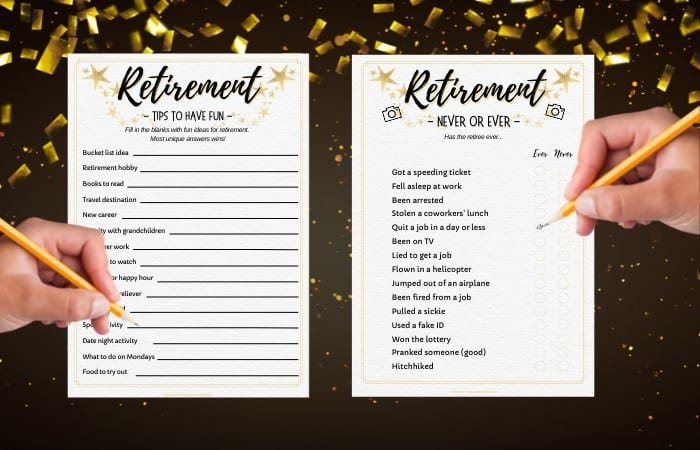
I discovered the secret to a retirement celebration success: fun party games.
And that is why I have created a printable Retirement Party Game Bundle with 10 amazing party games. The perfect addition to any retirement celebration.
What better way to celebrate your father’s retirement than with a heartfelt or funny video. Which you can show him in private or at his retirement celebration.
You can create a video alone by yourself or have other people join in: co-workers, family, and friends. VidDay does all the work for you: create a video page, send out a request, people record a video with your phone, and submit their video online and VidDay will do the edit of the video for you.
Retirement video ideas:
music video of his favorite song
a flashmob
compilation of messages & well wishes
his career highlights
compilation of photos with music
“movie” trailer
compilation of people’s answers to 3-5 questions relating to your father
Life is all about making memories, and a great retirement gift is a collection of all these memories in one place: a scrapbook your father can look into every now and then in retirement.
You can create a book with messages, pictures, and other things about memorable moments in his life. And ask co-workers, family, and friends to send in content and photos about their best memories, funny anecdotes, and great stories of your father.
Some of the best retirement gifts are not the most expensive gifts but the most thoughtful ones. And because life is not about having great things, but about collecting memories with great people in life. And if you can produce a retirement gift down memory lane for your father, you will definitely make his day, month, or year.
#7 Hold A Quiz
Celebrating a father’s retirement is celebrating his life. And you can put him in the spotlight by holding a quiz about his life. You can create a quiz where your father has to answer the questions under the pressure of an audience watching. Or the audience has to answer questions about your father, while your father is sitting in the same room.
This can lead to funny and sometimes surprising situations. And people knowing only one side of your father will know him even better after finishing the quiz. To make your audience more engaged you can hand out a piece of prop where they can answer the questions with.
#8 Plan A Trip Together
You can plan a trip together with your father to celebrate his retirement. Now that he’s retired you probably can spend more time together so why not grab this opportunity to travel somewhere great together.
Ideas for a trip with your father:
Plan a road trip
Plan an RV trip
Visit family together
Plan a trip down memory lane (previous holiday destinations, birthplace, former places of residence
A lot of retirees struggle with spending their time in retirement. They feel the loss of fulfillment in their lives after they stopped working. And they don’t know how to find fulfillment again and where to look for new and exciting activities.
Sometimes a bit of extra help from a family member can push them in the right direction towards a hobby or activity that gives them a worthy and fulfilling feeling.
So a great way to celebrate your father’s retirement is helping him to find a hobby or activity that gets him excited. You can accompany your father in his search for cool activities in retirement or educate him on all the possibilities that are out there and show him how to find them.
The amount of freedom you get once you retire is an exciting feeling. But for some, it can be scary and overwhelming too. They miss structure, routine, and purpose in their lives and don’t know how to transform their retired lives into a life that is more purposeful and enjoyable.
You can help your father out by creating healthy daily routines and how to structure his life in retirement. This can be sharing exercising routines, healthy meal recipes, or other physical, mental, and social routines that benefit his health and happiness.
Fulfill one of your father’s dreams by checking off one of his bucket list items together. Or give him a bucket list retirement gift. Perhaps, he has an existing bucket list on his computer which you can (secretly) download. Or he has mentioned a couple of things about his dreams or ultimate kick-the-bucket items over the course of his life.
You can surprise him with a trip or bucket list experience or plan it together. The planning and looking forward to something is half the fun. And it doesn’t have to be an over-the-top expensive experience. If you don’t have the budget for it, you can get creative. Often the thought counts more than the gift itself.
If your father doesn’t have a bucket list you can create one for him as a gift for his retirement. Check out: 101+ Ideas For Retirement Bucket List.
#12 Start A Charity In His Honor
A very thoughtful way of celebrating your father is starting a charity in his honor. Perhaps he has offered his services to so many people in need he has built up a reputation that can be honored by starting a charity for a cause close to his heart.
Keep in mind that starting and maintaining a charity is a lot of work. You need a good plan, register as a 501(c)(3) and establish an advisory board. And plan to do fundraising events year-round or annually. You need to have multiple people involved that are motivated to keep things going. So, make sure you have a long-term plan ready with committed people before you announce anything to your father.
#13 Give A Pet
If your father is an animal lover then you can give him a pet for his retirement. Perhaps, he is alone and you worry that he will become lonely. Then a pet is a great retirement gift. But make sure you ask if he wants to have a responsibility like that before you hand him a furry little puppy.
If owning a pet is too much responsibility. Or if your father doesn’t want to be tied up too much in retirement, you can apply him as a pet babysitter via Pet it USA or Petsitter.
#14 Hand Out An Award
Retirement is a major milestone in life. So because we hand out awards on so many occasions in life. Why not with retirement? It’s often done by the company to give an award to a retiree, but you can hand out an award to your father as well.
This can be anything from a medal with the text “Best Dad in the World” engraved to a piece of customized art he can put in his house. You can give it on a more serious note or give an award as a joke. That’s up to you.
If you know your way around in the kitchen and if your fathers love your bakeries and cooking. Then you probably cannot pass this opportunity in his life to not bake a cake.
You can surprise him with a cake (for his co-workers) on the last day of his work. Or bake a beautiful cake for his retirement party.
In my family, we like to prank. That’s our way to show our appreciation and love. And maybe that’s a great way for you as well to celebrate your father’s retirement. It can be a little tricky and can get out of hand if you don’t do it right or to the wrong person. So before you pull any great pranks, think first.
But if you know your father and your family will have a big laugh about it, pull a major prank and make sure this is one to remember. And involve multiple people to make the prank bigger and better.
Staying connected is a key ingredient to a happy and healthy retirement. Many retirees miss the daily social interactions and stimulation that work provides. Fortunately, retirement is a chance to explore new ways to connect with others and build a fulfilling social life.
In this short guide, we will cover how to stay social during retirement. And without further ado, here they are:
1. Become An Airbnb Host
Do you have an extra room, garage, or even an entire house sitting unused? Listing it on Airbnb can not only generate extra income for your retirement but also combat potential isolation by connecting you with a global network of travelers.
By transforming your space into a comfortable and inviting haven for guests, you’ll be creating a platform for potentially lifelong friendships. Airbnb hosting brings the social aspect right to your doorstep, allowing you to meet and interact with fascinating people from all walks of life and diverse cultures.
2. Join Or Start A Club
Staying social in retirement is key, and clubs offer a fantastic way to connect with like-minded people who share your passions. Whether you’re a bookworm, a gardening enthusiast, or a sports fanatic, there’s likely a club out there for you.
Find Existing Clubs: Look for clubs in your area that cater to your hobbies. You can find book clubs, religious groups, arts and crafts circles, pet clubs, and even sports teams for retirees.
Expand Your Search Online: If you can’t find the perfect club locally, use Meetup.com to find clubs with similar interests near you. Meetup is a fantastic platform that connects people with shared passions.
Start Your Club: Don’t see your dream club? Don’t worry; gather neighbors with similar interests and start your own. This is a great way to build a community around your passion and create a fun, social space for yourself and others.
So, take a step out there! Joining or starting a club can be a rewarding way to find new friends, share your interests, and make the most of your retirement years.
3. Take A Class
Retirement is a great time to expand your social network and connect with like-minded people. Taking a class offers a fantastic opportunity to do just that!
Classes provide a built-in social environment where you’ll be surrounded by others who share your curiosity for learning. This creates a natural springboard for conversation and potential friendships.
While socializing is a key benefit, taking a class can also expand your knowledge and keep your mind sharp. Explore class options at your local gym, or senior center, or even consider going back to school. Make new friends, learn something new, and make the most of your retirement years!
I recommend taking a MasterClass if you’re serious about learning. To know more about it, click the link below.
Why not cut to the chase and find someone who can be your senior buddy? There are good online platforms that cater to seniors and retirees, helping them connect.
Two examples are SeniorTravelBuddies.com and YourTravelMates.com. These platforms connect you with other travel-interested seniors, allowing you to find a travel companion for your next adventure.
Another option is LoveForOurElders.org. If travel isn’t your main focus, but you’d like to connect with other seniors, this organization facilitates pen pals, fostering social connection through letter writing.
5. Try To Become A Teacher
Staying social, keeping your mind sharp, and sharing your valuable experience—retirement can be the perfect time to explore these fulfilling opportunities.
By becoming a mentor, tutor, or coach, you’ll connect with younger generations, keeping you energized and engaged. This allows you to use your expertise to empower others on their journey of learning and growth.
On one hand, if you have a passion for specific subjects, consider tutoring. This could involve high school subjects or even academic subjects, which typically require a degree or certification. Platforms like Tutors.com, Care.com, and Tutor.com offer flexible tutoring opportunities.
On the other hand, the world of coaching offers diverse options. You could become a life coach, health coach, sports coach, or career coach. Ideally, your clients will be individuals seeking guidance in your area of expertise, fostering a mutually beneficial relationship.
While certifications or degrees aren’t mandatory for coaching (particularly life coaching), they can significantly enhance your effectiveness. As a coach, you might help clients identify goals, develop skills, or plan career moves. You can even consider coaching local sports teams or your own grandchildren.
Meanwhile, mentorship provides an informal yet impactful way to build relationships focused on learning and growth. This role allows you to be a constant source of support, fostering confidence and self-esteem in others. Explore TheMentorNetwork.com and Mentoring.org to learn more about becoming a mentor.
6. Start A Business
Retirement can be a time for social connection and personal fulfillment. Consider venturing into the exciting world of entrepreneurship! After all, running your own business keeps you engaged with a network of customers, clients, and suppliers. This fosters a social aspect in your retirement, preventing isolation and keeping you connected.
The beauty of starting a business in retirement is the flexibility. Thankfully, there are numerous low-investment options that allow you to begin your entrepreneurial journey without a hefty financial commitment. Start small, build gradually, and watch your business flourish over time.
Here are a few easy-to-start business ideas to spark your creativity:
Blog: Share your knowledge and expertise with the world! Consider IncomeSchool.com for valuable resources.
Walk Dogs: Become a beloved pet companion with WagWalking.com.
Provide Handyman Services: Lend a helping hand through MeetAHandyMan.com.
Sell Your Photos: Showcase your talent on platforms like GettyImages.com.
Offer Arts And Crafts: Share your artistic creations with the world on Etsy.com.
7. Get A Job
Retirement jobs offer a way to maintain daily social interaction, structure, and purpose in your life. They can also benefit you financially, supplementing your income or securing health insurance benefits.
Here are some of the jobs that are highly accessible to retirees and seniors:
Retirement can be a time for connection and shared experiences. So, leverage your organizational skills to stay social and create lasting memories.
For one, plan annual family reunions, summer neighborhood BBQs, or monthly dinner parties. These events provide opportunities to reconnect with loved ones and strengthen social bonds.
If you enjoy meticulous planning and grand celebrations, consider a professional career in event planning. This path allows you to organize weddings, anniversaries, and other special functions while earning extra income.
9. Become A Foster Grandparent
Looking to share your love and experience while leaving a lasting impact? Consider becoming a foster grandparent!
This rewarding opportunity allows you to provide companionship and positive role models for children who may lack grandparents or mentors in their lives. By filling a void in both your and the child’s life, you can create a mutually fulfilling experience.
Retirement can be a time to give back to your community and make a meaningful difference. Volunteering your time and skills can give you purpose and fulfillment and combat loneliness.
Helping those in need provides a sense of purpose and accomplishment, enriching your retirement experience. Volunteering fosters social connections and combats feelings of isolation that can sometimes accompany retirement.
Traveling, even solo, opens doors to a world of social connection. You’ll meet fellow adventurers with a thirst for experience, sharing stories, and forging new friendships. Immersing yourself in diverse cultures and ways of life broadens your perspective and fosters open-mindedness.
Strike up conversations with locals, and explore hidden alleys beyond the tourist trail—these spontaneous moments can become the heart of your adventure. Remember, unforgettable experiences aren’t limited by distance.
Also, look for hidden gems closer to home—regional travel can be just as enriching as far-flung escapades. So, pack your bags, embrace the social possibilities, and get ready to grow!
Your community is brimming with opportunities to build social connections. Strike up conversations with your neighbors, share a cup of coffee, or join neighborhood activities—it’s a great way to break the ice.
Moreover, dive deeper by participating in community events, from lively festivals to collaborative clean-up projects. You’ll meet people who share your interests and forge new bonds.
Also, organize events or join a neighborhood watch group. By making a positive impact, you’ll not only strengthen your community but also connect with those who share your passion for making a difference.
13. Start An Annual Tradition
If you want to be more social, rather than just wait to be invited to social events, you can start a new annual tradition. It will keep you occupied during the year and is a way to be social at least once a year.
Think about family traditions that faded away over the years and you can revive them again. Or pick a national holiday that you can actively participate in like Halloween (decorate the best Halloween house), 4th of July (BBQ Pool Party), or New Year’s Eve.
14. Visit Family More
In retirement, it’s crucial to spend time with your loved ones. Work and life responsibilities often limit your visits with family, but now you have the freedom to reconnect.
Take this opportunity to visit family members who live far away or whom you haven’t seen in a while, whether it’s a distant cousin, an uncle, or an aunt. Reaching out with a call, email, or text can strengthen bonds, and a visit can bring joy to both you and your relatives.
15. Start Dating
If you’re a single or widowed retiree, consider dating to find companionship and love. Dating can be intimidating at any age, but stepping out of your comfort zone can lead to rewarding relationships. Explore senior-specific dating sites like DatingForSeniors.com, eHarmony.com, or EliteSingles.com to meet potential partners.
16. Check Your Nearby Senior Center
Senior centers are excellent resources for staying socially active. They offer a variety of activities, including sports, games, and social gatherings, providing regular opportunities to meet other seniors. To find a senior center near you, check out online resources that list local facilities like SeniorCenterDirectory.com.
17. Join A Group Or Organization
Retirement is the perfect time to pursue interests and join groups that align with your passions. Whether it’s a theater group, political organization, or other social clubs, these communities can help you connect with like-minded individuals.
Consider joining groups like AARP.org (American Association of Retired Persons), RedHatSociety.com, or ASAging.com (American Society on Aging) to stay engaged and social.
18. Cultivate Your Relationships
Use your retirement to strengthen relationships with family members. Spend more time with your children and grandchildren, and rekindle the romance with your spouse through regular date nights. These efforts can enhance your social life and create lasting memories.
19. Attend Local Events
Local events are great opportunities to stay socially active. From seminars, pub quizzes, and trivia nights to free music festivals and farmers’ markets, there’s always something happening nearby.
Check community schedules or local event listings to find activities that interest you and get out of the house to meet new people.
20. Become An Intern
Senior internships offer a unique way to stay social while learning something new. Websites like SimplyHired.com list internships suitable for seniors, which often don’t require specific skills but rather a willingness to learn. These positions can provide social interaction and new experiences, keeping you engaged and active.
Frequently Asked Questions
The list of social activities is just a starting point! If you have more questions, this frequently asked questions (FAQs) section might help you find the information you need:
Why is staying socially active important during retirement?
Staying socially active during retirement is crucial for mental and emotional health. It can reduce the risk of depression and cognitive decline. Social connections also enhance overall life satisfaction and well-being.
How can technology help me stay socially active during retirement?
Technology can help you stay connected with friends and family through video calls, social media, and messaging apps. Online communities and forums allow you to meet people with similar interests. Virtual events and classes can also provide social interaction without leaving your home.
What are some tips for maintaining long-distance friendships in retirement?
Regularly schedule video calls or phone chats to stay in touch. Use social media to share updates and engage with each other’s posts. Plan occasional visits or trips together when possible to strengthen your bond.
How can I stay socially active if I have mobility issues?
Utilize technology to stay connected with others through video calls and social media. Participate in online groups or virtual events that match your interests. Local organizations may offer transportation services to help you attend social activities.
How can I improve my social well-being during my senior years?
To improve your social well-being during your senior years, engage in activities that you enjoy and that encourage interaction with others. Join clubs, volunteer, or take up new hobbies that involve group participation. Regularly communicate with friends and family, both in person and through digital platforms.
How does retirement impact social support and well-being?
Retirement can impact social support and well-being by reducing the daily interactions and structure provided by a work environment. This transition can lead to feelings of isolation and a decrease in social networks. However, with proactive efforts to engage in social activities and maintain relationships, retirees can build new support networks and enhance their well-being.
Why are retirees prone to loneliness and isolation?
Retirees are prone to loneliness and isolation due to the loss of daily social interactions and structured activities associated with work. Moving away from workplace friendships and adjusting to a new routine can create a sense of disconnection. Additionally, physical limitations or the loss of a spouse can exacerbate feelings of loneliness.
How can I maintain social connections with coworkers after retirement?
To maintain social connections with coworkers after retirement, regularly schedule meet-ups, such as coffee dates or lunch gatherings. Stay in touch through social media, email, or phone calls to keep updated on each other’s lives. Joining former coworkers in group activities or events can also help maintain these relationships.
How can I fight against depression during retirement?
To fight against depression during retirement, stay socially active by participating in community events, clubs, or volunteering. Establish a daily routine that includes physical activity, hobbies, and social interactions. Seek professional help if needed, such as therapy or counseling, to address any underlying issues and develop coping strategies.
How can I help other retirees become socially active?
Encourage other retirees to join clubs or groups that match their interests and invite them to participate in social activities. Offer to accompany them to events or introduce them to new social circles. Provide information about local senior centers, volunteer opportunities, and community programs that promote social engagement.
Conclusion
Now that you’ve explored these effective strategies, you’re well on your way to a socially thriving retirement! Remember, staying connected is key to happiness and well-being. Embrace the opportunities for connection that retirement offers, and get ready to build a fulfilling social life in your golden years.
And now, try checking out my other articles. Here are some of them:
Everyone looks for fulfillment in life, but it’s sometimes hard to find fulfillment (again) when you retire. Your life changes drastically, and you can feel lost. And there maybe comes a time where you ask yourself: How do I get fulfillment from retirement?
As a general rule, you can find fulfillment in retirement by focusing on your goals and intuition. Many retirees find fulfillment when sharing their experience, knowledge, and time by taking on a volunteering, teaching, or mentoring role. Rekindle old hobbies and focus on exploring new things to do.
In this article, I share in-depth information on how you can get fulfillment in retirement. You’ll find expert tips exercises, and we’ll explain more about what fulfillment actually is. Ready to learn how to find fulfillment as a retiree? Let’s dig in!
How To Find Fulfillment In Retirement?
Having a feeling of fulfillment means that you feel happy and satisfied. However, retirement is a life-changing event, and many people struggle with finding fulfillment in retirement. The solution might sound very simple and is true, easier said than done. You must have a purpose. A life goal, something you get excited about. Without a plan or purpose, it is much more challenging to find that feeling of fulfillment in your retirement.
A purpose or goal doesn’t mean that you have to focus on things that are hard to reach. Of course, you can focus on enjoying your leisure in retirement. Maybe that’s even a goal for you, to fully enjoy your time as a retiree. A purpose can be as simple as that.
For many of us, retirement is also a time to reflect. To focus on what you always wanted to do. Sharing knowledge and experience by helping others. These can all be goals that help you find fulfillment in retirement. However, the most important thing is that you stay true to yourself. It’s about you finding fulfillment and not filling someone else’s goals.
So before I share the expert tips on finding fulfillment in retirement, let’s take a quick look at what fulfillment actually means.
What Is Fulfillment?
In my quest to come up with the best answer on how to get fulfillment in retirement, I wanted to first know what fulfillment exactly is. Because you need to know what it is to know what to chase. And people often confuse fulfillment with pleasure, and that’s not what fulfillment really is.
You can find pleasure in a lot of (external) things, but finding fulfillment is something much deeper (within yourself). And this is what the definition of fulfillment is according to Vocabulary:
“Fulfillment is a feeling of happiness and satisfaction. It’s also the completion of something, like the fulfillment of a promise.“
This word has two related meanings. In terms of emotions, fulfillment is a happy, contented feeling. Many people feel fulfillment from being a parent, having a great job, or graduating from school. People often feel fulfillment when something is completed, whether it’s a goal or a dream or repair work that you’ve been waiting on. This leads to the other meaning of fulfillment — the act of finishing or doing something that was promised.
Definitions Of Fulfillment
1) the act of consummating something (a desire or promise etc.) Types: self-fulfillment, self-realization (the fulfillment of your capacities) Type of: consummation (the act of bringing to completion or fruition) 2) the feeling of satisfaction at having achieved your desires Type of: satisfaction (the contentment one feels when one has fulfilled a desire, need, or expectation)
In short, fulfillment is our direct guide to what is most important to us. And to get fulfillment in retirement, we need to know our desires and life goals. And that’s not the goals culture, society, or family put on us. It’s achieving the life goals important to you as an individual. And therefore, you need to be brave and sometimes go up against the stream.
Get To Know Yourself To Find Fulfillment
Getting fulfillment is not a state of mind you once achieve, and you’ll set for the rest of your life. It’s not a destination; it’s an ongoing life journey of self-discovery, growth, and contentment with your position in life. And because your life is continuously changing, it significantly changes a lot going into retirement. Therefore getting fulfillment in retirement is consistently achieving goals that align with your dreams and desires. And to do that, you need to know yourself and your dreams.
So to look for fulfillment is turning inside and not chasing after external sources. A lot of people do. You can do many things in life, keep yourself busy and productive, and not feel fulfilled. So it’s important to know that getting fulfillment comes from within you and not from an external source like status, money, or being able to afford the biggest car or house.
It’s not what you do in life but the reason why you do things.
After a major life change like your retirement, you can feel a sense of loss of your identity. After working 30 or 40+ years within a specific industry or job position, you’ve come accustomed to identifying yourself to what you do. Instead of who you are as a person with many talents, qualities, flaws, and characteristics.
Therefore it’s essential to get to know yourself again and get in touch with the person you were before you’ve become the marketing manager, CEO, or school teacher. Rediscover your identity and get to know the human being behind the job description.
You can also list your talents, strengths, weaknesses, and ask your family and friends to do the same.
Accept Yourself and Your Reality
As mentioned above, fulfillment can also be translated into being satisfied and content with your position in life. And to feel satisfied and content is only possible if you accept yourself and your reality. Because happiness can only exist in acceptance.
To get fulfillment in retirement is to find acceptance. And finding acceptance is:
seeing things for what they really are
being brutally honest
admit your mistakes
accepting your talents and your flaws
letting go of resistance
take responsibility
own your outcomes
forgive yourself
forgive others
Accepting yourself is a difficult process because it goes against your training, education, and culture. You’ve been told how you should be; nobody said to you that you are good as you are. And it’s sometimes finding the right balance between accepting yourself and improving yourself.
Accepting your reality doesn’t mean you have to settle for your current situation and don’t go after your dreams. But when you want to change your life or your situation, you have to first accept it in order to change it.
Take Charge of Your Life
Only you can be responsible for your fulfillment in life. No one else can do that for you. So you have to take charge and come into action instead of waiting for a situation to unfold. Take responsibility and find ways to move forward to your life goals.
Fulfillment comes from within you. And many people mistake it by finding fulfillment in someone else. You can be very happy with someone else, but that person can have different goals on how to get self-fulfillment than you have. So don’t burden someone else with the job of making you happy. Look within yourself and go after the things you find important in life.
Also, avoid or stay away from self-pity because that doesn’t take you any further in life. Take responsibility for your life. And don’t make the easy mistake of copying others. We see an unrealistic perspective on people’s lives on social media, and often because of social media, we compare ourselves with others who are chasing their dreams. Which is unhealthy. And we think we have to do the same things to find fulfillment, but often that doesn’t work. You can get inspired by others but try not to copy other people’s lives, dreams, and desires.
If you tend to compare your life in retirement to others through social media and feel unhappy. Then it’s wise to limit your time on social media as much as possible, so you can focus more on yourself.
Find Your New Passion That Leads To Fulfillment
Everyone is looking or searching for their purpose in life. Once you know your purpose in life, you can work towards goals that are aligned with that purpose to find fulfillment. Sounds easy right? Well, not for most of us.
For some people, their purpose in life is very clear from an early age, but most of us are often continuously looking to our purpose. And this can be an overwhelming feeling.
Also, working life gave you purpose: earn money to pay the bills, save money, and achieving work goals gave you an accomplished feeling at the end of the day. In retirement, this is gone. And therefore, many retirees don’t feel worthy, useful, and accomplished at the end of their retirement day. And that’s because of the lack of purpose in their lives.
Before you start to question: Why am I on this planet? Consider the following route: If you can’t figure out your purpose, figure out your passion that will lead to your purpose.
So search for something that you’re passionate about and love to do, and you grow your self-confidence and have an accomplished feeling. And it can lead you to live a more purposeful life in retirement.
Because finding fulfillment is an ongoing process, it cannot be found without growing as a person. And you can see your retirement years as an excellent opportunity for a new start.
In past years, you have developed yourself on a professional level. And this time in retirement, you can use it to grow more on a personal level. Also, practicing personal development gets you closer to who you are as a person, which will get you closer to finding fulfillment. We can work closer to our personal goals by learning more about ourselves.
Improving yourself is not about not accepting yourself. It’s about building on top of self-acceptance to be a better person. And by reflecting on a regular basis, you can figure out what areas need improvement, or you like to work on. Maybe you want to become more conscious about life decisions, learn to be more of a positive thinker, or transform your weaknesses into strengths.
Only by knowing your core values, you can set life goals that align with your values, and you can find fulfillment. And nothing creates more stress than when our actions and behaviors aren’t congruent with our values.
A value is what you value. And a “core” value is one of 4-6 values that you prioritize above all other values. And when these values are obvious to you, it’s easier to make life decisions and setting goals to get fulfillment in your life eventually. Here’s how to discover your core values.
Step 1: Collect Data Collect data from the past. Your life is a record of your values and you can find them out by questioning the following: what are the key moments, decisions, highlights (and low) that have defined your life, to-date?
Maybe you weren’t aware, but your values guide you to decisions and also influence your choices, both big and small. By asking yourself questions about your life, you can identify the values that form the basis for who, and how, you are.
Questions you can ask yourself:
What was the best day of your life?
What are you most proud of?
What makes you angry?
Who do you respect?
What are your obsessions?
What is your favorite quote?
Step 2: Find the ‘Why’ in the data After answering the above questions, you can ask yourself “why”? The answers to these questions: are the values.
Here’s a list of 200 core values to make things easier, but below is a list of the most common human values.
Achievement: It is important to work hard, challenge myself, and be the best.
Belonging: It is important to be accepted by others and to feel included.
Concern for the Environment: It is important to protect and preserve the environment.
Concern for Others: The well-being of others, and helping others, is important.
Creativity: It is important to have new ideas, create new things, or be creatively expressive.
Financial Prosperity: It is important to be financially successful.
Health and Activity: It is important to be healthy and physically active.
Humility: It is important to be humble and modest about my accomplishments.
Independence: It is important to have a sense of autonomy with my decisions and actions.
Interdependence: It is important to meet the expectations of my family, social group, team, or organization.
Precision: It is important to use logic and data to understand and solve problems.
Privacy: It is important to have time alone.
Responsibility: It is important to be dependable, trustworthy, and maximize potential.
Spirituality: It is important to have spiritual beliefs and act accordingly.
You can use the above list as a guide to identifying the values that fit the best to your answers in step 1.
Step 3: Prioritize your Core Values Now that you have a list of different values, it’s time to narrow it down to 5 core values. This can be a hard process but prioritizing your most important values gives you a lot more clarity. And if you value everything, you value nothing. So you have to make decisions.
Step 4: Translate what the core values mean to you Values are single words, but that isn’t enough. So the next step is to translate each of your core values to what it means to you. What kind of behaviors, expectations, and/or actions reflect this value to you.
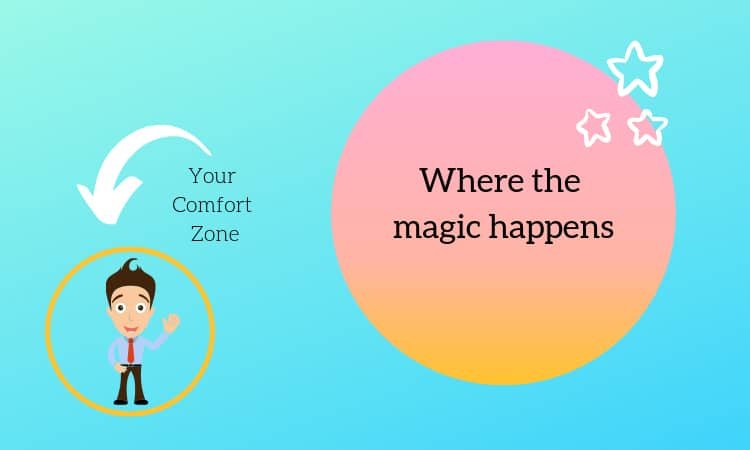
Get Out Of Your Comfort Zone
Pushing yourself out of your comfort zone is often the quickest way to learn more about yourself. You never know what kind of qualities you have if you don’t challenge yourself once in a while. And getting out of your comfort zone has many benefits:
it creates just enough good stress to ramp up your focus, creativity, pace, and drive
it helps you be more productive,
it boosts your creativity
it helps you to be more flexible when unexpected things happen in the future
and it contributes to more happiness in your life
And exploring new things is the only way to find out if you like something or not. Maybe your passion is something you have never done before, so how can you find your passion if you don’t go out to explore?
See your retirement as one big adventure of exploring new things in life. Create a beginner’s mindset where you have an attitude of openness, eagerness, curiosity, and a lack of preconceptions when studying a subject. Just like a beginner or child.
Sticking to old hobbies and routines can make you feel bored. And stimulation is one of the things most retirees miss in their life, so make sure you stay stimulated in retirement.
The most authentic way to get fulfillment in life is to contribute to something bigger than yourself. And most people find fulfillment by helping others. And this can be in any shape or form. Like doing volunteer work to help others within your community or being a mentor or coach for the next generation within your old job field. Fulfillment isn’t selfish gain but contributing and experiencing a more enriched life for everyone around us. And by volunteering or taking on a mentoring role, you can interact with other people more often. It helps you to stay socially active. Interactions, sharing opinions, and experiences with others keep you focused and help you focus more on what you really want to do. It works both ways. You can help others with your experience and learn from others as well!
Question Yourself
You can do soul-searching by asking yourself questions. You know, the harder questions that require an answer from the soul and not the brain. It’s not about knowing the right answer to the question but feeling the answer to the question. And therefore you have to be honest with yourself completely. And be open to maybe surprising answers that you don’t want to hide or run away from but be curious and interested in.
Examples of Soul-searching Questions:
What’s the one thing I’ve always wanted to do?
When my life is ideal, I am_______?
If I could spend today doing whatever I desire, what would it be?
Where do I really want to live?
What are the reasons I don’t go after my dreams?
More than anything, before I die, I want to ___________?
If I were to make just one radical change in my life right now to make life better, what would it be?
What could I do today that would fill me with joy?
How do I feel when I put all my effort into accomplishing one of my goals?
What’s missing from my life?
Do I follow the crowd or listen to my inner guidance?
What emotions am I afraid to show?
What are limiting beliefs holding me back?
Is there someone I need to forgive?
Is there a conversation I need to have?
What do I need to let go of to move forward?
Who do I love spending time with?
Are my actions guided by love or fear?
You don’t have to answer all these questions, because that can be overwhelming. Look for a couple of questions that you find most important in life and see what your honest answers are.
But be aware that when we are afraid of something, we’re likely to run away from it. And in this exercise, it can mean that you tend to avoid certain questions because you’re scared of the answer. These are the most important questions you need to answer for yourself. Because that answer is probably what your soul is trying to whisper to you (for a long time). And you need to hear it.
Calm Your Mind – Start Meditating
As I mentioned earlier, you will experience stress when your actions and behaviors aren’t congruent with your values. In short, stress is caused by tension between the ego (false self) and the soul (true self).
The alternative to that is to be at peace. To be satisfied and living a life in harmony: fulfillment.
To be at peace with yourself is also to have peace of mind. And that’s why you need to quiet the mind regularly. Our behavior is caused by our thoughts, so we need to be aware of our thoughts to change our behavior, actions, and outcome in life.
Meditation is an excellent way to train your mind and create more awareness of your thoughts and feelings on a daily basis. It’s not about controlling the mind, but it’s to stop letting the mind control us. And only when we quiet the mind, we can hear our soul speak. The softer voice of our heart and signals from our intuition gets often over yelled by our thoughts. Certainly, if we don’t listen to it.
We can drive ourselves crazy with our thoughts and that changes our perspective and reality in life. When we feed our ego with negative thoughts, it will drive us further away from who we really are. And when we’re in our head, we’re not living in the present moment and only in the now is where we can find happiness.
I use the app Headspace often for my meditations. It’s now one of the most used meditation apps worldwide, and that’s because it’s easy and accessible for everyone.
Listen To Your Intuition – The Key To Unlock Your Fulfillment
Our intuition is a source of knowledge and wisdom we can use to guide us in the right direction in life. Often our intuition shows us what we must or mustn’t do without any proof other than our gut feeling we feel in our body.
And (almost) every time your gut feeling will have it right.
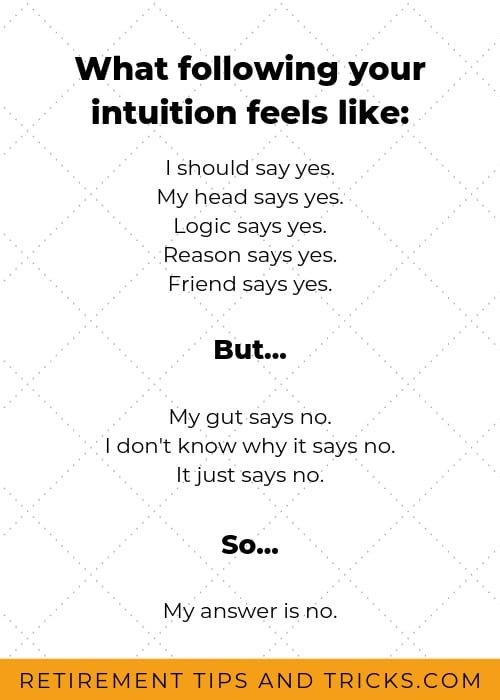
In modern society, we listen more to our rational minds because that’s more logical. We can’t prove or see intuition, and that’s why we neglect it and see it as something non-worthy. And because we are so trained to think with our minds. We don’t even know how intuition feels like anymore. So, how does intuition feel like?
Intuition is a peaceful feeling that you will feel in your chest or stomach. It’s often a soft feeling that something is off. You feel a tightness in your chest or stomach arise in a situation.
Sometimes your intuition tries to warn you, and you can feel stronger physical effects in your body. It screams out you. This often happens when we ignore our intuition for too long. When our mind and heart aren’t aligned with what our body is telling us.
Intuition is the voice of your soul, and only by listening to your soul, you can find fulfillment. But you have to train your intuition to become a better listener to the soft voice inside you. It’s like a muscle. We need to train it to make it stronger. And for you to hear it more loud and clear.
Train Your Intuition:
Calm the mind and relax your body to listen carefully
Ask simple questions and feel out the reaction
Recognizing when intuition speaks (stomach or chest sensation)
Follow the decisions of your intuition. (follow the peaceful feeling: that’s the direction your intuition is guiding you towards).
Listen to your intuition each day to make the muscle stronger
You can practice following your intuition with small daily decisions, so you become more comfortable with the feeling of your gut feeling. Because what you will feed, will grow, so if you feed your intuition every day by following it what it says. Your intuition will become more present and easier to recognize.
Don’t Mistake Pleasure For Fulfillment
We can find happiness and pleasure in things we like, but fulfillment is something deeper. We can have pleasure, fun, or feel happy in something we do, but fulfillment comes from the reason why we do it.
Getting pleasure from an external source gives us short-term satisfaction like a good cup of cappuccino.
Fulfillment is rewarding and gives us a long-term feeling of satisfaction. With fulfillment, you feel that warm feeling deep down in your soul. It’s the difference between liking something and loving something. It’s a peaceful feeling. And not to be mistaken with the short period of sensations and feelings in your body during a happy moment. It is a more delicate feeling.
Being Busy Is Not Being Fulfilled
Many retirees want to stay active in retirement. But you can have a busy schedule full of different activities and not feel fulfilled. Only with activities that are aligned with your purpose in life is where you’ll find fulfillment.
It’s good to stay active in retirement. Many retirees fall in the habit of staying at home too much: watching TV or scrolling aimlessly on the internet. So it’s good to get out there and be active in retirement. And the best way is to have a combination of physical, mental, and social activities to live a happy retired life. But to feel fulfilled, you have to make room for the activities that feed your soul in retirement. And not fill up your schedule to stay productive.
Having a plan for your retirement, creating goals helps you to reach fulfillment easier. Fulfillment is a constant process of being satisfied with your life and achieving goals. And without goals, we have no direction in life. So, it’s important to keep setting new goals for yourself to move your life forward in retirement.
Goals In Retirement Are Essential Because:
You move your life forward,
You push yourself out of your comfort zone,
You can make dreams reality,
It fuels your ambition,
It makes you feel useful, worthy and accomplished,
It boosts your self-esteem,
It motivates you to be better,
You prioritize your time better,
It gives you the inspiration necessary to aim for things we never thought was possible,
You can live your retirement to the fullest.
Celebrate Your Achievements
I was the type of person to set goals, and once I achieved them, I was already busy with aiming for the next target. I rushed from goal to goal without taking a moment to celebrate them or look back and see how far I’ve come. I was always too busy moving forward.
It’s the internal drive I have which will help me achieve a lot of things in life. But now I’m better at also enjoying life as well. I’ve learned not only to be focused on the end result but also to enjoy the journey and celebrate smaller milestones.
Also, how can you feel fulfilled if you don’t take the time to pay attention to important moments in your life? So take the advice from me and celebrate the small steps in life as much as the big ones. It will keep you motivated and inspired to keep going. And also learns you to be thankful for where you’re at in life.
Getting fulfillment in retirement is staying positive. A negative mind can’t feel fulfilled.
When life happens and things not always go the way we like or have planned, we can always rely on a positive mindset that will help us create a different perspective.
And by staying positive doesn’t mean that everything turns out to be okay, but knowing that you’ll be okay no matter how things turn out. Having confidence in yourself.
A bird is never afraid of the branch breaking, but her trust is not in the branch but in her wings.
You can be at peace with things not going the way you want. And you can still be fulfilled if something doesn’t go according to plan.
Tips To Stay Positive:
Learn to be a positive thinker
Use positive affirmations every day
Enjoy the little things in life, however small
Transform negative self-talk to positive self-talk
Express gratitude every day
Surround yourself with positive people
Exercise regularly: it boosts a positive mindset
Meditate
Start journaling
Find humor in bad situations
Turn failures into lessons
Know The Stages Of Retirement
To keep focusing on your goals and reaching a happy state of mind as a retiree (fulfillment), you must learn more about the life-changing process retirement is. Almost everyone that retirees deal with the emotional stages of retirement at one moment in their process. While these stages are similar for everyone, the length and time someone gets in a particular stage differ. It all depends on the individual.
It helps to get to the stages of retirement more easily when you have a plan for your retirement. So you can focus on your goals. Also, having enough social interactions helps to get to the retirement stages. This is because you can share your experiences more easily with others and learn from other retirees. So, make sure to contact your friends, old coworkers and maybe revisit old friends.
The stages of retirement are;
Pre-retirement stage (years before retirement),
Honeymoon stage (when you just retired),
Disenchantment stage (a period after retirement asking yourself ‘is this it?’),
Reorientation stage (learning new things, creating new goals),
Stability stage (you live a happy and fulfilled retired life).
It’s basically a transition from working life to a happy and fulfilling retirement life. You can find an in-depth description of these transition stages in this article.
Recommended Articles
The following articles might be interesting for you to read as well:
Preparing for retirement isn’t just about finances and logistics; it’s also about mental readiness. Retirement marks a significant life transition, bringing both excitement and uncertainty. To ensure a fulfilling and mentally prepared retirement, it’s essential to consider various aspects beyond financial planning.
From setting achievable goals to embracing new routines and fostering emotional resilience, this guide explores key strategies to help you navigate the mental landscape of retirement with confidence and optimism. Let’s delve into these essential steps to ensure a smooth transition into this new chapter of life.
1. Set Achievable Goals
Retirement can be a double-edged sword. While it offers freedom and possibilities, it can also be burdened by uncertainties and anxieties. To navigate this transition smoothly, setting clear goals is crucial.
However, don’t fall into the trap of vague goal setting. The SMART method provides a systematic framework to set effective goals. SMART stands for Specific, Measurable, Achievable, Relevant, and Time-Bound.
By applying these criteria, you can transform broad dreams into actionable steps. Take, for instance, the desire for financial security in retirement. This broad goal can be overwhelming.
Here’s where SMART comes in. We can break down this large goal into smaller, manageable tasks. One way to achieve financial security is by diligently contributing to your 401(k).
Here’s a quick breakdown of how to use SMART:
Specific: Contributing to a 401(k) is a specific action you can take.
Measurable: You can calculate the projected amount your 401(k) will generate by retirement.
Achievable: Contributing to your 401(k) is achievable based on your income and budget.
Relevant: Saving for retirement directly impacts your financial security.
Time-Bound: Set a timeline for increasing your contributions or reaching a specific target amount in your 401(k).
By following the SMART method and breaking down large goals, you can create a clear roadmap for a stress-free and fulfilling retirement, leading to a more mentally prepared retiree.
2. Create A Flexible Plan
In addition to streamlining your goals using SMART, you should develop a flexible retirement plan to prevent the mentally taxing curveballs that life throws your way. This means your plan needs to be adaptable enough to adjust to changing circumstances. Regularly review your plan and make modifications as needed.
A solid financial foundation and planning are central to a stress-free and flexible retirement. Ensure your retirement plan is up-to-date and aligns with your desired lifestyle. This includes budgeting for your post-work dreams and aspirations.
To get started with your financial planning, envision your ideal retirement lifestyle. Assess if your current financial plan can realistically support it. Don’t get caught off guard by unrealistic expectations. Consider delaying retirement slightly if necessary, or explore more affordable dream options to bridge the gap between your desires and your resources.
While the freedom from work schedules is initially exciting, the loss of those routines can leave you feeling adrift and mentally down. After all, this lack of structure can lead to sadness, depression, and isolation, especially as social connections lessen.
The key to a fulfilling retirement lies in replacing your work routines with new, enriching ones. Routines offer a surprising amount of benefits:
Structure: They combat feelings of being lost by providing a framework for your day.
Focus: Routines built around goals help you stay focused and make progress.
Productivity: A structured day prevents procrastination and keeps you productive.
Positivity: Knowing what’s next sets a positive tone for the day.
Momentum: Routines create a snowball effect, helping you achieve goals and build success.
Design your new routines with a holistic approach that stimulates your mind, body, and social connections. This could include learning a new skill, volunteering, joining a club, or taking up a creative hobby.
By proactively planning for this shift and focusing on activities that bring you joy and purpose, you can embrace the freedom of retirement and build a life that excites you.
4. Prepare For The Worst
Retirement is like any adventure. It’s full of ups and downs, challenges and pleasures. So, it’s wise to be prepared for both the sunshine and the occasional rain shower. Here’s how to approach retirement with open eyes and a heart full of dreams:
Anticipate The Bumps: Retirement isn’t always smooth sailing. Talk to loved ones and financial advisors to brainstorm potential challenges, like health issues or unexpected expenses. Discuss solutions and write them down for future reference. A little planning goes a long way in weathering unexpected storms.
Embrace The Freedom: Retirement is your time. Don’t let fear or negativity hold you back from what you truly desire. Pursue those long-held dreams, big or small. Travel the world, learn a new language, or volunteer for a cause you care about. It’s your chance to create a life filled with purpose and joy.
Appreciate The Lulls: The biggest difference between life and a good adventure story is the lulls and plateaus of uneventfulness. And in retirement, there will be lots of these lulls. Learn to appreciate it. No bad news and no good news is still good news.
Embrace both the excitement and the challenges with a proactive mindset, you can ensure your golden years are truly golden. Apply critical thinking and foresight when challenged and reap the rewards.
5. Steel Your Heart
Since we’re talking about mental preparedness, we shouldn’t forget about emotions. Unfortunately, many retirees focus only on finances and fail to address their emotional needs and concerns. Because of this, they often end up feeling lost or disoriented in the first few years of retirement.
Before you retire, prepare yourself for the possible emotional challenges you may face. Fine-tune your mental health, and remember to give yourself time to adjust to the new situation and get comfortable again.
There are multiple ways to do this. You can go to therapy, address all your mental and physical health concerns, practice mindfulness, take a vacation, and the list goes on.
6. Learn To Be A Positive Thinker
Continuing from the previous section, developing a positive mindset can also improve your mental and emotional fortitude. Remember, everyone reacts differently to major life changes. You can’t predict your exact response, but you can expect obstacles that may challenge you. Again, prepare for the worst, but don’t be overly pessimistic or negative. Being prepared is different from expecting the worst.
Keep in mind that retirement is a drastic life change. By becoming a positive thinker, you can view problems as challenges and approach retirement as an exciting time in your life, filled with faith in the future.
Remember, a pessimistic view of life can only lead to anxiety and worry, which will drain you mentally.
7. Be Aware Of The Transition Process
Retiring is a mental process. Being mindful of this process and the stages of retirement makes you more mentally prepared. Going from a 40+ hour workweek to having all the time and freedom in the world is a transition that doesn’t happen overnight. It takes time to adjust and feel comfortable again. The time frame varies for everyone.
And during this time frame, you’ll undergo various phases—five to be exact. Being aware of these phases can make you prepared mentally for the challenges and boons that are yet to come.
Here are the five stages of retirement:
Pre-Retirement: Prepare financially and emotionally for the upcoming transition.
Honeymoon: Enjoy the freedom, but establish routines and long-term plans.
Disenchantment: Adjust to the realities of retirement and refocus goals.
Reorientation: Develop a fulfilling lifestyle with meaningful activities.
Stability: Achieve contentment and self-fulfillment in retirement.
It’s essential in any phase to be proactive and take charge instead of waiting for a situation to unfold.
8. Discover Your New Identity And Purpose
In Western society, our jobs often define us, and retirement can leave us feeling lost without that structure. To prepare mentally, embark on a journey to rediscover your identity and purpose.
Reflect inwards. Identify your values, what truly spark joy, and the talents you possess. Don’t be afraid to tap into your intuition. If this feels overwhelming, step outside your comfort zone and seek support from friends, family, or a career counselor.
Finding a new purpose becomes an anchor in the face of leaving your work life behind. Work provides direction and fulfillment, but retirement offers a chance to cultivate something new. Consider this before retiring to start your next chapter with clarity. Your purpose gives meaning to life, guiding your decisions and shaping your goals. Pursue your passions and interests—they’ll be your compass.
Knowing your purpose makes retirement a fulfilling adventure. Set goals aligned with it, and you’ll experience a sense of accomplishment and satisfaction. Creating a personal mission statement can further focus your energy on what matters most.
9. Communicate With Your Family
One of the biggest sources of stress in retirement can be family dynamics. The biggest mistake you can make is failing to communicate openly with your spouse and children (if you have any) about your expectations for retirement.
Without clear communication, everyone assumes they share the same vision. This can lead to disappointment, conflict, and even divorce if you’re not on the same page.
Be clear about your hopes, dreams, and plans for retirement. Discuss what your spouse wants as well, including their retirement timeline and any desires to move closer to family.
Keeping your family informed about your desires allows you to plan activities together and avoid unnecessary stress later.
10. Find A Support Team
When times get tough, having a reliable support network can make all the difference. Luckily, if you follow the previous advice about communication, your family will be your first line of support. However, your network may need to extend beyond them.
There’s no shame in reaching out for help. Everyone needs people in their lives to guide them during challenging times. These people can be like-minded retirees, close friends, or even a therapist.
Consider rekindling old friendships or maintaining strong connections with former colleagues. Even with a supportive family, having a wider circle of lending ears and helping hands will enrich your retirement experience.
11. Re-Evaluate Your Social Circle
Re-evaluating your social circle is crucial as you build and maintain your support network. Just like the sayings go, it’s wise to keep bad apples out of the bunch and surround yourself with good company. Retirement is the perfect time to assess your friendships and family connections, identifying those you want to maintain regular contact with.
Prioritize spending time with the people who hold the most significant place in your heart and those with whom you share deep connections. Schedule special moments with them to nurture these cherished relationships. At the same time, keep space open to cultivate new friendships and expand your social circle.
Remember, re-evaluating your social circle isn’t about being mean. While letting go of certain people—even those with whom you share a history—can feel difficult, it’s essential to prioritize your mental well-being. If someone constantly gives you mental anguish and drains your energy, it’s okay to let go and create space for positive connections.
12. Exercise And Improve Health
Beyond social, financial, and practical considerations, prioritizing physical fitness before retirement is crucial for mental well-being. Regular exercise strengthens muscles, manages weight, and reduces the risk of chronic diseases, allowing you to enjoy your retirement years to the fullest.
But the benefits go beyond the physical. Exercise is a powerful mood booster. It reduces stress hormones like adrenaline and cortisol while stimulating the production of endorphins, the body’s natural painkillers and mood elevators. In short, exercise keeps your body strong and your mind happy.
Physical fitness also prepares you for the activities you plan for retirement. If you’re transitioning from a desk job to a travel-heavy lifestyle or one filled with physical pursuits, getting in shape beforehand is essential.
13. Get Out Of Your Comfort Zone
With a healthy body and a prepared mind, it’s time to embrace new challenges and step outside your comfort zone. Growth, both personal and mental, thrives on exploration. Retirement itself is a transition into uncharted territory, a new chapter in your life.
Being mentally prepared for retirement means acknowledging the need to push your boundaries. Don’t shy away from this—view it as a chance to learn and evolve.
Stepping outside your comfort zone creates a healthy level of stress, which can actually enhance your focus, creativity, and drive. This newfound mental resilience will equip you to handle unexpected life events with greater ease.
14. Try To Take A Retirement Trial Run
Once you’ve set goals and completed most of the previous steps, consider a trial run of retirement to see if it feels like the right fit. While not possible for everyone, there are a few options.
Use Vacation Time: Take all your accrued vacation days and disconnect completely from work during this extended break.
Take A Sabbatical: If your employer offers them, consider a sabbatical leave for a taste of a work-free lifestyle.
Request Reduced Hours: Negotiate a part-time schedule to ease into retirement and explore your newfound free time.
This trial run allows you to experience the reality of retirement firsthand. You can identify any challenges that may arise and adjust your plans accordingly, ensuring a smoother transition.
Meanwhile, if these options are not feasible but you’re rearing to go, consider a part-time position to bridge the gap. This allows you to maintain some income and avoid burning bridges at your current job, while also freeing up time for retirement pursuits.
Another option is to explore freelance work, consulting, or other flexible arrangements. These roles offer the benefits of a paycheck and purpose but with the freedom to control your own schedule.
Acceptance is a key to happiness and mental well-being in retirement. Instead of dwelling on anxieties about the future, embrace the exciting possibilities that retirement offers. It’s a natural stage of life to look forward to.
Life rarely unfolds exactly as planned, but accepting your reality empowers you to grow and move forward. Yes, retirement isn’t always sunshine and rainbows, especially at an older age. Acknowledge your current situation, whether it’s concerns about preparedness, financial limitations, or emotional challenges.
By accepting reality, you open the door to finding solutions and forging a path ahead. Retirement is a significant milestone, so celebrate it in a way that feels meaningful to you. Travel the world, host a party with loved ones, or treat yourself to a special indulgence.
Conclusion
By following these key strategies and tips, you’ve equipped yourself to navigate the mental landscape of retirement with confidence and optimism. Remember, retirement isn’t just about finances and logistics; it’s a chance to redefine your purpose, embrace new routines, and embark on a fulfilling chapter filled with exciting possibilities.
And as you go your way, consider checking out the other posts my website has to offer. Here are some of them:
Nervous about your retirement announcement? Don’t sweat it! This guide will walk you through the process, step-by-step. It covers everything from your chilling retirement meeting with your boss to your funny retirement announcement on social media.
Without further ado, let’s start with the first step to make your retirement announcement memorable!
1. Announce Your Retirement To Your Boss Verbally
After careful consideration with your family, it’s time to announce your retirement. The first person to inform is your boss or direct supervisor. Consider scheduling a private meeting to verbally announce your retirement.
Preparing Yourself For Retirement
While talking to your boss is the first step in announcing your retirement, thorough preparation ensures a smooth exit from your company. Here are some key steps to take before scheduling a private meeting with your boss:
Start Planning: It’s wise to start planning your retirement three to six months before you officially announce it. This gives you time to prepare paperwork, adjust to the decision, and even postpone if desired.
Check Your Retirement Finance Plan: Before retiring, ensure your finances are secure. Consult your financial advisor or seek a second opinion to crunch the numbers again.
Know Your Entitled Benefits: Talk to human resources to understand your full array of benefits. This might include unused vacation/sick days, financial settlements, health insurance, and more.
Verify Your Health Care Plan: Contact your health insurance provider to learn about post-retirement changes and required actions.
Review The Company Manual: Familiarize yourself with company policies regarding retirement notice periods, expectations, and other relevant information. This prevents confusion later.
Consider Part-Time Or Freelance Work: If full retirement isn’t ideal, think about freelancing or part-time work. You could even consult for your current company on a limited basis, announcing your retirement alongside this transition.
By taking these proactive steps, you’ll approach your retirement conversation with confidence and clarity. However, there’s one more step to do before you schedule a meeting with your boss, and that’s determining your notice period.
Determining Your Notice Period
After completing the recommended steps and feeling fully prepared, determine the appropriate notice period based on your company’s manual. While two to three weeks is standard for most positions, senior or hard-to-fill roles may require three to six months’ notice.
If you have a strong rapport with the company, consider providing earlier notice as a courtesy. However, avoid announcing prematurely to avoid potential issues.
Remember: Premature disclosure of your retirement plans can create unintended consequences. It might project disengagement from your employer. This may potentially lead to exclusion from exciting projects or even early termination to facilitate onboarding your replacement.
So, consider delaying your announcement, especially in uncertain or toxic work environments. Prioritizing self-protection and carefully observing the workplace atmosphere before disclosing your retirement plans are a must. These can allow you to assess potential risks and make an informed decision about the optimal timing for your announcement.
Navigating Your Retirement Meeting With Grace
Having finalized your exit plan and determined your notice period, it’s time to inform your boss. Follow these steps to ensure a smooth and effective meeting:
Scheduling The Conversation: Arrange a private meeting at the end of the day for uninterrupted discussion without impeding your boss’s schedule and workflow.
Formality: Adapt the conversation’s formality to your relationship with your boss and the company culture. However, thorough preparation is essential regardless of the chosen tone.
Transition Assistance: Demonstrate proactiveness by preparing ideas for a smooth transition. Offer help with finding a replacement, training them, or creating a handover document. Your inside knowledge will be invaluable, and a concrete plan will reassure your surprised boss.
Retirement Date And Benefits: Be clear about your desired retirement date and clarify your last workday to avoid miscommunications. Collaboratively decide the end date if flexible. Additionally, confirm your entitlements regarding unused vacation, sick days, and overtime.
Announcing To Colleagues: Determine the protocol for announcing your retirement to colleagues. If there’s flexibility, discuss preferred methods with your boss. However, anticipate that communication might be handled by your manager after your notice. If a personal announcement is important, inform your boss beforehand.
Post-Retirement Work: Offer your services if interested in continued work during retirement. Carefully evaluate your boss’s proposal and ensure it aligns with your plans. Do not commit to anything work-related unless fully certain.
Confirmation Steps: Inquire about company-specific steps you need to take to finalize your retirement.
Armed with these steps, prepare for a productive and respectful retirement meeting with your boss. Remember, clear communication and planning ensure a smooth transition.
Dealing With An Undecided Retirement Date
While having a definitive retirement date is strongly recommended, there are situations where that may not be possible. If you’re unsure about your exact timeline, but still need to talk to your boss about your retirement immediately, follow these steps for a smooth conversation:
Notify Your Boss Beforehand: Briefly mention your intent to discuss retirement without setting a concrete date.
Inquire About The Notice Period: Ask what amount of notice is required before making your decision official.
Seek A Mutually Agreeable Date: Collaborate with your boss to find a retirement date that fits both your needs and the company’s workflow.
Once you’re done talking to your boss about your retirement, it’s time to proceed to the next step.
2. Write A Retirement Letter To Make It Official
Following your verbal notification, drafting a formal retirement letter serves as the official documentation of your decision. Addressing it to your boss and copying human resources, this letter ensures clarity and confirms your intent.
Let’s explore how you can start with your draft.
Writing A Retirement Letter
Here’s a breakdown of how to structure your retirement letter, which can help you get started with your draft:
Open With Clear Intent: Begin by stating your full name and date of retirement in the first sentence. Also, use clear language like “This letter serves as formal notification of my retirement from [Company Name], effective [Date].”
Express Gratitude And Highlight Achievements: Dedicate the next paragraph or section to expressing sincere appreciation for the opportunities and experiences you’ve gained at the company. You can mention specific mentors, projects, or accomplishments that were meaningful to you.
Offer Transition Assistance: Start the next paragraph or section by briefly conveying your excitement for retirement. Offer your assistance to ensure a smooth transition. Be specific about how you can help, such as training your replacement or documenting procedures.
Mention Post-Retirement Options (Optional): If applicable, consider including a separate paragraph outlining your availability for post-retirement consulting or freelance work. This could be mutually beneficial for you and your former employer.
Closing With Respect: Conclude the letter by wishing your colleagues and the company continued success. End with a formal closing like “Sincerely” or “Respectfully,” followed by your signature and typed name.
While your retirement letter should reflect the sentiments discussed during your retirement meeting with your boss, prioritize clear and concise information over ornate language. Avoid embellishments, as the letter serves to convey key details succinctly. Remember, other people besides your boss will likely read it.
Focus on brevity while effectively communicating essential points like your retirement date, relevant terms, and genuine gratitude. Express well wishes and appreciation in a concise yet heartfelt manner, and maintain a professional tone throughout.
Following A Retirement Letter Template And Example
Use this retirement letter template as a starting point and outline. Remember to personalize it with your own details and experiences.
John Doe 100 Retirement Drive Los Angeles, California 90017 123-456-7890 john.doe@acme.corp.com
Acme Corporation Mr. Smith Sales Manager 1 1st Avenue Los Angelos, California, 91117
January 1, 2024
Dear Mr. Smith,
I am writing to confirm my retirement from the position of sales associate with effect from February 1, 2024. Which makes February 14 my final day at the office.
Thank you for the opportunities for professional and personal development that you’ve provided me at Acme Corp. I have genuinely enjoyed my employment as a sales associate. And even though I am looking forward to my retirement, I’m going to miss coming to work every day.
I want to give the best wishes to everyone in the company and wish you all the success and growth with current and new projects in the future.
Feel free to contact me if you seek advice in the future or want to keep in touch. I’ve included my personal contact details in this letter.
I would appreciate confirmation of my leaving date. Please let me know what I can do to make this transition as smooth as possible. Thank you again for the amazing journey.
Yours sincerely,
[signature] John Doe
Refining Your Retirement Letter
Conciseness and brevity are vital for your retirement letter, but other elements can enhance its effectiveness and professionalism. Here are some key tips:
Maintain A Positive Tone: Regardless of your reasons for leaving, strive to end your tenure on a positive note. This benefits future relationships with the company and provides a more fulfilling closure for yourself. Remember, opportunities for collaboration can always reappear in unexpected ways.
Proofread And Edit Meticulously: Ensure your letter is error-free and conveys your message clearly by carefully proofreading it yourself. Consider using free online tools like Grammarly for additional refinement.
Include Updated Contact Information: Provide your updated contact details in the letter to facilitate communication regarding important documents like W-2s, checks, and other work-related materials you may need after retirement.
Structure For Clarity: Divide your letter body into three clear sections:
Beginning: State your retirement date and any relevant terms and agreements.
Middle: Express gratitude for your experiences and opportunities, highlighting career achievements.
End: Briefly mention your retirement plans, offer assistance for a smooth transition, and express well-wishes to colleagues and the company.
Keep A Personal Copy: Companies maintain employee records for legal and administrative purposes. Your retirement letter serves as proof of voluntary departure, facilitating these processes. Consider this when deciding what information to include and always keep a personal copy for your records.
Equipped with these valuable tips, you can now confidently transform your retirement letter into a concise, clear, and professional document you can confidently send. Next, we’ll explore the best ways to announce your retirement to your colleagues.
3. Announce Your Retirement To Your Co-Workers
At this point, you may already informed your boss about your retirement and your retirement announcement. Doing so prevents confusion and ensures a smooth transition. You wouldn’t want your boss to be the last one to know.
Depending on the announcement strategy you formulated with your boss, tailor it to your workplace and relationships. Choose a method that aligns with your personality and company culture, like a speech or video.
Also, be sure to maintain professionalism and gratitude throughout your announcement. Don’t forget to thank your colleagues for the shared experiences. Also, include these key details in your announcement:
Retirement Date: Clearly state your last day to avoid confusion.
Contact Information (Optional): Include your phone number, email, or address if you want to stay connected.
Retirement Plans (Optional): Briefly mention your plans to help colleagues choose a relevant gift.
Retirement Party (Optional): If applicable, provide details about your party invitation.
Gratitude: Express your appreciation for your colleagues and the experiences you’ve shared.
Next, decide on how you’ll spread the news.
Choosing Your Announcement Strategy
With those details prepared, consider how you’ll announce your retirement. Ensure your announcement aligns with company policies and maintains positive relationships. For inspiration, here are a few ideas:
Personal Announcement: For close colleagues, consider personalized letters or emails expressing your gratitude. Then, send a general message to the wider company or include your announcement in the company newsletter.
Humorous Poster: If your company culture allows, hang posters announcing your retirement.
Special Meeting: Consider holding a dedicated meeting for a formal and impactful announcement.
Celebration Cake: Surprise colleagues with a cake or other celebration treats like cupcakes during a break, inscribed with a message (photo optional). Ideas include “Happy Retirement to Me,” “Outta Here on [Date],” or personalize it with humor or sincerity. Check out these Retirement Cake Saying Ideas.
Personal Touches: Wear a subtle or obvious t-shirt, mug, or tie with phrases like “Two Weeks and Counting” or “Bye Bye Tension, Hello Pension.” This can spark humorous questions and conversations.
Office Prank: If pranking aligns with your company culture, consider a memorable retirement announcement prank that may become office lore.
Video Message: Craft a funny or heartfelt video on your phone or tablet using editing apps like iMovie/Splice (iOS) or Quick/FilmoraGo (Android). Record a personal message or create a comedic trailer. Get creative and involve colleagues or loved ones for ideas.
Follow-Up Email: If your boss announces your retirement at a meeting, prepare an email beforehand to send company-wide. This ensures everyone hears the news simultaneously and feels included.
Conference And Personalized Calls: Announce to remote colleagues in a dedicated call or add it to an existing work-related session. For close colleagues on leave, avoid hearsay by personally reaching out via phone or online calls.
Your retirement announcement is a significant milestone, and it deserves a captivating and memorable approach. By selecting a method that reflects your unique style and workplace dynamics, you can leave a lasting positive impression as you embark on this new chapter in your life.
After you’re done with this, you can go ahead and announce your retirement to your family, friends, and clients.
4. Announce Your Retirement To Your Family, Friends, And Clients
Once you’ve announced your retirement at work, consider sharing the news with family, friends, and even clients. Here are some approaches you can explore:
Sharing Your Retirement News With Friends And Family
Announcing your retirement is exciting, but navigating who to tell first can be tricky. Of course, prioritize personally informing your immediate family, ensuring they hear the news directly from you. Note that planful communication is key for extended family and friends. Choose the appropriate time and method for each individual, minimizing potential complications.
Here are some ideas you can try:
Host A Retirement Party Or Special Dinner: Celebrate with loved ones and share the news personally through a party or special intimate dinner.
Incorporate Into Existing Celebrations: Announce during holidays, family reunions, or weekly gatherings.
Connect Personally: Call or write individual messages for distant family and friends.
Plan A Celebratory Trip: Announce your retirement while creating new memories with loved ones.
Group Chat Announcement: Keep it casual and quick through a family WhatsApp group message.
Note: If you’re planning to announce your retirement on social media, ensure your closest loved ones hear the news directly first before you do it. Ultimately, the choice is yours, but prioritize personal communication with those dearest to you.
Sharing Your Retirement News With Your Dear Clients
For clients with whom you’ve built relationships, consider letting them know about your retirement as well. Consider a personal touch when announcing your retirement. A phone call or meeting to express your gratitude for their partnership leaves a lasting impression.
However, you should talk to your boss first before you do anything. They may have specific communication guidelines or prefer to postpone the announcement until your successor is appointed to facilitate a seamless introduction.
By respecting their preferred approach, you ensure a smooth transition and maintain positive relationships with both clients and the company, even after your departure. Once you’re done with these, it’s time to let the public know through social media.
5. Announce Your Retirement On Social Media
Taking your retirement public online can be a fun way to share the news with a wider network. Here’s how to do this on the two most popular social media platforms:
Sharing Your Retirement News On Facebook
Here are some key points to consider when posting about your retirement on Facebook:
Unleash Your Personality: Share a photo from your last day, a video montage of career highlights, or even a humorous quote that reflects your journey. Let your unique voice shine through!
Maintain Professionalism: Remember, colleagues may be connected. Avoid jokes or content that could negatively impact your or your employer’s reputation. Keep it classy and celebratory.
Engagement Is Key: Encourage responses by asking a question, sharing some retirement plans, or thanking specific people for their support.
Remember, gratitude goes a long way. Be sure to thank your friends and followers for the support they gave and the positive experiences they’ve shared with you.
Sharing Your Retirement News On Linkedin
Here are some key points to keep in mind when crafting your LinkedIn retirement announcement:
Craft A Professional Announcement: Highlight your career achievements, express gratitude for past opportunities, and mention your future plans (if comfortable). Aim for a formal yet genuine tone.
Connect With Your Network: Tag relevant colleagues, companies, or projects you’ve been involved in. You can also share the announcement in relevant industry groups to connect with fellow professionals.
Open Doors For The Future: Briefly mention if you’re open to consulting opportunities or future collaborations. LinkedIn is a great platform for professional networking even after retirement.
Consider tailoring your announcement for each platform’s audience. On Facebook, focus on personal connections and lighthearted moments. On LinkedIn, emphasize your professional journey and expertise.
By following these guidelines, you can craft a social media announcement that celebrates your retirement and leaves a lasting positive impression on your network.
Conclusion
With this comprehensive guide, announcing your retirement becomes a smooth and stress-free process. No matter if you’re planning a chilling chat with your boss or a hilarious social media send-off, this step-by-step approach empowers you to make your farewell memorable and meaningful.
And as a future retiree, you may want to check my site for other retiree-related content. Here are some of the recent ones I posted:
Writing a retirement letter is a key step in transitioning to your new life as a retiree. This article offers valuable guidance, including templates, tips, and examples to help you craft a personalized message.
By the way, I’ve also included some bonus tips to ensure a smooth transition into your retired life. Plus, you’ll find fun ideas to celebrate this exciting milestone.
Retiring marks a significant life change, necessitating careful planning and clear communication. Your retirement letter formally announces your departure and the start of your next chapter.
Follow these key guidelines to ensure your letter effectively conveys your intentions, gratitude, and future plans:
1. Formally Announce Your Retirement And Specify A Date
The first paragraph of your retirement letter is your official written notification and must include a specific retirement date. It serves as the formal confirmation of your intent to retire. This supersedes any prior verbal communication within the company.
By clearly stating your intended retirement date in the initial paragraph, you establish a clear and mutual understanding with your employer. This helps prevent any potential misunderstandings or need for postponements.
Important: Your retirement date is not the same as the date you submit your retirement letter. Plan to submit your letter six to eight weeks in advance—this is the standard—to ensure a smooth transition. However, be sure to consult your supervisor or HR first to know the best time to notify them.
2. Maintain Brevity, Optimism, And Positivity
When drafting your retirement letter, aim for brevity, optimism, and positivity, even regardless of the reasons for your departure. Resist the urge to elaborate on details and focus on concluding this chapter of your career on a positive note.
Crafting a concise and uplifting letter preserves positive relationships while avoiding potential conflict or resentment. This may leave the door open for future opportunities or interactions with the company and its people.
3. Polish Your Letter
Mark your retirement with a flawless and professional farewell by ensuring your letter is free of grammatical errors and conveys your message effectively.
Grammarly can help you ensure this as it can assist in detecting and correcting any grammar mistakes or typos, ensuring clarity and accuracy. You can easily access this free tool through a Google Chrome browser extension or by directly uploading your document to the Grammarly editor.
For your official correspondence, including your retirement letter, consider exploring the premium version of Grammarly. It offers advanced features like clarity enhancement, tone adjustments, and word choice optimization, which can elevate the quality of your writing.
4. Provide A Copy To Human Resources
To ensure a smooth transition, it’s important to keep the Human Resources (HR) department informed about your retirement. Simply forward a copy of your retirement letter to them.
This proactive step alerts HR and relevant management personnel to your upcoming departure and minimizes potential issues surrounding benefits or administrative tasks. Additionally, consider requesting official confirmation of receipt from HR to formalize the communication process.
5. Share Personal Contact Information (Optional)
Including your personal contact information in your retirement letter can help you stay in touch with colleagues and your boss after leaving the company. Remember, they may be used to reach you through work channels like your phone number or email.
Adding your personal details ensures continued communication and fosters ongoing relationships with former coworkers, supervisors, and others within the company.
6. Offer Assistance For A Smooth Transition
As you approach retirement, remember that your departure may prompt the company to search for a replacement. They may also redistribute your workload among existing team members while waiting for the person to replace you.
Offer your assistance in finding a replacement or dividing your tasks amongst colleagues. This is not only a helpful gesture but also standard practice, regardless of whether you’re retiring or resigning.
By volunteering to explain your responsibilities to new hires or train colleagues on your tasks, you can facilitate a seamless handover that benefits everyone involved.
7. Consider Offering Continued Services (Optional)
If you consider freelance work or offering occasional services to the company after retirement, consider expressing this in your letter after discussing it with your boss in person. This ensures transparency and alignment with company needs.
By proactively proposing freelance contributions, you demonstrate your desire to maintain a collaborative relationship, potentially benefiting both you and the company.
Retirement Letter Guiding Template
Use this pre-formatted template as a starting point for your retirement letter. The embedded comments are intended for guidance only and should be deleted before finalizing your document.
While email has become a common way to send retirement letters, the traditional letter heading remains a courtesy and formality. Despite sending electronically, including the customary elements in the heading demonstrates professional etiquette and respect for tradition.
Sender’s Information
Like a standard letter, you need to provide the following information:
Name
Address
City, State, Zip Code
Phone Number
Email Address
Recipient’s Information
The same goes for the recipient’s information:
Company Name
Recipient’s name
Recipient’s title
Address
City, State, Zip Code
Date
The date when your recipient will receive your letter.
Letter’s Body
The heart of your retirement letter lies in its body. This is where you convey all the important information and ensure your recipient understands everything they need. Following this template is a great way to organize your thoughts logically and ensure you cover all the essential points.
Salutation
In essence, the salutation serves as a greeting and confirms that the reader is the intended recipient. Your choice of salutation should reflect your relationship with the recipient and align with your company’s culture.
Here are some of the standard salutations you can choose from:
Dear [Mr./Ms./Mx.] [Last Name], (Standard and respectful)
To Whom It May Concern, (If you don’t know the recipient’s name)
Dear [Title] [Last Name], (For a more formal approach)
First Part
The first part is to announce and confirm your retirement by:
Stating your official retirement date clearly. Mention when your last day of work or your last day of accruing benefits will be, depending on your company’s policy.
Talking about grace periods and any outstanding projects or responsibilities you will need to hand off.
Including any relevant details surrounding your retirement, such as:
Specific terms or agreements negotiated with your employer, like payout schedules or continued health insurance coverage.
Whether you intend to use all remaining vacation or sick leave before your final day.
If applicable, how you like your accrued leave days handled (paid out, donated, forfeited).
Second Part
Dedicate the second part to reflection by:
Expressing your gratitude to your colleagues, managers, and the company for the opportunities and experiences you’ve gained.
Highlighting some of your proudest achievements or memorable moments during your career.
Showcasing your appreciation for the opportunities you’ve been given to learn, grow, and contribute.
Third Part
You focus on the future in the third part by:
Offering warm wishes to your company and colleagues. Briefly mention what excites you about retirement.
Expressing your willingness to help with the transition, ensuring a smooth handover.
Offering your services as a consultant, freelancer, or part-time worker (optional). If you wish to remain connected, share your personal contact information.
Letter’s Closing
Your retirement letter’s closing section signals its conclusion and serves as a final, personalized touch. Your signature authenticates the document and adds a personal element.
Formal Closing
Consider your tone and relationship with the recipient when choosing a closing and ensure your salutation matches it. Here are a few popular ones:
Sincerely, (classic, appropriate, and respectful)
With heartfelt thanks, (grateful and sincere)
Warmly, (friendly and warm)
Signature
Write your name here together with your signature.
Retirement Letter Body’s First Part Examples
The first part establishes your key message: retiring from your position. Here are some examples:
Effective April 3, 2021, I will be retiring from my position as [Job Title].
This letter serves as formal notification of my retirement, effective December 15, 2021. My last day in the office will be December 14th.
With great pleasure, I announce my official retirement, with my last day of work being May 14, 2021.
Please accept this letter as formal notification that I will be retiring on February 1, 2022. This will be my last day with the company.
I am writing to inform you of my retirement from [Company Name], effective July 1, 2021.
While announcing your retirement is the primary purpose, this section can also briefly mention any other relevant terms or agreements. You can do this within the same letter or address them separately in a letter to HR or management.
Retirement Letter Body’s Second Part Examples
The second part or middle section invites you to reflect on your career and express your gratitude. Here are some examples:
I am deeply grateful for the opportunities for professional and personal growth I’ve experienced at [Company Name]. I especially cherish the achievements we accomplished on projects X, Y, and Z.
Looking back on my 20 years at [Company Name], I feel immense gratitude for the support and opportunities that helped shape my career. One highlight was undoubtedly being part of the [project name] team, a project that etched its mark as one of the company’s most successful ventures. Moreover, this journey fostered friendships that I will cherish beyond my retirement.
My tenure at [Company Name] has been truly enriching, filled with countless opportunities that fueled both my professional and personal development. The valuable lessons learned and the growth I achieved over the past ten years will remain my most cherished takeaways.
Working under your leadership at [Company Name] has been an absolute privilege. I am profoundly grateful for your guidance and mentorship throughout the years. Your leadership fostered a valuable learning environment, where even mistakes became growth opportunities. I will forever cherish the valuable lessons you’ve taught me and the friendships we have built. As I embark on this new chapter, my memories of my time here will be filled with joy and satisfaction.
Reflecting on my career at [Company Name], I’m particularly proud of my role in [specific project or initiative]. Witnessing its positive impact on the company and contributing directly to its success filled me with a deep sense of fulfillment. Throughout my journey, I’ve also had the privilege of collaborating with talented individuals across various departments, forming lasting connections, and learning from diverse perspectives. These enriching experiences will leave a lasting mark on my professional journey.
Note: Remember to personalize the second part to reflect your own experiences and achievements. The provided examples are just condensed versions to guide and inspire you; feel free to edit and add more if needed, but keep it concise.
Retirement Letter Body’s Third Part Examples
The final section of your retirement letter is an opportunity to express your well wishes, share your future plans, and ensure a smooth transition. Here are some examples:
In retirement, I look forward to traveling Europe with my wife and spending quality time with family and friends. This new chapter excites me greatly! I extend my best wishes to everyone at the company and wish you continued success on current and future projects. Please don’t hesitate to let me know how I can help smooth this transition. It has been a pleasure being part of such a successful company.
I wish you and the company all the best for the future. While I’m eager to embark on my retirement plans, I’d love to continue working as a freelancer on various projects within the company. You can reach me via email (above) if you’re interested in utilizing my services. Please let me know if I can assist with the transition for my replacement. I’ve also included my personal email in the header for future contact.
I’m thrilled about retirement! We’re planning to move to [New City/State] to be closer to our grandchildren, and I also plan to volunteer with [Charity Name]. I’ve included my personal email in the header so you can stay in touch after my departure. I’ll ensure my replacement is fully informed and the transition runs smoothly. Thank you again for the incredible journey.
As I embark on a new retirement life, I’ll miss the enjoyable time spent working with you all. Please don’t hesitate to ask how I can help ease the transition of my work to my replacement. Wishing [Company Name] continued success and growth!
Stepping into retirement, I’m eager for new adventures: exploring diverse destinations, pursuing cherished hobbies, and spending quality time with loved ones. While I depart, my connection remains. I value the relationships built here and offer future part-time consulting or mentorship. To ensure a smooth transition, I’ve meticulously documented ongoing projects. Best wishes for continued success! Don’t hesitate to reach out if my experience can aid future endeavors.
Note: Due to formatting limitations, the example texts appear condensed into single blocks. However, they are intended to be read as two to three separate paragraphs. So, to be sure, use clear paragraphs in your retirement letter to avoid large blocks of text for readability.
Retirement Letter Example
By combining knowledge of the guidelines, a sample template, and a few examples, you’ll be well-equipped to write a retirement letter. As a reference, here’s an example:
John Doe 100 Retirement Drive Los Angeles, California 90017 123-456-7890 john.doe@acme.corp.com
Acme Corporation Mr. Smith Sales Manager 1 1st Avenue Los Angelos, California, 91117
January 1, 2024 Dear Mr. Smith,
I am writing to confirm my retirement from the position of sales associate with effect from February 1, 2024. Which makes February 14 my final day at the office.
Thank you for the opportunities for professional and personal development that you’ve provided me at Acme Corp. I have genuinely enjoyed my employment as a sales associate. And even though I am looking forward to my retirement, I’m going to miss coming to work every day.
I want to give the best wishes to everyone in the company and wish you all the success and growth with current and new projects in the future. Feel free to contact me if you seek advice in the future or want to keep in touch. I’ve included my personal contact details in this letter. I would appreciate confirmation of my leaving date. And please let me know what I can do to make this transition as smooth as possible. Thank you again for the amazing journey. Yours sincerely,
[signature] John Doe
Tip: Most word processors automatically insert a sizable space between lines when you press Enter. For closer line spacing, use Shift + Enter.
Bonus Tips Before You Write A Retirement Letter
Are you months away from retirement? Consider following these tips or checklist items to prepare for a smooth transition and ensure you’re ready for what comes next.
1. Review Your Retirement Finance Plan
Double-check that your finances can adequately support your desired lifestyle. Consider consulting a financial advisor or seeking a second opinion for valuable insights into your retirement finances.
Verifying your plan now allows you to make informed decisions and proceed with confidence, knowing your financial affairs are in order.
2. Clarify Your Entitlements Before Retiring
Discuss your benefits with HR to fully understand what you’re entitled to. Get any financial settlements, health insurance coverage, or other agreements documented in writing for future reference and avoid potential misunderstandings.
Consider using unused vacation or sick days for an earlier retirement date. Discuss this option with HR and inquire about the next steps for your retirement accounts, such as 401(k)s, independent retirement accounts (IRAs), or pension plans.
3. Verify Your Healthcare Plan
Contact your health insurance provider to confirm how your coverage will change and what steps you need to take. Understanding these changes and necessary actions ensures seamless continuation of your healthcare benefits in retirement.
By proactively reviewing your plan, you’ll be well-prepared for the transition and avoid potential coverage gaps.
4. Read The Company Manual
Familiarize yourself with the company manual. It contains valuable information on policies and expectations regarding retirement.
Retrieve the manual you received when you started or request an updated copy from HR to ensure you have the latest information. Knowing your rights and responsibilities as outlined in the manual will empower you to approach the conversation with your manager confidently and prepared.
5. Talk To Your Boss
Once you read the company manual, discuss your retirement plans with your boss. This conversation ensures your retirement isn’t a surprise and allows for open communication.
After discussing your plans with your boss, your retirement letter serves as a formal confirmation and solidifies the agreement in writing.
6. Prepare A Transition Plan
Having a transition plan ready before retiring helps ensure a smooth handover of your responsibilities to the company. While a detailed plan isn’t essential, at least consider some transition strategies.
Your plan could involve:
Assisting In Finding A Replacement: Share your knowledge and network to help the company recruit a suitable candidate.
Creating A Handover Document: Compile comprehensive notes, procedures, and resources for your successor.
Offering Training To Colleagues: Share your expertise and ensure coworkers are comfortable handling your tasks.
Taking these proactive measures contributes to a smooth transition and minimizes disruptions to business operations.
7. Consider Working As A Consultant
Consider offering your expertise to your previous company on a limited basis as a consultant. Discuss this option with your manager or HR to explore potential arrangements that align with your retirement plans and their needs.
Many companies value the experience of retired employees and might be open to utilizing your skills in a consulting role. This could offer continued involvement while allowing you to pursue other retirement aspirations at your own pace.
Ways To Announce Your Retirement
Several methods exist to announce your retirement to colleagues, depending on your workplace culture and company policies. Choose an approach that maintains positive relationships and respects company guidelines.
Let’s explore some creative and respectful examples:
Written: Formalize your departure with a letter, then share personal goodbyes via emails or handwritten notes.
Speech: Seize the opportunity at a significant meeting to publicly announce your retirement.
Special Meeting: Plan a dedicated gathering (lunch, party, etc.) to celebrate your departure and thank colleagues.
Food Surprise: Sweeten the news with cupcakes or a cake adorned with personalized retirement messages.
Visual Announcement: Design a funny poster or wear themed clothing to spark conversations and share the news.
Creative Delivery: Surprise individual colleagues with personalized cupcakes and playful texts delivered to their desks.
Video Message: Create a heartfelt or humorous video message thanking your colleagues and sharing your retirement plans.
Choose methods that reflect your personality and workplace environment and maintain a positive and respectful tone in all announcements. Also, consider company policies and avoid any inappropriate or offensive actions.
Since you’re already here, you may also want to plan how you will celebrate your retirement. After all, retirement marks a significant life transition and a milestone deserving of proper recognition. A variety of celebratory ideas exist to commemorate this momentous occasion (rhyme not intended!).
Let’s explore a couple of inspiring suggestions to make your retirement celebration unforgettable:
Organize A Retirement Party: Gather friends, family, and colleagues for a festive send-off, big or small. Relive cherished memories, share laughter, and create lasting bonds with your loved ones during this retirement party.
Relax And Unwind: Indulge in some well-deserved relaxation and de-stressing during your initial retirement days. Enjoy the freedom to prioritize self-care, recharge your batteries, and discover new hobbies.
Give A Speech: Express gratitude to loved ones and colleagues with a heartfelt and memorable retirement speech. Reflect on your journey, share valuable lessons learned, and offer words of inspiration for the future.
Create Healthy Routines: Prioritize your health by establishing exercise, healthy eating, and brain-stimulating activities. Invest in your long-term well-being and maintain a vibrant and active lifestyle.
Plan A Dream Trip: Explore that long-desired destination or embark on spontaneous adventures closer to home. Embrace new cultures, soak in breathtaking landscapes, and create unforgettable memories during this retirement trip.
Start A New Tradition: Bond with family, friends, or neighbors through weekly brunches, coffee dates, or special holiday routines. Cultivate meaningful connections, create shared experiences, and build lasting memories.
Treat Yourself: Celebrate with a lasting gift like artwork, jewelry, or retirement-enhancing items like hobby gear, travel experiences, or an online course. Reward yourself for your hard work and invest in something that brings you joy and fulfillment.
Spend Time With Grandchildren: Cherish cherished moments with your grandchildren, offering childcare support or simply enjoying their company. Strengthen your family bonds, witness their growth, and create precious memories together.
Write A Book: Share your story, family history, or professional knowledge through writing a memoir, historical account, or even the time you spend crossing your retirement bucket list one by one. Leave a lasting legacy, express your creativity, and share your wisdom with future generations.
Choose activities that resonate with you and create a fulfilling and memorable retirement celebration.
Conclusion
Crafting a thoughtful retirement letter marks the exciting start of your new chapter. Utilize the templates, guidelines, tips, and examples offered here to personalize your message and ensure a smooth transition.
If you’re ready for more guidance, explore my other articles for additional tips and inspiration on making the most of your retirement. Here are some of them: