
Blog

  • 2024 Retirement Statistics: A Quick Look

    2024 Retirement Statistics: A Quick Look

    senior retiree researching about retirement statistics and information

    Are you looking for detailed information about retirement? You’ve come to the right place. This page compiles extensive statistical information related to retirement, retirees, and seniors, gathered from a variety of reputable sources including non-profit organizations, government websites, and high-authority websites.

    Whether you are a content creator, retiree, or simply someone curious about retirement, this guide will serve as a valuable resource for your research. Below, you will find logically categorized tidbits of statistical information.

    Disclaimer: Please note that the statistics and information provided here have been extracted from various sources. While most data ranges from 2020 to 2024, some older data has been included due to the lack of updated versions.

    Additionally, the information presented here offers a snapshot view; there are more stories and data behind these numbers. It’s recommended that you delve deeper into these sources before citing or referencing them. A list of sources used in this research has been provided for your reference.

    Savings, Financial Security, And Average Account Balances

    This section explores retirement savings among American households. Alarmingly, most lack any retirement savings, and minorities are especially disadvantaged. With traditional pensions becoming less common, the burden of saving falls on individuals, but many struggle to save enough, with a third saving only a small portion of their income.

    • Almost half (46%) of American households have no retirement savings.
    • The number of households with a defined benefit pension plan has halved since 1989 (25% vs. 50%).
    • One in four households has saved over $100,000 for retirement.
    • One-third of individuals save only up to 7% of their income for retirement.
    • Nearly half (46%) of American households have no retirement savings.
    • Many retirees lack savingsโ€”40% of US baby boomers have less than $50,000 saved, and 45% of retirees rely heavily on Social Security.
    • Retirement savings of minority households lag behind white households by about 28%.
    • Here are the current average retirement account balance:
      • Ages 45โ€“54: Average retirement account balance of ~$313,220.
      • Ages 55โ€“64: Average of ~$537,560 saved for retirement.
      • Ages 65โ€“74: Highest average at ~$609,230.
      • Over 75: Average balance of ~$462,410.
    • Here are the current average retirement 401(k) balance:
      • Ages 45โ€“54: Average 401(k) balance of ~$142,000.
      • Ages 55โ€“64: Higher average 401(k) balance of ~$207,800.
      • Over 65: Highest average 401(k) balance at ~$232,700.

    Social Security And Supplemental Security Income (SSI)

    This section provides a snapshot of two key programs that support Americans financially in retirement and beyond. Social Security is the foundation for many retirees, with over 70 million beneficiaries receiving an average of $22,000 annually. Supplemental Security Income (SSI) offers assistance to over 7.5 million low-income adults and children, with a focus on those with disabilities or blindness.

    • Full Social Security benefits start at age 67, with an average annual benefit of around $22,000.
    • Women make up over half (55%) of adult Social Security beneficiaries.
    • The average disabled beneficiary is 55.6 years old.
    • There are roughly 7.5 million Supplemental Security Income (SSI) recipients. Over half (4.2 million) are aged 18-64, with 2.3 million over 65 and 1 million under 18.
    • 85% receive benefits due to disability or blindness.

    Access to Pension Plans

    This section explores access to pension plans in the U.S. The data reveals significant disparities. Full-time workers, government employees, those in higher-paying jobs, and those working for larger companies are all considerably more likely to have a pension plan compared to their counterparts. This highlights the uneven distribution of retirement security through pensions across the workforce.

    • Full-time workers are much more likely to have access to a pension plan (80%) compared to part-time workers (40%).
    • Government workers (91%) have a higher chance of having a pension than private sector workers (67%).
    • Public sector pensions are mostly defined benefit (DB) plans (86%), while private sector pensions are mainly defined contribution (DC) plans (64%).
    • Workers in higher-paying jobs have greater access to pensions (88%) compared to lower-paying jobs (42%).
    • Large companies (500+ employees) are more likely to offer pensions (88%) than smaller companies with fewer than 50 employees (49%).
    • More retirees rely on pensions (38%โ€“34%) compared to 401(k)s (22%โ€“24%).

    Retirement Age

    This section dives into the realities of retirement age in America. While the average desired retirement age is 63, most end up retiring earlier at 62. Surprisingly, only a third plan to stop working within the next five years. Financial preparedness plays a role, with a third having the ability to retire early. Confidence in affording retirement is surprisingly high, though a smaller percentage feel on track to achieve it.

    • People expect to retire at 63, but most actually retire at 62. Only a third (32%) of pre-retirees (ages 55โ€“64) plan to stop working in the next 5 yearsโ€‹โ€‹.
    • More educated retirees are more likely to keep working (18% with a bachelor’s degree or higher vs. 9% with a high school diploma or less).
    • Around 35% of workers were financially able to retire early.
    • Most Americans (70%) feel confident about affording retirement, with retirees feeling more confident (32%) than workers (28%)โ€‹โ€‹.
    • Only 31% of working adults feel they’re on track for retirement, a drop from 40% in 2021โ€‹.
    • A third (33%) currently use a financial advisor, and 45% plan to. Advisors are the most trusted source (22%), followed by family/friends (18%) and online research (14%)โ€‹.
    • 31% of retirees left due to company changes.
    • Inflation is the biggest concern for those worried about retirement (31% workers, 40% retirees).

    Healthcare Costs And Life Expectancy

    This section highlights the challenges of healthcare costs in retirement. Rising healthcare costs are a top concern for retirees, with many struggling to afford long-term care. The increasing lifespan adds to the financial burden, as healthy lifespans haven’t kept pace with overall life expectancy.

    • Retired Americans spend an average of 14% of their income on healthcare, and 85% worry about high healthcare costsโ€‹ย ย 
    • A 65-year-old retiree can expect to spend over $157,500 on healthcare throughout retirement.
    • Nearly half (49%) of retirees overestimated Medicare coverage.
    • Most retirees spend an average of 14% of their income on healthcare. Itโ€™s estimated that a 65-year-old couple will need $300,000 for healthcare alone.
    • Life expectancy has increased globally by over 6 years since 2000 (to 73.4 years).
    • While life expectancy has increased, healthy lifespan hasn’t kept pace (healthy life expectancy is 63.7 years).

    Retirement Spending And Financial Literacy

    This section explores the financial realities of retirement living in the US. While some retirees spend modestly, official reports show a wide range in retirement expenses.  Financial literacy is a concern, with most Americans struggling with basic financial concepts. This knowledge gap can make it difficult to plan effectively for retirement.

    • Half of retirees spend less than $2,000 per month (< $24,000/year).
    • The Social Security Administration reports a median of $34,088 for those over 65.
    • The Bureau of Labor Statistics reports an average of $57,818 for households headed by someone 65 or older.
    • Around 70% of retirees have enough saved to cover 3 months of unexpected expenses.
    • Adults average only 1.8 out of 3 correct answers on basic financial concepts (e.g., interest, inflation, risk, et cetera).
    • Women answer fewer questions correctly than men and are more likely to say they don’t know.

    Retirement Planning And Retirement Concerns

    This section delves into the planning and concerns surrounding retirement. While many took basic steps like calculating income needs and emergency planning, a significant portion neglected crucial areas like withdrawal rates and healthcare costs.

    • Nearly half (46%) calculated retirement income needs.
    • Many (49%) estimated monthly retirement income and planned for emergencies (47%).
    • Fewer considered withdrawal rates (42%) or healthcare costs (41%).
    • Most retirees (63%) wish they had planned more beforehand. Many overestimated Medicare coverage (49%)โ€‹โ€‹.
    • Here are the top concerns for retirees:
      • Inflation: 89% are worried about inflation impacting their savings.
      • Healthcare Costs: 85% are concerned about high healthcare costs.
      • Market Downturns: 76% are worried about market downturns affecting their retirement savings.
      • Running Out of Money: 68% fear running out of money in retirement.
      • Managing Retirement Income: 69% find it difficult to manage their retirement income.
      • Health and Finances: A third (33%) worry that their financial situation affects their health, and a quarter (26%) lose sleep over money.

    Frequently Asked Questions

    Need help with your research? This list of frequently asked questions and their answers might help:

    Where can I find reliable retirement statistics?

    Government websites like the Social Security Administration and Bureau of Labor Statistics offer valuable data. Reputable non-profit organizations and research institutions also publish insightful reports.

    How do Social Security benefits factor into retirement planning?

    Social Security provides a foundation but usually isn’t enough to cover all expenses.  Factor in your estimated benefit amount when calculating your overall retirement needs.

    How can I tell if the retirement statistics I find are accurate?

    Look for the source of the data and its date. Reputable sources will cite their data and ensure it’s recent (ideally within the last five years). Check for affiliationsโ€”non-profit organizations are generally less biased than commercial sites.

    What are some keywords to help me find specific retirement statistics?

    Pair general terms like retirement savings or healthcare costs with specific demographics like millennials or women to narrow your search. Consider terms like income inequality or racial gap for studies on disparities.

    Is there a difference between retirement planning statistics and general retirement statistics?

    Retirement planning statistics often focus on behaviors and trends, like how much people save or their top concerns. General retirement statistics might cover demographics, healthcare costs, or life expectancy across the whole population.

    How can I compare retirement statistics across different countries?

    International organizations like the OECD (https://www.oecd.org/) publish data on various countries. Look for reports on retirement income, social security systems, or pension plans. Be mindful of different currencies and economic factors that may affect comparisons.

    What if I don’t understand the technical terms used in retirement statistics?

    Many government and non-profit websites offer glossaries or explainers for common terms. Look for sections titled Definitions or Methodology to understand how the data is collected and presented.

    Are there resources available to help me interpret retirement statistics?

    Financial news websites and retirement planning blogs often analyze and explain complex statistics. Look for articles with clear explanations and visualizations like charts and graphs.

    How can I stay updated on the latest trends in retirement statistics?

    Subscribe to email alerts from reputable organizations or follow them on social media. Attend webinars or online forums focused on retirement planning for relevant discussions and updates.

    Should I be wary of statistics used to promote specific financial products?

    Yes, be cautious of statistics used in marketing materials. Look for unbiased sources and compare data from multiple sources before making any financial decisions.

    Conclusion

    This comprehensive guide has provided a wealth of statistics on retirement, culled from reliable sources like non-profits, government agencies, and high-authority websites. Whether you’re a content creator, nearing retirement, or simply planning for the future, this information can empower you to make informed decisions.

    However, remember, the data presented here is a starting point; explore the provided sources for a deeper understanding of retirement realities.

    Meanwhile, if youโ€™re looking for more retiree- and retirement-related content and information, check out my other posts. Here are some of them:

    Happy reading!

    Sources

    1. https://usafacts.org/data-projects/retirement-savingsย 
    2. https://money.usnews.com/money/retirement/articles/average-retirement-savings-balance-by-ageย 
    3. https://www.ssa.gov/policy/docs/chartbooks/fast_facts/2023/fast_facts23.htmlย 
    4. https://crsreports.congress.gov/product/pdf/R/R43439/11ย 
    5. https://www.ebri.org/retirement/retirement-confidence-surveyย 
    6. https://money.usnews.com/money/retirement/aging/articles/a-guide-to-the-fire-movementย 
    7. https://www.thinkadvisor.com/2021/03/16/growing-number-of-americans-want-to-retire-before-65-study/ย 
    8. https://www.heartsandwallets.com/docs/press/press_release_2021-03-16_Retirement_Resurgence_Americans_Who_Aspire_to_Retire_by_55_Goal_More_Income_Sources.pdf
    9. https://www.schroders.com/en-us/us/institutional/media-center/schroders-retirement-study-finds-inflation-taking-toll-on-retirees/ย 
    10. https://www.federalreserve.gov/econres/scf/dataviz/scf/chart/#series:Retirement_Accounts;demographic:agecl;population:1,2,3,4,5,6;units:have;range:1989,2022ย 
    11. https://smartasset.com/retirement/average-retirement-budgetย 
    12. https://www.fidelity.com/viewpoints/retirement/spending-in-retirementย 
    13. https://www.ebri.org/docs/default-source/rcs/2022-rcs/rcs_22-fs-3_prep.pdf?sfvrsn=e5c83b2f_4ย 
    14. https://www.who.int/data/gho/data/themes/mortality-and-global-health-estimates/ghe-life-expectancy-and-healthy-life-expectancyย 
    15. https://www.visualcapitalist.com/cp/charted-the-worlds-aging-population-1950-to-2100/ย 
    16. https://desapublications.un.org/publications/world-population-ageing-2023-challenges-and-opportunities-population-ageing-leastย 
    17. https://www.eurasian-research.org/publication/united-nations-report-on-ageing-world-2023/ย 
    18. https://desapublications.un.org/publications/world-social-report-2023-leaving-no-one-behind-ageing-worldย 
    19. https://www.massmutual.com/global/media/shared/doc/2024_massmutual_retirement_happiness_study.pdfย 
    20. https://www.gao.gov/assets/gao-23-105342.pdfย 
    21. https://www.federalreserve.gov/publications/2023-economic-well-being-of-us-households-in-2022-retirement-investments.htmย 
    22. https://institutional.vanguard.com/content/dam/inst/iig-transformation/has/2023/pdf/has-insights/how-america-saves-report-2023.pdfย 
    23. https://www.milliman.com/en/insight/retiree-health-cost-index-2024ย 
    24. https://newsroom.fidelity.com/pressreleases/fidelity–releases-2023-retiree-health-care-cost-estimate–for-the-first-time-in-nearly-a-decade–re/s/b826bf3a-29dc-477c-ad65-3ede88606d1c
    25. https://www.kff.org/health-costs/poll-finding/the-affordability-of-long-term-care-and-support-services/ ย 

  • Retirement Party Etiquette And Considerations: Common Frequently Asked Questions Answered

    Retirement Party Etiquette And Considerations: Common Frequently Asked Questions Answered

    Retirement parties often spark numerous questions among individuals. You might find yourself pondering about retirement party etiquette, rules, processes, and considerations surrounding such occasions.

    Fortunately, all your retirement party queries can be addressed right here. So, without further ado, let’s explore and uncover the answers together!

    1. Should You Have A Retirement Party?

    A retirement party is appropriate when you wish to commemorate this significant life milestone with others. While not obligatory, there are instances where having a retirement party might be anticipated.

    However, it’s important to note that a retirement party is not necessary if the occasion doesn’t feel celebratory or if you prefer not to mark retirement with a party. Retirement can still be acknowledged and celebrated in other meaningful ways, even without a formal gathering.

    Read: Retirement Party Checklist

    2. Is It Wrong To Not Want A Retirement Party?

    It’s perfectly acceptable for individuals to not want a retirement party. Many people feel uncomfortable being the center of attention and therefore opt out of having a retirement celebration, and this preference is entirely valid.

    As it’s the retiree’s achievement, they have the right to decline a retirement party. In some instances, a compromise such as having coffee and cake may satisfy both parties, providing an opportunity for farewells without overwhelming fanfare.

    Read: 15 Ways To Celebrate Retirement Without a Party

    3. How Important Is A Retirement Party?

    A retirement party holds significant importance for many individuals, as retirement is often deemed on of the most pivotal milestone in life. Unlike birthdays or anniversaries, retirement signifies a singular event that culminates decades of hard work and dedication.

    Given its unique significance, a retirement party is often viewed as a vital means of commemorating this major accomplishment. However, it’s important to acknowledge that while some individuals opt for a retirement party as their preferred mode of celebration, others may choose alternative ways to mark this occasion.

    4. Who Should Throw A Retirement Party?

    Retirement is a momentous occasion, and a well-deserved celebration is a thoughtful way to mark it. While anyone can plan a party, here’s a breakdown of the usual suspects:

    • Colleagues: In work environments, colleagues often take the lead. This could be a boss, manager, HR department, or even a group effort from fellow employees.
    • Family And Friends: For a more personal touch, a spouse, close friend, or group of loved ones might organize the celebration.
    • The Retiree Themselves: Retirement is a significant milestone, and some people choose to throw their own party! This isn’t unusual and can be a fun way to celebrate on their terms.

    By the way, it’s not uncommon to have separate parties. Colleagues can celebrate at the office, while friends and family gather for a personal send-off.

    Regardless of who throws the party, focus on creating a memorable celebration that honors the retiree’s contributions and sends them off with well wishes for their next chapter.

    Read: 15 Steps To Plan A Memorable Retirement Party For Your Boss

    5. Is It Okay To Throw Your Own Retirement Party?

    There’s no rule saying someone else has to throw you a party. You can take the reins and create a celebration that reflects your personality and preferences. This doesn’t prevent others from throwing you a surprise party as wellโ€”you can have the best of both worlds!

    Remember, retirement is a major accomplishment! It’s a time to reflect on your career journey and look forward to new adventures. Just like a big birthday or anniversary, it’s a natural desire to celebrate this milestone even if you plan the party yourself.

    Read: 30 Ideas To Make A Retirement Party Extra Special

    6. Should The Retirement Party Be A Surprise For The Retiree?

    This depends entirely on the retiree. If they enjoy surprises and being the center of attention, a surprise party could be wonderful. However, if they’re more introverted or dislike surprises, a planned celebration might be better.

    7. What’s The Ideal Guest List Size For A Retirement Party?

    There’s no single perfect answer, but a good range is generally 50โ€“100 guests. Consider the venue size, budget, and the retiree’s preferences for a large or intimate gathering.

    8. Should You Get Other Guests Of Honor At A Retirement Party?

    Generally, it’s not recommended to have other guests of honor at a retirement party unless there’s a specific reason. Here’s why:

    • Focus On The Retiree: A retirement party is a time to celebrate one person’s achievements and contributions. Adding other guests of honor can take away from that focus.
    • Logistics: More guests of honor can complicate things like seating arrangements, speeches, and gift-giving.
    • Separate Celebrations: If multiple colleagues are retiring around the same time, consider throwing a joint retirement party or planning separate celebrations.

    However, there are some exceptions where including other guests of honor might be appropriate:

    • Retiring Couple: If a married couple is both retiring together, it’s perfectly acceptable to honor them both at the party.
    • Department-Wide Retirement: In a smaller company, if there’s a department where several people are retiring close together, a joint party might be more efficient and celebratory.
    • Special Request: If the retiree specifically expresses a desire to include someone else, like a long-time mentor or business partner, then it should be considered.

    Ultimately, the decision depends on the specific situation and the retiree’s wishes. It’s always best to prioritize honoring the main retiree and creating a memorable celebration for them.

    9. How To Determine Who To Invite In A Retirement Party

    Here are some factors to consider when determining the guest list for a retirement party:

    • Start With The Retiree: This is their celebration! Talk to them about the kind of party they envision and who they’d like to have there.
    • Consider Their Network: Think about the people who have played a significant role in the retiree’s career and personal life. Colleagues, clients, mentors, friends, and family all come into play.
    • Venue Capacity: The venue you choose will have a maximum number of guests it can comfortably accommodate.
    • Budget Constraints: The cost of food, drinks, decorations, and entertainment can add up quickly. Determine a realistic budget and adjust the guest list accordingly.
    • Formal Vs. Informal: A formal retirement dinner will have a more limited guest list than a casual backyard barbecue or potluck.
    • Work Vs. Personal: If there are separate parties for work colleagues and personal friends, the guest lists will naturally differ.
    • Minimize Overlap: If there will be a work and personal party, avoid inviting the same people to both unless they’re very close to the retiree.
    • Consider Comfort Levels: Think about whether certain guests might know each other and feel comfortable socializing together.

    Here are some additional tips:

    • Start With A Core Group: Identify the essential people like close family, colleagues, and long-time friends.
    • Expand Gradually: Once you have a core group, add others based on the factors mentioned above.
    • Seek Input: If you’re unsure, ask the retiree or someone who knows them well for suggestions.
    • Maintain Open Communication: If you can’t invite everyone due to limitations, communicate clearly with those who might miss out.

    Remember, the goal is to create a guest list that reflects the retiree’s life and allows them to celebrate with the people who matter most.

    10. How Do I Decline A Retirement Party?

    Kindly and firmly express your gratitude for the offer, then decline:

    • “Thank you for the kind offer, but I prefer to depart quietly.”
    • “I truly appreciate the gesture, but I don’t want a retirement party.”
    • “No thank you. I prefer to celebrate my retirement differently.”

    If necessary, reiterate your decision as needed.

    11. Who Should Give Speeches At A Retirement Party?

    There’s no set rule, but some common choices include:

    • A Close Colleague Or Friend: Someone who can share personal anecdotes and well wishes.
    • A Supervisor Or Manager: To express gratitude for the retiree’s contributions to the company.
    • The Retiree Themself: A chance for them to reflect on their career and express thanks to colleagues and loved ones.

    12. What Is The Best Way To Inform The Host Of Your Sudden Inability To Attend A Retirement Party?

    Here’s how to inform them of your sudden inability to attend:

    • The Sooner, The Better: The most important thing is to notify the party organizer (boss, colleague, friend, etc.) as soon as possible. The earlier they know, the easier it is to adjust arrangements.
    • Choose The Right Communication Method: If it’s a close colleague or friend throwing the party, a personal phone call is best. This allows for a more sincere apology and explanation. For a work contact or someone you’re not as close to, a well-written email is appropriate.
    • Express Your Regret: Start by sincerely apologizing for your sudden absence. Briefly explain the reason for missing the party, but avoid going into unnecessary detail, especially if it’s personal.
    • Offer Well Wishes: Reiterate your congratulations to the retiree and express your good wishes for their retirement.
    • Offer An Alternative Gesture: If appropriate, consider sending a card, gift, or flowers to the retiree as a token of your apology and well wishes.
    • Follow-Up Later: If you feel comfortable, you can follow up with the organizer or retiree after the party to hear about it and express your wishes again.

    13. When Should You Throw A Retirement Party?

    Retirement parties are typically held near the retiree’s actual retirement date. Ideally, it’s scheduled for the last week or day of work or within the initial two weeks of retirement.

    Office retirement parties are best hosted during office hours or after the workday. If the guest list includes a mix of co-workers, family, and friends, weekends are preferred for the celebration.

    For retirees-only gatherings, any day of the week works perfectly.

    14. How Long Should A Retirement Party Last?

    The typical duration of a retirement party ranges from two to four hours. The specific type of party often influences its length.

    Daytime retirement gatherings, like office parties with cake, luncheons, or cocktail events, typically span around two hours. Conversely, nighttime retirement celebrations, such as dinners or dance parties, commonly last around four hours.

    Additionally, regional etiquette variations may affect the expected duration, and previous similar events can serve as helpful guidelines.

    15. How Far In Advance Should You Send Out Retirement Party Invitations?

    Aim for four to six weeks in advance to give guests enough time to save the date and RSVP.

    16. What Are Some Things To Consider When Choosing A Venue For A Retirement Party?

    The ideal venue depends on several factors:

    • Guest List Size: Ensure the venue can comfortably accommodate the expected number of attendees.
    • Budget: Consider venue rental fees, catering costs, and any additional decorations or equipment needed.
    • Accessibility: Choose a venue that is easily accessible for all guests, considering factors like parking and mobility limitations.
    • Ambiance: Pick a location that reflects the desired atmosphere for the party. Is it a casual gathering or a more formal celebration?

    17. When Should The Party Be, After Retirement Or Before Retirement?

    Traditionally, retirement parties are held after someone has retired or a few days after the retiree’s last day of work. This way, it’s a true celebration of their career and a send-off into their new chapter. There are a few reasons for this:

    • Guest Availability: The retiree’s schedule is completely free, allowing them to accommodate guests’ time off and free time. They can also dedicate more time to party preparation without work pressures during the transition to retirement.
    • Celebrates The Transition: This celebratory kick-off marks the official start of retirement, a true send-off to their new chapter.
    • Avoid Awkwardness: An unexpected change in the retirement date, by either the retiree or the company, can create awkwardness for a pre-retirement celebration.

    Of course, there are a few reasons why a party should be held before the retiree’s retirement date. Primarily, it’s preferable to celebrate early if the retiree plans to leave the country to enjoy retirement, has health concerns, or faces other reasons that may make them unavailable after their retirement date.

    Ultimately, the best time depends on the specific situation. But generally speaking, throwing a party after the last day of work is the most common.

    18. How Much Time Would You Allot For Each Activity During The Retirement Party?

    Here’s a suggested time allotment for a one to three-hour retirement party, with flexibility depending on your specific plans and guest count:

    • Welcome And Mingle (30 Minutes): Guests arrive, grab refreshments, and socialize. Consider having some background music.
    • Speeches And Tributes (15โ€“20 Minutes): Keep it short and sweet. One or two heartfelt speeches from colleagues or a short video message montage.
    • Memories And Well Wishes (10โ€“15 Minutes): Open mic format (optional) or a pre-arranged slideshow with guest contributions.
    • Socializing And Refreshments (45โ€“60 Minutes): This is the heart of the party. Ensure there’s enough food and drink, and have some conversation starters planned (e.g., photo booth, guest book).
    • Presentation Of Gifts (10 Minutes): If there’s a group gift or card, this is a good time for a presentation.
    • Closing Remarks And Farewell (5โ€“10 Minutes): A short thank you speech from the retiree and a final toast can be a nice way to end.

    19. Who Should Pay For A Retirement Party?

    Typically, the individual hosting the retirement party is responsible for covering the expenses. However, in certain situations, others may contribute to or organize the retirement party as a gift for the retiree.

    Alternatively, in some instances, it may be expected that guests contribute to the cost, with details often provided in the invitation regarding meal suggestions and pricing.

    20. Should You Pay For Your Own Retirement Party?

    Typically, the host of the retirement party covers the expenses associated with the event. If the retirement party is organized by a company, co-workers, or friends, they generally assume responsibility for the costs.

    However, if the retiree or their spouse hosts the retirement party, they may cover the expenses themselves. Occasionally, guests may be asked to pay for their own meals or drinks, with details provided in the invitation.

    21. How Do You Ask For Contributions To A Retirement Party?

    Begin by informing individuals about the upcoming retirement party:

    • “(Name of Retiree) is retiring soon, and we’re organizing a retirement party.”

    Then, extend an invitation for contributions:

    • “Would you like to contribute to the party?”

    Provide details regarding the suggested donation:

    • “We suggest a contribution of $5.00 to cover the costs of a cake, decorations, and drinks.”

    Emphasize that contributions are voluntary:

    • “It’s important to note that contributing is entirely optional.”

    Ensure clarity on what the donation covers and emphasize that it’s not an obligation.

    22. How Much Should A Guest Typically Contribute To A Retirement Party?

    There’s no set amount. A close colleague might contribute more than a casual acquaintance. A good rule of thumb is to consider what you’d typically spend on a birthday gift for the person.

    23. How Can You Save Money During A Retirement Party?

    Here are some tips on how to save money during a retirement party:

    • Potluck Party: Encourage colleagues to bring a dish to share. This can significantly reduce catering costs.
    • Week Vs. Weekend: Weekday evenings can sometimes be cheaper for venue rentals compared to weekends.
    • Skip The Entertainment: Consider focusing on socializing and games instead of hiring professional entertainment.
    • Memories Over Money: A heartfelt card signed by everyone or a photo album filled with memories can be a thoughtful and cost-effective gift.
    • Delegate Tasks: Spread the responsibility among colleagues for things like decorations, food preparation, or setting up the venue.

    Remember: The key to a successful retirement party is celebrating the retiree’s achievements. A thoughtful and heartfelt gathering doesn’t require a big budget!

    24. Are You Supposed To Give Gifts At A Retirement Party?

    It is customary to give a retirement gift at a retirement party unless otherwise specified in the invitation. However, if the invitation indicates not to bring gifts, it’s appropriate to adhere to that request.

    In such cases, a retirement card expressing wishes for a happy retirement is typically sufficient.

    Read: Top 5 Best Retirement Gifts

    25. What Kind Of Gift Do You Give For Retirement?

    Here are the types of gifts you would want to give to the retiree during the party:

    • Memorable Keepsake: Consider an award or a photobook capturing memories from their career.
    • To Enjoy Retirement: Opt for gifts like online classes or a selection of craft beer to indulge in during leisure time.
    • Funny Gift: Choose a humorous item such as a mug, t-shirt, or hat to bring a smile to their face.
    • Personalized Gift: Select a personalized item like an engraved watch, grill set, or handmade painting to add a personal touch.
    • Gift That Matches Interests Or Retirement Plans: Consider gifts tailored to their interests or future plans, such as a golf club or a travel book.

    26. What Flowers Are Appropriate For Retirement?

    The ideal retirement flowers are those preferred by the retiree, tailored to their personal taste. Festive and colorful arrangements featuring flowers like roses, dahlias, tulips, mums, orchids, daisies, anemones, lilies, sunflowers, or mixed seasonal bouquets are typically suitable.

    Consider finding the perfect bouquet at Global Rose to celebrate the retiree’s transition.

    27. Is A Cash Gift Registry Appropriate For A Retirement Party?

    Cash registries are becoming more common for retirement parties. It can be a thoughtful option, especially if the retiree is planning a big trip or has a specific goal they’d like help funding. However, it’s important to ensure it feels appropriate for the social circle and not obligatory.

    28. Is It Okay To Give A Group Gift For A Retirement Party?

    Absolutely! This is a fantastic way for colleagues or friends to contribute to a larger gift the retiree will truly appreciate.

    29. What Happens At A Retirement Party?

    At retirement parties, guests typically congratulate the retiree and extend wishes for a happy retirement. Gifts are often presented to the retiree in recognition of their milestone.

    The retiree may be honored with speeches, tributes, or various forms of recognition such as videos, toasts, quizzes, games, dances, or songs. Basic retirement parties may involve cake and coffee, while others may feature brunch, lunch, dinner, dancing, activities, or a cocktail hour.

    30. What Do You Serve At A Retirement Party?

    The mainstay of a retirement party is typically a retirement cake served alongside coffee or a glass of champagne for toasting. Depending on the timing, type, and theme of the event, you may serve breakfast, brunch, lunch, or dinner.

    Additionally, consider offering cocktails, appetizers, and themed mini-buffets such as a taco bar, pasta station, or charcuterie bar to enhance the celebratory atmosphere.

    31. Should There Be A Gift Registry For A Retirement Party?

    Similar to a cash registry, a gift registry can be a helpful tool, especially for larger guest lists. It gives people ideas and avoids duplicate gifts. However, it’s not mandatory, and guests should always feel comfortable choosing their own gift.

    32. What Should Be Included In A Retirement Party Invitation?

    Be sure to include:

    • The date and time of the party
    • The location of the party
    • The guest of honor’s name (the retiree)
    • RSVP information (phone number, email, or online form)
    • Mention any dress code or theme (if applicable)

    34. Should The Retirement Party Have A Theme?

    A theme is entirely optional, but it can be a fun way to personalize the celebration. Themes could tie into the retiree’s hobbies, career, or favorite travel destination. I wrote an article on retirement party themes here.

    35. What Are Some Creative Activities For A Retirement Party?

    Here are some ideas:

    • Photo Booth: Set up a fun photo booth with props for guests to capture memories.
    • Trivia About The Retiree: Create a trivia game with questions about the retiree’s career, hobbies, or life experiences.
    • Guestbook With Messages: Have a guestbook or memory book where guests can leave handwritten messages and well wishes.
    • Slide Show Or Video Montage: Create a slideshow or video montage showcasing the retiree’s career highlights and personal moments.

    36. Should There Be A Guest Book Or Memory Book For The Retiree?

    Yes! A guest book or memory book is a lovely way for the retiree to cherish the celebration and the well wishes from loved ones.

    Conclusion

    From venue selection to thoughtful gift ideas, this guide has addressed all your burning questions about throwing a fantastic retirement party. Now, let’s use this knowledge to plan a memorable celebration that truly honors the guest of honor!

    Meanwhile, check out my other articles on this site:

    Happy reading!

  • What To Write In A Religious Retirement Card: 40 Unique Wishes And Bible Verses

    What To Write In A Religious Retirement Card: 40 Unique Wishes And Bible Verses

    A religious friend, family member, or coworker is retiring soon, and you want to write the perfect retirement card to wish them well. But you might be wondering: “What do I write on a religious retirement card?”

    No need to look any further! I’ve listed 20 inspiring scriptures for retirement messages and 20 Bible verses for retirement to help you out. Also, later in this article, Iโ€™ll share a list of the best religious retirement gifts. So, let’s continue below!

    Discover 3 Secrets to wishing a HAPPY RETIREMENT perfectly!

    Join my newsletter and receive these secrets as a welcome gift.

    Religious Retirement Card Wishes And Messages

    A simple retirement card message can offer someone of faith validation and comfort. It’s also thoughtful to offer your blessing and support, helping them feel appreciated and part of a community. So, celebrate their retirement with one of these heartfelt religious messages written on their card.

    1. May God grant you the desires of your heart and make all your retirement dreams come true!
    2. Best wishes on your well-deserved retirement. May God be with you for the best adventure of your life.
    3. Congratulations! May God keep showering His love and affection on you.
    4. Let us now share in your joy as, together, we celebrate what God has done in your life. Today, as you retire, we pray that you will move on to what God has already planned, for you have such an awesome future when you place it in Godโ€™s hands.
    5. Happy retirement! I wish you all the best for this next chapter in your life. May the Lord bless you wherever life takes you.
    6. Congratulations on your retirement. May God bless you with a life filled with love, health, and happiness.
    7. Happy retirement! Know that God will be there for you in this new adventure that is about to start.
    8. May God bless you with a fantastic retirement. Besides chasing your dreams and spending time on your hobby, don’t forget to pray to God every day. Strengthen your relationship and enjoy each moment that God has planned for you.
    9. Enjoy your freedom and never-ending weekends. Let God be there for you to relish the ride.
    10. Best wishes for your retirement. You deserve all the best things in life. Let God lead the way.
    11. You’ve worked really hard, you’ve come this far. I hope you know how blessed you are! New tomorrows, brand new plans, all of them are in God’s hands. You’ll have more hours in the day to hope, dream, rest, and play. You’ll find new ways to be inspired. Congratulations! You’ve retired!
    12. Giving to others seems to come so naturally to you, but I know it doesn’t happen by accident. You go the extra mile, take the extra time, give the extra thought, and it really makes a difference. Thank you for being such a wonderful example of God’s love.
    13. Congratulations on your retirement. As you embark on the next adventure of your life, remember this: Happy moments, praise God. In difficult moments, seek God. Quiet moments, worship God. Painful moments, trust God. Every moment, thank God.
    14. Congratulations on your retirement. Thank you for faithfully sharing God’s love, not only with your words but also with your life. You have made a difference in many lives because of His light in you. May God bless you with a wonderful retirement.
    15. Happy retirement! Wishing you all the best and hope that God will be there in all your future plans.
    16. Wishing you good health, happiness, and success as you move forward to this next chapter in your life! God bless you.
    17. To one of the best and kindest people Iโ€™ve worked with, congratulations on your retirement! Let the Lord be with you.
    18. Your graciousness, kindness, and wisdom are going to be missed. I pray to God to keep you safe and well, and may your retired life be blessed with love and joy.
    19. As you retire, may Godโ€™s graces be with you as you step towards your retirement dreams. Keep the courage as you face new challenges in life. Best wishes for your retirement!
    20. Look back and be proud of what you have achieved. Look forward and create the bright future you so deserve. May God bless you on this next chapter in your life. Happy retirement!

    Tip: Add Humor With Fun Party Games!

    I discovered the secret to a retirement celebration success: fun party games.
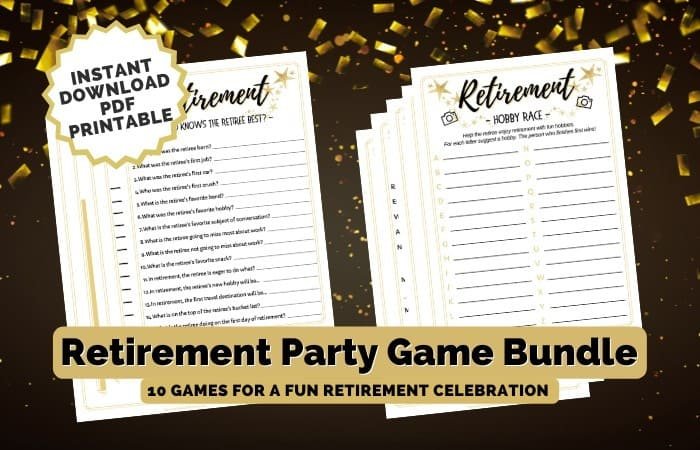
    And that is why I have created a printable Retirement Party Game Bundle with 10 amazing party games.
    You can share your wishes and advice with the retiree in a fun and memorable way.

    Discover 3 Secrets to wishing a HAPPY RETIREMENT perfectly!

    Join my newsletter and receive these secrets as a welcome gift.

    Religious Retirement Card Messages Bible Verses

    Choosing the perfect Bible verse for a retiree can be an enriching way to send blessings and inspiration as they embark on this new chapter. Here are 20 beautiful verses, each offering unique hope and wisdom, along with some thoughts on how they might resonate with different retirees:

    1. “Commit your work to the Lord, and your plans will succeed.” โ€”Proverbs 16:3
    2. “Whatever you do, work at it with all your heart, as working for the Lord, not for human masters.” โ€”Colossians 3:23
    3. “May he give you the desire of your heart and make all your plans succeed.” โ€”Psalm 20:4
    4. “Be strong and courageous. Do not be afraid or terrified because of them, for the Lord your God goes with you; he will never leave you nor forsake you.” โ€”Deuteronomy 31:6
    5. “But seek first his kingdom and his righteousness, and all these things will be given to you as well.” โ€”Matthew 6:33
    6. “Trust in the Lord forever, for the Lord, the Lord himself, is the Rock eternal.” โ€”Isaiah 26:4
    7. “In all your ways acknowledge him, and he will make straight your paths.” โ€”Proverbs 3:6
    8. “I can do all this through him who gives me strength.” โ€”Philippians 4:13
    9. “For I know the plans I have for you, declares the Lord, plans for welfare and not for evil, to give you hope and a future.” โ€”Jeremiah 29:11
    10. “The righteous flourish like the palm tree and grow like a cedar in Lebanon. They are planted in the house of the Lord; they flourish in the courts of our God. They still bear fruit in old age; they are ever full of sap and green, to declare that the Lord is upright; he is my rock, and there is no unrighteousness in him.” โ€”Psalm 92:12-15
    11. “There is a time for everything and a season for every activity under the heavens.” โ€”Ecclesiastes 3:1
    12. “The Lord bless you and keep you; the Lord make his face shine on you and be gracious to you; the Lord turn his face toward you and give you peace.” โ€”Numbers 6:24-26
    13. “Cast your cares on the Lord and he will sustain you; he will never let the righteous be shaken.” โ€”Psalm 55:22
    14. “The fear of the Lord leads to life; then one rests content, untouched by trouble.” โ€”Proverbs 19:23
    15. “I have fought the good fight, I have finished the race, I have kept the faith.” โ€”2 Timothy 4:7
    16. “The Lord is my shepherd; I shall not want. He makes me lie down in green pastures. He leads me beside still waters.” โ€”Psalm 23:1-2
    17. “Blessed is the man who remains steadfast under trial, for when he has stood the test, he will receive the crown of life, which God has promised to those who love him.” โ€”James 1:12
    18. “But the fruit of the Spirit is love, joy, peace, forbearance, kindness, goodness, faithfulness, gentleness, and self-control.” โ€”Galatians 5:22-23
    19. “The unfolding of your words gives light; it imparts understanding to the simple.” โ€”Psalm 119:130
    20. “But those who hope in the Lord will renew their strength. They will soar on wings like eagles; they will run and not grow weary; they will walk and not be faint.” โ€”Isaiah 40:31

    Religious Retirement Gifts

    Still have yet to find the perfect retirement gift for your religious friend, coworker, or family member? Don’t worry, I’ve listed five great religious retirement gifts below!

    1. God’s Bucket List Book

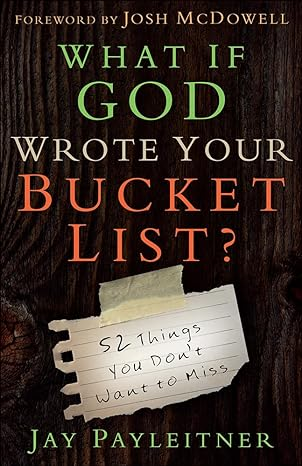
    Retirement opens the door to pursuing your longed-for adventures. To further inspire the retiree’s journey, consider gifting What If God Wrote Your Bucket List?: 52 Things You Don’t Want to Miss. 

    This unique book offers a spiritual spin on bucket lists, encouraging a deeper connection with God rather than solely focusing on adrenaline-pumping activities. Author Steve Brown describes it as “a practical, biblical, grace-filled, and fun way to live out your walk with Christ,” making it a perfect and thoughtful retirement gift.

    2. Retirement Blessing Travel Mug

    No matter the retiree’s plans, a reliable insulated travel mug always comes in handy. This one, featuring a unique biblical retirement poem, goes beyond practicality. It’s a memorable token of appreciation for a special someone, a constant reminder of your well-wishes for their next chapter. 

    And did I mention it’s handy? The 16-ounce mug boasts double-walled stainless steel and a plastic exterior, keeping hot drinks hot and cold drinks cold for extended periods.

    3. Personalized Framed Blessing

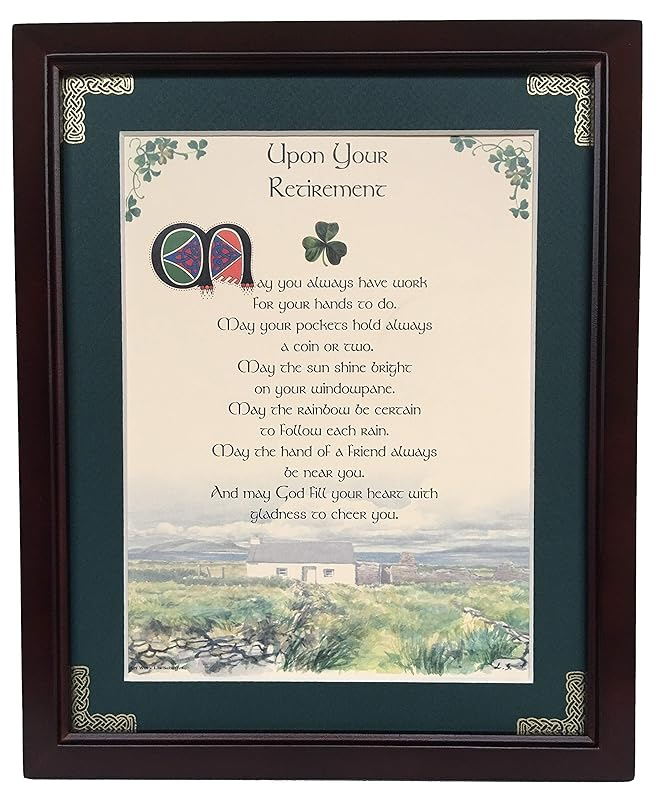
    A personalized framed blessing makes a beautiful and meaningful retirement gift. More than just a lovely decoration for today, it becomes a treasured keepsake for years to come. It serves as a constant reminder of your friendship and offers words of encouragement to uplift them whenever needed. This exquisite blessing, customizable to your liking, features the following heartwarming text:

    “May you always have work for your hands to do. May your pockets hold always a coin or two. May the sun shine bright on your windowpane. May the rainbow be certain to follow each rain. May the hand of a friend always be near you. And may God fill your heart with gladness to cheer you.”

    4. Biblical Retirement Guide

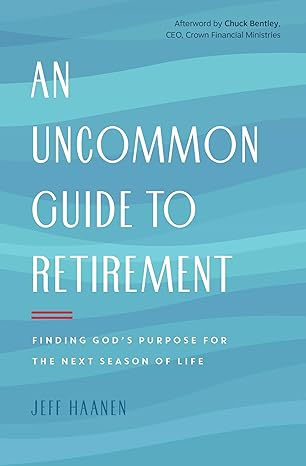
    Transitioning to retirement can be daunting for many, with the newfound abundance of free time presenting unexpected challenges. This is where a thoughtful gift like “An Uncommon Guide to Retirement: Finding God’s Purpose for the Next Season of Life” can truly shine.

    Packed with biblical and practical guidance, author Jeff Haanen skillfully helps retirees navigate God’s calling for this new chapter. His inspiring tips not only empower them to listen to His voice but also equip them to live a meaningful and God-honoring retirement. This insightful book is guaranteed to resonate with the retiree in your life, making it a truly valuable and appreciated gift.

    5. Inspirational Journal

    This stunning turquoise journal, adorned with the uplifting Serenity Prayer in silver gilt, offers more than just elegant aesthetics. Boasting 240 lined pages, each graced with an inspirational passage at the bottom, it presents a beautiful canvas for capturing thoughts, dreams, and reflections. 

    Whether used as a notebook or a personal journal, this thoughtful gift is sure to spark creativity and provide a soothing source of inspiration throughout the retiree’s new chapter.

    Conclusion

    Now that you’re brimming with inspirational ideas, dive deeper! Choose the message or verse that resonates most with your friend or loved one, and consider adding a personal touch that reflects your cherished memories or shared values. 

    Don’t forget to explore the suggested religious retirement gifts later in this article for the perfect complement to your heartfelt card. Let’s create a retirement celebration that truly lifts their spirits and guides them in this exciting new chapter!

  • How To Know When To Retire: Top 13 Signs!

    How To Know When To Retire: Top 13 Signs!

    Retirement is a momentous milestone in life, representing a transition from the hustle and bustle of a career to a new chapter filled with opportunities, adventures, and self-discovery. And that is why you might wonder, how to know when to retire?

    Deciding when to retire is a deeply personal choice that involves a careful evaluation of various aspects of your life and a range of different factors. To help you out, I’ve created a list of 13 signs with in-depth information you can explore, which will help you decide when to retire. Ready? Let’s uncover the key signs that can unlock the door to a rewarding retirement experience!

    1) You Have Sufficient Retirement Savings

    Having sufficient retirement savings is a crucial sign that you may be ready to retire with confidence and financial security. As you approach retirement, it’s essential to assess your savings to determine if they can sustain your desired lifestyle during this phase of life. Financial experts often recommend replacing at least 70-80% of your pre-retirement income to cover living expenses in retirement. To assess your savings adequacy, consider the following factors:

    • your current retirement savings balance,
    • other potential sources of income like pensions or Social Security benefits,
    • And your expected annual expenses during retirement.

    Start by calculating your retirement nest egg, considering your investment accounts, retirement plans (like 401(k) or IRA), and other savings. Ensure that you’ve diversified your investments to manage risks effectively. Consulting with a financial advisor can be immensely beneficial to evaluate your portfolio and create a sustainable retirement income plan. They can help you determine an appropriate withdrawal rate to avoid outliving your savings while accounting for inflation and market fluctuations.

    Moreover, consider delaying retirement if your savings seem insufficient at your current age. This can give you more time to contribute to retirement accounts and allow your investments to grow. Alternatively, you might explore options for part-time work during the initial stages of retirement to supplement your income and further grow your savings. Building an emergency fund is also essential to cover unexpected expenses and ensure financial stability during retirement.

    By carefully evaluating your retirement savings and seeking expert advice, you can better understand your financial preparedness for retirement. Making informed decisions about when to retire will enable you to enjoy your golden years without unnecessary financial worries and focus on fulfilling your post-retirement dreams and aspirations. Remember that retirement planning is a continuous process, and regularly reviewing and adjusting your financial strategies will help you stay on track toward a comfortable retirement lifestyle.

    2) You Are Debt-Free/ Have Manageable Debt

    Being debt-free or having manageable debt is another crucial sign that you are ready to retire with greater financial freedom and peace of mind. As you approach retirement, evaluating your outstanding debts and having a solid plan to manage them during your retirement years is essential.

    Start by assessing your current debt situation, including mortgages, credit card balances, personal loans, and any other outstanding loans. Aim to pay off significant debts before retiring, as this will reduce your financial burden and free up more income for other retirement priorities and desired plans.

    If you have high-interest debts, like credit card balances, consider prioritizing their repayment to avoid accumulating unnecessary interest charges. Explore debt consolidation options or negotiate with creditors to lower interest rates and create a manageable repayment plan.

    It’s important to note that not all debts are inherently negative. Mortgages, for example, may be manageable if you have a low-interest rate and a reasonable repayment plan. In such cases, having a plan to manage these debts during retirement can be a more realistic approach.

    In some situations, individuals may choose to retire with remaining debts due to specific circumstances or strategic financial planning. In such cases, ensure that your retirement income is sufficient to cover debt payments comfortably.

    It’s crucial to consult with a financial advisor to assess your debt situation comprehensively. They can help you create a debt management strategy that aligns with your retirement income and expenses. Additionally, consider discussing your retirement plans with a financial advisor before making any significant decisions to ensure that your retirement goals align with your financial reality.

    Among retirees, the most stress comes from worrying about having enough retirement money. By being debt-free or managing your debt responsibly, you can enter retirement with greater financial flexibility and reduce the risk of financial stress during this important phase of life. Remember that eliminating or managing debt is a gradual process, so starting early and staying committed to your financial goals will lead to a more secure and worry-free retirement.

    3) You Are Eligible For Medicare/ Have Health Coverage

    Having Medicare eligibility and adequate health coverage is a crucial sign that you decide whether you are ready to retire with peace of mind regarding your healthcare needs. Medicare is a federal health insurance program primarily designed for individuals aged 65 and older and certain younger individuals with specific disabilities. Understanding your eligibility and enrollment options for Medicare is essential when planning for retirement.

    Typically, individuals become eligible for Medicare at age 65, and enrollment usually begins three months before your 65th birthday. Signing up during this initial enrollment period is important to avoid potential penalties and ensure coverage begins on time. Medicare offers different parts that cover various healthcare services:

    1. Medicare Part A: Hospital Insurance – This part covers inpatient hospital stays, skilled nursing facility care, hospice care, and some home health care services. Most people don’t have to pay a premium for Part A if they or their spouse paid Medicare taxes while working.
    2. Medicare Part B: Medical Insurance – This part covers doctor visits, outpatient care, preventive services, and durable medical equipment. Part B has a monthly premium, and the amount is based on your income.
    3. Medicare Part C: Medicare Advantage Plans – This private health insurance plan is approved by Medicare and offers Part A and B coverage. Some Medicare Advantage plans also include prescription drug coverage (Part D) and additional benefits like vision and dental care.
    4. Medicare Part D: Prescription Drug Coverage – This part helps cover the cost of prescription medications. Private insurance companies offer Part D plans, and premiums, copayments, and the list of covered medications can vary.

    It’s crucial to review your healthcare needs and explore Medicare options to ensure you have adequate coverage before you decide to retire. In addition to Medicare, consider any supplemental health insurance plans, such as Medigap policies, which can help cover certain out-of-pocket costs not covered by traditional Medicare.

    If you retire before age 65 and lose employer-sponsored health coverage, you might need to find alternative health insurance options until you become eligible for Medicare. Options may include a Consolidated Omnibus Budget Reconciliation Act (COBRA) plan or individual health insurance plans available through the Health Insurance Marketplace or Healthcare.gov.

    Understanding the ins and outs of Medicare can be complex, so seeking guidance from a Medicare specialist or healthcare advisor can be invaluable. By having Medicare eligibility and appropriate health coverage, you can ensure that your healthcare needs are adequately addressed during retirement, providing you with greater peace of mind and the ability to focus on enjoying this new chapter in life.

    4) You Have Achieved Your Professional Goals

    Achieving your professional goals is a significant milestone indicating you are ready to embrace retirement with a sense of fulfillment and readiness for the next chapter of life. You may have worked diligently throughout your career to reach various milestones, such as career advancements, leadership positions, or recognition for your contributions in your field.

    These accomplishments can provide a profound sense of satisfaction and contribute to your readiness for retirement. As you reflect on your professional journey, take pride in the hard work, dedication, and expertise that have led you to where you are today.

    Reaching your professional goals can also signify that you have gained valuable experience and expertise that can be carried forward into retirement. Whether you plan to retire or transition to part-time work or consulting fully, your professional achievements can offer a strong foundation for exploring new passions, sharing knowledge with others, and positively impacting in different ways during your retirement years.

    5) You Are Feeling Burned Out From Work

    Feeling burned out is a crucial sign that you may be ready to retire and prioritize your overall well-being. Burnout refers to a state of emotional, physical, and mental exhaustion resulting from chronic work-related stress. Recognizing and addressing burnout can significantly impact your decision to retire and embrace a healthier and more fulfilling lifestyle.

    Signs Of Burn Out

    • Persistent Exhaustion: If you constantly feel physically and emotionally drained, even after a good night’s sleep, it could clearly indicate burnout. Retirement can offer you the opportunity to recharge and focus on self-care.
    • Lack of Motivation: A decline in motivation and enthusiasm for your work might indicate burnout. Retirement may be the right step to explore new interests and passions if you no longer find satisfaction or purpose in your current role at work.
    • Reduced Productivity: Burnout can lead to a decline in productivity and an inability to perform at your best. If you notice a significant drop in your work performance, it might be time to consider retirement as a means to alleviate stress and pressure.
    • Health Issues: Chronic stress from burnout can manifest in various physical and mental health issues. Frequent headaches, anxiety, and other stress-related symptoms might be a red flag that retirement is necessary for your well-being.
    • Negative Impact on Relationships: Burnout can also affect your relationships with family, friends, and colleagues. If you notice increased conflicts or withdrawal from social interactions, retiring can allow you to reconnect with your loved ones and focus on nurturing these relationships.
    • Long-Term Well-Being: Prioritizing your long-term well-being is vital. If you find that your current work environment is detrimental to your health and that retirement will offer a chance to restore and maintain a healthy lifestyle, it’s a clear sign that retiring might be a good decision.
    • Loss of Interest in Career Advancement: If you no longer feel motivated to pursue career advancement or challenging opportunities, retirement might provide an opportunity to step away from the pressure to progress professionally.
    • Desire for a New Chapter: Feeling a strong desire to embark on a new chapter in life and explore different passions and interests beyond your current career indicates that retirement is on the horizon.

    If you resonate with any of these signs of burnout, it’s essential to prioritize self-care and well-being. Considering retirement as a means to address burnout can open the door to new possibilities and help you find renewed purpose and joy in life after leaving the workforce. Seeking support from loved ones, a therapist, or a career counselor can aid you in making the best decision for your overall health and to stay happy in retirement.

    6) You Are Prepared For The Transition

    Feeling well-prepared for the transition into a new lifestyle is a significant sign that you are ready to embrace retirement with confidence and enthusiasm. Retirement marks a major life change that requires thoughtful planning and consideration. If you find yourself prepared in the following ways, it indicates that you are ready for a successful transition into your post-retirement life:

    • Embracing Change: You have mentally and emotionally prepared for the lifestyle adjustments that retirement brings. You understand that retirement is a new chapter filled with opportunities for personal growth, exploration, and fulfillment.
    • Financial Planning: You have carefully planned and managed your finances, ensuring that you have sufficient savings and a well-structured retirement income to support your desired lifestyle. You have considered factors like budgeting, healthcare costs, and potential unforeseen expenses.
    • Pursuing Passions: Retirement presents the chance to pursue new hobbies, interests, and passions that may have taken a backseat during your working years. You have identified activities that bring you joy and fulfillment and are ready to explore and dedicate time to these pursuits.
    • Health and Wellness: Prioritizing your health and well-being is a cornerstone of your retirement readiness. You have adopted healthy lifestyle choices, regular exercise, and a balanced diet to ensure a fulfilling and active retirement.
    • Volunteering and Giving Back: You have considered opportunities for giving back to the community and making a positive impact. Retirement can be a time to contribute your skills and experience through volunteer work or mentorship.
    • Travel and Exploration: If you have travel plans or destinations on your retirement bucket list, you have prepared to embark on new adventures during retirement. Whether it’s exploring new cultures or revisiting favorite destinations, travel is an enriching aspect of your post-retirement lifestyle.
    • Learning and Growth: You have a thirst for continued learning and personal growth. Whether through formal education or pursuing new interests, you are eager to expand your horizons during retirement.
    • Work-Life Boundaries: You have established clear boundaries between work and personal life, making a seamless transition into retirement. You are prepared to let go of work-related stress and embrace retirement’s freedom.

    By feeling well-prepared in these aspects of transitioning into a new lifestyle, you can confidently step into retirement with a positive outlook. Your readiness to embrace change, cultivate meaningful connections, and pursue personal passions will pave the way for a fulfilling and rewarding post-retirement journey.

    But retirement is not a single event but a process involving different stages as individuals adjust to their new lifestyle and roles. These stages are known as the five stages of retirement. While the specific stages may vary from person to person, here are the common stages of retirement:

    Five Stages Of Retirement

    1. Pre-Retirement Stage: This stage occurs before officially retiring and involves extensive planning and preparation. During this phase, individuals assess their financial readiness, set retirement goals, explore healthcare options, and consider how they will spend their time after retiring. This period is essential for making informed decisions and setting the groundwork for a successful retirement. You’re currently in this stage and deciding whether you’re ready for retirement.
    2. Honeymoon Stage: The honeymoon stage typically spans the first few months after retiring. It’s a time of excitement and enjoyment as retirees embrace their newfound freedom. During this period, retirees may indulge in activities they couldn’t do while working, such as traveling, pursuing hobbies, and spending quality time with loved ones. A sense of relaxation and fulfillment characterizes the honeymoon stage.
    3. Disenchantment Stage: The disenchantment stage often occurs after the initial excitement of retirement wears off. During this period, retirees may experience feelings of restlessness or disillusionment. The absence of a daily work routine and social interactions can lead to a sense of purposelessness. It’s important for individuals to recognize these feelings as normal and use this stage as an opportunity for self-reflection and exploration of new interests and activities.
    4. Reorientation Stage: The reorientation stage is marked by a renewed sense of purpose and direction. Retirees start to find a balance between their aspirations and the realities of retirement. They may become involved in community activities, volunteer work, or part-time employment. This stage involves rediscovering passions and finding a meaningful post-retirement routine.
    5. Stability Stage: The stability stage is a phase of contentment and adjustment. Retirees have successfully navigated retirement’s initial challenges and settled into a more stable and satisfying lifestyle. During this period, individuals have established fulfilling routines, strong social connections, and a clear sense of purpose. Financially, retirees in this stage have found a balance between spending and preserving their savings to ensure long-term sustainability. This stage may persist for several years, and retirees continue to enjoy a fulfilling and rewarding retirement.

    It’s essential to recognize that retirement stages are not fixed, and each person may move between them or experience them differently. Each person’s retirement journey is unique, and understanding and adapting to these stages can lead to a more fulfilling and content retirement experience. Seeking support from friends, family, or professional advisors can be beneficial throughout this journey to ensure a successful transition into retirement.

    7) You Are Mentally Ready

    Being emotionally and mentally ready for retirement is a significant sign that you may be prepared to embrace this new phase of life with a positive outlook and a sense of fulfillment. Retirement is not only a financial decision but also an emotional transition that involves letting go of a familiar routine and finding a new sense of purpose and identity. Here are some indicators that you are emotionally ready for retirement:

    Emotional Signs You Need To Retire

    • Sense of Fulfillment: You feel a sense of accomplishment and satisfaction from your career and your contributions throughout your working years. You are proud of your achievements and ready to move on to the next chapter in life.
    • Excitement for the Future: Instead of dwelling on the past, you are excited about the possibilities that retirement offers. You view retirement as an opportunity for personal growth, exploration, and new experiences.
    • Clear Post-Retirement Plans: You have identified interests, hobbies, or activities that you want to pursue in retirement. Having concrete plans for how you will spend your time in retirement shows that you are emotionally prepared for the changes retirement brings.
    • Acceptance of Change: You understand that retirement involves a significant life change and are emotionally prepared to adapt to the adjustments it entails. You view retirement as a positive transformation and are open to embracing new opportunities.
    • Positive Outlook: Your overall outlook on life is positive, and you approach retirement with optimism and enthusiasm. You believe that retirement will be a rewarding and fulfilling period in your life.
    • Support System: You have a strong support system of family and friends who understand and encourage your decision to retire. These emotional connections provide you with a sense of security and companionship during the transition into retirement.
    • Mental Well-Being: You have prioritized your mental well-being and have developed coping strategies to manage potential challenges associated with retirement. Engaging in activities that promote mindfulness and emotional health demonstrates your readiness for this new phase.
    • Preparedness for Transitions: You have mentally prepared yourself for the transitions that retirement may bring, such as changes in routines, social circles, and daily activities. You approach these changes with a flexible and adaptable mindset.

    Feeling emotionally ready for retirement is essential, as it allows you to approach this new chapter with a positive attitude and an eagerness to embrace the opportunities that lie ahead. By nurturing a sense of fulfillment and purpose, accepting change, and prioritizing your well-being, you can embark on retirement with confidence and excitement for the adventures that await.

    8) You Have A Social Network

    Having a social network is a crucial sign that you are ready for your retirement, especially considering the potential loss of social interactions from work that you need to replace. Social connections play a significant role in our well-being and can greatly enhance the retirement experience. Here are some indicators that you have a social network in place to fill the void left by work-related social interactions:

    1. Strong Friendships and Family Bonds: You have developed meaningful relationships with friends and family members over the years. These connections become even more valuable during retirement, as they provide you with emotional support, companionship, and a sense of belonging.
    2. Engagement in Social Activities: You actively participate in social activities, clubs, or community events or plan to engage in new social activities. Being involved in these gatherings allows you to interact with others, share common interests, and maintain a vibrant social life outside of the workplace.
    3. Diverse Social Circles: Your social network consists of various groups, allowing you to interact with people from different backgrounds and interests. This diversity broadens your perspectives and enriches your social experiences, compensating for the diversity of interactions you might have had at work.
    4. Supportive Colleagues: You have maintained positive relationships with colleagues from your working years. While retiring involves leaving the workplace, you recognize the importance of staying connected with former co-workers and engaging in social activities together. If this is something, you and your coworkers are interested in.
    5. Volunteering and Community Involvement: You are interested in volunteering or community service. Giving back to the community provides opportunities to meet like-minded individuals and form new friendships, helping you fill the void of social interactions that work once provided.
    6. Social Media Connections: You may also have a presence on social media platforms, connecting with friends, family, and acquaintances online. Digital communication can complement face-to-face interactions and help you stay connected with loved ones further away, especially those you might have interacted with at work.
    7. Openness to New Friendships: You are open to forming new friendships during retirement. Recognizing the need for new social interactions, you actively seek opportunities to meet new people and expand your social network. Here is a helpful article with tips on how to find a friend in retirement.
    8. Participation in Group Activities: You actively participate in group activities or clubs centered around shared hobbies or interests. Engaging in group pursuits fosters camaraderie and helps you build bonds with individuals who share similar passions, providing a sense of community that you might have previously experienced at work.

    Having a robust social network in retirement is vital for maintaining a sense of community, reducing feelings of isolation, and promoting overall well-being. These (new) social connections help fill the void left by work-related social interactions and add depth and joy to your post-retirement life. Emphasizing and nurturing your social relationships will contribute to a more fulfilling and content retirement experience, ensuring you have a supportive network to lean on during this new chapter in life.

    9) You Are No Longer Challenged at Work

    Feeling no longer challenged at work is a significant sign that you may be ready to retire and seek new opportunities beyond your current career. As retirement approaches, it’s natural to evaluate your job satisfaction and consider whether your work still fulfills you intellectually and professionally. Here are some indicators that you are no longer challenged at work:

    • Lack of Learning Opportunities: You find that your current role no longer offers opportunities for learning and professional growth. The tasks and responsibilities have become repetitive, and you yearn for fresh challenges.
    • Diminished Interest and Enthusiasm: Your excitement and enthusiasm for your work have waned over time. You might feel disengaged or uninterested in the tasks at hand, impacting your overall job satisfaction.
    • Skill Set Mastery: You have mastered the skills required for your role, and the work has become routine and second nature to you. While competence is valuable, the absence of new challenges might leave you feeling unfulfilled.
    • Limited Advancement Prospects: If your current position offers limited opportunities for career advancement or promotion, you may find that retirement offers a chance to explore other avenues and pursuits.
    • Feeling Undervalued: You believe that your skills and expertise are not being fully utilized or recognized in your current job. Feeling undervalued can lead to decreased job satisfaction and a desire to seek new challenges elsewhere.
    • Seeking More Meaningful Work: You want to pursue work that aligns better with your passions, values, or a desire to make a positive impact. Retirement could present an opportunity to engage in work that brings greater fulfillment and a sense of purpose.
    • Work-Life Imbalance: Your work demands may have adversely affected your work-life balance. If the stress of your job is taking a toll on your personal life and well-being, retirement might offer a chance to restore balance.
    • Longing for New Experiences: You yearn for the freedom to explore new experiences, hobbies, or activities that your current work schedule restricts. Retirement can open doors to exciting opportunities beyond your current career.

    Recognizing the lack of challenges in your current job is essential in determining whether retirement is the right decision for you. If you find that you are no longer intellectually stimulated or satisfied with your work, retirement might offer the chance to embark on a new journey, where you can explore fresh interests and seek fulfillment in different aspects of life. Retirement can be a time of reinvention and discovery, allowing you to embrace new challenges and pursuits that align better with your current passions and aspirations.

    10) You Are Eligible For Pension/ Social Security Benefits

    Being eligible for pension and Social Security benefits is a crucial sign that you may be financially prepared for retirement. These benefits are valuable sources of income that can provide you with financial security and support during your post-retirement years. Here are some indicators that you are eligible for pension and Social Security benefits:

    1. Years of Service: You have completed the required number of years of service with your employer, making you eligible for a pension. Many employers offer pension plans as a form of retirement benefit based on the length of your service.
    2. Retirement Age: You have reached the eligible retirement age for receiving full Social Security benefits. The age for full retirement benefits varies depending on the year you were born. Being of age to receive these benefits is a significant milestone in your retirement planning.
    3. Vesting Period: If your employer’s pension plan has a vesting period, you have satisfied the required duration of service to become vested in the pension plan. Being vested ensures that you have a claim to the pension benefits once you retire.
    4. Social Security Credits: You have earned the required number of Social Security credits based on your work history. These credits are earned through paying Social Security taxes during your working years.
    5. Financial Planning: You have taken the time to understand the amount of pension and Social Security benefits you are eligible to receive. You have also factored these benefits into your retirement income plan to ensure financial stability during retirement.
    6. Retirement Benefit Estimates: You have obtained pension and Social Security benefits estimates from relevant authorities or agencies. These estimates help you make informed decisions about your retirement timeline and financial planning.
    7. Understanding Benefit Options: You are familiar with the various options for receiving pension benefits, such as choosing between lump sum or annuity payments. Additionally, you understand the implications of claiming Social Security benefits at different ages.
    8. Supplementing Retirement Income: You have considered how pension and Social Security benefits will supplement other sources of retirement income, such as personal savings, investments, or retirement accounts.

    Having access to pension and Social Security benefits can significantly contribute to your financial readiness for retirement. These benefits serve as a foundation of income, providing you with the means to cover essential expenses and maintain your desired lifestyle during retirement. Understanding your eligibility for these benefits and incorporating them into your overall retirement income plan is essential for a secure and comfortable retirement experience.

    11) You And Your Partner Are On The Same Page

    Being on the same page with your partner regarding retirement is a critical sign that you both are emotionally and financially ready for this life transition. Retirement involves significant lifestyle changes that can impact the retiree and your partner. This also might raise the question of whether couples should retire at the same time or not. Here are some indicators that you and your partner are aligned and prepared for retirement together:

    1. Shared Retirement Goals: You and your partner have discussed and agreed upon your retirement goals. Whether it’s traveling, downsizing, pursuing hobbies together, or maintaining a specific standard of living, having shared goals ensures that you are moving forward with a common purpose.
    2. Financial Planning Together: You have collaborated on your financial planning for retirement. This includes assessing your combined retirement savings, understanding each other’s pension and Social Security benefits, and jointly creating a retirement budget that accommodates both your needs and aspirations.
    3. Communication and Agreement: Open and honest communication is vital in any relationship, especially regarding retirement. You and your partner have openly discussed your expectations for retirement, addressing any concerns or differences of opinion, and have agreed on how you will approach this phase of life together.
    4. Retirement Timeline: You and your partner have aligned your retirement timelines, ensuring that you both retire around the same time or have a clear plan for any potential gaps in retirement dates. This allows you to plan and enjoy shared experiences during retirement.
    5. Healthcare Considerations: You have considered healthcare needs and options for both of you in retirement. Understanding potential healthcare costs and having appropriate coverage ensures that you are both prepared for any medical expenses that may arise.
    6. Support for Post-Retirement Activities: Whether you plan to travel, volunteer, or engage in new hobbies together, you and your partner support each other’s post-retirement activities. This mutual encouragement fosters a strong sense of companionship and enjoyment during retirement.
    7. Retirement Living Arrangements: You have discussed and agreed upon your preferred retirement living arrangements. Whether you intend to stay in your current home, downsize, or explore other options, being on the same page about housing is essential for a smooth transition.
    8. Financial Security: You and your partner have taken steps to ensure financial security during retirement. This may include having contingency plans for unexpected expenses or life events, such as medical emergencies or changes in financial circumstances.

    Being aligned with your partner in your retirement plans and aspirations is crucial for a harmonious and fulfilling retirement experience. Shared goals, open communication, and mutual support set the stage for a rewarding post-retirement life where you can enjoy each other’s company and make the most of this exciting new chapter together.

    12) You Hit Retirement Age

    Hitting retirement age is a significant sign that you may be ready to retire. Many individuals choose to retire once they reach the eligible retirement age set by their employer’s pension plan or government programs like Social Security.

    1. You Hit Employer’s Retirement Age: Your employer’s retirement policy or pension plan specifies a particular age at which employees are eligible to retire. If you have reached this age, you are considered eligible to retire from your current job.
    2. You Hit Social Security Full Retirement Age: Social Security benefits include a full retirement age based on your birth year. You can receive your full Social Security retirement benefits if you have reached this age.

    While reaching retirement age is a significant milestone, it’s important to consider all aspects of retirement readiness beyond just age. Evaluating your financial preparedness, emotional readiness, and social support system will help ensure that retirement is a smooth and enjoyable transition. Retirement age serves as a starting point for your retirement planning, allowing you to make informed decisions about your future and embark on this new chapter with confidence and excitement.

    13) You Have Something To Retire To

    Having something to retire to is a critical sign that you know you are ready for retirement. Retirement is not just about leaving the workforce; it’s also about transitioning into a new phase of life filled with purpose, meaning, and fulfillment. Here are some indicators that you have something to retire to:

    1. Pursuit of Passions: You have identified hobbies, interests, or activities that you are passionate about and want to explore during retirement. Whether it’s painting, gardening, playing a musical instrument, or traveling, you have meaningful pursuits to engage in after retiring.
    2. Volunteer Work: You plan to dedicate time to volunteer work or community service. Giving back to the community allows you to positively impact and find fulfillment in contributing your skills and experiences.
    3. Part-Time Work or Consulting: You may not want to retire from work fully, but instead, you plan to transition into part-time work or consulting in your field of expertise. This allows you to stay engaged and connected to your profession while enjoying more flexibility.
    4. Educational Pursuits: You have a desire to continue learning and growing intellectually. Whether it’s taking courses, attending workshops, or pursuing a degree, education is an essential aspect of your post-retirement plans.
    5. Travel and Exploration: You want to travel and explore new destinations during retirement. Whether it’s a bucket-list trip or regular getaways, travel is an exciting aspect of your post-retirement life.
    6. Family and Relationships: Retirement provides an opportunity to spend more quality time with family and loved ones. Strengthening these relationships and being more present in the lives of your children, grandchildren, or extended family is a significant focus.
    7. Health and Wellness: You prioritize your health and wellness in retirement. Engaging in regular exercise, adopting a healthy lifestyle, and pursuing activities that promote well-being are essential aspects of your retirement plans.
    8. Cultural and Social Engagement: You plan to engage in cultural events, social gatherings, or clubs that align with your interests. Being socially active and staying connected with friends and like-minded individuals is important to you.

    Having a purposeful and fulfilling retirement plan is crucial for a smooth transition into this new chapter. Having something to retire to not only enhances your emotional well-being but also contributes to a satisfying and content retirement experience. By identifying meaningful pursuits, setting goals, and staying socially and intellectually engaged, you can embrace retirement with excitement and joy, looking forward to the fulfilling experiences that lie ahead.

    How To Know When To Retire | Frequently Asked Questions

    What is a realistic age to retire?

    Generally, retiring between 62 and 67 is common, aligning with Social Security eligibility and employer pension plans. However, the right age depends on financial preparedness, personal goals, and health considerations. A realistic retirement age varies based on individual circumstances.

    How to decide when to retire?

    Deciding when to retire involves a comprehensive assessment. Evaluate your financial readiness, and consider your post-retirement plans and lifestyle preferences. Reflect on emotional preparedness and any desired achievements before setting a retirement date.

    What age is the best year to retire?

    The best retirement age depends on your goals and financial situation. Retiring early allows more leisure time but may impact benefits. Delaying retirement provides higher Social Security benefits but reduces years in retirement.

    Will I be happier if I retire?

    Happiness in retirement is subjective. Some find contentment with newfound freedom, hobbies, and family time, while others may miss work-related social interactions. Planning for a fulfilling retirement enhances the chances of happiness during this phase of life.

    Read more: How To Stay Happy In Retirement: 25 Secret Tips.

    When is the right time to retire?

    The right time to retire varies for each individual. It depends on factors such as financial readiness, personal goals, and emotional preparedness. Evaluate your retirement savings, consider your post-retirement plans, and ensure you meet eligibility criteria for benefits like Social Security before deciding.

    Read more: Why Is Retirement Planning Important?

    How do I know if I have enough savings to retire?

    Review your retirement savings, investment accounts, and other income sources. Consider consulting a financial advisor to assess if your savings can sustain your desired lifestyle throughout retirement.

    Can I retire early?

    Retiring early is possible, but it requires careful financial planning. Consider potential implications, such as reduced Social Security benefits and potential penalties for early withdrawals from retirement accounts.

    Read more: Truth Guide: Is It Boring To Retire Early?

    What are the stages of retirement?

    Retirement typically involves stages like pre-retirement, honeymoon, disenchantment, reorientation, and stability. Each stage brings unique challenges and opportunities for personal growth.

    Read more: Complete Guide Through The Five Stages Of Retirement.

    How do I find meaning and purpose in retirement?

    Explore hobbies, volunteering, or part-time work to find new interests and a sense of purpose in retirement. Consider what brings you joy and fulfillment beyond your career.

    Read more: How To Find Your Purpose In Life After Retirement: 12 Tips.

    What impact does retirement have on healthcare coverage?

    Understanding healthcare options is crucial in retirement. If you retire before Medicare eligibility, explore alternatives like COBRA coverage or private health insurance until you reach the age of 65.

    How do I maintain social connections after retiring?

    Engage in social activities, join clubs or groups with shared interests, and stay connected with friends and family. Building a strong social network enhances your retirement experience.

    Read more: How Do I Socialize After Retirement? | 11 Essential Tips

    Can I return to work after retiring?

    Returning to work after retirement is possible, either through part-time employment or consulting. Keep in mind the potential impact on pension benefits and Social Security.

    Read more: 50 Best Jobs For Retirees.

    Should I pay off all debts before retiring?

    Paying off high-interest debts can provide financial security in retirement. Evaluate your debt situation and create a plan to manage or eliminate debts before retiring.

    How do I budget for retirement?

    Create a retirement budget based on estimated expenses, including housing, healthcare, leisure, and unexpected costs. Regularly review and adjust your budget as needed.

  • 122 Funny Quotes About Getting Older

    122 Funny Quotes About Getting Older

    When you’re looking for funny quotes about getting older and wiser or about aging and growing old, you’re at the right place! This article has 122 funny quotes about getting older, which you can use for any upcoming occasion or just to cheer up your day. Ready? Let’s go!

    Funny Quotes About Getting Older

    Getting older is a natural part of life, and what better way to embrace it than with a sense of humor? This collection of funny quotes about getting older celebrates the humorous side of aging. These witty and lighthearted quotes from various sources are the best antidote to the passing years. Enjoy.

    1) “The older you get, the better you get. Unless you’re a banana.” – Betty White

    2) “You know you’re getting old when the candles cost more than the cake.” – Bob Hope

    3) “Age is an issue of mind over matter. If you don’t mind, it doesn’t matter.” – Mark Twain

    4) “The older you get, the more you need to keep a fire extinguisher close to the cake.” – Greg Tamblyn

    5) โ€œYou canโ€™t help getting older, but you donโ€™t have to get old.โ€ – George Burns

    6) “The older I get, the more I realize that ‘I don’t know’ is a perfectly acceptable answer to most questions.” – Unknown

    7) โ€œYou know youโ€™re getting old when you stoop to tie your shoelaces and wonder what else you could do while youโ€™re down there.โ€ – George Burns

    8) “I’m not getting older. I’m becoming a classic.” – Unknown

    9) “Middle age is when you’re sitting at home on a Saturday night, and the telephone rings, and you hope it isn’t for you.” – Ogden Nash

    10) “The first sign of maturity is the discovery that the volume knob also turns to the left.” – Jerry M. Wright

    11) “You’re only young once, but you can be immature forever.” – Germaine Greer

    12) “As you get older, three things happen: The first is your memory goes, and I can’t remember the other two.” – Sir Norman Wisdom

    13) “Age is not important unless you’re a cheese.” – Helen Hayes

    14) “I’m at the age where food has replaced sex in my life. In fact, I’ve just had a mirror put over my kitchen table.” – Rodney Dangerfield

    15) “Aging seems to be the only available way to live a long life.” – Kitty O’Neill Collins

    16) “At my age, I’ve seen it all, done it all, heard it all…I just can’t remember it all.” – Anonymous

    17) “Old age is like a plane flying through a storm. Once you’re aboard, there’s nothing you can do.” – Golda Meir

    18) “Middle age is when your age starts to show around your middle.” – Bob Hope

    19) “Youth is the gift of nature, but age is a work of art.” – Stanislaw Jerzy Lec

    20) “I’m not getting older; I’m increasing in value.” – Unknown

    21) “Middle age is when you’ve met so many people that every new person you meet reminds you of someone else.” – Ogden Nash

    22) “Age is something that doesn’t matter unless you’re a cheese or a wine.” – Unknown

    23) โ€œPeople ask me what Iโ€™d most appreciate getting for my eighty-seventh birthday. I tell them, a paternity suit.โ€ George Burns

    24) โ€œIf I had known I was going to live this long, Iโ€™d have taken better care of myself.โ€ – Unknown

    25) โ€œGetting old is like climbing a mountain; you get a little out of breath, but the view is much better!โ€ Ingrid Bergman

    26) โ€œLife is like a roll of toilet paper. The closer you get to the end, the faster it goes.โ€ – Unknown

    27) “Getting older means I’ve gathered enough wisdom to give advice to my younger self… who would probably ignore it anyway.” – Unknown

    28) โ€œI donโ€™t feel old. I donโ€™t feel anything until noon. Then itโ€™s time for my nap.โ€ โ€“ Bob Hope

     29) โ€œAge is not how old you are but how many years of fun youโ€™ve had.โ€ โ€“ Matt Maldre

    30) “The great thing about getting older is that you don’t lose all the other ages you’ve been.” – Madeleine L’Engle

    Funny Quotes About Getting Older and Wiser

    As another year passes by, birthdays become moments not just for celebration, but also for reflection and wisdom. This collection of funny quotes about getting older and wiser captures the essence of this unique milestone. They’re perfect for adding a touch of laughter and wit to a birthday wish, a funny retirement quote, or simply embracing the humorous side of aging. So, whether you’re seeking a funny birthday message or just a good chuckle, these quotes will bring a smile to your face and highlight the joy of gaining wisdom and experience along the way.

    31) “Age is like a fine wine; it only gets better if you have the wisdom to open the bottle.” – Unknown

    32) “As I get older, I’ve learned that it’s better to be quiet and let people think you’re wise than to open your mouth and remove all doubt.” – Unknown

    33) “I may not be getting younger, but I’m definitely getting more entertaining at parties with my ‘wise’ anecdotes.” – Unknown

    34) “They say wisdom comes with age. So, I must be the wisest person on the planet by now.” – Unknown

    35) โ€œToday is the oldest youโ€™ve ever been, and the youngest youโ€™ll ever be again.โ€ – Eleanor Roosevelt

    36) “Youth is wasted on the young, but wisdom is wasted on the old.” – George Bernard Shaw

    37) “Aging is a collection of experiences and life lessons that give you wisdom.” – Unkown

    38) โ€œLaughter is timeless. Imagination has no age. And dreams are forever.โ€ – Walt Disney

    39) โ€œYou can live to be a hundred if you give up all the things that make you want to live to be a hundred.โ€ – Woody Allen

    40) “With age comes wisdom, but sometimes age comes alone.” – Oscar Wilde

    41) “They say wisdom is knowing what to do; I say wisdom is knowing what not to do… and then doing it anyway for the sake of a good story.” – Unknown

    42) “I used to think I was wise until I realized I still microwave food with the plastic wrap on.” – Unknown

    43) โ€œDo not try to live forever, you will not succeed.โ€ – George Bernard Shaw

    44) “Age is not a guarantee of wisdom, but it does increase the probability of having a good collection of embarrassing stories.” – Unknown

    45) โ€œThe longer I live the more beautiful life becomes.โ€ โ€“ Frank Lloyd Wright

    46) โ€œCount your age by friends, not years. Count your life by smiles, not tears.โ€ โ€“ John Lennon

    47) โ€œThe wiser mind mourns less for what age takes away than what it leaves behind.โ€ – William Wordsworth

    48) He who is of a calm and happy nature will hardly feel the pressure of age, but to him who is of an opposite disposition, youth and age are equally a burden.โ€ – Plato

    49) โ€œA man is not old until regrets take the place of dreams.โ€ John Barrymore

    50) “With age comes wisdom, but sometimes it takes a few decades of making the same mistake before the wisdom kicks in.” – Unknown

    51) โ€œAt age 20, we worry about what others think of us. At age 40, we donโ€™t care what they think of us. At age 60, we discover they havenโ€™t been thinking of us at all.โ€ – Ann Landers

    52) โ€œTry to keep your soul young and quivering right up to old age.โ€ – George Sand

    53) The wisest are the most annoyed at the loss of time.โ€ – Dante Alighieri

    54) โ€œYouth is the gift of nature, but age is a work of art.โ€ – Stanislaw Jerzy Lec

    55) โ€œBirthdays are good for you. Statistics show that the people who have the most live the longest.โ€ Larry Lorenzoni

    56) โ€œMy physical body may be less efficient and less beautiful in old age. But God has given me an enormous compensation: my mind is richer my Soul is broader and my wisdom is at a peak. I am so happy with the riches of my advanced peak age that, contrary to Faust, I would not wish to return to youth.โ€ – Robert Muller

    57) “I used to make fun of my elders for their wisdom, but now I envy them… because I still can’t figure out how to set the clock on my microwave.” – Unknown

    58) “Age doesn’t necessarily make you wiser; it just gives you more time to make bigger mistakes.” – Unknown

    59) “Wisdom is knowing that you can’t fit all your knowledge into a single brain, so you better start writing things down.” – Unknown

    60) “I used to think I was wise, but then I realized I still use a calculator to figure out how much to tip at a restaurant.” – Unknown

    Growing Old Quotes

    As the years go by, we embark on a journey of growing older, each day bringing new experiences and perspectives. In this collection of growing older quotes, we explore the profound and thought-provoking insights that accompany the passage of time.

    61) โ€œThose who love deeply never grow old; they may die of old age, but they die young.โ€ – Ben Franklin

    62) โ€œAnyone who keeps the ability to see beauty never grows old.โ€- Franz Kafka

    63) “Growing old is mandatory, but growing up is optional.” – Walt Disney

     64) โ€œOld age is like everything else. To make a success of it, youโ€™ve got to start young.โ€ โ€“ Theodore Roosevelt

    65) “Growing old is like being increasingly penalized for a crime you haven’t committed.” – Anthony Powell

    66) โ€œWe donโ€™t grow older, we grow riper.โ€ – Pablo Picasso

    67) โ€œGrow old along with me! The best is yet to be.โ€ โˆผ Robert Browning

    68) “I’m so old they’ve canceled my blood type.” – Bob Hope

    69) โ€œOld age is always fifteen years older than I am.โ€ – Oliver Wendell Holmes

    70) “I’m so old, I remember when emojis were called ‘hieroglyphics’.” – Unknown

    71) “You’re not old until you start blaming your farts on the dog.” – Unknown

    72) โ€œToo many people, when they get old, think that they have to live by the calendar.โ€ – John Glenn

    73) โ€œCherish all your happy moments; they make a fine cushion for old age.โ€ – Booth Tarkington

    74) โ€œThe really frightening thing about middle age is that you know youโ€™ll grow out of it.โ€ – Doris Day

    75) โ€œI donโ€™t feel old. I donโ€™t feel anything until noon. Then itโ€™s time for my nap.โ€ – Bob Hope

    76) โ€œOld age is an excellent time for outrage. My goal is to say or do at least one outrageous thing every week.โ€ – Maggie Kuhn

    77) โ€œThere is a fountain of youth: it is your mind, your talents, the creativity you bring to your life and the lives of people you love. When you learn to tap this source, you will truly have defeated age.โ€ – Sophia Loren

    78) โ€œOld age isnโ€™t so bad if you consider the alternative.โ€ – Maurice Chevalier

    79) “Do not complain about growing old. It is a privilege denied by many” – Mark Twain

    80) “Aging is an extraordinary process where you become the person you always should have been.” – David Bowie

    81) “Old age is not a matter for sorrow. It is a matter for thanks if we have left our work done behind us.” – Thomas Carlyle

    82) “The first 40 years of childhood are always the hardest.” – Unknown

    83) “Age is an opportunity no less than youth itself.” – Henry Wadsworth Longfellow

    Funny Quotes On Aging

    In the realm of aging, humor becomes a cherished companion. These funny quotes on aging and also beauty capture the lighter side of growing older, offering a chuckle-filled perspective on the journey, from witty one-liners to clever observations. Enjoy the humor, and let it brighten your day!

    84) โ€œI have reached an age when, if someone tells me to wear socks, I donโ€™t have to.โ€ – Albert Einstein

    85) “I’m not aging, I’m marinating.” – Unknown

    86) “Aging gracefully is like the nice way of saying you’re slowly looking worse.” – Unknown

    87) “Age is like underwear. It creeps up on you.” – Unknown

    88) “Age is not how old you are, but how many years of fun you’ve had.” – Matt Maldre

    89) “Age is just a number, and mine is unlisted.” – Unkown

    90) “When you’re young, you have the face you were born with. When you’re older, you have the face you deserve.” – Coco Chanel

    91) “The secret of staying young is to live honestly, eat slowly, and lie about your age.” – Lucille Ball

    92) “I’m at an age where my back goes out more than I do.” – Phyllis Diller

    93) “I don’t need an anti-aging cream. I need a ‘reverse-aging’ cream.” – Unknown

    94) “I’m not aging, I’m increasing in value.” – Unknown

    95) “Nature gives you the face you have at twenty; it is up to you to merit the face you have at fifty.โ€ – Coco Chanel

    96) โ€œBeauty is not who you are on the outside, it is the wisdom and time you gave away to save another struggling soul like you.โ€ – Shannon L. Alder

    97) โ€œRegarding aging, women held to a different standard than men. Some guy said to me: โ€˜Donโ€™t you think youโ€™re too old to sing rock nโ€™ roll?โ€™ I said: โ€˜Youโ€™d better check with Mick Jaggerโ€™.โ€ – Cher

    98) โ€œMy face carries all my memories. Why would I erase them?โ€ – Diane Von Furstenberg

    99) “Aging is not ‘lost youth,’ but a new stage of opportunity and strength.” – Betty Friedan

    100) “Wrinkles should merely indicate where smiles have been.” – Mark Twain

    101) “Beauty is not in the face; beauty is a light in the heart.” – Kahlil Gibran

    102) โ€œIโ€™m very pleased to be here. Letโ€™s face it, at my age Iโ€™m very pleased to be anywhere.โ€ – George Burns

    103) “There is a beauty in age that transcends physical appearance. It’s the beauty of wisdom, experience, and grace.” – Unknown

    104) “Aging is a privilege denied to many, so embrace it with gratitude and love.” – Unknown

    105) “Aging gracefully is not about trying to recapture your youth, but about embracing the changes and confidently carrying yourself through each stage of life.” – Unknown

    106) “True beauty is timeless; it transcends age and defies societal standards.” – Unknown

    107) “As we age, our beauty doesn’t fade; it evolves and takes on a different form, reflecting the depth of our experiences and the wisdom we’ve gained.” – Unknown

    108) “Aging is a natural process, and the lines on our faces are the imprints of a life well-lived.” – Unknown

    109) “Beauty has no expiration date; it flourishes and evolves with every passing year.” – Unknown

    110) โ€œAge is a very high price to pay for maturity.โ€ โ€“ Tom Stoppar

    111) โ€œDonโ€™t let aging get you down. Itโ€™s too hard to get back up.โ€ โ€“ John Wagner

    Funny Quotes About Old Age And Forgetfulness

    Growing older comes with its fair share of humorous moments, especially when it comes to the topic of forgetfulness. This collection of funny quotes about old age and forgetfulness celebrates the amusing side of memory lapses and senior moments.

    112) “I’m not old; I’m chronologically gifted… with occasional memory loss.” – Unknown

    113) “I used to have a handle on life, but then it broke off.” – Unknown

    114) “The older I get, the more I appreciate the ‘delete history’ button in my browser… if only life had one too.” – Unknown

    115) “My memory is so good, I can’t remember things that never happened.” – Unknown

    116) “I may be getting older, but I refuse to get more responsible for remembering things.” – Unknown

    117) “You know you’re getting old when ‘bingo’ and ‘bingo wings’ mean completely different things.” – Unknown

    118) “The advantage of growing old is that you can blame your forgetfulness on ‘senior moments’ and everyone will understand… except you.” – Unknown

    119) “I used to remember everything, and now I have to rely on my phone to remind me to charge my phone.” – Unknown

    120) “My forgetfulness has reached a level where I can hide my own Easter eggs… and never find them.” – Unknown

    121) “I have a memory like an elephant… unfortunately, it’s the memory of an elephant with Alzheimer’s.” – Unknown

    122) “Forgetfulness is nature’s way of telling you to take more selfies… because at least then you’ll remember what you look like.” – Unknown

    Getting Older Quotes | Frequently Asked Questions

    What is a good quote about old age?

    A good quote about old age is: “Aging is not ‘lost youth,’ but a new stage of opportunity and strength.” – Betty Friedan

    What is a short quote about aging?

    A short quote about aging is: “Aging is a privilege denied to many.” – Mark Twain

    Why is growing old beautiful?

    Growing old is beautiful because it is a testament to a life well-lived, filled with experiences, wisdom, and personal growth. It allows us to appreciate the journey we’ve traveled, cherish the memories we’ve made, and embrace the opportunity to continue evolving and discovering new aspects of ourselves.

    What is a good inspirational quote about getting older?

    A good inspirational quote about getting older is: “Age is an opportunity no less than youth itself.” – Henry Wadsworth Longfellow

  • Retire Your Time Management Worries: 15 Pro Tips For A Fulfilling Retirement

    Retire Your Time Management Worries: 15 Pro Tips For A Fulfilling Retirement

    Retirement is a significant milestone that presents a unique opportunity to embrace a new chapter in life. With newfound freedom and flexibility, managing your time effectively becomes essential to make the most of this exciting phase. However, with newfound freedom comes a dilemma: how do you effectively use your time and avoid wasting it?

    In this post, I’ll give you a few tips on how to manage your time in retirement. Letโ€™s get right into it.

    1. Set Meaningful Goals

    Retirement ushers in a unique opportunity to delve into long-held passions, interests, and aspirations. However, without clear objectives, maximizing this newfound freedom can be a challenge. To ensure a fulfilling retirement, dedicate time to reflecting on what truly matters to you and establish meaningful goals. These goals can range from mastering a new language to traveling the world.

    Setting goals in retirement serves a powerful purpose. It fosters focus, cultivates a sense of direction, and empowers you to make the most of your time. Now, let’s explore some effective strategies for setting goals during this exciting chapter:

    • Reflect On Your Passions And Interests: Consider the activities, hobbies, and interests that bring you joy and fulfillment in retirement. Reflect on what you have always wanted to do or learn but may not have had the time for during your working years. Identifying your passions and interests will guide you in setting goals that align with what truly matters to you.
    • Make Your Goals Smart: Use the SMART framework when setting your goals. SMART stands for Specific, Measurable, Achievable, Relevant, and Time-bound. Ensure that your goals are clear, concrete, and well-defined. For example, rather than setting a general goal like traveling more, make it specific by saying youโ€™re going to take a trip to Europe within the next two years.
    • Prioritize And Focus: With numerous possibilities in retirement, it’s important to prioritize your goals. Determine your most important goals and focus your time and energy on those. By concentrating your efforts on a few key goals, you increase your chances of achieving them and experiencing a sense of accomplishment.
    • Break Goals Down Into Actionable Steps: Breaking down your goals into smaller, actionable steps makes them more manageable and increases the likelihood of success. Each step should be specific and achievable. For instance, if your goal is to learn a musical instrument in retirement, your first step might be researching and enrolling in music lessons.
    • Set Short-Term And Long-Term Goals: Balance your goals by combining short-term and long-term objectives. Short-term goals offer a sense of immediate progress and keep you motivated, while long-term goals provide a sense of direction and purpose. Having a mix of both types of goals ensures a well-rounded and fulfilling retirement experience.
    • Be Realistic: While it’s important to challenge yourself, ensure that your goals are realistic and attainable. Setting goals that are too ambitious or beyond your means can lead to frustration and disappointment. Consider your current circumstances, resources, and capabilities when setting your goals.
    • Review And Adjust Regularly: Regularly review and assess your goals to track your progress and make any necessary adjustments. You may need to modify or set new goals as circumstances or priorities change. Don’t be afraid to adapt and evolve your goals to ensure they remain relevant and meaningful to you.
    • Celebrate Milestones: Celebrate your achievements along the way. Recognize and reward yourself when you reach significant milestones or complete a goal. Celebrating your progress reinforces a sense of accomplishment and motivates you to continue striving for your goals.

    Remember, goal setting is personal, and there’s no one-size-fits-all approach. Tailor your goals to your interests, values, and aspirations. Setting meaningful and well-defined goals in retirement will ensure that you make the most of this exciting phase of life.

    2. Create A Daily Schedule

    Retirement offers the freedom to create your weekly or monthly schedule. While it can be tempting to go with the flow, creating a daily routine can help you stay focused and organized.

    Start by identifying your most important tasks and appointments and scheduling them into your day. Be sure to include time for hobbies, exercise, socializing, relaxation, and spontaneity. Here’s a sample daily schedule for a retired person that provides structure while allowing flexibility and room for various activities:

    • 7:00 AM: Wake up and engage in a morning routine (e.g., stretching, meditation, or reading).
    • 8:00 AM: Enjoy a healthy breakfast to kickstart the day.
    • 9:00 AM: Engage in physical activity to stay fit (e.g., walking, working out, or swimming).
    • 10:00 AM: Pursue personal interests or hobbies (e.g., painting, gardening, or playing a musical instrument).
    • 11:00 AM: Prepare lunch and do some kitchen chores while youโ€™re at it.
    • 12:00 PM: Eat your lunch and walk to get some calories burned.
    • 1:00 PM: Dedicate time to learning something new (e.g., taking online courses, watching documentaries, or reading educational materials).
    • 2:00 PM: Take a power nap for 20 minutes if you want to, and resume what you were doing.
    • 3:00 PM: Connect with friends or family through social activities (e.g., meeting for coffee, going for a hike together, or joining a club or group).
    • 4:00 PM: Deal with other house chores if you get home early. You can also use this time to buy some groceries.
    • 5:00 PM: Take some downtime for relaxation (e.g., reading a book, listening to music, or enjoying a favorite retirement hobby).
    • 6:00 PM: Prepare your dinner and work on other house chores that need your attention.
    • 7:00 PM: Eat your dinner and engage in leisure and other activities (e.g., watching a movie, discussing with your partner, or pursuing a favorite pastime).
    • 8:00 PM: Youโ€™re free to use this time for any spontaneous activity at home.
    • 9:00 PM: Wind down with a calming activity, such as journaling, practicing mindfulness, or listening to soothing music.
    • 10:00 PM: Prepare for bed, ensuring a restful night’s sleep.

    Note: This sample schedule is just a framework and can be adjusted based on individual preferences and commitments. It balances physical activity, personal interests, social connections, and relaxation. Feel free to modify the schedule according to your own goals, interests, and energy levels. Remember to maintain flexibility and allow for spontaneity and adaptability in your daily routine.

    3. Embrace Flexibility

    While routines can provide structure and stability, retirement thrives on flexibility. It’s the key to unlocking the freedom and spontaneity that this life stage offers. Be open to unexpected opportunities, last-minute adventures, and impromptu invitations.

    Remember, keeping an open mind and embracing adaptability are the cornerstones of maximizing your retirement years. Here are some strategies to cultivate flexibility in your golden years:

    • Embrace Spontaneity: Leave room for unexpected opportunities or last-minute plans in your schedule. Be open to trying new things or accepting invitations that come your way. By embracing spontaneity, you allow yourself to enjoy the unexpected joys and adventures that retirement can bring.
    • Maintain A Fluid Schedule: Instead of rigidly adhering to a fixed schedule, maintain a flexible framework. Set general time blocks for different activities or categories of tasks, but be open to adjusting and rearranging them as needed. This approach allows you to adapt your schedule to accommodate changing circumstances or new priorities.
    • Practice Time Chunking: Rather than assigning fixed time slots for every task or activity, practice time chunking. Group similar tasks or activities together and allocate a flexible block of time to complete them. This approach gives you the freedom to allocate more or less time based on the specific needs of each task, allowing for greater flexibility and efficiency.
    • Learn To Say No: While remaining open to new opportunities is important, setting boundaries and learning to say no when necessary is equally crucial. Overcommitting yourself can lead to stress and limit your flexibility. Prioritize the activities that truly align with your goals and values, and politely decline those that may stretch you too thin or compromise your well-being.
    • Maintain A Growth Mindset: Embrace the mindset of continuous learning and growth. Stay curious, be open to new ideas, and embrace change. Flexibility is not just about adjusting your schedule; it’s also about being adaptable and willing to learn and explore new things. A growth mindset allows you to approach challenges and opportunities flexibly.
    • Be Mindful Of Time: Practice mindfulness and self-awareness when it comes to managing your time. Regularly assess how you allocate your time and whether it aligns with your priorities. Be willing to make adjustments and reprioritize when necessary. Being mindful of time helps you stay flexible and ensures that you’re making intentional choices about how you spend your retirement days.

    By incorporating these strategies, you’ll be well-equipped to adapt to changing circumstances, seize new opportunities, and create a truly fulfilling retirement experience.

    4. Prioritize Self-Care

    Retirement presents a unique opportunity to prioritize your holistic well-being. So, be sure to set aside time for self-care practices. If you do so, you’ll improve and maintain the physical and mental resilience necessary to pursue your goals and maximize your retirement experience. Here are some key strategies to integrate self-care into your daily routine:

    • Rest And Sleep Properly: Ensure you’re getting enough quality sleep each night. Establish a relaxing bedtime routine, create a comfortable sleep environment, and aim for seven to nine hours of sleep. Allow yourself to rest and rejuvenate when needed, taking daily breaks to recharge.
    • Exercise Regularly: Physical activity is not only beneficial for your physical health but also for your mental well-being. Find activities you enjoy, such as hiking, swimming, yoga, or dancing. Also, aim for at least 30 minutes of exercise most days of the week. Consult with a healthcare professional before starting any new exercise routine.
    • Eat Healthily: Maintain a balanced and nutritious diet. Include a variety of fruits, vegetables, whole grains, lean proteins, and healthy fats in your meals. Stay hydrated by drinking plenty of water throughout the day.
    • Practice Mindfulness: Incorporate mindfulness and relaxation practices into your routine. This can include meditation, deep breathing exercises, or practicing yoga. These techniques can help reduce stress, improve focus, and enhance overall well-being.
    • Connect With Nature: Spend time outdoors and connect with nature. Take walks in parks, go hiking, or simply sit in your garden or nearby green space. Being in nature has been shown to reduce stress, improve mood, and promote a sense of calm and well-being.
    • Enjoy Your Hobbies: Make time for hobbies and activities that bring you joy and relaxation. It could be reading, listening to music, gardening, painting, cooking, or any other hobbies or interests you love. Engaging in enjoyable activities can provide a sense of fulfillment and serve as a form of self-expression.
    • Nurture Relationships: Maintain and nurture relationships with family and friends. Dedicate time to connect with loved ones through phone calls, video chats, or in-person meetups. Meaningful social connections are vital for overall well-being and happiness.
    • Set Boundaries: Learn to set boundaries and prioritize your needs. Say no to commitments or activities that may drain your energy or cause undue stress. It’s okay to prioritize self-care and make choices that support your well-being.
    • Seek Professional Help: If needed, don’t hesitate to seek support from professionals, such as therapists, counselors, or healthcare providers. They can provide guidance and help you address any physical or emotional concerns.
    • Be Grateful And Positive: Cultivate a mindset of gratitude and positive thinking. Take time each day to reflect on things you’re grateful for. Focus on the positive aspects of your life and practice self-compassion and self-acceptance.

    Be sure to integrate these self-care practices in your retirement. Doing so lets you invest in your well-being and create a foundation for a truly fulfilling retirement experience with time well spent.

    5. Learn Something New

    Retirement is an excellent time to learn something new, whether it’s a new skill, hobby, or language. According to a 2018 review published in Current Psychiatry Reports, learning new things can reduce stress, anxiety, and depression in older adults. Also, it can keep your mind sharp and foster a sense of purpose and accomplishment.

    Beyond traditional classroom settings, a plethora of online resources cater to the unique needs and preferences of retirees. Consider platforms like MasterClass, which offers a unique learning experience.

    Through pre-recorded video lessons, you gain access to the expertise of renowned professionals across various fieldsโ€”from culinary masters to award-winning filmmakers. MasterClass empowers you to learn at your own pace, from the comfort of your home, on a schedule that seamlessly integrates with your retirement lifestyle.

    6. Volunteer

    Retirement presents a unique opportunity to make a meaningful impact on your community and give structure to your retirement life. Volunteering your time and talents to a cause you care about offers a multitude of benefits that can enrich your retirement experience.

    Below are the other benefits of volunteering:

    • Fulfilling A Sense Of Purpose: One of the biggest adjustments in retirement can be finding a new sense of purpose. Volunteering allows you to contribute your skills and passions to a cause greater than yourself, fostering a sense of accomplishment and fulfillment. This renewed purpose can provide structure and direction, motivating you to stay active and engaged.
    • Building Social Connections: Volunteering is a fantastic way to combat feelings of isolation and loneliness that can sometimes arise in retirement. By working alongside others who share your interests and values, you can build social connections and friendships, fostering a sense of belonging and community.
    • Lifelong Learning Opportunities: Volunteering opens doors to new skills and experiences. You may learn new things, broaden your horizons, and stay mentally stimulated. This continuous learning keeps you sharp and motivated during retirement, contributing to your overall well-being and enriching your retirement journey.

    So, volunteer! Have time for it during retirement as it provides the perfect blend of giving back and personal growth, creating a truly fulfilling chapter in your life.

    7. Stay Social

    Transitioning to retirement can sometimes lead to feelings of isolation, especially if your work life provides a strong social network. The good news is that there are numerous ways to stay social and connected and combat loneliness.

    Joining clubs, groups, or community organizations is a fantastic way to meet new people who share your interests. These social connections offer a wealth of benefits beyond simply combating isolation.

    • Boosting Accountability: Social commitments provide a built-in accountability partner, helping you stay on track with your goals and manage your time effectively. Knowing you have plans with others motivates you to be productive and avoid procrastination.
    • Sharing Time Management Strategies: Social interactions are opportunities to observe and learn from others’ time management techniques. You might pick up valuable tips and tricks that can be easily integrated into your own routine.
    • Collaboration And Delegation: Strong social connections can open doors to collaboration and task delegation. Working together with others can not only save you time but also boost overall productivity.
    • Reduced Stress And Improved Focus: Social engagement has a well-documented ability to reduce stress levels. This can lead to improved focus and increased energy, making it easier to manage your time effectively.

    Remember, a well-rounded retirement lifestyle requires a healthy balance between social interaction and personal pursuits. Prioritize activities that bring you joy and fulfillment, while also nurturing the connections that enrich your life.

    8. Travel

    Retirement unlocks the door to a world of travel possibilities. From weekend getaways to a retirement road trip, exploring new destinations can be an enriching and transformative experience. Beyond the joy of discovery, travel offers a surprising benefitโ€”it can significantly enhance your time management skills.

    • Sharpening Planning And Organization: Travel often necessitates meticulous planning and organization. From booking flights and accommodation to crafting itineraries, the process hones your planning and organizational skills, which can be readily applied to other areas of your retirement life.
    • Prioritization Powerhouse: Travel forces you to prioritize activities and allocate time effectively. With limited time in each destination, you naturally become adept at choosing experiences that align with your interests and maximizing your enjoyment.
    • The Adaptability Advantage: Travel exposes you to new cultures, customs, and sometimes, unexpected situations. Navigating these experiences fosters adaptability, a valuable skill that translates into managing unforeseen circumstances and maintaining a flexible schedule in retirement.
    • Recharge And Refocus: Travel provides a much-needed escape from routine and an opportunity for relaxation and rejuvenation. Returning from a trip feeling refreshed and recharged can lead to improved focus and motivation, making time management more effortless.
    • Fueling Your Passions: Travel allows you to delve deeper into your interests and hobbies. Whether it’s exploring historical sites, indulging in a culinary adventure, or immersing yourself in a new artistic pursuit, travel experiences can reinforce the importance of allocating time for the things that bring you joy.

    Traveling offers a unique blend of personal growth, discovery, and the unexpectedโ€”all while strengthening your time management skills for a truly fulfilling chapter in your life.

    9. Schedule Downtime

    Retirement is a time to embrace a slower pace and prioritize your well-being. Scheduling downtime into your daily or weekly routine isn’t a luxury; it’s a necessity. Just like a car needs regular pit stops to refuel and recharge, so do you.

    Far from being wasted time, downtime is a crucial component of overall productivity and well-being. It allows you to:

    • Recognize The Importance Of Downtime: Understand that downtime is not wasted time but a necessary component of overall productivity and well-being. It allows you to rest, recharge, and prevent burnout.
    • Block Out Dedicated Downtime: Set specific time blocks in your schedule for downtime activities. Treat them as important appointments that cannot be compromised. This could be a daily relaxation period, a weekly day off, or a monthly extended break.
    • Identify Restorative Activities: Determine activities that help you unwind, rejuvenate, and relax during retirement. It could include reading a book, walking, meditating, practicing a hobby, listening to music, or spending time in nature. Choose activities that bring you joy and help you recharge.
    • Create A Balance: Strike a balance between active engagement and downtime. Plan your schedule to include a mix of productive activities, social interactions, and periods of relaxation. This balance ensures you have time to accomplish tasks and improve your well-being.
    • Unplug From Technology: Allocate specific periods to disconnect from digital devices and technology. Constant connectivity can consume your time and prevent you from fully enjoying your downtime. Use this opportunity to engage in offline activities and reconnect with yourself and your surroundings.

    Do these and embrace downtime. Itโ€™s an excellent way to have a fulfilling retirement lifestyle that fosters both productivity and well-being.

    10. Try New Hobbies

    Retirement offers the chance to try new and unusual hobbies and interests. Whether it’s painting, gardening, or playing a musical instrument, trying out new hobbies in retirement can bring a sense of fulfillment, help with time management, and provide opportunities for personal growth. 

    Here are a few fun hobbies to consider:

    • Painting Or Drawing: Engaging in artistic pursuits like painting or drawing allows for self-expression and creativity. It helps with time management by providing a dedicated activity that allows you to focus and immerse yourself in the present moment. It can be a great way to relax, unwind, and develop new skills.
    • Photography: Exploring the world through a camera lens can be an exciting and fulfilling hobby. It encourages you to be more observant of your surroundings, enhances your creativity, and allows you to capture memorable moments. Photography helps with time management by giving you a purposeful activity that can be scheduled and enjoyed at your own pace.
    • Gardening: Cultivating a garden, whether it’s a small plot or a collection of potted plants, offers numerous benefits. It provides a connection with nature, promotes relaxation, and allows you to witness the beauty of growth and nurturing. Gardening helps with time management as it requires regular care and attention, providing structure and routine to your days.
    • Cooking Or Baking: Discovering new recipes, experimenting with flavors, and honing your culinary skills can be both enjoyable and rewarding. Cooking or baking allows you to express your creativity in the kitchen and can be a wonderful way to bond with family and friends. It helps with time management by providing a productive activity that involves planning, preparation, and execution.
    • Learning A Musical Instrument: Picking up a musical instrument can be a fulfilling hobby that brings joy and a sense of accomplishment. Playing an instrument engages your mind, enhances focus, and stimulates creativity. It helps with time management by setting aside dedicated practice sessions and improving your discipline and time allocation skills.
    • Writing Or Journaling: Writing, whether it’s creative writing, journaling, or blogging, can be a cathartic and reflective hobby. It allows you to express your thoughts, emotions, and experiences. Writing or journaling helps with time management, providing a designated time for self-reflection and creative expression.

    Remember, the key is to find activities that spark your joy and ignite your passions. Embrace the journey of exploration, and let your hobbies enrich your retirement experience in countless ways.

    11. Create A To-Do List

    Creating a to-do list can help you stay organized and focused. Prioritize your most important tasks and break them down into smaller, manageable steps. Crossing items off your list can provide a sense of accomplishment and motivation to keep going.

    Here are the key elements that make a great to-do list:

    • Embrace Clarity And Specificity: Each task on your list should be clear and concise, leaving no room for misinterpretation. Instead of “Clean the house,” consider “Dust living room furniture and vacuum carpets.” This specificity eliminates confusion and streamlines your workflow.
    • Prioritize For Success: Not all tasks are created equal. Identify the most important or time-sensitive items and rank them accordingly. This prioritization ensures you focus on tasks that have the biggest impact or require immediate attention.
    • Maintain Realistic Expectations: Strive for a to-do list that’s realistic and achievable. Avoid overloading yourself with an unrealistic number of tasks or setting deadlines you can’t meet. Be mindful of your time and energy levels when creating your list. A manageable list fosters a sense of accomplishment and motivates you to keep tackling your goals.

    These tips can help transform your to-do list from a mundane chore into a powerful tool for a fulfilling and productive retirement.

    12. Use Technology

    Technology is no longer just for the young; it’s a treasure trove of tools waiting to be embraced by retirees. These tools can significantly enhance your time management skills and streamline your daily routine:

    • Scheduling And Organization Apps: Stay on top of your appointments, social engagements, and deadlines with user-friendly scheduling and organization apps. These apps allow you to set reminders, sync across multiple devices, and collaborate with others, ensuring you never miss a beat.
    • Time Management Techniques With Apps: Explore time management apps that utilize techniques like the Pomodoro Technique (focused work sessions with short breaks) or the Eisenhower Matrix (prioritizing tasks based on urgency and importance). These apps can help you structure your day effectively and maximize your productivity.
    • Fitness Trackers And Wellness Apps: Stay active and motivated with fitness trackers and wellness apps. These tools can track your steps, monitor sleep patterns, and offer personalized workout routines. By prioritizing your health, you’ll have more energy to tackle your to-do list and enjoy an active retirement.
    • Financial Management Apps: Gain peace of mind and stay organized with financial management apps. These apps allow you to monitor your budget, track expenses, and manage investments, freeing up mental space and simplifying your financial management.
    • Communication And Social Connection Apps: Stay connected with loved ones and friends near and far through communication and social connection apps. Video calls, instant messaging, and social media platforms can help combat feelings of isolation and foster a sense of belonging, enriching your retirement experience.

    Technology should serve as your partner in navigating retirement, not a source of stress. Explore the vast array of user-friendly tools available and discover how they can empower you to manage your time effectively and create a fulfilling retirement lifestyle.

    13. Set Boundaries

    Retirement empowers you to design your ideal lifestyle. Setting boundaries and politely declining commitments that don’t align with your goals or values is crucial for a fulfilling retirement experience. Here’s how to effectively set boundaries and say no with confidence:

    • Prioritize Your Time And Needs: Assess your existing commitments and prioritize activities that resonate with your goals and values. This understanding allows you to allocate your time effectively. When presented with a new request, politely explain, “Thank you for inviting me to join the [committee/event], but I’ve currently prioritized focusing on [personal projects/other commitments].”
    • Be Clear And Direct: When declining, clarity and directness are key. Avoid lengthy justifications or excessive apologies. State your decision and stand firm. For example, “I appreciate the invitation to [event], but I won’t be able to attend due to prior commitments.”
    • Offer Alternatives: If you genuinely want to help but can’t commit fully, suggest alternative solutions that align with your availability. An example could be, “I can’t volunteer for the entire [event], but I’d be happy to help with setup or a specific portion of the day.”
    • Express Gratitude: Always show appreciation for the invitation or opportunity while declining. This demonstrates respect and acknowledges the request’s value. For instance, “Thank you for considering me for the [project]. However, I must decline due to existing commitments. I appreciate the offer.”
    • Prioritize Self-Care: Highlighting the importance of self-care is a valid reason to decline. Explain that your well-being is essential for future commitments. You can say, “Taking care of my physical and mental health is a priority in retirement, so I’ll have to decline the invitation.”
    • Communicate Personal Boundaries: Clearly communicate your limitations so others understand your capacity. For instance, “I’ve dedicated more time to relaxation in retirement. To protect that time, I won’t be able to take on additional responsibilities right now.”

    Setting boundaries isn’t selfish; it’s about respecting your needs and creating a fulfilling retirement experience. By effectively saying no, you free up time and energy for activities that bring you joy and purpose.

    14. Practice Gratitude

    Gratitude is a cornerstone of a positive mindset and a fulfilling retirement. Taking a few moments each day to appreciate the good things in your life can significantly enhance your overall well-being. Here are some ways to cultivate gratitude:

    • Gratitude Journaling: Dedicate a few minutes daily to write down things you’re grateful for, big or small. It can be a beautiful sunset, a friend’s support, or a delicious meal. Reflecting on these moments shifts your focus to the positive. (Example: “Today, I’m grateful for sunshine and laughter.”)
    • Express Thanks Openly: Tell the people in your life how much you appreciate them. Express gratitude for their support, kindness, or simply their presence. (Example: “Thank you for your help with the project. Your expertise made a real difference.”)
    • Mindful Appreciation: Be present in the moment and savor the small joys. Pay attention to sights, sounds, and sensations that bring you happiness. Take a moment to appreciate them. (Example: “Sipping my coffee, I’m grateful for its aroma, warmth, and the quiet morning peace.”)
    • The Written Word Of Thanks: Write thank-you notes or emails to express appreciation for acts of kindness or support. It’s a heartfelt way to brighten someone’s day. (Example: “Dear [Name], thank you for the thoughtful birthday wishes and the lovely gift. It truly made my day special.”)
    • Gratitude Meditation: Practice a short meditation focusing on gratitude. Breathe deeply, reflect on positive aspects of your life, and allow gratitude to fill your heart. (Example: Close your eyes, take a deep breath, and think of three things you’re grateful for today. Feel the gratitude wash over you.)

    The key to practicing gratitude is to make it a regular habit. Find a practice that resonates with you and incorporate it into your daily routine. By consciously focusing on what you’re grateful for, you can cultivate a more positive outlook and enhance your overall well-being.

    15. Evaluate And Adjust

    Retirement is a unique time for exploration and personal growth. Your priorities, interests, and energy levels may evolve over the years. To ensure your time management strategies remain effective, embrace ongoing evaluation and be willing to adapt your approach as needed. Here’s how to stay flexible and maintain a fulfilling retirement:

    • Schedule Regular Check-Ins: Dedicate time for regular self-reflection. Review your schedule, activities, and overall well-being. Ask yourself: Am I feeling fulfilled? Are my current activities aligned with my goals and interests? Is there anything I’d like to change or add? Regular check-ins allow you to identify areas for improvement and make adjustments before feeling overwhelmed.
    • Adapt To Changing Needs: Your physical and mental needs may change as you age. Be prepared to adjust your time management strategies accordingly. For example, if you find yourself needing more rest, schedule additional downtime or incorporate low-impact activities. Remember, a flexible approach ensures your time management strategies support a healthy and fulfilling retirement lifestyle.
    • Embrace New Opportunities: Retirement opens doors to new experiences and interests. Be open to exploring new hobbies, activities, or social circles. If a new opportunity sparks your enthusiasm, don’t be afraid to integrate it into your schedule, even if it requires adjustments to existing commitments. A willingness to embrace new experiences keeps your life fresh and fulfilling.
    • Revisit And Revise: As your priorities and interests evolve, revisit and revise your to-do lists, schedules, and overall approach to time management. Don’t be afraid to let go of activities that no longer bring you joy or replace them with pursuits that better align with your current state of mind. A dynamic time management strategy adapts to your changing needs and ensures a fulfilling retirement journey.

    Embrace flexibility, regularly evaluate your time management strategies, and be willing to adapt. Create a dynamic approach that prioritizes your evolving needs and interests. This can ensure your retirement years are filled with purpose, joy, and a sense of accomplishment.

    Conclusion

    Equipping yourself with effective time management strategies is key to unlocking the full potential of retirement. This newfound freedom offers a chance to pursue passions, explore new interests, and prioritize your well-being. Be sure to take these tips into heart, and experience a much more freer retirement.

    Aside from this post, I have other articles that you might find helpful. Here are some of them:

    Happy reading!