
Author: Kirsten Veldman

  • 24 Great Retirement Jobs for Teachers

    24 Great Retirement Jobs for Teachers

    As a retired teacher, you’re considering going back to work. And you’re probably wondering what retirement jobs are great for teachers? Don’t look any further I’m here to help you out.

    Great retirement jobs for teachers are:

    • tour guide,
    • museum guide,
    • YouTube teacher,
    • tutor,
    • (career) coach,
    • mentor,
    • substitute teacher,
    • (content) writer,
    • consultant,
    • social worker,
    • research assistant,
    • nanny,
    • counselor,
    • (school) administrator,
    • librarian

    In this article, I listed 24 retirement jobs that are great for teachers. With including information on what the job is about, why it can be great for you, where to apply, salary and required skills details. So, let’s dive in to find the best retirement job for you.

    Retirement Jobs for Teachers

    As a teacher, you have various skills and qualities that make you a good candidate for a lot of jobs in retirement. Your experience and the wide-ranging abilities you’ve gained of the years are valuable to a lot of different jobs out there. And also come to your advantage compared to other retirees who are looking for employment in retirement.

    You need to know what you want, what you like, and how to market your talents to find the best retirement job for you. Let me help you out by listing a couple of qualities, skills, and talents you undoubtedly have as a retired teacher:

    • communication skills
    • listening skills
    • in-depth knowledge and passion for a specific subject
    • the ability to build relationships
    • friendly, hopefully 😉
    • approachable
    • preparation skills
    • organization skills
    • improvisation
    • practical thinking
    • a strong work ethic
    • community-building skills
    • class-room management
    • leadership skills
    • patience
    • compassion
    • responsibility
    • tolerance
    • ability to solve conflicts
    • creativity

    So now you know what kind of qualities and skills you have. You’ll probably have a ton more, but let’s find out what kind of great careers you as a teacher can pursue in retirement.

    [cp_modal display=”inline” id=”cp_id_fefb0″][/cp_modal]

    #1 Tour guide

    Being a tour guide can be a fun retirement job for you. It’s obvious you like to educate people, and if you love to travel as a tour guide, you can do both. You can work at a tourist attraction, theme park, national park or popular sightseeing destination nearby. Or become a tour guide abroad or on overland tours within the USA or overseas.

    There are many different types of tour guide jobs out there, and as a teacher, you qualify for probably any kind of tour guide job. And the perks of being a tour guide are that above your salary, you also get tips and get to travel around for free or work in a beautiful location.

    If you’re looking for travel gear, check out our recommendations for the best travel gear. We travel the world full-time, and we have tested a lot of travel gear over the years. We use all these products and recommend them without any hesitation.

    Where to apply: Look for jobs on Alaska Summer JobsCoolworks or Transitions abroad.

    Salary: Average $14 per hour, excluding tips

    Skills: Hospitality, communication, problem-solving, good memory, good with telling stories, and humor goes a long way.

    #2 Museum guide

    As a teacher, you have in-depth knowledge and passion for a specific subject or multiple subjects. And you can put this wisdom into use as a museum guide. You know how to work with groups of people. You have experience in public speaking, and you have in-depth knowledge within a specific field. So you have all the skills and qualities te be an excellent museum guide.

    Where to apply: Look for museums (that focus on your subject) near you who are looking for museum guides or employees in other positions.

    Salary: around $13 per hour

    Skills: in-depth knowledge and enthusiasm about the subject, friendly, presentation skills, communications skills, ability to handle groups of all ages, patience.

    #3 YouTube teacher

    Why not record your lessons on video and publish on YouTube? If you know how to keep (younger) students interested in a subject with your teaching skills, humor, and enthusiasm. And you’re still passionate about your subject matter and want to continue being a teacher. There is a huge market for you out there on YouTube.

    YouTube is the second-largest search engine in the world, and this market isn’t saturated yet as Google. Video content is becoming more and more important every day. It’s a fast-growing industry with a lot of opportunities out there for everyone to grab. And in a lot of fields and niches, there is little to no competition, yet. So you can use this opportunity to teach your area and work from home: no annoying students, just you and the camera.

    Check out YouTube Channel Geographic Now for inspiration. It can be you in the future.

    Where to apply: Start your channel on YouTube. Type in: “how to make a youtube channel” on YouTube and watch a tutorial on how to start.

    Salary: You can earn money on YouTube through Ads, Affiliate links, and info products. You can only get paid through Ads on YouTube once you have 1000 subscribers and 4000 hours of watch time or more. On average, you will earn about $9.90 per 1,000 views, but that ranges per YouTuber. But you can increase your salary by affiliate marketing and selling info-products like e-books, courses, etc.

    Skills: Be a teacher, learn how to be a good YouTuber by watching Tutorials, editing skills (learn on the job), computer skills.

    YouTube Channel about Geography

    #4 Tutor

    Becoming a tutor in retirement as a teacher is one of the more obvious choices. There are no regulations in place within the private tutoring industry. It means that legally speaking anyone can be a private tutor with no qualifications. But because you’re a qualified teacher, the chances of people wanting you as a tutor are high, and you can earn a lot more per hour than unqualified tutors.

    You can become a freelance high school tutor within your region to old students of yours. Or if you have an academic degree, you can think about tutoring academic students.

    But the online tutoring industry is growing fast so you can also tutor kids online. This way, you can control your own working hours from the comfort of your own home.

    Where to apply:  Check out online tutor jobs at TutorsCare, or Tutor.

    Salary: A highschool tutor earns between $30 – $40 per hour, a certified teacher with top-notch experience can make up to $85 per hour. And a trained and qualified teacher for children with special needs can earn more than $85 per hour.

    Skills: patience, encouragement, adaptability, openness, problem-solving, and organizing skills. Everything you’ll already have as a retired teacher.

    #5 Substitute teacher

    If teaching is your passion and you can’t say goodbye of this profession yet, then becoming a substitute teacher can be a great retirement job for you. As a substitute teacher, you need to be more flexible than a typical teacher, because you can be called in for any teaching position within a school. You need to be practical and the ability to adapt to different situations and environments. If you’re up to that task in retirement than being a substitute is a simple and small career change to slide into it.

    Where to apply: Apply to a school nearby you. Maybe you can stay with your old employer as a substitute.

    Salary: On average around $12 per hour for a K-12 substitute teacher

    Skills: confidence, flexibility, adaptability, accountability, passion, sense of humor.

    #6 Coach

    As a teacher, you have a natural ability to coach and motivate other people. So you’re a great candidate to become a coach in retirement. There are different types of coaching from life coaches, health coaches, sports coaches to career coaches. You can consider becoming a life or career coach for other teachers. With your expertise, life lessons, and years of experience within the same profession that certainly will attract other teachers who need guidance in their life or career.

    As a career coach, you assist your clients in identifying personal goals, developing leadership skills and plan and strategize (new) career moves. And as a life coach, you help clients to achieve life goals, overcome obstacles and make changes or shifts in their lives.

    Currently, you don’t need a degree or be certified to become a life coach in the US. Life coaches are not regulated by any government organization in the United States, but you should check your local regulations. But becoming a certified coach will help you do your job better.

    Where to apply: Check out National Coach Academy or Universal Coach Institute for more information on education and jobs.

    Salary: Of a life coach has a wide range. Between $100 – $300 per hour. It depends if you’re certified or not and the years of experience.

    Skills: Effective communication, awareness, humble, compassionate, supportive, motivating, curious, innovative, active listening skills.

    #7 Mentor

    Coaching has a more formal approach, and mentoring is more focused on creating an informal approach between mentor and student. So becoming a mentor can be an entry point for eventually becoming a coach, if that’s what you want to do in retirement. It’s a great way to test the waters and see if you like this job.

    If you get real satisfaction in helping another person to learn and grow in confidence and self-esteem, then this could be a great retirement job for you. You can inspire and uplift a whole new generation by being their mentor. And being surrounded by younger people keeps you young at heart and energized as well. It can benefit both parties healthily and positively.

    Where to apply: Check out The Mentor Network or ask around your network of people, previous employer, nearby schools and universities or community who can use a great mentor like you.

    Salary: On average $13 per hour

    Skills: good listener, building trust, encouragement, provide guidance, and constructive feedback, set goals.

    #8 (content) writer

    When you love to write, you can consider becoming a (content) writer in retirement. In this fastmoving society, it’s very normal for companies and organization to produce content daily. As a content writer, you create content for the web, for example, blog articles, e-books, text for graphics, etc.

    This job is highly in demand and is becoming a popular career alternative for people more and more over the years.

    Where to apply: Check out freelance writing projects on Upwork and Fiverr

    Salary: It varies from 3 cents to $1 per word depending on your experience and technical writing abilities.

    Skills: Good technical writing and communication skills, adaptability, strong research skills, a solid understanding of SEO (Search Analyzes Optimisation), able to work with deadlines.

    #9 Blogger

    You can write for others or write for your own business by starting a blog. Making money with blogging isn’t easy and quick money as many people would think. Many bloggers fail because they stop too soon or don’t know how to write great articles to attract many people. But the ones that keep on going and learn as they go can make great money through affiliate marketing, ads and selling info products.

    Having one or multiple blog websites within different niches is a great way to earn a passive income in retirement. But it takes time, hard work, and consequent effort before you can make money with your blog. So if you like to have a writing hobby, want to learn how to become a successful blogger. And you have enough time (1-2 years) before your website is up to the level where you earn money, then blogging can be a great job for you in retirement.

    Maybe you can start a blog website to teach teaching techniques or blog about your teaching subject. Or if you have an interest or hobby that you can’t find useful information on the internet: this can be a niche blog opportunity for you.

    To become a blogger, you don’t need an education. Every successful blogger started as a rookie. So if you’re keen to learn on to go, then the success can be endless for you. The best way to start is to find a great niche that you’re interested in (with little competition) and love to write about. And you need to write blogs in a technical way that attract a lot of traffic to your website and gets your articles high ranked on Google.

    Where to apply: If you’re interested in blogging, you should check out Income School. Only for $400, they teach you within 60 steps on how to start a niche website and earn a passive income within 24 months.

    Salary: Anything between $0 – $7,000 a month, but that is entirely up to your niche, effort, an20d dedication. There are successful bloggers out there even making between $15,000-$60,000 per month. Put those are the top-notch bloggers.

    Skills: Knowledge of writing in SEO blogs (search engine optimization), writing skills, computer skills.

    Retirement job for a teacher: Start a blog

    #10 Consultant

    Your knowledge and level of expertise can be very valuable to others who are even willing to pay for it. And if you’re level of expertise is very rare then you can even earn more money in retirement, then you would expect.

    Where to apply: Look for consultant jobs near you on job search engine website like Indeed or Simply Hired. Or offer your consulting services to your previous employer or any other company that finds your knowledge valuable.

    Salary: It depends on the field and your level of expertise. On average, between $50 – $150 per hour.

    Skills: a level of expertise within one field or in many areas. Work experience within the field, leadership skills, self-awareness, academic, or corporate success within the field.

    #11 Social worker (assistant)

    A lot of social workers are the guardian angels of vulnerable kids, seniors, or families who need (basic) assistance. As most teachers are very compassionate people, a job as a social worker (assistant) can also be a great retirement job for you.

    Maybe you’ve felt being a social worker all the time while you were a teacher 😉

    To become a social worker, you need a bachelor’s degree in Social Work. But some companies with entry-level positions like assistants jobs, also accept candidates with a bachelor’s degree in psychology, sociology, or other related fields.

    There are different types of social work fields from school, child well-fare, hospice care, medical, public health, mental health to research.

    Where to apply: Check out Social Workers or Social Work Guide for more information on education, license, and jobs.

    Salary: around $15 per hour

    Skills: Communication skills, empathy, emotional intelligence, active listening, tolerance, organization skills, and setting boundaries.

    #12 research assistant

    As a teacher, you’ve done a lot of research to gain in-depth knowledge. And if that’s something you love to and want to continue in retirement, you can consider becoming a research assistant.

    As a research assistant, you help students or organizations to collect data and find relevant information for their research.

    Where to apply: Check out nearby colleges, universities, or laboratories for job opportunities. Or spread the word around your teacher’s network.

    Salary: between $18 – $22 per hour

    Skills: analytical thinking, data processing, computer skills, communication, attention to detail, ability to maintain quality, safety, and infection control standards.

    #13 Nanny

    If you as a teacher and also maybe grandmother/ grandfather still can’t get enough of kids, then you should become a (private) nanny.

    Every busy parent is always looking for a trustworthy person who can take care of their children. And what is better than a qualified teacher who is in retirement and wants to earn extra bucks?

    Where to apply: Spread the word amongst your family, friends, and neighborhood. Or apply online to find nanny jobs via Sitter City or Care

    Salary: $15 – $25 per hour

    Skills: patience, cooking and nutrition, problem-solving, communication, and creativity.

    [cp_modal display=”inline” id=”cp_id_fefb0″][/cp_modal]

    #14 School counselor

    If you love the working environment of a school, and you want to continue to work with students, but from a different angle, you can think about becoming a counselor.

    As a school counselor, you help students with academic, emotional, or social problems. Together you set and plan goals, you stimulate action and motivate. And you solve and mediate conflicts between students and teachers.

    To become a school counselor, you need to possess a Master’s Degree in School Counseling or a related field. In some states, a minimum of two years teaching a classroom or hold a teaching credential is sufficient to be certified in school counseling.

    According to BLS, the employment of school counselors is projected to grow 13 percent from 2016 to 2026. That is faster than the average for all occupations.

    Where to apply: Find out if you can work as a counselor at your former school or look for job opportunities at other schools, colleges or universities nearby.

    Salary: Varies per state, but on average around $28 per hour.

    Skills: friendliness, build trust, mediating skills, ability to solve conflicts, leadership skills, patience, compassion, responsibility, tolerance

    #15 (school) administrator

    Loving the school environment, but want something else? Maybe being a school administrator is perfect for you in retirement. It’s close to “home,” but still different.

    The duties of a school administrator vary from school to school. Some school administrators jobs are being the principal, assistant principal, dean, education administrator, provost, or superintendent.

    It also differs from state to state what the requirements are to become a school administrator. Check your state regulations but in the more general requirements are: you need a bachelor’s degree, completed a teacher preparation program and two to three years of teaching experience, but that’s already in your pocket. Pass your state test to (public) school administrator’s license, and maybe you need to complete a master’s degree in education administration as well.

    Where to apply: Previous employer, or another nearby school. Check out Teacher Certification Degrees for information on requirements and licensing.

    Salary: Between $40 – $60 per hour

    Skills: communication, leadership, self-awareness, interpersonal skills, IT, numeracy, and organization skills. Time management, negotiation, ability to solve conflicts, and discretion when dealing with confidential information.

    #16 Work in a Library

    Love books? You can work in your school library or public library in town. There are all sorts of jobs in a library from a librarian, library assistant, technician, administrative services to janitor.

    For some libraries, you need to have a bachelor or masters degree (academic libraries) and other libraries (public or school libraries), have positions with only a high school diploma as a requirement. So check out which library environment you find exciting and is close to home and find out what kind of positions within a library you like to do.

    Where to apply: Nearby academic, public, or school library. Maybe you can have a (parttime) job at your old school library which saves the hassle of any application procedure

    Salary: Depends on the type of position within the library. So it varies between $10 – $30 per hour.

    Skills: research, computer, interpersonal, written communication, attention to detail.

    #17 (online) test grader

    Haven’t graded enough tests during your years of teaching? Being an online test grader or test scorer means you grade tests, essays, or other papers from the comfort of your own home.

    Mostly being a test grader means you work seasonally. The most online test grading takes place in the fall and spring. So if you like to have a retirement job a couple of months a year and have the summer off for travel or work on a hobby, then this retirement job can fit you perfectly. And once you’re accepted as an online test scorer and you do a good job, companies will invite you back year after year. So you don’t have to worry about getting a job or a new contract every year in retirement.

    Where to apply: There are different kinds of companies who need tests graders seasonally or year-round. So here are a couple of companies you can check out.

    • Measurement Inc: they have test projects in English language, arts, mathematics, science, and other areas.
    • Pearson: different project and edTPA Scorer jobs. 
    • ETS: a variety of tests from student leader proficiency tests to high school equivalency exams.
    • ACT: score ACT Writing Test papers.

    Salary: Depends per test but approximately between $10 – $14 per hour.

    Skills: Bachelor degree and teaching experience will land you the job easily.

    #18 Park Ranger or Park Aide

    If you’re looking for totally different working experience in retirement and love being outdoors? You can work as a park ranger or park aide at National Parks or State Parks. Each year the National Park Service and state park agencies take on rangers and park aide for the summer, and you can be one of them.

    You can enjoy the beautiful scenery while welcoming and informing guests into campsites, parks, beaches, or historical sites. Your job can be collecting camp fees, cleaning facilities, area beautification, or explaining park rules to visitors.

    There are also other job opportunities within National Parks at hotels, restaurants or gift shops as well.

    Where to apply: Check out your nearby state’s park department or look for jobs on USAjobs.gov and search “National Park Service.” Or check out Government Jobs for jobs as a Park Aide.

    Salary: on average $14 per hour

    Skills: Park rangers and park aide must be US citizens and have a valid US driver’s license.
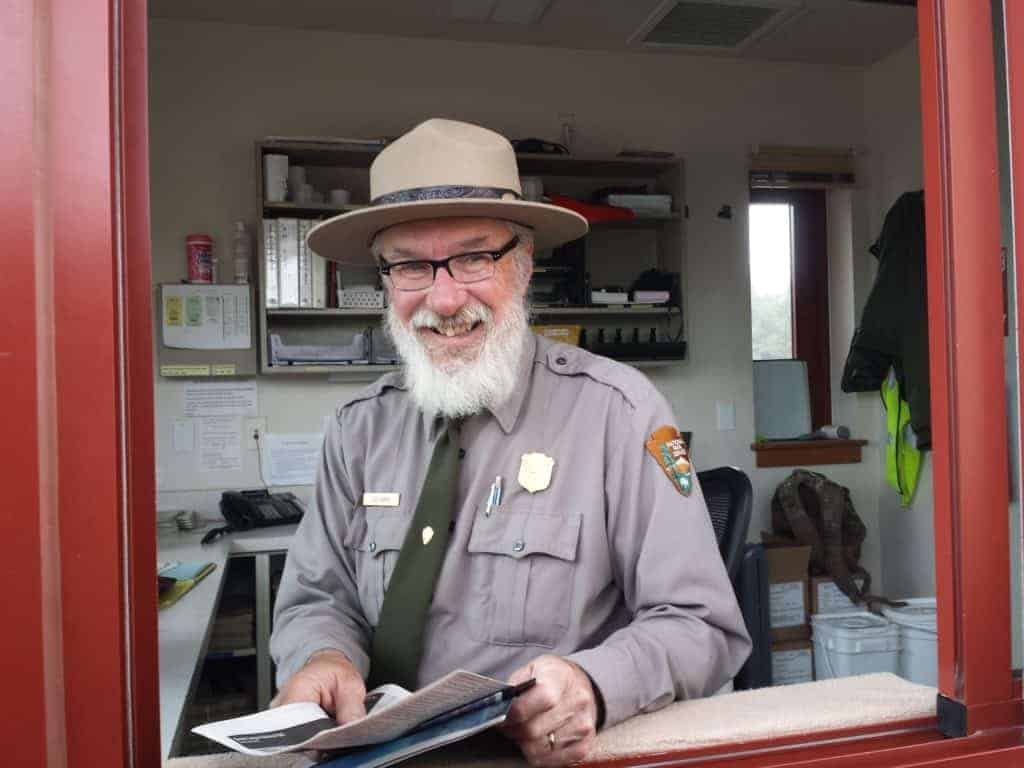
    Best job for retirees: Park Ranger
    Retirement job for a teacher: Park Ranger

    #19 Online English Teacher

    If the English language is still a passion of yours and you don’t want to say goodbye to teaching, you can become an online English teacher in retirement. The most comfortable part is that you can do it from the comforts of your own home.

    A lot of different companies are looking for (certified) teachers who can teach English online to kids or adults overseas. Mostly the students are kids from Asian countries. So the hours are often fixed hours per week because of the time difference. But you can decide how many hours you would like to teach, so you’re still in control of your retirement schedule.

    Where to apply: Check out these companies for online teaching jobs English Hunt51 TalkTeach Away and VIPKID

    Salary: Between $20 – $25 per hour

    Skills: Fluent in English and depending on the company, you need a bachelor’s or college degree (in education). But that’s already in your pocket.

    #20 Sell your teaching materials online

    You have years of teaching experience and developed a ton of teaching materials, methods, lessons over the years and that’s probably dusting away right now. Is it? Well, dust it off because you can earn money by selling your teaching recourses, classroom materials, lesson plans, activities, and even classroom decor online.

    Where to apply: Check out Edutopia and Teachers pay Teachers to register and get for more information.

    Salary: You can make a couple of hundred dollars a month or more, depending on what you have to offer.

    Skills: Knowledge of how you can sell your teaching materials in the best way.

    #21 Public Speaking Coach

    Speaking in front of a crowd is natural for you as a teacher. But that isn’t for everyone. For a lot of people, public speaking is one of their greatest fears. And giving speeches or presentations comes with a lot of jobs. And you can be the solution there are looking for. Because of your qualities and skills as a teacher can be very valuable to others. If you market your talents the right way you can make great money in retirement.

    You can become a public speaking coach for different people from teachers, salespersons, managers to CEOs from successful companies. You teach them:

    • to overcome their fear of public speaking,
    • learn tricks on how to keep a crowd interested,
    • and how to sell their story the best way possible to help grow their business.

    You don’t need a degree to become a public speaker. And your years of experience in the classroom is sufficient to help most people overcome their fear of public speaking. But knowledge on how to coach people, and knowing business communication will help you coach people in the corporate industry as well.

    Where to apply: Start your own business as a freelancer to help individuals or provide lessons and your services at different companies. Or check for jobs nearby on Indeed or Simply Hired.

    Salary: Presentations coaches can charge half- or full-day sessions from anything between $2,500-$5,000 (plus travel). Or hourly prices for individual coaching can vary between $50 – $150 per hour.

    Skills: coaching skills, problem-solving, sales, business communication skills, leadership, team communication, argumentation, and persuasion.

    #22 Trainer

    You know how to educate others and how to keep an audience interested and entertained, so why not use these skills to become a trainer in retirement. And the possibilities for being a trainer are endless.

    Do you like dogs? You can become a dog trainer in retirement. Do you like first-aid? You can become a first-aid trainer for companies. Or maybe you have a hobby you’re great at, and people are willing to pay for your expertise. For example, painting, crafts, cooking, car mechanics, or whatever you can think of. Or maybe you’re the fittest retiree in town, and you can consider becoming a personal trainer for other retirees.

    Pass the required tests or exams to become a licensed trainer within your desired field and start enjoying life in retirement as a freelance trainer.

    Where to apply: Get information on licensing and state regulations within your desired field, get your license, and start promoting your services.

    Salary: Entirely depends on the field and your years of experience. But probably anything between $10 – $150 per hour.

    Skills: in-depth knowledge of the field, communication, interpersonal, organization, enthusiasm, passion, patience, humor.

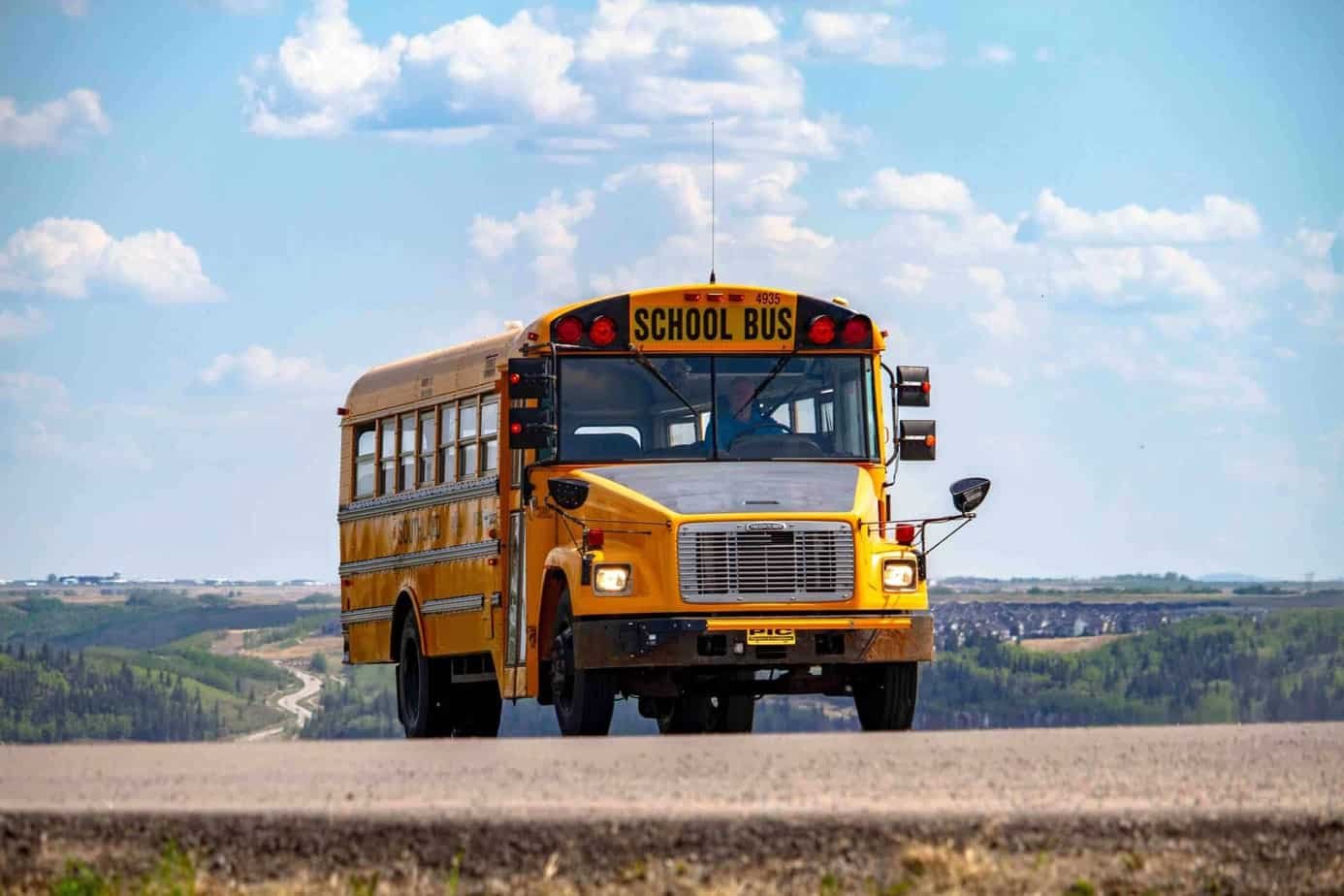
    #23 School Bus Driver

    If you love to be around (your) students you can also consider becoming the school bus driver in retirement. You can still keep on eye on the students and influence them in a positive way, but be away from school and doing something new.

    It can be a refreshing job for you in retirement, but you need to earn you a school bus driver certificate to be able to do this job in retirement. And these are the requirements:

    • Have a commercial driver’s license (CDL)
    • Must have at least 20/40 vision and a 70-degree field of vision in each eye.
    • Have a clean driving record.
    • And have good hearing.

    Where to apply: You previous school or other schools nearby.

    Salary: Around $14 per hour

    Skills: school bus driver certificate, good eyes, and ears.

    #24 Government Jobs for retired Teachers

    Government jobs can be one for the best jobs for retirees because they come with many benefits. Some positions provide health and dental coverage with only working a minimum of 10 hours a week. And this coverage can make a lot of difference to live a stressfree life in retirement.

    It’s also sometimes easier to get a job as a retiree at the government, due to special hiring programs. And the government provides free training on the job at many different positions.

    There are many different government jobs out there for retired teachers and I’ve made a list of websites you can check out to find a position that fits you:

    If you haven’t found your perfect job within these 24 retirement jobs for teachers, you should check out my other article with the 50 best jobs for retirees here.

    Recommended Articles

    The following articles are interesting for you to read as well:

  • How To Deal With Depression In Retirement | 15 Helpful Tips

    How To Deal With Depression In Retirement | 15 Helpful Tips

    If you feel depressed in retirement, you’re probably wondering how you can deal with depression? I wrote this comprehensive article to help you out.

    Disclaimer/ Important Notice:
    I am not a doctor. With this article, I want to be as helpful as possible to help you deal with your depression in retirement. The information and tips in this article come from online research and are based on my insight and experience. It’s not intended as a substitute for professional medical advice.

    Contact your doctor for professional health advice.

    When you’re living in the United States, You can also contact SAMSHA’s National Helpline via 1-800-662-HELP (4357)

    I did extensive online research to write this article, and also share many of my own experiences. I have suffered multiple times from depression. And unfortunately, it runs in the family, so I know depression will occur to me more often than maybe someone else.

    But I’ve come to terms that my brain is wired differently and produces more or fewer hormones than needed. And also, because I’m a critical person and a perfectionist, my mind is, by default, more negatively trained than positively.

    For dealing with depression, I made a lot of mistakes. Luckily I learned from my mistakes, and I know more about what to do and how to deal with depression. And that’s why I want to help you out and give you 15 practical and hands-on tips in this article. So you can cope and recover from your depressive symptoms. These tips are a combination of behavioral and cognitive strategies that can help you deal with depression.

    First, I’ll share 15 helpful tips on how you can deal with depression in retirement. At the end of the article, I’ll share more in-depth information about what depression is and which symptoms are common when you’re dealing with depression in retirement.

    #1 Reach Out To Get Help

    You need to reach out and explain to others what’s internally going on and how you feel. Without reaching out, you can’t get support. And you need support and help and feel the love from other people to make you feel a bit better.

    They don’t have to be able to fix you but to be an active and compassionate listener. Sometimes getting things off your chest and talk about your feelings can help you feel more relieved. You can call someone, but it’s better to have face-to-face time with people.

    Tips For Reaching Out:

    • Have lunch or grab coffee with a friend
    • Plan a fixed dinner evening with family
    • Call on an old friend
    • Go for regular walks with your neighbor
    • Connect with people with depression (groups) to share experiences and receive advice

    It can be tough because if you reach out, that also means acknowledging the fact that you have a problem. Many people don’t even come to that first step. They don’t know or can’t accept the fact that they have depression.

    And besides reaching out to get social support from family and friends, it also important to reach out to get professional support. When you’ve tried many things, and you aren’t feeling better, than it’s time to get professional help. Mild depressions can often be cured by consciously changing behavior. But severe depressions need professional attention. In some cases, medication is needed to get you out of your depression.

    When you’re living in the United States, You can also contact SAMSHA’s National Helpline via 1-800-662-HELP (4357)

    [cp_modal display=”inline” id=”cp_id_fefb0″][/cp_modal]

    #2 Exercise Regularly

    Exercising has many benefits. If you exercise regularly, you strengthen your muscles, manage your weight, and reduce the risks for many diseases. So it increases your chances of living longer. But exercising also improves your mental health.

    A study in the journal Medicine & Science in Sports & Exercise reported that physical activity is a good way to curb depression and to prevent the emergence of depressive symptoms.

    And according to Harvard Medical School: “Exercise reduces levels of the body’s stress hormones, such as adrenaline and cortisol. It also stimulates the production of endorphins, chemicals in the brain that is the body’s natural painkillers, and mood elevators.”

    It’s clear that exercising reduces stress and symptoms of depression and anxiety, and it can help with your recovery from depression. So get out and get physically active every day or at least 3-4 times a week. And you’ll feel the difference and experience how powerful exercising for uplifting our mind is.

    Tips For Exercising:

    • Swimming (in lake, ocean or nearby pool)
    • Hiking (in nature boosts your mind even more)
    • Running
    • Walking (dogs)
    • Yoga
    • Aqua aerobics
    • Tai Chi
    • Lift weights
    • Dancing
    • Get your bicycle out for a ride
    • Gardening

    #3 Stay Active

    When you’re depressed, you’re inactive. You do less and less over a stretch of time, and that can make the symptoms of depression even worse. To curb depression, you need to change your behavior. And that means that you have to do the opposite of what you’re doing right now. Even though you don’t feel like doing anything and would rather stay inactive. The solution to curbing depressive symptoms is to act against the depression and come into action.

    When you were still working, your work-life came with routine and fixed activities. You need to replace those factors in retirement to enjoy your retired life. So that means you need to stay active: mentally, physically, and socially. Its the combination of these three that will help you become happier.

    It doesn’t mean you need to go back to work because that’s the only solution. You can replace being active with other activities in retirement. But for some retirees, it does mean that they like to get a (part-time) job to stay active.

    I’ve already given you tips on how to stay physically active above. And I’m going to dive more in-depth on how you can stay socially active later in this article. So the third one left is staying mentally active.

    You need to challenge your mind to stay mentally healthy. If you keep your brain healthy, you prevent the risk of Alzheimer’s, and it also improves your memory, concentration, and general problem-solving. So include mentally challenging activities in your daily retirement schedule to become mentally fit.

    Examples Of Staying Mentally Active:

    • Solve puzzles (sudoku, crossword, etc.)
    • Learn something new (skill, language, musical instrument)
    • Read an inspirational or informative book
    • Meditation
    • Start writing (family history book, novel, start a blog)
    • Listen to (positive) podcasts
    • Watch inspirational TEDTalks

    You’ll find more information about staying mentally active in my article, How Can I Keep My Brain Active After Retirement.

    Best Activity To Stay Mentally Active In Retirement

    One of the best things you can do to stay mentally active in retirement is learning new skills. If you keep learning new skills, you keep challenging yourself. You can easier set new goals, which helps to deal with depression as well.

    I’m really inspired by Masterclass. It’s an online platform where you can learn from the most successful and famous people in the world. You can find over 80 different courses and more than 1000 lessons on the Masterclass platform.

    Some of the famous teachers are Martin Scorsese, Tony Hawk, Kelly Wearstler, Ron Finley, and many others. They all have courses in the disciplines they’re famous for. Start today with an inspiring course, and get your all-access pass for Masterclass here;

    #4 Find Purpose In Life

    The main purpose of working was to earn money, save money for retirement, pay the bills, and achieve goals. Every day was clear why you were going to work whether you enjoyed your job or not. Your life had a purpose, and you felt useful and worthy.

    And maybe now, in retirement, you don’t feel like you have a purpose or direction in life anymore, and that makes you feel depressed. But don’t worry, let’s see how you can find purpose again.

    You need to have a purpose or passion in life to have a sense of direction, that motivates you and gets you excited, waking up every morning. If you want to live a happy retirement and find fulfillment every day, then you need to find something that you’re passionate about.

    You need this compass that guides you so you can set goals and make action plans in retirement. Which ultimately leads to feeling useful and worthy again.

    Difference Between Purpose and Passion

    People often mix up purpose and passion. Your purpose is something you live for, or maybe your goal in life. Your passion can be something you love to do. For example, you can be passionate about gardening, your purpose can be how to teach others the basics of gardening.

    If you’re dealing with depression, you probably find it hard to be passionate about something right now. But there was a time you were passionate about things, and maybe something pops up in your mind right now. You just need to rekindle the love you had for that passion by coming into action.

    And if you don’t know what that was, you need to do a little digging. And connect with your inner guide: your heart, intuition, and gut feeling. Sometimes your passion is that old hobby or interest you had as a child and dust it off again. And other times, you need to dig a little deeper and try out stuff. It’s a process where you have to think and analyze your mind while trying out things that will lead to discovering your true passion and purpose in life.

    Ask yourself these questions:

    • What subject can I read 500 books about without feeling bored?
    • What did I love to do as a child?
    • Who inspires me?
    • What is the one thing I always wanted to do?
    • What drove me in the past?
    • What made me happy in the past?
    • How do I want to bring value to people’s lives?

    Maybe your life purpose is helping others. Maybe it’s inspiring others, or maybe its something totally different than that. And if you don’t know the answer to one or more of these questions you can ask other people like your closest friends and family members. They probably have seen what made you happy in the past so they can refresh your memory.

    As I mentioned earlier in this article, to fight depression, you need to move in the opposite direction and come into action. So you can also experiment in new activities to find out what your purpose in life is. And that means getting out of your comfort zone and try out new things.

    Experiment examples:

    • Participate in your friend’s hobbies
    • Volunteer at a charity for a day
    • Try to visualize your perfect day
    • Sign up for a club
    • Sign up for a class you’re interested in
    • Create something new: According to successful writer Oliver Emberton: “When you create something new, you’re inventing something to be passionate about.

    After you find your purpose, and often that doesn’t happen overnight, you can formulate and write down your Life Purpose Mission Statement. Reminding yourself of this life statement daily or weekly keeps you motivated, focused, and helps you prevent depressive symptoms in the future.

    I’ll share more helpful tips in my article, How To Find Your Passion In Retirement.

    #5 Stay Socially Active In Retirement

    Socializing is an important activity in retirement that gets often overlooked. Many people are not aware of the enormous effect social connections have on people’s mental and physical health.

    Multiple studies have shown that socializing has both physical and emotional health benefits. Being social can improve your brain health, it can boost your mental health, and positive social bonds can also lead to a stronger immune system.

    Retirees who suffer from depression don’t make social activities a priority in life. The number one mistake retiring is decreasing your social time instead of expanding your social circle. Being social is one of the most important ingredients to living a happy retired life. And when you’re depressed, you retract yourself from daily life and the connection with others. Which only makes things worse.

    If you want to recover from depression in retirement, it’s essential to have social connections daily. And here are a couple of ideas on what you can do to be social:

    • Schedule a weekly family dinner
    • Email or call an (old) friend
    • Organize a daily coffee routine with your neighbor or someone else
    • Apply for a (part-time) job – You can earn money, have a purpose in life, stay active, and be social all in one. Read more: The 50 Best Jobs For Retirees.
    • Do volunteer work – When you volunteer, you are doing something good, you’re social, and you help others. It’s is a very productive and quick way to feel better about yourself quickly because helping others makes you also happier at the end of the day. Check Volunteer.gov for volunteer jobs.
      Read more: Why Do Retirees Volunteer?
    • Travel – Start traveling to fuel your soul again with fresh energy. It’s the most adventurous way to stay active and also be social. When you travel you’ll meet a lot of new people from all walks of life and they can inspire you to look at life differently. This can decrease your depressive symptoms.
      Read more: How To Travel The World After Retirement: 45 Expert Travel Tips

    If you want to learn more about staying socially active in retirement, I recommend reading my article, How Can I Stay Socially Active After Retirement?

    #6 Rediscover Your Identity

    When your sense of self was strongly tied up to what you did as a job, life in retirement is uncomfortable for you. You lost your identity and your value because you stopped working so you can feel lost. And therefore you need to rediscover who you are.

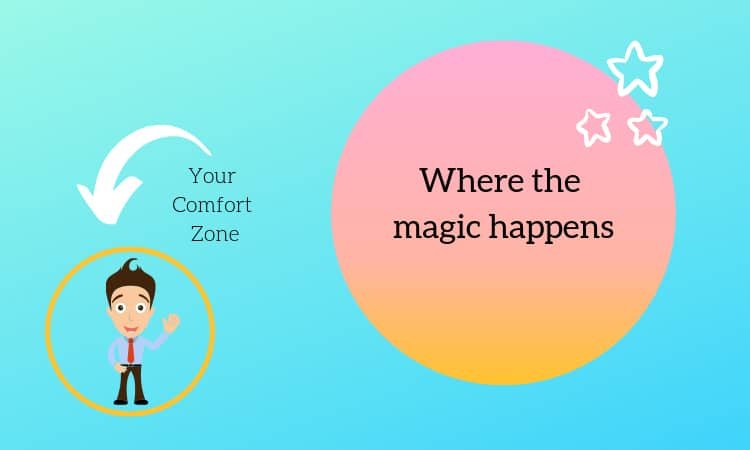
    Rediscovering who you are (again) is trying out new things and getting out of your comfort zone. And that means doing things you’ve never done before or things you haven’t done for a while.

    Getting out of your comfort zone helps you to:

    • be more productive,
    • It can stimulate your creativity,
    • It makes you more flexible when unexpected things happen in life.
    • Learning new things throughout your life also contributes to happiness.

    If your looking for inspiration about fun things to do in retirement, I recommend reading my article, 101+ Ideas For Your Retirement Bucket List

    #7 Create A Schedule

    Another big reason why people fill lost in retirement is that they don’t have a routine and don’t have a schedule. The openness of having all the time in the world in retirement is exciting for many people, and for others, it’s scarier. They don’t know what to do with all this free time on their hands, and the next thing is that they waste their days with aimless and unfulfilled activities.

    A routine and schedule are essential for a healthy life. People are creatures of habit, and routines offer us a way to promote health and wellness in our lives through structure and organization. Having a routine can significantly improve our health, and weekly scheduling activities are something for us to hold onto and look forward too.

    Many people who don’t have any routine suffer from depression and stress. So an essential way to recover from depressive symptoms is to create a healthy routine and start planning regular activities.

    I explain more about how you can create a routine in retirement in my article, How To Spend Your Day In Retirement: Step-by-Step Guide

    #8 Set Goals In Retirement

    Having a goal helps you to move forward in life, and it enables you to prioritize your time better, so goals in life are essential.

    By setting a goal:

    • You move your life forward,
    • You push yourself out of your comfort zone,
    • You can make dreams reality,
    • You help believe in yourself,
    • You prioritize your time better,
    • You can live your retirement to the fullest.

    When you’re depressed in retirement, you don’t want to start setting high goals for yourself. You have to take it easy on yourself and go for quick wins that will boost your confidence day after day.

    So set a goal for each day for the rest of this week to help you get started. And continue doing this week after week.

    Sometimes getting out of bed is the hardest thing to do when you’re depressed. But you need to set a goal for each day that is easy to reach but also motivates you and brings you into action. After accomplishing that goal each day, it makes you feel fulfilled and worthy. And that is necessary to build up your self-esteem.

    As you move on, day after day, and week after week accomplishing goals, you will become more confident. And after feeling better and more confident, you can think about going after higher goals or dreams that you want to pursue. Maybe, you figured out your purpose in life so you can set goals in retirement that align with your passion.

    The little goals in the beginning that maybe sound stupid can have an enormous effect. For example: walking the dog and making a healthy dinner every day are the ones that will help you move forward to bigger things in the future.

    It takes daily small steps that lead to long-term results. And the easiest goals you can set for yourself every day is to get up out of bed at a specific time and make your bed. Within the first minutes of your day, you’ve already accomplished two goals. And that will help you be motivated to reach for other goals during the day.

    #9 Get A Daily Dose Of Nature

    Nature does wonders for our health. And here are a couple of free things nature can offer you when you feel depressed:

    Sunlight

    Low levels of serotonin are associated with a higher risk of major depression. And when you’re exposing yourself to sunlight, your body boosts your serotonin levels. And this hormone improves your mood and makes you feel calm and focused.

    Also, your body produces vitamin D when you’re exposed to sunlight. No wonder it’s called the “sunshine vitamin” because it helps the body absorb calcium, which is essential for bone health.

    Make sure to use sunscreen but take off your sunglasses while getting your daily dose of sunlight. The sunlight gives signals to particular areas in the retina (eye), which triggers the release of serotonin. But don’t look directly in the sun because that harms your eyes.

    Experts from Healthline suggests that you need 5 to 15 minutes of sunlight on your arms, hands, and face two to three times a week. That is enough to enjoy the vitamin D-boosting benefits of the sun.

    Tips For Getting Sunlight:

    • talk a walk every day around your neighborhood
    • kill two birds with one stone by exercising outside
    • go out gardening every day
    • Increase the amount of natural light in your home. Open up the blinds and drapes and sit near windows.
    • use light therapy in winter or less sunny area

    Fresh Air

    Also, fresh air can help you refresh your mind. And it helps digest food more effectively, improve blood pressure and heart rate, and strengthens your immune system, leading to a healthier you.

    Ocean

    Ever felt refreshed or energized after a jump in the ocean? Well, that’s because magnesium-rich seawater helps promote our body’s natural relaxation process leaving us feeling refreshed after each swim. It relaxes our muscles; it reduces stress and helps induce sleep.

    Also, the unadulterated bacteria and iodine in the sea ease constipation and cleanses the gut, which is why it makes you feel more energized after a jump in the ocean. And the bacteria help improve our immune function, and the magnesium improves nutrient absorption in the body that results in better metabolic activity.

    So jump in the ocean or take a salt bath regularly and it can help you feel much better.

    The Wonders Of Being In Nature

    Being in nature reduces anger, fear, and stress, and increases your mood. Nature will make you feel better emotionally. And it also contributes to your physical health: reducing blood pressure, heart rate, muscle tension, and the production of stress hormones. 

    Negative ions are the key to well being. They strengthen the body’s immune system and stimulate the supply of oxygen to the brain, and activating the mind and the body as well as bringing more mental energy. Most negative ions (from 5,000 – 50,000 per cubic centimeter) are present in the mountains, at sea, and in forests. 

    #10 Improve Your Sleep Hygiene

    As I mentioned in this article is that a routine is essential to recover from depressive symptoms. And a healthy routine comes with improved sleep hygiene.

    Maybe you can’t sleep very well, or your sleep is very restless and irregular. And to help you sleep better and feel more rested each morning, you need to improve your sleep hygiene.

    The most important factor with sleep hygiene is that you need to stick to the same sleep and wake schedule. Because to keep your hormones in balance, you need to go to sleep at the same time every day and also get out of bed the same time every morning.

    This routine is needed to create a healthy body rhythm. Because when you’re depressed, your rhythm is lost. So your body doesn’t know when to produce hormones to help fall asleep and when to produce hormones that help waking up. And with a fixed sleep routine, you send the right signals to your body to get into a healthy rhythm again.

    Tips To Help You Sleep Better:

    • Clear your mind with meditation before you go to bed
    • Prepare tasks for the next morning to feel organized and have no worries
    • Tidy up your house because a clean home is a clear mind.
    • Avoid caffeine or alcohol before sleep
    • Minimize your time watching screens 1-hour before bed
    • set the right temperature in your bedroom
    • and make the bedroom as dark as possible.

    #11 Limit Your Screen Time

    Many retirees spend their days watching TV or aimlessly scrolling the internet. And spending hours watching a screen doesn’t make you feel better about yourself. So you want to limit your screen time as much as possible because you didn’t work so hard in life to waste your days in retirement like that.

    If you love a show, then don’t be afraid to watch that show in retirement. But be aware that watching TV doesn’t become an aimless activity for many hours a day because you feel like you don’t have anything else to do. Then it’s an unhealthy habit.

    Also, spending a lot of time on social media is very tricky. Social media is a wrong reflection of the reality of life. Everything seems perfect on social media. So it’s easy to start comparing your life to other people’s unrealistic life. It takes a strong mind not to compare yourself to others, and that feeling of unworthy can sneak up on you very quickly this way.

    #12 Have A Healthy Diet

    If you want to feel better, you need to eat better because what you eat impacts directly how you feel. For that, you need to reduce the foods that affect your brain and mood. You want to avoid or limit the following: caffeine, alcohol, trans fats, sugar, and foods with high levels of chemical preservatives or hormones (such as certain meats).

    Tips For Eating Healthy:

    • Limit sugar, and too many carbs – Too much sugar or high fatty carb meals lead to energy and mood crashes.
    • Eat regularly – Between 3 – 6 times a day. So don’t skip meals because you can feel irritated and tired.
    • Don’t eat your feelings – Many people reach for food when they feel bad. They seek comfort in food, but that isn’t a healthy approach to comfort yourself. You want to challenge negative thinking by creating a positive mindset. 
    • Boost your vitamin B levels – with foods like citrus fruit, leafy greens, beans, chicken, and eggs.
    • Stabilize your mind with Omega 3 – in fish oil supplements or eating fatty fish

    Also, the use of turmeric can influence the balance of neurotransmitters in the brain. Studies have shown that turmeric can reduce anxiety and depression. Check out more information about the benefits of turmeric.

    And check out this article if you want inspiration and recipes that improve your mood.

    #13 Create A Positive Mindset

    Creating a positive mindset is crucial to overcome your depression and to prevent depressive symptoms in the future.

    In depression, you have a negative outlook on life, yourself, and the world around you. Let’s say you’re perfect at negative thinking. That’s your default modus right now. So to turn that around, you need to train yourself in positive thinking.

    See the mind as a muscle. If you want to have bigger biceps, you need to train every day in the gym to become stronger and see it grow slowly. Well, the brain works the same way. It’s also a muscle.

    And you have powerful “negative muscles” in your mind right now. You paved so many roads within your brain that (always) ended up in negative thoughts.

    To change that, you need to train new muscles that aren’t strong yet and create new paved routes that lead to positive thinking. And to be able to create a positive mindset is to train the mind consciously every day until it becomes unconscious behavior. And this can take months. Some experts say that creating a new habit takes between 30 – 60 days of daily repetition before it becomes an autopilot mode.

    Tips To Create A Positive Mindset:

    • Start the day with positive affirmation in the mirror – Say something kind to yourself in the mirror every day. For example, I like you, I love you, You’re strong, You’re beautiful or You are enough are powerful affirmations. Even though you don’t believe it now, you have to say these things every day. Because after saying it more often, you start believing it and act upon it.
    • Focus on the good things even though there are small – And if you caught yourself with focusing on something negative. Replace that one thought with at least two positive thoughts.
    • Find humor in everything – Even when something bad happens. Find the fun in it to turn the energy around.
    • See your failures as lessons – Each time you think you failed, then come up with at least two lessons you can learn from it. The most successful people failed over and over again. The ones that learned from their mistakes are the ones that succeeded. 
    • Be in the present – People who worry are stressed or depressed and are not living in the present. They live in the past or future. Because they have bad thoughts and feelings about things in the past or feel anxious about what might happen in the future. To remind yourself of staying present, you can practice mindfulness. With meditation and focusing on the breath, you can remind yourself to live in the present. Headspace is one of the best-guided meditation apps that makes meditation very easy and accessible for everyone.
    • Surround yourself with positive people – You can’t create a positive mindset if there always people with negative thinking around you. So be selective about who you invite into your life and surround yourself with because it can affect your mood greatly.

    You need to be very aware and conscious of the thoughts in your mind because negative thoughts harm you. Have you ever experimented with boiled rice in a jar? Well, I advise you to do it because then you can visibly see how much harm negative energy can affect something or someone. And then you’ll see how much effect your negative thinking is harming you as well.

    How To Do The Rice Experiment:

    • Boil a batch of rice and distribute the rice into two jars.
    • On one jar you put a note with loving words as “I love you.”
    • And on the other jar, you put a note with negative words like for example “I don’t like you” or even stronger words
    • In the next 30 days, you approach these jars differently very day. You yell negative things to the jar with the negative note. And you treat the jar with the positive note with love, care, and respect and say nice things too.
    • After 30 days you will see that the positive jar of rice is still in good shape, and the rice in the other jar is rotten.

    Your energy approach changes the chemistry of the rice. And the same works for your body. It’s made of 70% of water, so you influence your own chemistry every day as well with your thoughts and energy. If you don’t believe it? Try it!

    #14 Do Fun Things

    Doing fun things is an easy tip, you might think. You probably have come up with it yourself as well. But the reason that I mentioned this explicitly is that in depression you retract yourself from all the activities you normally would enjoy. And it really helps to improve your mood if you’re pushing yourself to do all fun things again and become active instead of staying inactive.

    I recommend reading my article, How Can I Fun In Retirement, for more inspiration.

    #15 Take Responsibility

    In depression, you’re in a victim role. You feel sorry about yourself. But staying in a victim role doesn’t help you recover from depression. Because as a victim, you feel like you don’t have control over your life, and that makes you feel hopeless.

    To retake control of your life, you need to be aware that you need to get out of the victim role. And take on the responsibility to turn your life around. Your perception becomes your reality.

    Seeing this pattern and actively switching my mindset from victim to being responsible for my actions, has played a massive role in how I deal with depressive symptoms. When you feel depressed, you actively have to say to yourself: “It doesn’t help me to feel sorry for myself, so what can I do right now to make me happier?” For me, it’s: helping others, exercising, take a dive in the ocean, meet a friend, etc.

    Create Personal Instruction Guide

    Maybe one or multiple of these tips help you out to fight your depression. And when you notice feeling better, you can start writing down what you did that have improved your mood and mindset. Write down the thoughts and feelings and what actions made you feel better. By doing this, you’re creating your personalized instructions guide to avoid and prevent depression in the future.

    Sometimes you just need a little reminder of what helped in the past to help you through today. And what better way to help you then the instruction guide you created yourself.

    Disclaimer/ Important Notice:
    I am not a doctor. With this article, I want to be as helpful as possible to help you deal with your depression in retirement. The information and tips in this article come from online research and are based on my insight and experience. It’s not intended as a substitute for professional medical advice.

    Contact your doctor for professional health advice.

    When you’re living in the United States, You can also contact SAMSHA’s National Helpline via 1-800-662-HELP (4357)

    Retirement And Depression

    The idea of retirement that most people have is that it’s all fun and games. They imagine that retirement is the time where they only do the things they love to do and always wanted to. Unfortunately, the reality is different.

    Studies show that the chances of getting a depression increase by about 40% after retiring. Retirees are likely to report feeling symptoms of depression twice as likely as to people who are working.

    So if you think you’re the only one. You’re not. Depression in retirement is unfortunately very common, but because there is a stigma on mental health issues, not a lot of people talk about it. Or are afraid to seek help.

    But it’s not only people in retirement that suffer from depression. One in three people will experience a depressive period at some point in their lives. While most cases of depression stay mild, about one in ten people will have a moderate or severe episode of depression. It’s one of the most common mental disorders in the United States.

    I don’t want to make you more depressed by explaining to you these numbers. But it’s good to know that a lot of people suffer from depression and you’re not alone in this fight.

    What Is Depression?

    Depression is a mental disorder characterized by persistently depressed mood or sadness feeling, loss of interest in (enjoyable) activities, and low motivation, which considerably affects daily life.

    Depression affects how you feel, think, and behave and can lead to a variety of emotional and physical problems.

    What causes depression?

    Depression is a complex disease, and until this point, nobody really knows what causes it. But there are a variety of reasons why depression can occur in your life.

    Depression can be caused by physical illness, medications, conflict, death or loss, substance abuse, major life events, and your genetics. 

    About 50% of the predisposition for depression is due to genetic influences, according to Stanford Medicine. So if this runs in your family, you can even experience depression and feel overwhelmed with sadness and loneliness for no known reason.

    A person’s personality characteristics are also an important factor. Why do some retirees transition smoothly into retirement, and others struggle a bit more and feel depressed? Well, everyone is different. 

    Someone else can have a more positive mindset on life compared to you. He or she always sees the glass half full, whereas you are maybe more critical and see the glass half empty more often.

    That doesn’t mean you’re a negative person. You’re just wired (in your brain) differently. But luckily, you can train the mind and pave new roads in the mind that lead to more positive thoughts. Later in this article, I explain how you can create a positive mindset.

    Also, a disbalance in hormones can lead to depression. More and more researchers are learning that the fluctuation of hormones plays an important role in the development of depression. And because women have a monthly menstrual cycle involving fluctuating hormones, they are twice as likely to be diagnosed with depression.

    How it works is that the brain manages hormonal changes, and the hormones act upon the brain, including the parts of the brain underlying emotional behavior. According to psychiatrist David Silbersweig.

    Causes Of Depression In Retirement

    Most retirees suffer from depression in retirement because the transition from working life to a life filled with leisure is more difficult than anticipated. They prepared there a financial plan for retirement, but they didn’t plan on how they want to spend their time in retirement.

    Work-life gave them a purpose in life, social connections, a steady routine, and a feeling of being useful and worthy. All this goes away in retirement. And if you’re not prepared to replace those factors with new ones, depression can sneak up on you.

    Another cause of depression in retirement is, is that many people identify themselves with their job. In western society, what you do is more important than who you are as a person. So if you don’t have a job and your sense of self was tied up to that job strongly, you can feel lost in retirement. You don’t know who you are and what your value is, and that can lead to depression.

    Also, changing dynamics at home can be a reason for depression in retirement. Your role is changing. You’re at home more often, and that can feel uncomfortable and can also cause conflicts with your spouse or family members. For that, you all need time to adjust to the new situation.

    One of the other major factors for depression in retirement is that people have anxiety about their finances. And don’t know how to make ends meet in retirement. And this constant stress and hopelessness can lead to feeling overwhelmed and depressed. 

    Being prepared for your new life in retirement is essential to avoid depression in retirement.

    Depression Symptoms

    Depression isn’t limited to just feeling “sad.” The symptoms can vary and are both emotional and physical. Also, depression can make it difficult to do normal daily activities and also has a negative impact on different areas of functioning.

    Psychological Symptoms:

    • Feeling miserable, frequent crying, feelings of hopelessness, and worthlessness. These feelings are present most of the day but can vary in its intensity. And it lasts for weeks or months.
    • Loss of interest in (enjoyable) activities.
    • Slowed or inefficient thinking. This leads to difficulties in concentration, sorting out problems, and having trouble with making plans and decisions.
    • Recurring negative thoughts. Particularly about being guilty and being a bad and unworthy person.
    • Thoughts that you would be better off dead or thoughts about harming yourself in some way.

    Physical Symptoms:

    • Loss of appetite and changing eating patterns. Including significant weight loss or gain.
    • Lower libido.
    • Loss of energy, even when you’re not physically active.
    • Loss of sleep despite feeling exhausted. Sleep is typically restless and unsatisfying. With early morning wakening (one to two hours earlier than usual) or sleep a lot more than usual.
    • Inactivity.

    Disclaimer/ Important Notice:
    I am not a doctor. With this article, I want to be as helpful as possible to help you deal with your depression in retirement. The information and tips in this article come from online research and are based on my insight and experience. It’s not intended as a substitute for professional medical advice.

    Contact your doctor for professional health advice.

    When you’re living in the United States, You can also contact SAMSHA’s National Helpline via 1-800-662-HELP (4357)

    Recommended Articles

    The following articles might be interesting for you to read as well:
  • How Do You Celebrate Someone’s Retirement? 14 Fun Ways

    How Do You Celebrate Someone’s Retirement? 14 Fun Ways

    Someone you know, a coworker, friend or family member, is retiring soon and you would like to celebrate this special occasion. And you wonder, how do you celebrate someone’s retirement?

    No need to look further, I’ve listed 14 ways to celebrate someone’s retirement that are fun, creative, and memorable! And will make the retiree feel special, loved, and appreciated. Let’s get started right away.

    1) Plan A Retirement Party

    Organizing a retirement party is a great way to celebrate someone’s retirement. This milestone is a life celebration, so why not have a party.

    You can organize a retirement party at the office, at home, or at a different venue.  You can plan a brunch, lunch, drinks, bbq, dinner, pool party, dance party, or a combination. Make sure to invite the most important people in the retiree’s life. So that’s always a mix of family, close friends, and colleagues. And if you want to make it extra special, you can keep it a surprise for the retiree.

    If you don’t know the retiree that well, ask around to find out from friends or family members if the retiree appreciates getting a retirement party. If you’re close to the retiree, you also want to ask around and make sure nobody else is planning a similar retirement party on the same date.

    If you like to learn more about how to organize a retirement and get more ideas, you can the following helpful articles:

    2) Give A Speech

    Giving a speech to celebrate someone’s retirement is a great way to show they are appreciated. You can do this on their last day at the office, during a retirement party, in the last meeting or another appropriate occasion.

    Writing a good speech can be hard. How can you summarize someone’s whole career in a couple of sentences? Well to help you here is a list of topics you can address in your speech to the retiree:

    As a coworker:

    • Memories you cherish together
    • Their contributions to the job/ company
    • Lessons you have learned from them
    • Their achievements and successes
    • What you’re going to miss about them
    • What you wish for them in the future
    • (Funny) stories and anecdotes
    • Thank them
    • Congratulate them

    As a friend or family member:

    • Memories you cherish together
    • Reasons why you’re proud of them
    • Lessons you have learned from them
    • Their achievements and successes
    • What you wish for them in the future
    • What you are looking forward to now he/ she is retired
    • (Funny) stories and anecdotes
    • Thank them
    • Congratulate them

    Want to give the best retirement speech ever? Make sure to read my article 20 Expert Tips On How To Give The Best Retirement Speech.

    3) Give A Presentation About The Retiree’s Career Highlights

    To celebrate someone’s life or career, you can give a presentation and show highlights of their life and achievements. The most common way in the past is to make a PowerPoint presentation with bullet points, text, and photos.

    But there are other ways to give a goodbye presentation like using, video, photos and telling funny stories and warm memories. And you can ask multiple people to speak to make the presentation even more memorable. And using humor is one of the key points for a good and fun goodbye presentation.

    #1 Secret To A Retirement Celebration Success!

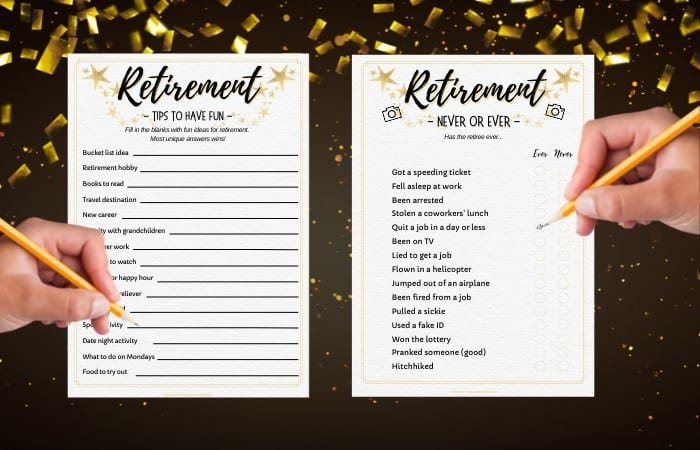
    I discovered the secret to a retirement celebration success: fun party games.

    And that is why I have created a printable Retirement Party Game Bundle with 10 amazing party games. The perfect addition to any retirement celebration.

    Just download, print, and play!

    4) Create A Video

    Nowadays, we record videos all day every day. So creating a video with coworkers, friends, and family, is a creative and easy way to celebrate someone’s retirement.

    Here are a couple of video ideas you can do:

    • Record a flashmob
    • Create a music video to his/ her favorite song
    • Create a video with (funny/ sincere) messages
    • Create a video where people give a toast
    • Create a movie trailer
    • Create a message video with people holding white pieces of paper with text at different places
    • Create a video where people answer the same 3 questions about the retiree

    Some of these videos are easy to create. Just send out an email or text to family, friends, and coworkers to ask if they can record a video message on their phone and send it back to you. You can collect all the videos and edit them into one beautiful retirement video. And it doesn’t have to be a lot of work!

    An online group video gift maker like Vidday can do it all for you. By sending a link you can collect video messages and photos from friends and family and create a retirement video montage — all in one place. And without you doing all the work.

    Read more: How To Make A Retirement Tribute Video: Step-by-Step Guide

    5) Create A Photo or Scrap book

    Another great way to make someone in retirement feel special and loved is to create a photo or scrapbook. Life is all about making memories, and a great retirement gift is a collection of all these memories in one place.

    You can ask friends, family, and friends to email you to share their best memories, funny anecdotes and great stories about the retiree. Along with pictures as well so you can make a scrapbook.

    If you have a ton of amazing pictures, you can choose to make a beautiful photo book of the retiree’s life/ career. And give it to them on the last day in the office or at the retirement party.

    Some of the best retirement gifts are not the most expensive ones but the most thoughtful gifts. Life is not about having great things, but it’s about collecting memories with great people in your life. And if you can produce a retirement gift down memory lane, you will definitely make someone’s day, month or year. And for the retiree, it’s a valuable item because he/ she can look back every now and then and reminisce.

    6) Organize A Flashmob

    An entertaining way to celebrate someone’s retirement is to organize a flashmob. Yes, it takes a bit of work to organize and rehearse, but it’s so much fun and rewarding when it all goes well.

    So if you don’t know what a flashmob is, let me explain. A flash mob is an organized routine of a group of people dancing together to surprise someone. It usually starts with 1 person and as the song goes on more and more people start dancing to the same routine. And the punchline is when you finish as if nothing has happened. So continue walking, chatting, or working as you did before the flashmob started. But you can also end with a sign, let the retiree join in, or other any other creative way you can think of.

    You can organize a flashmob in the office on the last day, in the canteen, parking lot, on the street, during a retirement party. You can do it anywhere you like as long as you bring your ghettoblaster with music, and you’re aware of the location limitations. You are good to go.

    And you don’t have to invent the choreography. You can find many videos on YouTube with flashmob instructions and choreography to different songs. The only job you have is to make other people enthusiastic about the idea and start planning.

    Here is a checklist on how to organize a flashmob:

    • Get enough enthusiastic people to participate
    • Pick a location
    • Search on YouTube for flashmob choreography to a song you like.
    • Send the YouTube video to all participants with other instructions like who starts the flashmob, second group, third group, etc. And include location, time, and date. Be very clear with your instructions.
    • Start rehearsing
    • Arrange props and costumes
    • Ask someone to record it on video
    • Do the flashmob
    Dance Instructions for Flashmob

    7) Give A Thoughtful Gift

    A good retirement gift is a thoughtful gift. So this can be a memory collection like a photo or scrapbook as I mentioned earlier. But a thoughtful gift is also a gift that represents the retiree’s interests, hobbies, and future plans. A gift that the retiree will like or need for his or her upcoming retirement plans. Like travel gifts, hobby gear, relaxation gifts, a retirement gift basket to enjoy in retirement. A personalized gift can make a retirement gift even more special.

    Read more: Top 5 Best Retirement Gifts For Anyone

    One Of The Coolest Retirement Gifts: Masterclass

    When someone is retiring you want to wish them the best in retirement. You hope they make the most of their time in retirement and wish them lots of fun and happiness. Well, you can put these words into a retirement gift and gift the gift of Masterclass.

    MasterClass is an online education platform with the world’s most successful and famous teachers: Gordon Ramsey, Christina Aguilera, Usher, Hans Zimmer, Stephen Curry, Carlos Santana, Jimmy Chin, Serena Williams, Dan Brown, etc. 

    Masterclass offers classes (for any skill level) taught by the best in the world: from cooking, acting, writing, poker, music, sports to science, and so much more.

    8) Give A Retirement Card With Best Wishes

    In a lot of cases, a retirement card with a personal message and best wishes is enough to celebrate someone’s retirement. Especially if you don’t know the person that well or you don’t see each other that often. It’s a small gesture that will be appreciated by the retiree.

    You can handwrite a card individually or as coworkers create one big card with messages from all the colleagues.

    Here are a couple of key points for writing a retirement card:

    • congratulate the retiree
    • acknowledge their hard work
    • add personal details about your relationship
    • write about what you appreciate
    • add a memory or anecdote to make it more personal
    • well wishes for the future

    Examples of happy retirement wish to write on retirement card:

    • Congratulation on your retirement. We’re going to miss you. You’re one of a kind and unreplaceable in this office. Enjoy your well-deserved retirement!
    • Happy retirement! There is a beautiful world waiting to be explored. I wish you the best on your next adventure!
    • Congratulations on extending your weekends with 5 days! Now every day is a Saturday. Happy retirement!
    • Young at heart. Slightly older in other places….. Congratulations and enjoy your retirement!

    Read more: What To Write In A Retirement Card

    9) Give A (company) Award

    Retirement is a huge achievement in life, and we like to hand out awards on any occasion, so why not give an award for retirement? This will make retirement even more memorable to the retiree, but also sets a tone for other people at your company.

    It’s very common to give an award to someone who is retiring. And here are some ideas:

    Within your company, you can make it a tradition to hand out an award when someone is retiring. Employees want to feel cared for and appreciated and giving an award just shows another way how much you value your employees. And you want to give an award that doesn’t end up in the attic. You want to give the retiree an award that they can put on their desk, mantelpiece, or other places of honor in their house.

    But you don’t have to be a company to hand out an award to a retiree. You can do it as family, friends, or coworkers. And maybe have some fun with it too. Like a plague with the Best Employee of the Year, World Record Holder Sleeping in a Meeting, World’s Best Dad, for example. Think about memorable or funny moments where you can give an award for.

    Other ways to celebrate someone’s retirement:

    10. Organize a quiz about the retiree

    11. Bake or order a retirement cake

    12. Hold a transition meeting

    13. Organize a roast

    14. Plan a prank

    How To Wish Someone A Happy Retirement

    When you celebrate someone’s retirement, you want to say the right things to wish him/ her a happy retirement. So here are a couple of examples to wish someone a happy retirement;

    • Congratulations on your retirement. I wish you good health, happiness, and success for this new and exciting next chapter in your life!
    • Happy retirement! May you live your best life from here on out!
    • Congratulations! If there’s one advice, I can give it’s this: Start listening to your heart; it’s the best gift you can give yourself when you retire.
    • Congrats! May all your retirement dreams come true, and may your life be filled with so much joy and happiness. Happy retirement!
    • Best wishes on your retirement, Cheers to being it even better than you ever imagined.
    • I’m wishing you a long, happy, and healthy retirement. Congrats!

    Read more: What To Say Instead Of Happy Retirement

    I wrote many articles about retirement that might be helpful for you. A few of the most popular articles are;

    What do you wear to a retirement party? What you wear to a retirement party depends on what is mentioned in the invitation. If you’re not sure what to wear you can ask the retiree or call the person on the invitation and ask directly what the dress code is. If you are not comfortable placing a phone call, you can send an email. If it’s an office party, then your regular office clothes are sufficient. Or dress to the occasion keeping the following things in mind: the theme, location, time of day, and how well you know the person. Read more: How To Dress For A Retirement Party

    How do I celebrate my father’s retirement? You can celebrate your father’s retirement by planning a retirement party, giving a speech, organizing a father and son road trip, fulfilling a bucket list adventure together, or giving a thoughtful retirement gift. Check out more ideas in my article: How To Celebrate Your Fathers Retirement

  • Do You Take Gifts To A Retirement Party?

    Do You Take Gifts To A Retirement Party?

    You’re invited to a retirement party and you’re probably wondering if you should bring a gift. Well, I did some research and created this article to help you out.

    It’s customary to take a retirement gift to a retirement party. It’s a sign of good manners and appreciation. The gift you take to the retirement party is a gift that matches the retiree’s hobbies, or retirement plans. Or a gift they can keep as a memory. Unless the invitation mentions not to bring any gifts. Then a retirement card with best wishes is sufficient.

    Now you know you should bring a gift, but what are good retirement gifts? In this article, I will explain more about awesome retirement gifts you can take to the retirement party. So continue reading.

    What Gift To Take To A Retirement party

    A good retirement gift is a thoughtful gift. You can collect memories from friends, family, and coworkers in a (photo)book or video. Or give a gift that matches the passions, hobbies, or plans of the retiree. Whether the retiree is a family member, co-worker, or friend you want to know what their plans and dreams are in this new chapter of their lives. So start digging for information, ask around within their social circle, and don’t be afraid to ask the retiree in person. You want to wish the retiree all the best in the future so a matching gift is a courteous gesture to take to the retirement party.

    You also want to include a card along with the gift you take to the retirement party. And if the invitation says not to bring gifts then only a nice retirement card with best wishes is enough to take to the retirement party. You can always tag it to a nice bottle of wine if you don’t want to come empty-handed.

    On the retirement card, you congratulate the retiree on their retirement and wish the retiree all the best for the future.

    #1 Secret To A Retirement Celebration Success!

    I discovered the secret to a retirement celebration success: fun party games.

    And that is why I have created a printable Retirement Party Game Bundle with 10 amazing party games. The perfect addition to any retirement celebration.

    Just download, print, and play!

    What to write on a retirement card

    If you’re a co-worker you can thank him/her for the lessons he/she has taught you and maybe share a favorite memory to make it more personal. For the card for your spouse/ friend or family member, you can write about things you’re looking forward to in the future now you have more time to spend with one another.

    The best thing you can do is to make the retirement card as personal as possible. Sharing favorite memories and acknowledging the retiree’s hard work, achievements and successes are always good to write on the retirement card. If you’re having a hard time coming up with a good message then think about what you would like to hear when you retire. You probably want to hear that your work didn’t go unnoticed, you’re going to be missed and you want to be remembered in a certain way.

    To help you out in finding the right words for your retirement card you should read my article with 52 ideas on What To Write In a Retirement Card

    What’s A Good Retirement Gift For Men

    There are all sorts of good retirement gifts out there. You just have to know the person and know what his retirement plans are. Does he have hobbies he likes to do and plans to continue on doing in retirement? Like golfing, running, or reading? Does he has travel plans or wants to fulfill his bucket list? These things are important to know to find the best retirement gift out there.

    The most traditional retirement gift for men is to give a watch as it represents time. As a boss or co-worker, you give a watch as a symbol where you say: “You gave us your time, now we give you time”. And as a spouse, family member, or friend a watch as a retirement gift can represent the time you can now spend together.

    Other retirement gifts can be concert tickets to his favorite band or theater tickets if he likes to go to the theater. A personalized gift like beer glasses with his name on it or a photobook is a good retirement gift as well. Meaningful gifts like a plaque recognizing his years of hard work or any major accomplishment can be a good retirement gift from a boss or co-worker. You can also preserve a special item from his years of service (this can be bronzed or in a box for display). Or give him the a funny retirement coffee mug.

    One Of The Best Retirement Gifts: Masterclass

    When someone is retiring you want to wish them the best in retirement. You hope they make the most of their time in retirement and wish them lots of fun, health and happiness. Well, you can put these words into a retirement gift and gift the gift of Masterclass.

    MasterClass is an online education platform with the world’s most successful teachers. From cooking, acting, writing, singing, sports to science. Masterclass offers masterclasses taught by the best in the world: Gordon Ramsey, Christina Aquilera, Usher, Hans Zimmer, Stephen Curry, Carlos Santana, Jimmy Chin, etc.

    What better retirement gift is a gift where the retiree has something fun to do, and gets the opportunity to learn something new from the best in the world and explore new passions and hobbies in retirement. With this gift they will make the most of their time in retirement, and that’s what retirement is all about.

    You can gift them one single Masterclass from someone they admire or a hobby they enjoy. Or an All-Access Pass to all the masterclasses on the platform. Check out all the Masterclasses available here.

    What’s A Good Retirement Gift for Women

    When it comes to a good retirement gift for women this can be very similar to men depending on her retirement plans. There isn’t really a traditional retirement gift for women, but they love getting gift baskets filled with all sorts of treats to enjoy in retirement. Find out what she likes and appreciates and create an awesome retirement gift basket. To get more inspiration you can check out my article 25 Fantastic Retirement Gift Basket Ideas.

    If she has travel plans then a travel journal, travel accessories or a destination guide book is a good retirement gift. And if she loves cooking then you can take a new cookbook or a gift card to the retirement party or give the gift of cooking with Masterclass. Bring a box of vintage wine if she loves wine or for a more personalized gift give her wine glasses with her initial or name on it.

    Read more: 35 Very Unique Retirement Gifts

    You can bring a gift card from her favorite store(s) if she likes to shop or from her favorite restaurant to the retirement party. Or theater, concert or museum tickets are good retirement gifts as well. And for some women “diamonds are a girl’s best friend” so you can buy jewelry as a retirement gift.

    How Much Money Should You Spend On A Retirement Gift?

    The value of the retirement gift depends on how well you know the retiree. On average, people spend between $10 – $100 on a retirement gift depending on the relationship they have with the retiree and how much they can afford. With retirement gifts it’s best not to give cash but a gift that matches their plans.

    If you have been good friends for over 20 years, something extravagant, meaningful or personal, but within your budget, is appropriate. As co-workers, you can group together and give one large gift to the retiree at the retirement party.

    How much money to spend on a retirement gift as an employer

    As a boss, you want to spend more than an individual would spend on a retirement gift because you have been the most beneficial of all the work the retiree has done. As the average as an individual is between $10-$100, you want to spend between $100 – $1000 on a retirement gift as a boss or employer. The value depends on how many years the employee has worked for the company and on what level the retiree has worked. And how valuable he or she has been to the company and how much you want them to feel appreciated.

    How much money to spend on a retirement gift as a co-worker

    If you are a close co-worker, then you probably want to give a retirement gift as an individual and spend a bit more money than average on a retirement gift. Don’t overspend if you can’t afford it. A meaningful gift is better than an over the top expensive gift.

    As a team, you can collect cash to buy a bigger and more expensive retirement gift. The contribution to the pot can be anything between $5 – $50 is most of the time more than enough. And you want to keep it casual when it comes to group gifting so it’s best not to force guidelines on how much to give. When everyone is invited to the retirement party then it’s good manners that everyone contributes to the retirement gift.

    How much money to spend on a retirement gift as a friend or family member

    As a family member or friend, you have a personal relationship with the retiree. That doesn’t mean you have spent more money than any other person. With retirement gifts, it’s more about the thought that counts than the amount of money you spend. So stick to meaningful and personal gifts that match the retirement plans of the retiree, within your budget, and you are good.

    Recommended Articles

    The following articles might be interesting for you to read as well:

    Related Questions

    What do you say to a retiree? An example of what to say to a retiree is Congratulations on your retirement. I wish you a long, healthy, and happy retirement. Enjoy this journey of your life, cherish every moment and have fun! As a co-worker you can add: You will be missed at the office! or It won’t be the same here without you! And as a friend or family member, you can add: I can’t wait to spend more time with you! Read more: What To Say Instead Of Happy Retirement? 95 Alternatives

    What do you do at a retirement party? At a retirement party, you congratulate the retiree on his retirement and wish him/ her all the best for the future. You give a thoughtful retirement gift that matches their retirement plans along with a (handwritten) card with a personal message. And to make the retirement party more memorable you can give a speech, give a presentation about the retiree’s career highlights or show a video with (funny) messages from co-workers, friends, and family. Read more: 30 Ideas To Make A Retirement Party Extra Special

  • How Much Money Should You Give For a Retirement Gift?

    How Much Money Should You Give For a Retirement Gift?

    Someone is retiring, and you would like to give a gift to celebrate their retirement. That is why you might wonder, how much money should you spend for a retirement gift?

    On average, people spend between $10 – $100 on a retirement gift. The exact amount depends on the type of relationship and personal budget. The closer the relationship the more people spend on a retirement gift. For a group retirement gift, people spend between $5 – $25. Companies spend between $50 – $1000 on a retirement gift depending on the job position, the number of working years, and company protocol.

    This is just the tip of the iceberg. In this article, I share more spending details about different situations and amazing retirement gift ideas. Let’s dig in!

    How Much Money Should You Spend on a Retirement Gift For Your Employee?

    If one of your staff members is retiring, it is expected to give a retirement gift. It shows that you care and will show other employees the value you place for the dedication to your company. This can create extra motivation among your staff. So you don’t want to miss out on this opportunity.

    The amount of money you should spend depends on a lot of factors like how many years the retiree worked in the company, in which job position, and what your budget is for employee gifts.

    For future reference, it’s best to create a worksheet for yourself with the amount of money that you spend on gifts per year the staff member has worked for you. You can make this public to your staff members so everyone knows what can be expected, and you don’t create inequality among employees.

    As a boss, you want to spend more than an individual would spend on a retirement gift because you have been the most beneficial of all the work the retiree has done. As the average as an individual is between $10-$100, you want to spend between $100 – $1000 on a retirement gift as a boss. And the more personalized the gift, the better it is. You want to show that you know your staff members on a more personal level.

    I listed some unique retirement gifts for your employee below:

    Retirement Gift For Employee: Bouquet of Flowers

    So, it is important to give a personalized gift when one of your employees is retiring. However, giving a bouquet of flowers as a thank you is a must to give on retirement day. It’s a tradition to give flowers to the retiree. A bouquet of flowers is just one part of the retirement gift. The Benchmark Bouquet Store on Amazon has a wide variety of flower suppliers, so you can easily order online.

    Retirement Gift For Employee: Personalized Engraved Thank You Award

    Prestige Diamond (L)

    Make sure that the retirement gift for your employee has a personalized message. There are a lot of ways you can arrange a personalized gift. However, if you want something that is kind of the same for every employee, you might consider giving a personalized thank-you award as a retirement gift for your employee.

    You can easily add a personal message to a thank-you award to make sure this gift has the personal touch you’re looking for.

    Retirement Gift For Employee: Dom Perignon Champagne Gift Basket

    Dom Perignon Greetings - Wine Gift Basket

    Retirement is a life celebration that calls for champagne. And you can give your hardworking employee a beautiful Dom Perignon Champagne Gift Basket to wish him or her all the best in retirement. With the world’s best vintage Champagne.

    How Much Money Should You Spend on a Retirement Gift as a Co-worker?

    As a co-worker, it is not expected for you to give a retirement gift. If you are a close co-worker, it’s more expected from you than if you’re not that close. Unless you are invited to a retirement party, then it’s best to bring a retirement gift.

    On average people spend between $10 – $100 on a retirement gift. When you have a good relationship with the retiree, you can give a gift personally. But you can also give a retirement gift as a team. This way you can collect more money to buy a bigger and more expensive retirement gift.

    The contribution to the pot can between $5 – $30 or even more, depending on how much everyone can afford. It’s best not to force guidelines but give more suggested guidelines to group gifting. Don’t insist that everyone has to contribute because they maybe can’t afford or don’t want to be involved.

    Retirement Gift Idea For Your Coworker: The BroBasket

    Get men a gift they really want - Their Favorite Booze!

    A great retirement gift when your coworker is a man is The BroBasket. You can create an amazing (custom) gift basket for your boss or coworker with his favorite alcohol and snacks. From Whiskey, Vodka, Tequila, Scotch, Gin, Rum to (craft) Beer, and engraved gifts. There are also alcohol-free gift baskets available on BroBasket.

    Retirement Gift Idea For Your Coworker: Wine Gift Box

    A Wine Gift Box from The California Wine Club is a great retirement gift when your coworker is a woman or wine lover. You can gift her a Wine Box or a monthly subscription with delicious and handcrafted award-winning wines from (small) family wineries.

    How Much Money to Spend on a Retirement Gift For Your Boss?

    Most employees do group gifting when it comes to giving a retirement gift to their boss. The contribution to the pot is an average between $10 – $30. And sometimes even more. If you have a good or special relationship with your boss you can exclude yourself from the group gift and give a personal gift yourself. On average this can be between $10 – $100 depending on how much you can afford and how good your relationship is with your boss.

    Retirement Gift Idea For Your Boss: Annual Membership to MasterClass

    When it comes to retirement gifts for your boss, our number one pick is an Annual Membership to MasterClass. The masterClass platform is an online streaming platform where you can learn from the best in the world. Some of the famous teachers are Gordon Ramsey, Samuel L. Jackson, Aaron Franklin, Serena Williams, and many others.

    On MasterClass you can follow MasterClasses in different categories, from writing, acting, sports, cooking, gardening, and many more. It’s a great gift, where your boss can explore different activities in retirement, and learn what he likes to do most.

    When an Annual Membership for MasterClass isn’t something you’re looking for when it comes to a retirement gift for your boss, I recommend reading my article, 44 Fantastic Retirement Gifts For Your Boss, which helps you to find more inspiration.

    How Much Money Should You Spend On a Retirement Gift For a Friend?

    When one of your friends is retiring, you have a personal relationship with the retiree. However, that doesn’t mean you have to spent more money than any other person. It all depends on how much you want to spend and how much you can afford on a retirement gift.

    It’s often more the thought that counts than the amount of money you spend. If you’re attending a retirement party with maybe a dinner, it’s best to spend a bit more than if there’s no retirement party planned. Because you know the retiree more personal, you probably also know what his/ her retirement plans are. That means you can look for gifts that match their passions, hobbies, and plans for retirement. Any gift that is thoughtful is a great retirement gift.

    You can also decide to buy a funny retirement gift for your friend. Why not have some fun, while giving a retirement gift, right?

    Retirement Gift Idea For Your Friend: Funny Retirement Coffee Mug

    On Amazon, you can find many different retirement coffee mugs. I like this one the most because it has the funny text ‘I’m Retired, Do It Yourself’

    I like a bit of humor when looking for a retirement gift for a friend, so this coffee mug is the perfect gift to give both to a female or male friend that’s retiring!

    How Much Money Should You Spend On a Retirement Gift For a Family Member?

    This is probably on of the hardest questions to answer, because it all depends what your relationship is with the family member. And also how much you want to spend on a retirement gift, and how much you can afford.

    When one of your parents are retiring, you probably will spend more on a retirement gift then when an uncle or aunt is retiring. You might also give a group gift with other family members. Or maybe you want to give a more personalized individual gift yourself. So many factors to think of!

    When my dad was retiring, we gave a gift with the whole family, but I also bought him a personal gift myself. It was just a special occassion that I wanted to do both. The amount of money you spend on a retirement gift for a family member is not the most important factor. It’s all about giving a personalized and thoughtful gift.

    I listed a few retirement gift ideas for a family member that might be helpful

    Retirement Gift Idea For Your Family Member: Annual Membership to MasterClass

    I already mentioned the MasterClass platform as a retirement gift for your boss. However, I feel an Annual Membership for MasterClass is also a great retirement gift for a family member.

    MasterClass is an online education platform with the world’s most successful and famous teachers: Gordon Ramsey, Christina Aguilera, Usher, Hans Zimmer, Stephen Curry, Carlos Santana, Jimmy Chin, Serena Williams, Dan Brown, etc. 

    Masterclass offers classes (for any skill level) taught by the best in the world: from cooking, acting, writing, poker, music, sports to science, and so much more.

    You can give your friend or family member the time of their life in retirement with a cool Masterclass from their idol, inspiration, or favorite hobby with an Annual Membership to MasterClass.

    Retirement Gift Idea For Your Family Member: Wine Bottle Balancer

    These Personalized Wine Bottle Balancers are always an eye-catcher and a great way to display your favorite wine. They are also made to tilt just enough to assure that the cork does not dry out. Since wine bottles vary in size, shape, and weight, your wine bottle will sit in each one a little differently. Slide the bottle further in or out until you find the spot it balances best, and you are set.

    You can choose from different designs, and easily add a personal message to each Wine Bottle Balancer. It’s a unique retirement gift when your family member is a wine-lover.

    How Much Can You Afford?

    How much money you should spend on a retirement gift also depends on how much you can afford. If you don’t make a lot of money, don’t feel obligated to spend a lot of money on a retirement gift. Don’t underestimate the value of giving something thoughtful that shows your recognition and support. The more personal the gift, the better.

    Suppose you make more money than an average person. That doesn’t always mean that you have to spend more. Maybe you feel the unwritten pressure on other occasions, but the key to the best gift is to give something thoughtful and personal with retirement gifts. So that doesn’t always require a lot of money. But you don’t want to be cheap as well. It’s better not to give something than to give something cheap.

    And giving extravagant gifts to outshine others is not a good idea as well. It’s actually doesn’t make you look good. You will send a message of showing off, and you can even make the retiree feel uncomfortable. Make sure the message behind the retirement gift is personal, respectful, and pure.

    So always try to find something personal when it comes to a retirement gift. Set a budget for yourself how much you want and can afford to spend on a retirement gift. Each occasion can be different.

    Retirement Gifts Etiquette

    With retirement gifts, it’s more the thought that counts. There are more (un)written rules about how much money you should spend on a gift for other occasions in life. With weddings, birthdays, and graduations, giving cash is the most appreciated. And it’s often also expected from you.

    With retirement, it’s not expected of you to give a gift, unless you know the person well or or you want to celebrate this achievement with a gift.

    It’s best to give a retirement gift instead of giving cash. If you’re invited to a retirement party you should bring a gift unless directed not to on the invitation. Then a retirement card with best wishes is sufficient.

    The gift you give is something that matches one of the retiree’s passions, hobbies, or retirement plans. It can be a gift they need or can enjoy in retirement or a thoughtful gift to keep as a memory. For example, travel gear for a retiree with travel plans, hobby gear for someone with a particular hobby, a Craft Beer Gift Box for a beer lover, a Wine Gift Box for a wine lover, a Coffee Gift Box for a coffee lover, etc. are all great retirement gift ideas.

    Therefore you have to know a little bit more about the retiree to know what gift is much appreciated.

    If you don’t know the person, you can ask around about what their plans are and what they like. This way, you can find the best retirement gift that matches their plans.

    Recommended Articles

    These articles might be helpful and inspirational for you to read as well:
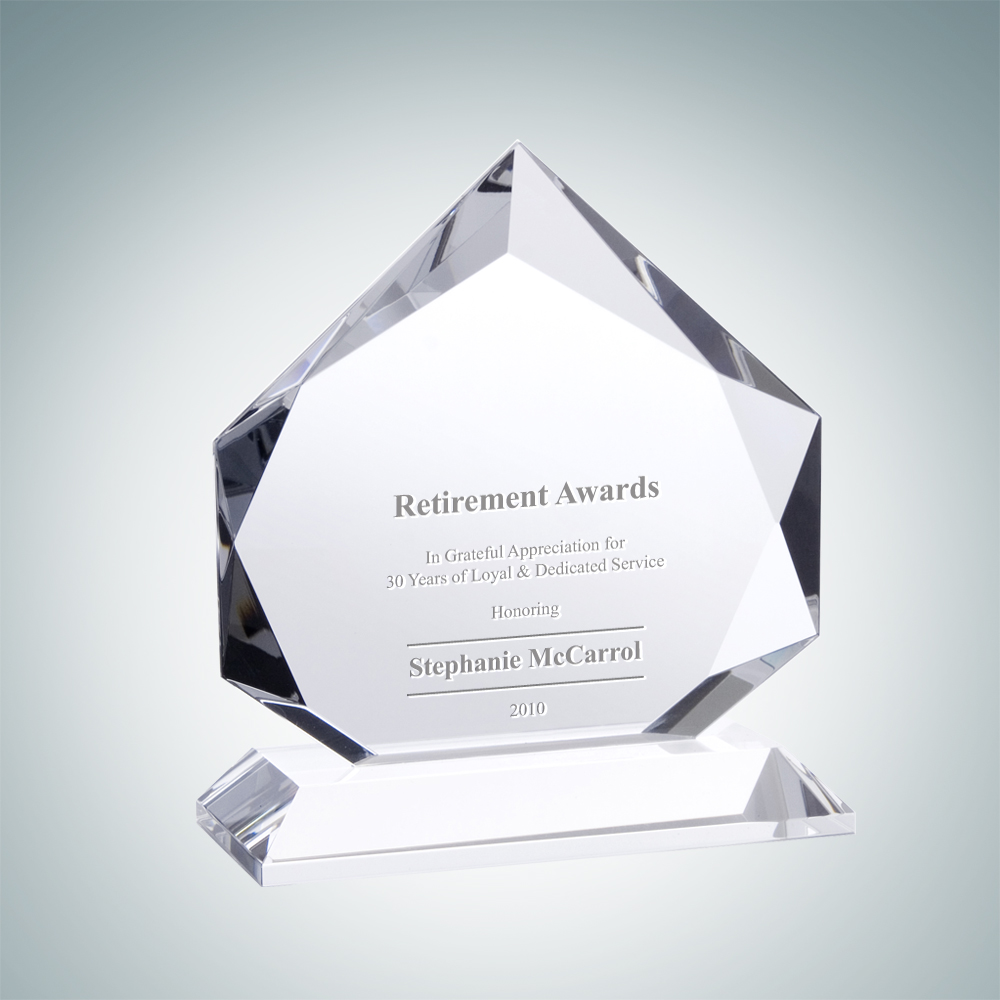
    Related Questions

    How Do You Celebrate Someone’s Retirement? One of the best ways to celebrate someone’s retirement is to plan a retirement party. Other great ways to celebrate someone’s retirement is to give a speech on the last day, hand out a special award, create a goodbye video with messages from co-workers/ friends and family. Or give out a memory like a photobook with collected photos over the years or a big banner with written messages. Do you want more inspiration?

    Read my other article: How Do You Celebrate Someone’s Retirement?