
Author: Jerry

  • 13 Critical Aspects You Need To Know Before Retiring: A Short Guide

    13 Critical Aspects You Need To Know Before Retiring: A Short Guide


    Preparing for retirement is important because it makes transitioning smoother. This article contains essential information to assist you in getting ready for retirement. Let’s begin!

    1. Keeping Socially Engaged

    Staying active and maintaining social relationships are crucial aspects of healthy aging and retirement. Social interactions not only help us stay mentally sharp, but they can also contribute to physical well-being. However, decreased social engagement as we age can be a significant risk factor for our health.

    The benefits of a strong social life are numerous. Having strong social connections can significantly reduce the risk of depression. Additionally, increased social interaction is associated with higher physical activity levels, creating a positive feedback loop for overall health.

    In essence, social interactions are just as vital for healthy aging as well-established health practices like not smoking and eating a balanced diet. Social engagement acts as a mental stimulant, fostering cognitive function and memory.

    Read: How To Stay Social After Retirement

    2. Staying Mentally Healthy

    A happy retirement hinges on prioritizing both mental health. By staying active in mind, you significantly increase your chances of healthy aging. Mental agility is key, and there are numerous ways to keep your mind sharp.

    Engaging in activities like solving puzzles or reading books can provide a mental workout. Additionally, maintaining an open mind and continuously learning new things are excellent ways to stay mentally stimulated. Learning not only stimulates the brain but can also lead to a sense of fulfillment. Consider taking a class, which can offer the dual benefit of social interaction and a sense of accomplishment. Remember, the pursuit of knowledge has no age limit!

    For those looking for structured learning opportunities in retirement, an annual membership to Masterclass is a fantastic option. With courses taught by renowned figures like Gordon Ramsey, Christina Aguilera, and Usher, Masterclass offers a vast selection on nearly any subject imaginable, catering to all skill levels. Its accessibility makes it a convenient way to keep learning and explore new interests.

    3. Maintaining Physical Health

    Many people in the US dedicate their leisure time to watching television, contributing to a predominantly sedentary lifestyle. However, staying physically active is crucial for maintaining good health and preventing various health problems.

    A study by the Bureau of Labor Statistics (BLS) highlights the alarming number of people who spend significant time watching TV. In contrast, the Centers for Disease Control and Prevention (CDC) recommends that elderly individuals engage in at least 150 minutes of moderate-intensity physical activity per week.

    The bottom line? Relaxing on the couch for extended periods doesn’t qualify as physical activity. To improve your overall health and well-being, incorporating moderate physical activity into your routine is essential.

    Read: How Can I Stay Active In Retirement

    4. Calculating Financial Needs

    Knowing your estimated retirement expenses is crucial for creating a realistic budget and savings plan. This basic calculation involves two key factors: your estimated life expectancy and your preferred retirement age.

    The length of your retirement can be calculated using a simple formula: Estimated life expectancy age minus retirement age. The Social Security Administration (SSA) offers a Life Expectancy Tool that can help with this estimation.

    Once you have an idea of your retirement length, it’s important to calculate your cost of living in retirement. Create a detailed list of your expected expenses, including housing, insurance, basic needs, and any planned activities. Remember to exclude expenses that won’t apply in retirement, such as childcare and mortgage payments.

    Get the #1 Retirement EBook
    and find happiness in retirement in just 5 steps!
    5. Factoring Sudden Expenses

    Beyond regular expenses, factor in predictable additional costs you might encounter in retirement, such as increased healthcare expenses. Once you have a monthly cost estimate, multiply it by 12 to get the yearly expense. To project your total retirement costs, multiply your yearly expenses by your expected retirement years and consider adding an average inflation rate, like 3%.

    For accurate calculations and personalized guidance, consulting a financial advisor is crucial. Resources like the National Association of Personal Financial Advisors (NAPFA) or the Financial Planning Association (FPA) can help you find a qualified professional. Additionally, using a retirement budget calculation sheet can simplify the process of estimating your expenses.

    6. Understanding Saving Options

    Understanding various savings options is key for retirement. Consider a financial advisor for a personalized plan. Here’s a quick look at some US options:

    • Employer-Sponsored Plans: Common ones include 401(k)s with pre-tax contributions and employer matching (if offered). There are also 403(b) plans for specific sectors. Both offer tax advantages for retirement savings growth.
    • Individual Retirement Accounts (IRAs): These let you contribute your own money, regardless of employer plans. Traditional IRAs offer tax-deductible contributions and tax-deferred growth, while Roth IRAs use after-tax contributions for tax-free qualified withdrawals in retirement. Contribution limits apply, so check the IRS (Internal Revenue Service) website.
    • Other Options: For additional flexibility, consider SIMPLE (Savings Incentive Match Plan for Employees) and SEP (Simplified Employee Pension) IRAs for self-employed individuals or small businesses. Health Savings Accounts (HSAs) can also be used for qualified medical expenses with tax benefits.

    Remember, each plan has its own contribution limits, eligibility, and tax implications. Consulting a financial advisor can help you choose the best mix for your retirement goals.

    The 401(k) is popular but may not be sufficient alone. A financial advisor can assess your needs and create a personalized savings strategy considering your income, risk tolerance, and desired lifestyle.

    7. Claiming Social Security Benefits

    Deciding when to claim Social Security benefits is a crucial aspect of retirement planning. While you can begin collecting benefits as early as age 62, this will result in smaller monthly payments.

    To maximize your benefits, you can wait until your full retirement age, typically between 66 and 67. The SSA offers a helpful online benefits calculator to estimate your potential retirement benefits.

    For a more personalized estimate based on your specific work history, consider creating a My Social Security account. Additionally, it’s recommended to review your Social Security statement annually to ensure the accuracy of your earnings history and taxes.

    Read: Retirement Planning Guide

    8. Knowing Insurance Options

    Employer-provided benefits often include health insurance, which can be a lifesaver during your working years. However, be aware that these policies may change upon retirement. It’s crucial to stay updated on any upcoming changes in your insurance coverage to avoid any surprises.

    As you approach retirement, consider how your healthcare needs might evolve. You may require additional coverage compared to your current plan. Additionally, think about potential lifestyle changes and how they might impact your health. A proactive approach can help ensure you have the right insurance plan in place to navigate retirement smoothly.

    Taking advantage of free health checks offered by your employer’s healthcare program is a smart move. These checkups can provide valuable insights into your current physical condition and may suggest lifestyle adjustments that can benefit you in the long run.

    9. Anticipating Future Care Needs

    As we age, the need for care often increases. Therefore, it’s essential to start considering your future care plans well in advance. This includes evaluating whether your current housing situation will be suitable for your long-term needs. Would modifications be necessary, or might transitioning to a retirement community be a better option?

    Having a clear understanding of your future care needs allows you to adjust your retirement savings plan accordingly. For instance, factoring in potential long-term care costs can help you determine if you need to save more or explore additional options like long-term care insurance.

    10. Dealing With Medicare

    Medicare, the government-funded health insurance program for Americans aged 65 and over, is a crucial component of retirement planning. While Medicare covers a significant portion of healthcare costs, it’s important to remember that it’s not a complete solution. Out-of-pocket expenses can still arise due to factors like:

    • Deductibles: You may have to pay a deductible for certain services before Medicare starts covering costs.
    • Copayments: Copayments are fixed amounts you pay for certain covered services, like doctor visits or prescriptions.
    • Coinsurance: This requires you to pay a percentage of the cost for certain covered services.

    Planning for these potential out-of-pocket expenses is essential to avoid unexpected financial burdens in retirement. In some cases, considering additional insurance coverage like a Medicare supplement plan (Medigap) or a Medicare Advantage plan can help manage these costs.

    Being informed about the average out-of-pocket expenses associated with Medicare can significantly aid in your financial planning for retirement healthcare. Resources like the National Council on Aging (NCOA) provide valuable information on this topic.

    11. Having Open Communications With Spouse

    Open communication is key for couples planning a happy retirement. Sharing your retirement plans with your partner helps ensure you’re both on the same page and avoids any unwelcome surprises down the road.

    Discuss your preferences for retirement activities and the lifestyle you envision. Crucially, address key factors like healthcare, finances, and your overall retirement vision together.

    An important consideration is whether you both plan to retire at the same time. Factors like age differences and financial situations can influence this decision. Openly discussing these points will allow you to make a plan that works best for both of you.

    Read: Should Couples Retire At The Same Time

    12. Preparing Retirement Celebration

    Retirement is a momentous occasion, and a well-planned party can be a fantastic way to commemorate it. Whether you envision a grand celebration or a more intimate gathering, some advanced planning is essential, especially for larger events.

    Aim to start planning a few months in advance to ensure enough time to organize a truly unforgettable experience. You can find more resources about this on my website, offering valuable insights and tips on planning retirement parties. My articles can address questions like how to celebrate retirement and make a retirement party special.ย 

    Planning a retirement party can feel overwhelming at times. Don’t hesitate to enlist help from friends and family, or even consider hiring a professional party planner. Additionally, utilizing a retirement party checklist can be a lifesaver. Checklists ensure you stay on track and avoid overlooking important details during the planning process.

    Read: How To Celebrate Retirement Without A Party

    13. Comprehending The Five Stages Of Retirement

    Retirement, a major life change, marks the transition from your working life. It’s not just your daily schedule that will change; there are other factors to consider as well. Understanding these five emotional stages of retirement can help ease the transition and prepare you for what to expect.

    Here’s a quick rundown of the five stages:

    • Pre-Retirement: This planning phase varies in length for each individual. Focus on financial preparation and mental readiness for the exciting new chapter ahead.
    • Honeymoon: The initial post-retirement period is often characterized by excitement and new experiences. You may feel energized but also apprehensive about this new lifestyle.
    • Disenchantment: As reality sets in, retirees may question their new life. This is a normal part of the transition process as you adjust to your new identity.
    • Reorientation: This stage is about reinvention and finding purpose in retirement. It feels like a culmination of the previous stages.
    • Stability: In the final stage, retirees have settled into their new identity and enjoy a comfortable retirement life.

    By understanding these stages, you can navigate the emotional journey of retirement with greater ease and prepare for the fulfilling experiences that lie ahead.

    Read: What Are The Stages In Retirement

    14. Planning Retirement Activities

    A well-defined plan for retirement activities can significantly smooth your transition from the working world. By having something to retire to, you can avoid the dreaded post-work slump that some retirees fear.

    Here’s a great first step: create a retirement bucket list! This list is your chance to document all those lifelong aspirations and exciting possibilities. Start by brainstorming freelyโ€”don’t be afraid to dream big at this stage! The key is to get all your ideas flowing without overthinking them. You can refine and prioritize your list later.

    Read: Ideas For A Retirement Bucket List

    15. Determining Retirement Passion

    Discovering or rediscovering your passions is key to planning fulfilling activities in retirement. Retirement offers a unique opportunity to rekindle old hobbies you may have set aside during your working years, or to finally explore entirely new interests that always sparked your curiosity.

    Engaging in activities that ignite your passions isn’t just about filling your time; it can significantly enhance your overall retirement experience and satisfaction. A life filled with purpose and activities you truly enjoy leads to a more enriching and fulfilling retirement.

    Read: Tips To Find Your Passion In Retirement

    Conclusion

    By taking the time to plan and prepare, you can navigate the transition to retirement with greater ease and confidence. Hopefully, this short guide has equipped you with essential information on various aspects of retirement planning, from financial considerations to emotional well-being and activity exploration.

    As mentioned a while ago, my site is a treasure trove of information when it comes to retirement. You should take a look at them. Here are some of my recently published posts:

    Happy reading!

  • Fight Retirement Boredom: 10 Ways to Keep Your Days Exciting And Active

    Fight Retirement Boredom: 10 Ways to Keep Your Days Exciting And Active

    As retirement draws nearer, you might ask yourself, “How can I avoid getting bored?” Well, I’ve written this helpful guide with a few tips to assist you in staying active and engaged in your new life.

    1. Have Something To Retire To

    Having something to look forward to in retirement is crucial for preventing boredom and maintaining fulfillment. Having well-defined retirement goals and activities can keep individuals engaged and provide purpose beyond work.

    There are a lot of things you can look forward to in retirement. It can be being able to reconnect with your old friends, have more time with family, or enjoy more freedom to do anything you want. 

    2. Find Your Passion 

    In our busy lives, it’s easy to forget what we love amidst work demands. Retirement gives us a chance to rediscover and enjoy what makes us happy. Despite work challenges, making time for hobbies is crucial for a satisfying retirement.

    Research shows Americans have little free time due to long work hours. Planning for post-career fun becomes even more important. Donโ€™t just waste your retirement watching TV or browsing the internet all day. Try thinking of new things that can make your retirement more fulfilling.

    Numbers show why retirees might feel bored, but many have hidden passions. To find yours, ask yourself what you enjoy and what you regret not doing. Childhood memories can also remind you of forgotten interests.

    Childhood memories often show what we used to love, like playing outside. Exploring these old passions can make retirement more exciting. By trying new things, retirees can avoid boredom and make their retirement years more enjoyable.

    Read: Unleash Your Post-Retirement Passion: 15 Tips

    3. Face Boredom

    While we often strive to avoid boredom, it can actually serve a purpose in self-improvement. During periods of boredom, the mind has less external stimulation, allowing for reflection and the generation of new ideas. This shift in perspective can lead to increased creativity and innovation.

    Boredom in retirement signals a need for new goals and pursuits that align with the retiree’s changed lifestyle. Just as boredom prompts individuals to seek new objectives when previous ones become obsolete, retirees must discover meaningful activities to fill their post-career years. Thus, having passions and interests to retire to becomes crucial in navigating this transition and finding fulfillment in retirement.

    4. Change Your Behavior

    Changing old behaviors also helps in avoiding boredom in retirement, especially when our previous goals no longer serve us. However, humans tend to resist change due to inertia and comfort with familiar routines. This reluctance to deviate from the norm can contribute to feelings of boredom and dissatisfaction.

    Our behavior plays a significant role in our experience of boredom, as repetitive actions and avoidance behaviors prevent us from engaging with our passions and pursuing new interests.

    For instance, the prevalence of passive leisure activities like television watching reflects a tendency to gravitate towards familiar but uninspiring pastimes. Recognizing and actively challenging these patterns can help retirees cultivate more fulfilling and enriching experiences in retirement.

    Changing behavior is difficult and takes time, as shown in health-focused studies examining behavior change stages. Understanding these stages can facilitate the process and make it easier to avoid retirement boredom. According to Harvard Health Publishing, there are five stages of behavior change:

    • Pre-contemplation: In the pre-contemplation stage, there is no intention to change, often due to a lack of awareness or past failures.
    • Contemplation: Moving to the contemplation stage means recognizing the need for change but not yet taking action.
    • Preparation: Preparation involves getting ready for change.
    • Action: Action marks the actual behavior change.
    • Maintenance: Maintenance ensures sustained change, emphasizing the importance of avoiding triggers for old habits.

    Simple steps can facilitate behavior change and combat boredom in retirement. Adjusting sleep patterns, joining a sports club for physical activity, and reducing TV watching before bed are easy strategies to implement. These changes can bring new energy and creativity while preventing boredom.

    5. Plan Ahead

    Creating a schedule can prevent boredom by providing structure and purpose to your days. However, excessive planning can lead to a busy schedule that resembles work, detracting from the enjoyment of retirement.

    Balancing planned activities with free time is crucial in retirement. While unplanned days may initially seem boring, they offer the freedom to pursue spontaneous interests and activities. Embracing the flexibility of retirement allows for enjoyable, leisurely days where you can do whatever brings you joy without constraints.

    Also, donโ€™t forget to discuss your plans with your spouse. This ensures having shared goals and a supportive environment. Be sure to ask about retiring at the same time as your spouse as well.

    6. Keep Learning

    Learning new things is a key way to prevent boredom in retirement and improve oneself. Whether it’s picking up a new language, mastering a musical instrument, or honing culinary skills, opportunities abound for personal growth. Platforms like MasterClass offer access to world-renowned experts who teach courses on a wide range of subjects.

    The importance of lifelong learning is widely recognized, particularly in retirement. Engaging in learning activities stimulates the brain, enhances social connections, and provides a sense of fulfillment.

    Beyond online platforms like MasterClass, retirees can also explore free or discounted master courses offered by universities, opening doors to further education and personal development.

    7. Stay Mentally Active

    Keeping mentally active through learning and pursuing passions helps stave off boredom and maintains cognitive sharpness. Reading books is a particularly effective way to exercise the brain, preserving memory and cognitive function.

    Meditation is another valuable tool for maintaining mental fitness. It clears the mind and helps organize thoughts and emotions, training the brain and promoting mental acuity. Many smartphone apps nowadays offer accessible meditation practices, making it easy for anyone to incorporate into their daily routine.

    Read: How Can I Keep My Brain Active in Retirement

    8. Stay Physically Active

    Staying mentally and physically active is closely linked; when you’re physically fit, you tend to feel more energetic and motivated. However, when feeling mentally low, the desire to exercise may diminish. Nonetheless, maintaining physical activity is crucial in retirement to prevent boredom.

    The CDC advises older adults to prioritize regular movement and reduce sedentary behavior. Moderate physical activity, rather than extreme sports, is recommended for older adults, with a minimum of 150 minutes per week.

    In my article about staying active in retirement, I outlined various physical activities and their benefits, emphasizing the importance of being in nature for both mental and physical well-being.

    9. Stay Socially Active

    Social interactions are crucial for maintaining health and well-being, according to Harvard Medical School. Staying socially active in retirement can be challenging, especially when previous social activities revolved around work.

    To address this, I’ve compiled some tips in an article on how to stay social after retirement. Some of these tips, like taking classes, not only promote social engagement but also contribute to staying mentally active.

    Additionally, for those not in relationships, retirement can be an opportunity to explore dating and potentially find companionship. With more free time available, retirement offers the perfect opportunity to reconnect with old friends and family members who haven’t been seen in a while.

    10. Create A Bucket List

    Creating a retirement bucket list is a fun way to avoid boredom and pursue lifelong dreams. It’s a chance to jot down all the things you’ve always wanted to do but haven’t yet accomplished. Asking yourself what you regret not doing in life or what you’ve always wanted to do can help spark ideas for your bucket list.

    Don’t worry about your list being perfect or having everything figured out; simply write down your desires and aspirations. If you need inspiration to kickstart your bucket list, you can check out my articles like 101+ Ideas for a Retirement Bucket List for ideas and suggestions. The important thing is to start dreaming and planning for exciting adventures in retirement.

    You can start your bucket list with something meaningful and beneficial, like traveling to a Blue Zone region. The Blue Zones are regions where many people live to be over 100 years old, often healthy. These areas are found around the world, from Japan to France to the United States. People in Blue Zones share common habits: they eat healthy, stay active, and have strong social connections.

    Learning from Blue Zone inhabitants can teach us how to live better as we age. Their lifestyles include eating well, staying mentally and physically active, and having a sense of purpose. Dan Buettner’s book about the Blue Zones provides more details on their habits and lifestyles.

    Conclusion

    By following these tips above, you can fight boredom and have retirement years filled with purpose, enjoyment, and a healthy dose of spontaneity. Remember, you don’t need to do all of these at once. Try them one at a time and see what effectively staves off your boredom.

    In the meantime, to keep you busy, check out my recently published articles:

    Happy reading!
  • What Are The Stages Of Retirement: A Guide Through The 5 Stages

    What Are The Stages Of Retirement: A Guide Through The 5 Stages

    You’re months or weeks away from retirement, and you’re wondering what happens next. I asked myself the same thing before my planned departure from the corporate world. I am a planner so you bet I used every resource to learn all I could about the upcoming life change.

    During my research, I learned about the stages of retirement. Some identified five, while others listed six. Regardless, I grabbed my trusty notebook and attempted to understand these stages myself.

    Fast forward to today, and I’ve experienced these stages firsthand. And I believe it’s my duty to share my real experience and truth to help guide you through this significant transition.

    Knowing the stages of retirement can help new retirees adjust to their new lifestyle, avoid confusion and uncertainty about what to do next, make the transition smoother, and ultimately, make everything easier and more comfortable.

    If youโ€™re going to retire soon or are already retired, let’s delve into these crucial stages of retirement in this guide!

    1. Pre-Retirement Stage

    So, after years of working, your retirement date is getting closer and closer; youโ€™re probably at this point: the pre-retirement stage. Youโ€™re both excited and experiencing a bit of dread.

    The pre-retirement stageโ€”or imagination and anticipation stageโ€”starts around six to fifteen years before retirement. As retirement draws closer (around two to five years beforehand), peopleโ€™s excitement intensifies, coupled with deeper introspection about what their golden years hold.

    Unfortunately, many pre-retirees remain unprepared, trapped in a tunnel vision focused solely on retirement savings and bucket-list travels. While financial security and adventure are crucial, neglect of other, equally important aspects like identity, purpose, and social connections can leave them ill-equipped for a truly fulfilling retirement and successfully overcome the hurdles that come with the other stages of transition.

    Because of this, the pre-retirement stage demands careful planning for your retirement years. While a rigid day-to-day schedule isn’t necessary, crafting some structure and envisioning the retirement activities you’ll cherish is key. Also, ensuring both financial stability and mental well-being is crucial for a smooth and fulfilling transition.

    Get Financial Advice

    Of course, you don’t have to deal with your future plans alone. Professional financial advisors are at your disposal, and many companies offer employee resources like financial planning programs for retirement. 

    Partnering with a financial advisor can help you set realistic expectations for your retirement. And while I’m proud of the information I offer on this website and eBooks, I recognize that a professional can provide tailored guidance for your unique journey.

    Plan With Your Partner Or Spouse

    While planning your pre-retirement, don’t forget to include your partner or spouse (if you have one) in the conversation. Discuss your ideal retirement scenarios and decide if you both want to embark on this journey together. 

    Remember, this is a complex decision with both benefits and challenges. If you want to gain insight on what you should work on regarding this topic, read my article, Should Couples Retire At The Same Time

    Prioritize Your Inner Well-being

    It’s no secret that the transition to retirement can be challenging, even for those who plan. Preparing your spiritual, mental, and emotional well-being can help you navigate this unique experience smoothly. As you gain more free time and possibly adjust to new social networks, remember that this can be a chance to deepen your personal pursuits and cultivate new connections. 

    Start early by exploring activities like meditation, volunteering, or pursuing hobbies that nourish your soul and mind. By prioritizing your inner well-being, you can ensure your retirement years are filled with happiness and fulfillment.

    Preparing For Your Retirement Party

    Whether you like it or not, a retirement party (or parties!) is imminent. Retirement is a joyous occasion, and many well-meaning friends and family will want to celebrate with you. While itโ€™s enjoyable to soak in all the love youโ€™ll receive, be sure not to forget to plan how you can give these people a good time as well.

    Start by considering souvenirs and trinkets youโ€™ll give them after the party to remember you by. Alternatively, you can set aside a nice, solemn after-party dinner for your loved ones to further celebrate your retirement and mark the beginning of the transition to a retired life.

    2. Honeymoon Stage

    Finally, you can say, “Iโ€™m retired!”  There might be a few more parties here and there, but you’re now basically a free man. Congratulations! You’re officially untethered from the daily grind. Buckle up for the “honeymoon stage” of retirementโ€”a joyous whirlwind of liberation, newfound time, and a chance to redefine your days. The shackles of work are shed, replaced by the exhilarating weightlessness of possibility.

    In most articles and resources, the honeymoon stage is often considered the actual first stage for a retiree. This is the period where everything is fresh, new, and exciting. Some even refer to this stage as the liberation stage. You are โ€˜freed from work.โ€™ This stage starts on your first day as a retiree and can take up to several years in your retirement.

    However, amidst the euphoria, uncertainty might creep in. This blank canvas of a new life can feel daunting. So, donโ€™t forget to invest some time in proactive preparation during the pre-retirement stage to ensure your honeymoon seamlessly transitions into a vibrant, fulfilling next chapter.

    In case you fail to plan ahead, itโ€™s not too late. You can try to adapt to your new life by learning to adjust and creating a new routine. 

    Learn To Adjust

    Retirement freedom brings unexpected adjustments. Mastering them unlocks long-term happiness. Take care of lingering to-dos (insurance, Medicare) while tackling the bucket list. Savor time to relax and rediscover priorities.

    Also, remember that the honeymoon stage is just a transition; it wonโ€™t last forever. Prepare yourself, as what comes next can affect you negativelyโ€”a massive dip in mood if youโ€™re unprepared. To shield yourself, donโ€™t forget to stay connected to loved ones and be prepared to seek support if needed.

    Creating A Routine

    Craft a loose routineโ€”your shield against boredom. Structure fuels a smooth transition to your next chapter. Grab hold of your freedom, and be prepared for the next stage: disenchantment. (Spoiler alert: I’ll tackle that next!)

    Balance is key. Enjoy your newfound leisure while discovering your post-retiree self. Don’t get bogged down by perfection. Flexible goals and a doable routine are your secret weapons for fulfillment and against disenchantment.

    Start crafting that routine with realistic, achievable steps. Think about daily walks or jogs, whipping up your lunch, and socializing with loved ones in the afternoon. Dedicating evenings to your spouse or family adds another layer of joy.

    3. Disenchantment Stage

    The disenchantment stage is a trap for all those who are unprepared. It comes when the high of the honeymoon stage fades, and it leaves new retirees confused. They often find themselves isolated, apathetic, and directionless. These make everybody question if this will be the kind of life theyโ€™ll have for the rest of their remaining days.

    Disenchantment is also known as the โ€˜worrying stage.โ€™ Because of the new reality theyโ€™re in, retirees often start to feel depressed, bored, or even useless. Luckily for most people, this is a short period during their retirement.

    Worrying about your newfound life is completely natural. It can be a difficult period if youโ€™re not prepared for it. It helps when you have already started to think about the things you want to do in your retirement while you are still in the previous stages of retirement.

    And again, not all have been prepared for this. If youโ€™re one of them, then these tips should help you out.

    Rekindle Your Purpose

    Cast your mind back to your childhood and teenage dreams. Did you yearn to soar through the skies as a pilot, battle injustices as a lawyer, or heal others as a doctor? While circumstances might not have allowed you to fully pursue those aspirations, retirement reopens the opportunity to pursue these dreams.

    You may not become a pilot flying a commercial flight, but you can still take flying lessons or join a gliding club. You may not become a lawyer, but you can still help the unfortunate by advocating for social justice causes. And if you canโ€™t become a doctor, you can still volunteer at medical clinics or support healthcare initiatives.

    When you feel disenchantment in retirement, always remember that this phase of life offers the time and freedom to explore these old or hidden passions, reconnect with your inner child, and discover new sources of joy and fulfillment.

    Reignite Your Connections

    The disenchantment stage can be isolating and lonesome. The parties and celebrations are over, and you have probably done most of the things you planned or thought of at the start of your retirement. Then a nagging worry might surface: “Are people forgetting about me?”

    While life marches on for everyone after celebrating your retirement, it doesn’t mean your colleagues, friends, and loved ones are done with you. They’re simply moving on with their lives to leave you free to explore yours. However, isolation can be a slippery slope, leading to retirement boredom and depression.

    To combat that, nurture existing relationships: Prioritize quality time with loved ones. Schedule regular dinners, game nights, or outings. Reconnecting with familiar faces can be a powerful antidote to loneliness.

    Another thing you can do is expand your social circle. Find and join clubs, groups, or activities based on your interests. Meeting new people who share your passions can create a vibrant support network and ignite new friendships.

    Last but not least, seek professional help. If these steps don’t fully alleviate the isolation, don’t hesitate to seek professional support. A therapist can help you process your emotions, develop coping mechanisms, and navigate the challenges of both the disenchantment stage and potential retirement depression.

    4. Reorientation Stage

    The reorientation stage brings a highly welcomed shift, and many consider this phase the peak of retirement. Having battled the disenchantment, you emerge with a clearer understanding of yourself and your path forward. You’re peeling back the layers, shedding the work-life persona, and embracing your authentic self. 

    As the name suggests, you settle into your new identity as a retiree. The changes that unfolded since retirement become the new normal, and the shadow of potential depression fades. You’ve gained a fresh perspective and a renewed sense of purpose with it.

    This introspective processโ€”taking up to two years for mostโ€”lays the foundation for a fulfilling retirement, depending on individual goals and purpose discovery. However, the journey isn’t entirely smooth. Expect occasional bumps along the road, like moments of loneliness or unexpected financial challenges and so forth. 

    So, be prepared and equipped to handle them with the resilience you’ve honed throughout your journey. And with that said, be sure to remind yourself of the following.

    Be Flexible

    While thorough retirement planning ensures financial security, it can also unintentionally limit your adaptability. Life rarely adheres to rigid schedules, and unforeseen eventsโ€”such as unexpected financial difficulties, changes in relationships, or health issuesโ€”can disrupt even the most detailed plans.

    This doesn’t mean abandoning your plan altogether. A flexible framework acts as a valuable guide, but it’s important to recognize that unforeseen circumstances may require adjustments. Instead of viewing detours as setbacks, consider them opportunities for redirection. If your retirement plan requires changes due to unforeseen circumstances, be prepared to adapt and go back to the drawing board.

    Remember, resilience and adaptability are key to navigating unexpected plot twists during your retirement. Stay strong and cultivate a positive outlook. Believe that even unexpected challenges can lead to new and rewarding experiences.

    Lastly, focus on the present and embrace the possibilities that lie beyond your original plans. Everythingโ€”yourself, other people, situationsโ€”changes. Maintain a flexible approach and a hopeful perspective as you slowly reinvent yourself and your life.

    Embrace The Unknown

    As said in the previous section, life rarely follows a script; it rarely unfolds as we plan it. Adaptability is key, of course, but in retirement, stretching beyond comfort zones, taking calculated risks, and embracing the unknown become even more crucial. 

    Remember, you’re retired. Failure is no longer a potential disaster, but a helpful stepping stone. Fear should be more of a guide rather than a threat. Your past life and experiences should have taught you these. While adapting to setbacks keeps you moving forward, stepping outside your comfort zone can lead to growth, fulfillment, and opportunities. 

    Imagine you always dreamed of owning a coffee shop, and as a retiree, you took the leap. While it might not have gone as planned, and financial losses may tempt you to abandon your dream, remember there’s always this option: braving the challenges and continuing to pursue your passion despite the challenges.

    5. Stability Stage

    Sometimes without even noticing, you reach the next stage of retirement: the stability stage. Sometimes dubbed “reconciliation,” this final phase marks a full embrace of your retiree identity and a life imbued with purpose. These newfound pillarsโ€”self-acceptance and purposeโ€”become the cornerstones of a fulfilling and successful retirement.

    Stability marks the final phase of your retirement journey. Beyond the disenchantment and reorientation stages, you’ve emerged as a new, more resilient you. A well-worn routine now guides your days, passion fuels your spirit, and setbacks are just bumps on the road. No longer rattled by life’s uncertainties, you simply savor every moment to the fullest.

    You’ve unearthed a fresh purpose, a renewed sense of being. You’re not just a retiree, but someone completely free with high potential, poised to leave an indelible mark in the world. Youโ€™re not just the person who retired but someone who will leave behind a legacy that no one can tarnish.

    Conclusion

    So, there you have it, the five stages of retirement, from pre-retirement excitement to the stability and fulfillment of the final phase. Remember, this is a dynamic journey, not a fixed destination. Each stage offers its unique challenges and opportunities, and navigating them with awareness and flexibility is key to a truly enriching retirement experience.

    For those still some years away from retirement, some of these phases may not resonate completely yet. That’s understandable, as your present view of retirement might differ. However, while I can’t speak for everyone, I genuinely believe that most people will similarly go through these stages.

    Meanwhile, if you’re curious about the day-to-day life of a retiree and other related topics, feel free to wander around the website and explore. Happy reading!

  • 49 Personalized And Thoughtful Retirement Gifts They Will Treasure Forever

    49 Personalized And Thoughtful Retirement Gifts They Will Treasure Forever

    thoughtful retirement gifts for retirees

    Retirement is a big achievement in someone’s life. And you would like to celebrate it with a thoughtful retirement gift that matches the retirees’ plans. Well, Iโ€™ve listed many of the most thoughtful retirement gifts in this article to help you out.ย 

    Just a heads up, this post contains affiliate links. As an Amazon Associate, I earn from qualifying purchases. Purchases you made through these links may earn us a small commission, at no extra cost to you.

    1. Online Class

    An annual membership for the MasterClass platform is one of the best retirement gifts out there. What better retirement gift is a gift where the retiree has something fun to do? Giving them an online class subscription can become an opportunity for them to learn something new and explore new passions and hobbies in retirement.

    2. Champagne Gift Basket

    dom perignon greetings and wine gift basket for retirees

    A celebration calls for champagne, and a Dom Perignon gift basket lets the retiree celebrate their retirement in style (again) at home. This basket is filled with gourmet snacks alongside a bottle of Dom Perignon, one of the most recognized Champagne brands of all time.

    3. Scratch Off World Map

    newverest trek scratcher map for retirees

    A scratch-off world map is a thoughtful gift for any retiree whoโ€™s a traveler or adventurer. They can hang it at home to track their past adventures, remember cherished memories, and dream about future destinations. Whether they’re seasoned travelers or have wanderlust for new experiences, this gift will be a hit and a great conversation starter.

    4. DNA Test Kit

    For the retiree who’s always been curious about their roots, a DNA test kit from MyHeritage can be a fascinating gift. Retirement offers more time for self-discovery, and this unique present can unlock a deeper understanding of their family’s origins.

    5. Travel Book

    For someone with wanderlust for the USA, consider the richly illustrated 50 States, 5,000 Ideas by National Geographic. This comprehensive guide offers detailed travel information and inspiring ideas on where to go, what to do, what to see, and the best times to visit each of the 50 states. It’s the perfect companion for hitting the road and exploring all America has to offer, especially for retirees.

    6. Handmade Painting

    handmade painting as a thoughtful retirement gift

    A truly thoughtful retirement gift is a hand-painted recreation of a favorite photo or moment. Services like Paint Your Life connect you with professional artists who can turn cherished memories into high-quality, one-of-a-kind paintings. Of course, you always have the option to make the painting yourself.

    7. Stainless Steel Coffee Mug Tumbler

    This funny and practical gift is a perfect way to say goodbye to a retiring coworker: a double-wall stainless steel coffee mug tumbler printed with Good Luck Finding Better Co-Workers Than Us! There are other printed options as well, so be sure to be on the lookout for them.

    8. Engraved Beer Glass

    If the retiree is a beer lover, an engraved 15oz beer glass makes a fantastic retirement gift. The inscription This Beer Tastes A Lot Like I’m Not Going To Work Tomorrow perfectly captures the celebratory spirit of retirement.

    The classic shape of the glass enhances the enjoyment of every sip, bringing a touch of old-fashioned beer festival cheer (think Oktoberfest!) to every drink.

    9. Wine Gift Box

    wine gift box for retirees

    On the other hand, if they prefer wine over beer, a curated wine gift box is a thoughtful way to celebrate retirement. California Wine Club offers a selection of hand-crafted and award-winning wines, perfect for embarking on a delicious adventure through California’s best small wineries.

    10. Engraved Wine Glass

    An engraved wine glass makes a delightful complement to the wine gift box mentioned earlier, or it can stand alone as a unique and humorous gift for the retiree. The dishwasher-safe engraving ensures lasting enjoyment, making it the perfect vessel for savoring any beverage.

    11. Arts And Crafts Box Subscription

    retiree's arts and crafts crate

    Instead of drinks, give them a hobby. For the retiree who enjoys arts and crafts, an arts and crafts subscription box is a thoughtful gift that keeps on giving. Each month, they’ll receive a curated box packed with materials and instructions for a new craft project. This is a fantastic way to explore new hobbies, learn new techniques like wood burning and engraving, and unleash their creativity.

    12. Craft Beer Gift Box

    craft beer club as a thoughtful retirement gift

    Going back to beer lovers, a Craft Beer Club gift box is a delicious way to celebrate retirement. Delivered directly to their door, each box features a selection of unique and exceptional craft beers from the country’s best small, independent brewers.

    13. Travel Guide Cards

    As they always say, retirement is the prime time for exploration! Fuel the retiree’s wanderlust with a set of travel guide cards. These unique cards offer a fun and thought-provoking way to approach travel destinations, encouraging interaction with locals and fostering a deeper understanding of different cultures.

    14. Coffee Gift Box

    thoughtful coffee gift box for retirees

    Then thereโ€™s coffee. A gourmet coffee gift box is a delightful way to celebrate a relaxed retirement. BeanBox offers a variety of curated selections, allowing retirees to savor delicious coffee without the morning rush.

    15. Personalized Man Cave Sign

    personalized man cave sign for male retirees

    Does the retiree have a cherished man cave? This personalized wooden sign is a thoughtful gift that adds a special touch to their haven. Easily customized with a name and year (perhaps the year of retirement!), it creates a unique and lasting reminder of this exciting new chapter.

    16. Fire Pit Stove

    solo stove for outdoor and camping retirees

    If a retiree doesnโ€™t have a man cave and prefers the outdoors, a Solo Stove fire pit is a fantastic retirement gift that ignites new adventures. Solo Stove’s innovative, stainless steel design boasts efficient airflow, making it perfect for campfires or backyard gatherings.

    17. Retirement Party

    Gifts donโ€™t have to be physical all the time. You can always opt for an experience instead, so surprise the retiree with a memorable retirement party! This is a fantastic way to celebrate their achievements and years of dedication, surrounded by cherished colleagues, friends, and family.

    Whether you opt for an intimate gathering with cake and champagne at work, a celebratory dinner at a restaurant, or a lively party at the retiree’s home, personalize the event and get some beautiful retirement party decorations to create a lasting memory.

    Read: How To Host A Retirement Party

    18. Tickets To An Event

    If the retiree already has a few parties dedicated to them, try giving them tickets to an event instead. Whether it’s a concert, museum visit, theater performance, theme park adventure, show, sporting event, or a night at the movies, create a lasting memory together.

    Consider gifting tickets for two, allowing them to enjoy the experience with a spouse, friend, or family member. Or, make it a shared experience and join the retiree for an unforgettable outing!

    19. Laser-Engraved 3D Crystal

    3d crystal photo keepsakes as a thoughtful gift for retirees

    Going back to physical gifts, commemorate the retiree’s achievements with a truly lasting memento: a laser-engraved 3D crystal from Crystal Clear Memories. This unique keepsake allows for easy personalization. Simply upload a photo, choose a custom inscription and design element, and their skilled 3D artists will work their magic to create a cherished memento.

    20. E-Reader

    An e-reader loaded with a Kindle Membership is a gift that’s ideal for the bookworm retiree. With countless books at their fingertips, retirees can delve into new worlds, revisit old favorites, and pursue their reading interests with ease.

    21. Noise-Canceling Headphone

    For travelers and music lovers, noise-canceling headphones can be a game-changer. With these, retirees can forget about the noise generated by airplane engines, traffic noise, and crowded spaces as they listen to a podcast, music, or audiobook.

    22. Polaroid Digital Camera

    Let the retiree relive the fun of instant photography with a modern Polaroid camera! This innovative camera lets retirees capture precious moments in retirement and share them instantly.

    A Polaroid can print high-quality photos directly onto photo paper within a minute, creating a tangible keepsake of their adventures. Choose from a variety of colors to find the perfect match for the retiree’s style.

    23. Retirement Book

    Whether the retiree is meticulously planned or embracing spontaneity, this transition can come with adjustments. Purposeful Retirement offers thoughtful guidance for navigating this new phase of life. This book equips them with strategies to find meaning, purpose, and lasting happiness in their golden years.

    24. Spa Gift Basket

    ultimate spa gift basket for retirees

    Indulge the retiree in the ultimate relaxation experience with a spa gift basket! After years of dedication, unwinding is well-deserved. This thoughtful gift basket delivers a spa-like retreat right at home, filled with pampering essentials to soothe the mind, body, and soul.

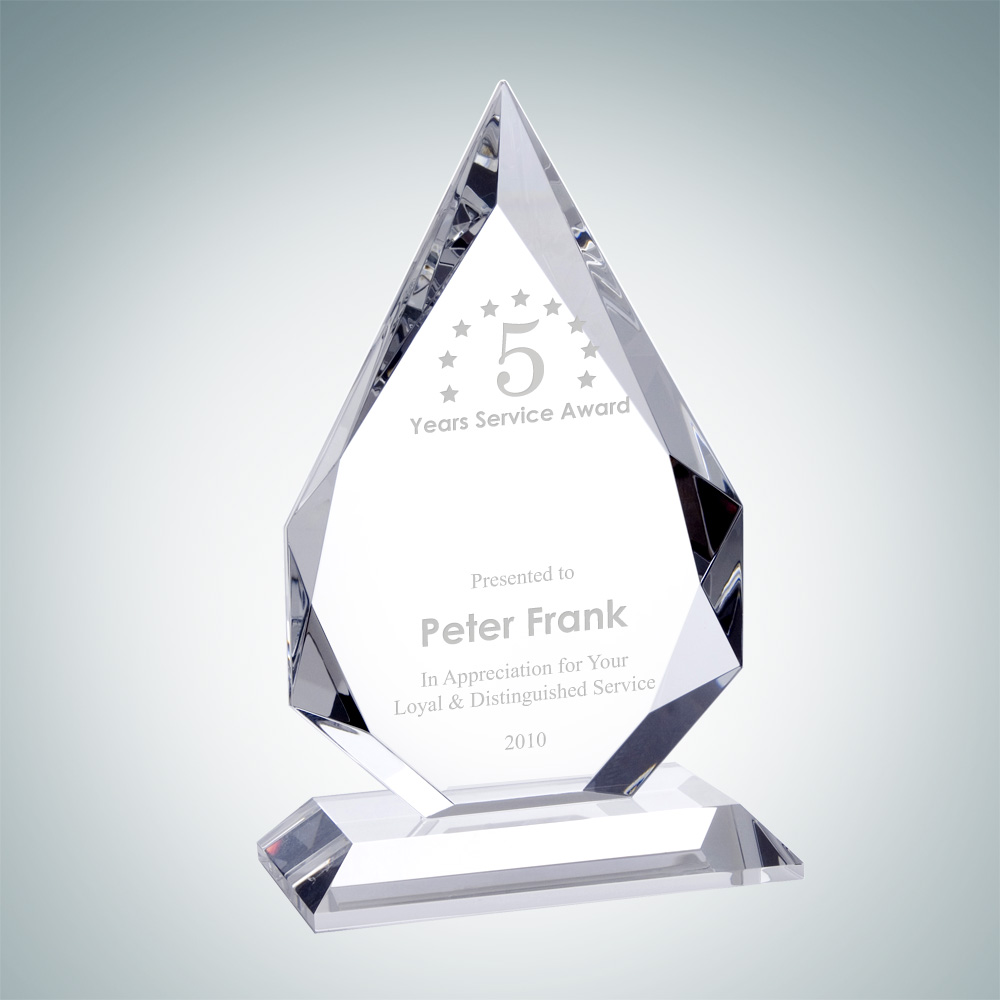
    25. Personalized Engraved Thank You Award

    prestige retirement award gift

    Commemorate the retiree’s dedication with a personalized engraved award. This unique keepsake allows for easy customization, letting you showcase their years of service, name, and a heartfelt message of appreciation. It’s a prestigious way to recognize their contributions and mark this momentous occasion.

    26. Thoughtful Video Tribute

    Create a lasting memory for the retiree with a heartfelt or humorous video tribute. Gather well wishes and funny stories from colleagues, friends, and family members. You can tailor the video’s tone based on the occasion, whether it’s a surprise presentation or a heartwarming addition to the retirement party.

    27. Personalized Engraved BBQ Tool Set

    personalized folding bbq tool set for retirees

    Make the retiree’s transition to relaxation mode even tastier with a personalized BBQ tool set! A thoughtful gift for grill enthusiasts, this set allows you to add a custom touch with their initials. They’ll be flipping burgers and sizzling steaks in style, creating lasting memories around the grill for years to come.

    28. Personalized American Flag

    american flag personalized for patriotic retirees

    Patriots, assemble! For someone who loves the country, a personalized American flag is an excellent gift. Made in the USA with top-quality construction, this flag adds a touch of patriotism to any room. Choose from a variety of sizes to find the perfect fit for their home decor.

    29. Memorable Photo Canvas

    Allow the retiree to turn a cherished memory into a lasting keepsake with a personalized photo canvas! This simple gift allows them to capture a special moment, a group photo from their career journey, or a beloved family picture. It’s a wonderful way to bring back the good times and create a focal point for their home that they’ll treasure for years to come.

    30. A Thoughtful Speech

    A way to honor a retiree is to give a speech, which can also serve as a good parting gift. It can be a thoughtful, heartfelt, or funny retirement speech. You can do this on their last day at the office, during a retirement party, in the last meeting, or on another appropriate occasion. Sometimes it isnโ€™t the gift but the words that make a retiree feel appreciated.

    Read: Tips On How To Give The Best Retirement Speech

    31. Gardening Tools

    For the retiree with a favorite pastime, a well-thought-out gift that caters to their hobby is a sure win! If gardening is their passion, consider a set of high-quality gardening tools to help them cultivate their green thumb in retirement.

    32. Golf Ball Storage

    Meanwhile, if golf is their thing, a good old funny golf ball storage sack is a surefire way to get the retiree chuckle whenever they play. This golf ball storage sack, emblazoned with the playful message It Takes Balls To Play Golf, is sure to bring a smile to their face.

    33. Personalized BBQ Apron

    personalized bbq apron as a thoughtful gift for retirees

    As for grill master retirees, a personalized BBQ apron is a fun and functional gift! This customizable apron lets you add the retiree’s name, creating a unique piece they’ll love to wear while whipping up culinary masterpieces on the grill.

    34. Funny Retirement Shirt

    A timeless retirement gift, a funny retirement shirt is a guaranteed conversation starter! Find the perfect one that reflects the retiree’s personality and sense of humor. Whether it’s a witty one-liner or a hilarious design, a chuckle-worthy t-shirt is a lighthearted way to celebrate this exciting new chapter.

    35. Thank You Trophy

    Show your appreciation to the retiring employee, boss, or colleague with a personalized thank you trophyโ€”if you think plaques and typical awards wonโ€™t work. This thoughtful gift allows for custom engraving, letting you express your heartfelt gratitude for their dedication, hard work, and contributions to the company. It’s a lasting memento they can proudly display at home, serving as a constant reminder of the positive impact they made.

    36. Personalized Retirement Plaque

    If the trophy seems too cheesy, commemorate the retiree’s contributions with a heartfelt gift with a personalized retirement plaque instead. This thoughtful gesture shows your appreciation and lets them know they’ll be missed. It’s a lasting memento they can cherish for years to come.

    37. Beer Brewing Starter Kit

    We always go back to beer. Anyway, a beer brewing starter kit is the perfect gift to ignite the retiree’s inner brewmaster. Craft delicious beers from scratch with this all-inclusive kit, featuring everything they need to get started.

    38. Funny Retirement Mug

    For that homebrewing retiree, a funny retirement mug is a timeless and practical gift! Find the perfect one that reflects the retiree’s personality and sense of humor. Whether it’s a witty message about finally escaping the office, or a playful design celebrating their new chapter, a chuckle-worthy mug will add a touch of lightheartedness to their morning coffee routine.

    39. Personalized World Map Pin Board

    They love to travel, right? Fuel the retiree’s wanderlust with a personalized world map pinboard! This unique gift allows them to cherish past travel memories by marking visited destinations with push pins.

    A map pin board also serves as a springboard for future adventures, inspiring them to explore new corners of the globe in retirement. Printed on thick matte canvas with premium pigment for vibrant colors, this pinboard is ready to be customized and displayed with pride.

    40. Picture Frames

    Create a lasting tribute to the retiree’s journeys with a personalized photo collage frame! Gather a collection of cherished photos from special moments in their life or career. This touching gift allows them to reminisce and celebrate all they’ve accomplished.

    41. Travel Daypack

    Equip the retiree for their next adventure with a high-quality travel daypack! Regardless of whether they’re planning hikes, weekend getaways, or extended travels, this versatile pack from The North Face offers comfort and convenience. Easy to use and built to last, it’s the perfect companion for exploring new destinations in retirement.

    42. Bucket List Book

    Retirement is the perfect time for retirees to chase their dreams on their bucket list! An inspiring bucket list book offers a wealth of ideas to spark the retiree’s imagination. From skydiving to hot air balloon rides or indulging in a wine-tasting tour, the possibilities are endless.

    43. Custom Reel Viewer Set

    Take the retiree on a nostalgic trip down memory lane with a custom reel viewer set! This unique gift allows them to cherish their favorite moments in a retro style. The set includes a red RetroViewer, a viewfinder, and a gift card for uploading a personalized reel.

    44. Cocktail And Margarita Machine

    Instead of a homebrew kit, the retiree might want to have a cocktail and margarita machine. For the retiree who enjoys a refreshing beverage, the Bartesian cocktail maker is a fun and convenient gift! This innovative appliance takes the guesswork out of crafting delicious cocktails and margaritas at home.

    45. Engraved Ice Bucket

    Make every toast in retirement a special occasion with an engraved ice bucket! This high-quality glass bucket adds a touch of elegance to any celebration. Personalize it with a heartfelt message, ensuring the retiree sees your thoughtful words every time they raise a glass of bubbly or wine. Consider pairing it with a bottle of their favorite beverage for a complete celebratory gift.

    47. Tape Digitizing Kit

    Help the retiree safeguard a lifetime of memories with a tape digitizing kit! For those with a collection of old VHS tapes or even older formats, the LegacyBox offers a user-friendly way to convert them into digital files. This gift allows them to easily preserve and share cherished moments with family and friends for generations to come.

    48. Bakery Treats Box

    Can’t decide on the perfect retirement gift? A delicious box of gourmet baked goods is always a crowd-pleaser! This thoughtful treat is a delightful way to celebrate their new chapter and indulge their sweet tooth. They can savor these gourmet cookies on their own or share them with friends and family.

    49. Chocolate Gift Box

    For the chocolate connoisseur in your life, a chocolate gift box from zChocolat is a guaranteed indulgence! Renowned for their exquisite taste and quality, these handcrafted chocolates are sure to tantalize the retiree’s taste buds. Surprise them with a decadent selection and celebrate their retirement in style!

    Frequently Asked Questions

    Have some questions lingering in your mind? Here are some frequently asked questions regarding thoughtful gifts for retirees together with their respective answers:

    Are group gifts a good idea for retirement?

    Group gifts can be wonderful as they often allow for a more substantial and meaningful present, like a luxury item or an unforgettable experience. They also show collective appreciation and effort from the entire team. Coordinate to ensure the gift reflects the retiree’s tastes and interests.

    How can I involve colleagues in giving a thoughtful retirement gift?

    Organize a group gift where each colleague contributes either financially or with a personal message. This can culminate in a substantial and meaningful present, like a scrapbook filled with memories or a group-funded trip. Involving colleagues fosters a sense of community and collective appreciation.

    Is it appropriate to give money as a retirement gift?

    Giving money can be appropriate, especially if it helps the retiree achieve a specific goal, like a trip or a new hobby. Present it in a thoughtful way, such as inside a personalized card or a gift box. This makes the gesture feel more considerate and personal.

    Are experiences better than physical gifts for retirees?

    Experiences can often be more memorable than physical gifts because they create lasting memories. Consider gifting a travel voucher, tickets to a concert, or a cooking class. These experiences can provide joy and adventure during their retirement.

    Is it better to give a practical or sentimental gift for retirement?

    The best choice depends on the retiree’s preferences. Practical gifts, like hobby supplies or travel gear, can be very useful, while sentimental gifts, like a photo album or a custom piece of art, offer emotional value. Combining both elements can create a well-rounded and appreciated gift.

    How can I make sure my retirement gift is thoughtful?

    To ensure your gift is thoughtful, consider the retireeโ€™s interests, hobbies, and personality. Personalizing the gift or choosing something that reflects their shared memories or career achievements can add a special touch. Thoughtfulness comes from showing that you know and appreciate the retiree.

    How can I make a retirement gift more personal?

    Personalizing a gift with the retireeโ€™s name, initials, or a significant date makes it unique and memorable. Consider adding a special message or a quote that resonates with their personality or career. Personalized gifts show thoughtfulness and effort, making them cherished keepsakes.

    How do I choose a gift that reflects the retiree’s personality?

    Pay attention to their likes, dislikes, and hobbies to select a gift that aligns with their personality. If they enjoy a particular activity, consider related gifts, like golf accessories for a golfer or art supplies for a painter. A gift that resonates with their character and passions will be most appreciated.

    How can I present a retirement gift in a thoughtful way?

    Present the gift with a heartfelt speech or a written note expressing your appreciation and best wishes. Consider wrapping the gift in a way that reflects the retireeโ€™s tastes or adding a personal touch, like a photo or a decorative element. Thoughtful presentation enhances the emotional impact of the gift.

    Should I consider the retireeโ€™s future plans when choosing a gift?

    Absolutely. If you know the retiree has plans to travel, start a new hobby, or relax at home, select a gift that supports these plans. This shows that you are not only celebrating their past contributions but also supporting their future endeavors.

    Conclusion

    As you toast the retiree’s well-deserved break from the daily grind, consider this curated list a springboard for finding the perfect gift. With a thoughtful present that reflects their interests and future plans, you can help them kick off a truly golden retirement.

    And since youโ€™re already here, take a look at my other posts as well! Here are some of them:

    Happy reading!

  • Retire Right: Avoid These Common Pitfalls For A Stress-Free Retirement

    Retire Right: Avoid These Common Pitfalls For A Stress-Free Retirement

    Retirement is a well-deserved reward for years of hard work. It’s a chance to finally pursue those passions you put on hold, travel the world, or simply relax and recharge. But before you pack your bags and head for the beach, there are a few things to consider.

    While retirement is a time for freedom, a little strategic planning can go a long way in ensuring it’s everything you dreamed of. Here are 10 common pitfalls to avoid so you can make the most of your golden years.

    1. Don’t Underestimate The Process Of Retirement

    Retirement is a big adjustment! Many underestimate the emotional, social, and financial changes that come with it. This can lead to feelings of loneliness, depression, or financial strain.

    To avoid these pitfalls, plan ahead! Talk to financial advisors or attend workshops to understand your future needs. Don’t forget to stay connected with friends and family for a smooth transition into your golden years.

    By planning, learning, and staying connected, you can ensure a happy and healthy retirement.

    2. Don’t Procrastinate About Planning For Your Time In Retirement

    Don’t retire unprepared! Just like your work life, retirement needs a plan. Without a roadmap, you might get bored, spend frivolously, or even run out of money. The worst case? Feeling lost and financially strapped.

    Planning is easy! First, dream about your ideal retirementโ€”travel, hobbies, relaxation? Then talk to financial experts to create a budget that supports your dreams. Regularly review and update your plan as life changes. Prioritize saving, diversify investments, and keep learningโ€”the key to a happy and secure retirement.

    According to a study by the Employee Benefit Research Institute, only about 51% of American workers report calculating the retirement money they need. While it has improved from last year’s 45โ€“46%, this still underscores the need for greater awareness and action regarding retirement planning.

    Read: 12 Steps: Retirement Planning Guide for Married Couples

    3. Don’t Fill Your Days With Unsatisfying Activities

    Don’t spend your retirement feeling bored and unfulfilled. Filling your days with unenjoyable activities leads to a lack of purpose and can even impact your mental health.

    Find what sparks joy! Reflect on your interests, passions, and values. Volunteer, explore new hobbies, or connect with friends. Aim for a fulfilling mix of activities that keep you engaged and feeling good.

    Studies show it matters. Research suggests retirees with meaningful activities experience higher life satisfaction and lower depression. The AARP even reports that 13% of retirees feel they lack purpose, highlighting the importance of prioritizing what truly matters to them.

    Read: 14 Tips: How To Find Your Passion In Retirement.

    To find fulfillment in retirement, pursue what you love most and dedicate ample time to it. Masterclass offers a diverse range of online courses taught by experts like Usher, Gordon Ramsey, and Stephen Curry, providing an opportunity to explore new hobbies or enhance existing skills. Investing in a Masterclass All-Access Pass can elevate your retirement experience, offering daily learning and the potential discovery of a new passion.

    4. Don’t Blow Your Savings

    Uncontrolled spending can deplete your retirement nest egg, jeopardizing future necessities. This could lead to financial hardship. So, create a realistic budget prioritizing needs. Consider a financial advisor for personalized guidance.

    Start early with consistent savings, diversified investments, and an emergency fund. Remember, 17% of retirees and 14% above the age of 50 employees have no emergency savings. While not that high, this figure is just the tip of the iceberg and highlights the need for increased awareness of retirement planning.

    Read: 25 Things To Do When You Are Retired, Bored, and Broke

    5. Don’t Be Afraid To Go Out Of Your Comfort Zone

    Retirement offers a golden opportunity for personal growth and fulfillment. However, sticking to familiar routines can lead to stagnation. Embrace the chance to try new things! Challenge yourself with activities that pique your interest, even if they seem outside your comfort zone.

    This doesn’t require drastic changes. Start small and gradually expand your horizons. Research suggests this approach fosters resilience and life satisfaction in older adults. Financial anxieties are understandable, with recent data from Northwestern Mutual stating that 43% of Americans may outlive their savings and itโ€™s a major concern in retirement.

    Here’s the key: Many new experiences are surprisingly affordable, like joining a free book club or volunteering.

    Read: How To Get Fulfillment In Retirement: 16 Tips

    6. Don’t Be Antisocial

    Retirement can be a time of social change, but staying connected is vital for well-being. Loneliness and isolation can negatively impact health, increasing the risk of depression and even dementia.

    Fortunately, there are many ways to combat this! Reach out to loved ones, attend community events, or join clubs focused on your interests. Prioritize social connections, build friendships, and actively engage in social activities.

    Research shows social isolation can lead to serious health problems, with over a third of adults aged 45 and older reporting loneliness. Socializing comes with many health benefits. You’re likely to live longer, and it also reduces the chances of certain diseases.

    Read: 20 Ways: How To Stay Social After Retirement.

    7. Don’t Go On Social Media Too Much

    Social media can be a great way to stay connected, but too much can have downsides. A survey conducted by the Pew Research Center found that most (30%) older adults (ages 50โ€“64) in the United States use social media and 8% of adults aged 65 and older report usage and access to various social media platforms concurrently. This highlights the prevalence of social media among older populations and the potential impact of digital technology on retirement experiences.

    So, set time limits. Schedule short breaks to check social media, rather than mindlessly consuming all day. Also, focus on real connections. Use social media to stay in touch with loved ones, but prioritize face-to-face interactions or phone calls for deeper connections.

    Seek fulfillment offline. Explore hobbies, volunteer, or join social groups. Real-world activities can combat loneliness and isolation more effectively. Remember, social media can be a tool, but it shouldn’t replace the joys of in-person connection.

    Read: How To Get A Retirement Hobby: 7 Tips.

    8. Don’t Go Binge-Watching Netflix All-Day

    A recent Nielsen survey found that in the past few years, TV and streaming platform viewing has been slowly climbing back up, with a 1.3% rise from 2022 to 2023. And it is estimated that the average American is glued to TV for four hours a day. This highlights the importance of moderation, especially for retirees who may have more leisure time.

    While Netflix marathons can be tempting, indulging excessively can be detrimental to your well-being. Here’s why:

    • Sedentary Lifestyle: Binge-watching often comes at the expense of physical activity, leading to a more sedentary lifestyle. This can increase the risk of chronic health conditions in retirees.
    • Social Isolation: Excessive screen time can lead to social isolation and disconnection from friends and family. Social interaction is crucial for maintaining mental and emotional well-being, especially as we age.
    • Neglect Of Mental Stimulation: Constantly consuming TV shows provides little mental stimulation compared to engaging in other activities. Studies have linked prolonged TV viewing to cognitive decline in older adults.

    So, set time limitsโ€”just like with social mediaโ€”take breaks, and diversify your activities. Aim for half-hour breaks per episode or movie and do something else like house chores or physical activities.

    By prioritizing activities that promote overall well-being, you can permanently avoid the pitfalls of excessive binge-watching. Remember, moderation is key!

    Read: How Can I Stay Active in Retirement

    9. Don’t Have No Life Goals

    Retirement can be a time of immense freedom and possibility. However, without clear objectives, it can also lead to a feeling of aimlessness and dissatisfaction. Setting meaningful goals that align with your personal values is crucial for maximizing your well-being in this new chapter.

    Setting goals for your retirement can significantly boost your happiness and life satisfaction. Research consistently shows this link between having a purpose and feeling fulfilled. These goals can encompass a variety of areas! Perhaps you’ve always wanted to learn a new language or volunteer your time to a cause you care about. 

    Retirement can also be a great time to explore new work options. Studies, like one by French researcher Carole Dufouil involving nearly half a million people, suggest that even part-time work can have cognitive benefits. For each additional year worked, the study found a 3.2% reduction in dementia risk.

    Take some time to reflect on what truly matters to you. What excites you? What challenges do you welcome? By setting meaningful goals across these different areas, you can ensure your retirement is a time of growth, fulfillment, and continued success.

    Read: How To Travel The World After Retirement: 45 Expert Travel Tips

    10. Don’t Neglect Your Health

    Retirement is a time to enjoy life, but neglecting your health can cast a shadow over those golden years. Failing to prioritize physical, mental, and emotional well-being can lead to a domino effectโ€”chronic conditions, a lower quality of life, and even higher healthcare costs down the road.

    The good news is that you hold the key to successful aging! By prioritizing preventive care and healthy habits, you can significantly reduce your risk of chronic diseases. Research consistently shows the benefits of this proactive approach.

    Aging elevates the risk of developing chronic conditions like dementia, heart disease, type 2 diabetes, arthritis, and cancer increases. According to the CDC, these are the leading culprits behind illness, disability, death, and healthcare costs in the nation.

    So, make your health a priority. Schedule regular checkups, maintain healthy habits, and seek professional guidance. By taking a proactive approach to your health, you can ensure your retirement is filled with vitality, independence, and a zest for life!

    Conclusion

    Now that you’re armed with these tips, you can approach retirement with confidence! By avoiding these common pitfalls and taking the time to plan strategically, you can ensure your golden years are filled with the freedom, fulfillment, and enjoyment you deserve.

    And since youโ€™re already here, why not continue your exploration and check out my other posts? Here are some of my recently published ones:

    Happy reading!

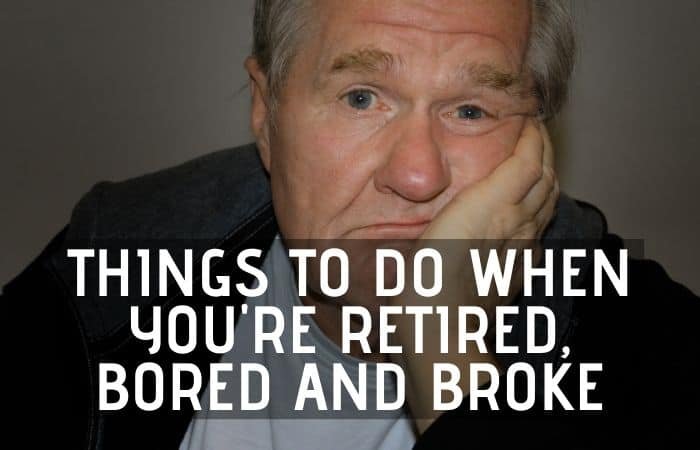
  • 25 Things To Do When You Are Retired, Bored And Broke

    25 Things To Do When You Are Retired, Bored And Broke

    bored and broke retired senior

    Transitioning into retirement can be an exciting time, but it can also present unexpected challenges. For some, financial realities may differ from what they anticipated, and the abundance of free time can feel daunting.

    If you’re finding yourself retired, bored, and broke, this guide is here to help.

    1. Get Back To Work

    Retirement doesn’t have to mean complete separation from work! If your nest egg isn’t quite as plump as you’d hoped, consider re-engaging your skills in the workforce. This doesn’t have to be a full-time return to your old job. Explore part-time work, freelancing, or consulting opportunities that leverage your expertise.

    Remember, your experience, especially if unique or specialized, can be incredibly valuable to companies. Retirement can be a time to discover fulfilling and enjoyable ways to bring in extra income, not just endure unpleasant tasks.

    Read: The 50 Best Jobs For Retirees

    2. Start A Business With No Investment

    If the idea of a traditional job doesn’t appeal, consider venturing into the world of entrepreneurship! The beauty of online businesses is the potential for low investment. Leverage your skills and interests to explore possibilities like:

    • Creative Pursuits: Open an online art shop on Etsy or a similar platform.
    • Consulting Expertise: Offer freelance consulting services in your area of knowledge.
    • Pet Care: Provide dog walking services through Wag or other pet care platforms.
    • Content Creation: Start a niche blog, focusing on a topic you’re passionate about.
    • E-commerce: Explore dropshipping or self-publishing ebooks on Amazon.

    Do note that these ventures typically rely on readily available tools like a laptop, smartphone, and internet access. While success won’t happen overnight, building an online business can be a fulfilling and rewarding pursuit in retirement. It requires dedication, research, and perseverance, but the potential for flexibility and income make it a compelling option.

    3. Reduce Your Expenses

    When facing financial constraints in retirement, a strategic approach to spending is key. Take some time to assess your expensesโ€”a simple spreadsheet or pen and paper can work wonders. List your monthly and yearly costs, differentiating between essential outlays and those with more flexibility.

    Consider downsizing significant expenses like housing or transportation. Could you move to a smaller place or explore carpooling options? Are there underutilized items you could sell to generate extra income? Look for opportunities to streamline spending on hobbiesโ€”perhaps there are more cost-effective ways to pursue your passions.

    Every little bit counts, so optimize your energy bills and scrutinize subscriptions to free up significant savings over time. The key is prioritizing expenses that bring joy and fulfillment. Don’t make cuts that significantly impact your well-being. Instead, strike a balance by identifying areas for compromise while maintaining a happy and fulfilling retired life.

    4. Host A Yard Sale

    Retirement can be a time for decluttering, both physically and mentally. Why not turn those unused belongings into some extra cash by hosting a yard sale? Sort through your possessionsโ€”anything you haven’t used in a year or more is a prime candidate for a new home.

    Beyond the financial benefit, yard sales offer a surprising perk: a renewed sense of purpose and accomplishment. Organizing and running a sale can be a fun and engaging activity, enriching your daily routine in retirement.

    Moreover, it’s a great way to connect with your community and reconnect with neighbors. Fostering social interaction is a key element of maintaining well-being throughout your retirement and yard sales provide a natural opportunity to chat and connect.

    5. Get Help From Family And Friends

    You donโ€™t need to face everything solo. There’s no shame in admitting you need a hand, in fact, recognizing when to ask for help is a sign of strength, not weakness.

    Sharing your struggles with loved ones can provide a much-needed sense of relief and lighten the burden you carry. Don’t hesitate to turn to family and friends for support. After all, that’s what strong relationships are for!

    Be open to their suggestions and assistance. They may offer fresh perspectives or ideas you haven’t considered, helping you navigate challenges and create a more fulfilling retirement experience.

    6. Apply For Free Classes

    To keep yourself sane while broke, stay mentally stimulated by engaging in continuous learning and personal growth. It not only boosts confidence but also contributes to overall well-being and prevents you from getting bored. Enrollment in free classes can be a fantastic way to prevent boredom and add purpose to your days.

    The beauty of the digital age is the abundance of free online resources readily available. Platforms like YouTube.com offer a treasure trove of tutorials covering a vast array of subjects, from mastering a new language to cultivating a flourishing garden or even tackling car maintenance!

    Looking beyond the virtual world, community centers are often hubs for free or low-cost workshops and classes. Explore local options and discover hidden gems in your neighborhood.

    Read: 50 Fun Classes For Retirees

    7. Do Volunteer Work

    Many retirees find immense fulfillment in volunteer work. Volunteering offers a sense of structure, social interaction, and a renewed sense of purpose. By directly helping others, you contribute to your own happiness and well-being and relieve your boredom, creating a win-win scenario.

    The beauty of volunteering is the sheer diversity of opportunities available. Whether you crave hands-on construction with Habitat.org (Habitat For Humanity), connecting with like-minded individuals through VolunteerMatch.org, or faith-based service with JustServe.org, there’s a perfect fit for everyone.ย 

    Organizations like FeedingAmerica.org address food insecurity, while PeaceCorps.gov allows you to make a global impact. Don’t forget to explore local charities and soup kitchensโ€”they often rely heavily on volunteer support.

    8. Read Books At Your Public Library

    Let’s not forget about the treasure trove of resources right in your own backyardโ€”your local public library! Definitely, your city or town may have a fantastic library system, offering a wealth of free reading materials to devour during your retirement to stave away boredom.

    Public libraries are a haven for book lovers and anyone seeking mental stimulation. So, borrow books to lose yourself in captivating stories at home, or establish a relaxing routine of reading within the peaceful and inspiring environment of the library itself.

    Reading can be a source of immense joy and enrichment, broadening your horizons and fostering intellectual growth. So, why not explore the library’s offerings and discover your next great read?

    9. Exercise

    Maintaining physical fitness is crucial for a happy and healthy retirement. Regular exercise not only strengthens your body but also enhances your overall well-being, allowing you to truly enjoy your golden years. Aim to incorporate some form of exercise into your daily or weekly routine to improve your strength, flexibility, and endurance.

    The benefits of exercise extend far beyond the physical. Physical activity triggers the release of endorphins and other proteins in the brain, leading to improved mood, sharper mental clarity, and a sense of relaxation.

    The good news is that you donโ€™t have to go to the gym and spend money. You can have brisk walks or challenging hikes in nature, do stretches, or the mindful practice of yoga. You donโ€™t need to have expensive subscriptions or equipment to get yourself in shape and get bored.

    Also, don’t forget the power of online resources. A plethora of free exercise tutorials are readily available to cater to your preferences and physical abilities. All of them can be done with no additional expenses.

    Read: How To Stay Active In Retirement

    10. Get Outside One Hour A Day

    Do you feel thereโ€™s nothing to do at home? Then spend some time outdoors! If you can, find a good park or nearby greenery. Being in those places can significantly improve your mood and emotional well-being. Nature acts as a powerful stress reliever, reducing feelings of fear, anger, and overall tension.

    The benefits extend far beyond emotional well-being. Immersing yourself in nature offers a multitude of physical health advantages. Studies have shown that time outdoors can lower blood pressure, heart rate, and muscle tension, while also reducing the production of stress hormones.

    Meanwhile, sunshine exposure provides a welcome boost of vitamin D, which plays a vital role in regulating mood. Increased vitamin D levels are linked to higher serotonin production, leading to improved mood, calmness, and enhanced focus. Fresh air acts as a natural refreshment for the mind and body, aiding in digestion, improving blood pressure and heart rate, and strengthening the immune system.

    For those who live near the coast, a refreshing swim in magnesium-rich seawater offers a unique opportunity to relax muscles, further reduce stress, and promote better sleep. The beauty of nature is that it’s freely available to everyone. From the awe-inspiring daily displays of sunrises and sunsets to the endless wonders of the natural world, nature provides a constant source of serenity and beauty.

    11. Learn House Maintenance Projects Online

    Itโ€™s difficult to become bored if thereโ€™s a lot of things to do. One of them is maintaining your home and appliances. So, why not tackle some house maintenance projects yourself? Empowering yourself with DIY knowledge can save you money in the long run and provide a great sense of accomplishment.

    Just like with the previous sections, there’s a wealth of free online resources readily available to guide you through various home maintenance projects. YouTube offers a treasure trove of tutorials, while blogs and Pinterest.com boards provide step-by-step instructions and inspiration. From basic plumbing repairs to painting techniques, you’ll find a project suitable for your skill level and interests.

    Learning DIY skills allows you to tackle maintenance tasks independently, reducing reliance on expensive professional services and preventing you from buying new stuff.

    12. Rearrange Furniture At Home

    Still feeling stuck in a rut? Breathe new life into your living space without spending a dime by rearranging your furniture!

    Start room by room and get creative with new layouts. Experimenting with fresh configurations can completely transform a room, sparking a renewed sense of enjoyment and freshness each time you enter.

    This is a free and effective way to add a touch of novelty to your home and combat boredom during retirement.

    13. Do Meditation

    Being bored and broke can be a real downer. It can be mentally and emotionally overwhelming for anyone. So, to address that, consider meditation. Meditation offers a powerful tool to combat these emotions and cultivate inner peace.

    By focusing on your breath and the present moment, meditation helps manage stress, anxiety, and negative thoughts. The good news is you don’t need expensive equipment or retreats to get started. There are many excellent free meditation apps readily available on your smartphone.

    These apps provide guided meditations suitable for beginners and experienced meditators alike. Give meditation a try and discover a path to greater emotional well-being and inner calm during your retirement.

    14. Establish Structure And Routine

    The shift from a structured work schedule to retirement can be jarring. To avoid feeling bored, lost, or unproductive, consider establishing a personalized routine for your retirement.

    Creating a daily or weekly routine provides a sense of purpose and direction, helping you make the most of your time. This structure can also reduce feelings of boredom and ensure you don’t waste precious days in retirement.

    Think about incorporating activities you enjoy, like exercise, socializing, learning new skills, or pursuing hobbies. Don’t be afraid to experiment and find a routine that brings you joy and fulfillment.

    15. Rekindle A Relationship

    Humans are social creatures and thrive on regular interaction with others. Strong social bonds can even improve physical health by lowering blood pressure and reducing feelings of depression and loneliness.

    Unfortunately, retirement can sometimes lead to a decline in social interaction, especially if you lose daily contact with coworkers. However, this is a perfect time to reconnect with old friends, rekindle cherished relationships, and nurture the ones that matter most.

    Reach out to those you haven’t spoken to in a while, organize reunions or game nights, and make an effort to visit family members more often. Don’t forget to invest time and energy in your romantic relationship with your spouse or partner.

    Remember, you’re not alone. While reconnecting with old pals and family members might feel awkward, especially during financial difficulties, genuine connection goes beyond finances. Strong social bonds offer invaluable support, stave off boredom, and enrich your life in countless ways.

    Read: How To Stay Social After Retirement

    16. Listen To Podcasts

    In line with finding free resources to keep you engaged in retirement, podcasts offer a world of entertainment and knowledge, all for free! Podcasts are like radio shows you can download or stream on your phone or computer. They cover a huge range of topics, so you’re sure to find something that interests you, whether it’s history, true crime, comedy, or anything else under the sun.

    Podcasts can be a great way to learn something new, stay informed, or simply be entertained. You can listen to them while you’re commuting, doing chores, or relaxing at home. And since they’re free, they’re a perfect way to add some variety to your routine without spending any money.

    Here are some tips for getting started with podcasts:

    • Find A Podcast App: There are many different podcast apps available, both free and paid. Some popular options include Spotify, Apple Podcasts, and Google Podcasts.
    • Browse By Category: Most podcast apps allow you to browse podcasts by category, so you can find ones that interest you. There are so many podcasts out there, so don’t be afraid to experiment and find ones that you enjoy.
    • Start With Short Episodes: If you’re new to podcasts, start with shorter episodes (around 20โ€“30 minutes) so you don’t get overwhelmed.

    So why not give podcasts a try? You might just be surprised at how much you like them.

    17. Do Gardening

    Gardening is a fantastic activity for retirees that goes beyond just having pretty flowers or tasty vegetables in your backyard. It’s a great way to stay active and keep your mind sharp, all for free!

    Here’s how gardening benefits retirees:

    • Physical Activity: Digging, weeding, and planting all provide a gentle form of exercise that keeps your body moving and improves flexibility. No need for a fancy gym membershipโ€”your garden is your workout zone!
    • Mental Stimulation: Planning your garden layout, choosing the right plants, and nurturing them to life keeps your mind engaged. It’s a great way to challenge yourself and learn something new.
    • Mood Booster: Spending time outdoors and getting your hands dirty can be surprisingly uplifting. Studies have shown that contact with soil can actually improve your mood by increasing serotonin production.

    Plus, you don’t need a lot of fancy equipment to get started. You can often use what you already have around the house, or borrow tools from a neighbor. And most importantly, you get to have fresh and free food right out of your yard!

    18. Start An Upcycle Project

    Looking for a way to be creative, save money, and help the environment all at the same time? Then look no further than upcycling! Upcycling is basically turning old or unwanted items into something new and useful. It’s a fantastic activity for retirees because it’s:

    • Free Or Affordable: You can use things you already have around the house, or hit up thrift stores and yard sales for cheap finds.
    • Creative Outlet: Upcycling lets you tap into your creativity and come up with something unique and personal.
    • Eco-Friendly: By giving old items a new life, you’re reducing waste and helping the environment.

    There are endless possibilities when it comes to upcycling projects. You can turn old clothes into new bags, paint cans into planters, or even wine corks into coasters. The internet is a treasure trove of inspiration, so check out websites like Pinterest and YouTube to find ideas and tutorials to get you started.

    Upcycling is a fun and rewarding way to spend your time in retirement, and you might just surprise yourself with what you can create! And if you get good at it, you might even get to sell your stuff for some cash!

    https://youtu.be/mSZYpQBmFsI

    19. Rediscover An Old Hobby

    Remember that thing you loved to do before life got busy? Well, retirement is the perfect time to pick it back up! Revisiting an old hobby is a great way to have fun and not be bored, stay mentally stimulated, and all without breaking the bank.

    Here’s why rediscovering an old hobby is perfect for retirees:

    • Cost-Effective: You probably already have most of the equipment you need lying around the house. No need to spend a fortune on getting started again!
    • Reignite Passion: There’s a reason you loved this hobby in the first place! Returning to it can bring back that sense of joy and accomplishment.
    • More Time To Enjoy: Retirement means more free time to dedicate to the things you love. So dust off those paints, grab your guitar, or pull out your woodworking tools, and rediscover the fun of your old hobby!

    Read: How To Get A Retirement Hobby

    20. Have A Potluck Party

    Potlucks are a great way to share a meal and good company, where everyone brings a dish to share. Itโ€™s a clever way to have a party without spending money on it. All you need is to turn your home into a venue.

    Also, potlucks are all about spending quality time with the people you care about, not about fancy decorations or expensive catering. True friends and family will appreciate the effort you put in to gather everyone together, no matter how simple the spread.

    21. Visit Attractions On Free Admission Days

    Even if youโ€™re not broke, itโ€™s also a sweet idea to visit attractions on free admission days. Many attractions, like museums, parks, and even tourist destinations, offer free or discounted admission days specifically for seniors or on certain days of the week.

    Do some research to find out which attractions near you have free admission days that align with your retirement schedule.

    22. Create A New Recipe With Leftovers

    Don’t toss out those leftovers! Instead, get creative and use them to invent new and delicious dishes. This not only helps reduce food waste but also adds variety and excitement to your meals.

    Plus, you can stretch your grocery budget further by cleverly using what you already have on hand. Think of it as a fun challenge to create something tasty with limited ingredientsโ€”you might just discover a new family favorite recipe!

    23. Go Crazy With Coupons

    Speaking of grocery and food, you might want to go crazy with coupons as well. Couponing might seem old-fashioned, but it can be a powerful tool to save on groceries and household items. There are many resources available to find coupons, from traditional Sunday newspaper inserts to digital apps and websites.

    Spend some time each week strategically clipping or collecting coupons for the items you regularly purchase. By using coupons effectively, you can significantly reduce your grocery bill without sacrificing quality.

    24. End Subscription Services

    In today’s world, it’s easy to accumulate subscriptions without realizing it. Take some time to evaluate all your monthly subscriptions, including streaming services, gym memberships, magazine subscriptions, and any other recurring fees.

    Critically assess which ones you truly use and value, and cancel or downgrade any that aren’t essential. This can be a painless way to free up some extra cash in your monthly budget.

    This process will surely keep you busy for a long time as it can be a pain to cancel subscriptions because of hold times and talking to many people.

    25. Utilize Government Programs

    If you’re facing financial hardship during retirement, don’t hesitate to explore government programs designed to assist low-income retirees and seniors. These programs can provide much-needed support and help improve your financial security.

    There are many government programs at the federal, state, and local levels that can provide assistance with housing, food, and other necessities. The best way to find out about these programs is to contact your local Area Agency on Aging (AAA). You can find contact information for your local AAA through the Eldercare Locator: https://eldercare.acl.gov/.

    Conclusion

    Retirement doesn’t have to be a time defined by boredom or financial strain. This guide has offered a variety of strategies to navigate these challenges, from finding fulfilling activities that fit your budget to exploring government programs that can provide support. And most importantly, never hesitate to seek support and help.

    To keep your boredom at bay for a little while longer, consider checking out my other retirement-related posts here. Some of them include:

    Happy reading!