Author: Jerry

  • 21 Tips To Stay Positive In Retirement

    21 Tips To Stay Positive In Retirement

    Sometimes, retirement isn’t what you expected. You might feel bored, sad, lonely, or even depressed at the moment. You may wonder, how do you stay positive in retirement? 

    Well, no need to look furtherโ€”I’m here to help you out. I’ll share some helpful tips on how to stay positive and happy in retirement. Let’s unpack right away!

    Just a heads up, this post contains affiliate links. As an Amazon Associate, I earn from qualifying purchases. Purchases you make through these links may earn us a small commission,ย at no extra cost to you.

    1. Live In A Positive Environment

    After some time, the life of a retiree can feel dull and monotonous. Boredom and depression can creep in, ruining the newly found freedom. To combat these issues, staying positive is crucial. One effective method is to ensure you live in a positive environment.

    Your environment plays a critical role in shaping your mindset. By actively maintaining a space that fosters positivity, you can shield yourself against negativity. Here are some simple ways to make your home more positive:

    • Let the sunshine in your home: Open your windows and let the sunshine flood your home. Natural light is scientifically proven to improve mood and productivity. It also benefits indoor air quality and enhances the visual appeal of your home.
    • Embrace brighter colors: Painting your walls with brighter colors can make your home feel lighter and allow sunshine (and artificial lighting) to spread further. Brighter colors, like yellows, oranges, and light blues, are often associated with positivity, energy, and happiness.
    • Declutter and clean: Clutter can be visually stressful, so removing it is key. The act of decluttering itself can be therapeutic, reducing stress, while finishing the process provides a sense of accomplishment and adds to your happiness.
    • Manage your information diet: Limit your exposure to negativity from TV, radio, and the internet. While staying informed is important, there’s an overload of negativity in the news. You can prioritize other sources of information that uplift and inspire you.
    • Bring nature indoors: Having potted plants keeps you connected to nature, improves air quality, and can enhance mood, productivity, and concentration, as studies have shown.

    This is just the first step. By making your home a positive environment that radiates positivity and supports your well-being in retirement, you can stay more positive. The next step is to focus on fun things to do.

    2. Focus On Fun Things To Do

    Spending as much time on things you enjoy can help you stay positive during retirement. Specifically, it can boost dopamine levels, reduce stress, and give you a sense of purpose and fulfillment. The more you enjoy an activity, the more you can benefit from it.

    Here are some common activities retirees find fun:

    • Traveling: I might be biased on this one, but I assure you that traveling keeps me occupied and positive. I often find myself exploring and learning about the places I visit. Hiking and walking are great ways to discover the natural beauty of new places.
    • Pursuing a hobby: There are countless things to try, and it’s up to you to discover which ones pique your interest. From painting and photography to weightlifting, the possibilities are endless. Now’s the time to pick up something new and exciting.
    • Socializing: Connecting with people can be a fun and positive experience. While some social pitfalls can bring negativity, the benefits of social interaction far outweigh the risks.
    • Getting fit: Staying physically active is a well-known way to boost positivity in retirement. As a bonus, you’ll also improve your health and potentially live longer.
    • Enjoying your “me time”: Retirement can lead to more alone time, which might seem negative at first. However, you can turn this into a positive opportunity for self-discovery. Practices like meditation, yoga, and mindfulness can be wonderful tools for personal growth and inner peace.

    And if you’re looking for more fun things to do in retirement, here’s a great tip: Check out MasterClass. MasterClass offers online courses taught by the world’s best and most famous teachers, providing an incredible opportunity to learn from the best in the comfort of your own home.

    3. Practice Meditation

    As mentioned, practicing meditation is a great way to become more aware of your thoughts and feelings. It’s like taking a step back: you see them, but you don’t have to follow them.

    Are you familiar with the “monkey mind?” It’s our brain’s tendency to chatter incessantly, especially when we’re alone or trying to rest. Negative thoughts can amplify this noise, and we often get caught up in them without realizing it. They pull us away from the present moment and hinder positive thinking. Meditation is a convenient tool to stop this mental chatter.

    To meditate, simply sit comfortably and focus on your breath. If thoughts pop up, don’t worry. Gently bring your attention back to breathing. Start with a few minutes a day and gradually increase the duration as you get better at it. This will strengthen your mental focus and make you more resistant to distractions like noise, pets, and other things.

    If you’d like more guidance, I recommend taking a course called “Mindfulness and Meditation” taught by Jon Kabat-Zinn on MasterClass. Here’s the link:

    Membership to MasterClass.

    4. Use Positive Affirmation

    Staying positive is all about what you feed your brain. When you fill it with negative thoughts, it can become overwhelmed and adopt that negativity. This is why meditation is so valuable in preventing this mental imbalance. But it’s not the only toolโ€”actively nourishing your mind with positive thoughts is equally important.

    This is where positive affirmations come in. These are powerful statements you repeat to yourself, whether in the mirror, during meditation, on a walk in the park, or even while exercising. They’re essentially neutral yet uplifting phrases that can subtly influence your subconscious mind towards positivity.

    Even if you initially doubt the truth of an affirmation, the act of continuously repeating it can actually rewire your brain’s pathways. Itโ€™s a neat psychological trick. 

    To get you started, here are some good affirmations:

    • I am worthy of a fulfilling and joyful retirement. 
    • Every day is a new adventure waiting to unfold.
    • My inner wisdom and creativity guide me towards my passions. 
    • I connect with love and laughter wherever I go.
    • With gratitude, I cherish the present moment and embrace the future. 

    Remember, the most effective affirmations are those that resonate with you personally. Feel free to adapt these suggestions or craft your own unique statements that speak to your specific hopes and aspirations for your retirement journey.

    5. Practice Gratitude

    Practicing gratitude is another excellent way to stay positive during retirement. Compared to meditation and affirmations, it can help you feel better about yourself and others and make you stay positive more.

    Research in positive psychology links gratitude with increased happiness. The neuroscience of gratitude agrees that itโ€™s not just about fleeting moments of positivity; gratitude can improve your overall health and enhance your enjoyment of life experiences.

    Expressing gratitude means actively acknowledging the good things in your life. This includes not only major milestones and achievements but also the little joysโ€”past, present, and even future possibilities.

    Keeping a gratitude journal is a wonderful way to cultivate this practice. While ideally you’d jot down a happy event and express thanks for it at the moment, an hour before sleep works well too. This way, you end the day on a positive note and can potentially wake up with a similar feeling.

    The more you do this, the more naturally grateful you’ll become. Even simple things like a spouse passing you the salt can elicit a gracious, thankful response.

    Starting your day with this intentional shift of focus sets the tone for what matters most. As you consistently practice gratitude, it becomes ingrained, leading to a lasting sense of well-being and increased positivity.

    6. Find Humor In Everything

    Another powerful way to stay positive in retirement is to cultivate a sense of humor and find laughter in even the everyday. With negativity swirling around the world, a good laugh can be a potent antidote. Research even suggests that humor programs can improve emotional well-being by boosting self-efficacy, positive thinking, and optimism while reducing negative thoughts and stress.

    As I often say, “If you can’t find the light, be the light.” There’s no shortage of opportunities to find humor in life; it’s part of our human nature! However, remember to be mindful and sensitive, as what you find funny might not translate to others.

    So, next time you’re feeling down, try turning the situation into a joke or seek out someone with a bright sense of humor who can lift your spirits. A stand-up comedy routine, a funny movie, or even a shared lighthearted moment with a friend can do wonders for your mood. Even in the darkest times, laughter has the power to heal and bring light.

    7. Surround Yourself With Positive People

    As mentioned before, your environment plays a significant role in your well-being, and a crucial element of that environment is the people you surround yourself with. Choose to spend time with people who uplift and inspire positive feelings. Prioritize those who energize you rather than draining your reserves.

    Remember, some individuals can leave you feeling exhausted, unhappy, and burdened by negativity. Limiting your time with them is an act of self-care, not because you dislike them but because you deserve to protect your emotional well-being. This applies not only to people you actively dislike but also to those who consistently exude negativity and drain your energy.

    While you don’t need to completely cut them off, setting boundaries and limiting your interactions can be crucial. It’s simply about protecting your mind from negativity and prioritizing your own emotional health.

    8. Exercise Regularly

    Maintaining positive mental health is crucial for a happy retirement, but caring for your physical well-being is equally important. Regular exercise is a powerful tool for achieving this.

    Start by recognizing that exercise is a potent mood booster and mind elevator. Numerous studies have shown its effectiveness in preventing and even combating feelings of depression.

    So, how does exercise work its magic? During physical activity, your brain releases a powerful trio of neurochemicals: endorphins, dopamine, and adrenaline. These natural chemicals act as painkillers and mood enhancers, leaving you feeling confident, less anxious, and less stressed.

    Aside from producing neurochemicals, regular exercise fosters better sleep, crucial for overall well-being. Quality sleep improves cognitive function, memory, and emotional resilience.

    9. Do Good

    Now that you’re surrounded by positivity, it’s time to become the source yourself, spreading that infectious joy to others. A simple act of kindness, a donation of time or money, a random gestureโ€”these are all powerful ways to uplift your own mood while bringing a smile to someone else’s face.

    Volunteering is a particularly popular way for retirees to become positivity magnets, offering a wealth of benefits:

    • Finding fulfillment: Dedicating your time to a meaningful cause fosters a sense of purpose and satisfaction that enriches your retirement.
    • Spreading joy: Witnessing the happiness you bring naturally elevates your own moodโ€”a shared smile is a double dose of positivity!
    • Combating boredom: Staying active and engaged keeps your retirement vibrant and avoids the pitfalls of idleness. You’ll be too busy making a difference to feel bored!
    • Building connections: Volunteering provides opportunities to interact with others and combat social isolation. The more positive people you surround yourself with, the more the positivity reverberates.
    • Rediscovering purpose: Retirement can be a time to embrace new challenges and find a renewed sense of meaning. Volunteering helps you fight the negativity that can come with navigating this new phase of life.

    By enriching your own life while making a positive impact on others, volunteering offers a recipe for a truly fulfilling and meaningful retirement. If you’d like to delve deeper into why retirees find such joy in volunteering, check out my article: “Why Do Retirees Volunteer?

    10. Get In Touch With Nature

    Nature is a magical thing. When you look at the stars, your own problems become very small. You feel refreshed and energized when you go for a walk in the park. A dip in the ocean feels like a detox for the mind and body, which helps the positivity within you.

    Spending time in nature also offers numerous documented benefits for both physical and mental health. Research shows that being outdoors can:

    • Reduce stress and anxiety: Studies have found that immersing oneself in nature reduces levels of cortisol (the stress hormone) and boosts feelings of calmness and relaxation.
    • Improve mood and well-being: Spending time in green spaces has been linked to increased levels of dopamine and serotonin, neurotransmitters associated with happiness and contentment.
    • Boost cognitive function: Nature walks and exposure to greenery have been shown to improve memory, attention, and creativity.
    • Enhance physical health: Outdoor activities like walking, hiking, and swimming naturally increase physical activity and contribute to overall health and well-being.
    • Promote social connection: Nature provides opportunities for outdoor gatherings, shared activities, and connecting with others, which can combat loneliness and social isolation.

    Ditch the screens, and embrace nature. Hike a trail, chase sunsets, or dip in a lake. Make fresh air your daily retreat, not the television. Your happy place awaits outdoors. However, if you can’t go outside, bring nature in! A Himalayan salt lamp or a small indoor fountain can offer a touch of serenity and a reminder of the natural world.

    11. Smile

    Want to stay positive? Even a forced smile can unlock surprisingly powerful benefits. The simple act of making that facial expressionโ€”even when you don’t feel like itโ€”tricks your brain into thinking you’re genuinely happy. This triggers the release of these happy chemicals:

    • Dopamine (pleasure and motivation) 
    • Serotonin (mood boost and anxiety reduction)
    • Endorphins (natural painkillers and mood elevation)

    The facial feedback hypothesis explains this phenomenon: when we smile, even fake or forced, our facial muscles send signals to our brain that we’re experiencing positive emotions. 

    This impact extends beyond just brain chemistry, boosting confidence and self-esteem, enhancing approachability and trust, and fostering stronger social interactions and relationships. As you know, these all contribute to a more positive overall environment for you as a retiree.

    12. Stop Comparing

    I’m guilty of comparing myself to others, too. It’s a trap that’s easy to fall into, especially in retirement. Suddenly, possessions and achievements seem magnifiedโ€”a constant “pissing contest” against other retirees. You compare positions, bank accounts, houses, even 401(k) contributions. But stop!

    Theodore Roosevelt was right: comparison truly is the thief of joy. It breeds envy and jealousy, negativity that poisons your own happiness. Comparing leads you nowhere, stealing your peace and drowning you in a sea of negativity.

    Instead, embrace self-confidence and smile. Use affirmations to bolster your morale and self-esteem. You have better things to do than to look at others as if they competing against you. 

    And if you truly want to “win” that “metaphorical contest,” you still have time. Reconnect with passions, explore new hobbies, and cherish time with loved ones. These are the pursuits that make you truly rich and better. Be the happiest and most positive!

    13. Accept Life As It Is

    Constant comparisons stem from an inability to accept life as it is. Retirement, ironically, can become a breeding ground for regrets. We ruminate on missed opportunities, bad decisions, and the gnawing “what-ifs.” Remember that dwelling on the past sabotages you and will steep you with negativity.

    Accepting life, though easier said than done, is crucial. You can’t rewind time, no matter how we yearn for “undo.” As the saying goes, crying over spilled milk won’t magically fill the glass. So too with life; focus on what remains, not what’s done and gone.

    To make it easy for you to accept your current life and achievements, remember what I said: practice gratitude. Be thankful for your present blessings, both big and small. Celebrate your milestones. Reflect on how fortunate you are compared to manyโ€”not everyone retires. Globally, an estimated 60% of those above 60 remain in the workforce. In the US, almost 15% of 65-year-olds continue working!

    Accepting life isn’t about ignoring the past, but understanding and appreciating the present. It’s about letting go of “what could have been” and embracing the “what is” with open arms.

    14. Set Positive Goals

    Can’t embrace your life as it is? Build an ideal retirement you can strive for! Setting positive goals empowers you to rewrite your future, using what you have to create something better.

    These goals aren’t just motivational trophies; they shift your mindset to a positive one thatโ€™s focused on the future. Theyโ€™ll pull you out of bed each morning with excitement instead of regret. 

    And even if you already accepted life as it is, goals remain vital. We humans crave them; they’re roadmaps directing our time and energy toward what truly matters. So, grab a pen and ignite your retirement journey with a bucket list!

    Remember, goals are action magnets. Inaction breeds negativity, and negativity is the last thing you want in your golden years. Take charge, set your sights, and watch your ideal retirement unfold right before your eyes.

    15. Take Responsibility

    Many people unknowingly fall into the victim role during tough times, especially in retirement. Feeling overwhelmed with self-pity and negativity, they constantly compare themselves to othersโ€”thinking that hope is goneโ€”especially if theyโ€™re truly experiencing hardships. Not everyone has a successful career that leads to a comfortable retirement, after all.

    As a result, they tend to see the glass as half-empty, getting stuck in a cycle of complaining and feeling sorry for themselves. This shows up in always comparing themselves to others, feeling envious of others’ achievements, and being unable to plan their own path.

    If this sounds familiar, take proactive steps to break free. Acknowledge your failures, but don’t embrace the victim mentality. Instead, take charge of your present self and work on overcoming past failures. This newfound responsibility becomes your defense against negativity, turning your downward spiral into an upward climb.

    Taking responsibility starts with recognizing your mistakes. Understand the harm caused by self-pity, then practice forgiveness. Make things right by setting positive goals, learning from your experiences, and committing to not repeat them.

    With a clear plan, focus on the present and commit to your goals. If doubts cloud your confidence, seek support from friends, family, or even a professional. Remember, you’re not alone in dealing with past failures or working toward a brighter future.

    16. Be Social

    Loneliness can negatively impact you in different ways. It can heighten your vulnerability to negativity, derail you from meaning and purpose, and foster resentment and frustration. Being lonely during your retirement can be fatal.

    Because of that, the internet is abuzz with the claim that “loneliness is just as deadly as smoking 15 cigarettes daily.” While this saying needs some nuance, it does point out the growing concern about loneliness as a public health issue. Its harmful effects have been linked to various health problems, including:

    • Heart disease and stroke
    • Depression and anxiety
    • Dementia and cognitive decline
    • Weakened immune system
    • Early death

    As humans, we naturally desire social interaction. It’s like our daily bread, crucial for thriving and maintaining good health. While spending time alone also has a necessary role in recharging and nurturing our inner selves, engaging yourself in social situations can significantly boost your happiness and result in a more positive outlook, especially in retirement.

    So, donโ€™t forget to spend more time with family, reconnect with friends, and even befriend strangers. We canโ€™t survive alone, whether we like it or not. Even shut-ins canโ€™t be alone for a long time as they use the internet to socially interact with other human beings.

    17. Make Positive Choices

    Beyond being thankful and kind to others, actively making positive choices is another key to staying positive during retirement. When faced with life’s problems, choosing the “right” pathโ€”the one that aligns with your values and promotes well-being for yourself and othersโ€”can significantly impact your journey.

    Remember, even amid life’s chaos, the power to choose remains. When you need to make a decision, take a mindful breath and step back. Look at both the small and big picture. Choosing the most positive option might not always be easy, but it sets the stage for greater fulfillment and growth.

    Sharpening your decision-making skills and becoming more aware of these moments of choice are crucial steps toward a more positive life during retirement.

    18. Consume Positive Media

    Earlier, I mentioned that news is a source of negativity; unfortunately, it’s not the only culprit. TV shows, films, and even music are also rife with it. And it’s especially easy to get sucked into them when you’re vulnerable, as you may feel these media resonate with your life in troubling ways.

    So, instead of avoiding them altogether, make a conscious effort to seek out alternatives. Immerse yourself in media that are more lighthearted and positive. Turn to quirky sitcoms, heartwarming rom-coms, and even uplifting stand-up comedy to improve your mood and cultivate a more positive mindset. Save the darker, heavier films and content for times when you already feel emotionally strong and grounded.

    Remember, the content you consume is part of your environment. So, again, maintain a good diet when it comes to information, entertainment, and media.

    19. Try New Things

    If youโ€™re steeped in negativity, breaking free from it involves trying new things and doing the opposite of your current routine. This is a quick and effective way to introduce positivity. 

    It’s crucial to recognize that every thought and action shapes your experience, and sticking to the same patterns over and over again often leads to the same result: negativity. If negative habits are a part of your routine, let go of them and replace them with more positive alternatives.

    Stepping outside your comfort zone is key. While you might already have an idea of actions that could change your negative mindset, fear might be holding you back. It’s time to be brave, especially considering you’re already retiredโ€”what could go wrong? Well, a lot. So be careful and donโ€™t do this drastically all at once!

    The key is to avoid reverting to negative habits and thoughts. Remember, trying new things introduces new experiences, so keep exploring and cultivating a more positive outlook.

    20. Look At The Positive For Every Negative

    For every positive, there is a negative; this is a universal law. Just as with finding humor in everything, itโ€™s also possible to find positivity in negativity. You just need to try hard enough.

    In essence, you must turn yourself into an optimist. However, avoid being toxicly positive. To do these, take these into heart:

    • Embrace the spectrum: Life isn’t black and white. While positive and negative often exist in tandem, there’s a vast gray area in between. Acknowledging this nuance allows you to navigate life’s full spectrum, with its varying shades and complexities.
    • Seek genuine hope: Instead of blind optimism, cultivate a hopeful mindset. Trust that positive possibilities exist within challenges, without ignoring the full spectrum of experiences. This balanced approach fosters resilience and a more authentic connection to life.
    • Celebrate meaningful victories: Let your celebrations be genuine and reflective of your values. A single correct answer in a lengthy questionnaire might not warrant a grand celebration, but a personal breakthrough or a small step towards a larger goal deserves recognition.
    • Balance perspective with empathy: Remember, not everyone shares your path. While optimism can be a powerful tool, it’s crucial to exercise empathy and understanding. Avoid minimizing others’ struggles or offering unsolicited “silver linings” in the face of trauma. Choose appropriate moments to share your hopeful perspective, respecting the individual needs and experiences of others.
    • Recognize the pitfalls of toxic positivity: Be mindful of unhealthy optimism, which can manifest as minimizing problems, dismissing concerns, or pressuring others to conform to your cheerfulness. Authenticity and vulnerability are cornerstones of healthy connections, so embrace the full range of your emotions and experiences.

    Again, be careful. Thereโ€™s a fine line between being optimistically positive and toxicly positive. Donโ€™t get trapped in that pitfall.

    21. Silence The Ego

    Retirement can feel like receiving an imaginary badge of “greater experience” compared to others. While this holds some truth, clinging to that belief can be problematic. Inflated self-importance, or ego, can wreak havoc on your life and relationships, making you negative and difficult to be around.

    To prevent this, silencing your ego before it gains too much control is crucial. Practices like meditation and cultivating gratitude can be powerful tools. Additionally, avoiding comparisons with others is essential. Remember, your journey is unique, and comparing it to someone else’s creates unnecessary negativity.

    Finally, break free from dependence on external validation. Instead, find fulfillment and value within yourself. Pay close attention to social situations and how your attitude affects others. Be mindful and adjust your behavior if needed.

    Conclusion

    There’s certainly a lot on the plate when it comes to staying positive in retirement. But remember, everyone’s a work in progress! Take it slow, and embrace these tips one step at a time. It’ll take time, sure, but with consistent effort, these practices can become second nature. So, breathe easy, enjoy the journey, and good luck!

  • Reap the Rewards: Top 10 Benefits of Gardening in Retirement

    Reap the Rewards: Top 10 Benefits of Gardening in Retirement

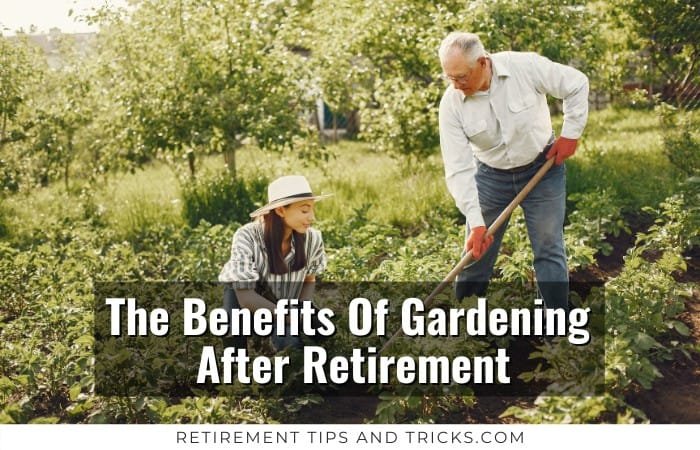
    Consider picking up gardening in retirement! It offers a wealth of benefits for healthy aging, from boosting social connections to calming the mind. Studies have shown these benefits to be true.

    In this article, I’ll explore these science-backed benefits and provide tips to get you started. Ready to dig in? Let’s go!

    1. Gardening Keeps You Active

    Gardening is a fantastic way to stay active and embrace the outdoors, all while providing a gentle nudge to keep your body moving. This is especially important for healthy aging, as physical activity is a cornerstone of well-being.

    Weeding, planting, and liftingโ€”all staples of gardeningโ€”contribute significantly to meeting the recommended weekly physical activity levels set by the CDC. For older adults, aiming for at least 150 minutes of moderate aerobic exercise is key, and gardening can help you reach that goal effortlessly.

    But it’s not just about cardio. Muscle strength training, often involving weights, is also crucial. The good news? Lifting and digging in the garden naturally work your major muscle groups, providing that essential strength component.

    The beauty of gardening is that it seamlessly blends aerobic and muscle-strengthening activities, offering a one-stop shop for overall health and well-being.

    2. Gardening Increases Your Social Interactions

    Community gardens have become a popular haven for retirees, offering a wealth of benefits beyond just fresh produce. These vibrant spaces serve as a springboard for learning new skills from seasoned gardeners, fostering a sense of belonging, and expanding your social circle.

    A community garden can let you be surrounded by like-minded individuals, all with a passion for nurturing life. This fosters a sense of community and opens doors to new friendships.

    As Harvard Health Publishing emphasizes, maintaining strong social ties is essential for healthy aging. Studies have shown that diverse social interactions can significantly boost emotional well-being and even encourage increased physical activity among older adults.

    Even if you’re lucky enough to have your own garden, a community garden offers an extra layer of social connection. It ensures continued engagement and maximizes the overall health and well-being benefits associated with gardening.

    3. Gardening Sharpens Your Mind

    Gardening allows you to nurture plants and also sharpen your mind as well. Beginners will find themselves constantly learning and planning, from understanding harvest times and ideal planting seasons to choosing the right fertilizer and combating pesky pests. Mastering these tasks keeps your mental agility sharp.

    The benefits extend beyond mental stimulation. Rush University Medical Center suggests that activities like gardening can promote the growth of gray matter in the brainโ€”a key component of brain health.

    4. Gardening Reduces Stress

    Gardening offers a delightful escape into a world of mindfulness. Each task, from planting seeds to nurturing delicate blooms, requires focused attention, gently pulling your mind away from daily stressors.

    This shift in focus can significantly reduce stress by lowering cortisol, the body’s stress hormone. But the benefits go beyond mental calm.

    Research from the University of Colorado Boulder reveals a surprising connection between soil and stress reduction. Soil harbors an anti-inflammatory fat, and a friendly bacterium called Mycobacterium vaccae. When inhaled or even ingested through fresh, soil-kissed vegetables, this bacteria triggers the release of serotonin, the happy hormone, further enhancing the stress-relieving effects of gardening.

    5. Gardening Is Related To Healthy Aging

    Gardening can also be considered a holistic practice that embodies the core principles of healthy aging championed in longevity hotspots like Okinawa, Japan, a Blue Zone famous for its residents’ extended lifespans. Here, the secret lies in an active lifestyle, a focus on fresh food, and minimal stress.

    Just like the Okinawans who maintain their active lives through tending to their gardens well into their senior years, gardening provides a gentle blend of physical and mental stimulation. Digging, planting, and nurturing your plants keeps your body moving while planning, problem-solving for pest control, and learning about different plant varieties keep your mind sharp.

    6. Gardening Helps To Eat More Fresh Vegetables

    Gardening empowers you to choose how you nourish your plants, opting for natural fertilizers that align with health-conscious practices. As you pluck your homegrown vegetables, you can savor the satisfaction of knowing exactly what went into their growth.

    With gardening, you’re confident your vegetables haven’t been showered with toxic pesticides, you’ve cared for them with your own hands, and their freshness is undeniableโ€”straight from garden to table!

    Beyond the satisfaction of a homegrown meal, gardening integrates fresh, homegrown vegetables into your diet, ensuring a natural source of vitamins and nutrients for a healthier you.

    7. Gardening Helps You To Go Outside

    Retirement often brings a shift in daily routines, with many spending a significant amount of time indoors, as the American Time Use Survey highlights. Television can waste an average of 4.5 hours daily as it can easily become a time-filler. But what if there were a more active alternative that promotes well-being?

    Enter gardening. Unlike passive pursuits like television, gardening encourages physical activity and mindfulness. Stepping outdoors unlocks a treasure trove of benefits: improved vitamin D levels from sun exposure, increased exercise from tending your plants, a boost in happiness, and even sharper focus, according to Harvard Health Publishing.

    8. Gardening Is A Cheap Hobby

    Gardening doesn’t have to be an expensive hobby. You can tailor it to your budget, whether it’s a small herb or vegetable garden tucked into a sunny corner of your home or a creative vertical garden that maximizes limited space.

    For those without their own outdoor space, community gardens offer a budget-friendly alternative. Many are free to join, and the American Community Garden Association can help you locate one near you. Membership allows you to connect with fellow gardeners and share resources.

    While investing in quality tools might seem like an upfront cost, it’s actually a long-term investment. Durable tools make gardening more enjoyable and can last a lifetime. 

    Consider starting with a few essential items or if you want to save money in the long run, get a comprehensive gardening set you might find on Amazon. This lets you build your collection as your gardening skills and needs evolve.

    Skip costly missteps! MasterClass, along with other online learning platforms, offers fantastic gardening courses. Taught by masters, these classes can equip you with the knowledge needed to avoid expensive mistakes in your garden. It’s a convenient and accessible way to learn from the best and ensure your gardening journey thrives.

    9. Gardening Improves Balance And Coรถrdination

    Gardening is a natural path to staying active as was mentioned in the previous sections. It effortlessly helps you meet the CDC’s minimum requirements for physical activity. But the benefits go beyond ticking a box.

    Gardening also enhances your balance and coordination, which can be a lifesaver as we age. Studies show that older adults who spend just an hour a week gardening report better balance, increased walking speed, and even fewer chronic conditions compared to their non-gardening peers.

    10. Gardening Boosts Self-Esteem

    Digging in the dirt could be a surprising mood booster too. Studies suggest that gardeners tend to have higher levels of body appreciation compared to non-gardeners. This hints at a deeper happiness and stronger self-esteem.

    It makes sense when you consider the other well-documented benefits of gardening. Spending time outdoors naturally increases serotonin production, the “feel-good” hormone. 

    Plus, the physical activity involved gives you a natural energy boost. Feeling good physically often translates to feeling good about yourself, creating a positive cycle that reinforces the mental well-being benefits of gardening.

    Conclusion

    I hope this article has inspired you to consider gardening and cultivate not just a beautiful garden, but a healthier and happier you! With a little planning and effort, the rewards of gardening are within reach.

    Now, while you get ready to garden, why not spend a few more minutes reading some of my other articles? Here are some of the most recent ones that I published:

    Happy reading!

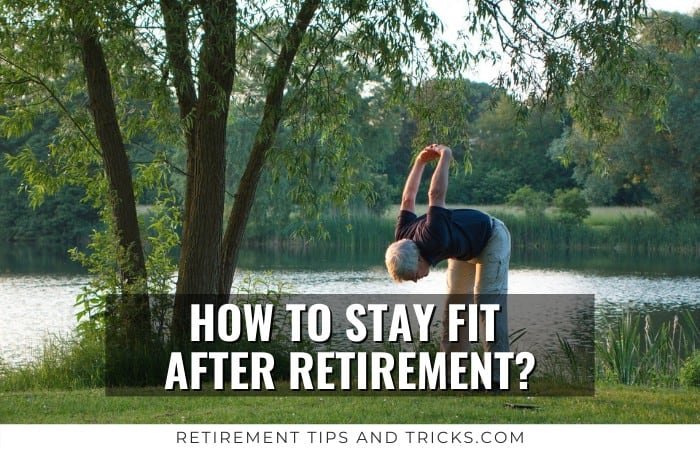
  • 17 Fun And Effective Ways To Stay Fit And Active In Retirement

    17 Fun And Effective Ways To Stay Fit And Active In Retirement

    Retirement marks an exciting new chapter filled with opportunities for personal growth and exploration. Maintaining physical fitness throughout this stage of life is crucial for maximizing your enjoyment and well-being.

    To help you stay healthy, read this article. It offers many fun ways to stay fit and active during retirement. These ideas go beyond regular sports and suit different interests and likes. Letโ€™s get started!

    1. Start With Exercise

    Regular physical activity is a cornerstone of a healthy and fulfilling retirement. Studies have shown that exercise demonstrably improves cardiovascular health and physical well-being, increases energy levels, and may even enhance cognitive function.

    While hitting the gym might be the first thing that pops into your head when you think about exercise, it’s not the only option (and for some, not the most appealing). After all, traditional gym routines can feel monotonous.

    Fortunately, applications like Aaptiv offer a dynamic approach to fitness. They boast extensive libraries exceeding 1,000 audio and video workouts, catering to a wide range of fitness levels and preferences. Furthermore, weekly additions ensure a constantly evolving exercise experience, fostering long-term engagement.

    2. Keep Learning New Things

    A fulfilling retirement prioritizes both physical and mental well-being. Mental fitnessโ€”often referred to as cognitive healthโ€”plays a vital role in healthy aging. Harvard Health Publishing emphasizes the importance of engaging the brain in various activities to maintain cognitive function, similar to how physical exercise strengthens the body.

    Throughout life, but especially in retirement, learning new things is a powerful tool for maintaining cognitive fitness. Exposing the brain to new information and experiences promotes mental agility and flexibility.

    Numerous platforms, like MasterClass, offer enriching learning opportunities. These platforms provide accessible avenues for mental stimulation, often featuring courses taught by renowned experts in a wide variety of fields. The extensive course selections cater to diverse interests, allowing individuals to delve into subjects they’re passionate about.

    3. Monitor Your Health 

    Regular health monitoring is essential for maintaining well-being throughout retirement, particularly as age-related health concerns may arise. Understanding your current health status empowers you to identify areas for improvement and make proactive decisions about your fitness journey.

    Several companies, like Life Extension, offer health assessments focused on various aspects of healthy aging. These assessments can provide insights into key health markers, including potential risk factors.

    It’s important to consult with your doctor before undergoing any health assessment. They can advise on the suitability of specific tests and interpret the results within the context of your individual health history.

    Life Extension Healthy Aging Panel, Comprehensive Combo Test

    Life Extension Healthy Aging Panel, Comprehensive Combo Test

    Find out your real age by testing for important factors, like thyroid function and cardiovascular risk, that can change as you age.. Healthy Aging Panel (Comprehensive) Combo Test


    4. Learn To Meditate

    Meditation offers a valuable tool for promoting mental fitness and overall well-being. It allows individuals to process emotions and experiences in a mindful way, fostering a sense of calm and acceptance.

    Regular meditation practice can become an integrated part of one’s daily routine, offering lots of benefits. Improved focus, better stress management, and enhanced emotional regulation are just some of the positive outcomes associated with consistent meditation.

    Thankfully, learning how to meditate is easy because you can find resources that tackle this subjectโ€”MasterClass is one. These resources can provide valuable guidance for those interested in incorporating meditation into their daily routines, promoting a more balanced approach to fitness in retirement.

    5. Transition To Having A Healthy Diet

    Unfortunately, statistics from the CDC indicate that nine out of 10 Americans have unhealthy diets. This is a huge concern as maintaining a healthy diet is another cornerstone of staying fit, especially in retirement.

    A healthy diet complements exercise and mindfulness practices. Additionally, improving your dietary habits may significantly impact health by lowering the risk of chronic diseases like obesity, diabetes, and heart disease. So, prioritize fresh, nutritious foods like fruits and vegetables to obtain essential vitamins, minerals, and fiber, which will ultimately contribute to your overall well-being.

    Meanwhile, research on communities with a high number of centenariansโ€”often referred to as blue zonesโ€”offers valuable insights into healthy longevity. These populations often share common dietary habits, emphasizing whole, plant-based foods and limiting processed foods and animal products.

    Books like The Blue Zones and Superlife delve into the dietary practices of these long-lived populations. Get them if you want to know more about the connection between a healthy diet and longevity.ย 

    Another thing worth mentioning is that transitioning to a healthier diet can be challenging, especially with the abundance of convenient, processed foods available. Understanding these challenges and exploring solutions such as meal planning or grocery delivery services can be helpful for some individuals.

    Food delivery services like GreenChef offer a convenient solution for transitioning to a healthier diet. GreenChef provides meal delivery options tailored to various dietary preferences, including plant-based, keto, and vegetarian diets.

    6. Take Vitamin Supplements

    As mentioned before, healthy eating habits are one of the cornerstones of maintaining overall health and well-being throughout life, particularly in retirement. However, some individuals may struggle with dietary patterns that lack essential vitamins and nutrients.

    While a balanced diet is the primary source of essential nutrients, dietary supplements can play a complementary role in addressing specific deficiencies. For example, vitamin B12 deficiency is more common in older adults due to age-related absorption issues and dietary choices.

    Itโ€™s important to note that thereโ€™s a potential link between long-term vitamin B12 deficiency and symptoms of cognitive decline, including dementia and Alzheimer’s disease. Addressing these deficiencies through targeted supplementation, as recommended by a healthcare professional, may potentially help reduce the risk of cognitive decline in older adults.

    However, donโ€™t self-medicate. It’s crucial to consult with a doctor before taking any supplements. They can assess individual needs, identify any potential deficiencies through testing, and recommend appropriate supplementation strategies to complement a healthy diet and lifestyle.

    By the way, Life Extension also provides supplements. With the help of their tests, you can also determine which vitamins youโ€™re lacking and set you up with the right supplement package for you. However, be sure to talk to your doctor first.

    7. Maintain Your Social Life

    Strong social connections are essential for overall health and well-being throughout life, particularly in retirement. Studies have shown that social isolation can have significant negative health impacts, comparable to the risks associated with smoking.

    Fortunately, many ways exist to cultivate and maintain social connections in retirement. These options include joining clubs or groups that align with your interests, volunteering within the community, or attending local events. These activities foster social interaction and a sense of belonging, promoting positive mental and emotional well-being.

    When you’re looking to meet other people after retirement, one of the easiest ways is by signing up for eharmony. Itโ€™s a dating app and is very popular among the elderly and retirees, mainly because it focuses not only on finding love but also on companionship.

    While online dating services are an option, you should also explore other social activities that may be beneficial. This allows you to connect with like-minded individuals who share your hobbies and interests, fostering deeper connections beyond just companionship. For more information, you can check out my article: How Do I Meet People After 60.

    8. Become A Gardener

    Staying active is essential for maintaining well-being in retirement, even for those who don’t enjoy traditional exercise routines. Gardening is a rewarding alternative that offers many helpful benefits for both physical and mental health.

    The repetitive and mindful nature of gardening can be almost meditative, promoting relaxation and reducing stress levels. This can significantly contribute to overall well-being in retirement.

    Also, engaging in the physical work involved in gardening, like digging, planting, and weeding, helps train the body and contribute to meeting recommended daily activity levels. It also allows you to cultivate your own vegetables and herbs, providing access to fresh, healthy food options at home.

    If you want to get into gardening, be good at it, and reap all its benefits, consider taking a MasterClass. Taking this class can provide valuable insights and tips, making the gardening experience more enjoyable and rewarding.

    9. Step Outside Everyday

    Immersing yourself in nature is essential for maintaining well-being throughout retirement. According to Harvard Health, there are numerous health benefits associated with spending time outdoors, including improved Vitamin D levels, increased energy levels, and enhanced mood.

    Being outdoors offers a welcome change of scenery and a chance to disconnect from daily routines. This disconnection can significantly contribute to stress reduction and improved mental well-being.

    Even in urban settings, opportunities to connect with nature exist. Taking walks in parks or green spaces can provide a refreshing break and a chance to reconnect with the natural world. Finding ways to incorporate outdoor activities into your daily routine, like a morning walk, can have significant benefits for both physical and mental health.

    Preparing for various weather conditions allows you to enjoy the outdoors more frequently. Investing in appropriate gear like comfortable shoes and weather-resistant clothing can make outdoor activities more enjoyable year-round.

    10. Master Yoga

    Yoga offers a valuable exercise option for retirees, promoting both physical and mental well-being. It can improve flexibility, stability, and balance, all of which contribute to overall health and potentially, a longer lifespan.

    The beauty of yoga lies in its diverse styles, allowing individuals to find a practice that aligns with their preferences and fitness levels. From the gentle stretches of Hatha yoga to the more dynamic flows of Vinyasa, there’s a type of yoga suitable for everyone.

    Aaptiv can be a helpful resource if you’re interested in exploring yoga. However, numerous other options exist, such as online classes, local studios, or yoga DVDs. Experimenting with different styles and instructors can help you discover a practice you enjoy and can easily incorporate into your daily routine.

    11. Go Swim

    Swimming is a fantastic exercise option for retirees, offering a low-impact yet effective workout. It provides a full-body experience that improves cardiovascular health and endurance while being gentle on the joints. This makes it suitable for individuals with mobility limitations or concerns.

    You can easily incorporate swimming into your fitness routine. You can choose to swim laps for a more vigorous workout or participate in water aerobics classes for a more social and structured experience. Ultimately, selecting the right activity depends on your individual preferences and fitness goals.

    Just like with everything else, there are many resources you can use to guide you in finding enjoyable swimming workouts. Consulting with a local pool or fitness center can provide valuable insights into various programs and classes offered. Or you can, again, rely on Aaptiv and other fitness apps out there.

    12. Set Goals

    Setting goals in retirement is essential for maintaining a sense of purpose, motivation, and overall well-being. Goals provide direction and a focus for your energy, keeping your mind and spirit active.

    The pursuit of goals often naturally incorporates physical activity. Whether it’s learning a new skill that requires physical practice or traveling to new destinations, working towards goals can encourage movement and a healthy lifestyle.

    The beauty of retirement is the freedom to pursue goals based on your own interests and aspirations. This could involve anything from mastering a new language to volunteering in your community. Creating a personalized list of goals, often referred to as a bucket list, is a practical way to prioritize your aspirations and create a roadmap for a fulfilling retirement.

    You’ll find the perfect bucket list inspiration to set goals and stay fit after retirement in my article: Ideas For Your Retirement Bucket List.

    13. Do Daily Brain Exercise

    Maintaining mental fitness is a crucial aspect of staying fit in retirement, as mentioned a few times already in this article. To drive this point home, know that studies suggest that engaging in brain-stimulating activities can contribute to cognitive health and potentially reduce the risk of dementia.

    Thankfully, there are a lot of activities that can help keep your mind sharp and engaged throughout retirement. These options include classic pursuits like playing chess or solving puzzles, or exploring new avenues such as learning a language or a musical instrument. The key is to find activities that challenge and stimulate your mind, while also providing enjoyment.

    The benefits of engaging in mentally stimulating activities extend beyond cognitive health. These activities can enhance overall well-being by promoting feelings of accomplishment, social connection (through group activities), and a sense of purpose.

    14. Laugh At Every Opportunity

    Laughter plays a vital role in maintaining well-being throughout life, and retirement is no exception. Studies indicate that laughter can promote relaxation, reduce stress, and even boost energy levels.

    Cultivating a playful and lighthearted attitude can significantly enhance your retirement experience. Engaging in fun activities, connecting with others who share your humor, and simply finding moments of joy in everyday life can contribute to a more fulfilling retirement.

    The benefits of laughter extend beyond momentary amusement. Laughter can help combat stress, promote mental and emotional well-being, and ultimately contribute to a higher quality of life.

    15. Limit Your Screen Time

    While technology offers a lot of benefits, constant connectivity through smartphones and social media can be overwhelming. Research suggests that excessive screen time and social media use can contribute to the release of more cortisol, which adds more stress and negatively impacts sleep quality.

    Taking breaks from technology, also known as digital detoxing, can have many reasonable advantages. Limiting screen time allows for a reduction in stress levels and promotes a sense of calm. Engaging in activities without the distraction of phones fosters a greater presence at the moment and allows for a deeper enjoyment of experiences.

    The blue light emitted from electronic devices can disrupt sleep cycles by suppressing melatonin production. To improve sleep quality, consider limiting screen exposure, particularly before bedtime. Opting for relaxing activities like reading a book can promote relaxation and contribute to a better night’s sleep.

    16. Get Enough Sleep

    Since weโ€™re already talking about sleeping in the previous section, know that itโ€™s essential for maintaining overall health and well-being throughout life, particularly in retirement. While achieving the recommended 6โ€“8 hours of sleep is important, focusing solely on quantity may not be enough. Restful, high-quality sleep is crucial for optimal physical and mental functioning.

    Studies have shown that poor sleep quality can negatively impact health by increasing the risk of chronic diseases like diabetes, heart disease, and cognitive decline. Dr. Manson’s research at Harvard Medical School highlights the connection between poor sleep and weight gain, increased cortisol levels, and diminished cognitive health.

    Several strategies can help you achieve restful sleep. Creating a relaxing bedtime routine, practicing relaxation techniques like meditation, and limiting screen time before bed can all contribute to falling asleep more easily and experiencing deeper sleep.

    Optimizing your sleep environment can further enhance sleep quality. Investing in a comfortable mattress that provides adequate support for your body, such as the Puffy Mattress, is essential. Also, using an anti-snoring mouthpiece like VitalSleep can help reduce snoring and improve sleep quality for both individuals and their partners.

    Additionally, consider using blackout curtains to create a dark sleeping space and earplugs to minimize noise disturbances. 

    17. Create A Weekly Exercise Schedule

    Creating a consistent exercise routine is a valuable strategy for staying fit after retirement. Integrating physical activity into your daily life offers benefits for overall health and well-being. A regular schedule provides structure and helps you prioritize exercise, making it easier to maintain long-term.

    Health organizations, including the CDC, emphasize that regular physical activity, especially for older adults, is important. Their recommendations often encourage breaking up sedentary periods with movement throughout the day.

    It’s crucial to choose activities that align with your current fitness level and any health considerations you may have. Consulting a doctor before starting a new exercise program can ensure a safe and effective approach.

    Regular physical activity can significantly contribute to a fulfilling and active retirement lifestyle. It promotes overall health and well-being by improving cardiovascular health, maintaining muscle strength and flexibility, and boosting energy levels.

    Conclusion

    Remember, staying physically active is key to maximizing your enjoyment and well-being in retirement. With all the options presented here, you’re sure to find fun and effective ways to stay fit. 

    As you finish taking notes, why not check out my other articles that can help you during your new life in retirement? Here are some of the ones I recently published:

    Happy reading!

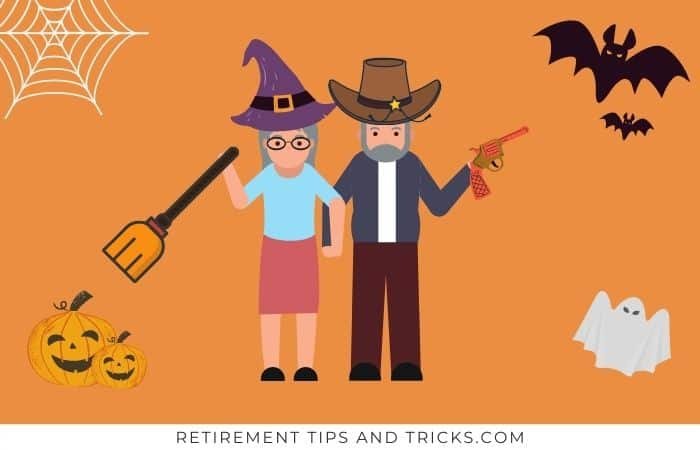
  • 40 Best Halloween Costumes For Seniors

    40 Best Halloween Costumes For Seniors

    best halloween costumes for retirees and seniors

    The spookiest day of the year is approaching, and you’re looking for an awesome Halloween costume to have a lot of trick-or-treating fun in your retirement. Well, look no further because I’m here to help you out!

    1. Mary Poppins

    mary poppins costume for seniors and retirees

    If Mary Poppins is your favorite movie, then you should definitely dress up as the Victorian London Mary Poppins and belt out supercalifragilisticexpialidocious at your front door. I hope you last a day saying that over and over again!

    2. Great Gatsby

    great gatsby costume for seniors and retirees

    Immerse yourself in the Jazz Age on Long Island in the 1920s with this awesome Great Gatsby costume. Nothing like having a good excuse to appear classy on a holiday!

    3. Charlie Chaplin

    charlie chaplin costume for seniors and retirees

    Do you prefer not to talk on Halloween? Then try impersonating Charlie Chaplin of the good black-and-white silent movies era and showcase your acting and dancing skills!

    4. Wicked Witch

    wicked witch costume for seniors and retirees

    Strike fear in childrenโ€™s hearts and become the classic Wizard of Oz with a Wicked Witch costume. A green face, boots, and a broom are all you need to complete this iconic lookโ€”perfect for Halloween or any costume party.

    5. Pennywise

    pennywise costume for seniors and retirees

    Want to bring a scare and horror? This officially licensed Pennywise costume from the 2019 IT: Chapter Two movie will terrify trick-or-treaters, friends, and neighbors alike! And if you can, try to find a ditch where you can scare and hand out goodies!

    6. Wizard

    wizard costume for seniors and retirees

    There are a lot of options when it comes to becoming a wizard this holiday season. Choose your favorite wizard and practice your spells! Donโ€™t forget to don your white wig and beard, and conjure up a magical Halloween.

    7. George Washington

    george washington costume for seniors and retirees

    Feeling patriotic? Become the first President of the United States with a George Washington costume! Be sure to get the powdered hair right, and the stiff accent of the colonists of the yonder years!

    8. Morticia Addams

    morticia addams costume for seniors and retirees

    Beauty and creepinessโ€”the best two adjectives that describe Morticia well. And if youโ€™re a lifelong fan of the Addams Family, then this is the character for you. Thankfully, itโ€™s easy to do her makeup as well!

    9. Marilyn Monroe

    marilyn monroe costume for seniors and retirees

    Be beautiful and have your inner Marilyn Monroe unleashed with this classic costume. Recreate the iconic subway grate scene with a friend and a strategically placed fan! Feel like a glamorous starlet straight out of Hollywood’s Golden Age.

    10. Cowboy

    cowboy costume for seniors and retirees

    Howdy, partner! Saddle up for a wild Halloween with a Cowboy costume. This complete outfit includes everything you need to transform into a Clint Eastwood-esque character, just add your own jeans and boots.

    11. Elvis Presley

    elvis presley costume for seniors and retirees

    Become the king during Halloween by wearing a classic Elvis costume. This iconic white jumpsuit will have you feeling like a rock and roll legend. Make sure to practice the songs and dance!

    12. Batman

    batman costume for seniors and retirees

    Itโ€™s now the best time to be a crime fighter, so become the hero of Gotham City with a Batman costume. This costume might even give you a superhero physique (at least for the night)! However, do note that there are a lot of Batman costume versions available.

    13. Big Frank

    big frank costume for seniors and retirees

    Don a Big Frank costume for a twist on the classic Frankenstein. This costume is perfect if you want to be recognizable but with a friendly twist. Just look at that jawline!

    14. Clown

    clown costume for seniors and retirees

    Most clowns are nightmare fuelโ€”not just Pennywise. After all, while they can be playful, they can be terrifying as well! Invest in a colorful clown costume that’s perfect for both Halloween parties and entertaining the grandkids.

    15. Renaissance Villager

    renaissance villager costume for seniors and retirees

    Create a charming couple’s costume! Pair this classic Renaissance lady costume with a lord or medieval knight outfit for your partner. This is perfect especially if youโ€™re interested in being a LARPer (live-action role player).

    16. John Travolta

    john travolta costume for seniors and retirees

    Boogie down as John Travolta this Halloween! The Saturday Night Fever costume is ideal for showing off your dance moves at a costume party. Learn the moves as well to make your costume more authentic!

    17. Annie Oakley

    annie oakley costume for seniors and retirees

    Ever dreamed of becoming a female sharpshooter? Then you would definitely want to try donning an Annie Oakley-inspired cowgirl costume. Pew pew pew!

    18. Dr. Emmett Brown

    doc brown costume for seniors and retirees

    Hop in a DeLorean with a Back to the Future costume. This Doc Brown costume is perfect for fans of the 80s movie. And be sure to find yourself a Marty to make things more fun!

    19. Mr. Potato Head

    potato head costume for seniors and retirees

    Want to scare the kids and have some lighthearted fun? Then get an inflatable Mr. Potato Head costume. Itโ€™s creepy and funny at the same time. And just a random thought: does he look like Steve Harvey?

    20. Cleopatra

    cleopatra costume for seniors and retirees

    Become the legendary Cleopatra with this costume. Live out your dreams of Nile-side luxury in retirement! Sexy hips and chest are not included!

    21. Spooky Ghost

    spooky ghost costume for seniors and retirees

    Haunt the halls (or porch) with a spooky ghost costumeโ€”thereโ€™s a lot of versions for this one as well. This is perfect if you want to create a mysterious ambiance rather than a jump scare.

    22. Sherlock Holmes

    sherlock holmes costume for seniors and retirees

    Is your detective and deduction skills at par with Sherlock Holmes? If you answered yes, then heโ€™s the perfect costume for you! This classic detective attire is perfect for those with a curious mind and a knack for solving puzzles. A female version is also available!

    23. Michael Jackson

    michael jackson costume for seniors and retirees

    Become the iconic Michael Jackson with a costume inspired by the pop legend. Grab your mic and shoes and get ready to put on an unforgettable show!

    24. Ursula

    ursula costume for seniors and retirees

    Itโ€™s time to grant some legs to mermaids and mermans! Get a Ursula costume from Disney’s The Little Mermaid. This beautifully crafted octopus costume will turn heads and might even win you a best costume award!ย 

    25. FBI Agent

    fbi agent costume for seniors and retirees

    Itโ€™s kinda sad that you may agree that one of the scariest people you donโ€™t want to see in your lifetime are FBI agents. If you agree, then being one during Halloween might be something you may want to try. Itโ€™s also perfect for those who prefer a low-fuss Halloween look.

    26. Flamingo

    flamingo costume for seniors and retirees

    Halloween isnโ€™t all about scary and beautiful costumes. Itโ€™s also a chance to be infinitely weird and funny. Bring on the laughs with a hilarious Flamingo costume. Guaranteed to get a smile out of everyone!

    27. Snow White

    snow white costume for seniors and retirees

    Thereโ€™s just too many media companies trying hard to make Snow White their own. Why not join in the fun? Relive your childhood dreams and transform into Snow White with this classic costume. Just remember, don’t eat any strange apples!

    28. Queen Of Hearts

    queen of hearts costume for seniors and retirees

    Demand respect as the Queen of Hearts from Alice in Wonderland with this regal costume. Itโ€™s a fancy costumeโ€”kinda obscure as wellโ€”and Iโ€™m sure many people will try their best to guess which character this one is from!

    29. Hippie

    hippie costume for seniors and retirees

    Revisit the carefree spirit of the 70s with a hippie costume. Perfect for a laid-back Halloween celebration. You may not even need to buy one yourself as you may already have an outfit like this stored in your attic!

    30. Pirate

    pirate costume for seniors and retirees

    Arrr! If you’ve always dreamed of being a pirate, this costume is for you. Set sail for an easy and fun Halloween adventure. For a more recognizable look, try finding one thatโ€™s modeled after Jack Sparrow.

    31. Gangster Boss

    gangster boss costume for seniors and retirees

    Be the godfather you always want to be! This gangster boss costume is lit! So, become Don Vito Corleone for the night and have some fun!ย 

    32. Dottie Hinson

    dottie hinson costume for seniors and retirees

    Step up to the plate as the legendary Dottie Hinson from A League of Their Own with this costume. Itโ€™s definitely an eye-catcher! Can you pull it off?

    33. Elsa

    elsa costume for seniors and retirees

    Interestingly, just mentioning Elsa makes you already know who we are talking about. Thatโ€™s how popular she is! So, spread some Halloween cheer with an Elsa costume from Frozen. It’s sure to put a smile on your grandkids’ faces!

    34. Inflatable Raptor

    inflatable raptor costume for seniors and retirees

    This is another weird and funny option, and it takes the comedy up a notch! Bring on the laughs with a hilarious inflatable raptor costume. Guaranteed to be a crowd-pleaser!

    35. Beetlejuice

    beetlejuice costume for seniors and retirees

    Who can still remember Beetlejuice? Iโ€™m sure you do! Don this Beetlejuice costume to have the most appropriate and relevant costume in the neighborhood. This is also perfect for fans of the classic movie who want to get a little freaky.

    36. Astronaut

    astronaut costume for seniors and retirees

    Did someone recently ask you for some time and space? Surprise them and become an astronaut! Blast off on a space adventure and try to coerce someone to be your inflatable moon!

    37. Cheerleader

    cheerleader costume for seniors and retirees

    For some reason, cheerleaders are very popular during Halloween. So, if you ever dream of being a cheerleader, show your team spirit with classic gold and blue by wearing this costume. And don’t forget the cheers!ย 

    38. Spider-Man

    spiderman costume for seniors and retirees

    No Halloween costume list is complete without a superhero! This Spider-Man costume is a classic choice for any age. Do note that there are a lot of different Spider-Man iterations as well, so choose your favorite!

    39. Cat In The Hat

    cat in the hat costume for seniors and retirees

    Become the life of the party with a Cat in the Hat costume! Just like the Cat himself, you’re sure to bring the fun. You might want to memorize his lines in the book for added effect!

    40. German Beer Girl

    german beer girl costume for seniors and retirees

    And finally, if you need a good excuse to drink a lot of beer during this year’s Halloween party, then go for this German beer girl costume. No one will ask questions, and you for sure will have a lot of fun dressed up as an Oktoberfest girl who can refill beer glasses from her chest.

    Frequently Asked Questions

    Do you have questions related to Halloween costumes and retirees? You might find your answers below!

    Can retirees enjoy dressing up for Halloween?

    Absolutely! Many retirees enjoy the festive spirit of Halloween and find joy in dressing up. Itโ€™s a fun way to express creativity and engage in community activities.

    How can retirees ensure their Halloween costumes are comfortable?

    Opt for costumes made of breathable, lightweight materials. Avoid heavy makeup and accessories that could cause discomfort or hinder mobility. Prioritize comfort by choosing practical footwear and ensuring ease of movement.

    Are there any Halloween costume contests specifically for retirees?

    Yes, many senior centers and retirement communities host costume contests. These events are great for socializing and showing off creative outfits. Local community centers and clubs may also organize themed parties and contests for retirees.

    How can retirees make their Halloween costumes on a budget?

    Thrift stores and DIY projects are great ways to create affordable costumes. Use items already available at home, such as old clothes and accessories, to craft a unique look. Online tutorials and creative ideas can help turn everyday items into fun costumes.

    What are some group costume ideas for retirees?

    Group themes like “The Golden Girls,” famous bands, or historical eras can be fun. Dressing up as characters from a favorite TV show or movie can also foster a sense of camaraderie. Group costumes can enhance the festive atmosphere and encourage teamwork.

    Are there any safety tips for retirees when dressing up for Halloween?

    Ensure costumes are fire-resistant and do not obstruct vision or movement. Reflective materials or lights can improve visibility if going out at night. Itโ€™s also important to avoid tripping hazards and ensure all accessories are securely attached.

    Can retirees participate in trick-or-treating or other Halloween activities?

    Certainly! Many retirees enjoy handing out candy, decorating their homes, or participating in community events. Some may also enjoy accompanying grandchildren or attending Halloween parties designed for all ages.

    What are some Halloween costume ideas for retirees with mobility issues?

    Costumes that can be adapted to sitting positions, like a seated king or queen, are ideal. Simple outfits with fewer accessories and easy-to-wear designs ensure comfort and ease. Wheelchairs can be incorporated into the costume, turning them into thrones, cars, or other creative props.

    How can retirees get involved in Halloween if they don’t want to dress up?

    They can participate by decorating their homes, baking Halloween-themed treats, or hosting a Halloween movie night. Volunteering at community events or helping to organize activities at senior centers are other great options. There are many ways to enjoy the holiday without wearing a costume.

    How can retirees stay warm in cooler climates while wearing Halloween costumes?

    Layering is keyโ€”wear thermal underwear or long sleeves and leggings under the costume. Choose costumes that incorporate warm materials or add accessories like scarves, hats, and gloves that fit the theme. Staying indoors for parties or events can also help retirees enjoy Halloween without getting cold.

    Conclusion

    With a variety of costumes to choose from, you’re sure to find the perfect outfit to embrace your spooky side this Halloween! Happy haunting (or treating)!

    Meanwhile, you might want to browse around the site and check my other posts. Here are some of them:

    Happy reading!

  • 16 Interesting Activities For Retirees

    16 Interesting Activities For Retirees

    With more free time on your hands, you can finally do many activities for retirees you weren’t able to do before. However, over time, your bucket list may become complete. When that time comes, you might face the dreaded boredom of having nothing to do.

    To help you out, I’ve compiled a list of interesting activities you might enjoy once you reach that point. Of course, some of you may already know about these, but this article can serve as a reminder of the possibilities out there. So, let’s get started!

    Just a heads up, this post contains affiliate links. As an Amazon Associate, I earn from qualifying purchases. Purchases you make through these links may earn us a small commission,ย at no extra cost to you.

    1. Enroll In Exciting Online Classes

    Retirement opens doors to exciting new skills! Why not unlock them with online classes? Some of the popular online learning platforms today are Udemy.com and Skillshare.com. But if you want to go for the best, look no further than MasterClass.

    MasterClass is an online streaming platform that empowers anyone to explore hundreds of captivating video lessons led by the world’s best instructors. Dive into diverse topics like art, cooking, sports, business, music, writing, and more. Imagine learning from renowned experts in their fields!

    Become a culinary master with Gordon Ramsay, master the backhand with Serena Williams, or nurture your green thumb with Ron Finley. Explore endless possibilities with new classes added monthly!

    2. Read Books

    Life thrives on good stories, and retirement offers prime time to immerse yourself in them. Reading opens doors to countless worlds and characters, all from the comfort of your armchair. Not only is it an affordable travel adventure, but it also brings a wealth of benefits to your mind and well-being.

    For one, it can maintain and improve your mental faculties. Books enhance your understanding of people, boost your vocabulary and communication skills, and equip you with tools to navigate challenges. They fuel your confidence and unleash your creativity while nurturing the very organ powering it allโ€”your brain.

    Also, reading keeps your mind sharp by reducing stress, strengthening connections, lowering blood pressure, and even warding off age-related cognitive decline. Now that’s a compelling reason to dive into a good book! And fortunately, itโ€™s easy to read anything nowadays, thanks to e-books and e-readers. With a Kindle E-reader, millions of ebooks and audiobooks are at your fingertips. Imagine lounging by the pool, relaxing on the beach, or simply enjoying a quiet moment at home, all with your reading haven within reach.

    3. Listen To Podcasts

    Gone are the days of undivided attention to learning and entertainment. Podcasts offer a vibrant escape while you multitask, be it hitting the gym, tackling chores, or unwinding at home. Dive into current events, captivating subjects, or even skill-building insights from experts – all seamlessly synced with your routine.

    With countless shows on almost any topic under the sun, there’s a podcast waiting to spark your curiosity. Tune in and explore – the world of knowledge awaits!

    Ready to find your perfect podcast? Here’s your guide:

    • Websites: Locate the podcast player on the page, ensure your device’s sound is on, and hit play!
    • iPhone or iPad: Utilize the Apple Podcasts app.
    • Android Phone: Use the Google Podcasts app.
    • Spotify: Discover a vast selection of podcasts alongside your music.
    • Bonus Tip: Search for your preferred topic followed by “Podcast” on Google to discover relevant shows.

    4. Do A Random Act Of Kindness

    Spreading sunshine boosts yours too! Recent studies show random acts of kindness lead to a surge of happiness. Why? You’re making a difference, boosting someone else’s day, and feeling empowered with purpose. This, in turn, lifts your mood and brings a smile to your face.

    Here’s the key: small acts, daily impact. Pay for someone’s parking, offer a homeless person a meal, or invite a lonely neighbor for tea. The possibilities are endless, the connections you forge can be truly inspiring, and they can give you a renewed sense of purpose.

    5. Become A Trivia Expert

    Do you crave interesting stories and the ability to amaze others with cleverness? Start the enjoyable journey of becoming a trivia expert! Picture effortlessly learning different and fascinating facts, improving your mind like a food lover enjoying a tasty meal.

    This activity goes beyond just trivia. Mastery leads to a better understanding of the world. Each fact you learn strengthens connections, creating a colorful picture of knowledge that improves how you see things.

    Why wait? Let out your inner learner and begin this exciting adventure of exploring ideas. Use various materials, develop a love for learning, and share what you’ve learned with confidence. Remember, the journey is just as enjoyable as reaching your goal.

    6. Practice Opposite Day Every Day

    While “Opposite Day” isn’t widely celebrated, it’s a fun chance to do things differently. On this day, people switch up their usual routines. For example, they might wear clothes inside-out, use their left hand instead of their right hand, or eat cereal before adding milk.

    But limiting this playful day to just one isn’t necessary. Bringing some of that fun into everyday life can make things more interesting. Even though Opposite Day is on January 25th, making small changes regularly can turn boring moments into fun surprises.

    By trying new things and being open to surprises, life can feel more exciting and creative. So why wait for just one day when you can add a bit of fun to each day?

    Note: Be sure to warn your friends and families about this. As they can misinterpret your actions, especially if theyโ€™re around you most of the time. If possible, only practice Opposite Day when youโ€™re alone.

    7. Plan Fun Trips

    Traveling gives you a chance to learn, have fun, and enjoy yourself. Each trip helps you see the world in a new way, teaching you about different cultures, landscapes, and types of people. It’s like getting the best education possible.

    And the fun starts even before you leave! Planning your trip gets you excited and lets you make it perfect for you. If you’re looking for ideas for your retirement travels, check out my travel articles. They’re full of suggestions to inspire your love of travel.

    8. Avoid Television And Streaming Shows

    Many retirees find themselves drawn to television and streaming services as a way to occupy their newfound free time. Although documentaries and some educational shows can provide valuable insights, excessive passive viewing can have negative consequences. Spending the majority of retirement days glued to the screen can result in feelings of boredom, uselessness, and even depression.

    Therefore, it’s important to avoid relying on television and streaming shows as the primary activity or hobby. While this might sound unconventional, it can be an effective and enjoyable approach. 

    Resisting the urge to simply sit on the couch and mindlessly stare at the TV or phone screen, and instead actively seeking out other activities, can be exhilarating. Engaging in activities that challenge the mind and spark creativity can lead to a more fulfilling retirement experience.

    9. Visit Your Family

    Unlike the strong emphasis on family unity in many Southeast Asian countries I’ve visited, America tends to prioritize individual independence. While this close-knit family structure isn’t universal, there’s undeniable value in strengthening bonds with loved ones, especially as you retire.

    One way to instantly add joy to your retired life is by spending time with your children or grandchildren and experiencing the world through their eyes. To them, everything is new and fascinating, filled with wonder and magic. Engaging with young children not only brings happiness but also keeps you young at heart. 

    Frequently visiting your kids and grandkids is an opportunity to rekindle the innocence and curiosity of childhood, igniting your own sense of wonder and enthusiasm for life. So, embrace these moments with your family, and you’ll find that life becomes more interesting and fulfilling all over again.

    10. Develop A New Recipe

    Instead of just cooking the usual stuff, why not try making up your own recipes? It’s a cool way to be creative, learn new cooking tricks, and have a blast exploring.

    Think of your kitchen as a place to have adventures. Instead of sticking to the same old ingredients, try mixing things up. Experiment with different flavors, try out recipes from around the world or see what you can make with stuff you forgot you had in your cabinets.

    You can also try putting your own spin on classic dishes or coming up with brand-new recipes. Have you ever wanted to make your grandma’s famous apple pie even better? Now’s your chance! Or maybe you’ve got an idea for a crazy mash-up dish, like mixing Thai curry with Italian risotto? The sky’s the limit!

    Get to know spices and herbs better too. Learn what each one tastes like, play around with different combinations, and maybe even come up with your own special seasoning mix. Who knows, you might even create something as famous as the Colonel’s secret recipe!

    But it’s not just about the food โ€“ coming up with recipes is fun all by itself. Share your cooking adventures with your friends and family, write down your recipes, and maybe even join some online groups where people share their love of food.

    11. Become A Volunteer

    For many retirees, volunteering isn’t just a pastime, it’s a path to fulfillment. Why? The benefits of volunteer work reach far beyond helping others, enriching your life in key ways:

    • Social connections: Combat loneliness and build cherished bonds by volunteering at a local soup kitchen, senior center, or mentoring program.
    • Mental stimulation: Keep your mind sharp by using your skills, learning new ones, and engaging in problem-solving through volunteer work.
    • Physical activity: Many volunteer opportunities involve movement and activity, contributing to overall health and well-being.

    These combined benefitsโ€”social, mental, and physicalโ€”are the recipe for a happy and fulfilling retirement. Volunteering actively cultivates them, leading to greater satisfaction in this new chapter of life.

    Ready to make a difference? Consider opportunities like:

    • Serving meals at a food bank
    • Enriching seniors’ lives at a center
    • Sharing your expertise with younger generations
    • Joining national programs like the Senior Corps

    So, don’t just retire, reignite your purpose! By volunteering, you’re not just giving back, you’re investing in your own happiness and well-being.

    12. Be A Coffee Connoisseur

    Imagine savoring a luxurious cup of coffee in the morning. You’re free now, but why stop at simply enjoying a cup? In retirement, every moment can be an opportunity for exploration and delight.

    Elevate your morning routine to a world-class coffee-tasting experience. Discover new beans, brands, and methods to craft your own gourmet cup. It can set your day off on a positive note.

    Nothing beats the feeling of enjoying a gourmet coffee in the morning as a retiree, knowing you don’t have to rush into work. You have the freedom to do whatever you want with your day.

    For a starting point, consider Beanbox, purveyors of the finest artisan coffees from around the globe. Each brew has its own fascinating backstory, adding an extra layer of richness to your morning ritual. Enjoy a steady supply with their convenient subscription service. To learn more, visit here.

    13. Upcycle An Item

    Have an everyday item lying around you no longer need? Give it a new life through upcycling!

    Upcycling is similar to recycling. However, while both aim to reduce waste, they have one key distinction: the material’s form after processing.

    Recycling breaks down materials like paper into their base components to create new products. For example, recycled paper undergoes pulping and processing to become new paper again.

    Meanwhile, upcycling repurposes materials without destroying their original form. Instead, you directly transform them into new, sometimes more valuable, items. Take old newspapers, for instance, and upcycle them to create papier-mรขchรฉ figures or decorative bowls.

    Upcycling offers a fun and rewarding activity for retirees. Simply use items you already have at home to create something entirely new, whether it’s a useful product or a unique piece of art.

    Start upcycling today and turn everyday objects into treasures!

    https://youtu.be/mSZYpQBmFsI

    14. Craft And Create

    Many retirees love to get creative because it’s what their life lacked for many years. Therefore getting crafty is an interesting thing to do in retirement.

    And did you know that doing a creative activity contributes to better aging? It gives a sense of purpose and boosts self-esteem, you’ll live a more happy retired life.

    But where to start? For example, my retired mom and mother-in-law love to do diamond painting. They can do it for hours on end. Itโ€™s kind of a meditation for them.

    But when you like to explore all sorts of interesting craft projects, you can subscribe to the Arts and Crafts Crate from CrateJoy. A crate filled with new arts and crafts projects will be sent to your door every month. It allows you to learn a new craft technique every time. Or you can get the book: 365 Days of Art, an inspiring journal with creative exercises for every day of the year.

    15. Listen To New Music

    With over 100 million songs on Apple Music alone, and likely only a few hundred in your current playlist, retirement becomes a fantastic opportunity to explore and enjoy new music!

    Often, we fall into the habit of replaying familiar favorites. But why not spice things up by venturing into new sonic territory?

    Platforms like Spotify offer free access to entire albums and personalized recommendations based on your existing preferences. It’s a gateway to a vast, unexplored musical world waiting to be discovered.

    16. Check What’s Interesting About Today

    While you might think about giving up TV and screens completely when you retire, it’s important to stay connected in some way. Let’s talk about why it’s good to have a mix of media in your life, including keeping up with what’s happening in the world.

    Every day is like a new chapter in a history book. Important things are always going on, shaping the world we live in. Keeping up with the news doesn’t just stop you from feeling out of touch or bored. It also helps you:

    • Make smart choices that affect your life and future.
    • Have meaningful talks with friends, family, and others.
    • Understand big issues and debates happening in society.

    Plus, staying informed keeps your brain busy and sharp, which is really important for staying healthy and happy, especially in retirement.

    The trick is to not overdo it. Look for good sources of news and different points of view. Try out documentaries, podcasts, and online discussions to learn more about things you’re interested in.

    Just remember, the idea is to stay in the loop, engaged, and connected without spending too much time staring at screens. Finding this balance will make your retirement more interesting, help you feel connected to the world, and keep you learning and growing along the way.

    Conclusion

    Your retirement adventure doesn’t stop when you finish your bucket list. It’s just the start of a whole new journey with tons of possibilities! 

    The list of interesting activities I’ve talked about might have given you some cool ideas, but it’s only the beginning. The world is huge, your interests are endless, and your imagination knows no bounds.

    And while youโ€™re thinking about the next thing you would want to do, why not try reading some of the retiree-related I published recently? Here are some of them:

    Happy reading!

  • Life After Work: 30 Fun Early Retirement Activities

    Life After Work: 30 Fun Early Retirement Activities

    You’ve achieved early retirement and are looking for early retirement activities to do with your newfound freedom. Well, you’ve come to the right place! This article lists 30 fun things to do when you’re retired early. Let’s get started right away with number one on the list.

    1. Apply For Fun Classes

    If you’ve ever thought you’ve always wanted to learn something new, then retirement offers the perfect opportunity to do it. You now have time to pursue new interests, and here’s a fantastic tip to get you started!

    Whatever your passion may be, Masterclass offers a plethora of captivating courses for you to explore at your leisure. Whether it’s gardening, music, science, business, tennis, magic, Italian/Mexican or BBQ cooking, basketball, and beyond, there’s a class tailored just for you.

    2. Redecorate Your Home

    Redecorating becomes a fun and creative project, allowing you to fall in love with your home all over again. Whether it’s upgrading the kitchen, spicing up the living room, or freshening up the bedroom, retirement provides the perfect opportunity for home improvement.

    Kelly Wearstler’s online Masterclass offers valuable advice and inspiration for interior design, suitable for beginners and experienced individuals alike. Through 17 video lessons, the award-winning designer shares insights on creating spaciousness, selecting colors and materials, working with natural light, and developing a distinctive style.

    3. Enjoy Good Books

    Reading offers a unique form of escapism, allowing you to explore other worlds from the comfort of your home. With a Kindle Ereader, access to millions of ebooks and audiobooks makes retirement even more enjoyable and interesting.

    Reading is not just entertainment; it’s also essential for keeping the brain active and healthy during retirement. Whether you’re at home, by the pool, or on the beach, bringing along your e-reader ensures you always have access to your favorite books.

    4. Watch Back Old Tapes

    Many retirees enjoy reminiscing and reliving old memories. Legacybox offers a convenient way to digitize old tapes, making it easy to watch and share cherished memories with family and friends.

    With Legacybox, you can digitize various formats, ensuring that your precious memories are preserved for future generations. The process is simple and convenient, with step-by-step instructions and pre-paid shipping labels provided for easy return.

    By digitizing your old tapes, you can create a family book and distribute it along with the digitalized media, becoming the family historian and ensuring that your memories are enjoyed by all.

    5. Have A Happy Hour Every Day

    Savor every moment and enjoy a relaxing drink at the end of the day now that youโ€™re retired. While moderation is key, indulging in a glass of wine or beer can enhance the retirement experience.

    Creating a daily ritual of unwinding and relaxation helps to fully appreciate and enjoy retirement. Consider getting creative with new cocktails or subscribing to clubs like The Original Craft Beer Club or The California Wine Club for curated selections delivered to your doorstep.

    Hosting wine tastings or inviting friends over to enjoy drinks together adds a social element to your daily happy hour routine.

    6. Start A Business

    Regain control over your life and become your own boss. Many retirees choose to start a (small) business to enjoy flexibility in working hours and pursue a new life purpose.

    Whether you’re building on a hobby or venturing into something entirely new, it’s crucial to pursue something you love and ensure financial feasibility. Starting small allows you to test the waters and assess market potential before investing heavily.

    Consider seeking support from services like NorthWest Registered Agent for worry-free assistance in starting your business in retirement.

    7. Get Into Arts And Crafts

    Rediscover and nurture your innate creativity through arts and crafts. Engaging in arts and crafts activities not only offers enjoyment but also contributes to better aging by providing a sense of purpose and boosting self-esteem.

    Activities like knitting or diamond painting can be meditative and enjoyable, allowing retirees to spend hours immersed in their craft. Embracing arts and crafts in retirement fosters a more fulfilling and happy retired life.

    Subscribing to services like the Arts and Crafts Crate from CrateJoy or exploring resources like 365 Days of Art can provide endless inspiration and opportunities to learn new techniques.

    Read: 25 Creative Art Therapy Projects For Seniors

    8. Do Volunteer Work

    Volunteering is a rewarding way for retirees to fill their days with purpose and fulfillment. Engaging in volunteer work helps retirees stay active, maintain social connections, and combat loneliness in retirement.

    Volunteering opportunities abound, from local soup kitchens and senior centers to programs like Senior Corps. Utilizing volunteering agencies such as VolunteerMatch, Volunteer.gov, or Volunteers of America can help retirees find meaningful opportunities that align with their interests and skills.

    Giving back to the community through volunteer work not only benefits others but also brings a sense of satisfaction and joy to retirees.

    Read: Why Do Retirees Volunteer

    9. Get Fit

    Retiring early means aiming for a long and healthy retirement, as you’ve worked hard to enjoy it fully. Prioritize physical, mental, and social fitness, recognizing that these aspects are essential for a fulfilling retired lifestyle.

    Physical activity helps maintain strength and vitality, with tools like the Cronometer app offering easy tracking of nutrition, fitness, and health data.

    Keeping the brain active is crucial for preserving cognitive skills and reducing dementia risk, with resources like the book 399 Games, Puzzles & Trivia Challenges Specially Designed to Keep Your Brain Young offering engaging ways to stay mentally sharp.

    Social activity is equally vital in retirement, as it combats feelings of loneliness and depression, contributing to overall well-being.

    10. Enjoy Your Morning Coffee

    Now that youโ€™re retired, savor a leisurely morning cup of coffee or tea without the rush of work. This simple pleasure symbolizes the ultimate feeling of retirement, where you can relax in your pajamas, read the newspaper, and anticipate a day full of possibilities.

    Incorporating a gourmet coffee moment into your daily routine creates momentum and structure, positively impacting your mood and setting the tone for the rest of the day. A consistent morning routine is essential for starting the day on a positive note, helping you stay focused, energized, and motivated to make the most of retirement.

    Enhance your coffee experience by subscribing to Beanbox for artisan coffees delivered to your door every month, adding an extra touch of indulgence to your morning ritual.

    11. Get Into Gardening

    Gardening is a popular and healthy activity for retirees, offering numerous benefits for overall well-being. Engaging in manual labor like digging and planting burns calories and provides excellent physical exercise.

    Spending time outdoors while gardening boosts the immune system and promotes overall health. Gardening encourages creativity and living in the moment, relieving stress and benefiting mental well-being.

    Even without a green thumb, gardening offers valuable benefits, and resources like Ron Finley’s online Masterclass provide opportunities to learn and improve gardening skills. Vertical gardening is a space-saving option for retirees with limited outdoor space, allowing them to grow their own vegetables and herbs and enjoy the pleasures of gardening.

    12. Write A Book

    Consider writing a novel, memoir, work stories, family history, or poetry collection as potential book projects.

    The Writer’s Toolbox is a valuable resource for getting into the creative writer’s mindset and enhancing your writing skills. Writing a book allows you to share your experiences, creativity, and knowledge with others.

    Whether it’s fiction or non-fiction, writing can be a fulfilling and rewarding endeavor in retirement.

    13. Go Back To School

    Early retirement presents an opportunity to pursue educational interests and continue learning. Many colleges in the United States offer discounted or free programs for seniors, allowing retirees to further their education without financial burden.

    These programs range from shorter-term courses to complete degree programs, catering to the diverse interests and goals of retirees. Resources like lists of colleges offering programs for seniors or inquiries at nearby community colleges can help retirees find suitable educational opportunities.

    Going back to school in retirement enables individuals to expand their knowledge, develop new skills, and engage in lifelong learning pursuits.

    14. Find A New Hobby

    Embracing hobbies enhances happiness and fulfillment in retirement. Retirees can discover new hobbies by joining activities enjoyed by friends, children, or grandchildren or exploring interests independently.

    For guidance on finding a retirement hobby, consider reading my article How To Get A Retirement Hobby for valuable insights. Additionally, explore another article of mine, The Best Hobbies In Retirement, which can provide inspiration and ideas for enjoyable pastimes.

    Whether it’s crafting, gardening, photography, or something entirely new, finding a hobby in retirement adds meaning and joy to everyday life.

    15. Visiting Far-Away Family

    Retirement is also the best time to prioritize spending time with loved ones. Visiting family members, especially those who live far away, becomes a top priority in retirement.

    Take advantage of the extra time in retirement to make the effort to visit distant relatives and enjoy quality time together. Turning a visit into a short holiday allows for a change of scenery and provides a refreshing break from routine.

    Spending time with family rejuvenates the mind and strengthens bonds, adding joy and fulfillment to retirement.

    16. Babysit Your Grandchildren

    Babysitting grandchildren is a rewarding way to spend quality time together and strengthen family bonds in retirement. It also provides practical support for your children by saving them money on childcare expenses.

    Engaging with grandchildren keeps retirees busy and brings a sense of youthfulness and joy. While babysitting can be a fulfilling activity, it’s important not to commit to regular childcare obligations until you’ve fully explored your interests and priorities in retirement.

    Keeping an open agenda allows retirees to experience the freedom of retirement before making long-term commitments, ensuring they make choices aligned with their desires and goals.

    17. Go On A Date

    If youโ€™re still single, explore new romantic opportunities and go on a date. Online dating sites like eHarmony cater to seniors looking for serious relationships.

    eHarmony’s compatibility matching system simplifies the process of finding potential matches based on age, city, or location. Various subscription plans are available, but you can start with a free trial to test the waters and see if online dating is right for you. 

    Who knows, you might just find the love of your life and embark on a new chapter of companionship and happiness in retirement.

    18. Declutter Your Home

    Decluttering your home is a beneficial activity in retirement, reducing stress and creating more time for enjoyable pursuits. It involves actively removing unnecessary items to focus on what truly matters in life.

    Starting with small steps, such as decluttering for just five minutes a day or giving away one item daily, can make the process manageable. Seeking assistance from a friend can provide motivation and support during the decluttering process.

    Applying the one-year rule helps in determining what to keep or discard by assessing whether an item has been used in the past year. If not, it’s likely unnecessary and can be sold or given away.

    19. Create A Retirement Bucket List

    Crafting a retirement bucket list is a valuable exercise for setting goals and aspirations for your retirement years. It allows you to envision and prioritize the experiences and accomplishments you want to achieve.

    Resources like my article 101+ Ideas For Your Retirement Bucket List or books like The Bucket List: 1000 Adventures Big & Small provide inspiration and ideas for your list.

    Your retirement bucket list can encompass a wide range of activities, from travel adventures to personal achievements and meaningful experiences. By creating a retirement bucket list, you can make the most of your retirement years and ensure that you fulfill your dreams and aspirations.

    20. Go Stargazing

    Stargazing offers a serene and awe-inspiring experience, allowing you to appreciate the beauty of the night sky. The best stargazing locations are dark spots with minimal light pollution, which you can find using a Dark Sky Place finder.

    These designated areas restrict artificial light pollution, providing optimal conditions for viewing the stars. Some perfect stargazing places in the USA include Natural Bridges National Monument in Utah, Mauna Kea in Hawaii, and the New Mexico True Dark Skies Trail.

    21. Foster A Pet

    Fostering a pet in retirement is a rewarding way to give back to the community and provide temporary care for homeless animals. As a foster pet parent, you can take care of cats, dogs, or other animals until they find permanent homes.

    Websites like Petfinder.com provide information and opportunities for fostering pets, allowing retirees to get involved and make a difference in the lives of animals in need. Fostering a pet offers companionship, purpose, and the joy of nurturing an animal in transition.

    22. Travel

    Traveling is an enriching and fulfilling experience, adding excitement and adventure to your retired life. Exploring both local and foreign destinations allows retirees to meet new people, see beautiful places, and immerse themselves in different cultures.

    If your retirement savings allow it, prioritize traveling as much as possible to make the most of your golden years.

    Resources like articles offering travel tips and inspiration, such as How To Travel The World After Retirement and The 25 Best Retirement Road Trip Ideas, provide valuable insights and ideas for planning your travels.

    Whether it’s embarking on a world adventure or enjoying a road trip closer to home, traveling in retirement offers endless opportunities for discovery, relaxation, and personal growth.

    23. Listen To Podcasts

    Podcasts offer a convenient and popular way to explore various topics and stay informed while multitasking. Whether you’re exercising, walking the dog, or relaxing at home, you can easily listen to podcasts.

    It’s a simple way to stay updated on current events, improve skills, or gain inspiration from knowledgeable speakers and experts. With a wide range of entertaining and informative podcasts available, there’s something for everyone’s interests and preferences.

    If you’re unsure where to start, resources like Time Magazine’s list of the 50 best podcasts provide recommendations to help you discover new and engaging podcasts to enjoy.

    24. Learn A New Skill

    Learning new skills in retirement contributes to maintaining mental acuity and overall well-being. Enjoying retirement to the fullest includes exploring new hobbies and interests, both for personal enjoyment and practical benefits.

    Acquiring skills in areas like home repair can save money on maintenance costs and provide a sense of accomplishment. Learning can be both practical and enjoyable, whether it’s mastering a foreign language, learning a TikTok dance, or picking up a magic trick.

    Online platforms like Udemy, Skillshare, and Masterclass offer a wide range of courses covering various skills and interests, making learning accessible and enjoyable for retirees.

    25. Overcome A Fear

    Live life to the fullest, which may involve overcoming fears that have held you back. Pursuing your dreams often requires facing and conquering fears that stand in the way of your aspirations.

    Overcoming a fear during retirement is essential for avoiding regrets and experiencing true freedom of the mind. Whether it’s a fear of heights, spiders, elevators, or something else, making an effort to conquer your fear liberates you from a burden and boosts your self-esteem.

    Taking control of your life and emotions in retirement enhances your overall well-being and allows you to embrace new opportunities and experiences without limitations.

    26. Relax And Do Nothing

    After years of hard work, retirement offers the opportunity to relax and unwind without feeling the pressure to be productive. Taking time to do nothing allows retirees to destress from work and regroup mentally and emotionally.

    Devoting the first few weeks of retirement to relaxation helps individuals gain clarity on how they want to spend their time in retirement. Relaxation promotes better listening to one’s inner desires and helps in aligning actions with personal values and aspirations.

    Resources like articles offering relaxation tips, such as How Can I Relax In Retirement, provide practical guidance for retirees seeking to prioritize relaxation and well-being in their retirement years.

    27. Apply For A Fun Job

    Feeling bored in retirement? Consider applying for a fun job that doesn’t feel like work.

    Fun retirement jobs offer opportunities to replace work routines, daily social interactions, and purpose with new and enjoyable experiences. These jobs provide not only extra income but also social benefits, contributing to overall well-being and fulfillment in retirement.

    Exploring job options tailored for retirees, such as those listed in articles like 50 Best Jobs For Retirees, can inspire individuals seeking meaningful and enjoyable ways to stay active and engaged in retirement.

    28. Teach

    Transfer accumulated knowledge and wisdom to the next generation through teaching, consulting, tutoring, or coaching. Drawing from years of experience, successes, and failures, retirees can impart valuable life lessons to others.

    Helping others with their skills and talents provides a sense of purpose and satisfaction, enhancing overall happiness in retirement. Becoming a teacher, consultant, tutor, or coach allows retirees to make a meaningful impact on the lives of others while leaving a lasting legacy.

    Sharing wisdom with the next generation fosters personal growth, enriches relationships, and contributes to the betterment of society as a whole.

    29. Dig In Your Past

    Many retirees find joy in delving into their family history and tracing their ancestors. Genealogy is currently the second most popular hobby in the United States, offering a fulfilling way to connect with one’s roots.

    Building a family tree can be done for free using websites like FindMyPast.com or by accessing information on sites such as FamilySearch.org, Genealogy.com, or Ancestry.com.

    Gathering stories and information about family members from relatives helps fill in the pieces of the puzzle. Local libraries can also provide valuable assistance and resources for researching family history, further enriching the journey of discovering one’s past.

    30. Host A Party

    Hosting a party is a fantastic way to increase social interaction and connect with friends and family in retirement. Whether you enjoy being a host or want to cultivate new friendships, hosting regular gatherings like game nights, dinner parties, or Sunday brunches can add excitement and vibrancy to retirement life.

    By organizing various types of parties, retirees can create opportunities for laughter, bonding, and making lasting memories with loved ones. Embracing the spirit of celebration and camaraderie, retirees can turn their retirement into a continuous series of joyful gatherings, making every day feel like a special occasion.

    Hosting parties not only fosters social connections but also brings joy, laughter, and a sense of community to retirement living.

    Conclusion

    With this list as your guide, you can turn your early retirement into an exciting adventure. So, dive in, explore your options, and get ready to embrace a new chapter filled with fun, purpose, and endless possibilities!

    If you have more free time, try reading some of the other posts I recently published. Some of them are:

    Happy reading!